
Think a quick pinch can tell you if your dog is dehydrated? It can, but only if you do it right.
The skin turgor test (skin tent or pinch test) checks how fast a fold of skin snaps back and gives a fast clue about hydration.
This post shows step-by-step how to do it safely, what a normal result looks like, what can mess up the test, other quick checks to add, and when to call your vet.
Keep this simple check in your routine so you spot trouble early and act with confidence.
How to Perform the Dog Dehydration Skin Test Correctly

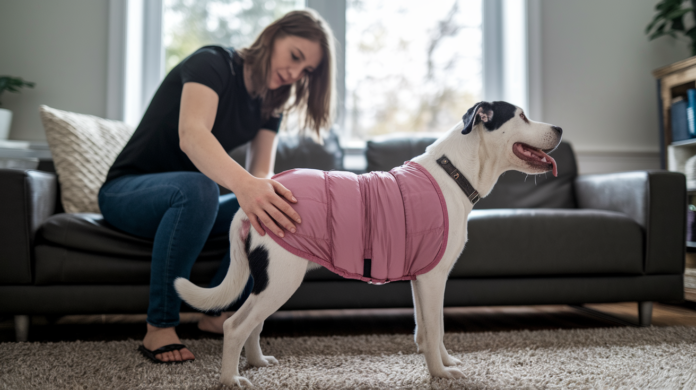
The skin turgor test (sometimes called the skin tent or pinch test) checks how fast a fold of skin bounces back after you lift and release it. You do it by gently pinching loose skin over your dog’s shoulder blades, somewhere between the neck and mid-back. That spot works best because the skin’s naturally loose there and won’t hurt when you lift it.
Grab the fold between your thumb and forefinger, lift it about an inch above the body, then let go and watch what happens. In a dog who’s drinking enough, the skin snaps right back, usually in less than a second. If it slides down slowly or holds that tent shape for more than a second or two, that’s a delay. And delays suggest dehydration. The longer it takes, the more fluid your dog’s probably lost.
The test works better when you’ve done it a few times while your dog’s healthy. Knowing what’s normal for your dog helps you spot changes early. Just remember this is a quick check, not a diagnosis, and results can be misleading.
Step by step instructions:
- Get your dog standing or sitting calmly on a surface that won’t slip.
- Find the loose skin over the shoulder blades, about halfway between the neck and the back.
- Pinch a fold of skin gently with your thumb and forefinger, lifting it about an inch.
- Let go and watch how fast it returns to normal.
- Note whether it snaps back right away (normal) or slowly slides down or holds a tent (delayed).
- Repeat in the same spot to make sure you saw what you thought you saw, especially if there’s a delay.
Factors that mess with accuracy:
Age matters. Older dogs lose some skin elasticity naturally, so a slower return doesn’t always mean dehydration in a senior. Puppies usually have super elastic skin that rebounds fast.
Breed and skin type can throw things off. Dogs with loose, wrinkly skin (Shar-Peis, Bulldogs, Basset Hounds) can give false readings because their skin already sits in folds. Very thin-skinned dogs or overweight ones can also give weird results.
Skin problems, like dermatitis or recent weight loss, reduce elasticity and make the test harder to read. If your dog has any skin issue or their body condition just changed a lot, use other hydration checks too and talk to your vet.
Additional Checks Beyond the Dog Dehydration Skin Test

The gum moisture check is a fast way to see what’s going on alongside the skin tent test. Lift your dog’s upper lip and slide a clean finger gently along the gums. Healthy gums feel slick and wet, almost slippery. If they feel tacky or sticky, or your finger drags across the surface, that texture shift can mean dehydration.
Capillary refill time (CRT) measures how fast blood returns to the gums after you press them. Press gently on the gum with a finger until you see a white or pale spot, then let go and count how long it takes for the pink color to come back. Normal is less than two seconds. Longer than that, especially past two seconds, suggests poor circulation or dehydration and needs a same-day vet visit.
Other signs worth checking:
- Sunken eyes – Eyes may look dull, set back in the sockets, or hollow around the orbit.
- Dry nose – A dry, cracked nose can come with dehydration, but some healthy dogs have dry noses, so don’t lean on this alone.
- Thick saliva – Saliva might look ropy, thick, or stringy instead of clear and watery.
- Lethargy and weakness – A dehydrated dog often moves slowly, lies down more, and shows less interest in play or food.
Early and Later Signs of Dog Dehydration Owners Should Watch For
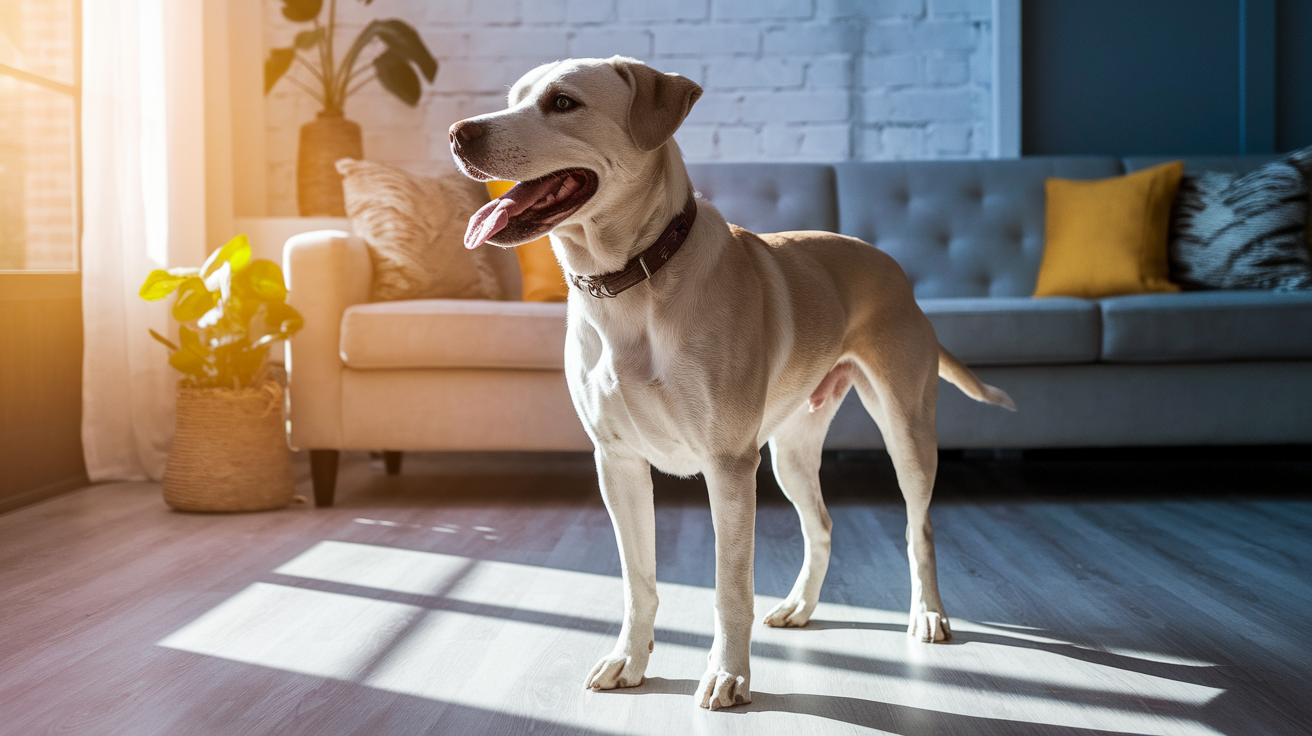
Dehydration usually builds slowly, starting with small behavior changes before you see obvious physical stuff. Early on, your dog might drink less, skip meals, or lie in one spot longer than usual. Gums might feel slightly drier or stickier, and energy dips just enough that a walk feels harder.
As fluid loss keeps going, signs get clearer. The skin tent test shows a delay, eyes may look sunken, and panting can pick up even without exercise or heat. Severe dehydration brings collapse, seizures, extremely pale or blue-tinged gums, cold paws and ears, trouble breathing, and total refusal to drink. At that point, it’s an emergency and your dog needs a vet right now.
Common signs to watch for, mild to severe:
- Dry or sticky gums
- Decreased appetite or refusing to eat
- Lethargy, fatigue, or not wanting to move
- Sunken, dull eyes
- Increased panting without an obvious reason
- Severe weakness, collapse, seizures, or breathing problems
Causes of Dehydration That Affect the Dog Dehydration Skin Test Results
Dehydration happens when your dog loses more fluid than they’re taking in. Reasons range from forgetting to refill the water bowl to serious health problems. Not drinking enough is the simplest cause, whether the bowl went dry, the water tasted off, or your dog didn’t feel like drinking because of nausea, pain, or stress.
Active fluid loss speeds things up. Vomiting and diarrhea dump water and electrolytes fast, especially if it’s happening over and over. Heat exposure, hard exercise, and excessive panting drain fluids through breathing. Chronic conditions and some medications mess with the balance too.
Common causes:
- Not enough water or no access to fresh water
- Vomiting or diarrhea from illness, infection, or eating something they shouldn’t have
- Too much heat exposure, long outdoor time in summer, or heatstroke
- Kidney disease, diabetes, or Cushing’s disease, which increase urination or mess with thirst
- Medications that make them urinate more (diuretics) or lower fluid retention, including some heart and seizure drugs
When the Dog Dehydration Skin Test Means You Should See a Vet
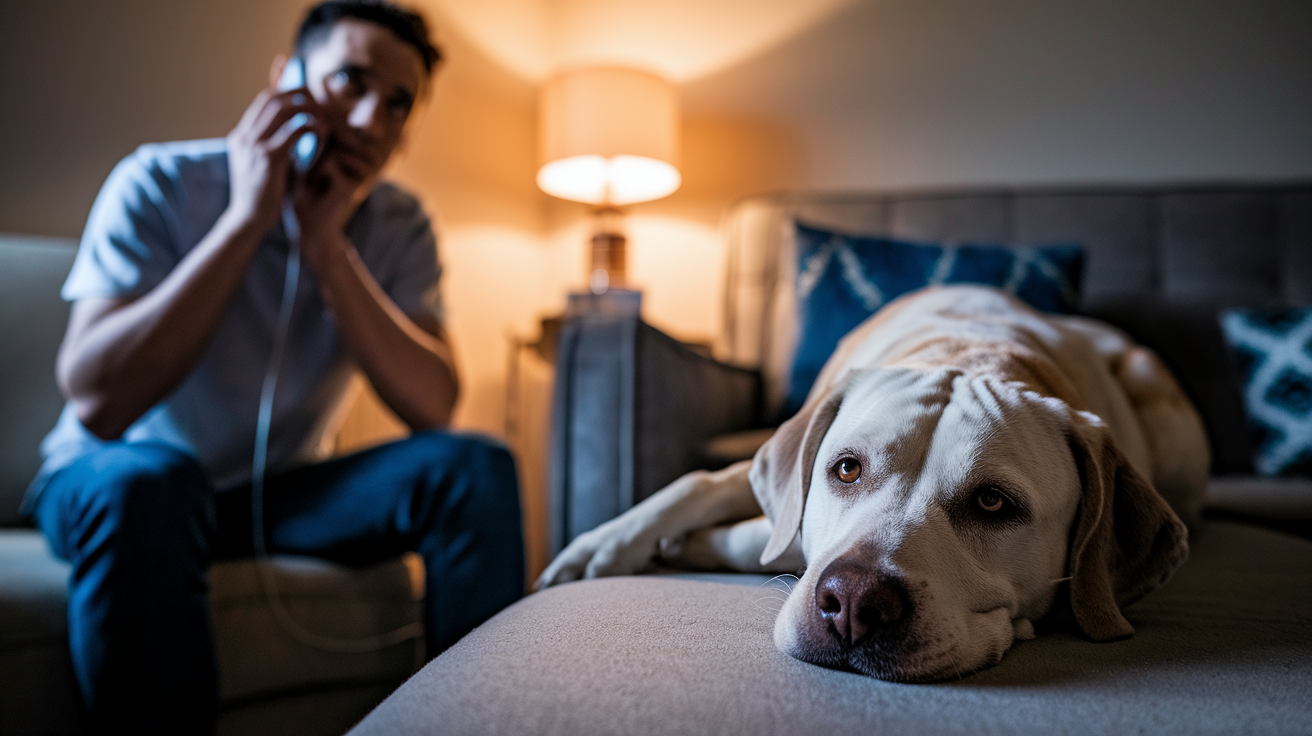
If the skin tent test shows a delay (meaning the skin takes more than a second to go back to normal), call your vet the same day. A positive test means your dog’s already lost a meaningful amount of fluid, and waiting can let dehydration get worse and stress the kidneys, heart, and other organs.
Some signs bump things to urgent or emergency. If your dog’s very weak, can’t stand, has gums that look pale, white, or blue-gray, or shows a capillary refill time longer than two seconds, get to the vet or an emergency clinic right away. Puppies and senior dogs dehydrate faster and face higher risks, so even moderate signs in very young or very old pets need immediate attention.
Constant vomiting or diarrhea, especially if your dog can’t keep water down or won’t drink, needs same-day care. Dehydration combined with other severe symptoms like seizures, collapse, or trouble breathing is life threatening.
Red flag signs needing immediate care:
- Collapse, extreme weakness, or can’t stand
- Very pale, white, or blue-tinged gums
- Capillary refill time longer than two seconds
- Ongoing vomiting or diarrhea with refusing or inability to drink
- Puppies, geriatric dogs, or pets with chronic illness showing any dehydration signs
Veterinary Diagnostics Used When the Dog Dehydration Skin Test Suggests a Problem
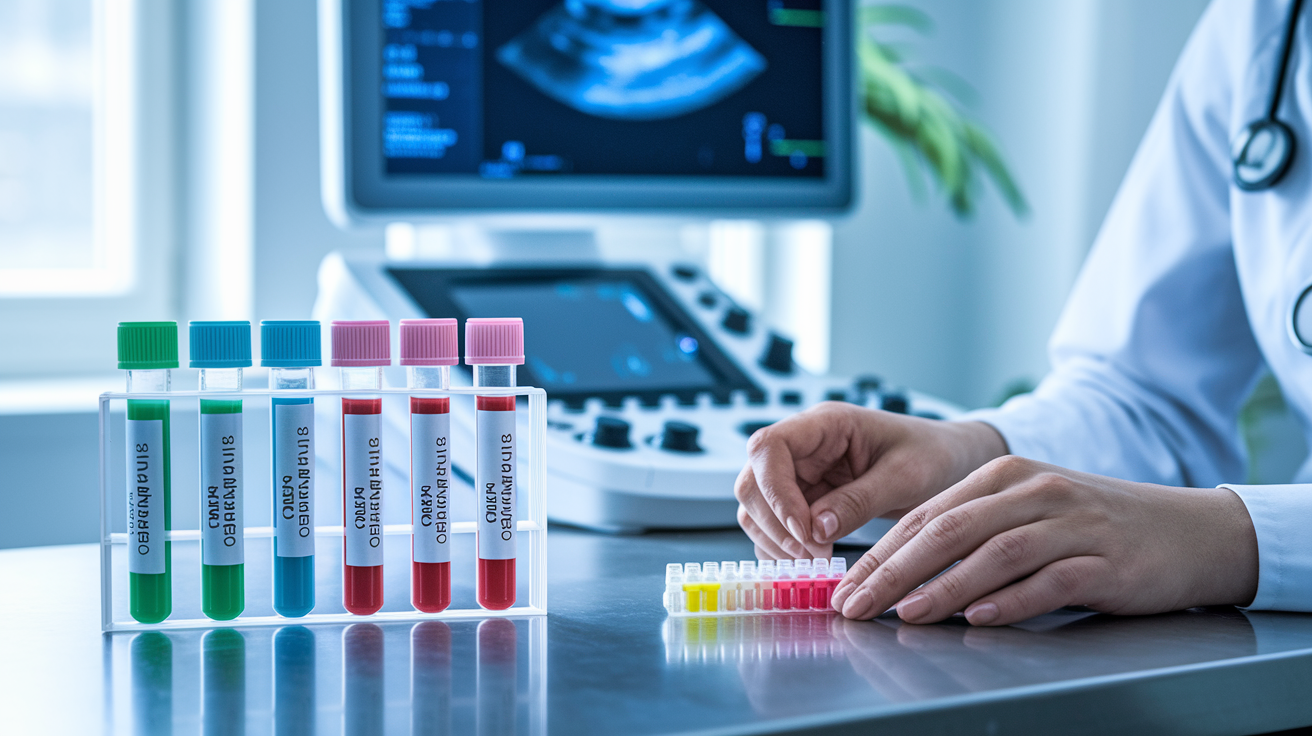
Your vet will start with a hands-on exam, checking skin turgor, gum moisture, capillary refill time, heart rate, and blood pressure. They’ll also look at the eyes, feel the temperature of the paws and ears, and listen to the heart and lungs to see how circulation and overall condition look.
Blood tests and urinalysis give objective numbers that the skin test can’t. Packed cell volume (PCV) and total solids (TS) show how concentrated the blood’s become. Blood urea nitrogen (BUN) and creatinine measure kidney function and help estimate how severe and how long the dehydration’s been going on. Electrolyte panels spot imbalances in sodium, potassium, and chloride that come with fluid loss. Imaging like X-rays or ultrasound may get used if your vet suspects underlying disease, a blockage, or organ damage.
Common diagnostic steps:
- Physical exam of hydration status, mucous membranes, heart rate, and blood pressure
- Blood tests including complete blood count (CBC) and chemistry panel
- Urinalysis to check concentration, kidney function, and possible infection
- Imaging (X-ray, ultrasound) if underlying disease or obstruction is suspected
- Targeted tests for diabetes, kidney disease, or other chronic conditions based on history and what they find
| Test | What It Indicates |
|---|---|
| PCV/Total Solids | Elevated values suggest concentrated blood due to fluid loss; helps gauge dehydration severity. |
| BUN/Creatinine | High levels point to reduced kidney function or dehydration affecting kidney blood flow. |
| Electrolytes | Imbalances (low sodium, high potassium) indicate fluid and mineral losses from vomiting, diarrhea, or disease. |
Treatment Options After Abnormal Dog Dehydration Skin Test Results
Mild dehydration, if you catch it early, can sometimes be handled at home with close watching and supportive care. Offer fresh, cool water in small amounts, and encourage drinking by adding a splash of low sodium chicken or beef broth or offering ice cubes. Watch for improvement over a few hours. If the skin tent test stays positive, gums stay tacky, or your dog refuses to drink, get to the vet the same day.
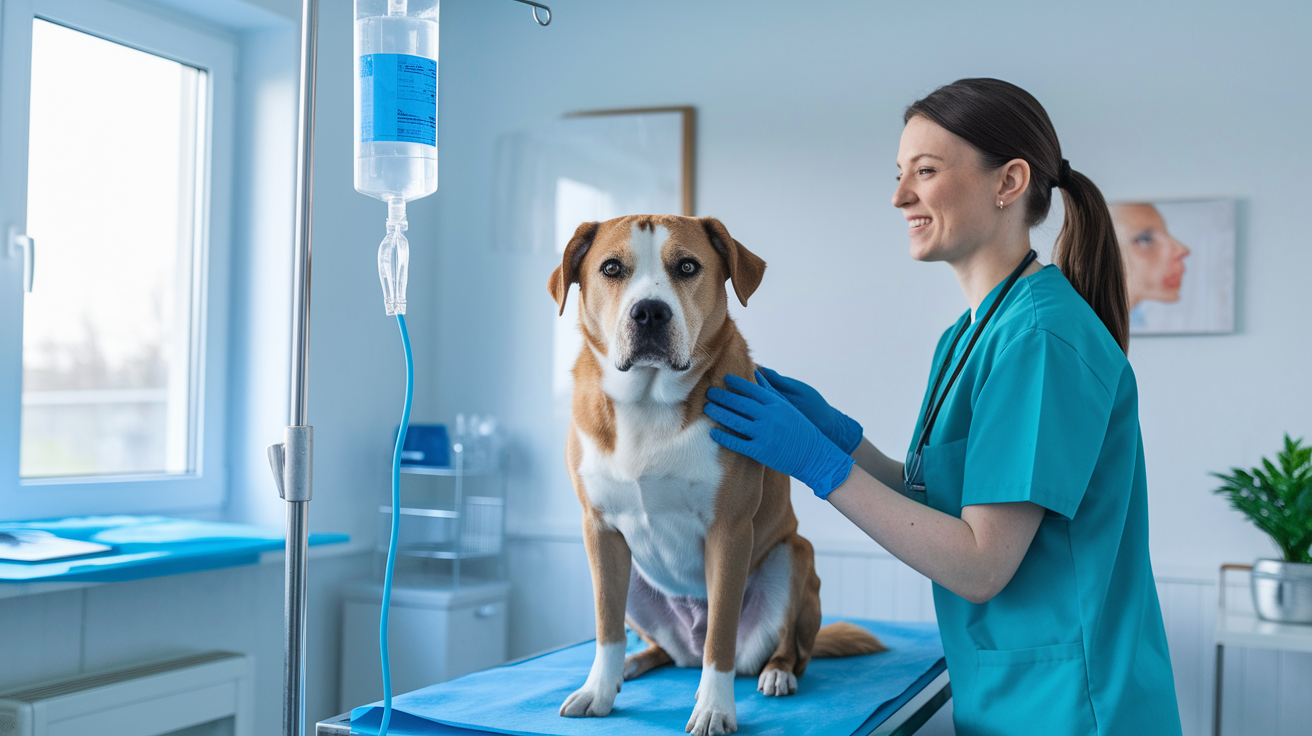
Moderate to severe dehydration needs professional fluid replacement. Your vet may give subcutaneous fluids, which are injected under the skin and absorbed slowly over several hours. This works well for dogs who are alert and can drink a bit. For more serious situations, intravenous (IV) fluids deliver hydration and electrolytes straight into the bloodstream, correcting deficits quickly and supporting organ function. Hospitalization for one to two nights may be needed for IV therapy and close watching.
Treating whatever caused the dehydration is just as important as replacing fluids. If vomiting or diarrhea triggered it, your vet will address the gut problem with medications, diet changes, or more diagnostics. If kidney disease, diabetes, or another chronic condition is behind it, a long-term plan will get set up to stop future episodes.
Treatment approaches:
- Oral rehydration with fresh water, ice cubes, or vet-recommended electrolyte solutions (unflavored Pedialyte in the right doses)
- Subcutaneous fluids for mild to moderate dehydration in stable dogs
- Intravenous fluids for moderate to severe dehydration or cases with ongoing losses
- Anti-nausea or anti-diarrheal medications to stop fluid loss and let recovery happen
- Diagnosis and management of underlying diseases (kidney disease, diabetes, infections) to prevent it from happening again
When the Dog Dehydration Skin Test Is Unreliable
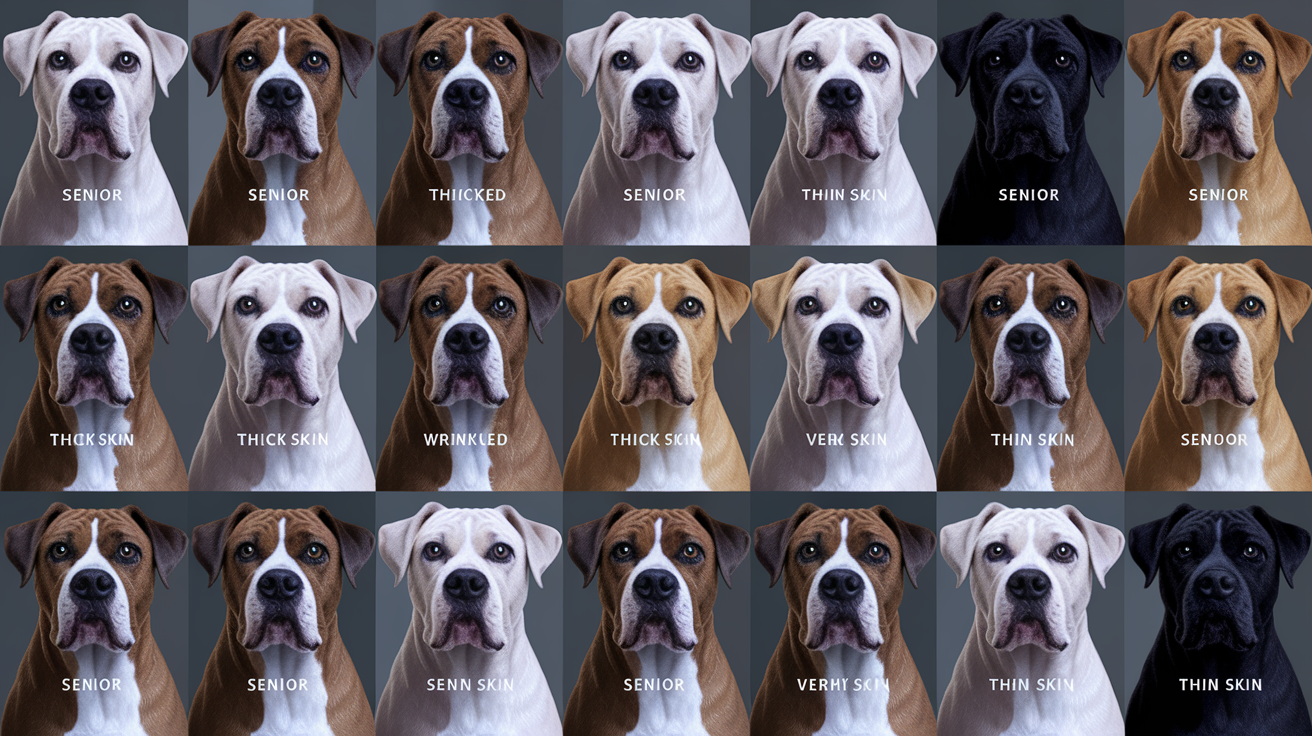
The skin tent test loses accuracy in certain dogs and situations. Older dogs naturally get looser, less elastic skin as they age, so a slower return might not mean dehydration. In senior pets, lean more on gum checks, capillary refill time, and overall behavior than on skin turgor alone.
Breeds with thick, wrinkled, or very loose skin (Shar-Peis, Bulldogs, Mastiffs, Basset Hounds) often give misleading results because their skin sits in folds even when they’re fully hydrated. Very thin-skinned dogs or dogs who just lost a lot of weight may also give false positives, since reduced fat and muscle tone change how the skin behaves.
Factors that reduce skin test reliability:
- Senior dogs with age-related loss of skin elasticity
- Breeds with naturally loose, thick, or wrinkled skin (Shar-Pei, Bulldog, Basset Hound, Mastiff)
- Dogs with active skin conditions, dermatitis, or recent grooming that changes skin texture
- Overweight or recently underweight dogs, where body condition changes alter skin behavior
Preventing Hydration Problems That Lead to Skin Tenting in Dogs
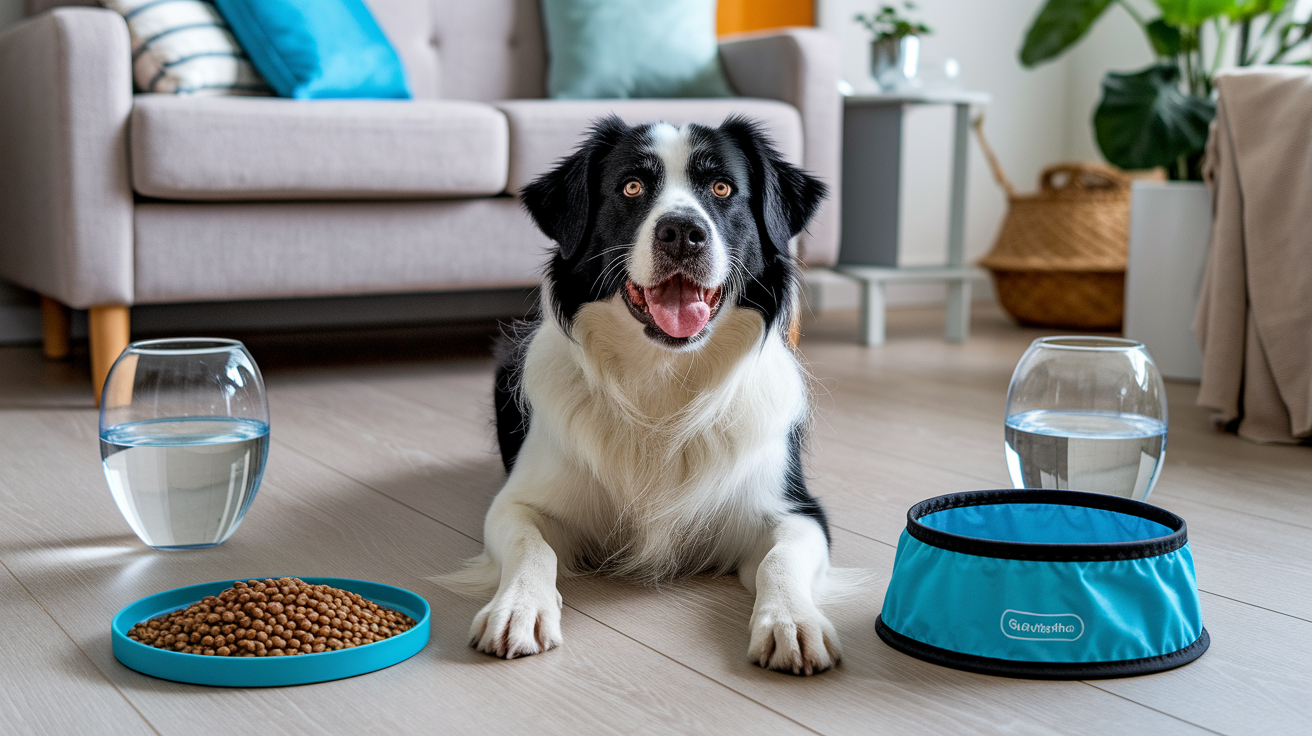
Keeping your dog hydrated starts with steady access to fresh, clean water. Put multiple bowls around the house and yard, especially in rooms where your dog hangs out the most. Clean the bowls daily to stop bacteria from building up and to encourage drinking. Stale or dirty water can make dogs not want to drink, even when they’re thirsty.
Dogs generally need about one ounce of water per pound of body weight each day. A 55-pound dog should drink roughly 55 ounces, or about 1.6 liters, daily. That amount goes up with heat, exercise, illness, or a dry food diet. Feeding wet food or adding water to kibble boosts overall moisture and helps dogs who don’t drink enough on their own.
During travel, walks, or outdoor time, carry a collapsible bowl and bottled water. Offer drinks every 20 to 30 minutes in warm weather or after active play. Don’t exercise your dog in the heat of the day, and provide shaded rest spots. If you notice heavy panting or slowing down, stop, offer water, and let them cool off before you keep going.
Hydration prevention strategies:
- Keep multiple bowls of fresh water available year-round, indoors and outdoors
- Clean water bowls daily to remove bacteria and encourage drinking
- Feed wet food or add water to dry kibble to boost moisture intake
- Carry water and a travel bowl on walks, hikes, and trips
- Skip intense exercise or long sun exposure in hot weather
- Offer ice cubes or flavor water with low sodium broth to tempt reluctant drinkers
Final Words
Lift the loose skin over the shoulder blades, let it go, and watch how quickly it returns. If it snaps back right away, that’s usually a good sign; a slow return can point to dehydration.
If you see a delayed return or sticky gums, offer fresh water, try an oral electrolyte solution for mild cases, and recheck. Call your vet right away for collapse, nonstop vomiting, very weak behavior, pale or blue gums, or if you’re unsure.
Use the dog dehydration skin test as a quick screening tool alongside gum and capillary refill checks, and you’ll catch problems early and keep your dog comfortable.
FAQ
Q: How to tell if a dog is dehydrated skin test?
A: The skin test checks dehydration by lifting loose skin over the shoulder blades, releasing it, and timing how fast it snaps back—immediate return is normal; delayed return suggests dehydration.
Q: What is the silent killer in dogs?
A: The “silent killer” in dogs often refers to conditions like kidney failure or heartworm that progress with few signs; regular vet exams and blood tests help catch them earlier.
Q: What is the 7 second rule for dogs?
A: The 7 second rule means if a dog’s skin fold takes about seven seconds to return, it signals severe dehydration and the dog needs urgent veterinary care.
Q: How do I rehydrate my dog’s skin?
A: To rehydrate your dog’s skin, offer fresh water and wet food, provide a vet‑approved electrolyte solution, keep them cool, and see the vet for subcutaneous or IV fluids if needed.