
Is your dog drinking like a fish, or is there a real reason to worry?
Many dogs drink more after exercise or in heat, but excessive water can signal diabetes, kidney disease, or Cushing’s.
This post shows what to watch for right now: how to log 24 to 72 hours of intake, the red-flag symptoms that need urgent care, and when a routine vet visit is enough.
By the end you’ll know whether to act fast or just keep an eye on your pup.
Understanding When a Dog Drinking Excessive Water Becomes Concerning

A normal dog drinks about 1 ounce of water per pound of body weight daily. That’s roughly 30 to 50 milliliters per kilogram. So a 20 kg (44 lb) dog should drink around 600 to 1,000 ml per day. Vets start paying attention when intake climbs above 100 ml/kg/day or shoots past two to three times the dog’s usual amount.
You need to get your dog to a vet right away if the increased drinking shows up suddenly with vomiting, severe lethargy, collapse, disorientation, blood in urine, or straining to pee. These signs can point to fast-moving problems like diabetic ketoacidosis, acute kidney failure, or pyometra.
If your dog seems otherwise fine, track water intake consistently for 24 to 72 hours before you call. This confirms you’re seeing true polydipsia instead of a one-off spike from heavy exercise or a hot afternoon. Keep a simple log: bowl refills, total milliliters, urination frequency, appetite, activity level. Your vet will want this information from day one.
Dog’s eating, playing, acting alert? Schedule a routine appointment within a few days and bring your log. But if any of these urgent signs appear, go to emergency care:
- Blood in urine or can’t urinate at all
- Vomiting repeatedly or after every drink
- Severe weakness, staggering, collapse
- Disorientation, confusion, seizures
Factors That Influence Normal Water Intake Variation in Dogs

Not every jump in water consumption means disease. Puppies drink more because they’re growing fast and burning serious energy. Nursing dogs need extra water for milk production. Dogs on canned or fresh food get most of their moisture through meals and might barely touch the water bowl, while dogs eating dry kibble have to replace that moisture by drinking more. A dog switching from wet food to dry kibble can suddenly double bowl visits without anything wrong.
Several everyday things naturally raise thirst. Recognizing these helps you rule out situational causes before worrying about medical issues.
Hot weather or cranked indoor heating increases panting, which evaporates moisture and triggers thirst.
Heavy exercise or play sessions deplete fluid and electrolytes quickly.
High-sodium treats, table scraps, or salty foods force the body to dilute sodium by drinking more.
Dry indoor air from heating systems or low humidity increases water loss through breathing.
Diet type determines how much hydration comes from food versus the bowl.
Measuring a Dog’s Water Intake to Confirm Excessive Drinking
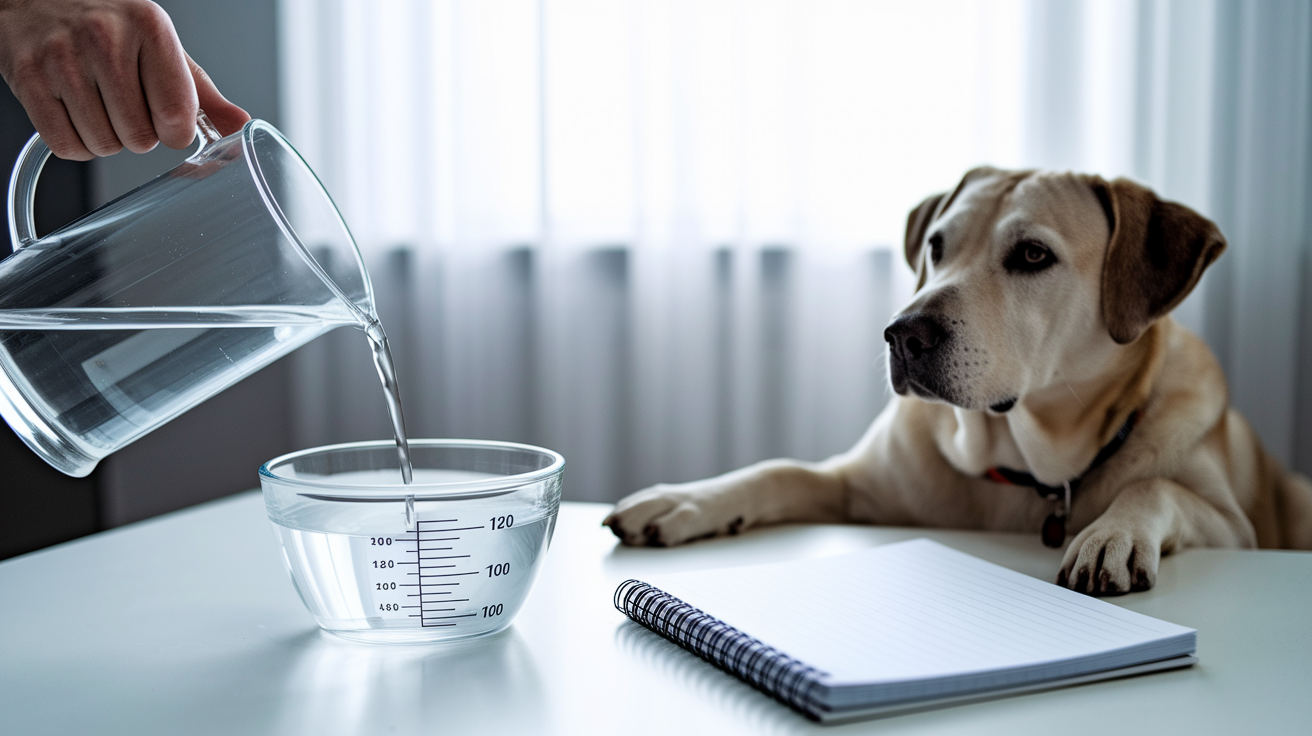
Accurate measurement over 48 to 72 hours removes guesswork. Start by choosing one clean bowl and one water source so you can track every milliliter your dog drinks. If you’ve got multiple pets, isolate the dog you’re monitoring in a separate room during measurement windows, or grab a microchip-activated water bowl that logs intake for one specific pet.
Follow these steps to build a reliable record:
- Choose a measuring container. Use a pitcher or bottle with milliliter markings, or weigh water before and after. One fluid ounce equals roughly 29.6 ml, and 1 gram of water equals 1 ml.
- Fill the bowl to a set line each morning. Note the exact volume you pour in, say 1,000 ml.
- Refill the bowl to that same line whenever it empties during the day. Write down each refill volume right away.
- Measure what’s left in the bowl exactly 24 hours after you started. Subtract the leftover volume from your total poured to find the day’s intake.
- Track urination. Count how many times your dog pees, note any accidents indoors, watch for unusually large puddles or damp spots.
- Repeat for at least two full days. This smooths out one-off spikes and confirms a pattern.
Bring your written log to the vet appointment. Even rough notes like “refilled 500 ml three times, total 1,500 ml, urinated seven times, no accidents” give the vet a concrete starting point.
Common Non-Medical Reasons for a Dog Drinking Excessive Water

Environmental and lifestyle factors often explain temporary spikes. A dog who spends the afternoon running at the park will pant heavily and empty the bowl within minutes of coming home. That single episode doesn’t signal disease. Same goes for a dog left in a warm car, even briefly, or kept in a house with the heater blasting all winter.
Diet plays a big role. Switching from canned food to dry kibble removes most of the food’s moisture content, so the dog compensates at the water bowl. High-sodium treats, salty table scraps, or heavily salted training rewards elevate blood sodium, prompting the body to dilute it by increasing thirst. If you recently changed food brands, introduced jerky treats, or started feeding leftover broth or deli meat, check the sodium content on the label.
Behavioral causes also drive increased drinking in some dogs. Boredom, separation anxiety, or compulsive habits can lead a dog to drink repeatedly without true physiological need. Crated dogs who have no daytime water access may drink rapidly and excessively the moment they’re released. Looks alarming but often normalizes once free access is restored.
Common situational contributors:
- Seasonal heat or humidity increases panting and fluid loss
- New high-sodium food or treats elevates thirst for days after introduction
- Indoor heating or air conditioning dries mucous membranes and respiratory passages
- Anxiety or lack of enrichment can create repetitive drinking as a self-soothing behavior
Major Medical Causes Behind a Dog Drinking Excessive Water
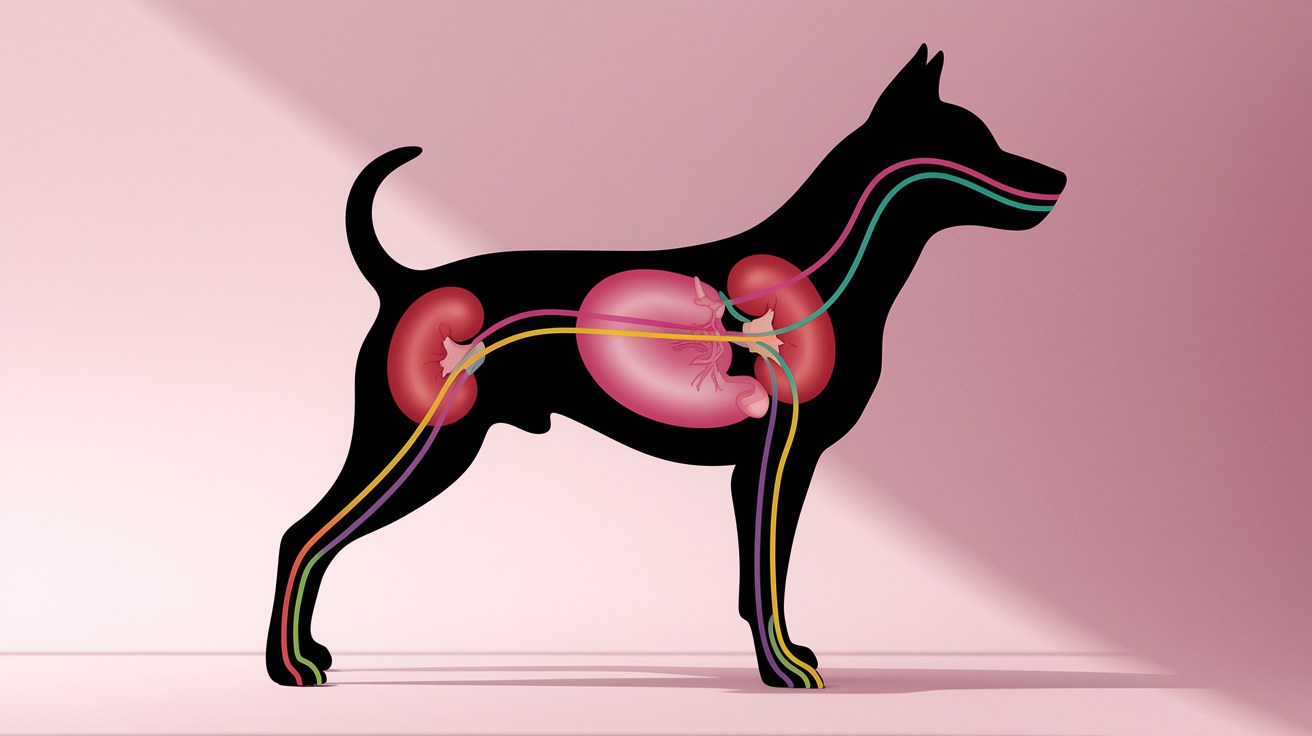
When non-medical factors have been ruled out and increased drinking persists for several days, it’s time to consider disease. Most medical causes work through one of two mechanisms: the kidneys lose their ability to concentrate urine, forcing the dog to drink more to replace lost water, or blood glucose or electrolyte imbalances create an osmotic pull that drives both urination and compensatory drinking.
Kidney & Urinary System Disorders
Chronic kidney disease is one of the most common causes of polydipsia in older dogs. Damaged nephrons can’t efficiently reabsorb water, so dilute urine gets produced in large volumes. The dog drinks more to prevent dehydration. Acute kidney injury from toxins, infection, or obstruction can also trigger sudden increases in thirst. Kidney disease often shows up alongside decreased appetite, weight loss, vomiting, and bad breath.
Endocrine Disorders
Diabetes mellitus happens when the pancreas fails to produce enough insulin. High blood glucose spills into the urine, dragging water with it through osmotic diuresis. This creates large urine volumes and compensatory thirst. Cushing’s disease, or hyperadrenocorticism, involves excess cortisol production that messes with the kidneys’ ability to concentrate urine. Dogs with Cushing’s often show a pot-bellied appearance, panting, thin skin, and hair loss. Diabetes insipidus, a rare condition, causes extreme water intake because the body either fails to produce antidiuretic hormone (central DI) or the kidneys can’t respond to it (nephrogenic DI).
Infectious & Reproductive Diseases
Leptospirosis is a bacterial infection picked up from contaminated water or infected urine. It damages the kidneys and liver, leading to polyuria and polydipsia. Early signs include fever, lethargy, vomiting, and muscle pain. Pyometra, a life-threatening uterine infection in intact female dogs, causes systemic illness with fever, lethargy, vulvar discharge, and increased thirst. Requires emergency surgery.
Medication-Related Causes
Certain medications predictably increase thirst and urination. Corticosteroids like prednisone, diuretics such as furosemide used for heart failure, and anti-seizure drugs like phenobarbital all elevate water intake. These side effects often stabilize within one to two weeks, but if they stay severe, your vet might adjust the dose or switch medications.
Condition-Specific Thirst: Diabetes, Kidney Disease, and Cushing’s
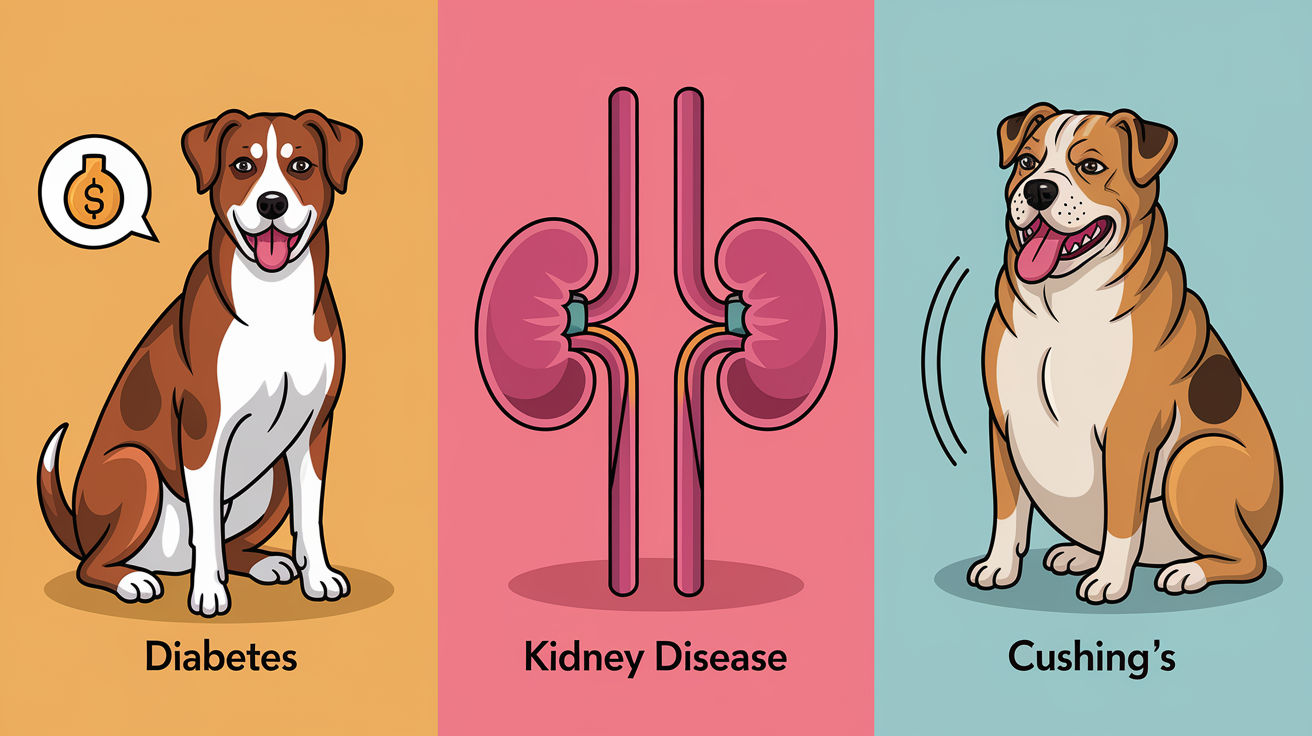
These three conditions account for most polydipsia cases in dogs. Diabetes mellitus produces a hallmark cluster: excessive drinking, excessive urination, weight loss despite normal or increased appetite, lethargy, and sometimes a sweet or fruity breath odor from ketones. Left untreated, diabetic ketoacidosis can develop rapidly, marked by vomiting, severe weakness, and collapse. Insulin therapy is required for life, with close monitoring and dose adjustments in the first weeks.
Chronic kidney disease progresses gradually. Early signs include slightly increased drinking and more frequent urination, often noticed first as nighttime trips outside or indoor accidents. As the disease advances, appetite drops, vomiting becomes common, and the dog loses weight. Bloodwork reveals elevated kidney enzymes (BUN and creatinine) and a urinalysis shows dilute urine with low specific gravity. Management includes renal-support diets, subcutaneous or IV fluids, phosphate binders, and medications to control nausea and blood pressure.
Cushing’s disease typically affects middle-aged to older dogs. Beyond polydipsia and polyuria, look for increased panting, a pendulous belly, symmetrical hair loss, thin fragile skin, and increased appetite. Diagnosis involves blood tests and adrenal function testing, such as an ACTH stimulation test or low-dose dexamethasone suppression test. Treatment with trilostane reduces cortisol production and improves symptoms over weeks to months.
| Condition | Hallmark Signs |
|---|---|
| Diabetes Mellitus | Increased thirst/urination, weight loss, lethargy, sweet breath, sometimes vomiting |
| Chronic Kidney Disease | Increased thirst/urination, decreased appetite, vomiting, weight loss, bad breath |
| Cushing’s Disease | Increased thirst/urination, panting, pot belly, hair loss, thin skin, increased appetite |
Symptom Patterns Linked to Excessive Thirst in Dogs
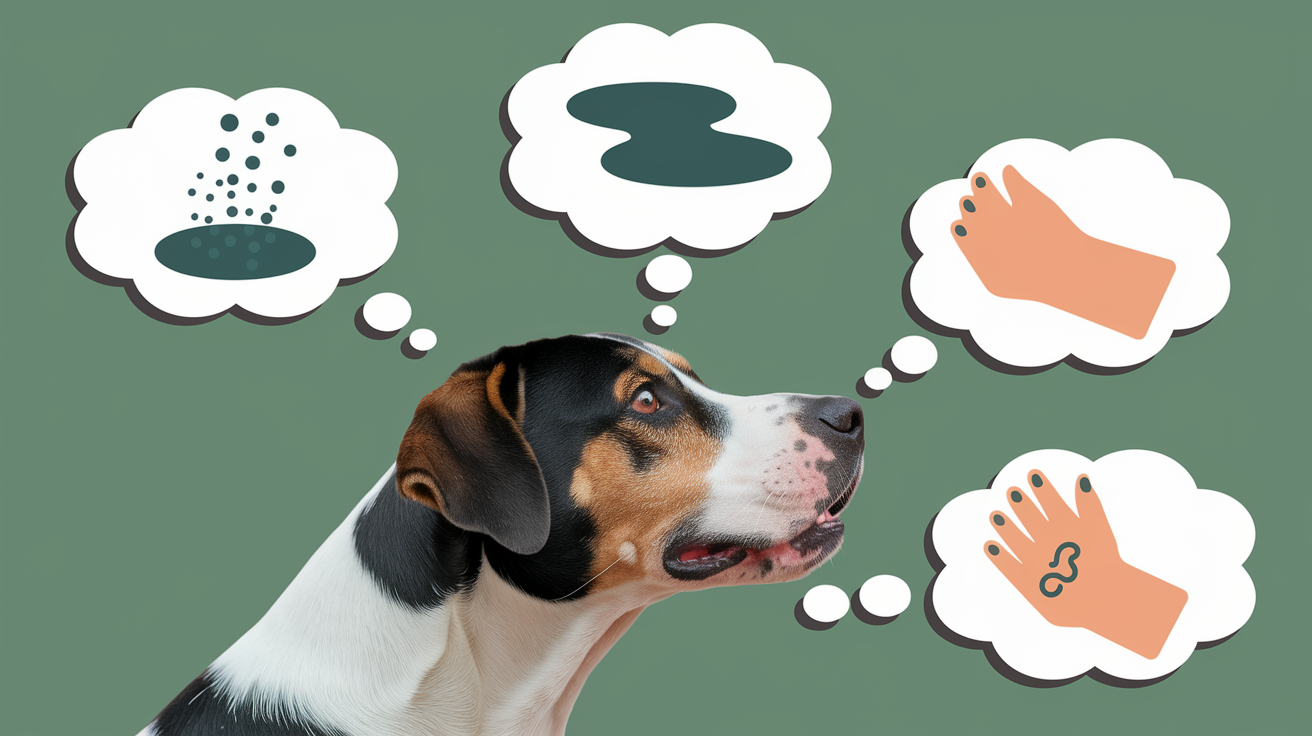
Excessive drinking rarely appears alone. Watch for accompanying signs that help narrow the diagnostic search. Vomiting often comes with kidney disease, diabetes, or gastrointestinal upset triggered by drinking too fast. Some dogs gulp water rapidly and vomit it back up within minutes. Common pattern in anxious dogs or those with nausea from metabolic disease. If your dog vomits after drinking, slow access by offering smaller amounts more frequently or using a slow-feeder bowl designed for water.
Frequent urination, large puddles, or indoor accidents signal polyuria, the partner symptom to polydipsia. A dog who suddenly can’t hold urine overnight or who asks to go out every hour is producing far more urine than normal. This points to kidney, endocrine, or electrolyte issues. Paw licking might seem unrelated but can indicate dehydration if the paws feel dry and cracked, or it might reflect anxiety that also drives compulsive drinking. Pain, allergies, or boredom are other common paw-licking triggers.
Three patterns to track and report to your vet:
Vomiting after drinking suggests rapid intake, nausea, or gastric irritation from metabolic waste buildup.
Frequent urination or accidents confirms polyuria and helps differentiate true polydipsia from behavioral overdrinking.
Paw licking can indicate dehydration, anxiety, allergies, or pain, depending on other signs present.
Pattern-Based Clues: Nighttime Thirst and Age-Related Drinking Changes
Nighttime drinking and urination offer early clues to diseases like kidney disease, diabetes, or Cushing’s. A dog who used to sleep through the night but now wakes you to go outside, or who empties the water bowl in the middle of the night, might be producing dilute urine around the clock. Night polyuria occurs because the kidneys can’t concentrate urine even during rest, so the dog compensates by drinking whenever thirst strikes.
Older dogs commonly develop age-related endocrine and kidney changes. A senior dog who starts drinking noticeably more over weeks to months should be evaluated for chronic kidney disease or Cushing’s disease. Both increase in prevalence with age. Puppies, by contrast, drink more than adults simply due to high energy expenditure, rapid growth, and playfulness that includes splashing in water bowls. A young puppy drinking often is usually normal. But if the puppy also urinates large volumes, loses weight, or acts lethargic, early-onset diabetes or congenital kidney issues should be ruled out.
When to Contact a Veterinarian for Excessive Drinking in Dogs

Seek emergency veterinary care right away if your dog shows any of these signs alongside increased drinking. These indicate systemic illness or life-threatening complications that require urgent diagnosis and treatment. Waiting even a few hours can let conditions like diabetic ketoacidosis or pyometra progress to shock or organ failure.
- Blood in the urine or complete inability to urinate
- Repeated vomiting or vomiting after every attempt to drink
- Severe lethargy, weakness, collapse, or can’t stand
- Disorientation, staggering, confusion, or seizures
- Rapid or labored breathing and severe panting at rest
If your dog’s eating normally, playing, and alert but drinking more than usual for two to three days, schedule a routine vet appointment within the week. Bring your written water-intake log, notes on urination frequency, any appetite or behavior changes, a list of current medications with doses, and details about recent environmental exposures such as access to ponds, stagnant water, or areas with wild animal urine.
Diagnostic Tests Used to Evaluate a Dog Drinking Excessive Water

Your vet will start with a thorough physical examination, checking hydration status, body condition, heart and lung sounds, abdominal palpation for masses or pain, and skin and coat quality. Bloodwork and urinalysis follow. A complete blood count (CBC) assesses red and white blood cell levels, which can reveal anemia, infection, or inflammation. A serum chemistry panel measures kidney enzymes (BUN, creatinine), blood glucose, liver enzymes, and electrolytes like sodium and potassium.
Urinalysis is critical. It measures urine specific gravity, which tells the vet how well the kidneys concentrate urine. Low specific gravity (typically below 1.020 in dogs) with high water intake confirms polydipsia and polyuria. The urinalysis also checks for glucose, protein, blood, white blood cells, bacteria, and crystals. If infection’s suspected, a urine culture and sensitivity test identifies the bacteria and guides antibiotic choice.
Endocrine testing might follow if initial results point toward diabetes or Cushing’s disease. Blood glucose and fructosamine levels assess diabetic control. An ACTH stimulation test or low-dose dexamethasone suppression test evaluates adrenal function for Cushing’s. Abdominal imaging, either radiographs or ultrasound, visualizes the kidneys, liver, bladder, uterus, and adrenal glands to detect structural abnormalities, stones, tumors, or pyometra.
| Test | What It Detects |
|---|---|
| CBC & Chemistry Panel | Kidney function, blood glucose, liver enzymes, electrolytes, anemia, infection |
| Urinalysis | Urine concentration (specific gravity), glucose, protein, blood, bacteria, crystals |
| ACTH Stimulation Test | Adrenal gland function, used to diagnose Cushing’s disease |
| Abdominal Ultrasound | Structural changes in kidneys, liver, bladder, uterus, adrenal glands, masses or stones |
Treatment Options for Dogs Drinking Excessive Water
Treatment always targets the underlying cause. For diabetes mellitus, insulin therapy is essential. Your vet will prescribe a specific insulin type and dose, teach you how to inject it subcutaneously, and schedule frequent recheck appointments in the first weeks to fine-tune the dose based on blood glucose curves. Most diabetic dogs stabilize within a few weeks and live comfortably for years with consistent insulin and diet management. If diabetic ketoacidosis develops, hospitalization with IV fluids, insulin, and electrolyte correction is required.
Chronic kidney disease treatment focuses on slowing progression and managing symptoms. A low-phosphorus renal-support diet reduces kidney workload. Subcutaneous fluids given at home several times per week help maintain hydration. Medications can include phosphate binders, gastroprotectants for nausea, appetite stimulants, and blood pressure control drugs. In advanced cases, hospitalization with IV fluids and intensive support is necessary.
Cushing’s disease is managed medically or surgically depending on the type. Pituitary-dependent Cushing’s, the most common form, responds to trilostane, a medication that reduces cortisol production. Regular monitoring with ACTH stimulation tests ensures the dose stays effective and safe. Adrenal tumors might require surgical removal if they’re operable and the dog’s a good candidate.
Diabetes insipidus treatment depends on the subtype. Central diabetes insipidus responds well to desmopressin (DDAVP), a synthetic hormone replacement given as eye drops or injection. Nephrogenic diabetes insipidus, where the kidneys don’t respond to the hormone, is treated with hydrochlorothiazide and a low-sodium diet to paradoxically reduce urine output. Pyometra requires emergency ovariohysterectomy to remove the infected uterus. Leptospirosis is treated with IV fluids, antibiotics, gastroprotectants, and supportive care, often in a hospital setting. Early treatment improves the prognosis significantly.
Home Management and Monitoring for Dogs Prone to Excessive Drinking
Long-term management at home involves consistent monitoring, environmental adjustments, and close communication with your vet. Keep a daily log even after diagnosis and treatment begin. Note water intake in milliliters, urination frequency, appetite, energy level, weight, and any new symptoms. This log helps you and your vet track treatment response and catch complications early.
Use a water bowl with volume markings or a measured pitcher so you always know how much your dog drinks. Never restrict water unless your vet explicitly tells you to do so. Water restriction can cause dangerous dehydration, electrolyte imbalances, and acute kidney injury. If your dog’s drinking is driven by boredom or anxiety, increase daily exercise, provide puzzle toys, practice training sessions for mental stimulation, and consider working with a certified dog trainer or veterinary behaviorist to address the underlying stress.
Practical steps for home care:
Maintain a written log with daily water intake, urination events, and symptom changes to track trends.
Use bowls with measurement lines or weigh water to ensure accurate tracking without guesswork.
Add a humidifier if indoor air is very dry from heating, which can reduce respiratory water loss.
Increase enrichment and exercise to reduce anxiety-driven or boredom-related compulsive drinking.
Final Words
We started with the hard numbers: about 1 ounce per pound per day is usual, and intake above roughly 100 ml/kg/day or 2–3× normal deserves a closer look. Causes range from heat or diet to diabetes, kidney issues, or Cushing’s.
Now, measure for 24–72 hours with a marked bowl, note urination, and try simple fixes like wet food or enrichment. Bring the log to your vet.
If you see vomiting, collapse, blood in urine, or persistent high drinking, call your vet. Tracking helps solve dog drinking excessive water and get the right care.
FAQ
Q: Should I be concerned if my dog is drinking a lot of water?
A: If your dog is drinking a lot, be concerned when intake stays high for 24–72 hours or hits about 2–3× normal (or ~100 ml/kg/day); track amounts and contact your vet if it continues.
Q: Why is my dog drinking so much water but acting normal?
A: Dogs drinking more but acting normal can still have early medical issues, be reacting to heat, diet, or activity, or show behavioral drinking—track intake and ask your vet if it persists.
Q: Do dogs drink a lot of water at the end of life?
A: Dogs may drink more or less near the end of life; increased thirst often signals disease, while decreased drinking can indicate decline—discuss comfort, fluids, and next steps with your vet promptly.
Q: Is excessive thirst in dogs an emergency?
A: Excessive thirst becomes an emergency if it’s sudden and comes with vomiting, severe lethargy, collapse, disorientation, blood in urine, or straining to urinate; otherwise seek prompt vet evaluation for persistent increases.