
Think your dog wakes at night for no reason?
Often it’s because the evening has no predictable pattern.
A simple, repeatable routine gives your dog a clear bedtime signal, cuts nighttime restlessness, and helps both of you sleep through the night.
This quick guide shows easy steps and timing, including when to feed, how long to walk, the calm wind down, the final potty, and how to set a comfy sleep spot, so you can start tonight and usually see better nights within a week.
Your Dog’s Ideal Evening Routine (Quick Start Guide)
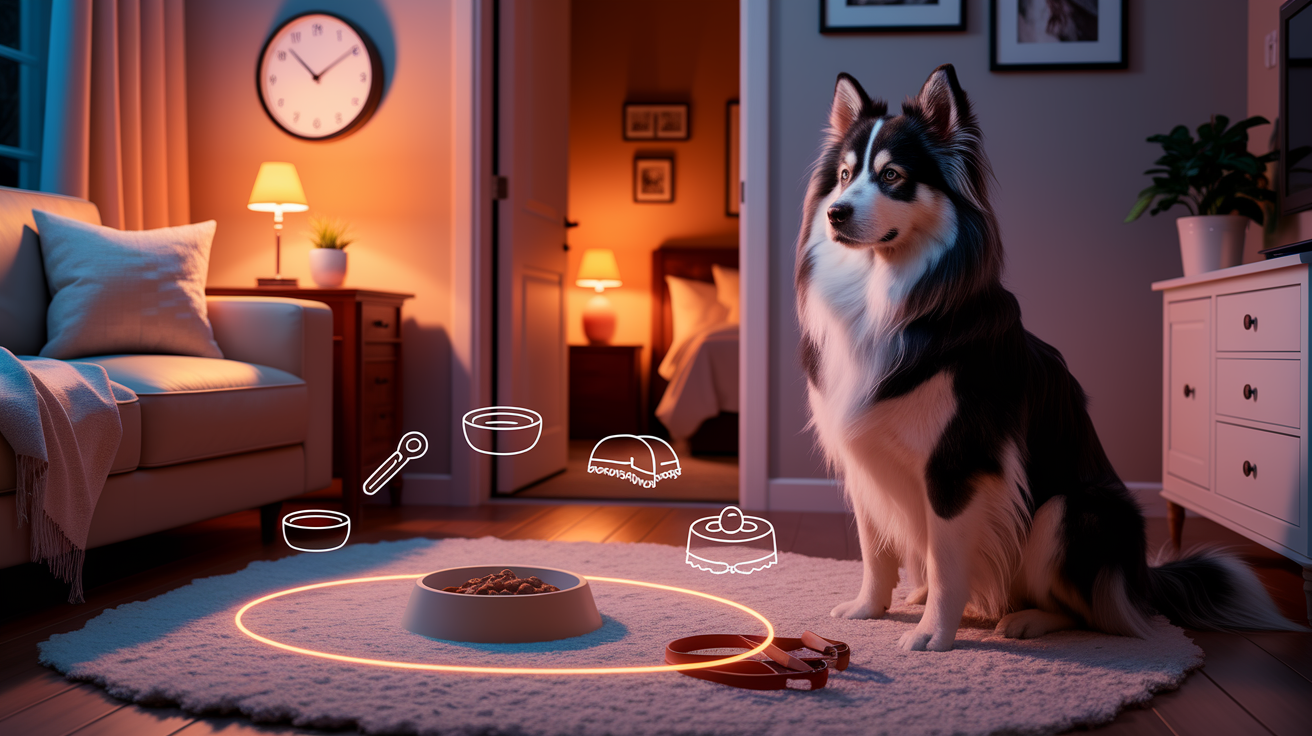
A repeatable evening routine gives your dog a clear signal that bedtime’s coming, cuts down on nighttime restlessness, and helps both of you sleep through the night without interruptions.
Most dogs settle faster when the same activities happen in the same order each evening. Structure regulates your dog’s internal clock and lowers stress by taking the guesswork out of what comes next.
This quick start guide works for most healthy adult dogs. Adjust timing based on when you go to bed and your dog’s age or health situation.
-
Feed dinner 2–3 hours before your target bedtime. For a 10:00 PM lights out, aim to finish the meal by 7:00–8:00 PM so digestion wraps up before sleep.
-
Offer a 20–40 minute evening walk 60–90 minutes before bed. This burns off leftover energy and gives your dog a chance to empty the bladder before settling.
-
Start a low key wind down 30 minutes before bed. Use quiet activities like light petting, a slow chew, or a short sniff game to shift from daytime energy to calm.
-
Give the final bathroom break 10–15 minutes before lights out. Step outside or lead your dog to the designated potty spot, wait until they go, then head inside.
-
Settle your dog in its sleep area with a familiar toy or blanket. Keep the space quiet, dim the lights, and let your dog know this is rest time.
-
Stick to the same sequence nightly. Consistency builds predictability, and most dogs adapt to a new routine within one to two weeks.
Feeding Guidelines for a Calm Evening
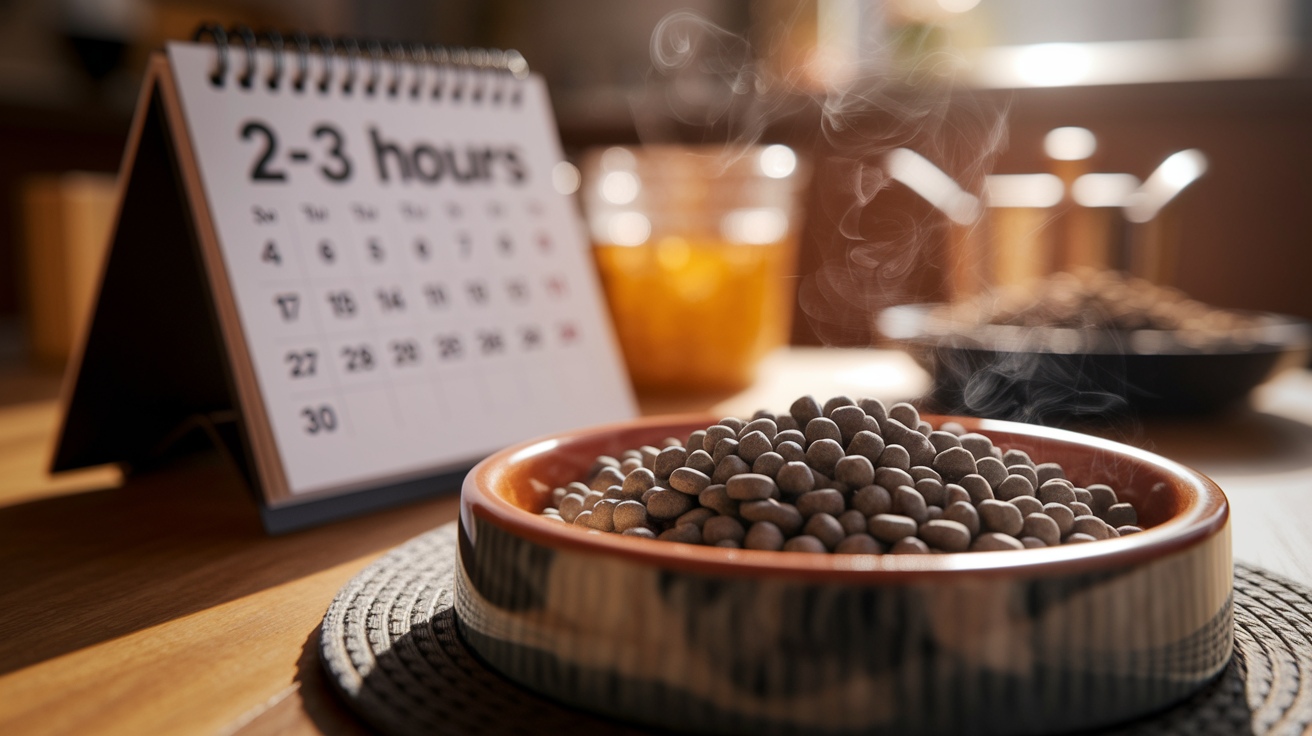
Feeding too close to bedtime can trigger indigestion, gas, or restless pacing while the stomach works. Most dogs digest a standard meal in six to eight hours, but the initial surge of digestive activity happens within the first two to three hours after eating.
Aim to finish the last full meal at least two to three hours before you want your dog asleep. If bedtime is 10:00 PM, feed dinner between 7:00 and 8:00 PM. This window gives the stomach time to settle and reduces the chance of needing a middle of the night bathroom break caused by active digestion.
Some foods and treats can overstimulate or upset a dog’s stomach late in the evening. Avoid these before bed:
- High fat table scraps or greasy leftovers
- Large rawhides or dense chews that take hours to work through
- Rich training treats given in bulk
- New foods or proteins the dog hasn’t tried before
If you offer a small bedtime chew or dental stick, choose something that takes 10 minutes or less to finish and won’t add a significant calorie load.
Evening Exercise Timing and Intensity
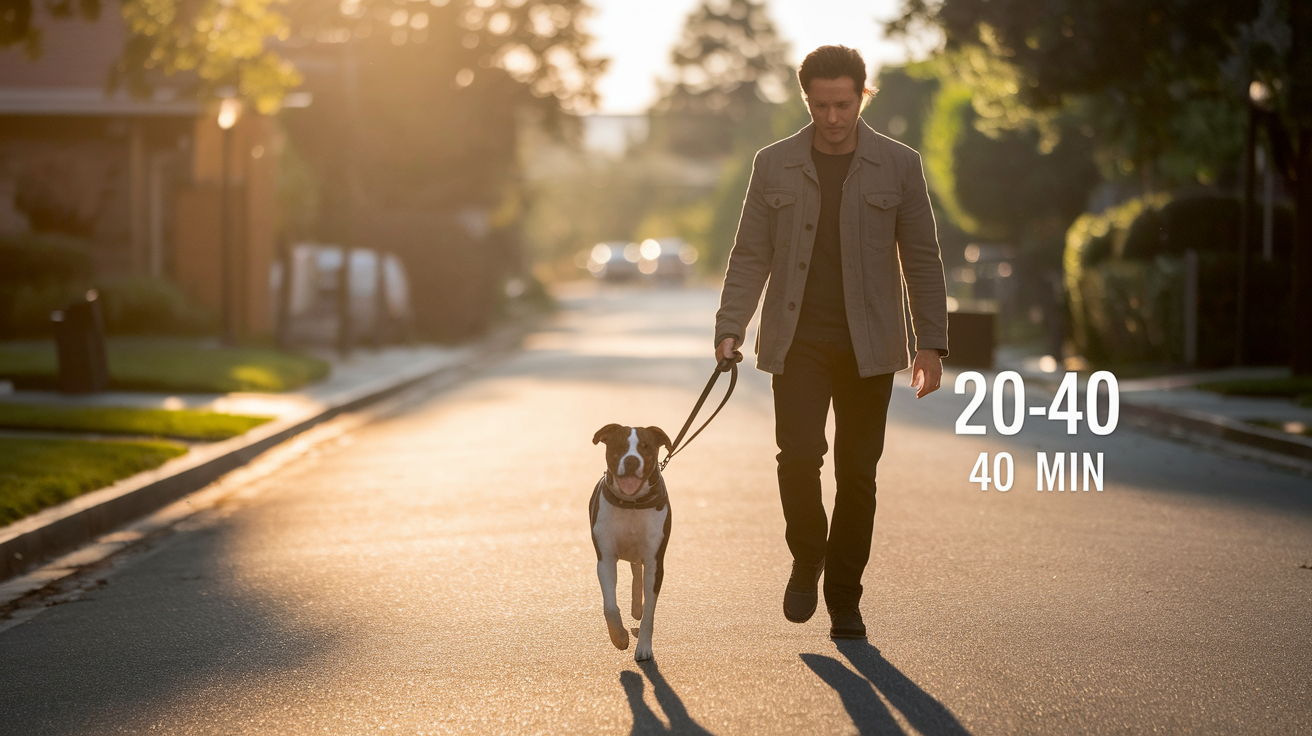
A moderate evening walk helps burn residual energy and encourages the kind of tired, content state that makes settling easier. Timing matters as much as duration.
Schedule the main evening walk one to two hours before you want the dog asleep. A 20–40 minute walk at a steady pace works for most adult dogs. Small or low energy breeds may only need 10–20 minutes. Keep the pace brisk enough to raise the heart rate slightly but calm enough that the dog isn’t panting heavily when you return.
Avoid high intensity activities, chase games, tug of war, or vigorous fetch within 30 minutes of bedtime. These ramp up adrenaline and can trigger “zoomies” or excited pacing just when you need calm.
If weather or safety makes a walk impossible, a short indoor sniff session or gentle hallway pacing can substitute. The goal is controlled movement, not exhaustion.
Bathroom Break Scheduling
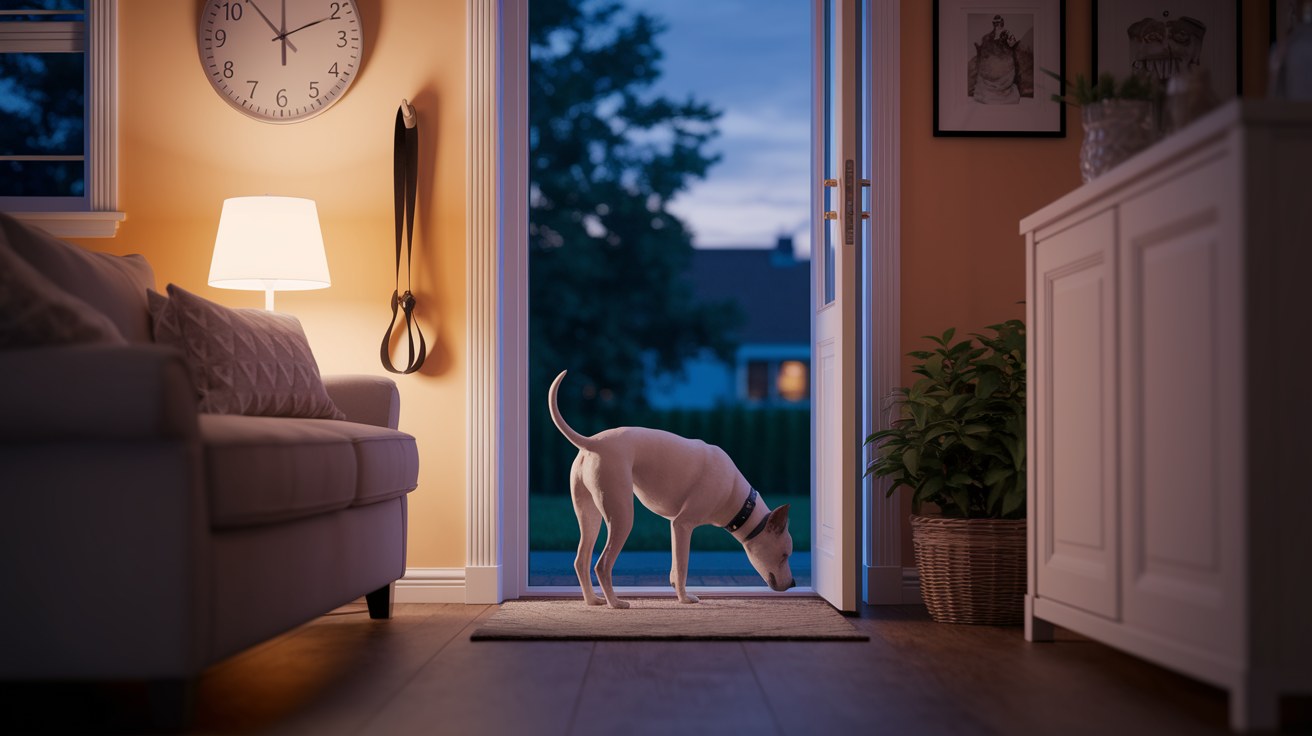
The final potty break prevents overnight accidents and reduces early morning wake ups. Most adult dogs can hold their bladder through the night once they’ve emptied just before bed.
Offer the last bathroom trip 10–15 minutes before lights out. Stay outside or in the designated potty area until the dog eliminates, even if it takes a few minutes of patient waiting. Puppies and senior dogs may need breaks closer to bedtime, sometimes within five minutes of settling down for the night.
Watch for these signs that your dog needs an additional evening break:
- Pacing near the door or sniffing along baseboards
- Whining or restless circling after being settled
- Squatting posture or tail raised without elimination earlier
If your dog consistently wakes overnight to eliminate, move the final break even closer to bedtime or review feeding and water timing with your vet.
Calming Wind Down Activities
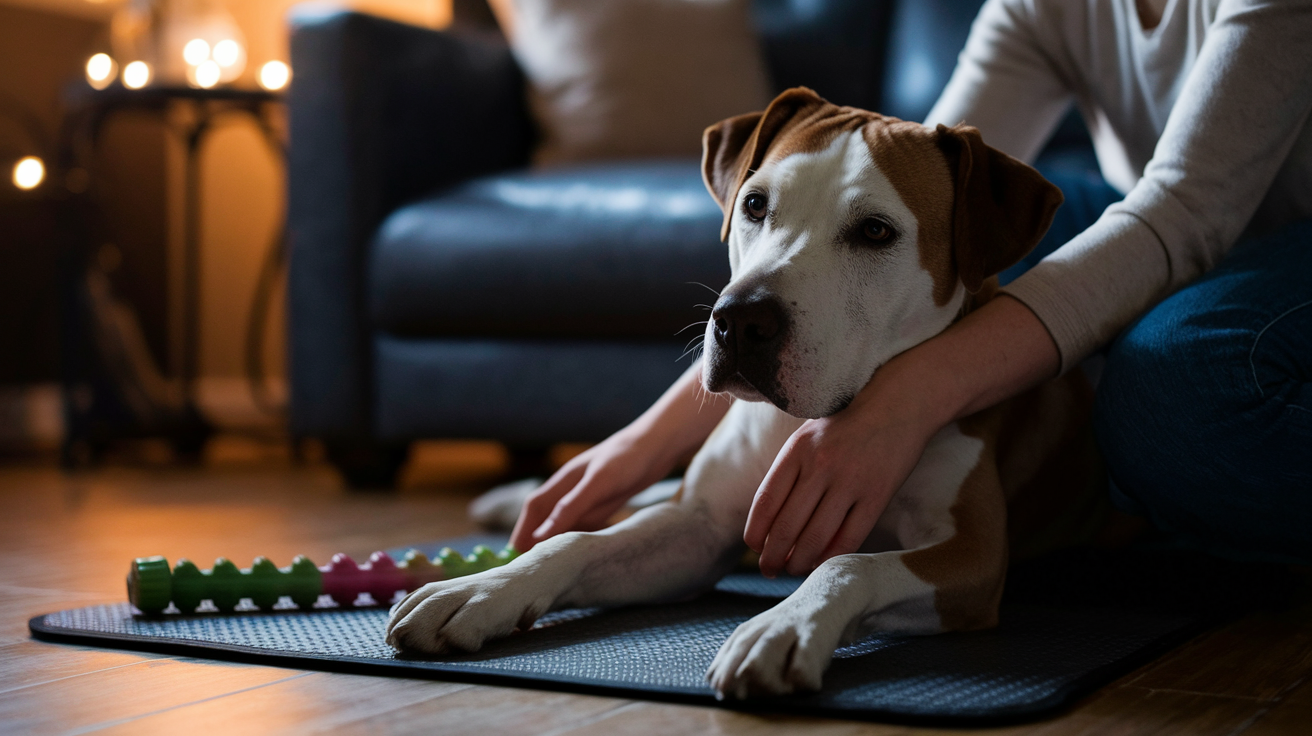
A structured wind down period signals the shift from daytime routines to rest. This 15–30 minute window lowers stress hormones, slows heart rate, and helps your dog mentally release the day’s stimulation.
Start the wind down 30 minutes before you plan to turn off the lights. Choose low energy activities that engage your dog without ramping up excitement. Light sniff work, where the dog explores a small area or sniffs a treat hidden under a towel, satisfies natural foraging instincts without triggering play drive.
Gentle petting or slow massage along the shoulders and back can relax tense muscles. Short, quiet training refreshers, like a calm “sit” or “down” sequence with soft praise, reinforce focus and provide mental satisfaction without physical exertion.
Approved calming activities for the wind down period:
- A long lasting, low calorie chew (bully stick, dental chew, or filled rubber toy)
- Slow sniffing or scent work in a familiar room
- Light brushing or coat massage
- Quiet “place” or “settle” training on a mat
- Sitting together on the couch with gentle petting and no rough play
Avoid tug toys, squeaky toys, or any activity that encourages jumping, barking, or chasing during this window.
Preparing the Dog’s Sleep Area
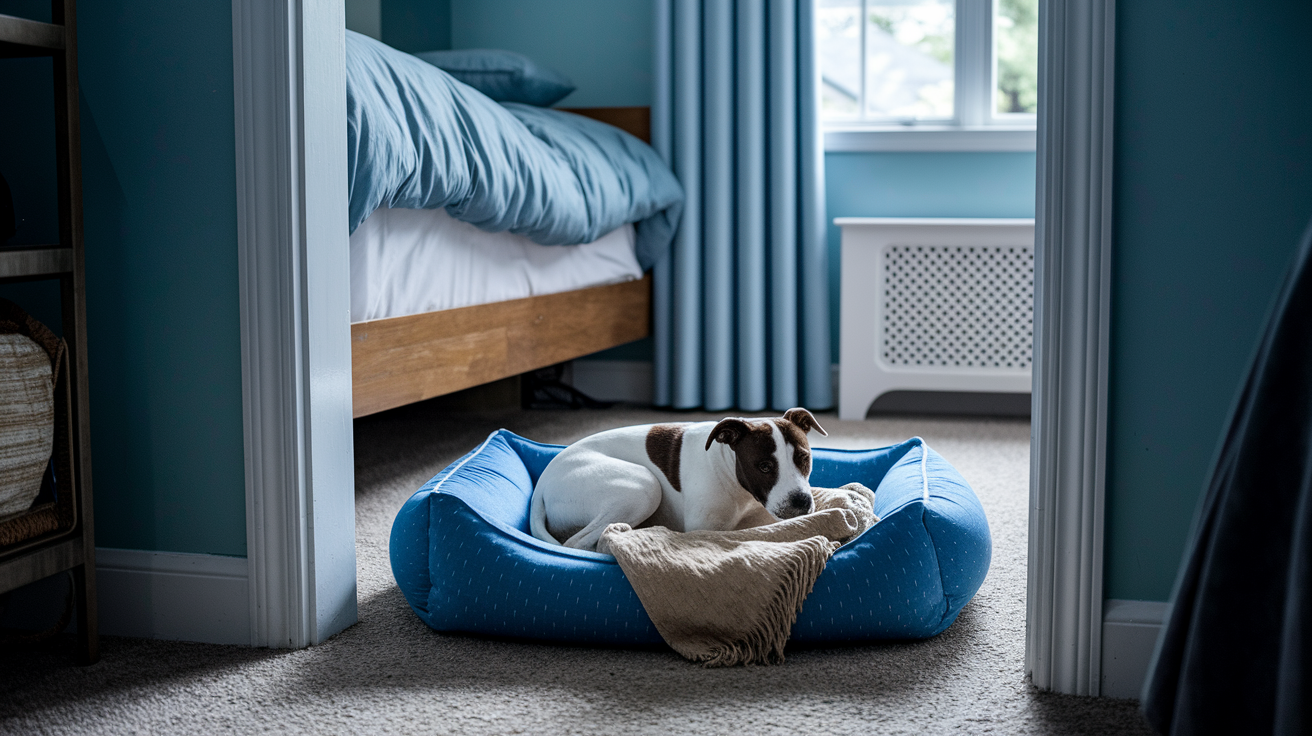
A consistent, comfortable sleep space helps your dog recognize bedtime cues and settle faster. The area should feel secure, not isolating.
Set up the sleep spot in a quiet part of the home, ideally in or near your bedroom if the dog sleeps indoors. Use familiar bedding that fits the dog’s size and provides joint support, especially for older or large breed dogs. Place one or two safe toys or a worn blanket that carries your scent nearby.
Keep the space cool, dry, and free from drafts. Most dogs sleep best in temperatures between 65–72°F (18–22°C).
Ideal environmental conditions for canine sleep:
- Dim or blackout lighting to encourage natural sleep hormone production
- Low background noise or consistent white noise to mask sudden sounds
- Comfortable bedding sized to the dog’s body, with washable covers
If the dog sleeps in a crate, leave the door open during the wind down so the space feels inviting, not confining. Add a light blanket over part of the crate to create a den like enclosure if the dog prefers darker surroundings.
Evening Grooming and Hygiene Basics
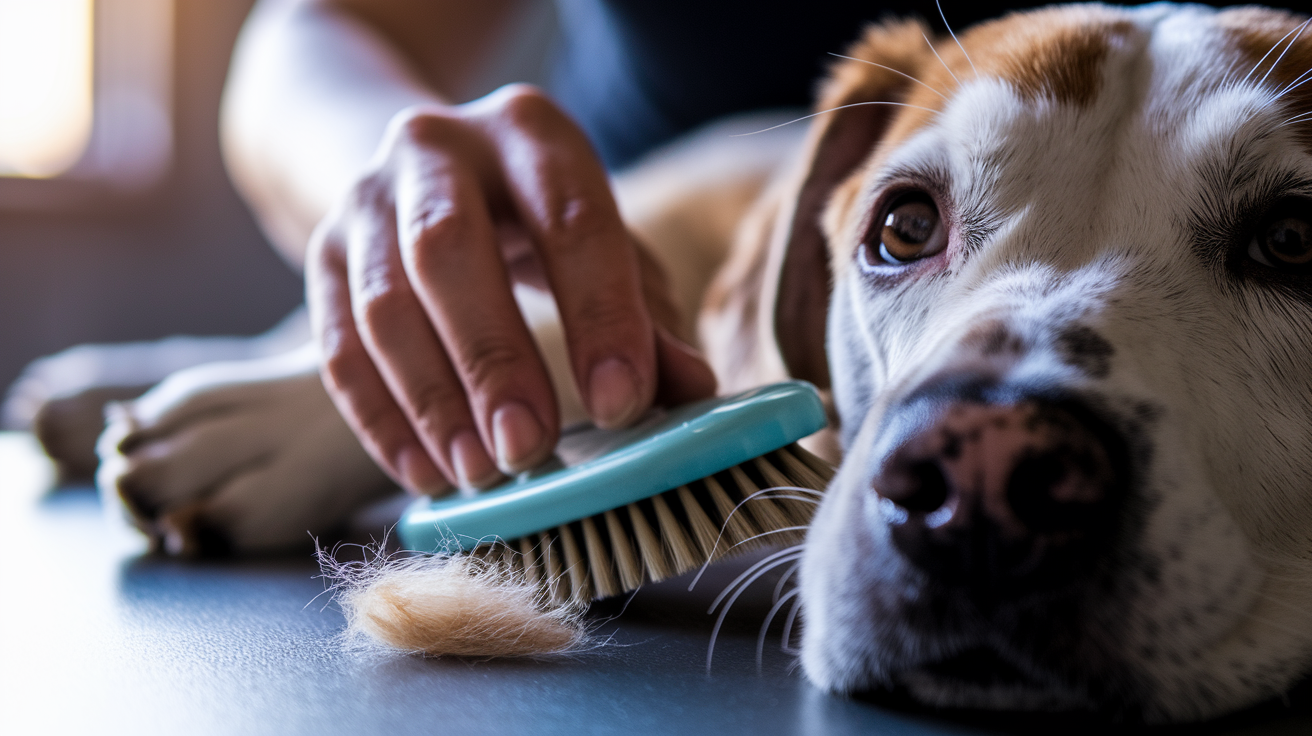
A few minutes of light grooming before bed removes dirt, reduces shedding on furniture, and can serve as part of the calming routine. Many dogs find brushing soothing once they’re accustomed to it.
Use a soft bristle brush or grooming mitt and work in slow, gentle strokes along the coat. Focus on areas that mat easily, like behind the ears, under the legs, and around the tail. Keep sessions short, about five minutes, so grooming stays relaxing rather than tedious.
If your dog comes in from a wet or muddy evening walk, a quick paw wipe prevents dirt from spreading onto bedding. Use a damp towel or pet safe wipe to clean each paw pad and the space between toes.
Nightly teeth brushing supports dental health and prevents plaque buildup. Aim for one to two minutes using a soft bristled dog toothbrush and dog safe toothpaste. If nightly brushing isn’t realistic, offer a veterinary recommended dental chew three to seven times per week as a partial substitute.
Simple evening grooming steps:
- Brush coat for 3–5 minutes to remove loose hair and distribute natural oils
- Wipe paws with a damp towel after outdoor breaks
- Brush teeth for 1–2 minutes or offer a dental chew
- Check ears and eyes for debris, wiping gently if needed
Avoid baths, nail trims, or anything that might overstimulate or stress the dog right before bed.
Age Specific Evening Routine Adjustments
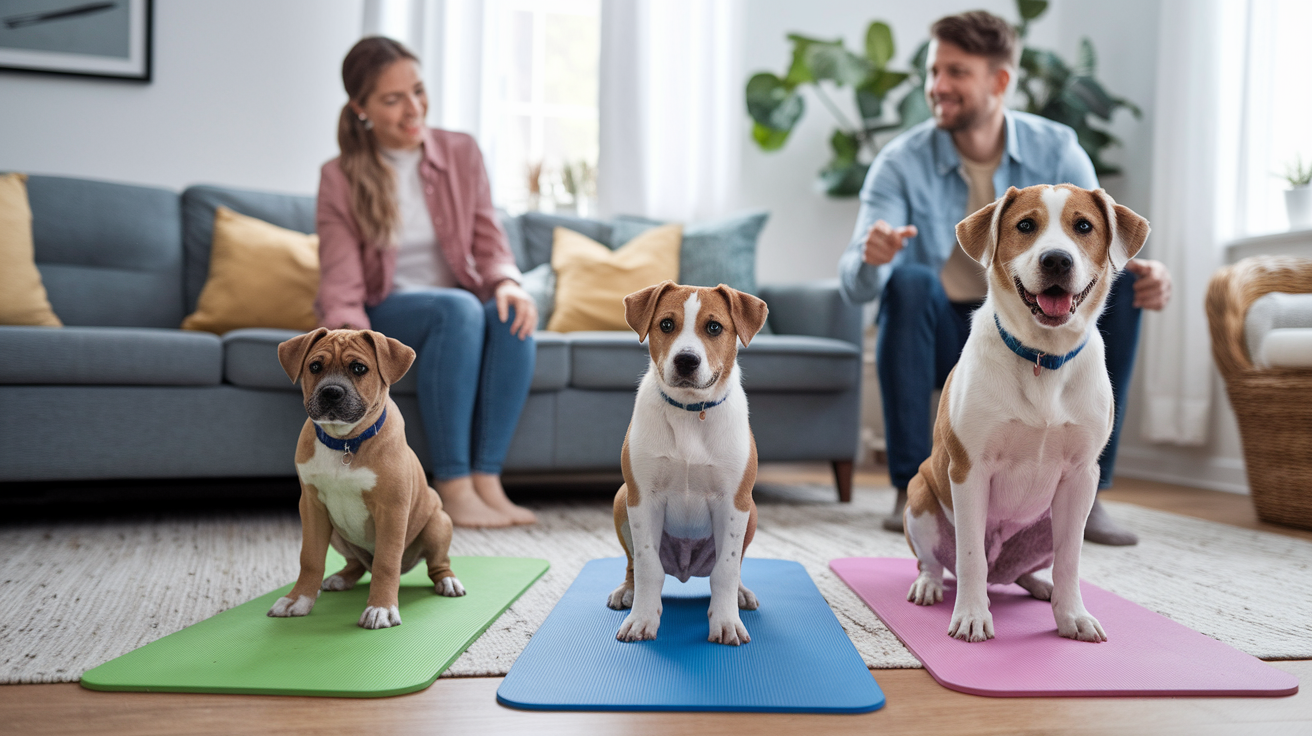
Puppies, adult dogs, and seniors have different energy levels, bladder capacity, and comfort needs. Tailoring the evening routine to your dog’s life stage prevents accidents, reduces anxiety, and supports healthy sleep.
Puppy Evening Routine
Puppies under six months need bathroom breaks every two to four hours, including overnight. Feed dinner earlier, around three hours before your own bedtime, to allow time for digestion and at least one post meal potty trip. Offer the final break within five to ten minutes of crate time or settling. Keep wind down activities short, 10–15 minutes, since puppies tire quickly but also become overstimulated easily. Introduce the crate gradually, starting with 10 minute intervals during the day so nighttime crating feels familiar and safe.
Adult Dog Evening Routine
Healthy adult dogs between one and seven years generally handle a stable, predictable schedule. Feed dinner two to three hours before bed, offer a 20–40 minute evening walk, and provide a 15–30 minute wind down with a chew or quiet activity. Most adults can hold their bladder through the night after a final break 10–15 minutes before lights out. Stick to the same sequence nightly to reinforce sleep cues and maintain consistent energy regulation.
Senior Dog Evening Routine
Dogs over seven years, or breed specific senior ages, often need gentler exercise and more frequent bathroom access. Shorten the evening walk to 10–20 minutes at a slower pace to protect aging joints. Feed dinner three to four hours before bed if nighttime accidents or reflux become an issue, and offer an additional late evening potty break if needed. Add extra comfort to the sleep area with orthopedic bedding or a warming pad set on low. If your senior dog takes medication, coordinate evening doses with your vet to avoid disrupting sleep or digestion.
Final Words
Get into the action: aim for a last walk 1–2 hours before bed, feed 2–3 hours before sleep, then follow with low-energy bonding and a final potty break.
Set up the sleep area with cozy bedding, quiet, and a steady temperature. Do quick evening grooming and tweak timing for puppies or seniors. Consistency helps their body clock and leads to fewer nighttime wake-ups.
Use this simple checklist nightly to build an evening routine for dog owners that reduces stress and helps everyone sleep better. Small steps, steady habit—you’re doing something helpful tonight.
FAQ
Q: What are the 7-7-7, 3-3-3, and 10-10-10 rules for dogs?
A: The 7-7-7, 3-3-3, and 10-10-10 rules are timing guides. The 3-3-3 means new-dog adjustment: 3 days, 3 weeks, 3 months. The others vary by trainer—often short training, play, then rest.
Q: What is a good bedtime routine for dogs?
A: A good bedtime routine for dogs includes a final potty break just before bed, feeding 2–3 hours earlier, a moderate walk 1–2 hours before sleep, calm bonding, and a consistent bedtime.