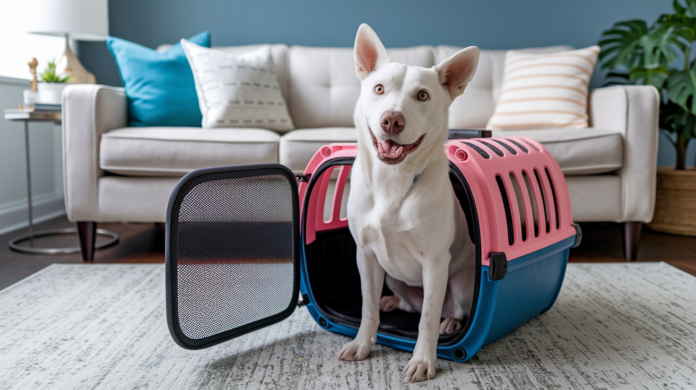

Are expandable pet carriers a clever upgrade or a bulky compromise?
They unzip open so a small dog or cat can stand, stretch, and breathe more easily during stops, then zip back down for flights or walks.
But that extra space brings added weight, weaker walls, and zippers that can fail.
This post runs through the real pros and cons so you’ll pick the carrier that fits your trips, your pet’s size, and how often you fly.
Are Expandable Pet Carriers Worth It?
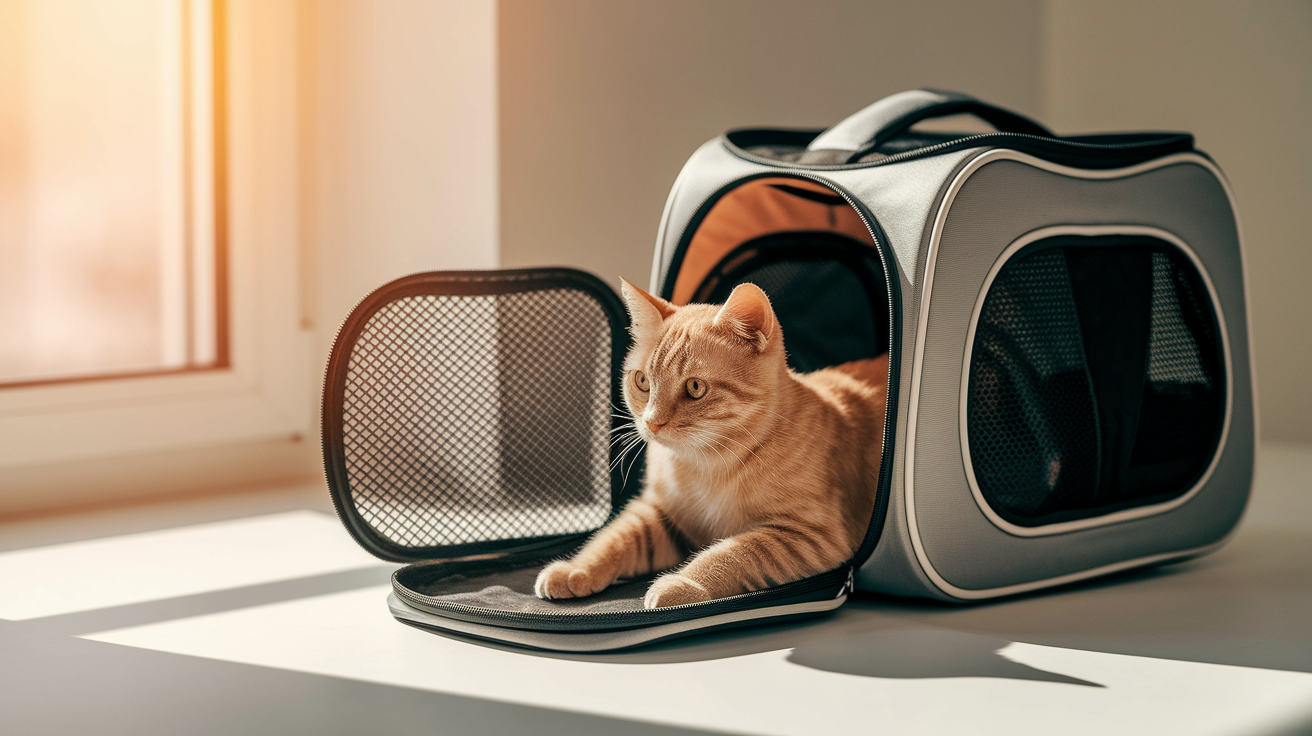
Expandable pet carriers give you more room during stops, layovers, and vet visits. You unzip mesh panels so a small dog or cat can stand, turn around, and stretch without escaping. They’re useful when you park the carrier somewhere for a while (hotel room, car seat, waiting area) and then zip everything back down for easy carrying or airline boarding. For short trips and owners who want extra comfort without spending top dollar, an expandable design makes sense.
The downsides? Extra bulk, less comfortable to carry, and weaker structure when you extend the walls. Expansion frames, stiff rods, and added zippers mean more weight digging into your shoulder when you’re hauling a loaded bag. Most expandable models haven’t been crash tested independently. The mesh panels that create extra space are also potential weak spots where claws, stuck zippers, or constant folding can break down. You’ll need to line the carrier with pee pads too, because expandable soft bags usually aren’t leakproof.
3 Biggest Pros:
- Pets get extra room to shift around and feel less stressed when stationary
- Better airflow from added mesh and open design
- Affordable and flexible for car trips, vet visits, and occasional flights
3 Biggest Cons:
- Expansion gear makes the carrier heavier and harder to carry comfortably
- No independent crash testing, so car accident safety is a question mark
- Expansion can push past airline size limits and isn’t allowed during takeoff or landing
Expandable carriers work for owners who travel now and then, need temporary extra space for small pets under 15 to 20 pounds, and can live with reduced crash protection and some cleanup effort. If you fly regularly, want full machine washability, or need verified crash safety, look at non-expandable, crash-tested options instead.
Core Benefits of Expandable Pet Carriers
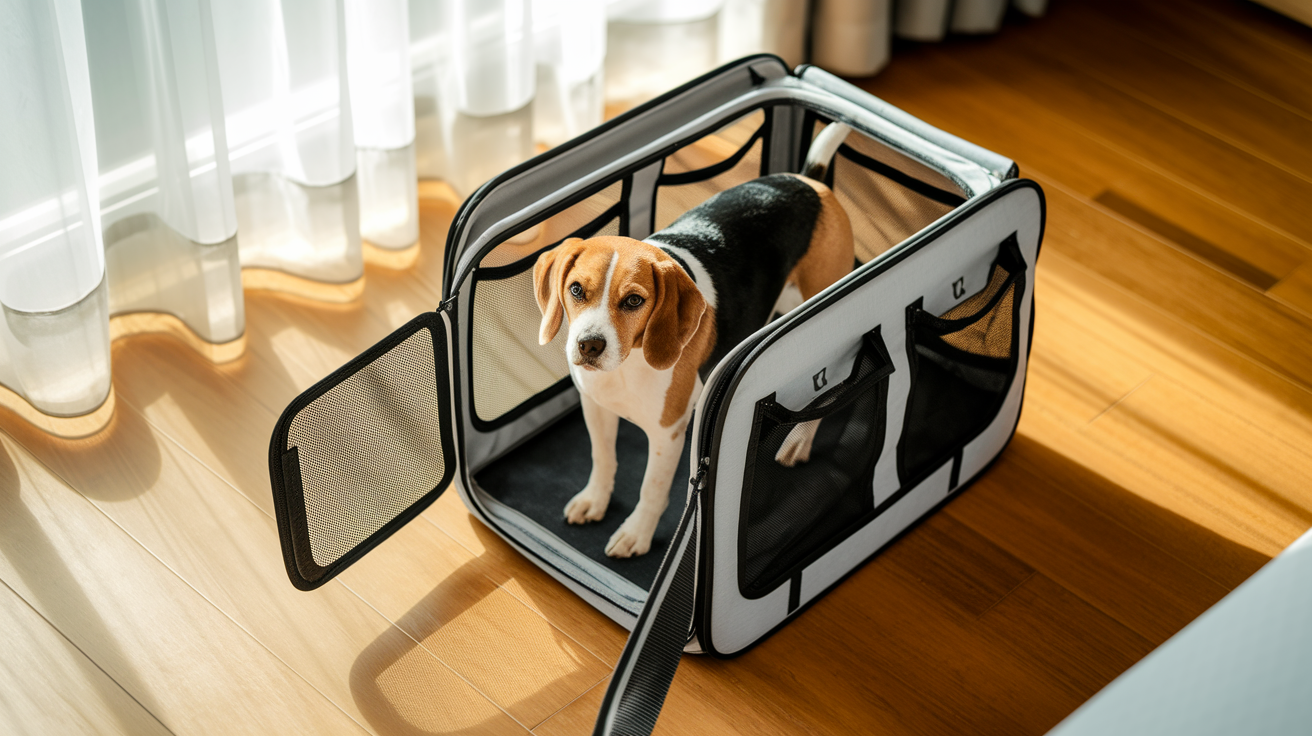
The big win is space. When you unzip the expansion panels, interior volume jumps by roughly 30 to 50 percent depending on the model. That lets a small cat or dog go from curled up to fully stretched out, turn around without hitting walls, or stand on all fours. Lots of pets show fewer stress signs (less panting, quieter) when they can change position during long waits. The mesh expansion zones also add airflow points, keeping things cooler and cutting down on smell during warm days or stuffy waiting rooms.
Expandable carriers adapt to different travel situations without forcing you to buy multiple bags. Zip it down to meet airline under-seat rules, then expand once you’re in your hotel or parked for a rest stop. Some models let you open expansion zippers from outside, so you can give your pet more room without opening the main door and risking an escape. That works well for nervous pets who need gradual cooldown time after being moved around.
Measurable Improvements:
- Interior space grows 30 to 50 percent when fully expanded
- Two to four extra mesh ventilation panels compared to fixed-size carriers
- Weight spreads across four strap points on many expandable designs, easing shoulder strain when compressed
- Fewer stress signals (less panting, quieter behavior) reported by users during layovers and rest stops
Drawbacks and Limitations to Consider
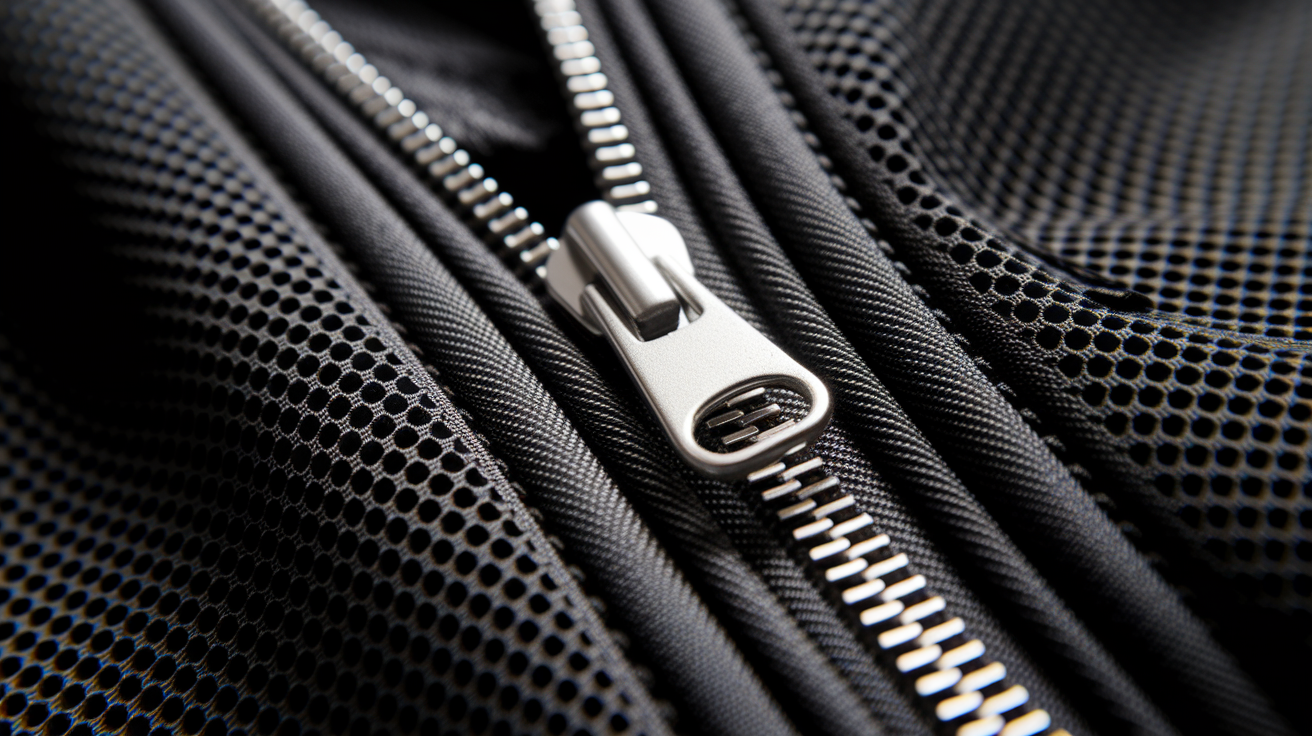
Expansion parts add weight. The rods, zippers, and reinforced seams needed to support fold-out panels can tack on 1 to 2 pounds compared to a basic soft bag of the same collapsed size. That becomes noticeable when you’re lugging a 10 or 15 pound pet through an airport or up stairs. The stiff expansion frames can also poke into your side or hip when you sling the bag over your shoulder, making long carries uncomfortable.
Structural stability drops when the carrier’s fully expanded. Soft mesh walls and flexible frames mean the bag can sag, tip, or lose shape if your pet leans hard to one side or you set it on an uneven surface. Some cheaper models buckle or collapse at the expansion seams after repeated use, especially if zippers snag or mesh stretches out. The larger footprint also makes expandable carriers tougher to maneuver in tight spots like narrow airplane aisles, crowded waiting rooms, or small car back seats.
Durability problems show up fastest at the expansion points. Zippers that open and close dozens of times can stick or separate. Mesh panels are thinner than the carrier’s main walls, so determined claws or teeth can punch through or fray the fabric more easily. Once the mesh tears or a zipper track bends, the expansion feature quits working and you’re stuck with a bulkier, heavier carrier that doesn’t deliver the extra space you paid for.
Most Common User-Reported Problems:
- Expansion zippers jam or break after 6 to 12 months of regular use
- Mesh panels sag or tear when pets scratch or chew during anxious moments
- Stiff expansion rods poke through fabric seams or dig into the person carrying the bag
- Carrier tips over when fully expanded and placed on soft or uneven surfaces
Structural Durability and Material Considerations
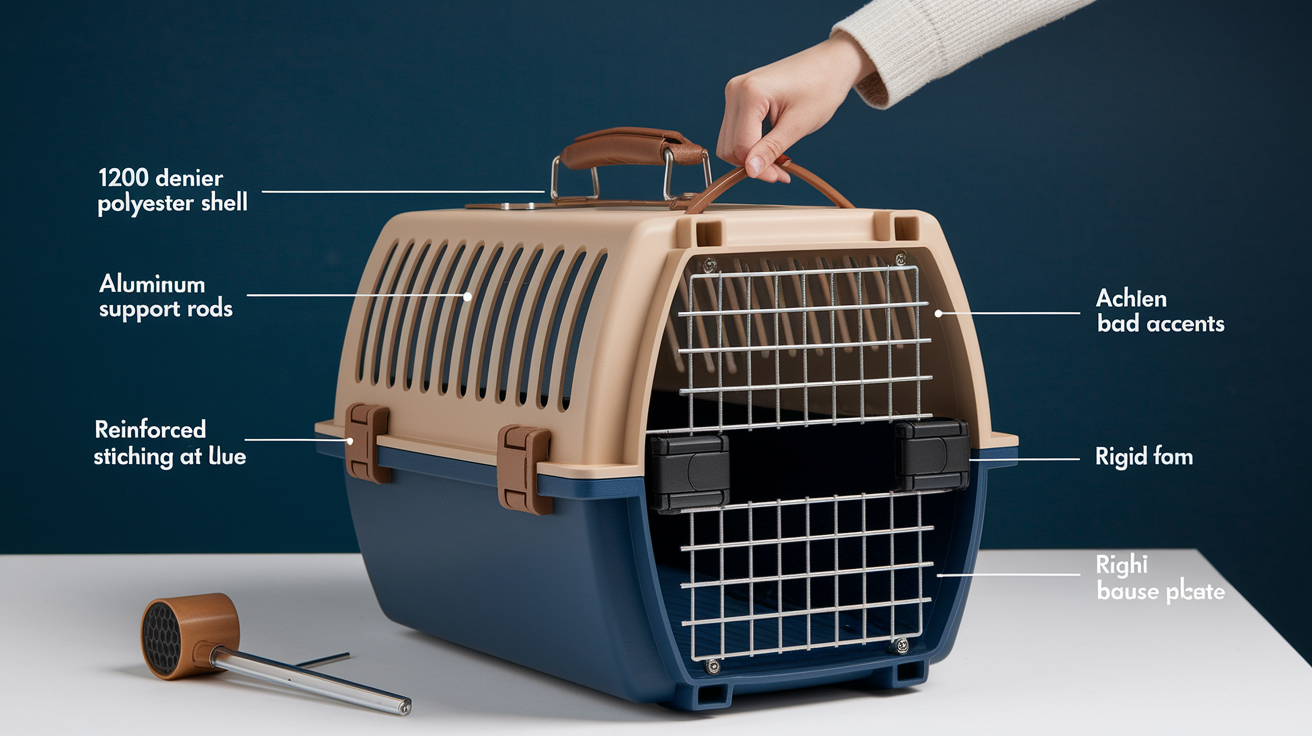
How long an expandable carrier lasts depends on fabric denier rating, zipper quality, and frame construction. Most mid-range models use 600 to 1200 denier polyester for the main body and 300 to 600 denier mesh for the expansion panels. Higher denier numbers mean thicker, tougher fabric that stands up better to claws, repeated folding, and outdoor conditions. Reinforced seams, double stitching at corners, and welded zipper tracks add months or years to the carrier’s life, especially around high stress points like the expansion hinge and strap anchor loops.
Frame materials matter just as much. Lightweight aluminum or fiberglass rods flex without bending permanently, while cheap plastic frames can snap under pressure or warp in hot cars. A rigid base plate (usually dense foam or thin plywood wrapped in waterproof fabric) stops the bottom from sagging and gives pets a stable surface to stand on. Models without a firm base often collapse when lifted, putting extra strain on the expansion zippers and creating an unstable platform that pets struggle to balance on.
| Material Type | Durability Notes |
|---|---|
| 600–1200 denier polyester | Main body fabric; higher denier resists abrasion, water, and repeated folding better than lower ratings |
| 300–600 denier mesh | Expansion panels; lighter than body fabric, more vulnerable to claw punctures and UV fade over time |
| Aluminum or fiberglass rods | Expansion frame; flexes without breaking, lighter than steel, resists rust and heat warping in cars |
Safety Factors When Using Expandable Carriers
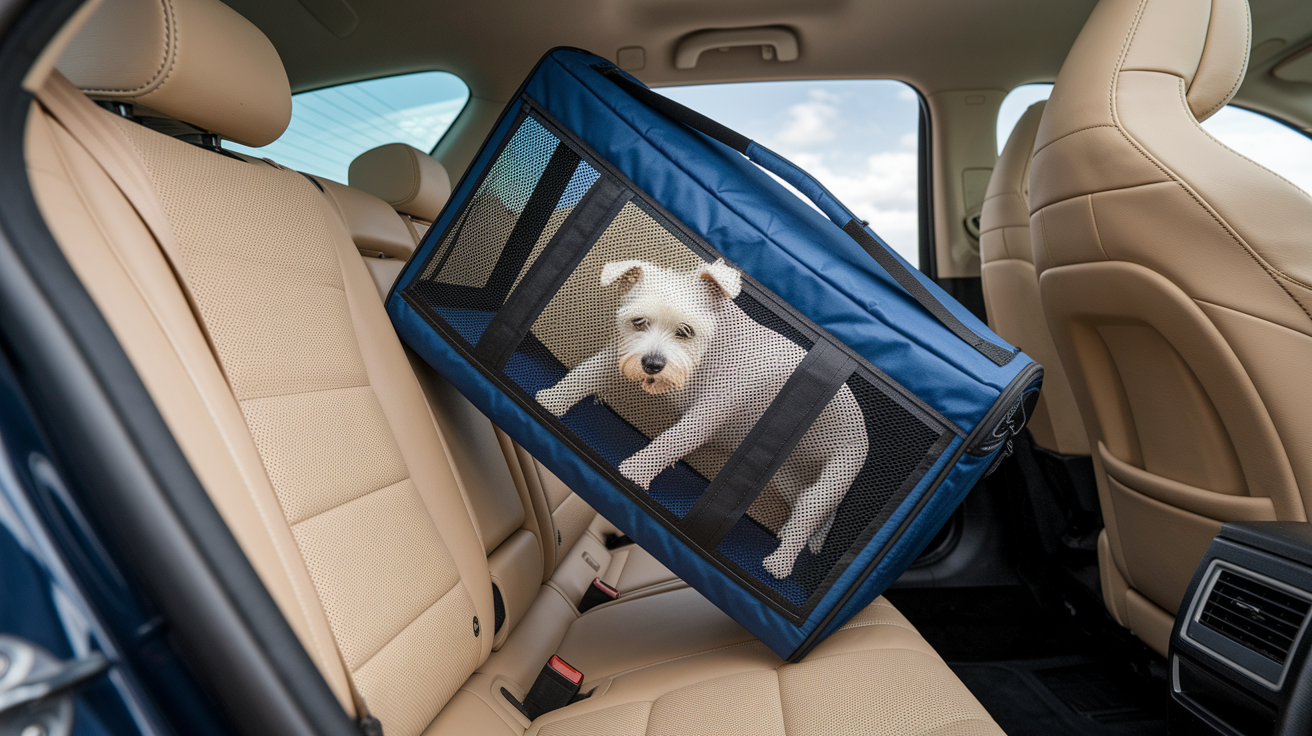
Overexpansion creates tipping risk. When the carrier’s fully extended, the center of gravity shifts outward. A pet that moves quickly to one side can topple the whole thing. Place expandable carriers on flat, stable surfaces and don’t leave them on car seats, bed edges, or other raised spots where a fall could hurt your pet. If you have to set the carrier on a soft surface like a couch or sleeping bag, compress the expansion panels first to lower the profile and improve balance.
Mesh panels invite chewing and scratching. Anxious or bored pets will test weak points, and the thinner mesh used in expansion zones tears easier than the carrier’s main walls. A single puncture can grow into a big hole if your pet keeps worrying the fabric, creating an escape route or a spot where a paw can get caught. Use integrated leash attachments inside the carrier to prevent escape attempts. Consider covering mesh areas with a thin blanket or towel if your pet has a history of destructive behavior during travel.
Ventilation matters when the carrier’s expanded. More interior space means your pet generates more body heat. If the mesh panels are blocked by luggage, a car seat, or a wall, airflow drops and the interior temperature climbs. Always position at least two mesh sides facing open air, check that zipper vents are fully open, and watch your pet for overheating signs like heavy panting, drooling, or restlessness. Weight limits are equally important. Most expandable carriers are rated for pets up to 15 to 20 pounds. Exceeding that stresses zippers, seams, and frames, raising the chance of structural failure mid-trip.
Airline Travel Considerations
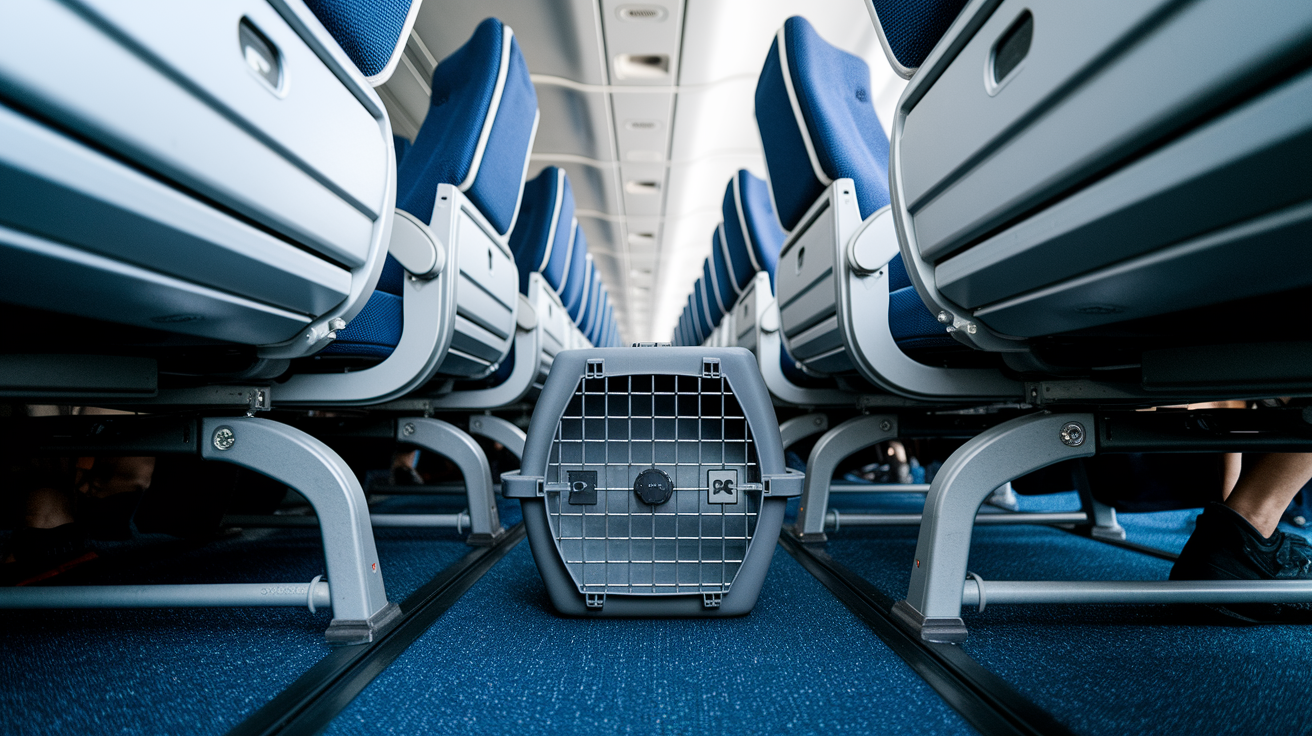
Most airlines allow expandable carriers in the cabin only when the unit’s fully compressed to meet under-seat dimensions. Common limits sit around 18 inches long, 11 inches wide, and 11 inches high, though specific rules vary by carrier and aircraft type. You have to collapse the expansion panels before boarding and keep them closed during takeoff, landing, and taxi. Expanding the carrier mid-flight might be permitted once the seatbelt sign goes off, but it depends on available floor space and crew discretion. You risk being asked to compress it again if another passenger complains or the aisle needs to stay clear.
Check your airline’s pet travel policy page for exact dimensions and confirm your expandable carrier’s compressed measurements before you book. Some models advertise “airline approved” but only list dimensions for one or two carriers, not all. Measure the carrier yourself (length times width times height) and compare those numbers to your airline’s published maximums. Bring a soft tape measure to the airport in case a gate agent questions the fit. Be ready to show that the bag compresses and slides fully under the seat in front of you.
Typical Airline Requirements for In-Cabin Pet Carriers:
- Must fit completely under the seat without blocking the aisle or emergency exit row
- Combined pet and carrier weight usually capped at 15 to 20 pounds, depending on the airline
- Expansion features must stay closed during taxi, takeoff, and landing. Most airlines prohibit expansion at any point during the flight
Ideal Use Cases for Expandable Carriers
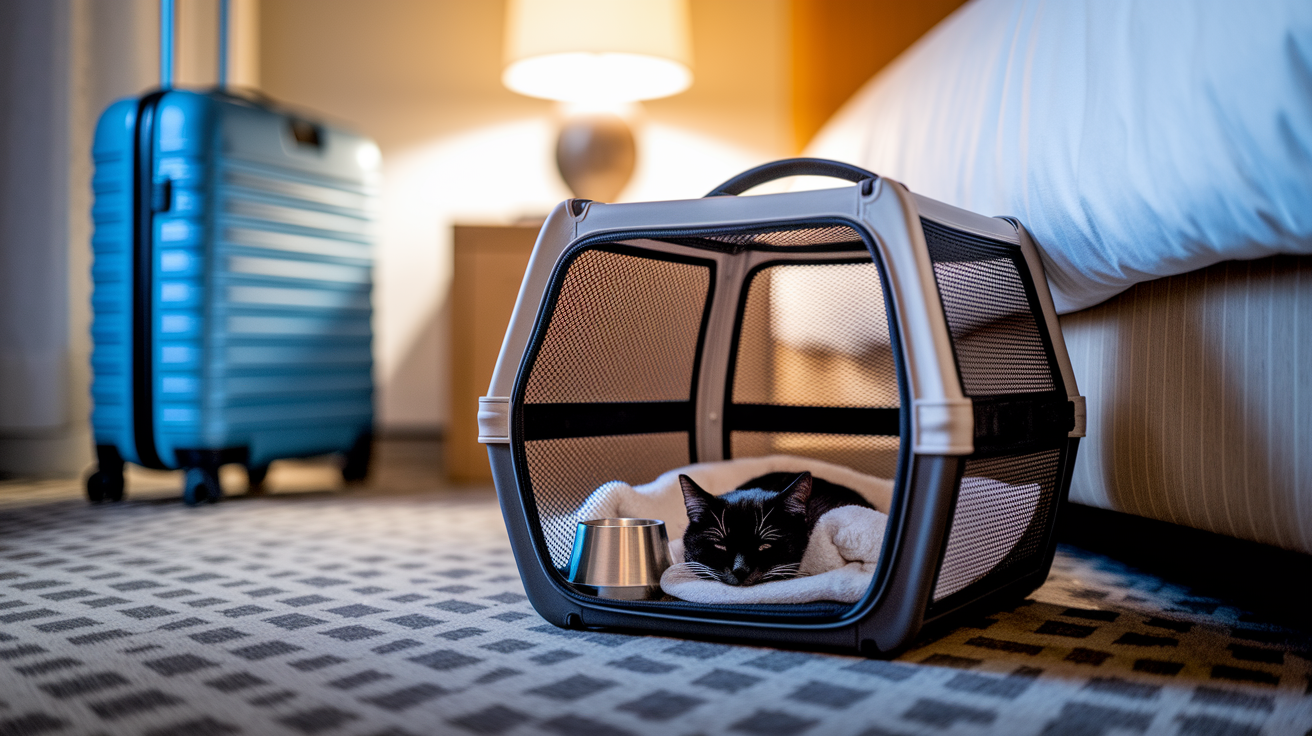
Expandable carriers shine during car trips and vet visits when you can park the carrier in one spot and give your pet extra room to settle. After a long drive, unzip the expansion panels in a hotel room or rest area so your cat or small dog can stretch out, drink water, and relax without leaving the safety of the carrier. That temporary expansion cuts stress and keeps your pet contained if you need to answer the door, step outside, or move luggage around the room.
Long waits in veterinary offices or grooming salons also benefit from added space. Instead of keeping your pet curled up in a cramped bag for 30 or 60 minutes, you can expand the carrier on the waiting room floor and let your pet shift positions, look around, and feel less confined. The extra mesh panels improve airflow and visibility, which can calm anxious pets who want to see what’s happening around them. Just compress the carrier again before you leave to make it easier to carry and fit through doorways.
Common High-Value Scenarios:
- Multi-day road trips where the carrier doubles as a portable crate in hotels, campsites, or friend’s homes
- Extended veterinary or grooming appointments when wait times go past 20 to 30 minutes
- Outdoor events like pet-friendly markets or festivals where you need a safe resting spot that still gives your pet room to move
Buying Criteria and Feature Checklist
Start by confirming the carrier’s compressed and expanded dimensions, then measure your pet from the back of the neck to the base of the tail and add 3 to 4 inches for wiggle room. Also measure shoulder height (top of the shoulders to the ground) and make sure the carrier’s interior height lets your pet stand without crouching. Check the manufacturer’s stated weight limit and compare it to your pet’s current weight, leaving a small buffer if your pet’s still growing or tends to gain a few pounds seasonally.
Key Features to Verify Before You Buy:
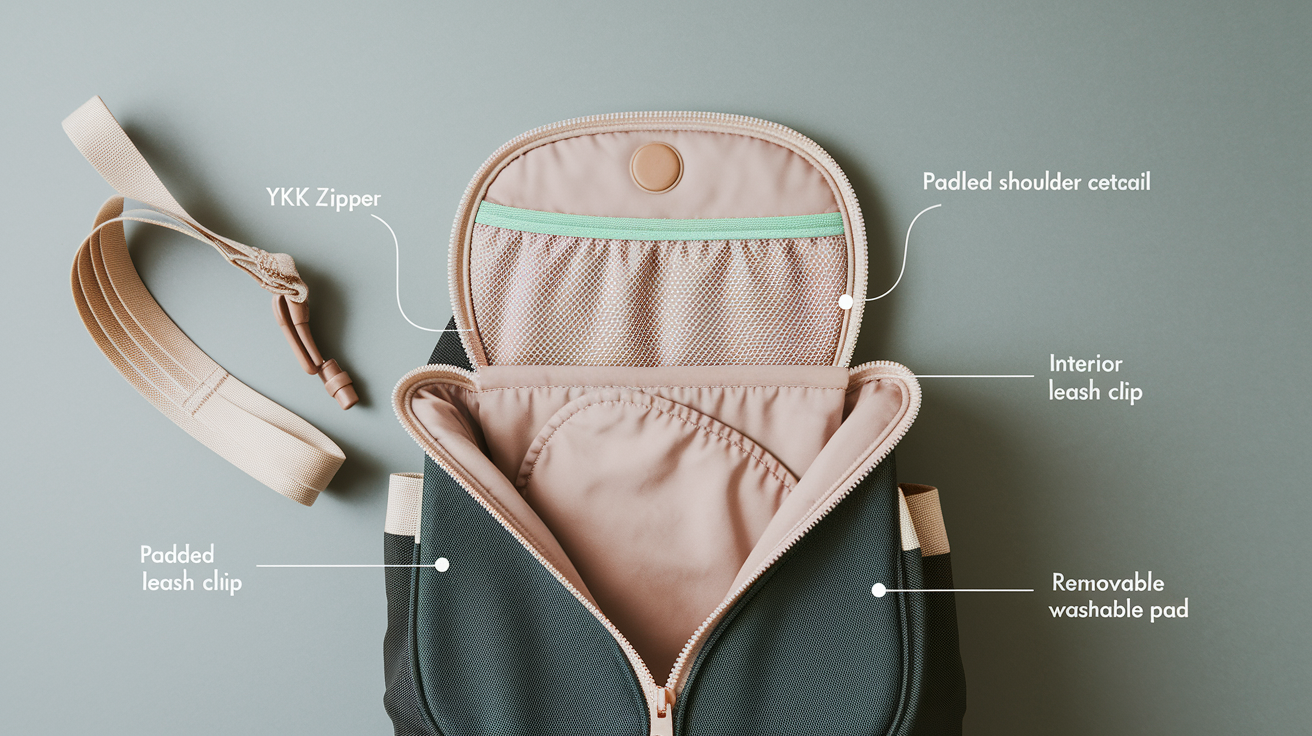
- High quality YKK or equivalent zippers on all expansion panels and main doors
- Rigid, waterproof base plate that prevents sagging when the carrier’s lifted or set down
- At least two mesh ventilation panels on opposite sides, with optional privacy flaps you can roll down
- Adjustable, padded shoulder strap with four anchor points for even weight distribution
- Integrated interior leash clip or D-ring to attach a harness and prevent escape during door openings
- Machine washable or easily removable bedding insert, plus spot cleanable outer shell
These features directly affect how long the carrier lasts and how comfortable it is to use. A carrier with cheap zippers will fail within months, forcing you to replace the whole thing or live with broken expansion panels. A flimsy base makes lifting awkward and stresses the frame, while poor strap design dumps all the weight on one shoulder and leads to soreness after just a few minutes of carrying. Washable components let you clean up accidents quickly without leaving odors that stress your pet on the next trip. An interior leash clip gives you a critical safety layer when you need to open the door to check on your pet or adjust bedding mid-journey.
Final Words
When you need extra room on a long car ride or a calmer spot at the vet, expandable carriers add lounging space and better airflow right when it matters. They often help pets stretch, see out, and breathe easier.
But they do bring trade-offs: added weight, a bigger footprint, and sometimes less rigid structure. Check zipper quality, frame support, and airline rules before you buy.
Weigh these expandable pet carriers pros and cons against your pet’s size and travel style. Pick a sturdy model and enjoy smoother trips together.
FAQ
Q: Do airlines allow expandable pet carriers?
A: Airlines typically allow expandable pet carriers if the expandable part is zipped closed during takeoff and landing and the carrier fits under the seat. Always check your airline’s size and expansion rules.
Q: What breeds are restricted on Southwest flights?
A: Southwest restricts certain breeds, especially some short-nosed (brachycephalic) dogs and breeds with higher health risks. Check Southwest’s current pet policy for the exact list and rules.
Q: Do cats prefer larger or smaller carriers?
A: Cats generally prefer snug, smaller carriers that feel secure, but they still need enough room to stand, turn, and lie down comfortably. Match carrier size to your cat’s measurements and stress level.
Q: What is the most comfortable way to carry a dog?
A: The most comfortable way to carry a dog is to support its chest and rear and keep its back straight. For small dogs use a padded carrier or sling, and change hands often to avoid strain.