
Think a cat can go a week without water? Think again.
A healthy cat usually lasts about 3 to 4 days without water, 72 to 96 hours, and that window can drop to 24 to 48 hours for kittens, seniors, or sick cats.
This post gives a clear survival timeline, the early warning signs to watch for, quick at-home checks you can do, and when to get urgent veterinary care.
Read on to know how fast dehydration can become life-threatening and what to do right away.
Critical Survival Timeline for Cats Without Water
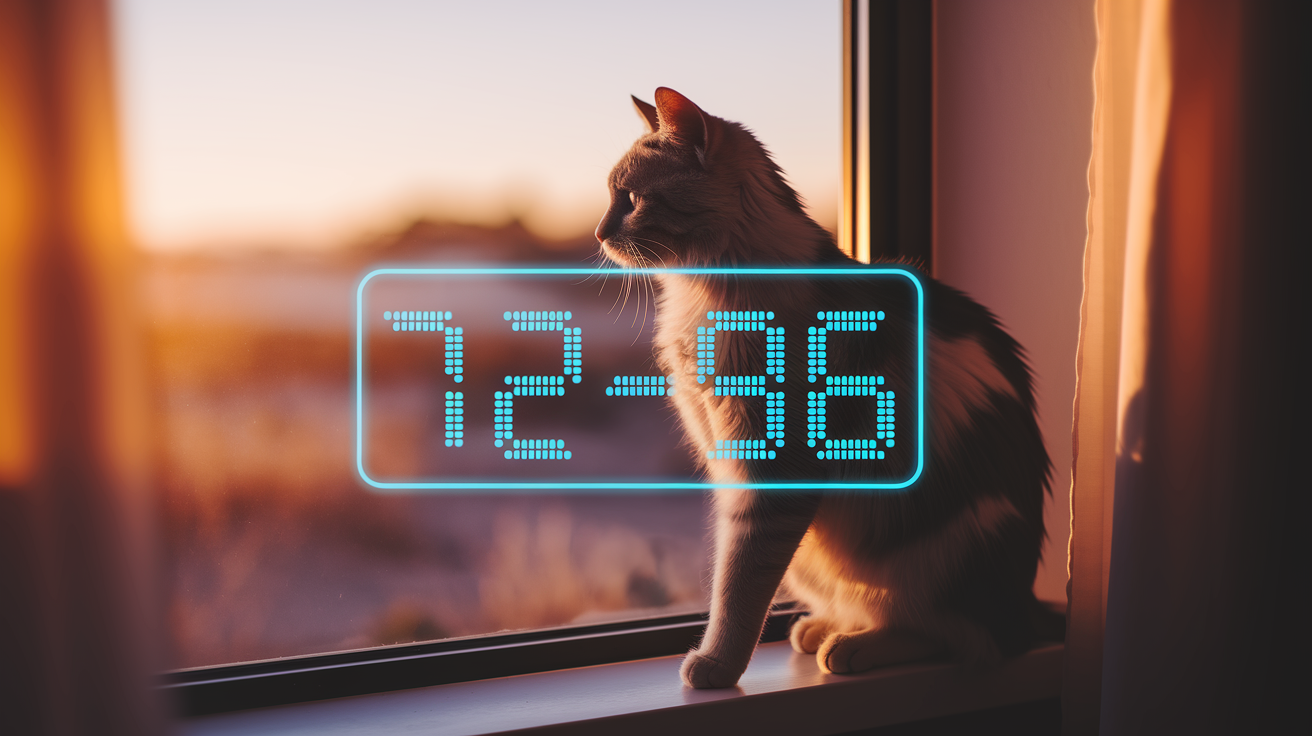
A healthy cat can only survive about 3 to 4 days without water. That’s 72 to 96 hours max. When you’re dealing with hot weather, a kitten, a senior cat, or one with health problems, that window shrinks fast. Sometimes down to 24 to 48 hours. Sometimes less. You can start seeing early dehydration signs within the first 24 hours.
The timeline’s short because their bodies need constant fluid to keep organs working, regulate temperature, maintain blood pressure, and clear waste. Cats lose water through urine, breathing, even through their paws. Once they stop drinking, the body burns through stored fluids quickly. Cells start failing. Unlike food, where the body can tap into stored energy for a while, there’s no real water reserve to draw from.
A cat needs roughly 40 to 60 ml per kg of body weight each day. So a 4.5 kg cat (about 10 lbs) needs around 180 to 270 ml daily. That’s roughly 0.75 to 1.25 US cups. One missed day is already dangerous. By day two or three, you’re often looking at moderate or severe dehydration, where organ damage and shock become real threats.
Key Factors Affecting Cat Survival Without Water
Physical conditions and environment matter a lot. High heat, low humidity, physical activity. All of it speeds up fluid loss through panting and evaporation. An indoor cat in air conditioning does better than one stuck outside in summer heat or trapped in a hot car. Heatstroke can push the safe window under 24 hours.
Age and health determine how well a cat handles fluid loss. Kittens and seniors don’t have much reserve. They dehydrate faster. Chronic kidney disease, diabetes, hyperthyroidism. These conditions raise baseline fluid needs and wreck the body’s ability to hold onto water. If your cat’s vomiting or has diarrhea, you’re losing fluids and electrolytes fast. That survival window? It collapses to hours. Urinary obstruction, especially in males, can cause life-threatening dehydration and metabolic collapse within 24 to 48 hours.
Major risk accelerators include:
- Kittens under six months or senior cats over 10 years
- Chronic kidney disease, diabetes mellitus, or hyperthyroidism
- Active vomiting, diarrhea, or blood loss
- Extreme heat or direct sun exposure
- Dry food only diets with no access to fresh water
Recognizing Signs of Dehydration in Cats
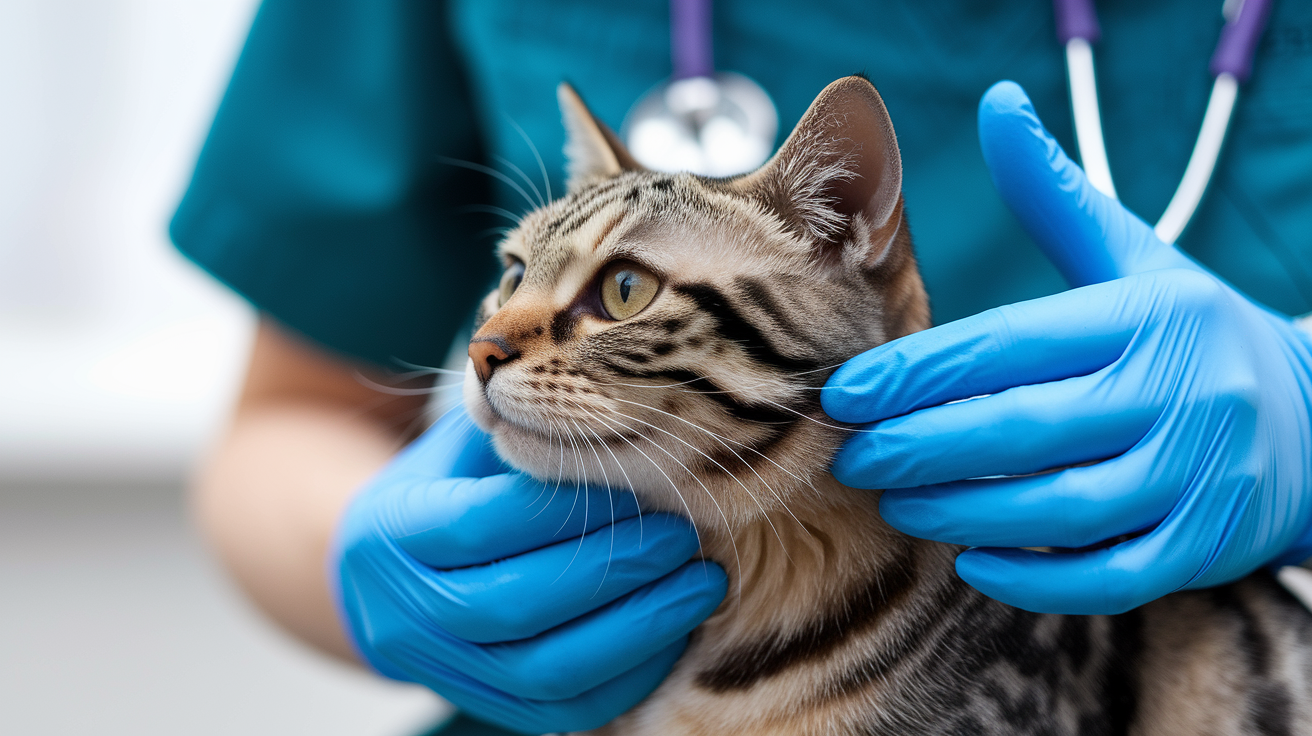
Early signs are subtle. Within 24 hours of no water, you might see mild lethargy, slightly dry gums, less interest in play. At this stage, the cat might still lick the water bowl without actually drinking much. Easy to miss, especially with cats that hide discomfort or sleep most of the day.
Moderate to severe dehydration brings more obvious changes. Gums get tacky or sticky instead of moist. They might look pale, even white. Eyes look sunken or dull. Skin loses elasticity. When you gently lift a fold of skin over the shoulder blades, it stays tented or comes back slowly instead of snapping into place. Heart rate speeds up to compensate for low blood volume. Breathing gets fast. Severe dehydration means about 10% body weight loss. Often includes collapse, inability to stand, shock.
Urination and behavior changes are red flags. A dehydrated cat produces less urine. What little comes out might be dark yellow or concentrated. You’ll notice fewer clumps in the litter box. Maybe none at all. Behavior shifts include hiding, vocalizing more, refusing food, stumbling when walking.
Key observable signs to check at home:
- Dry, tacky, or pale gums and tongue
- Skin tenting (skin slow to return when gently lifted)
- Sunken eyes or reduced tear production
- Dark, concentrated urine or reduced litter box use
- Rapid heartbeat and fast, shallow breathing
- Weakness, lethargy, or hiding behavior
At-Home Checks to Confirm Cat Dehydration
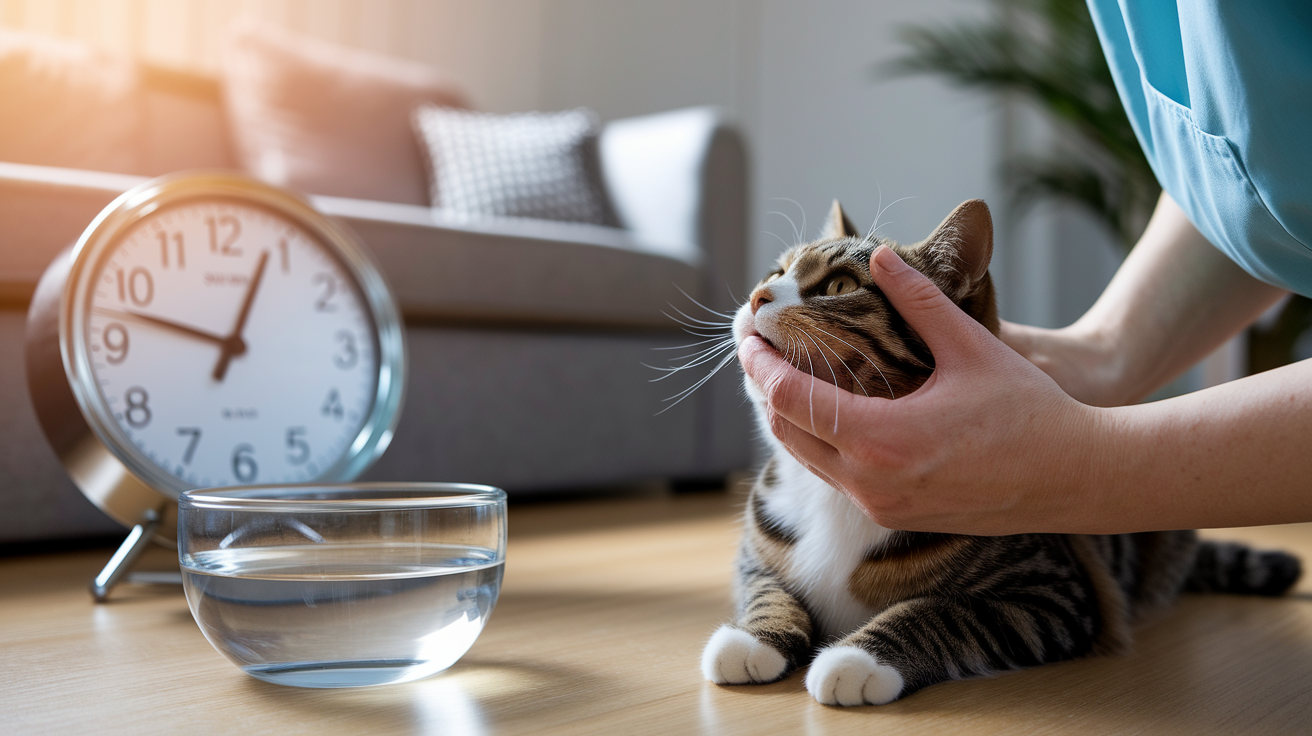
These simple tests help you figure out if your cat needs care right now. They’re not replacements for vet diagnostics, but they can confirm whether hydration is slipping into dangerous territory. Do them gently, somewhere quiet.
Skin Tent Test
Gently pinch a small fold of skin at the back of the neck or between the shoulder blades. Release it. In a well-hydrated cat, the skin snaps back almost instantly. If it returns slowly over one to two seconds, or stays tented longer, that’s dehydration. Keep in mind older cats naturally lose some skin elasticity with age. Combine this test with others for accuracy.
Gum Moisture and Color
Lift your cat’s upper lip and press a finger gently against the gums. Healthy gums are moist and pink. Your finger should glide smoothly. If the gums feel dry, sticky, or tacky, or if they look pale or white instead of pink, that’s poor hydration. Possibly reduced circulation. Don’t test on cats that are aggressive or stressed. Handling the mouth can trigger a bite.
Capillary Refill and Litter Box Output
Press your finger on the gums until they blanch white. Release and count how long it takes for the pink color to return. Normal capillary refill time is one to two seconds. Longer than two seconds suggests dehydration or shock. Also watch the litter box closely. Reduced clumps, dark urine, or complete absence of urination over 12 to 24 hours is urgent. If your cat’s straining to urinate with little or no output, especially a male cat, that may signal urinary obstruction, not just dehydration. That’s an emergency.
Emergency Steps to Help a Dehydrated Cat Drink
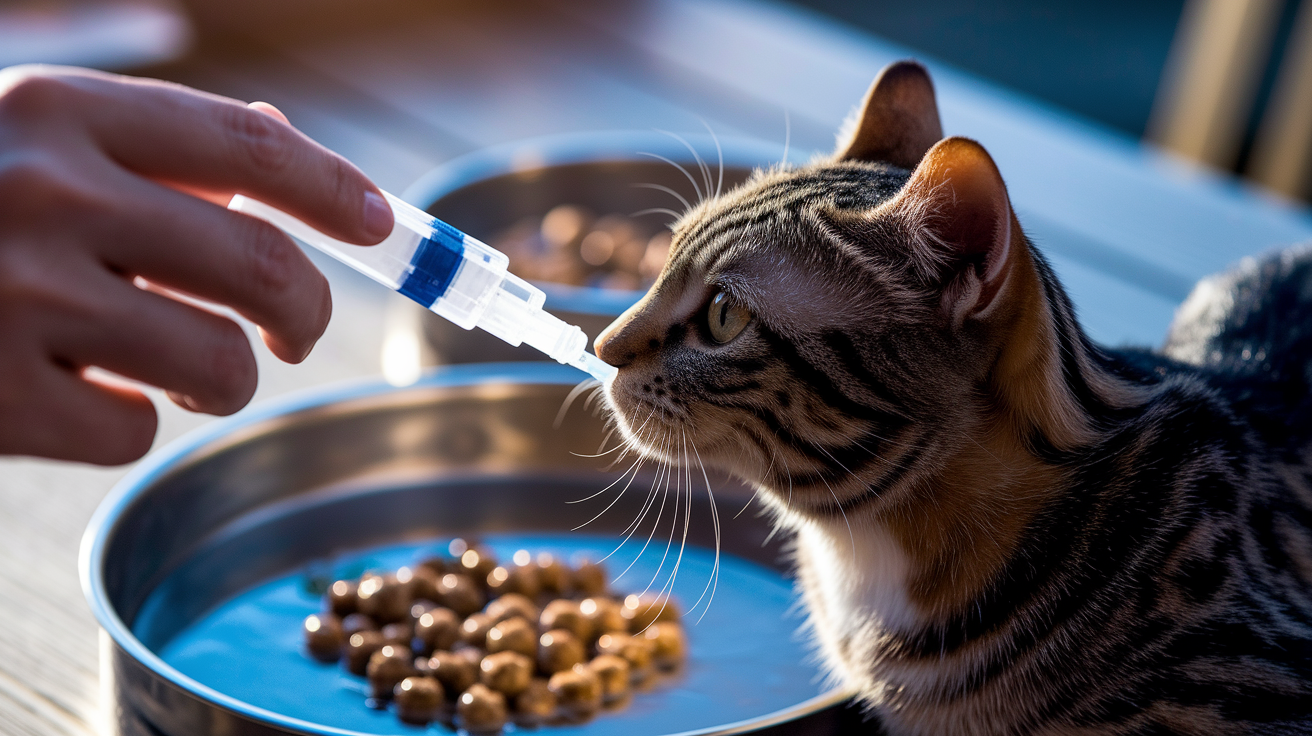
If your cat’s conscious, alert, and able to swallow, you can try safe measures at home while arranging vet care. Offer fresh, cool water in multiple shallow bowls. Place them in quiet areas away from the food bowl. Some cats prefer running water, so try a pet fountain or leave a faucet dripping slightly. Switch to wet or canned food immediately. It contains 70 to 80% moisture and can provide serious fluid intake even if the cat won’t drink from a bowl.
Don’t force large volumes of water into your cat’s mouth with a syringe. High risk of aspiration (inhaling fluid into the lungs). If your cat’s willing to accept small amounts, you can use a needleless syringe or eyedropper to offer 1 to 5 ml at a time. Pause between each tiny dose. Stop immediately if your cat coughs, struggles, or turns their head away. Never try this with a collapsed, unconscious, or vomiting cat.
Practical ways to increase fluid intake right now:
- Offer low sodium chicken or beef broth with no onion, garlic, or added salt
- Provide wet food or mix a small amount of water into canned food
- Tempt with tuna water or salmon juice in very small amounts
- Place multiple water bowls in different rooms, including near favorite resting spots
- Use a shallow dish or wide bowl if your cat dislikes deep containers
When to Seek Veterinary Care for Dehydration
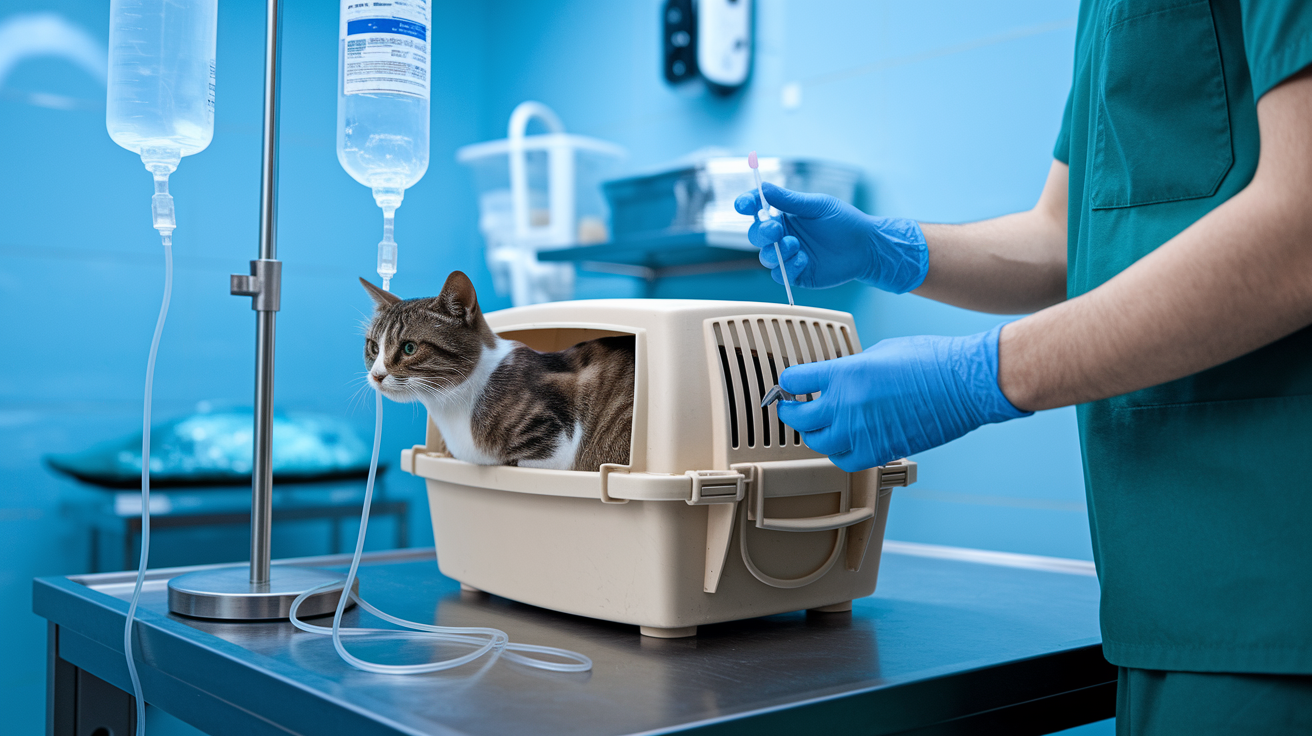
If your cat hasn’t drunk water for 24 hours and shows any behavioral changes, lethargy, or refusal to eat, contact your vet immediately. Don’t wait for dehydration to become severe. Red flags include collapse, inability to stand, persistent vomiting, very dry or pale gums, skin that stays tented, sunken eyes, rapid heartbeat. Male cats showing signs of urinary blockage (straining in the litter box with little or no urine output, vocalizing, licking the genital area repeatedly) need emergency care within hours. Not days.
Vet treatment usually involves subcutaneous (under the skin) or intravenous fluids, depending on severity. Mild to moderate dehydration often responds to subcutaneous fluids given at the clinic or at home if your vet trains you. Severe dehydration (10% or greater body weight loss) usually requires hospitalization with continuous IV fluid therapy, bloodwork to check kidney function and electrolytes, close monitoring for complications like acute kidney injury or shock.
Situations requiring immediate vet or emergency visit:
- No water intake for 24 hours plus lethargy, vomiting, or behavior changes
- Visible signs of moderate to severe dehydration (skin tenting, very dry gums, sunken eyes)
- Collapse, difficulty breathing, inability to stand, or signs of shock
- Male cat straining to urinate with little or no output, possible urinary obstruction
Hydration Needs and Daily Water Intake Requirements
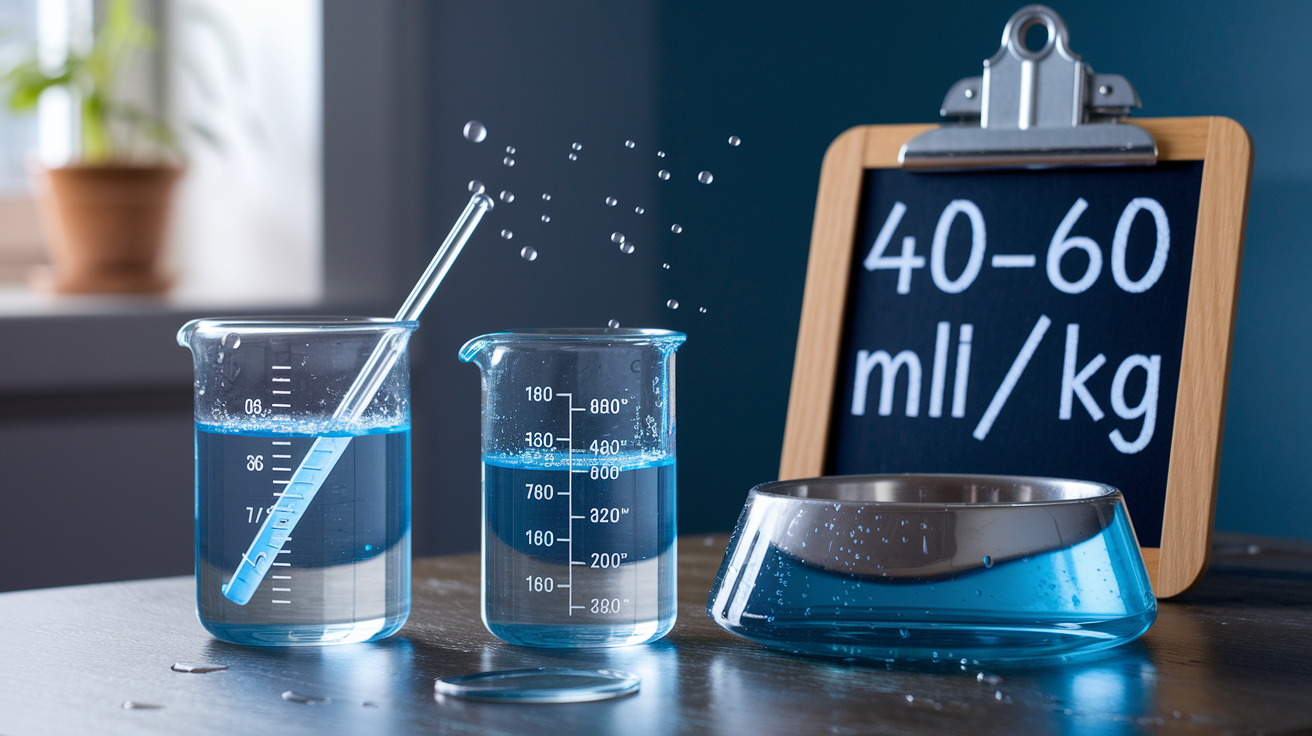
Use the formula of 40 to 60 ml per kg of body weight per day to estimate your cat’s needs. A 3 kg cat requires about 120 to 180 ml daily. A 4.5 kg cat needs 180 to 270 ml. A 6 kg cat should take in 240 to 360 ml. These are rough guidelines. Actual intake varies with diet, activity, health, and temperature.
Diet makes a huge difference in how much your cat drinks from a bowl. Dry kibble contains only about 10% moisture, so cats eating kibble exclusively must drink nearly all their fluid needs. Wet or canned food is 70 to 80% moisture, which means a cat on an all wet diet may rarely be seen drinking and still be well hydrated. If you feed both, intake falls somewhere in between. This is why a cat on wet food that stops drinking for a day may still be okay, while a kibble fed cat missing water for 24 hours is in trouble.
Lifestyle factors shift water needs too. Active cats, nursing mothers, cats living in hot climates need more fluid. Older cats and those with kidney disease or diabetes often need significantly more than the basic formula suggests. Pay attention to litter box habits and overall behavior to figure out whether your cat’s keeping up with hydration demands.
| Weight (kg) | Daily Water (ml) | Example Foods |
|---|---|---|
| 3 kg | 120–180 ml | 1 can wet food, or ½ cup dry + water |
| 4.5 kg | 180–270 ml | 1.5 cans wet food, or ¾ cup dry + water |
| 6 kg | 240–360 ml | 2 cans wet food, or 1 cup dry + water |
High-Risk Cats: Kittens, Seniors, and Medically Fragile Cats
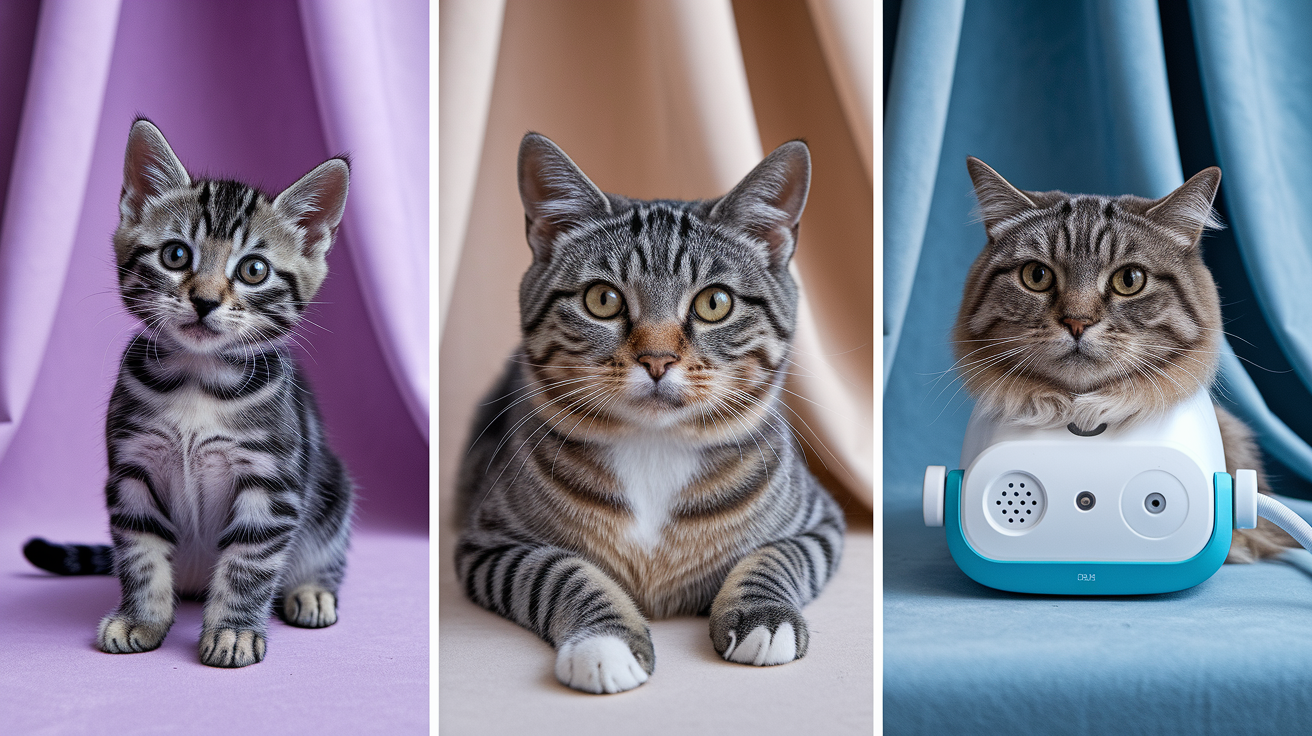
Kittens under six months have smaller body reserves and higher metabolic rates. They burn through fluids faster than adult cats. A kitten that stops drinking can reach dangerous dehydration within 12 to 24 hours. Senior cats, typically those over 10 years, often have reduced kidney function, slower circulation, less flexibility to respond to fluid loss. Both groups need closer monitoring and faster action when water intake drops.
Cats with chronic kidney disease, diabetes mellitus, or hyperthyroidism live with elevated baseline fluid needs. Kidney disease reduces the body’s ability to concentrate urine, so affected cats lose more water than healthy cats even under normal conditions. Diabetic cats produce excess urine due to high blood sugar. Hyperthyroid cats have sped up metabolisms that increase water turnover. For these cats, missing even one day of normal water intake can trigger rapid deterioration, acute kidney injury, or metabolic crisis. Cats recovering from vomiting, diarrhea, or surgery are also fragile and need immediate attention if they won’t drink.
FAQs About Cat Survival Without Water
A common question is how long a cat can survive without food. If water’s available, a cat can live up to about two weeks without food. But the cat will be very ill, weak, at risk of hepatic lipidosis (fatty liver disease) during much of that time. Without both food and water, survival drops sharply to only about 3 days. Dehydration sets the absolute limit.
Some owners wonder if milk or other liquids can replace water. Milk isn’t a safe substitute. Many adult cats are lactose intolerant and will develop diarrhea, which worsens dehydration. Sports drinks, juice, other human beverages contain sugar, salt, or additives that are inappropriate or harmful for cats. Plain, fresh water is the only safe primary fluid. Low sodium broth with no harmful ingredients can be offered in small amounts to encourage drinking, but it shouldn’t replace water entirely.
Increased thirst, called polydipsia, is sometimes mistaken for good hydration. If your cat suddenly starts drinking much more than usual, that’s often a warning sign of diabetes, kidney disease, hyperthyroidism, or other medical problems. Not improved hydration. Track how much your cat drinks over a few days and report sudden increases to your vet along with any changes in urination, appetite, or energy.
Final Words
You learned the urgent timeline: a healthy cat usually survives about 3–4 days without water, but in hot weather or with illness that can drop to 24–48 hours. Early signs of dehydration often appear within 24 hours.
We also covered simple checks (skin tent, gum moisture, capillary refill) and safe first steps: fresh water, wet food, low-sodium broth, and tiny syringe sips if the cat accepts them. Don’t force large amounts; call your vet for collapse, unable to stand, or no drinking for 24 hours.
If you’re still asking how long can a cat survive without water, use that 24–96 hour window to act quickly. Small actions now can prevent an emergency and help keep your cat safe.
FAQ
Q: Can a cat survive 7 days without water?
A: A cat cannot safely survive seven days without water; healthy cats usually last about 3–4 days, and in hot weather, illness, or with kittens or seniors, survival can fall to 24–48 hours.
Q: How long will a cat live after it stops drinking water?
A: A cat that stops drinking will usually survive about 3–4 days without water; in hot conditions, with illness, or in very young or old cats, life-threatening dehydration may develop within 24–48 hours.
Q: What is the 3 3 3 rule for cats moving?
A: The 3 3 3 rule for cats moving means expect 3 days to hide, 3 weeks to explore and adjust, and up to 3 months to feel completely settled, and it’s a flexible timeline.
Q: What is the longest a cat has gone without water?
A: The longest a cat has gone without water is generally around 3–4 days medically; claims of longer survival exist, but dehydration becomes severe and dangerous after about 72–96 hours.