

Did you know up to 30% of dogs show fear during thunderstorms?
If your dog panics, it feels like sensory overload, loud thunder, bright flashes, pressure changes, static in their coat.
This post gives simple, safe steps you can use before and during a storm: set up a reliable safe space, use pressure wraps like a ThunderShirt, mask noise with music or white noise, try gradual desensitization, and know when to talk to your vet about supplements or meds.
By the time you finish, you’ll have a calm, practical plan to help your dog through the next storm.
Why Dogs Fear Thunderstorms

Up to 30% of dogs show fear during thunderstorms. That fear can range from mild stress to full panic.
Dogs experience storms differently than we do. Their hearing picks up thunder at volumes and frequencies we can’t detect. They see lightning flashes more intensely. Barometric pressure drops before a storm, and dogs sense that shift. They’ll often get restless or uneasy before the first crack of thunder. Static electricity builds in their coats, especially in breeds with thick or long fur. It creates an uncomfortable tingling sensation they can’t explain or escape.
All of this adds up to unpredictable sensory overload. Your dog doesn’t understand what’s happening or when it’ll stop, and that uncertainty feeds the fear.
Common Signs of Thunderstorm Anxiety
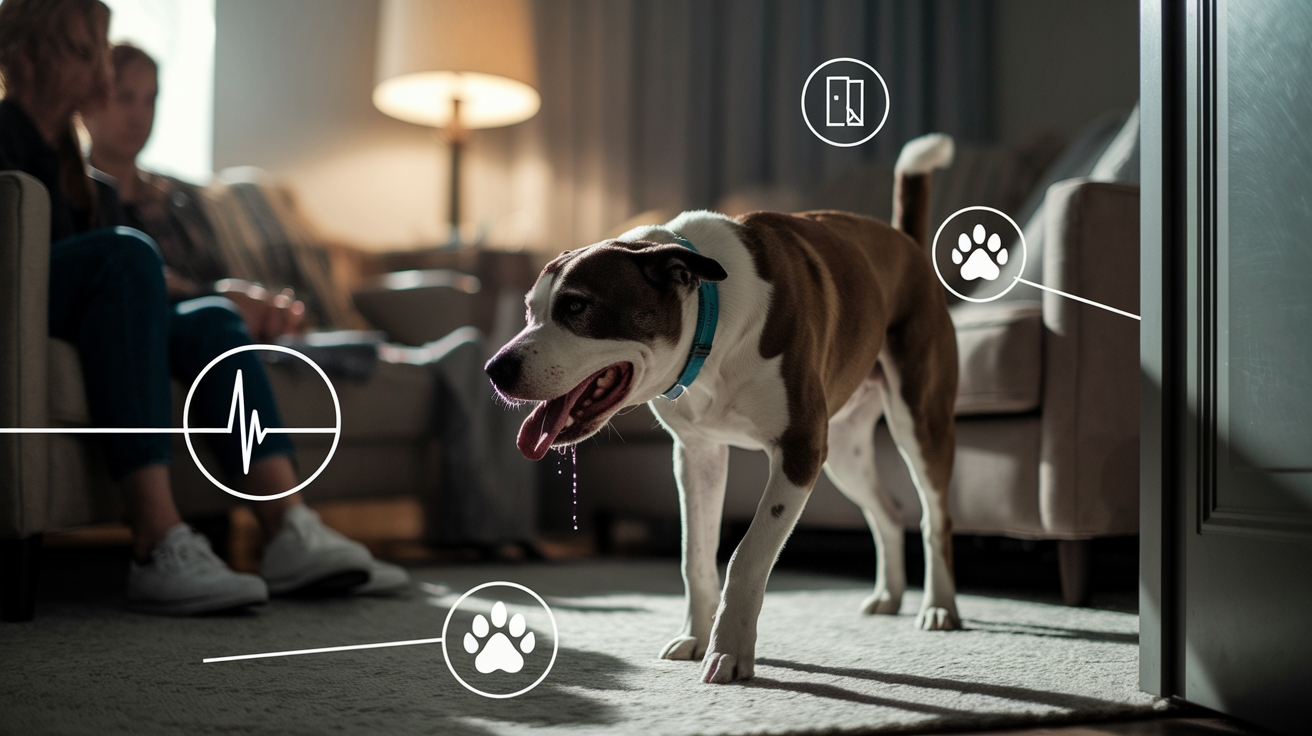
Watch for these behaviors when a storm rolls in.
Mild to moderate signs include trembling, pacing, panting even when the house is cool. Hiding under furniture or in closets. Clinging to you, drooling more than usual, refusing to eat or drink. Some dogs will whine, bark, or paw at you.
Severe signs look different. Dogs may try to escape, clawing at doors, windows, or crates. Some chew through carpet, scratch drywall, or hurt themselves trying to break free. You might see uncontrolled urination, vomiting, or a dog so frozen with fear they won’t move at all.
If your dog shows severe signs, you need a plan that goes beyond at-home comfort. We’ll cover when to call your vet in a later section.
Create a Safe Space Before the Storm Hits
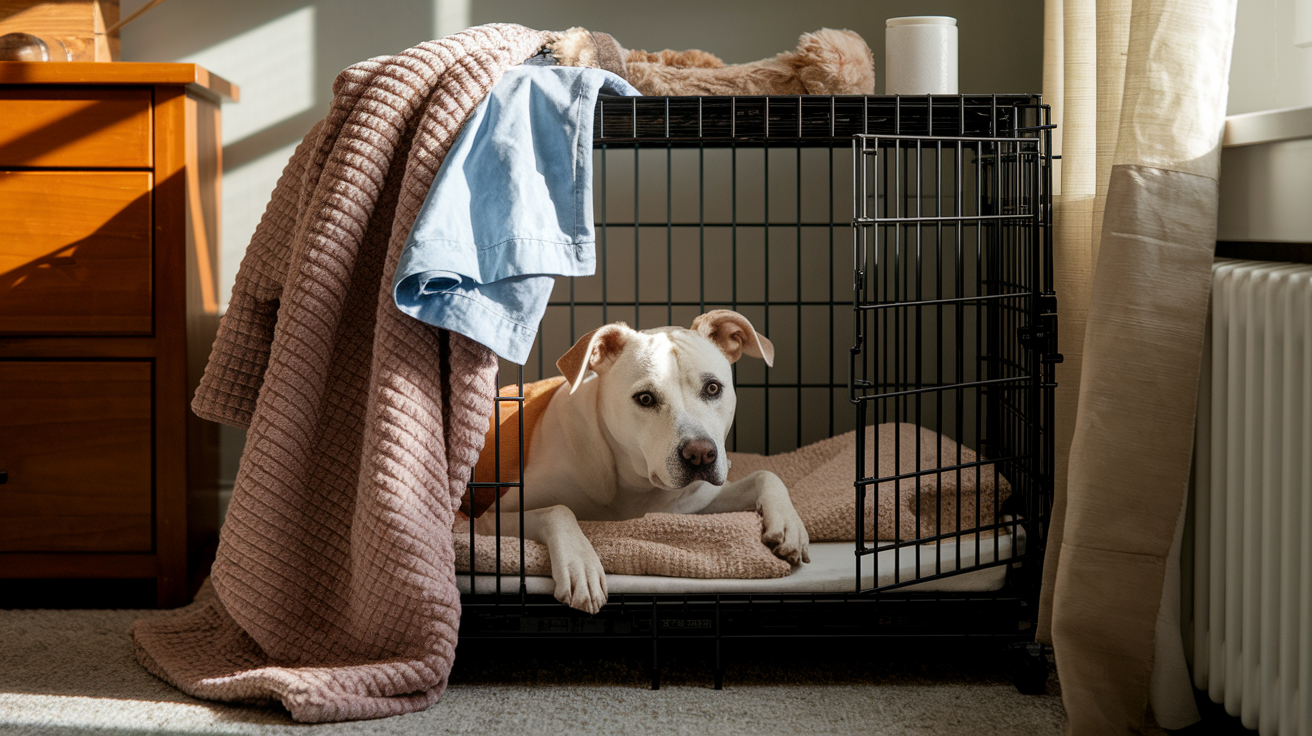
Your dog needs one reliable spot where they feel protected.
Start by identifying where your dog naturally hides during stress. Many dogs prefer a crate if they’re already comfortable in one. Others choose a closet, a bathroom, or the space under your bed. If your dog doesn’t have a go-to spot, pick a quiet room away from windows. Ideally with minimal outside noise.
Set up the space with soft bedding, a favorite toy, and an item that smells like you. A worn T-shirt or blanket. If you’re using a crate, cover it with a heavy blanket to create a den-like feel and block out flashes of light. Leave the door open so your dog can come and go. Forcing them to stay inside can increase panic.
Practice this setup on calm days. Let your dog explore the space, nap there, and get treats there. When the storm arrives, they’ll already know it’s a safe place.
Don’t wait until the thunder starts. Once your dog’s in full panic mode, it’s harder to guide them anywhere new.
Stay Calm and Gently Redirect Their Attention

Your energy shapes your dog’s reaction.
Dogs read your body language and tone. If you tense up, speak in a high-pitched voice, or rush to comfort them with frantic petting, they pick up on that stress and assume something really is wrong.
Instead, stay relaxed. Use a steady, low voice. Sit near them without hovering. Offer gentle contact if they seek it. A slow stroke along the back or a hand resting on their side, but don’t force it.
Light distraction can help. Toss a favorite toy across the room. Brush their coat slowly and calmly. Offer a small, high-value treat like a piece of cooked chicken or a spoonful of plain popcorn. No butter, no salt. The goal isn’t to make them forget the storm. It’s to give them something else to focus on for a few seconds at a time.
Avoid over-the-top reassurance. Repeatedly saying “It’s okay, it’s okay” in a worried tone can reinforce the idea that there’s something to fear. Be present, be steady, and let them come to you.
Use a ThunderShirt or Pressure Wrap
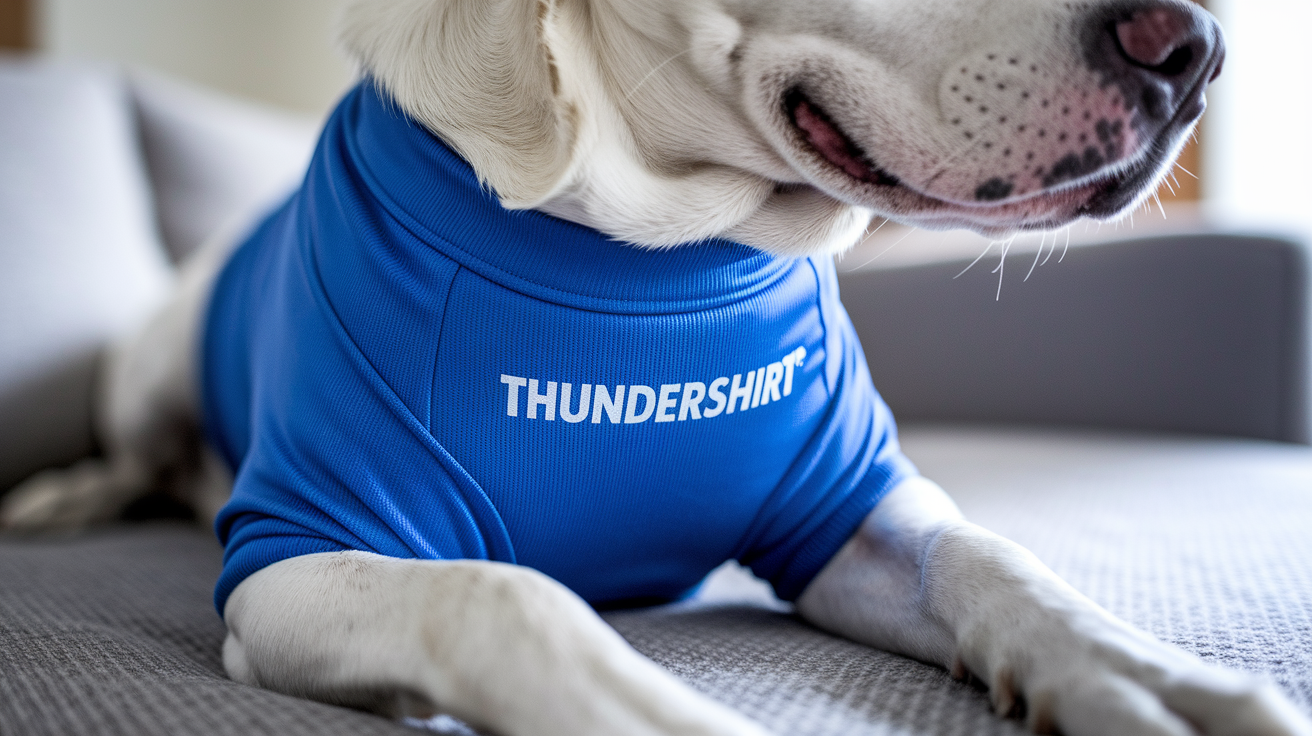
Gentle, constant pressure can soothe some anxious dogs.
A ThunderShirt or similar anxiety wrap applies snug pressure around your dog’s chest and torso, similar to swaddling an infant or using a weighted blanket. The science isn’t fully settled, but many owners and trainers report that it helps take the edge off.
The wrap should be firm but not tight. You should be able to slip two fingers under the fabric. If your dog can’t move freely, it’s too snug. Some dogs relax within minutes. Others show little change. Every dog responds differently.
Try the wrap on a calm day first. Let your dog wear it for short periods while you’re home. Offer treats and play, and make it a positive experience. If they freeze, try to remove it, or show signs of distress, the wrap isn’t a good fit for them.
Put the wrap on 10 to 15 minutes before a storm if possible. It’s less effective if you wait until peak panic.
You can also make a DIY version using an elastic bandage or a long scarf, but follow a step-by-step guide to avoid wrapping too tightly or in a way that restricts breathing or movement.
Mask the Noise with Music, TV, or White Noise

Covering the sound of thunder reduces the trigger.
Turn on a TV, play music, or run a white-noise machine before the storm begins. Classical music and soft instrumental playlists are recommended by some certified veterinary behaviorists because the steady tempo and lack of sudden shifts can help lower stress.
White noise, like a fan or a dedicated sound machine, works well to create a consistent audio blanket. It won’t eliminate thunder completely, but it softens the sharpness and unpredictability.
Place the sound source in the same room as your dog’s safe space. Set the volume loud enough to dull outside noise but not so loud that it adds to the chaos.
Test your setup on a quiet day. If your dog seems unbothered or even drowsy with the music or white noise on, you’ve found a good option.
Desensitization and Counterconditioning Training
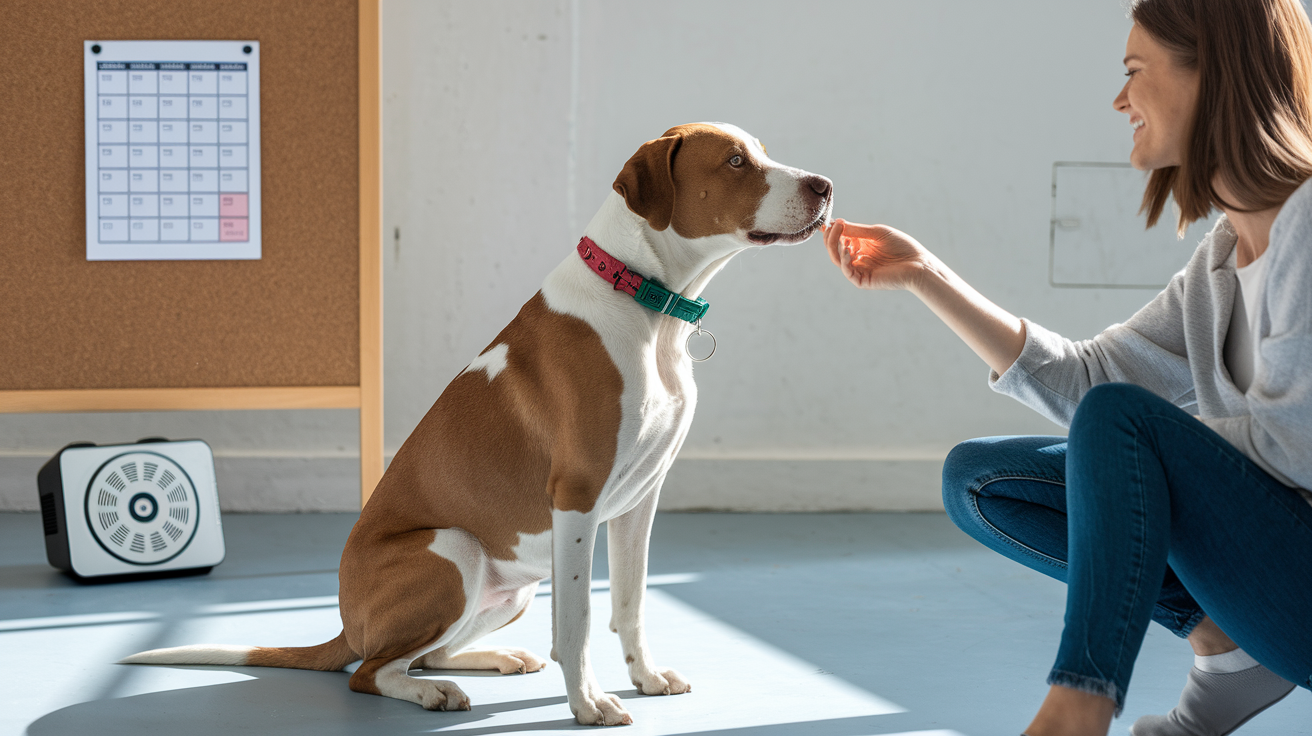
Long-term training can reduce storm fear over time.
Desensitization means gradually exposing your dog to recorded storm sounds at very low volumes, starting when they’re calm and relaxed. Counterconditioning means pairing that exposure with something positive, like treats, play, or mealtime, so your dog begins to associate the sound with good things instead of fear.
Here’s the basic process. Find a high-quality recording of thunder. Play it at the lowest possible volume while your dog’s eating dinner or chewing a favorite toy. Watch their body language. If they stay relaxed, you’re at the right level. If they freeze, pant, or move away, lower the volume or stop for the day.
Repeat daily. Once your dog ignores the sound for several sessions, increase the volume by a small notch. Reward calm behavior with treats or praise. If your dog shows any stress, dial it back.
This training takes weeks or months. You’re building tolerance slowly. Rushing the process or skipping steps can backfire and increase fear instead of reducing it.
Practice only during calm weather. Never run desensitization during an actual storm.
Try Calming Supplements or Prescription Medications

Veterinary support can make a real difference for anxious dogs.
Over-the-counter calming supplements often contain ingredients like L-theanine, chamomile, valerian root, or melatonin. Some products also use pheromones or CBD. These can take the edge off mild anxiety, but results vary by dog, and not all products are created equal.
Always talk to your vet before starting a supplement. Dosing matters, especially with smaller dogs, and some ingredients can interact with other medications or conditions. Your vet can recommend specific brands that’ve been tested for safety and consistency.
For moderate to severe storm anxiety, prescription anti-anxiety medications are often more effective. These include fast-acting drugs that you give 30 to 60 minutes before a forecasted storm, as well as longer-acting options for dogs who need daily support during storm season.
A newer medication specifically targets noise aversion and has shown strong results in clinical studies. Your vet can explain options, timing, side effects, and what to expect.
Don’t wait until the middle of storm season to ask. Schedule a conversation with your vet early, ideally before the first storms of the year. That gives you time to trial medications on calm days and adjust the dose if needed.
What NOT to Do During a Storm
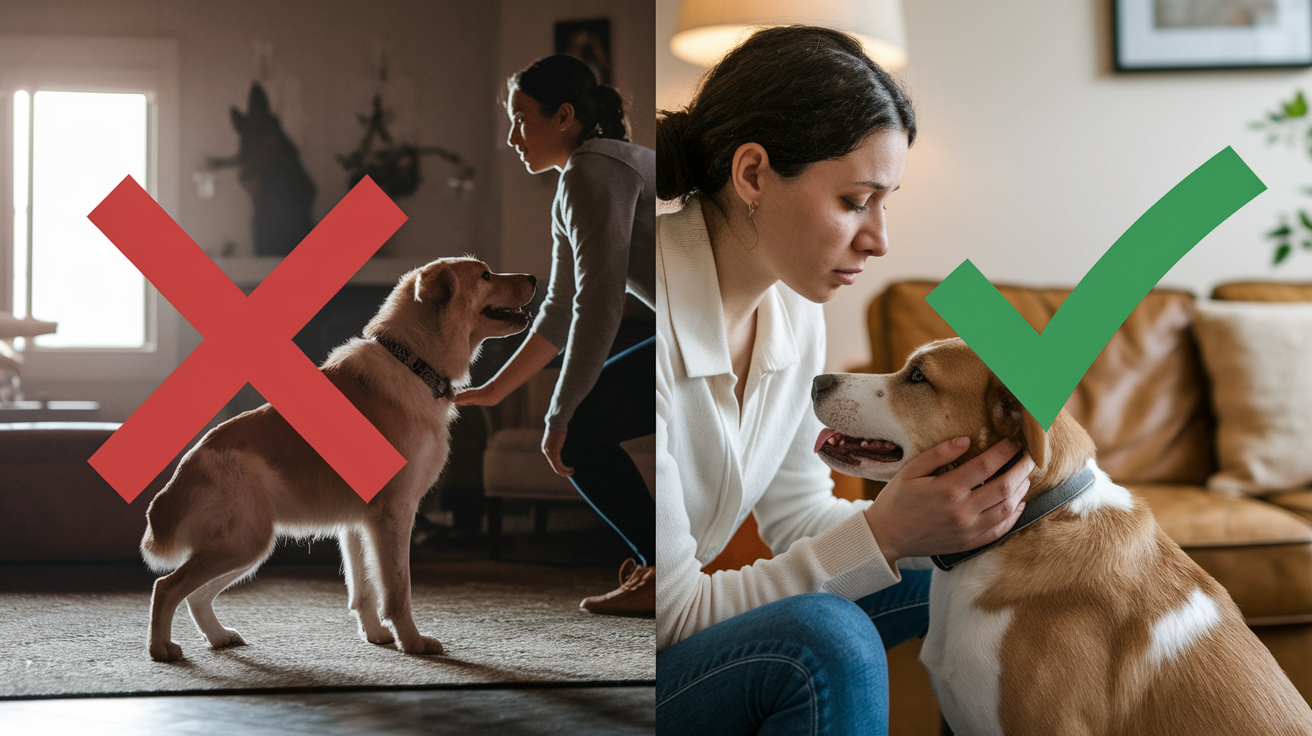
Certain responses can make fear worse.
Don’t punish your dog for fearful behavior. Yelling, scolding, or physically correcting a trembling or pacing dog will only increase their stress and damage trust.
Don’t force them into a confined space. If your dog refuses to go into their crate or safe room, let them choose another spot. Forcing them in can trigger panic and make them associate that space with fear instead of safety.
Avoid over-the-top consoling. Excessive hugging, high-pitched baby talk, or frantic petting can reinforce the idea that there’s something to be afraid of. Be calm and available, but don’t treat the situation like an emergency unless it truly is one.
Don’t leave an anxious dog alone in a yard or garage during a storm. Panic can drive dogs to jump fences, break through gates, or injure themselves trying to escape. Keep them indoors where you can monitor them.
When to Call Your Vet
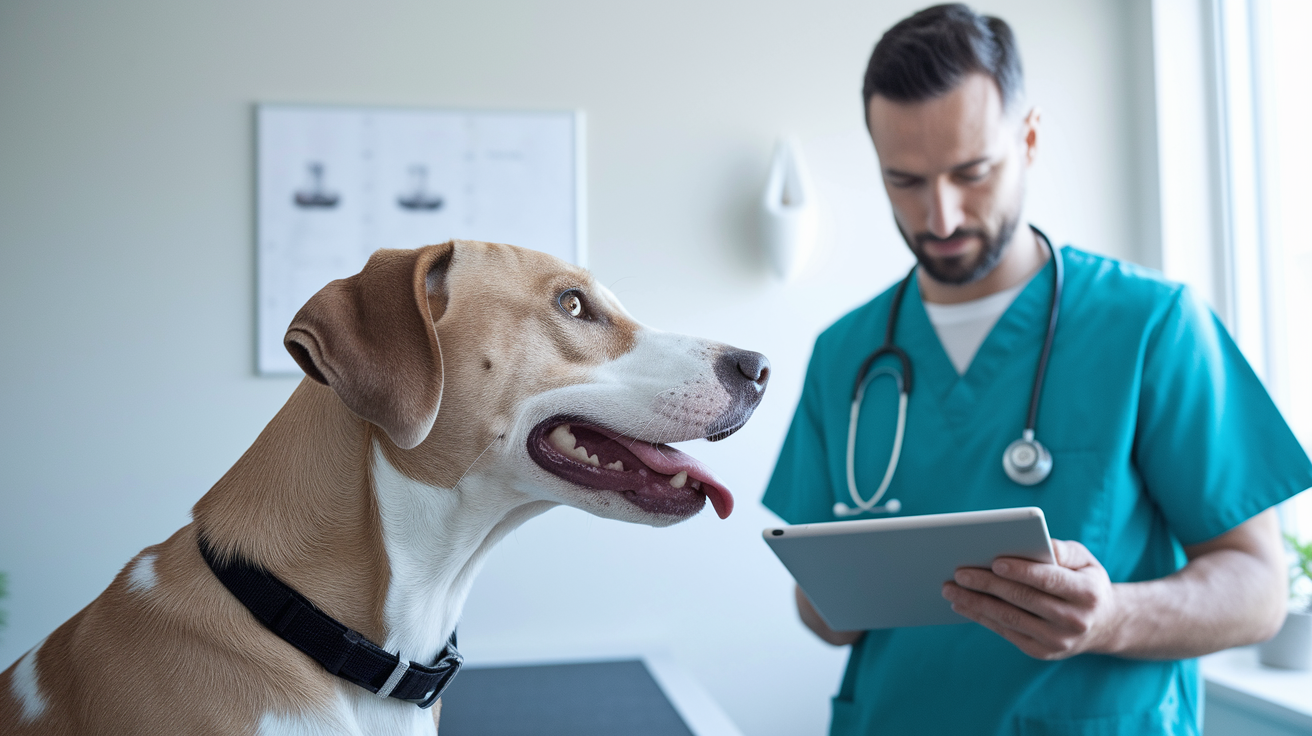
Some signs mean it’s time for professional help.
Contact your vet if your dog’s fear leads to destructive behavior, escape attempts, or self-injury. Examples include clawing through drywall, chewing carpet to the point of bleeding gums, breaking teeth on crate bars, or repeatedly throwing themselves at doors or windows.
Also call if your dog shows extreme, unrelenting panic that doesn’t ease even slightly with the strategies above. Persistent trembling, non-stop panting, refusal to eat or drink for more than 24 hours after a storm, or signs of exhaustion all warrant a check-in.
Your vet may prescribe medication, adjust a current dose, or refer you to a certified veterinary behaviorist who specializes in anxiety disorders. Behavioral therapy combined with medication often works better than either approach alone.
Don’t wait for the problem to resolve on its own. Storm anxiety usually gets worse over time without intervention.
Preparation Checklist Before Storm Season
Set yourself up early so you’re not scrambling when the first storm warning goes out.
Identify and set up your dog’s safe space with bedding, toys, and familiar-scent items. Test your sound-masking tools. Music playlist, white-noise machine, or TV, on calm days to confirm your dog tolerates them well.
If you plan to use a ThunderShirt or anxiety wrap, buy or make it now and practice putting it on. Let your dog wear it during low-stress times so the garment itself doesn’t become a trigger.
Schedule a vet appointment to discuss anti-anxiety medication options. If your vet recommends a prescription, trial it on a calm day to watch for side effects and confirm the dose works.
Stock up on any calming supplements or treats your vet has approved. Keep them in an easy-to-reach spot so you’re not hunting through cabinets when a storm rolls in.
If you live in a region with a predictable storm season, start desensitization training at least two months before peak season begins. Consistency matters more than intensity.
Make a simple list or set a phone reminder with the steps you’ll follow when a storm’s forecasted. That way you won’t forget a critical piece when you’re rushed or stressed.
Create a quiet, cushioned den, close the curtains, and start steady white noise or calming music. Offer a favorite chew toy, try a thundershirt or gentle body pressure, and keep your routine calm and predictable. Short training games and counter-conditioning help over time, and check with your vet for severe anxiety.
Use the step-by-step tips above to practice and track what helps most. If you want to know how to calm an anxious dog during thunderstorms, start small, be consistent, and remember many pets get calmer with patient, steady support.
FAQ
Q: How do I help my dog with thunder anxiety?
A: Helping a dog with thunder anxiety involves creating a safe, quiet space, using calming wraps or pheromone diffusers, offering distraction and exercise, and starting behavior training. See your vet if anxiety is severe.
Q: Will Benadryl calm a dog down during a thunderstorm?
A: Benadryl can sometimes calm a dog during a thunderstorm by causing mild drowsiness. It’s not a reliable anti-anxiety drug, so check dose with your vet and use prescription meds for severe fear.
Q: What dog breeds are scared of thunder?
A: Dog breeds scared of thunder vary widely. There’s no rule that a specific breed is always fearful, and individual temperament, early socialization, and past trauma matter more than breed.
Q: What medication calms dogs during storms?
A: Medication calms dogs during storms when prescribed by a vet. Common options include trazodone, gabapentin, benzodiazepines, and Sileo, a dexmedetomidine gel. Choose drugs and doses with veterinary guidance.