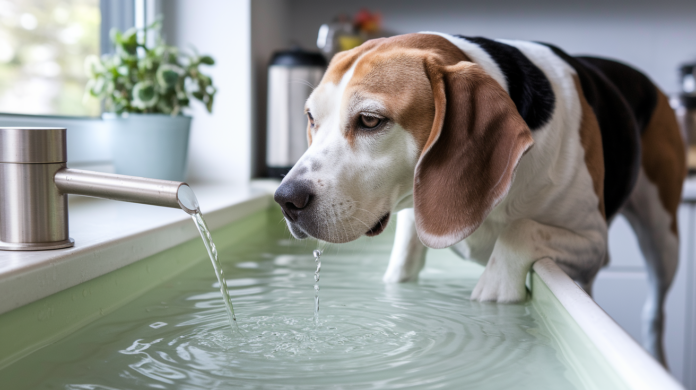

Think your dog will always drink when thirsty? Think again.
Many dogs sip too little, and that can sneak up on you.
This post gives simple, proven ways to encourage your dog to drink more, fast and for the long run.
You’ll get quick tricks like fresh bowls, a splash of unsalted broth, ice cubes, fountains, and smarter bowl placement.
I’ll also cover daily intake goals, signs of dehydration, and when to call the vet.
Follow these practical steps and you’ll keep your dog better hydrated and safer.
Immediate Ways to Increase Your Dog’s Water Intake

Clean and refill your dog’s bowl every morning with fresh, cool water. Standing water picks up dust, debris, and backwash. Even if the bowl looks half full, swap it out. Dogs drink more when the water tastes and smells clean.
Try adding a small splash of unsalted chicken broth or bone broth to the bowl. The mild flavor makes plain water more interesting, especially for picky dogs. Use broth with no added salt, onion, or garlic. Start with just a teaspoon or two mixed into a full bowl and see how quickly they respond.
Place multiple water bowls around your home. Put them in rooms where your dog spends the most time. A bowl in the living room, one near the back door, another in the bedroom. Don’t assume one bowl in the kitchen is enough.
Switch to a pet fountain if your dog ignores still water. Fountains keep water moving and filtered, which many dogs find way more appealing. The gentle flow keeps the water cooler and fresher between refills. Some dogs will drink twice as much from a fountain compared to a standard bowl.
Add ice cubes to the bowl on warm days. A lot of dogs enjoy chewing them and the cold water helps cool body temperature. Mix water into dry kibble and let it sit for a few minutes so the food swells and releases moisture. Offer wet food as part of their daily meals. Canned food contains 70 to 80 percent water.
Test different bowl materials. Some dogs dislike the metallic taste or the clinking sound of a collar against stainless steel. Move the bowl away from noisy appliances or high-traffic areas if your dog seems hesitant. Try bottled water or cooled boiled tap water if your dog reacts to the chlorine or mineral taste in your local supply.
Common Reasons Dogs Don’t Drink Enough
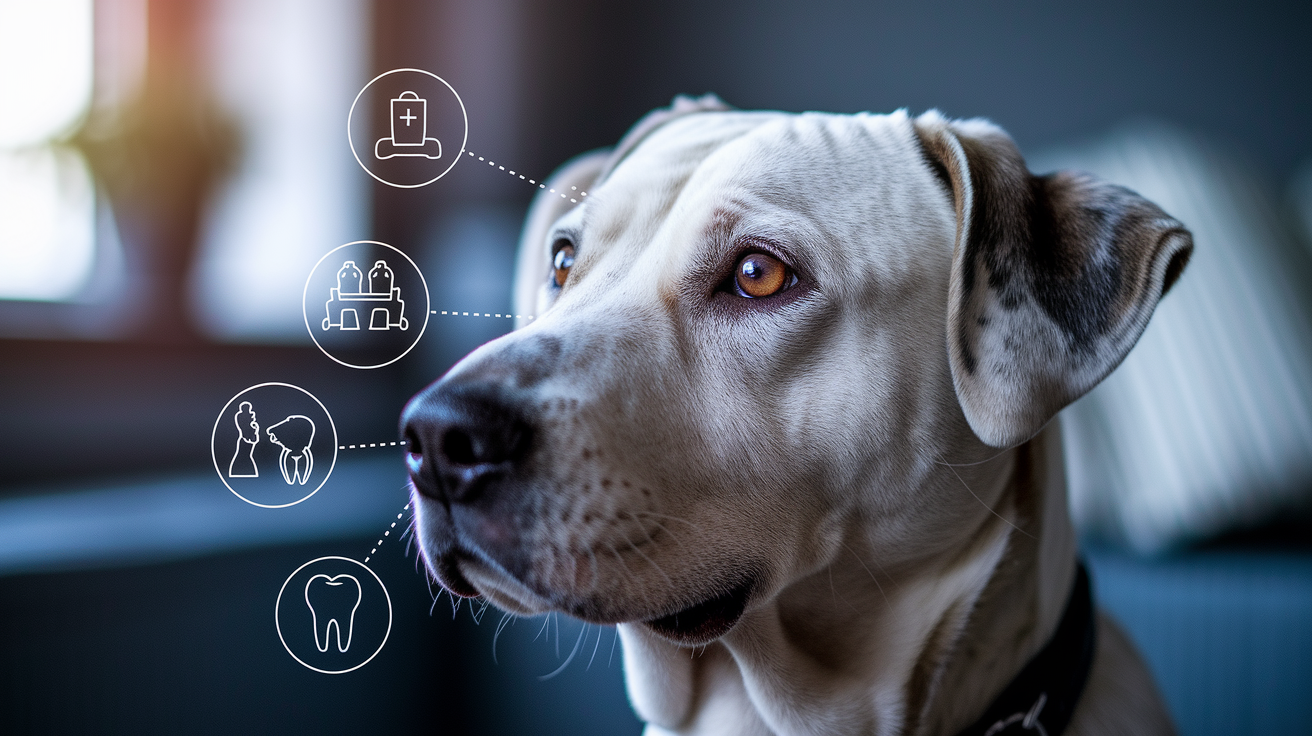
Dogs often avoid drinking when they’re anxious or their routine changes suddenly. A new pet, a family member leaving, a recent kennel stay. It can make a dog feel uneasy. Stress and worry sometimes show up as reduced eating and drinking. If your dog seems more withdrawn or jumpy than usual, that shift in behavior might explain the lower water intake.
Physical discomfort can also make drinking less appealing. Dental pain, mouth injuries, a sore throat. These things can turn a simple drink into an uncomfortable task. Older dogs with arthritis may struggle to bend down to a low bowl. Illness, fever, or nausea from an upset stomach can reduce thirst or make a dog hesitant to drink even when they need to.
Environmental factors play a role too. Dirty bowls, warm water, or a bowl placed too close to the litter box or food dish can discourage drinking. Some dogs dislike the taste of tap water in a new location or after a municipal water treatment change. Even the size and depth of the bowl can matter. A small, deep bowl might make a dog’s collar or whiskers uncomfortable, so they drink less without you realizing why.
Signs and Risks of Dehydration in Dogs
Dehydration happens when a dog loses more water than they take in. It affects nearly every system in the body. Water supports digestion, nutrient transport, temperature regulation, joint cushioning, and waste removal. When those processes slow down, the effects can show up quickly, especially in hot weather or after heavy exercise.
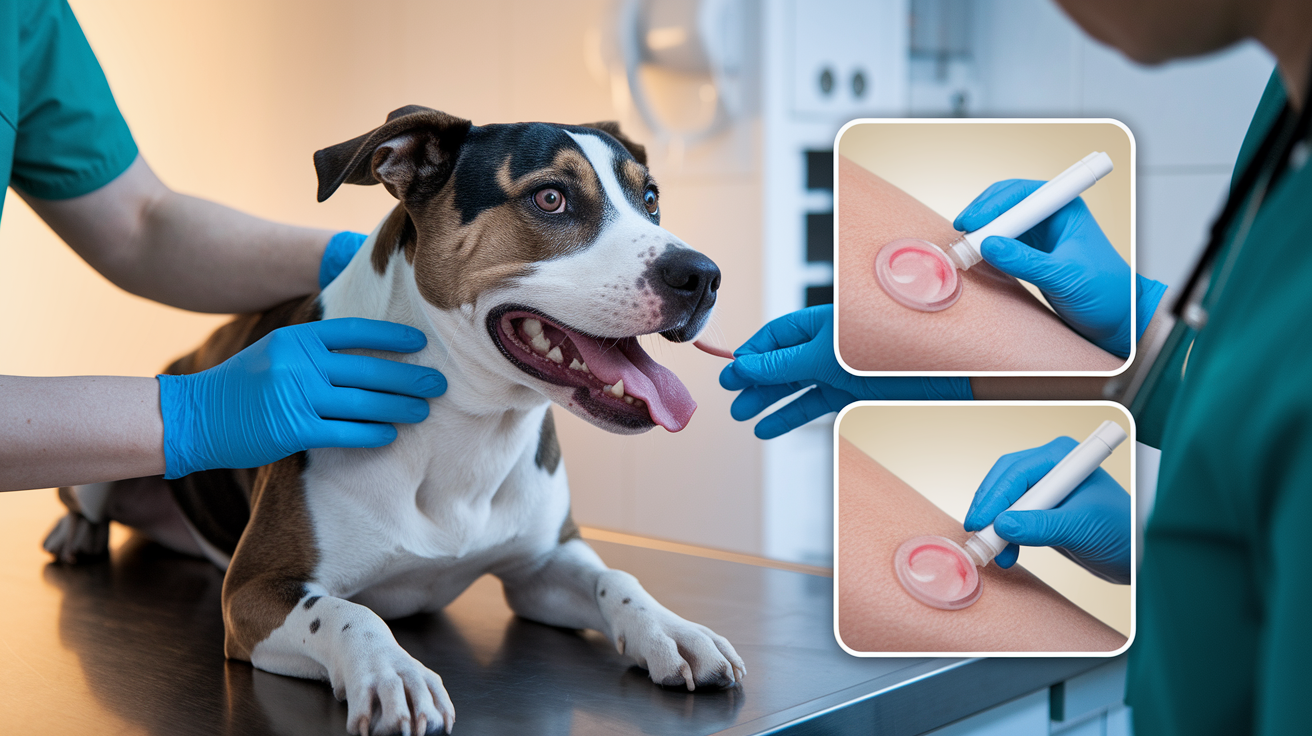
You can check for dehydration at home with a few simple tests. Gently lift the skin on the back of your dog’s neck or between the shoulder blades. If it snaps back into place immediately, hydration is likely fine. If the skin stays tented or returns slowly, that’s a warning sign. Press your finger against your dog’s gums. Healthy gums should be wet and slippery. Dry, tacky, or sticky gums point to dehydration. Dark yellow or concentrated urine, reduced energy, heavy panting without exertion, and sunken eyes are all red flags that need attention.
Gums feel dry or sticky instead of moist. Skin stays tented after being lifted. Eyes appear sunken or dull. Urine is dark yellow or comes out in small amounts. Dog seems unusually tired, unsteady, or unresponsive.
Daily Water Intake Guidelines for Dogs
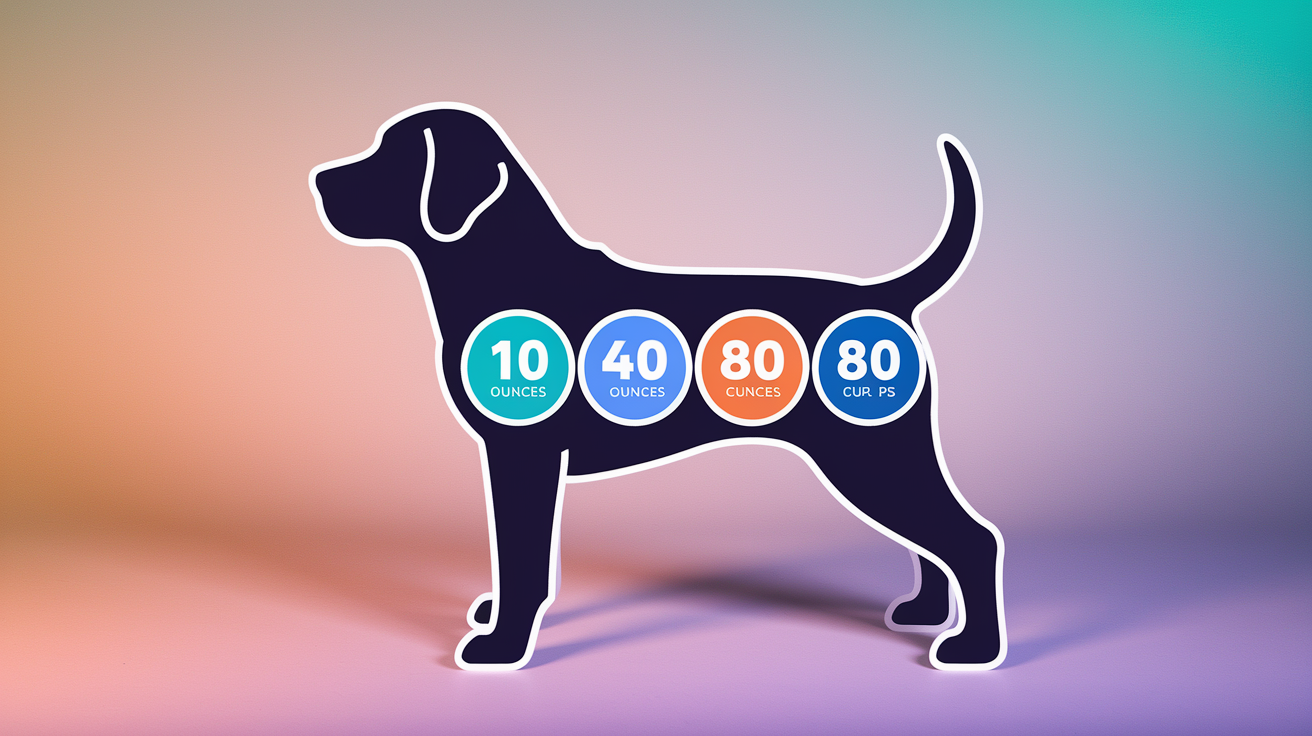
A healthy dog typically needs about one ounce of water per pound of body weight each day. That works out to roughly 50 milliliters per kilogram. So a 20 pound dog should drink around 20 ounces, or about two and a half cups, over the course of a normal day. A 60 pound dog would need closer to 60 ounces, or just under two liters.
Those baseline numbers shift depending on activity, weather, and diet. Dogs who spend time running, playing hard, or working outside need more. Sometimes 75 to 100 milliliters per kilogram on hot or active days. A dog eating only dry kibble will drink more than a dog on wet food, since canned food already delivers a large portion of daily water needs. Puppies, nursing mothers, and senior dogs with certain health conditions may also need adjusted intake targets.
Here’s what that looks like in real terms. A small 10 pound dog needs roughly 10 ounces per day, about one and a quarter cups. A medium 40 pound dog should drink around 40 ounces, or five cups. A large 80 pound dog needs about 80 ounces, which is ten cups or just over two liters. Track intake for a few days to see if your dog is hitting their range. If they’re consistently drinking less than half of what they should, start trying the strategies in this guide and keep a close eye on hydration signs.
When Reduced Drinking Requires a Vet Visit
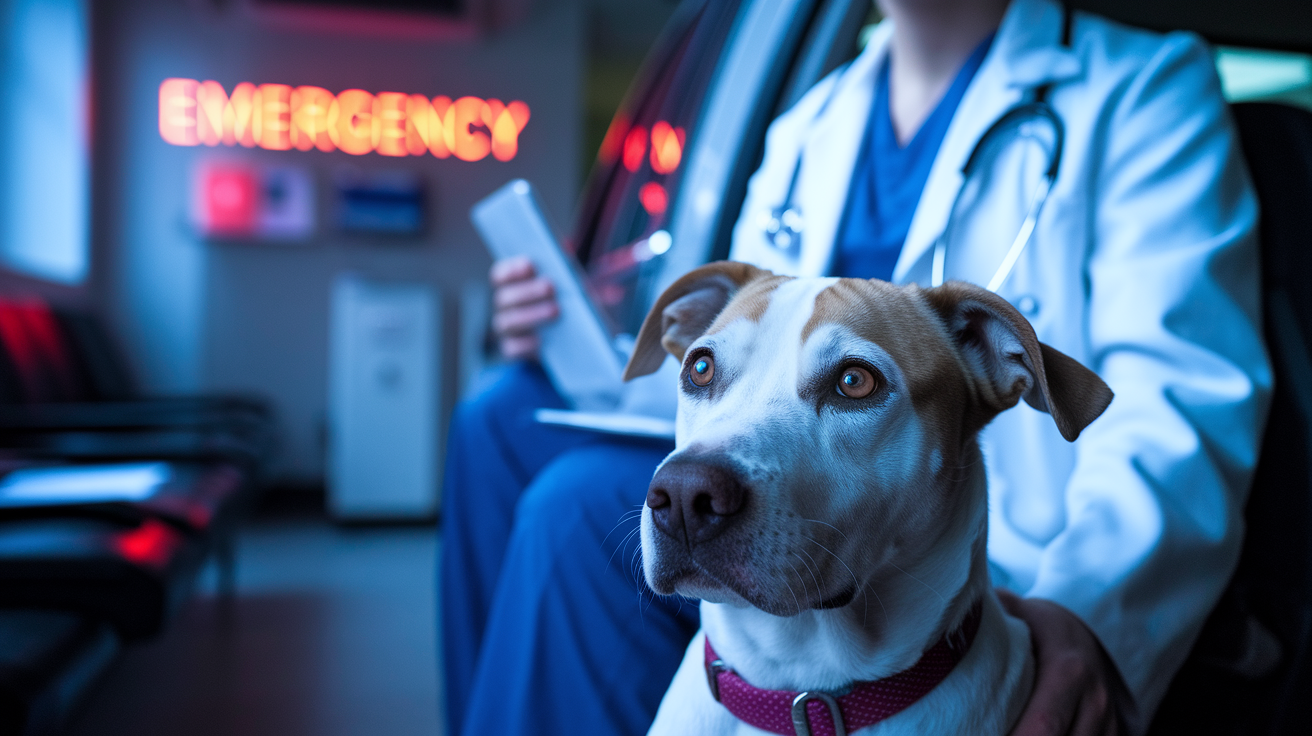
If your dog refuses all water for more than 24 hours, contact your veterinarian. Even if they seem otherwise normal, a full day without drinking can lead to dehydration quickly, especially in warm weather or for smaller dogs. Pair that refusal with vomiting, diarrhea, or lethargy, and the timeline shortens. Don’t wait to see if it resolves on its own.
Certain symptoms require same day or emergency care. Pale, white, or blue gums signal a serious problem. Collapse, unresponsiveness, or a rapid heart rate mean your dog’s body is struggling to compensate. Persistent vomiting or diarrhea combined with poor drinking can lead to dangerous fluid loss within hours. If your dog has a known condition like kidney disease, diabetes, or Cushing’s disease, reduced drinking may indicate the condition is worsening or treatment needs adjustment.
Dog has not drunk any water for 24 hours or more. Vomiting or diarrhea continues for more than 12 hours, especially if drinking stays low. Gums are pale, white, or have a blue tint. Dog collapses, seems unresponsive, or cannot stand steadily.
Final Words
Try quick fixes: a splash of low-sodium broth, fresher bowls, extra bowls, a pet fountain, wet food, or ice. These tips work fast.
We also covered reasons dogs avoid water, how to spot dehydration, daily water guidelines, and red flags that need a vet.
Treat this as your how to encourage a dog to drink more water checklist: try one small change this week and watch for better hydration. You’ve got this.
FAQ
Q: How to hydrate a dog that won’t drink?
A: To hydrate a dog that won’t drink, offer small amounts often with a syringe or dropper, add moist food or ice cubes, try low-sodium broth, and call your vet if refusal lasts over 24 hours.
Q: Why doesn’t my dog drink a lot of water?
A: A dog may not drink much because of illness, dental pain, stress or bowl aversion, eating mostly wet food, lower activity, or cooler weather; call your vet for sudden or lasting changes.
Q: How do I make my dog drink a lot of water?
A: To make your dog drink more water, keep bowls fresh, add a splash of low-sodium broth, try a pet fountain, offer multiple bowls, add some wet food, and use ice cubes as treats.
Q: What can you add to water to encourage dogs to drink more?
A: You can add low-sodium chicken or beef broth, a little tuna juice, or unsalted bone broth to encourage drinking, use tiny amounts, avoid extra salt, and check with your vet for special diets.