

Is your regular grooming routine making your dog’s sensitive skin worse?
You can help calm flare-ups and keep the coat clean with gentler tools and slower steps.
This post walks you through the right brushes, bathing and drying methods, safe detangling, and what to check before and after grooming.
Use these simple habits to reduce redness, itching, and painful mats, and know when to call your vet.
Start small: a few minutes each day can make a big difference.
Immediate Sensitive‑Skin Grooming Steps for Dogs
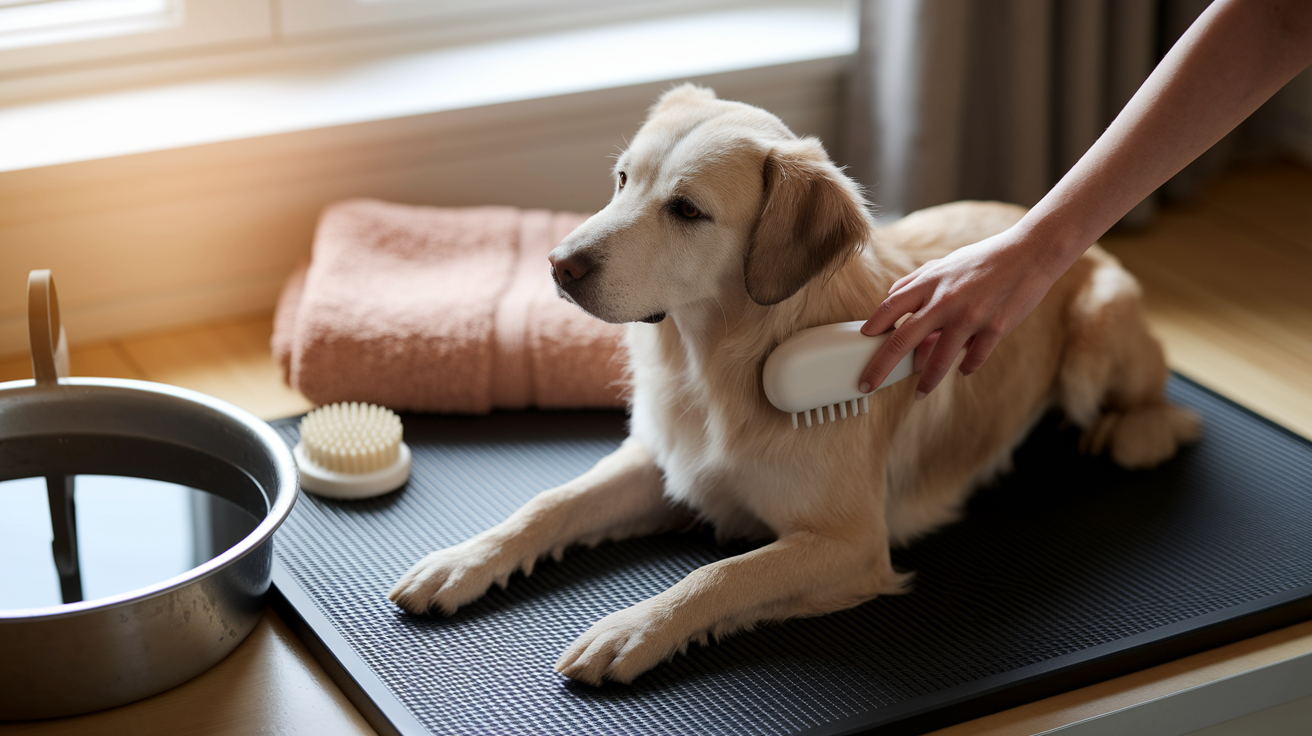
Start with the right tools and a calm setup. You’ll need a soft slicker brush or rubber curry brush. Never use stiff bristles or metal pins that scrape. Keep lukewarm water ready, not hot. Have towels within reach and clippers with rounded tips if there are mats. Pick a quiet space with a non-slip surface where your dog can stand or lie comfortably. Sensitive dogs pick up on tension, so move slowly and keep your voice low.
Work in shorter sessions than you would with a typical coat. If your dog starts panting, trembling, or shifting weight over and over, stop and take a break. Senior dogs and dogs with reactive skin may need the session split over two or three days. One day for nails, another for brushing, another for a bath. Let the dog dictate the pace. Don’t pull mats apart by hand. If a tangle sits tight against the skin, clip it out carefully instead of tugging and risking a skin tear or hot spot.
Daily light grooming helps more than occasional deep sessions. A few minutes each day removes pollen, dander, and loose hair before they settle into the coat and irritate the skin. It also gives you a chance to spot new redness, bumps, or dry patches early.
Essential grooming steps for sensitive skin:
- Choose gentle tools. Soft slicker brushes, rubber curry brushes, grooming mitts, or your fingers for close work.
- Brush lightly in the direction of hair growth, checking for mats, redness, or swelling as you go.
- Bathe carefully using lukewarm water, minimal lather, and a fragrance-free shampoo made for sensitive skin.
- Dry thoroughly with soft towels, patting instead of rubbing, and making sure all damp spots under ears and between toes are completely dry.
- Clip mats instead of pulling them, using clippers with rounded tips and stopping if the dog flinches.
- Reassess the coat and skin condition after grooming to confirm no new irritation has appeared and the skin looks calm.
Identifying Sensitive‑Skin Symptoms Before Grooming
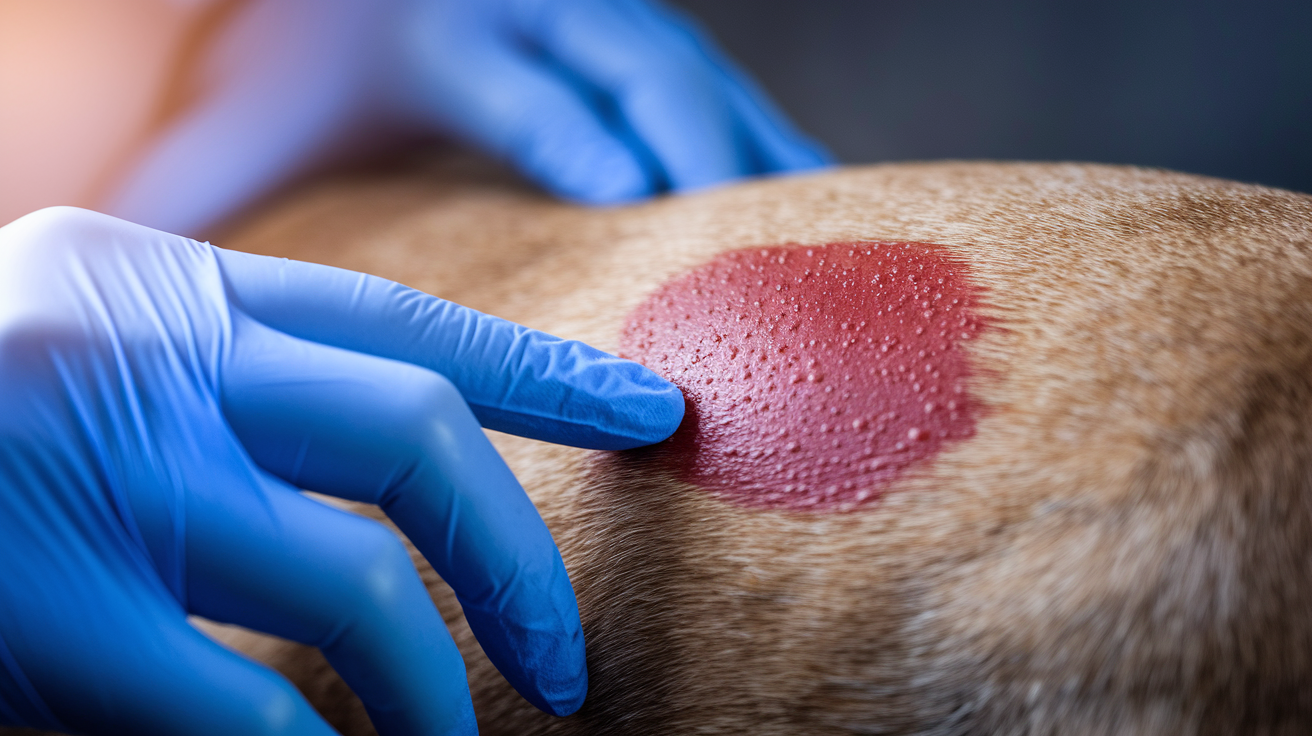
Check the skin before you start. Run your hands gently over the coat and look for redness, bumps, dry patches, or any areas that feel warmer than the rest of the body. Sensitive skin can show up as tiny raised spots, flaking, or oily patches that smell sharp or yeasty. Some dogs flinch when you touch certain areas. That’s a sign the skin underneath is sore or inflamed. If the dog trembles, shifts away, or pants when you lift a leg or touch the belly, that’s discomfort worth noting.
Common causes include flea or insect bites, food or environmental allergies, reactions to detergents or household cleaners, atopic dermatitis (a type of eczema), dirty or matted hair that traps irritants, and sudden weather changes that dry out or inflame skin. Any of these can make grooming uncomfortable or even painful if you proceed without adjusting your technique.
Key symptoms to watch for:
- Excessive scratching or repeated licking of one spot
- Redness, rash, or hot spots (warm, moist, inflamed areas)
- Dry, flaking, or oily skin with an unusual odor
- New bumps, sores, or oozing areas
- Stiffness, flinching, or vocalization when lifted or touched
Stop grooming and contact your veterinarian if you find open sores, swelling, persistent redness that doesn’t calm down, new lumps, or any area that looks infected. Grooming over broken or infected skin can spread bacteria and make the condition worse.
Gentle Brushing Techniques for Dogs with Delicate Skin
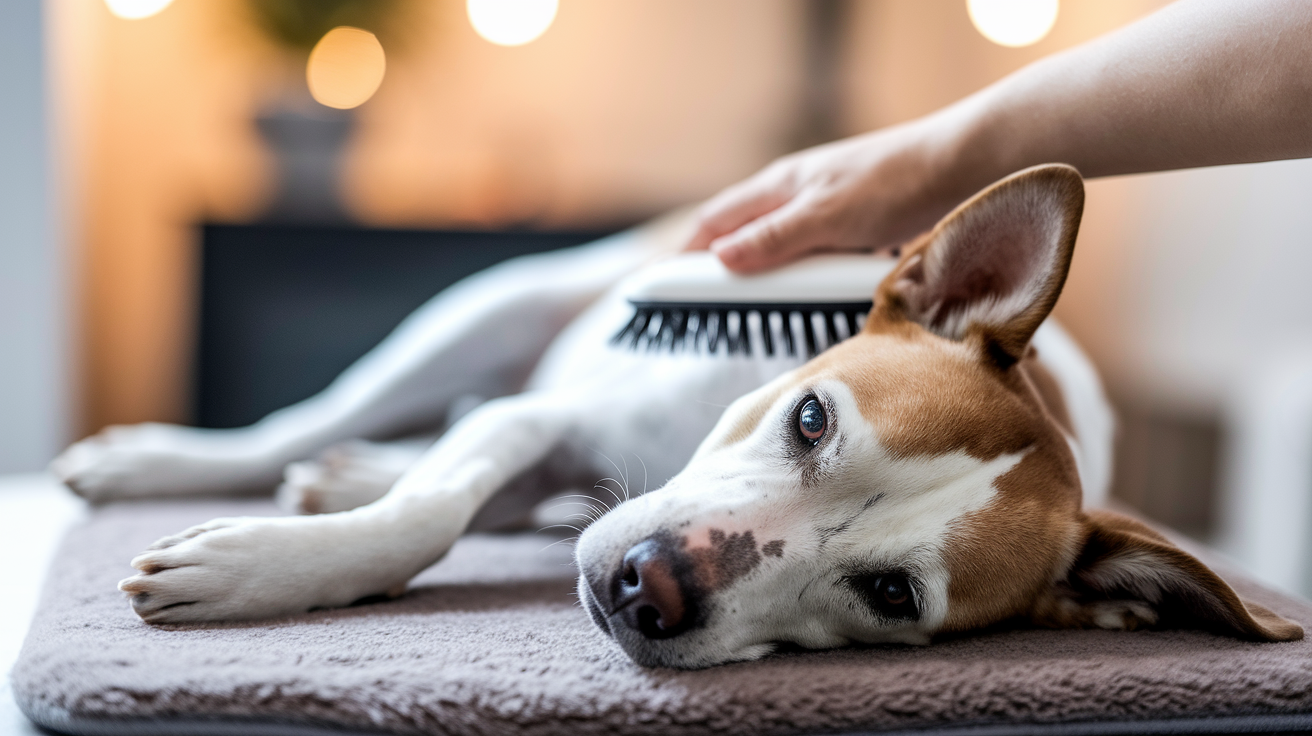
Brushing distributes natural oils, removes allergens like pollen and dust, and gives you a close look at the skin underneath. For sensitive dogs, the goal is stimulation without abrasion. Use a soft slicker brush for longer coats, working in small sections and brushing all the way down to the skin without pressing hard. For short coats, a rubber curry brush or grooming mitt works well and feels more like a massage than a scrub.
Brush daily during high-allergy seasons or if your dog spends time outdoors in grassy or wooded areas. In calmer months, a few times a week may be enough, depending on coat type and shedding. Always brush in the direction of hair growth first to remove surface debris. Then you can brush lightly against the grain to lift dead hair and stimulate circulation, but only if the skin looks calm and the dog stays relaxed.
Brush types for sensitive skin:
- Soft slicker brush (long or medium coats)
- Rubber curry brush (short coats)
- Grooming mitt (all coat types, very gentle)
- Your fingers (for close detangling and checking skin)
Safe Detangling Steps
Start by locating the mat and checking how tight it is against the skin. If you can slide your fingers between the mat and the skin, try gently working it apart with your fingertips, starting at the outer edge and working inward. Hold the base of the mat close to the skin to avoid pulling and causing pain. If the mat’s too tight or the dog flinches, stop.
Use a soft slicker brush or a wide-toothed comb to work through smaller tangles, brushing from the tip of the hair toward the skin in short, gentle strokes. Never yank or force the brush through. If the mat doesn’t release after a few careful passes, it’s time to clip it out. Use clippers with rounded tips, slide them carefully under the mat, and snip close to the tangle, not the skin. Comfort always comes before appearance.
Bathing Protocols for Sensitive‑Skinned Dogs
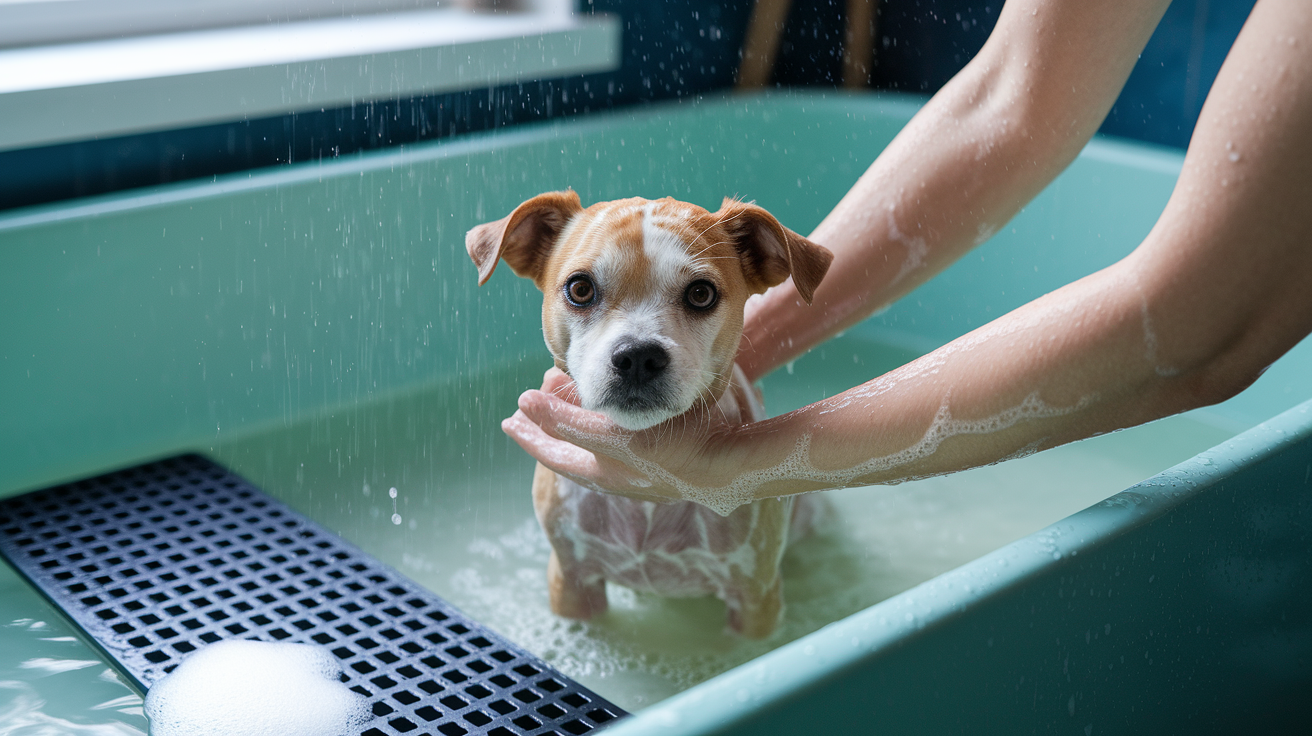
Bathe in lukewarm water only. Hot water opens pores and can worsen inflammation, while cool or lukewarm water soothes and helps close pores after rinsing. Wet the coat thoroughly, then apply a small amount of shampoo and work it in with your hands or a soft bathing glove. Wash against the direction of hair growth to reach the skin and stimulate circulation, but don’t scrub aggressively. Minimal lather is fine. You’re cleaning, not creating foam.
Rinse completely. Leftover shampoo residue can dry out skin or trigger itching, so take extra time to rinse all the way down to the skin, especially in thick or double coats. After rinsing, apply a gentle, fragrance-free conditioner if the coat tends to dry out, and rinse that thoroughly as well. For dogs with frequent flare-ups, a leave-in conditioner formulated for sensitive skin can help lock in moisture between baths.
Typical bathing frequency for mild sensitivity is about once every two weeks, but talk with your veterinarian to tailor the schedule to your dog’s condition. Many more problems come from bathing too infrequently than from bathing too often when you use gentle, pH-balanced products. Daily light grooming (brushing and paw cleaning) helps reduce the need for frequent full baths.
Step-by-step bathing routine:
- Prepare lukewarm water and gather fragrance-free shampoo, conditioner, towels, and a non-slip mat.
- Wet the coat thoroughly, starting at the neck and working back, avoiding the face and ears initially.
- Apply a small amount of shampoo and massage gently with a bathing glove or your hands, washing against hair growth.
- Rinse completely, checking that no residue remains close to the skin.
- Apply conditioner if needed, wait one to two minutes, then rinse again.
- Apply a leave-in conditioner or soothing spray if recommended by your vet.
- Towel dry gently by patting, not rubbing, and make sure all damp areas are fully dry.
Ingredients to Seek and Avoid
Ingredients to seek:
- Oatmeal (soothes itching and inflammation)
- Aloe vera (moisturizes and calms irritated skin)
- Witch hazel (reduces irritation)
- pH-balanced formulations labeled for sensitive or hypoallergenic use
Ingredients to avoid:
- Fragrances and artificial dyes
- Sulfates and harsh detergents
- Unknown or unfamiliar ingredient mixes
- Products labeled “natural” without clear ingredient disclosure (natural doesn’t always mean safe)
Safe Drying Methods to Prevent Irritation
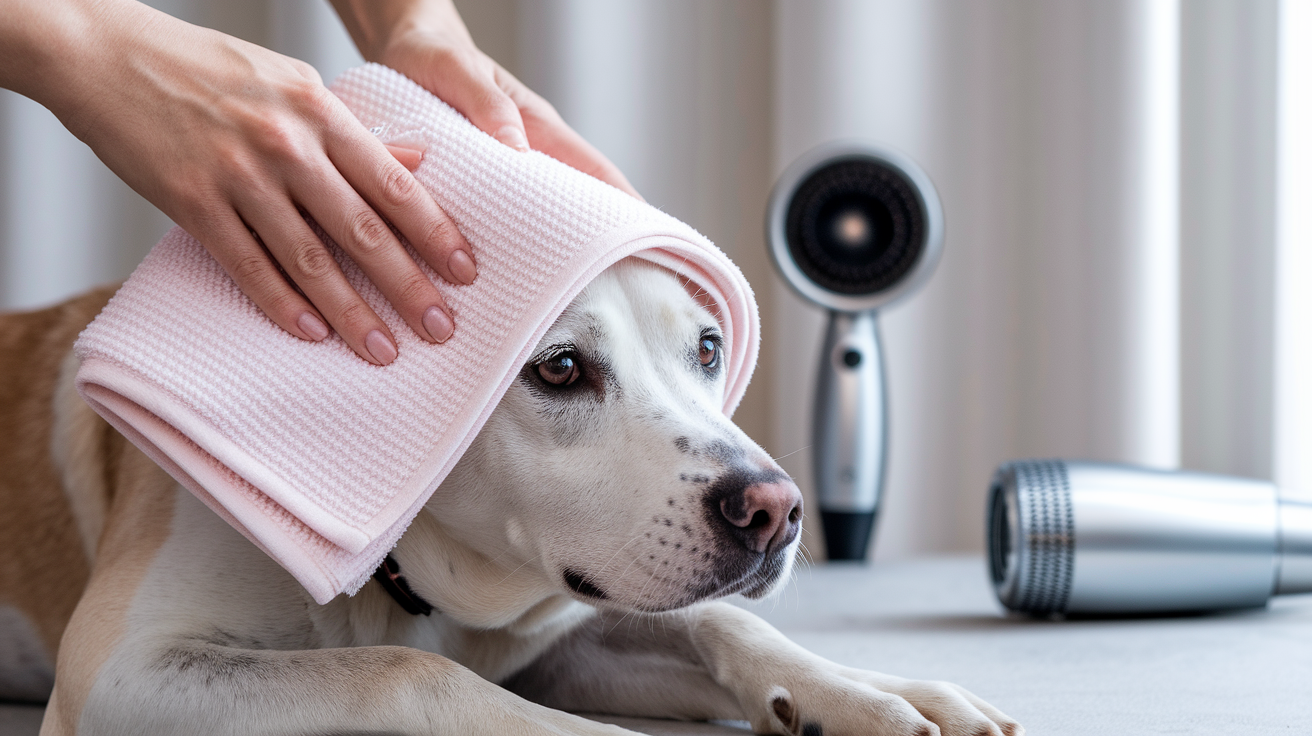
Towels are the gentlest option. Use a soft, absorbent towel and pat the coat dry, working from head to tail. Don’t rub vigorously. That can tangle hair and irritate thin or inflamed skin. For dogs with longer coats, you may need two or three towels to remove most of the moisture. Pay special attention to areas that trap water: under the ears, between the toes, in the armpits, and around the tail base. Damp fur left in these spots can lead to yeast growth, hot spots, or bacterial infections.
If you use a blow dryer, set it to cool or low heat and keep it moving. High heat concentrated on one area can dry out skin and worsen sensitivity. Hold the dryer several inches away from the coat and work in sections, lifting the hair with your fingers or a soft brush so airflow reaches the skin. For long-haired dogs, complete drying is critical to prevent moisture from being trapped close to the skin.
Drying tips for sensitive skin:
- Use soft, microfiber towels that absorb more water with less friction
- Pat, don’t rub
- Check all moisture-prone areas twice (ears, toes, belly folds, tail base)
- If using a dryer, choose cool or low settings and keep the airflow moving
- For anxious dogs, towel-only drying may be less stressful and just as effective
Ear, Eye, and Paw Grooming for Reactive Dogs
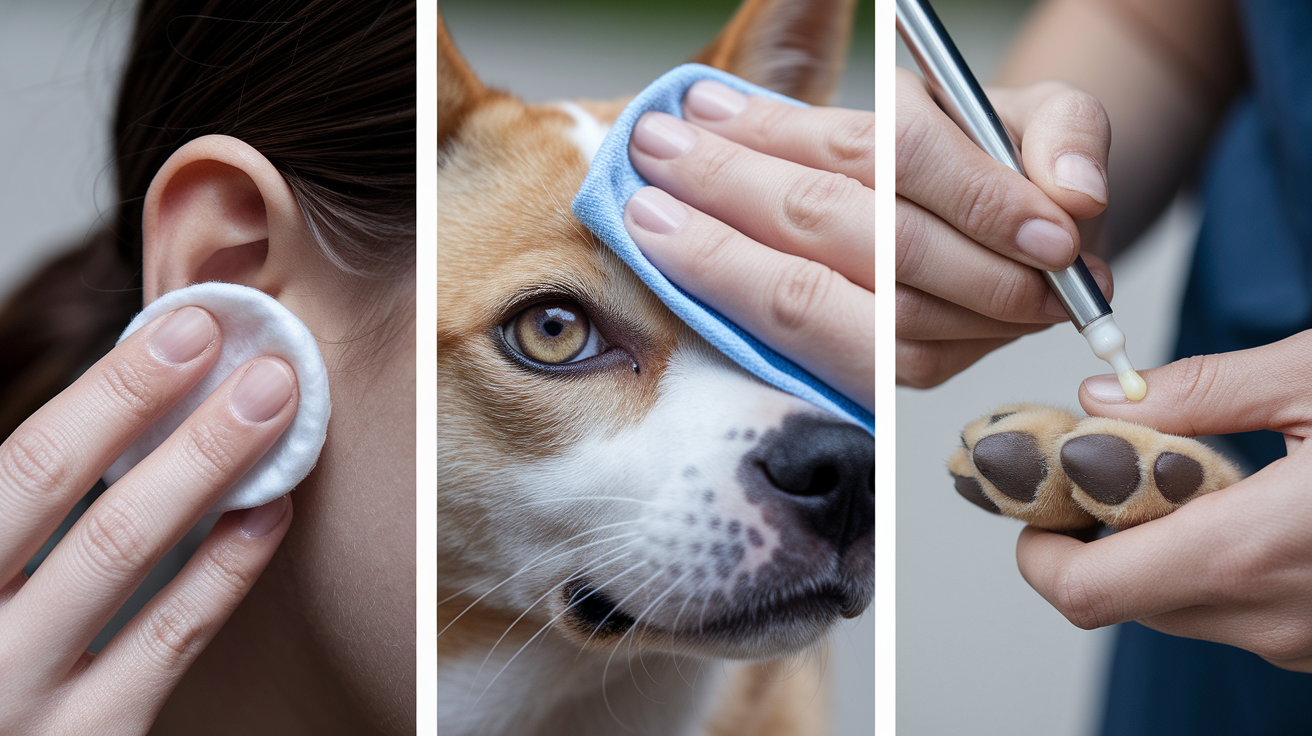
Paws collect allergens, dirt, and irritants every time your dog walks outside. After each walk, especially during high pollen seasons, wipe paws with a hypoallergenic grooming wipe or a damp cloth. Check between the toes for grass seeds, burrs, or small cuts. Look at the paw pads for cracks, redness, or swelling. If the pads feel rough or look dry, a small amount of paw balm formulated for dogs can help, but check with your vet first if the skin is broken or inflamed.
Ears trap moisture and heat, making them prone to yeast and bacterial growth. After every bath, use a dry cotton ball or soft cloth to gently wipe the inside of the ear flap and the outer part of the ear canal. Never insert anything deep into the ear. If the ear smells yeasty, looks red, or the dog shakes their head repeatedly, contact your veterinarian before continuing grooming. Cleaning an infected ear without treatment can make things worse.
Eyes should be cleaned gently with a soft, damp cloth, wiping outward from the inner corner. If there’s crust or discharge, soften it first with a few drops of sterile saline or plain water, then wipe. Don’t use any grooming product near the eyes unless it’s specifically labeled as eye-safe.
Paw grooming steps:
- Wipe paws with a hypoallergenic wipe or damp cloth after outdoor time.
- Check between toes for debris, redness, or swelling.
- Inspect paw pads for cracks, cuts, or rough patches.
- Apply vet-approved paw balm only if pads are dry and intact, not if skin is broken.
Choosing and Patch‑Testing Sensitive‑Skin Grooming Products
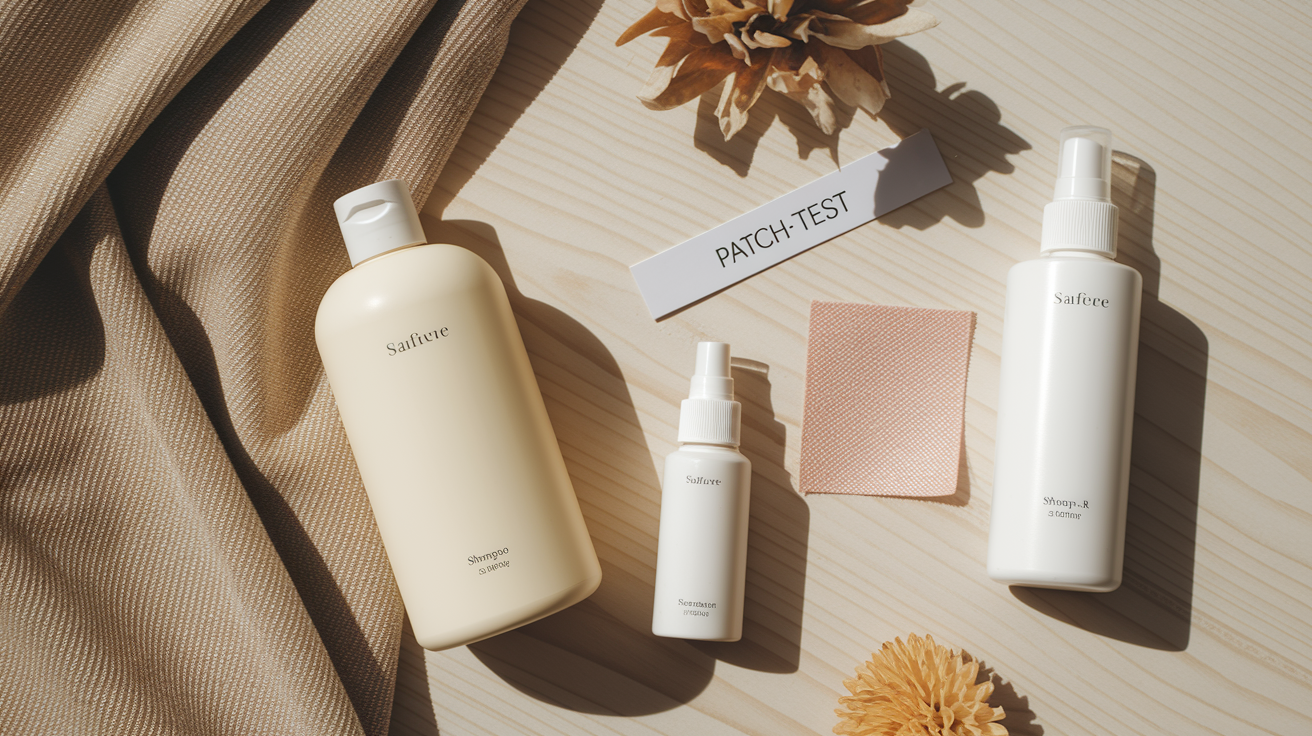
Never experiment with unfamiliar products on a dog with known sensitivity. A label that says “natural” or “organic” doesn’t guarantee the product is safe for reactive skin. Some natural ingredients, like certain essential oils, can trigger reactions just as easily as synthetic fragrances. Stick to products labeled hypoallergenic, fragrance-free, and pH-balanced, designed specifically for dogs.
Before using a new shampoo, conditioner, or spray on the full coat, do a patch test. Apply a small amount to a small area of skin (typically the inside of a back leg or a patch on the belly) and wait 24 hours. Watch for redness, swelling, itching, or any sign of irritation. If the skin stays calm, the product’s likely safe to use more broadly. If any reaction appears, rinse the area immediately and avoid that product.
Product safety checklist:
- Choose hypoallergenic and fragrance-free formulations
- Check ingredient lists for known irritants (fragrances, dyes, sulfates)
- Patch-test new products on a small skin area first
- Keep records of products that work and those that caused reactions to share with your vet
Clippers, Trimming, and Safe Handling Around Irritated Skin

Clippers are often safer than scissors for trimming hair around irritated or inflamed areas because they reduce the risk of accidental cuts. Choose clippers with rounded or guarded blade tips and use a longer guard setting to avoid shaving too close to sensitive skin. Trim hair away from hot spots, rashes, or wounds so the area can dry and heal. Move slowly and watch the dog’s body language. If they flinch, shift, or try to pull away, stop and reposition.
For dogs with dark or thick coats, it can be hard to see the skin underneath. Work in small sections and check the skin frequently as you go. If you see swelling, oozing, or an area that looks infected, don’t trim it yourself. Contact your veterinarian before proceeding. Cutting near broken or infected skin can introduce bacteria and delay healing.
Senior dogs or dogs with arthritis may need extra support during grooming. Use padded surfaces, rolled towels, or cushions to make standing or lying more comfortable. If a dog struggles to hold a position, reposition them gently rather than forcing the posture. Let them sit or lie down if that’s easier, and groom in shorter sessions spread over multiple days if needed.
When Clipping Should Stop
Stop immediately if you see blood, oozing, or any sign you’ve nicked the skin. Rinse the area gently with cool water and apply light pressure with a clean cloth to stop any bleeding. If the cut’s more than superficial or the dog shows signs of pain, contact your vet. Also stop if the dog becomes very stressed (panting heavily, trembling, or trying to escape). Pushing through when a dog is that uncomfortable breaks trust and makes future grooming harder. Take a break, offer water and a calm moment, and resume only if the dog settles.
Grooming Setups That Reduce Stress for Sensitive Dogs

Location matters. Choose a quiet, familiar space with good lighting and a non-slip surface. A rubber bath mat in the tub or a textured grooming mat on a table helps dogs feel more stable and less anxious. Don’t groom in high-traffic areas or places with loud noises that can startle a nervous dog. Keep all your supplies within easy reach so you don’t have to leave the dog unattended or rush.
Shorten the session length. A ten-minute brush-out is less stressful than a 45-minute marathon, especially for older dogs or those with joint pain. If a full grooming routine feels overwhelming, split it across several days. Day one might be nails and paw care, day two brushing, day three a bath. Frequent, short sessions also help the dog build positive associations with grooming over time.
Use calm handling and positive reinforcement. Speak in a low, steady voice. Offer praise and small, senior-safe treats during breaks. If the dog shows signs of stress (like lip licking, yawning, or a tucked tail), pause and give them a moment to relax. For dogs with arthritis or pain, let them lie down on a soft surface and work around their body instead of asking them to stand for long periods.
Stress-reduction setup tips:
- Use a non-slip mat or textured surface
- Groom in a quiet, familiar room
- Keep sessions short (10 to 15 minutes at a time)
- Allow senior or painful dogs to sit or lie down
- Offer breaks, water, and gentle praise
- Reposition carefully instead of forcing uncomfortable postures
Nutrition and Supplements That Support Sensitive Skin

What your dog eats affects how their skin responds to grooming and environmental triggers. Limited-ingredient diets can help identify and eliminate food allergens, especially if grains, chicken, or other common proteins seem to correlate with flare-ups. Hypoallergenic or prescription diets formulated for sensitive skin are available through your veterinarian and may include novel proteins or hydrolyzed ingredients that are less likely to trigger reactions.
Omega-3 and omega-6 fatty acids (often found in fish oil supplements) support the skin’s natural barrier and help reduce inflammation. Probiotics can support a healthy skin microbiome, which may improve the skin’s ability to resist irritation and infection. Always discuss supplements with your veterinarian before starting them, especially if your dog’s on other medications or has underlying health conditions.
Three supplement categories that may support sensitive skin:
- Omega-3 and omega-6 fatty acids (fish oil, flaxseed oil) to strengthen skin barrier and reduce inflammation.
- Probiotics to support microbiome balance and skin health.
- Limited-ingredient or hypoallergenic treats to avoid triggering food-related reactions during grooming sessions.
When to Seek Professional or Veterinary Grooming Help
Contact your veterinarian before continuing grooming if you find open sores, areas that are oozing or very swollen, new lumps or bumps, or persistent redness and itching that doesn’t improve with gentle care. These signs can point to infection, parasites, autoimmune conditions, or other issues that require medical treatment, not just better grooming technique. Taking photos of the affected areas and keeping notes on when symptoms appeared, what products were used, and any changes in diet or environment helps your vet make a faster, more accurate diagnosis.
For dogs with severe allergies or chronic skin conditions, professional groomers who specialize in sensitive-skin dogs can be a safer option than at-home grooming. Look for groomers who use hypoallergenic products, offer calm, low-stress environments, and are willing to work slowly and take breaks. Ask whether they’re comfortable handling dogs with skin issues and whether they’ll communicate with your veterinarian if needed. A good groomer will check in with you about any new symptoms they notice and adjust their technique based on your dog’s reactions.
If your dog’s symptoms worsen despite careful grooming and product changes, ask your veterinarian about allergy testing. Identifying specific environmental or food triggers allows for more targeted management, whether through diet changes, medications like antihistamines, or environmental modifications like more frequent vacuuming and hypoallergenic bedding.
| Situation | Action Needed |
|---|---|
| Oozing, swelling, or signs of infection | Stop grooming immediately and schedule a veterinary exam before resuming |
| New lumps or bumps found during grooming | Document location and size, contact vet for evaluation, avoid grooming directly over the area |
| Severe allergies with persistent itching or redness | Consult vet for possible allergy testing, prescription diet, or antihistamines |
| Chronic flare-ups despite gentle grooming and product changes | Consider referral to a veterinary dermatologist and use professional groomers trained in sensitive-skin care |
Final Words
Start with lukewarm water, gentle tools, and short, calm sessions. Clip mats instead of pulling and check skin before you touch.
Use soothing, fragrance-free products, patch-test new items, and dry carefully to avoid irritation. Take breaks and watch for signs that need a vet.
These steps show plainly how to groom a dog with sensitive skin without adding stress. Small, steady routines help prevent problems and make grooming a calmer, more positive part of your week.
FAQ
Q: How to groom hypoallergenic dogs?
A: To groom hypoallergenic dogs, brush regularly with a soft brush, use fragrance-free, pH-balanced shampoo, bathe as needed, clip tangles rather than pull, and wipe paws and ears weekly.
Q: What is “I love you” in dog language?
A: “I love you” in dog language is shown by relaxed body posture, soft eye contact, leaning in or nudging, calm tail wags, and choosing to stay close rather than move away.
Q: How to groom a dog with skin fold dermatitis?
A: To groom a dog with skin fold dermatitis, clean folds daily with a vet-approved wipe or mild solution, dry thoroughly, trim excess hair, avoid rubbing, and ask your vet before using medicated products.
Q: How can I soothe my dog’s irritated skin after grooming?
A: To soothe your dog’s irritated skin after grooming, apply cool compresses, use a fragrance-free oatmeal spray or leave-on conditioner, keep the area dry, prevent licking, and call your vet if it worsens.