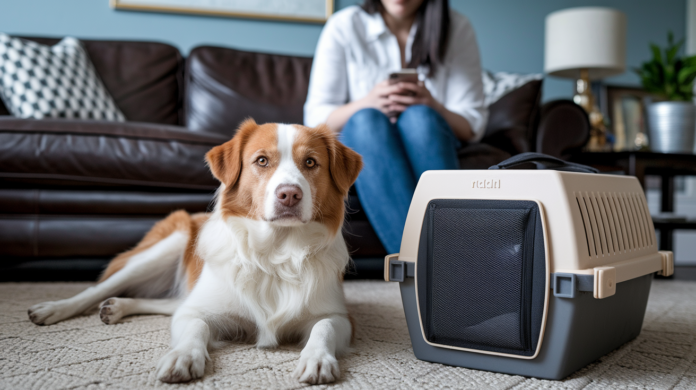

Think your pet hates the vet? It doesn’t have to be that way.
A few short, simple steps started one to two weeks before the appointment can make visits calmer and safer.
This post shows practical daily practices, carrier and car training, gentle handling, fasting and meds timing, and a quick packing checklist, so your pet walks in less stressed and the vet can work faster.
You don’t need perfect training, just small steady progress that helps your pet feel safe.
Quick-Start Essentials for Preparing Your Pet for a Vet Visit
Your pet can’t tell you when the vet’s office feels overwhelming, but stress shows up anyway. Dogs might pace the waiting room with a wrinkled forehead, pant heavily even when it’s cool, or lick their lips in quick, nervous strokes. Some flatten their tongues into what veterinary staff call a “spade tongue,” a visible sign of rising anxiety. Cats often choose invisibility. They hide in corners, groom obsessively until fur thins, or urinate outside the carrier moments before the exam. When you spot these signals early, you can step in before stress escalates into fear or aggression.
The best preparation starts 1 to 2 weeks before the appointment. Not the morning of. A few minutes each day spent familiarizing your pet with the carrier, practicing gentle touch, and taking short car rides can shift their entire experience. You’re not aiming for perfection. Just small, steady progress that builds confidence. Even if your pet has always hated the vet, starting now makes the next visit easier than the last one.
Quick daily sessions work because they give pets time to adjust without flooding their system with stress. When anxiety kicks in, the body releases chemicals that can interfere with diagnostics, make sedation harder, and turn a routine exam into a struggle for everyone. Your goal is simple: help your pet walk in calmer so the vet can work faster and your pet can leave without a stress hangover.
Here’s where to start:
- Watch for early stress signals like pacing, excessive panting, hiding, dilated pupils, or accidents outside the litter box. Note what triggers them.
- Begin short familiarization sessions of 5 to 10 minutes daily. Touch paws, ears, and mouth gently while offering treats.
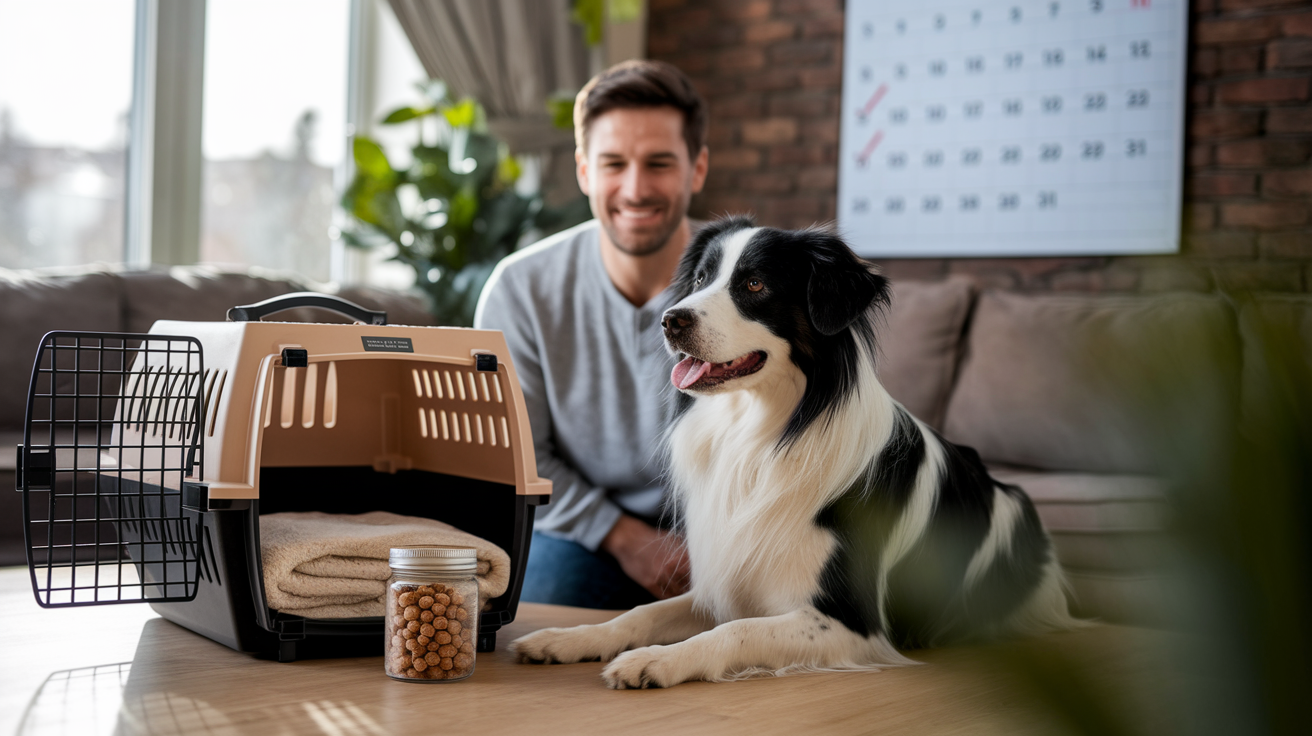
- Set the carrier out in a common area with the door open, a soft blanket inside, and a few treats near the entrance.
- Introduce brief car rides starting at 5 to 10 minutes, gradually increasing the time as your pet relaxes.
- Pack needed items the night before. Vaccination records, medication list, stool sample if requested, leash or carrier, favorite treats, and a small comfort item.
- Stay calm yourself on appointment day. Pets mirror your energy. If you’re tense, they will be too.
Handling Practice and Exam-Ready Preparation for Pets
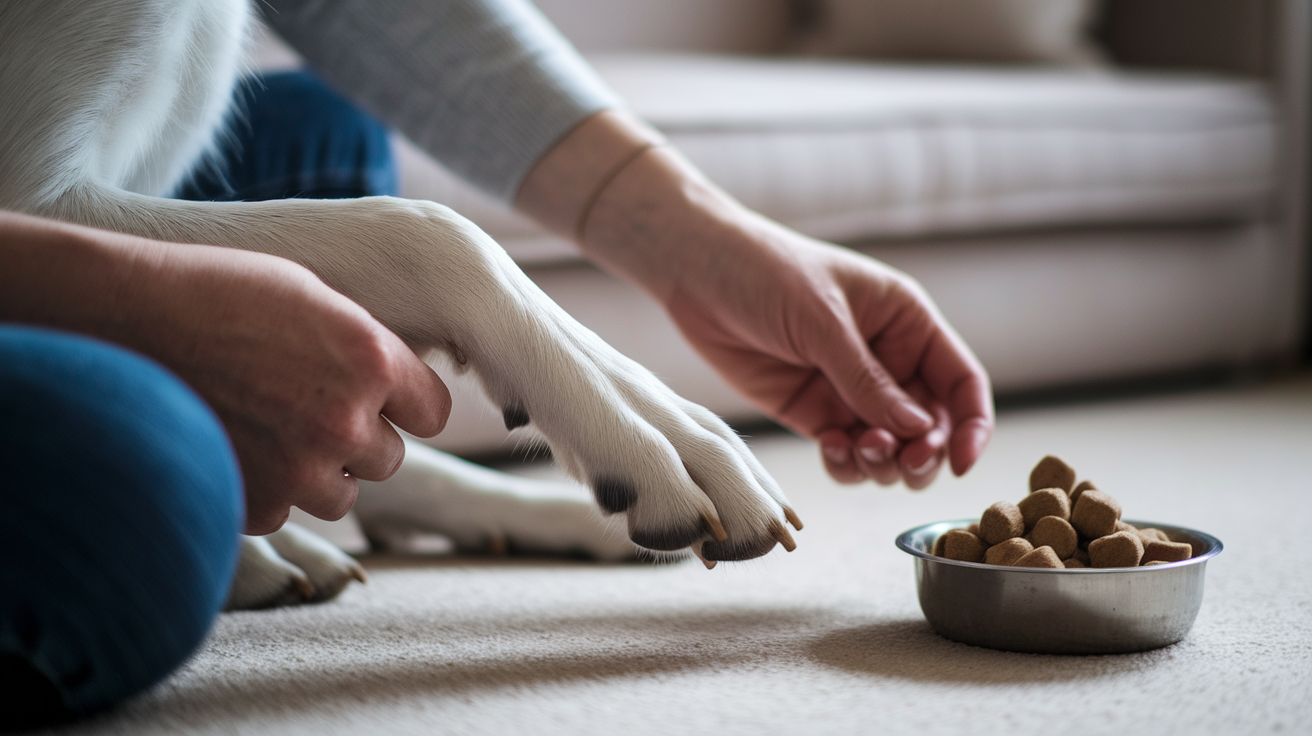
Veterinary exams require your pet to accept unfamiliar hands touching sensitive areas. Paws lifted and held. Ears flipped back. Mouths opened wide. For many animals, especially those who’ve had limited handling, this feels threatening. Structured handling practice at home teaches your pet that gentle restraint is safe, temporary, and often followed by something good. You’re not training them to love the vet. You’re building tolerance so they can cooperate without panic.
Start 2 to 4 weeks before the visit if you can, but even one week of daily sessions makes a difference. Work in a quiet room where your pet already feels comfortable, and keep sessions short. 5 to 10 minutes max. Use high-value treats. Small pieces of chicken, cheese, or whatever your pet will work for. Pair every touch with calm praise. If your pet pulls away or tenses, pause and try again with less pressure. Progress slowly. The goal is to end each session on a positive note, not to push through resistance.
Here’s how to structure your practice:
- Start with simple touch: run your hand gently along your pet’s back, legs, and tail while speaking softly, and immediately reward calm behavior.
- Lift and hold each paw for 3 to 5 seconds, supporting the leg gently, then release and treat. Repeat until your pet relaxes into the motion.
- Look in both ears by gently folding the ear flap back, holding briefly, and rewarding. This mimics what a vet will do during the exam.
- Practice gentle mouth checks by lifting the lip to expose teeth for a few seconds. No need to open the mouth fully. Just get them used to the motion.
- Simulate light restraint by placing one hand on your pet’s chest or shoulders while the other hand touches a paw or ear, holding for 5 seconds, then releasing and rewarding.
Carrier, Leash, and Travel Prep for a Smooth Vet Visit
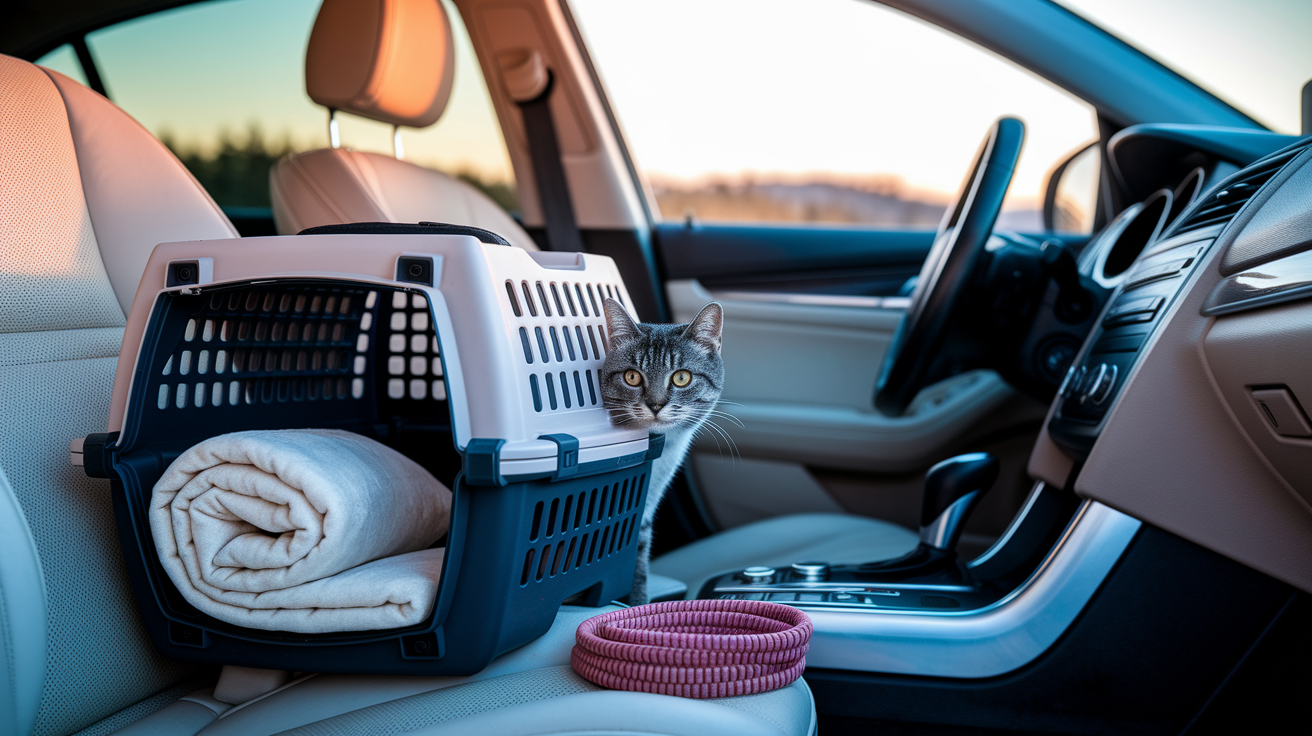
Carrier training for cats and small pets isn’t about forcing them inside five minutes before you leave. It’s about making the carrier a neutral or even positive part of daily life. Leave the carrier out in a main living area 1 to 2 weeks before the visit, door open, with a soft blanket or towel inside that smells like home. Toss a few treats in daily, or feed a meal inside with the door propped open. Let your pet explore on their own terms. Some cats will nap in the carrier within days. Others need more time and that’s fine. On appointment day, the carrier should feel familiar, not like a trap.
Dogs heading to the vet need leash and harness confidence, especially if they’re anxious or reactive. Practice short, calm walks around the block for 1 to 2 weeks before the visit, rewarding loose-leash behavior and calm responses to distractions. If your dog pulls or lunges at other animals, work on brief attention exercises. Eye contact for a treat. Before adding clinic-specific stressors. A dog who can walk calmly on leash is easier to move through a busy waiting room and safer for staff to handle.
Car travel is where many pets fall apart. Panting, drooling, vomiting, or crying the entire ride. Desensitization helps. Start with your pet in the parked car, engine off, for 2 to 3 minutes while you sit calmly and offer treats. Next session, turn the engine on but stay parked. After a few successful sessions, take a 5-minute drive around the block and return home. Gradually increase ride length over several days. The goal is to separate “car ride” from “vet visit” so the car itself doesn’t predict stress.
Here’s a simple progression for car-ride acclimation:
Session 1 to 3: Sit in the parked car with your pet for 2 to 5 minutes, engine off, treats and calm praise throughout.
Session 4 to 6: Start the engine and sit for 3 to 5 minutes, no driving yet, reward calm behavior.
Session 7 to 9: Drive around the block or to a nearby park, 5 to 10 minutes total, then return home and reward immediately.
Session 10+: Extend drives to 15 to 20 minutes, mixing destinations so not every ride ends at the vet.
Safety setup: Dogs ride safest in the far back of the vehicle or secured with a harness and seatbelt attachment. Cats and small pets travel in hard-sided carriers with secure latches, placed on a flat surface and stabilized with a seatbelt or wedged between seats.
Feeding, Fasting, Medications, and Sample Prep Before Vet Visits
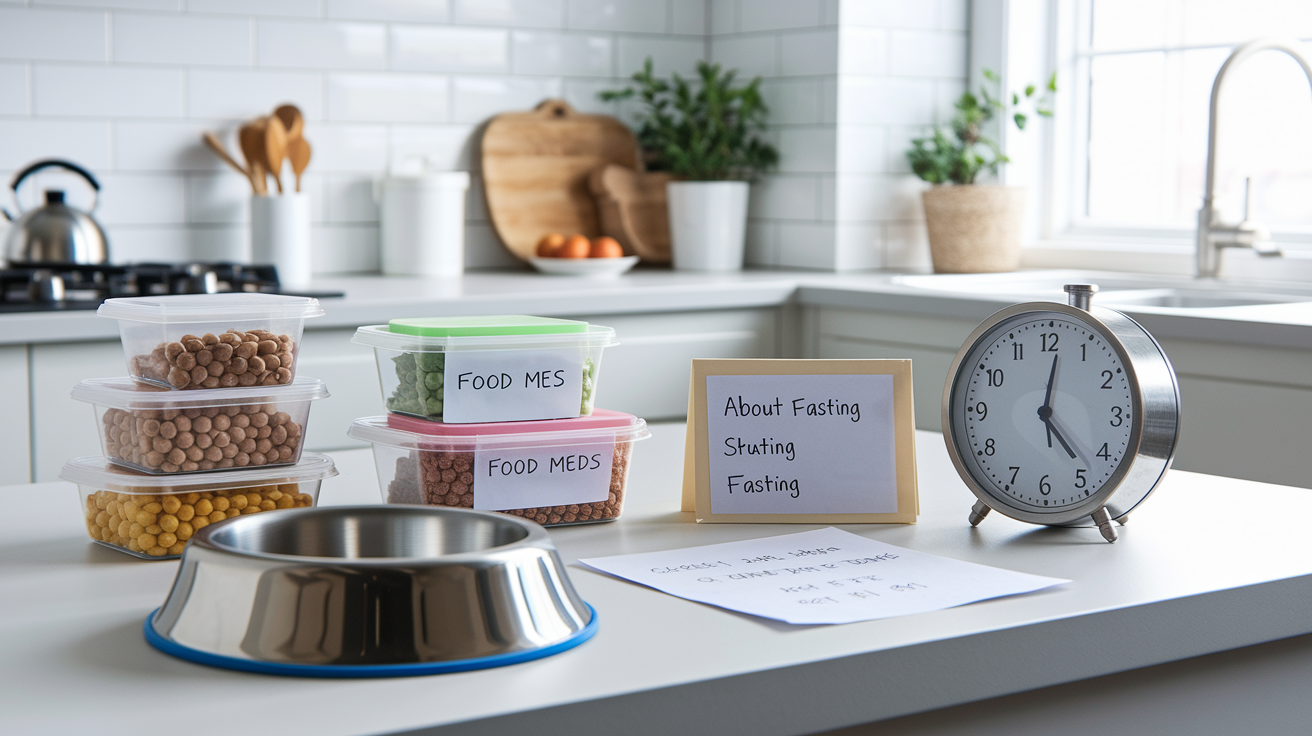
If your pet is scheduled for anesthesia, bloodwork, or certain diagnostic tests, your vet will likely ask you to withhold food for a set period. The standard guideline for adult dogs and cats is 8 to 12 hours of fasting before anesthesia, with water usually allowed until 2 to 4 hours prior. This reduces the risk of vomiting and aspiration during sedation. Puppies and kittens under 4 months, along with some small or diabetic pets, may require shorter fasting windows. Always confirm the exact timing with your clinic when you book the appointment.
Some pets, especially exotic species like rabbits, guinea pigs, and birds, should not be fasted using dog and cat rules. Prolonged fasting in small herbivores can cause dangerous drops in blood sugar and gut motility problems. If you’re bringing a rabbit, ferret, bird, or reptile, ask your vet for species-specific instructions and follow them exactly. Never assume. On the day of a routine wellness exam where anesthesia isn’t planned, you can reduce your pet’s breakfast to a small portion or skip it entirely to lower the chance of car sickness and make treats more motivating during the visit.
If your vet has prescribed anti-anxiety medication, sedatives, or other pre-visit drugs, give them at home according to the timeline provided. Often 30 to 90 minutes before departure. Medicating a pet who’s already pacing and panting is less effective because stress hormones are already flooding the system. If you’re unsure about timing, call the clinic the day before to confirm.
Collecting Samples for the Appointment
When your vet requests a stool or urine sample, collect it as close to the appointment as possible. Ideally within 24 to 48 hours. For stool, use a disposable plastic bag or small clean container, pick up a fresh sample from your yard or litter box, and refrigerate it if the appointment is more than an hour away. For urine, non-absorbent litter or a clean plastic collection pan can help you gather a sample from cats. For dogs, a clean shallow container like a pie tin held under them mid-stream works for many owners, though this takes patience. If collecting urine at home feels impossible, ask your vet if clinic collection like cystocentesis, a quick needle draw, is an option. Store samples in sealed containers, labeled with your pet’s name, and keep them cool until you arrive.
What to Bring to the Veterinary Appointment
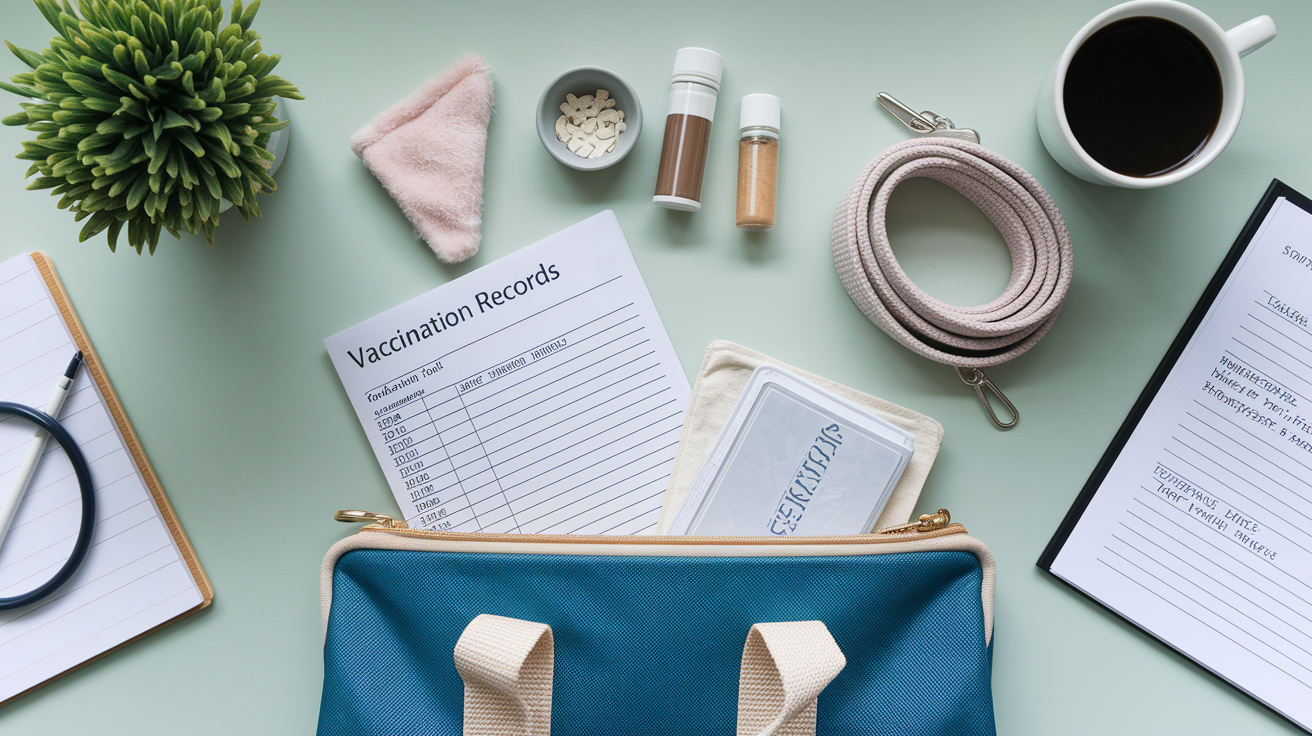
Walking in prepared speeds up check-in and gives the vet team the information they need without repeated questions. Start with your pet’s vaccination history. Either printed records or a digital copy on your phone. If your pet takes any medications, write down the name of each drug, the dose, how often you give it, and the reason it was prescribed. Include supplements and over-the-counter products. If your pet has an ongoing condition like diabetes, kidney disease, or allergies, bring any recent lab results or notes from previous visits.
Behavior and symptom tracking matters too. If your pet has been vomiting, note how many times and over what period. If they’ve been limping, write down which leg and when it started. If appetite has dropped, estimate how much they’re eating compared to normal. Vets rely on this detail to make faster, more accurate decisions, and a written list keeps you from forgetting under pressure.
| Item | Why It Matters |
|---|---|
| Vaccination records | Required for boarding, surgery, and some treatments. Confirms your pet’s immunity status and avoids unnecessary re-vaccination. |
| Current medication list (names, doses, frequency) | Prevents dangerous drug interactions and helps the vet adjust doses or timing if needed for procedures. |
| Recent stool or urine sample (if requested) | Allows immediate testing for parasites, infection, or metabolic issues without waiting for your pet to produce a sample at the clinic. |
| Small comfort item (blanket or toy) | Familiar scents reduce stress in the exam room and waiting area, especially for anxious or young pets. |
| Secure leash, harness, or carrier | Keeps your pet safe in the parking lot, lobby, and exam room. Prevents escapes and injuries. |
| Written symptom or behavior notes | Provides accurate timelines and details the vet can’t observe directly, improving diagnostic accuracy. |
Calming Strategies and Anxiety Reduction for Clinic Visits
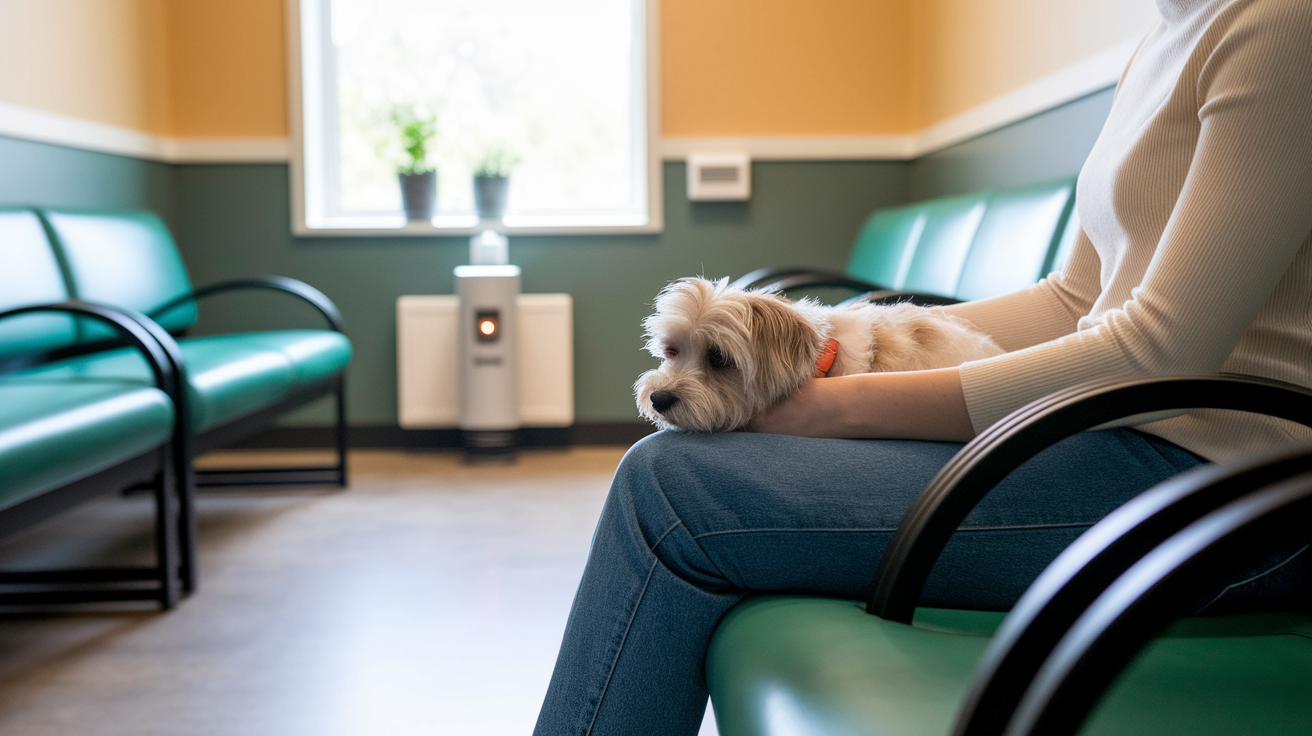
Your own calm matters more than you think. Pets read human body language, tone, and energy with startling accuracy. If you walk into the clinic tense, gripping the leash too tightly, or speaking in a high, anxious voice, your pet will pick up on it and mirror that stress. Practice steady breathing in the car before you go in. Speak in a low, even tone. Move slowly. If your pet looks to you for reassurance and you’re visibly worried, they’ll assume there’s something to fear.
Environmental adjustments help too. Ask your clinic if you can schedule appointments during quieter times. Early mornings or mid-afternoons, when fewer pets are in the waiting room. Some clinics offer separate cat and dog entrances or waiting areas to reduce visual and scent stress. If your pet is highly reactive, call ahead and ask if you can wait in the car until the exam room is ready. Covering a cat carrier with a light blanket blocks overwhelming sights and can lower heart rate and stress hormones.
For pets with moderate anxiety, veterinary-approved pheromone sprays, like Feliway for cats or Adaptil for dogs, can take the edge off. Spray the carrier or car interior 15 to 30 minutes before travel. Calming supplements containing L-theanine, chamomile, or valerian root are available over the counter, but results vary and they work best when given consistently for several days, not as a one-time fix. If your pet has severe anxiety, shaking, aggression, or shutting down completely, discuss prescription anti-anxiety medication with your vet well before the appointment. Given at the right dose and timing, these medications improve safety for your pet, you, and the clinic staff. The short-term benefit far outweighs the brief side effects.
When you arrive at the clinic, these actions reduce waiting-room stress:
Keep distance from other pets and owners. Position yourself in a corner or quiet area if possible.
Keep cats in covered carriers on your lap or a chair, not on the floor where dogs can approach.
Offer small, high-value treats every few minutes to create positive associations with the environment.
Redirect attention with gentle petting or a quiet toy if your pet fixates on another animal or sound.
Special Preparation Tips for Dogs, Cats, and Exotic Pets

Dogs benefit most from leash confidence and social exposure. If your dog is young or hasn’t been to the vet often, practice loose-leash walking in distracting environments like pet-friendly stores or parks. Reward calm greetings and redirect pulling or lunging with treats and attention back to you. On appointment day, bring high-value treats the clinic can use during the exam. Let staff know if your dog is noise-sensitive, fearful of men, or has a history of snapping when scared. A heads-up allows the team to adjust their approach, use a muzzle if needed for everyone’s safety, and keep the exam as brief as possible.
Cats need quiet, predictability, and control. Carrier work is non-negotiable. Use a hard-sided carrier with a removable top so the vet can examine your cat inside the carrier if needed, reducing the stress of being pulled out onto a cold table. Drape a towel or light blanket over the carrier in the car and waiting room. At home, practice briefly closing the carrier door during the desensitization phase so your cat doesn’t only associate it with being trapped before travel. In the exam room, let your cat explore at their own pace if the vet allows it. Some cats do better when the exam happens on the floor or in the carrier rather than on the table. Ask what’s possible.
Exotic pets, small mammals, birds, reptiles, require species-specific prep. Rabbits and guinea pigs travel best in solid-sided carriers with bedding and a small handful of hay for comfort, but avoid overcrowding the space. Birds need perches or a secure grip surface and should be kept warm. A towel over part of the carrier helps regulate temperature. Reptiles often require supplemental heat during transport, especially in cooler months. Use a heat pack wrapped in cloth and placed outside the container, never in direct contact. Confirm fasting rules with your vet. Many small mammals cannot safely fast, and some reptiles have unique feeding schedules. Bring any husbandry details. Tank temperature, humidity levels, diet specifics. Exotic vets need that context to assess health accurately.
Timing, Scheduling, and Day-of Logistics for Vet Visits

Booking your appointment well in advance reduces last-minute scrambling and lets you choose a time that works for both your schedule and your pet’s temperament. Morning slots often mean shorter wait times and a less crowded lobby. If your clinic offers online appointment scheduling, use it. Add a note in the booking system about any behavioral concerns or special handling needs. If you’re a new client, call a few days before to confirm what paperwork or records the clinic needs and whether you can fill out forms online ahead of time.
Day-of logistics start the night before. Lay out your checklist: leash or carrier, medication list, vaccine records, stool sample if needed, treats, comfort item, and any written notes about symptoms. Charge your phone so you can access digital records or take photos if the vet needs them. Plan your route and parking. Some clinics have small lots that fill quickly. Aim to arrive 5 to 10 minutes early for check-in, but not so early that your pet spends extra time in the waiting room. If your pet’s anxiety is severe, ask the front desk if you can check in by phone from your car and come inside only when the room is ready.
Here’s a simple day-of sequence:
- Complete any required paperwork online the night before, or print and fill it out at home to avoid clipboard stress in the lobby.
- Pack your appointment bag the night before with all records, samples, meds, treats, and your pet’s leash or carrier. Double-check the list before bed.
- Arrive 5 to 10 minutes before your scheduled time. Earlier if it’s your first visit and you need to complete forms in person.
- Call ahead if your pet has severe anxiety. Confirm whether you can wait outside and ask the desk to text or call when the exam room is ready.
Final Words
Start by spotting stress signals, try short daily handling and carrier sessions, and plan feeding, meds, and samples ahead.
Bring records and comfort items, and practice car rides. Use calming tools and time your schedule to cut wait time.
Put it together into a simple 1 to 2 week plan. Following these steps will make how to prepare your pet for a vet visit feel doable and less stressful, and your next appointment more relaxed.
FAQ
Q: How do I prepare my dog for a vet visit?
A: Preparing your dog for a vet visit means starting short daily familiarization sessions (5–10 minutes), practicing leash/car rides, leaving the carrier out, packing records/samples, and staying calm to reduce stress.
Q: What is the rule of 20 in veterinary medicine?
A: The rule of 20 in veterinary medicine refers to a flexible triage guideline that flags about a 20% deviation from normal vital signs or lab values as a prompt to reassess and consider urgent care; exact use varies by clinic.
Q: How much does a UTI cost at the vet?
A: A UTI at the vet typically costs $100–$300 for exam, urinalysis, and antibiotics; costs can rise to $300–$600 if urine culture, imaging, or follow-up visits are needed.
Q: What is silent pain in dogs?
A: Silent pain in dogs is pain that shows with subtle signs—less activity, stiffness, appetite or behavior changes, or odd posture—instead of obvious vocalizing; see your vet if changes persist.