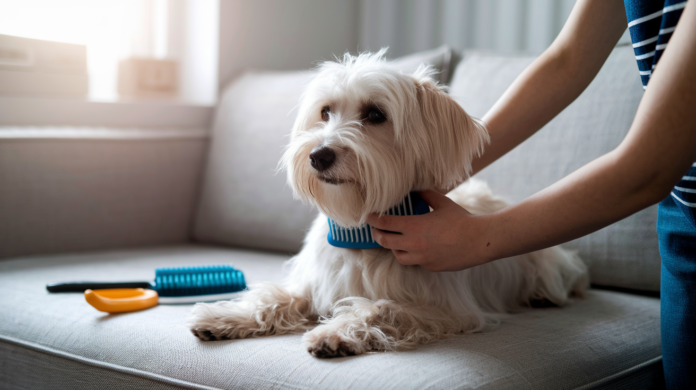

What if shedding isn’t just “one of those things” you have to live with?
You can cut loose hair with simple, natural steps at home without pricey gadgets or harsh chemicals.
Start with what you can do today: a regular brushing plan, better food, a small dose of fish or flaxseed oil, and tiny climate fixes like a humidifier.
These steps often reduce loose fur within weeks and make your dog’s skin and coat healthier.
This post shows safe, budget-friendly home remedies, how to use them, and when to call your vet.
Immediate Natural Strategies to Reduce Dog Shedding at Home
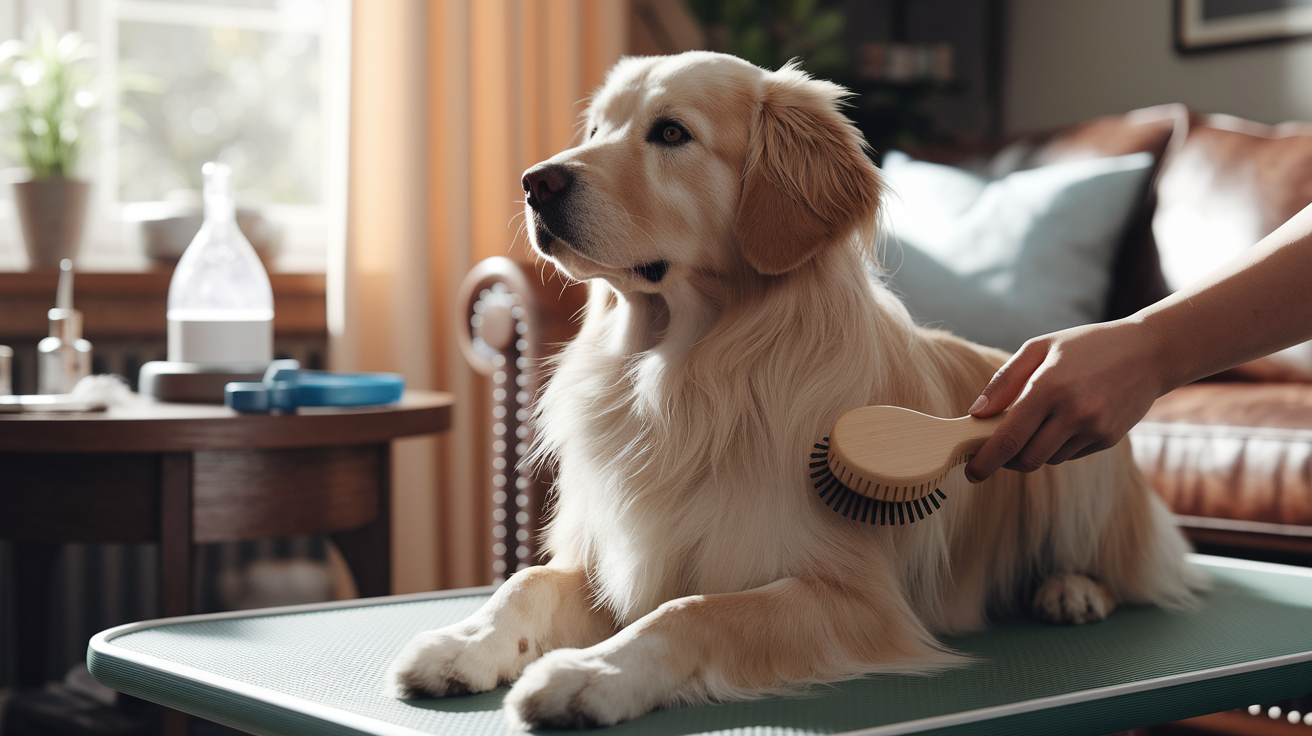
The best way to reduce dog shedding naturally starts with a simple brushing routine every day or every other day. Brushing pulls out loose hair before it lands on your couch or clothes, and it spreads the coat’s natural oils from root to tip so each strand stays moisturized and doesn’t break off as easily. Most heavy shedders (think Huskies, German Shepherds, Labs, and Goldens) need brushing at least four times a week during spring and summer when shedding peaks.
Bathing frequency matters, but more isn’t always better. Over-bathing strips the coat of protective oils and dries out skin, which actually increases shedding and flaking. For most indoor dogs, a gentle bath every three to four weeks is enough to rinse away dead hair and keep the coat clean without causing dryness. If your dog spends a lot of time outdoors or has a strong odor, you can bathe every two weeks. Just make sure you’re using a mild, sulfate-free shampoo that supports the skin’s natural barrier.
Within the first week of starting a consistent brushing and bathing routine, you should notice less hair on the floor and fewer tumbleweeds floating around. If shedding suddenly increases even with regular grooming, look for other triggers. Dry skin, stress, changes in food, indoor heating or air conditioning that lowers humidity, or signs of parasites. Indoor climate control, especially forced air heating and cooling, keeps shedding more constant year-round instead of spiking twice a year.
Quick steps to start today:
- Brush your dog daily, or at minimum four times per week, using the right tool for their coat type.
- Reduce bathing to every two to four weeks to prevent stripping natural oils.
- Use a gentle, moisturizing shampoo. Avoid anything harsh or heavily scented.
- Keep a humidifier running in dry seasons to prevent skin from drying out.
- Check the coat and skin weekly for redness, flaking, or unusual bare patches.
- Remove loose hair immediately during brushing sessions so it doesn’t scatter around the house.
Nutrition and Healthy Coats: Natural Diet Approaches for Less Dog Shedding
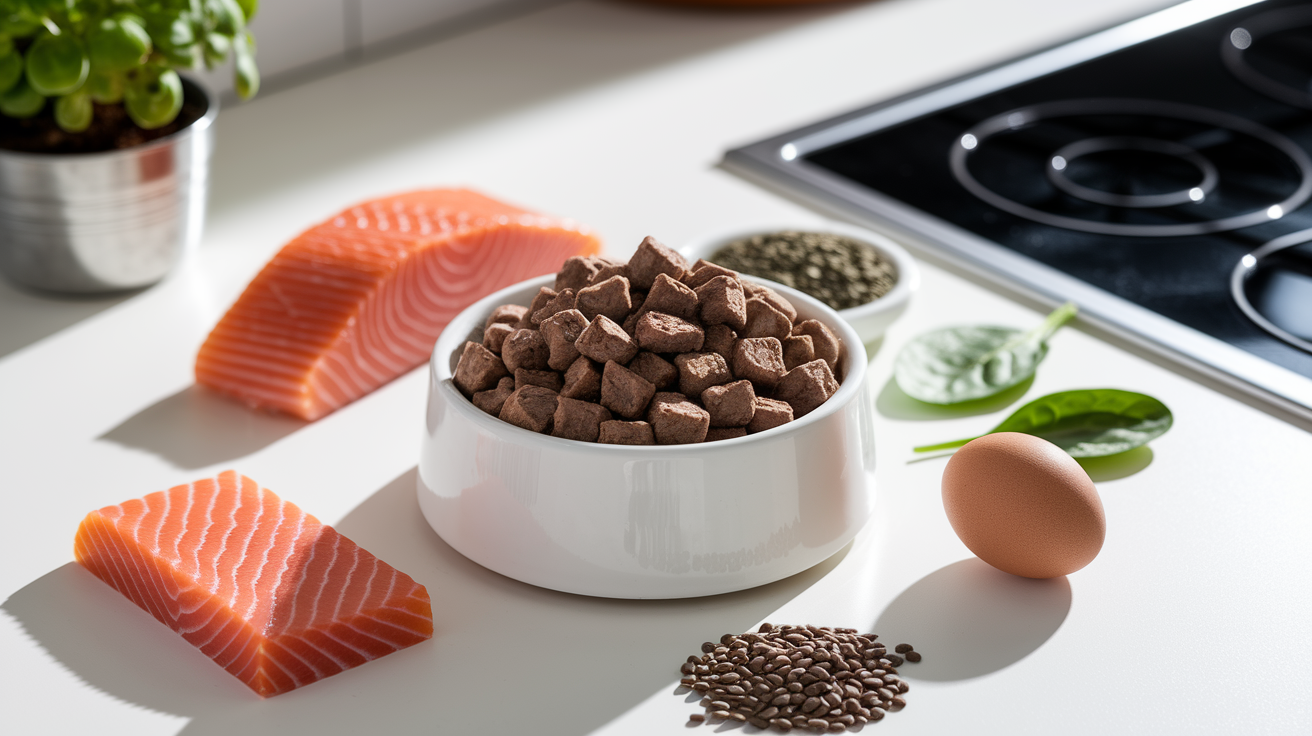
Every hair on your dog’s body is made almost entirely of keratin, a structural protein. When the diet lacks enough high quality, digestible protein, the coat becomes dry, brittle, and breaks easily. You end up with piles of loose fur. Switching to a food where real meat (not corn or grain filler) is the first ingredient gives your dog the amino acids they need to build strong, flexible hair strands that stay put instead of falling out in clumps.
Omega-3 and Omega-6 fatty acids hydrate skin from the inside, reducing the dryness and irritation that cause scratching and hair loss. These fats also calm inflammation around hair follicles, which helps the coat grow in thicker and shinier. Dogs get Omega-3s from fish like salmon or sardines, and Omega-6s from poultry fat and certain plant oils. Moisture-rich whole foods or rehydrated freeze-dried formulas increase the bioavailable nutrients your dog can actually absorb. That makes a bigger difference than synthetic vitamins added to cheap kibble.
Zinc supports keratin production at the follicle level, while vitamin A keeps skin cells healthy and vitamin E protects the coat from oxidative damage that makes hair snap off. A deficiency in any of these nutrients shows up as a dull, thinning coat and increased shedding. You’ll know the new diet is working when the coat feels softer, looks shinier, and sheds noticeably less within three to six weeks.
Natural foods and supplements that support a healthy coat:
- Wild-caught fish or fish oil – a direct source of Omega-3 fatty acids that calm skin inflammation and add shine.
- Flaxseed oil or ground flaxseed – plant-based Omega-3 and fiber to support skin hydration.
- Lightly cooked eggs – rich in biotin and easily digestible protein for follicle strength.
- Zinc-rich meats like beef and lamb – essential for keratin production and healthy skin turnover.
- Foods high in vitamin E, like spinach and sunflower seeds – protect hair from breakage and dryness.
Choose a high quality dog food that lists a named meat (chicken, beef, fish, not “meat meal” or “by-product”) as the first ingredient. Watch for improvements in energy, stool quality, and coat texture alongside reduced shedding.
Natural Oils, Supplements, and Safe Home Remedies to Reduce Shedding
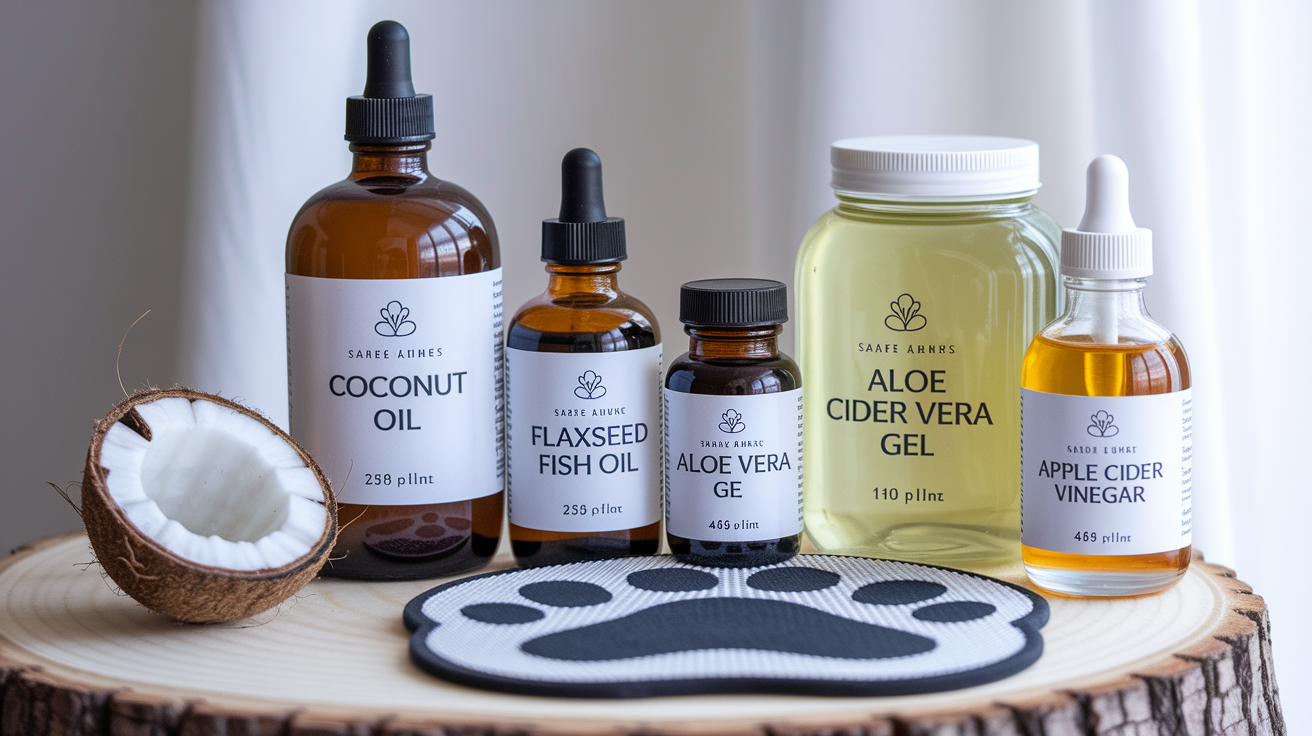
Adding natural oils and targeted supplements to your dog’s routine can strengthen hair follicles and reduce breakage without relying on synthetic additives. Coconut oil, for example, can be rubbed into the coat or mixed into food in small amounts to moisturize dry skin and add shine. Aloe vera gel, applied topically to irritated patches, soothes redness and helps the skin heal without triggering more hair loss.
Apple cider vinegar diluted in water (one part vinegar to three parts water) makes a gentle rinse after bathing that can help restore the skin’s pH balance and calm mild itching. Flaxseed oil and fish oil, given as a daily supplement, provide concentrated Omega-3s that support skin elasticity and reduce the inflammation that leads to scratching and shedding. Biotin, a B vitamin, strengthens hair structure and is safe when given in appropriate doses.
Safe, natural remedies to support coat and skin health:
- Coconut oil – one teaspoon per 10 pounds of body weight mixed into food or massaged into the coat once or twice a week.
- Aloe vera gel – pure, pet-safe gel applied to dry or irritated skin patches. Not ingested.
- Apple cider vinegar rinse – diluted 1:3 with water, poured over the coat after a bath to balance pH and reduce itching.
- Flaxseed or fish oil – daily supplement following label dosing, usually based on weight, to deliver Omega-3 fatty acids.
- Biotin supplement – supports hair strength when given according to product instructions or vet guidance.
Don’t add high dose vitamin supplements or human multivitamins to your dog’s food without consulting your veterinarian first. Excess vitamins A, D, or E can build up in the body and cause toxicity, leading to bone problems, liver damage, or neurological symptoms. Stick to whole food sources and single ingredient supplements, and ask your vet before stacking multiple products.
Brushing Techniques and Dog Grooming Routines That Naturally Reduce Shedding
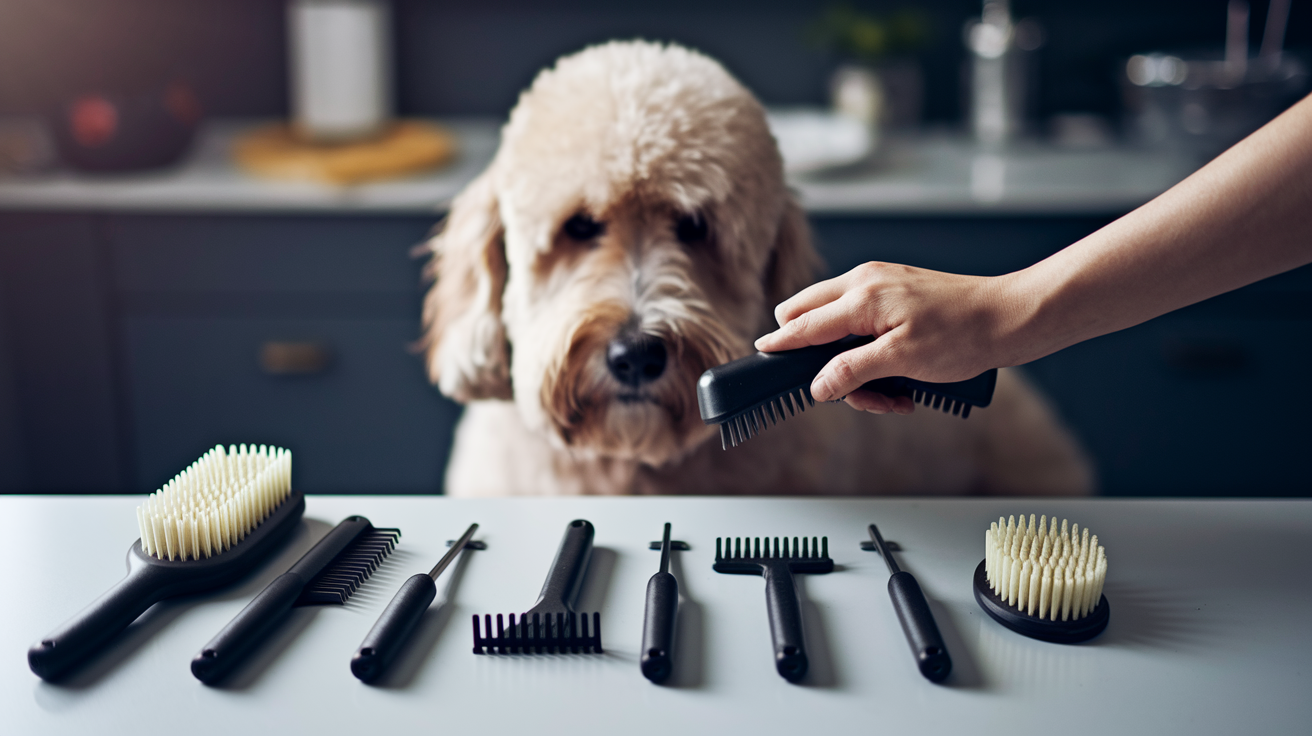
Brushing is the single most effective natural tool for controlling shedding. Each time you brush, you lift out dead undercoat and loose topcoat before it falls onto your floor or couch, and you spread the coat’s natural oils down every strand. That keeps hair hydrated and less likely to snap off. For best results, brush in the direction of hair growth, working in small sections from the skin outward. Use slow, even strokes that reach all the way down to the undercoat without scratching the skin.
Frequency depends on coat type and season. Short-haired dogs like Pugs or Terriers can get by with a quick once-over two or three times a week, while thick double-coated breeds like Collies or German Shepherds need daily attention during spring and fall shedding peaks. Over-bathing, especially with harsh shampoos, strips protective oils and actually increases shedding. Stick to a bath every two to four weeks and rely on brushing to keep the coat clean between washes.
Professional groomers offer deshedding baths and blowouts that loosen and remove huge amounts of undercoat in one session. It’s a good option before peak shedding season or if you can’t keep up with daily brushing. Never shave a double-coated dog down to the skin. Shaving disrupts the natural insulation system and can cause permanent regrowth problems called post clipping alopecia, where hair grows back patchy, discolored, or not at all. Your dog loses the ability to regulate body temperature in both heat and cold.
Selecting the Right Brush for Your Dog’s Coat
Using the wrong brush wastes time and misses the undercoat where most shedding starts. Match the tool to your dog’s hair type so every stroke actually removes loose fur instead of just smoothing the surface. A slicker brush works well on wavy or medium-length coats because the fine, bent wires reach through tangles and lift out dead hair without pulling. Undercoat rakes, with their long, wide-spaced teeth, are built for thick double coats and pull out the soft, fluffy underlayer that sheds in clumps during seasonal changes. Short-haired dogs benefit from a simple bristle brush or rubber curry brush that grabs loose hair close to the skin and stimulates oil production with a gentle massage.
| Tool Type | Best For | Benefit |
|---|---|---|
| Slicker brush | Medium and curly coats (Retrievers, Cocker Spaniels, Poodles) | Removes tangles and dead hair, smooths the topcoat |
| Undercoat rake | Thick double coats (Huskies, Shepherds, Collies, Chow Chows) | Pulls out soft undercoat during heavy shedding seasons |
| Bristle or rubber curry brush | Short, smooth coats (Terriers, Pugs, Greyhounds, Beagles) | Grabs surface hair and stimulates skin oil production |
| Pin brush | Long, silky coats (Maltese, Shih Tzus, Yorkies) | Gently detangles without breaking fine hair |
Hydration, Skin Health, and Environmental Factors That Influence Dog Shedding

Dry skin is one of the most common (and most overlooked) causes of excessive shedding. When the skin loses moisture, it becomes flaky and tight, which weakens the hair follicle’s grip on each strand and causes hair to fall out before it should. Indoor heating in winter and air conditioning in summer both pull humidity out of the air, drying out your dog’s skin even if they drink plenty of water. Adding a small humidifier to the room where your dog spends most of their time can make a noticeable difference in coat texture and shedding volume within a week or two.
Water intake supports skin elasticity from the inside. Make sure fresh, clean water is always available, and consider adding a splash of low sodium broth to encourage drinking if your dog isn’t naturally a big drinker. Moisturizing baths using gentle, oatmeal-based or aloe-enriched shampoos help prevent the breakage and irritation that come from harsh detergents or heavily scented products.
Consistent indoor temperature also matters. Dogs that experience big swings in temperature (moving between a hot house and cold outdoors multiple times a day) often shed more because their coat tries to adjust constantly. If possible, keep your home at a steady, moderate temperature and avoid placing your dog’s bed near heating vents or drafty windows.
Simple environmental adjustments to reduce shedding:
- Increase water intake by offering fresh water multiple times a day or adding low sodium broth.
- Use a humidifier during dry months to keep indoor air above 40 percent humidity.
- Avoid harsh shampoos. Stick to gentle, moisturizing formulas designed for sensitive skin.
- Create a consistent indoor temperature to prevent the coat from cycling between growth and shedding phases.
Breed-Specific and Seasonal Factors That Affect Natural Shedding Levels
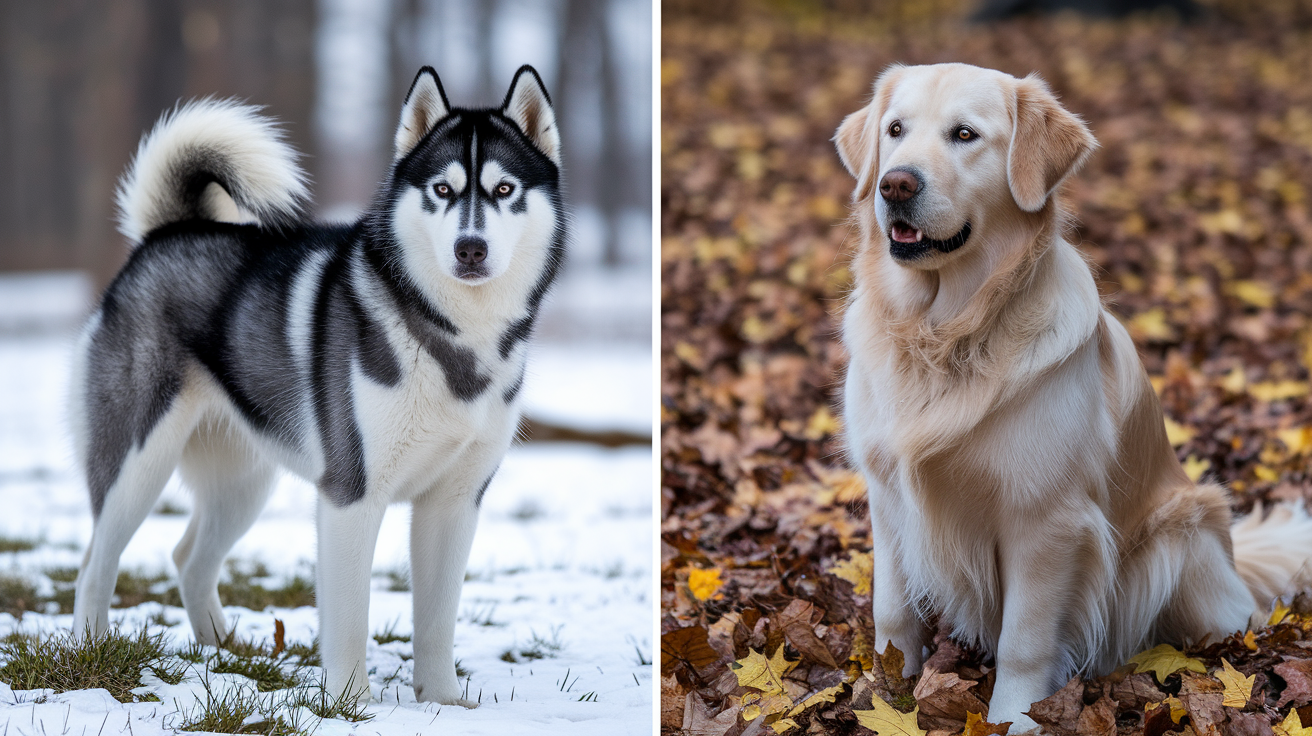
Some dogs are built to shed. Breeds like Siberian Huskies, German Shepherds, Golden Retrievers, and Labrador Retrievers have thick double coats designed to insulate them in cold weather, and they blow that undercoat twice a year (usually in spring and fall) to prepare for the next season. During those peak windows, even perfect nutrition and daily brushing won’t stop the shedding completely. It just makes it more manageable and keeps the loose hair contained instead of spread all over your home.
Indoor temperature control changes the natural shedding cycle. Dogs that live in climate-controlled homes often shed steadily year-round instead of going through dramatic seasonal cycles, because their bodies never get the strong temperature signal to grow or drop a heavy winter coat. This doesn’t mean something is wrong. It just means your grooming routine needs to stay consistent all year instead of ramping up only in spring and fall.
Major seasonal shedding patterns to expect:
- Spring shedding – heavy undercoat loss as the weather warms and the dog prepares for summer. Expect large clumps of soft, fluffy fur for four to six weeks.
- Fall shedding – lighter shedding as the summer coat is replaced by a denser winter coat. Less dramatic than spring but still noticeable.
- Year-round shedding in indoor dogs – steady, moderate shedding with no big peaks because indoor heating and cooling flatten the seasonal temperature cues.
Understanding your dog’s breed and lifestyle helps you set realistic expectations. A double-coated outdoor dog in a cold climate will always shed heavily twice a year, no matter what you feed or how often you brush. Your job is to support healthy skin and coat with good nutrition and grooming, not to stop shedding entirely.
When Natural Methods Aren’t Enough: Health Issues and Vet-Related Causes of Shedding
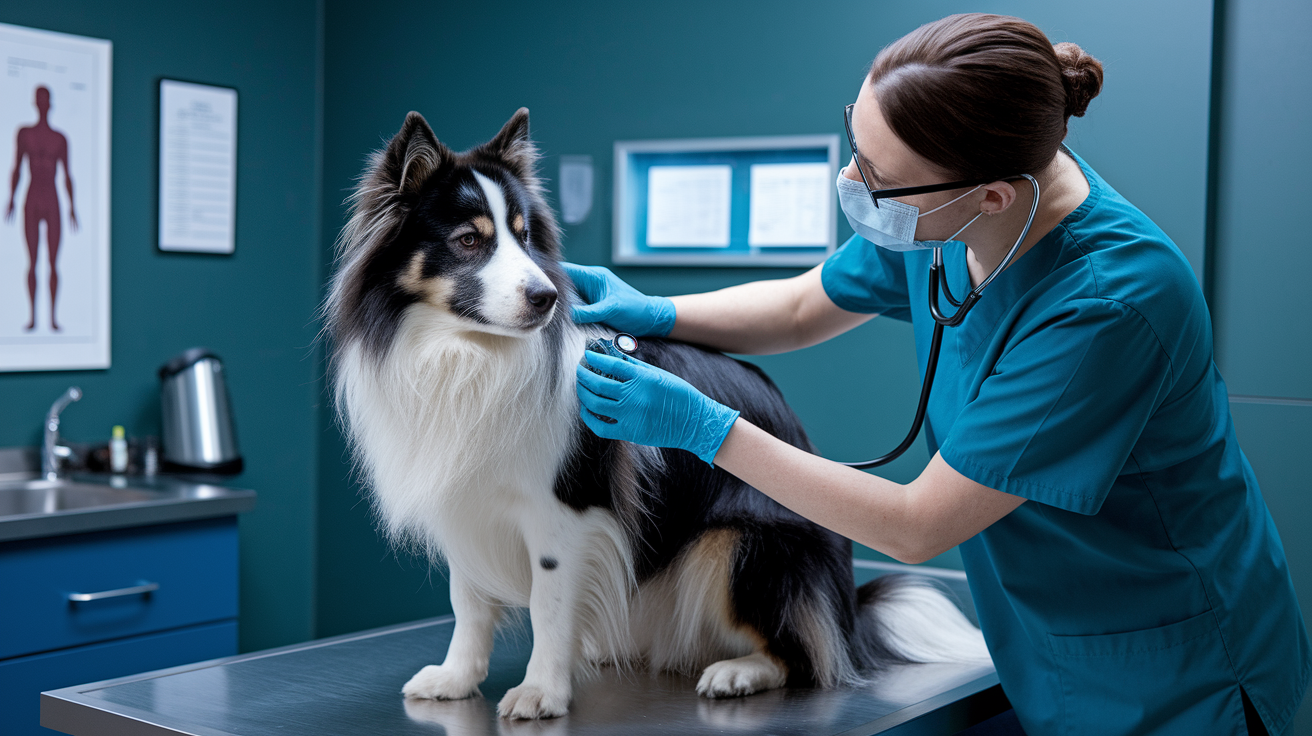
Sudden, heavy shedding that appears out of nowhere, especially if it comes with bald patches, red skin, constant scratching, or behavior changes, is often a sign of an underlying health problem that won’t respond to brushing or diet alone. Parasites like fleas and mites irritate the skin and cause hair to fall out in clumps, usually around the tail, belly, and legs. Food allergies or environmental allergens (pollen, dust, mold) can trigger chronic itching and inflammation that damage hair follicles and lead to thinning or patchy coats.
Hormonal imbalances, including thyroid disease, Cushing’s disease, or reproductive hormone changes, disrupt the normal hair growth cycle and cause abnormal shedding patterns. Often symmetrical hair loss on both sides of the body. Stress, whether from a new home, loud noises, separation anxiety, or changes in routine, can also trigger excessive shedding as the body releases stress hormones that push hair follicles into a resting phase.
If you see any of the red flags below, schedule a vet appointment instead of relying only on home remedies. Many of these conditions need diagnostic tests, prescription medications, or parasite prevention to resolve, and waiting too long can make the problem harder to treat.
Signs that shedding is a medical issue requiring vet attention:
- Sudden increase in shedding with no seasonal or environmental explanation.
- Bald patches, especially if they’re symmetrical or spreading.
- Red, inflamed, or scabby skin, or a strong, unusual odor from the coat.
- Excessive scratching, licking, or biting at the skin, even after a bath and flea treatment.
Final Words
Start today with daily brushing, a gentler bath schedule, and small diet tweaks like fish oil and protein-rich meals to remove loose hair and support skin.
Watch the first week for less loose fur, a shinier coat, and fewer mats. Add a humidifier, extra water, and the right brush for your dog. If you see bald patches, red skin, or sudden heavy shedding, check with your vet.
These simple steps show how to reduce dog shedding naturally and keep your home cleaner, one small habit at a time.
FAQ
Q: What can I give my dog to stop shedding so badly?
A: To stop heavy shedding, focus on nutrition and grooming: high-quality protein, omega-3 supplements, regular brushing, moisturizing baths, and a vet check to rule out medical causes.
Q: What do groomers use to stop shedding?
A: Groomers use deshedding tools and professional treatments: undercoat rakes, slicker brushes, Furminator-style tools, deshedding shampoos, and blowouts to remove loose undercoat and cut shedding.
Q: Does coconut oil help dog shedding?
A: Coconut oil can help reduce shedding by moisturizing dry skin when used topically or in small dietary amounts, but it won’t fix allergies or hormonal causes—check with your vet first.
Q: What causes extreme shedding in dogs?
A: Extreme shedding is caused by seasonal coat changes, poor diet, allergies, parasites, stress, hormonal or thyroid issues, skin infections, or dry indoor air—see a vet if it’s sudden, patchy, or severe.