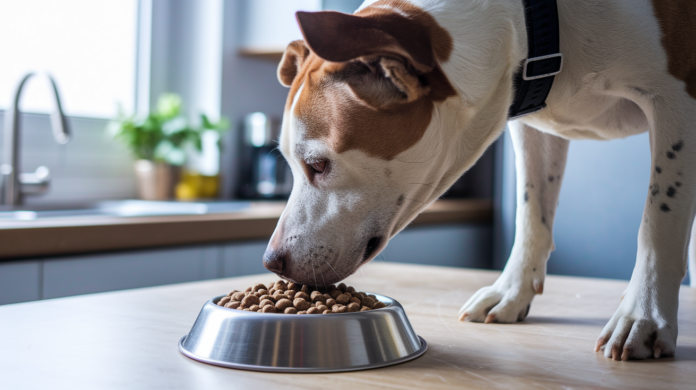

What if “hypoallergenic” on the bag doesn’t always mean what you think?
Because the label is not regulated, different brands use it in different ways, yet hypoallergenic diets can reduce itching, ear infections, and tummy trouble by cutting common trigger ingredients.
This post explains what hypoallergenic dog food really means, how novel, hydrolysed, and limited-ingredient diets work, the signs that point to a food problem, and simple steps to pick and run an elimination trial safely with your vet.
Clear Breakdown of What Hypoallergenic Dog Food Means

Hypoallergenic dog food is made to cut down on allergic reactions by avoiding ingredients that usually set off immune responses or mess with your dog’s digestion. Here’s the thing, “hypoallergenic” isn’t actually regulated. That means different brands define it differently. Most formulas zero in on proteins, because proteins are what trigger food allergies most often. When your dog’s immune system mistakes a harmless food protein for something dangerous, it releases histamine and other chemicals that cause inflammation, itching, and gut trouble.
You need to understand the difference between a food allergy and a food intolerance. A food allergy involves the immune system launching an inflammatory response. You’ll often see skin symptoms like itching, redness, or ear infections. A food intolerance is just a digestive problem. Your dog’s gut can’t break down or absorb a particular ingredient properly, so you get vomiting, diarrhea, or gas, but the immune system isn’t actually involved.
Hypoallergenic diets come in three main types. Novel protein diets use proteins your dog’s never eaten before, like duck, venison, rabbit, salmon, or lamb. Hydrolysed protein diets break proteins down into tiny peptides through a chemical process, making them so small the immune system doesn’t recognize them as allergens. Limited ingredient diets (LIDs) restrict the total number of components to around six to ten ingredients, which reduces overall exposure to potential triggers. Each type does something different, and the right choice depends on how severe your dog’s symptoms are and whether you’re trying to diagnose an allergy or manage a known sensitivity.
The five most common food allergens in dogs are:
- Beef
- Dairy (milk, cheese, yogurt)
- Eggs
- Soya
- Wheat
Key Allergy Symptoms That Suggest a Hypoallergenic Diet May Help

Food allergies and intolerances usually show up in two ways: skin problems and digestive issues. Skin symptoms are what you’ll notice first. Your dog might scratch constantly, chew or lick their paws until the skin is raw, or rub their face and ears against furniture or carpet. You might see red, inflamed patches, raised bumps that look like hives, or “hot spots,” which are areas of sudden, moist inflammation that get worse fast. Hair loss, runny eyes, and chronic ear infections that keep coming back despite treatment are also typical signs.
Digestive symptoms can be just as frustrating. Chronic vomiting, repeated diarrhea, consistently soft stools, bloating, and mucus in the stool all point to a problem with how your dog’s processing food. But these signs can overlap with other conditions like environmental allergies, parasites, or even hormonal disorders. Work with your vet to rule out other causes before you commit to a diet change.
Common symptoms that may point to a food allergy or intolerance:
- Constant itching or scratching
- Chewing or licking paws over and over
- Red, inflamed, or swollen skin
- Ear infections that keep coming back
- Raised bumps or hives
- Chronic vomiting or diarrhea
- Mucus in stool or persistent soft stools
How Hypoallergenic Diet Types Work to Reduce Reactions

Each hypoallergenic diet type takes a different approach to reducing immune triggers or digestive stress. Understanding how they work helps you pick the right one for your dog.
Novel Protein Diets
Novel protein diets rely on proteins your dog’s never been exposed to. The logic is simple. If your dog’s never eaten kangaroo, duck, venison, or rabbit before, their immune system has no “memory” of that protein and isn’t likely to react. These diets are often less processed and more palatable than hydrolysed options, which makes them easier to stick with during long elimination trials. The catch is that the protein must actually be novel. If your dog’s already eaten duck, switching to a duck-based diet won’t help. Check your dog’s food history carefully before you choose a novel protein formula.
Hydrolysed Protein Diets
Hydrolysed diets use a process called hydrolysis to break proteins down into very small peptides, often just a few amino acids long. These fragments are so tiny that the immune system doesn’t recognize them as the original protein, which dramatically reduces the chance of an allergic reaction. Vets often recommend hydrolysed diets when diagnosing food allergies or managing severe cases, because they’re highly unlikely to provoke a response. The downside? Hydrolysed proteins can taste less appealing, and the manufacturing process makes these diets more expensive and more processed than novel protein options.
Limited Ingredient Diets
Limited ingredient diets (LIDs) reduce the number of components in the formula to around six to ten ingredients, lowering overall exposure to potential allergens. These diets often feature a single protein source and one or two carbohydrate sources, with minimal additives. LIDs work well for mild sensitivities or when you suspect your dog reacts to multiple ingredients but aren’t sure which ones. But they’re not ideal for severe allergies, because even a short ingredient list can still include a protein your dog reacts to. They’re best used for food intolerances or as a starting point before moving to something more restrictive if needed.
| Diet Type | How It Works | Best For |
|---|---|---|
| Novel Protein | Uses proteins the dog has never eaten before (duck, venison, rabbit, kangaroo) | Mild to moderate allergies; dogs with known single-protein triggers |
| Hydrolysed Protein | Breaks proteins into tiny peptides the immune system doesn’t recognize | Severe allergies; diagnostic elimination trials; vet-recommended cases |
| Limited Ingredient (LID) | Reduces total ingredients (6–10) to minimize exposure to allergens | Mild sensitivities; food intolerances; starting point before stricter diets |
Common Food Triggers and How Allergies Develop in Dogs
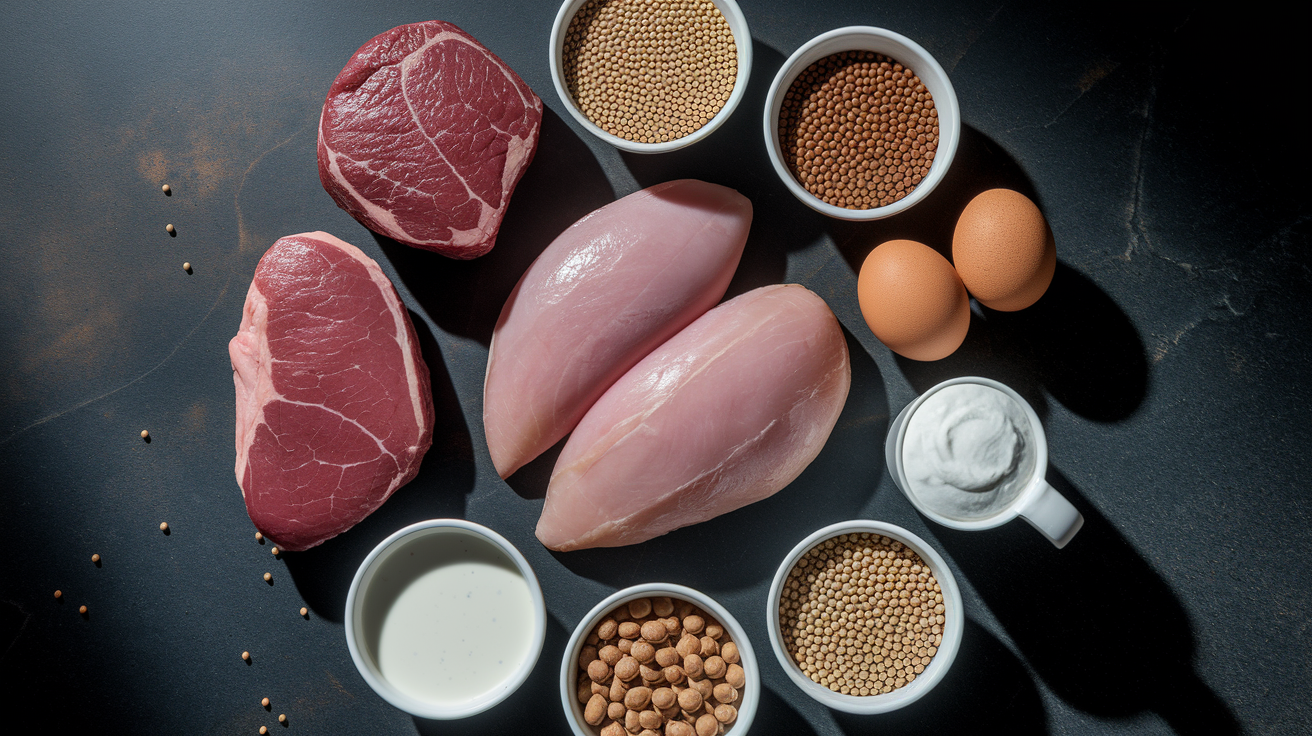
Food allergies develop when the immune system mistakenly identifies a harmless protein as a threat. Over time, repeated exposure can sensitize your dog, leading to an immune response that releases histamine and other inflammatory chemicals. That’s what causes the itching, redness, swelling, and digestive upset you see with food allergies. Intolerances work differently. They affect digestion without activating the immune system, causing symptoms like soft stools, gas, or vomiting when the gut can’t properly break down a particular ingredient.
The “big five” allergens (beef, eggs, dairy, soya, and wheat) account for most food reactions in dogs. Chicken is also a frequent trigger, despite being a common protein in commercial dog food. Proteins are the primary culprits because they’re large, complex molecules that the immune system can more easily misidentify. Carbohydrates and fats rarely cause true allergic reactions, though some dogs may have trouble digesting certain starches or oils, leading to intolerance symptoms.
The most common food allergens in dogs:
- Beef
- Chicken
- Dairy (milk, cheese, yogurt)
- Wheat and gluten
- Eggs
- Soya
How to Run a Proper Elimination Diet to Identify Triggers

An elimination diet is the most reliable way to diagnose a food allergy. It requires strict control, because even small amounts of a hidden allergen can invalidate the trial and confuse your results. The goal is to feed a single, hypoallergenic diet for six to eight weeks minimum, then reintroduce ingredients one at a time to identify what caused the original symptoms.
Here’s the step-by-step protocol:
- Choose a novel protein or hydrolysed protein diet your dog’s never eaten before.
- Transition to the new food over ten days, increasing it by about 10% each day.
- Feed only the elimination diet for the next six to eight weeks. No treats, table scraps, flavored medications, or supplements allowed.
- Track symptoms in a diary. Note skin condition, scratching frequency, ear health, stool consistency, and vomiting episodes.
- Expect possible improvement as early as week four, but allow up to twelve weeks for full resolution.
- If symptoms improve, begin the re-challenge phase by reintroducing one ingredient at a time.
- Feed each reintroduced ingredient for one to two weeks and watch for reactions, which may appear within days or take up to two weeks.
- If symptoms return, record the ingredient and remove it permanently. If no reaction occurs, that ingredient is likely safe.
The re-challenge phase is essential for pinpointing the exact trigger. Introduce one protein or carbohydrate at a time, never multiple ingredients at once. If your dog reacts, you’ll know exactly which food caused the problem. If you reintroduce several ingredients together and symptoms return, you’re back to square one.
Keep a simple symptom diary throughout the trial. Note the date, what you fed, and any changes you see in scratching, skin redness, ear odor, stool quality, or energy level. If you see no improvement after ten weeks, talk to your vet. The problem may not be food related, or you may need a different diet approach, like a prescription hydrolysed formula.
Reading Hypoallergenic Labels and Choosing a Safe Formula

Labels are your most important tool when shopping for hypoallergenic dog food. A clear, transparent ingredient list tells you exactly what your dog’s eating and makes it easier to avoid known triggers or track down hidden allergens. Look for products labeled “complete and balanced,” which means the formula meets recognized nutritional standards and can be fed as your dog’s sole diet without risking deficiencies.
Ingredient order matters. Ingredients are listed by weight, so the first few items make up the bulk of the food. The protein source should be named explicitly, like “venison,” “duck,” or “hydrolysed salmon protein,” not vague terms like “meat meal” or “poultry by-product.” If you’re using a limited ingredient diet, the list should be short, ideally six to ten items, with a single identifiable protein and one or two carbohydrate sources.
When evaluating labels, check for:
- A single, clearly named protein source (e.g., “duck,” “venison,” “hydrolysed chicken protein”)
- “Complete and balanced” statement meeting FEDIAF or AAFCO standards
- No artificial colors, flavors, or unnecessary additives
- Short ingredient list if choosing a limited ingredient diet (6–10 items)
- Nutritional add-ons like omega-3 fatty acids, prebiotics, or probiotics for skin and gut support
- Explicit hypoallergenic or hydrolysed protein labeling if appropriate
One common source of confusion is grain-free dog food. Grain-free simply means the formula excludes wheat, oats, barley, rice, and similar grains, often replacing them with potatoes, sweet potatoes, or legumes. Grain-free is not the same as hypoallergenic. Unless your dog is specifically allergic to wheat or another grain, removing grains won’t solve a food allergy caused by chicken, beef, or dairy. Many grain-free diets still contain common allergens, so read the label carefully.
Prescription vs Over-the-Counter Hypoallergenic Diet Options

Hypoallergenic diets are available in two main categories: prescription formulas sold through veterinarians and over-the-counter (OTC) options sold in pet stores or online. Each has advantages depending on your dog’s situation, your budget, and whether you’re diagnosing an allergy or managing a known sensitivity.
Prescription hypoallergenic diets are typically hydrolysed protein formulas, like Royal Canin Anallergenic, Hill’s Prescription Diet z/d, or Purina Pro Plan Veterinary Diets HA. They’re formulated for diagnostic use and severe allergies, with proteins broken down so small the immune system can’t recognize them. Because they’re highly controlled and clinically tested, they’re the gold standard for elimination trials. The downside is cost. They’re often 20% to 50% more expensive than standard dog food. And availability can be tricky, many require a prescription and can only be purchased through a vet clinic or authorized distributor.
Over-the-counter options mainly include novel protein or limited ingredient diets, like Natural Balance Limited Ingredient, Blue Buffalo Basics, and similar lines from mainstream brands. These diets are more accessible, more affordable, and easier to find, and they work well for mild to moderate sensitivities or for long-term feeding once you’ve identified safe proteins. However, OTC formulas may not be as tightly controlled for cross-contamination, and the ingredient quality can vary between brands.
Prescription hypoallergenic diets offer:
- Hydrolysed proteins that rarely trigger reactions
- Tight manufacturing controls to reduce cross-contamination
- Clinical backing for diagnostic use
- Veterinary oversight and support
Over-the-counter hypoallergenic diets offer:
- Lower cost and wider availability
- Novel proteins and limited ingredient options
- Better palatability and less processing
- Good for long-term feeding after diagnosis
Transitioning Your Dog Safely to a Hypoallergenic Food
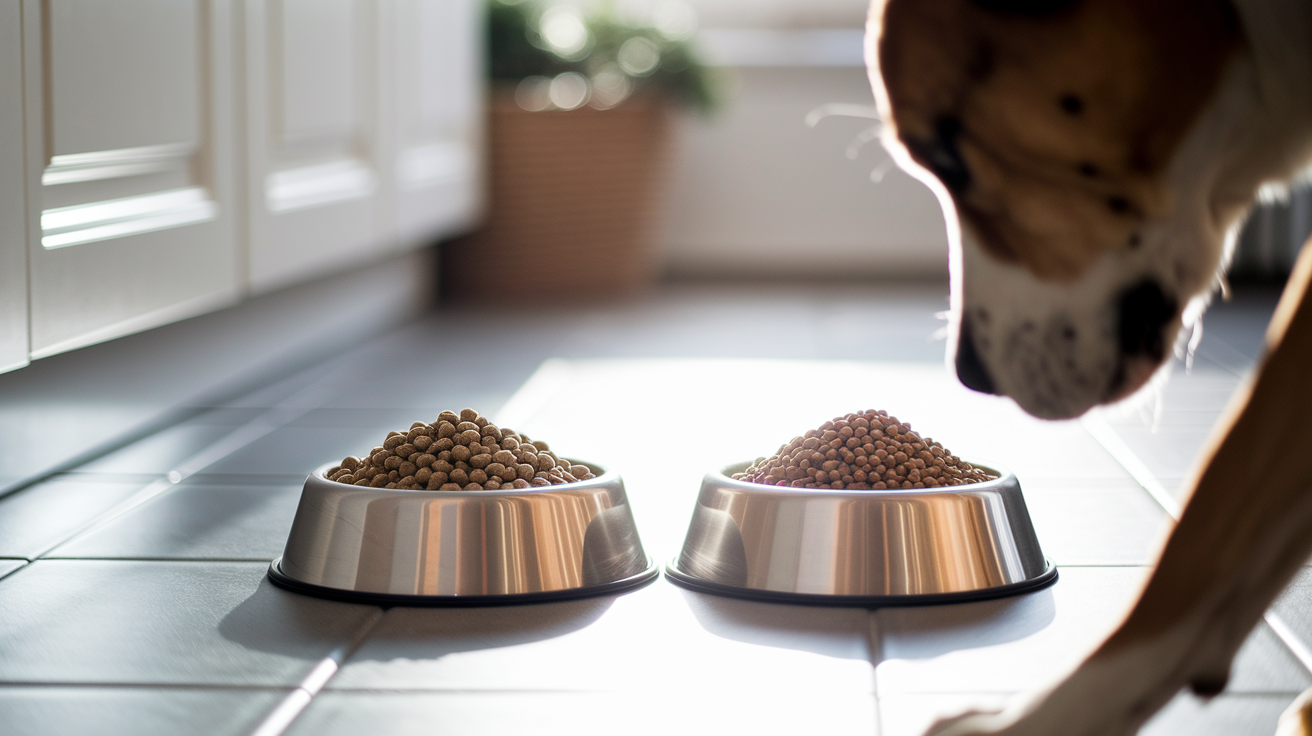
A slow, gradual transition reduces the risk of digestive upset and helps your dog adjust to the new taste and texture. The standard transition plan is to increase the new food by about 10% each day over ten days, mixing it with the old food and gradually shifting the ratio until your dog’s eating 100% of the new formula. If your dog develops soft stools, vomiting, or other gastrointestinal signs, slow the transition down. Hold at the current ratio for an extra day or two, then continue.
Some dogs are picky eaters, especially when switching to a less palatable hydrolysed diet. Warming the food slightly can increase the aroma and make it more appealing. You can also try adding a small amount of warm water to kibble or gently heating wet food to just above room temperature. Avoid adding flavor enhancers, broths, or toppers during an elimination trial, as these can introduce hidden allergens and ruin your results.
Five tips for a smooth transition:
- Mix old and new food gradually, increasing the new food by 10% per day over ten days.
- Slow the transition if your dog develops soft stools or vomiting.
- Warm meals slightly to boost palatability for hesitant eaters.
- Avoid treats, table scraps, and flavored medications during the trial period.
- Monitor stool consistency and energy level daily to catch issues early.
Supportive Ingredients That Improve Skin and Gut Outcomes
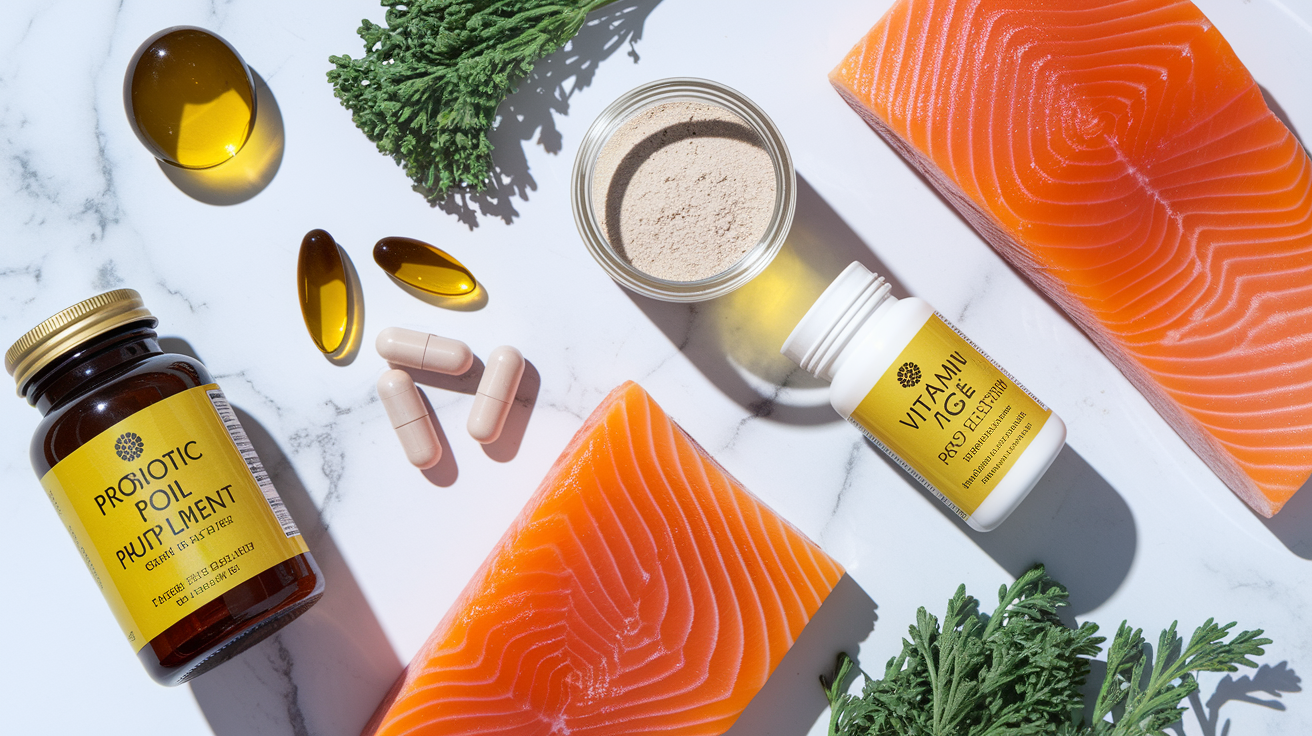
Hypoallergenic diets often include functional ingredients that support the skin barrier, reduce inflammation, and promote a healthy gut microbiome. These add-ons don’t replace allergen avoidance, but they can speed recovery and improve long-term outcomes, especially for dogs with chronic itching or recurrent ear infections.
Omega-3 fatty acids, particularly EPA and DHA, are anti-inflammatory and help reduce the redness, swelling, and itching that come with allergic reactions. Fish oil is a common source, but some hypoallergenic diets use algae or seaweed-derived oils to avoid introducing fish protein into a limited ingredient formula. Prebiotics like fructooligosaccharides (FOS) and probiotics support the gut microbiome, which plays a key role in immune regulation and nutrient absorption. A balanced gut can reduce the severity of allergic responses over time.
Vitamin E, zinc, and biotin all support skin health and coat quality. Vitamin E acts as an antioxidant, protecting skin cells from oxidative damage. Zinc is essential for wound healing and maintaining the skin’s protective barrier. Biotin, a B vitamin, promotes healthy skin and a shiny coat. Some formulas also include nutritional yeast or beta-glucans, which may support immune function and gut health.
Five supportive ingredients to look for:
- Omega-3 fatty acids (EPA/DHA from fish oil, algae, or seaweed) for inflammation reduction
- Prebiotics (FOS, inulin) to feed beneficial gut bacteria
- Probiotics (Lactobacillus, Bifidobacterium strains) for microbiome balance
- Vitamin E and zinc for skin barrier repair and healing
- Biotin for coat health and skin cell turnover
Cost, Practical Expectations, and Long-Term Management on Hypoallergenic Diets

Hypoallergenic diets typically cost 20% to 50% more than standard dog food. Small specialty bags often start around £10 to £30 or $15 to $40, while larger veterinary or premium bags commonly range from £30 to £100+ or $40 to $130+, depending on the brand, formulation, and bag size. Prescription hydrolysed diets are usually at the higher end of that range. If budget is a concern, over-the-counter limited ingredient or novel protein diets offer a more affordable entry point, though they may not be suitable for severe allergies or diagnostic trials.
Elimination diets can take time to show results. Many dogs improve within four to eight weeks, but some may need up to twelve weeks for full symptom resolution. Success depends entirely on strict adherence. A single treat, a bite of table food, or a flavored medication can reintroduce the allergen and reset the trial. If your dog improves and you identify the trigger through re-challenge, you may be able to manage the allergy long term by simply avoiding that ingredient. Some dogs, however, require lifelong feeding on a restricted diet, especially if they’re sensitive to multiple proteins or have severe reactions.
Long-term management tips:
- Keep a list of safe proteins and ingredients taped to your fridge or stored in your phone.
- Stock up on the hypoallergenic food your dog tolerates well to avoid running out and scrambling for alternatives.
- Work with your vet to periodically review your dog’s diet, especially if new symptoms appear or if you want to try reintroducing variety after a long period of stability.
Frequently Asked Questions About Hypoallergenic Dog Food
Hypoallergenic diets raise a lot of questions, especially for first-time users. Here are quick answers to the most common ones.
Is grain-free the same as hypoallergenic?
No. Grain-free means no wheat, oats, barley, or rice, but it doesn’t remove common allergens like chicken, beef, or dairy. Grain-free diets often replace grains with potatoes or legumes, which some dogs tolerate poorly. Only choose grain-free if your dog is specifically allergic to wheat or another grain.
Can I make hypoallergenic food at home?
Homemade diets can be hypoallergenic if you use safe proteins and avoid triggers, but they risk nutritional imbalance without guidance from a veterinary nutritionist. Deficiencies in calcium, vitamins, or essential fatty acids can develop over time and harm your dog’s health.
How long before I see improvement?
Some dogs show signs of improvement within three to four weeks, but a full elimination trial requires six to eight weeks, and symptom resolution can take up to twelve weeks. If you see no change after ten weeks, consult your vet.
Can puppies eat hypoallergenic food?
Yes, but only if the formula is labeled “complete and balanced” for growth or all life stages. Puppies have higher nutrient requirements than adult dogs, and a diet that’s not formulated for growth can stunt development or cause bone problems.
Are sensitive stomach formulas the same as hypoallergenic diets?
Not always. Sensitive stomach diets often include easily digestible ingredients like beet pulp and prebiotics to support gut health, but they may still contain common allergens like chicken or beef. Some sensitive stomach foods are also hypoallergenic if they exclude major allergens and use a novel or hydrolysed protein.
What’s the success rate of elimination diets?
Success depends on strict adherence. When followed correctly, elimination diets can confirm or rule out food allergies in most dogs. However, some symptoms are caused by environmental allergens, parasites, or other conditions, so not every dog will respond to a diet change.
Do I need a prescription for hypoallergenic food?
Only for certain hydrolysed or therapeutic formulas. Many over-the-counter novel protein and limited ingredient diets are available without a prescription, though your vet may recommend a prescription diet for diagnostic use or severe cases.
Final Words
If your dog is scratching or having tummy trouble, this post walked you through what hypoallergenic dog food means, common triggers, and the signs that suggest a diet change may help.
We also explained novel proteins, hydrolysed and limited ingredient diets, how to run an elimination trial, reading labels, prescription versus OTC options, safe transitions, and supportive nutrients to try.
Use the step-by-step elimination plan and keep a symptom diary, and talk to your vet if things don’t improve. Now you’ve got hypoallergenic dog food explained in simple steps — you can take small, steady actions that often bring real relief.
FAQ
Q: Is hypoallergenic dog food good for dogs? Are all hypoallergenic dog foods the same?
A: Hypoallergenic dog food can help dogs with confirmed food allergies, but not every formula is the same; options include novel proteins, hydrolysed proteins, or limited-ingredient diets, so match to your dog and vet advice.
Q: What does it mean when a dog food is hypoallergenic?
A: Hypoallergenic dog food means the recipe is designed to reduce common triggers—using novel proteins, hydrolysed proteins, or fewer ingredients—but the term is unregulated, so check the ingredient list and consult your vet.
Q: What is the best dog food for pancreatitis?
A: The best dog food for pancreatitis is a low-fat, highly digestible diet, usually a prescription veterinary formula; avoid high-fat treats and follow your vet’s feeding and monitoring plan.