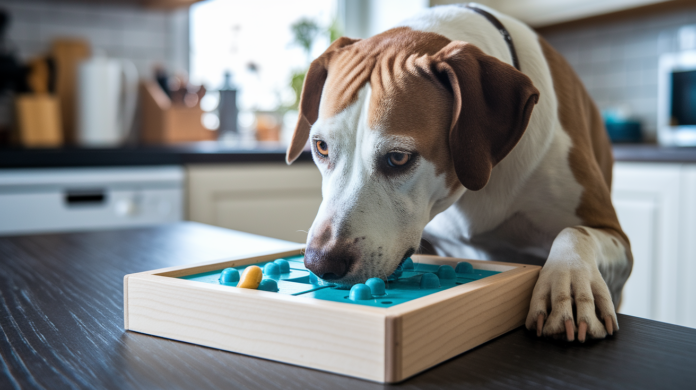

What if letting your dog or cat “inhale” their meal is actually hurting them?
Interactive feeders turn eating into a game that slows fast eaters and makes mealtime mentally rewarding.
Instead of finishing in under two minutes, many pets now work for 8–20 minutes using puzzles, snuffle mats, or treat-dispensing toys.
We’ll show how that extra brain work lowers choking and bloating risk, curbs boredom and destructive behavior, and helps with portion control so your pet stays healthier and calmer.
Core Interactive Feeder Benefits Explained
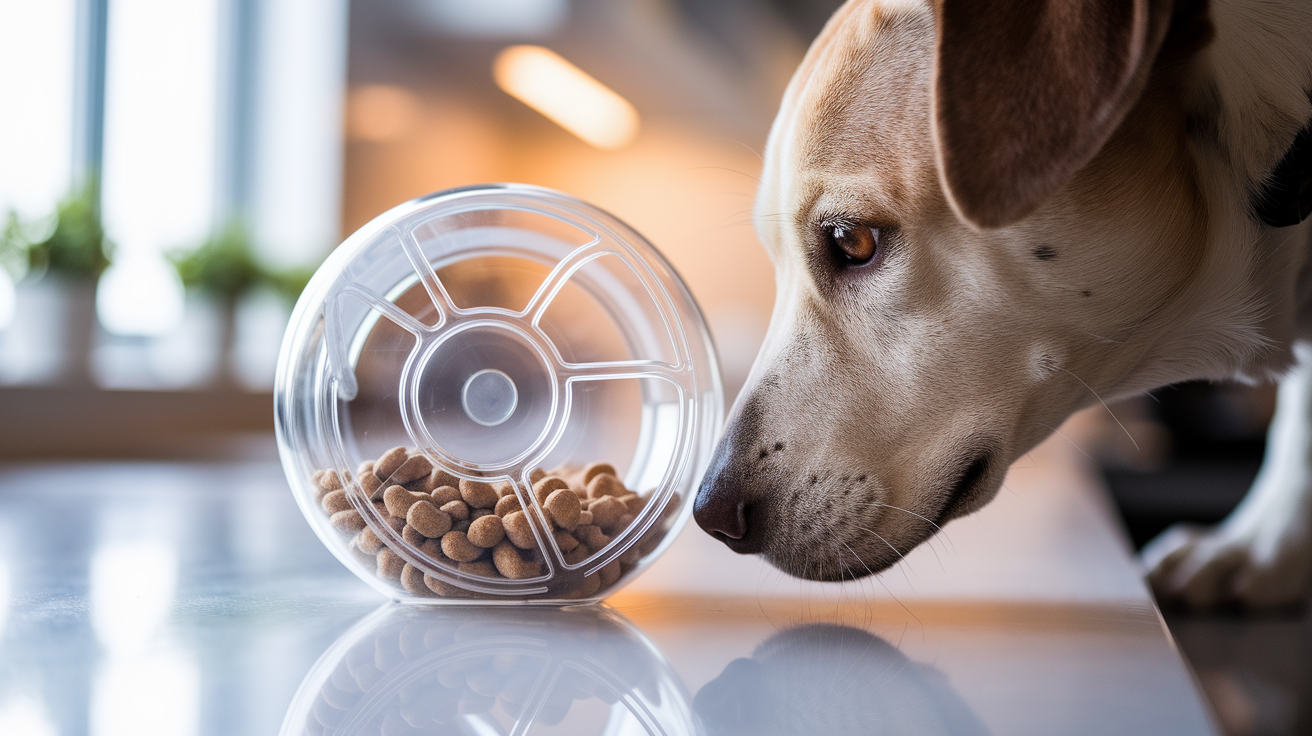
Interactive feeders turn mealtime into something pets actually have to think about. Instead of inhaling food in under two minutes, your dog or cat works through puzzles, mazes, or scent challenges that stretch eating time to 8–20 minutes or more. This taps into natural foraging and hunting instincts while delivering real improvements in behavior, digestion, and weight control.
The appeal is pretty straightforward: these feeders slow down rapid eaters, reduce boredom, and get pets problem solving. Vets and behaviorists recommend them for pets that scarf meals, struggle with weight, or show anxiety and destructive behavior when left alone. A slow-feed bowl can cut gulping speed by three to ten times. Puzzle feeders and treat-dispensing toys add layers of cognitive challenge that keep pets busy for longer stretches.
Beyond enrichment, interactive feeders support everyday health goals. Slower eating reduces choking, regurgitation, and bloating risk, especially in deep-chested dogs. Portion-controlled puzzles and programmable feeders help you measure calories accurately and spread meals across multiple sessions, making weight loss or maintenance plans easier to follow. Mealtime starts to feel less like a chore and more like a rewarding activity for your pet.
Key advantages:
- Slows rapid eating and reduces choking or regurgitation risk
- Provides mental stimulation through problem solving and scent work
- Decreases boredom behaviors like excessive barking or destructive chewing
- Supports portion control and measurable calorie management
- Encourages natural foraging and hunting instincts in dogs and cats
- Extends mealtime engagement from minutes to 20+ minutes depending on feeder type
Interactive feeders fit into most households without major schedule changes. Fill the device with your pet’s usual kibble or treats, set the difficulty level to match their skill, and let them work for their meal once or twice a day. Over time, you’ll probably notice calmer post-meal behavior, reduced counter surfing or begging, and a more satisfied, mentally tired pet.
Types of Interactive Feeders and Their Specific Benefits
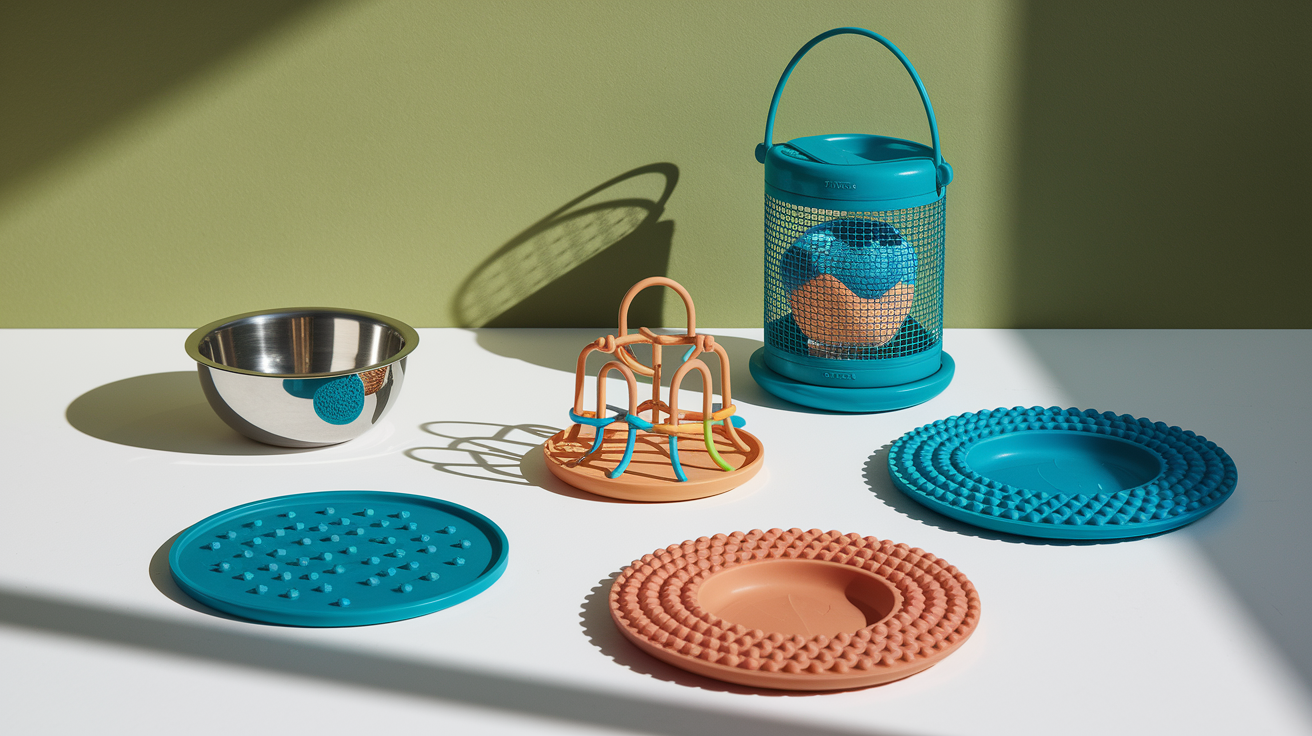
Interactive feeders come in several formats, each addressing different feeding challenges and enrichment needs. Some slow down rapid eaters with simple maze structures, while others require complex problem solving or active movement. Matching the right type to your pet’s eating style, energy level, and cognitive ability ensures the feeder delivers both behavioral and health benefits without frustration.
Slow-Feed Bowls
Slow-feed bowls feature raised ridges, spirals, or maze patterns that force pets to eat around obstacles instead of gulping straight from an open dish. These designs can slow ingestion by three to ten times compared to a traditional bowl, turning a one-minute meal into a five to ten minute session. They’re especially helpful for dogs and cats that gulp air along with their food, reducing regurgitation and bloating risk. Most slow-feed bowls are dishwasher safe and cost between $10 and $30, making them an affordable first step for fast eaters.
Puzzle Feeders
Puzzle feeders use compartments, sliding panels, or flip-top lids to hide kibble or treats. Pets must push, paw, or nudge pieces to reveal food, which engages analytical thinking and problem solving skills. Typical puzzle feeders hold one to two cups of kibble and can occupy a dog or cat for 10–30 minutes per session. Difficulty levels are often adjustable, so you can increase complexity every few weeks to maintain novelty. Prices range from $15 to $60, with more advanced models offering multiple challenge tiers in a single device.
Treat-Dispensing Toys
Treat-dispensing balls, wobbler toys, and rolling feeders release small amounts of kibble or treats as pets bat, roll, or carry the toy. These devices combine physical activity with feeding, encouraging movement and calorie burn while pets work for their meal. Most hold one to four tablespoons of food per session and work well for high-energy dogs or cats that benefit from active play. Prices typically fall between $5 and $40, and many are made from durable rubber or hard plastic that withstands chewing and tossing.
Snuffle Mats & Lick Mats
Snuffle mats mimic grass or fabric strips where you scatter kibble, encouraging dogs and cats to use their nose and paws to forage. This taps into natural scent-driven hunting behaviors and can extend a quarter-cup meal into a 5–20 minute activity. Lick mats feature textured surfaces designed for spreadable foods like plain yogurt, wet food, or pureed pumpkin. The repetitive licking action has a calming effect, making lick mats useful for anxious pets during grooming, vet visits, or fireworks. Snuffle mats cost $8–$30, and lick mats run $6–$25.
| Feeder Type | Typical Portion Size | Typical Benefit |
|---|---|---|
| Slow-feed bowl | 1–2 cups kibble | Slows gulping 3–10x, reduces regurgitation |
| Puzzle feeder | 1–2 cups kibble/treats | Mental challenge, problem solving, 10–30 min engagement |
| Treat-dispensing toy | 1–4 tablespoons | Physical activity, rolling play, calorie burn |
| Snuffle mat | 1/4–1 cup kibble | Scent-driven foraging, natural hunting behavior |
| Lick mat | 1–3 tablespoons spreadable food | Calming repetitive licking, stress relief |
Interactive Feeder Benefits for Digestion and Eating Pace
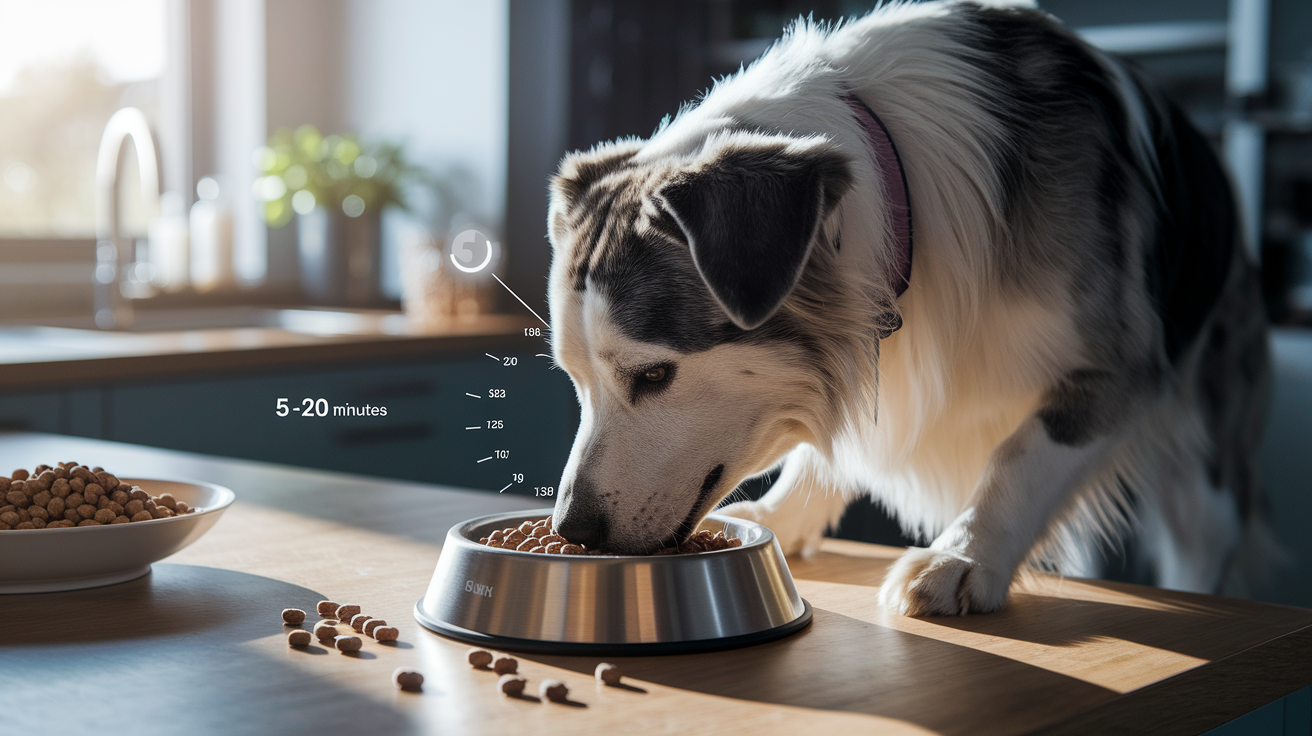
Fast eaters face a range of digestive risks that slow feeders can help prevent. When pets gulp food in under two minutes, they swallow large amounts of air along with kibble, increasing the chance of regurgitation, vomiting, and bloating. Deep-chested dog breeds are especially vulnerable to gastric dilatation-volvulus (GDV), a life-threatening condition where the stomach twists after rapid eating or drinking. Slowing intake gives the stomach time to process food in smaller, manageable portions and reduces air swallowing.
Interactive feeders extend eating time from one or two minutes to 5–20 minutes depending on design and difficulty. Snuffle mats and puzzle feeders force pets to take smaller bites and pause between mouthfuls, which supports better nutrient absorption and steadier digestion. Slower eating also signals fullness more effectively, as the brain has time to register satiety before the bowl is empty. This can reduce begging, counter surfing, and scavenging behaviors after meals.
Common symptoms caused by rapid eating:
- Regurgitation or vomiting shortly after meals
- Audible gulping, choking sounds, or coughing while eating
- Bloated, distended abdomen after feeding
- Excessive drooling or gagging during meals
- Restlessness or discomfort immediately post-meal
In the wild, dogs and cats don’t encounter piles of food in open bowls. They hunt, scavenge, and forage throughout the day, consuming small amounts in multiple sessions. Interactive feeders mimic this natural eating pattern by spreading a single meal across extended time or multiple puzzle sessions. This aligns with your pet’s evolutionary behavior, making mealtime feel less like a race and more like a satisfying, instinct-driven activity.
Behavioral and Mental Enrichment Benefits of Interactive Feeding
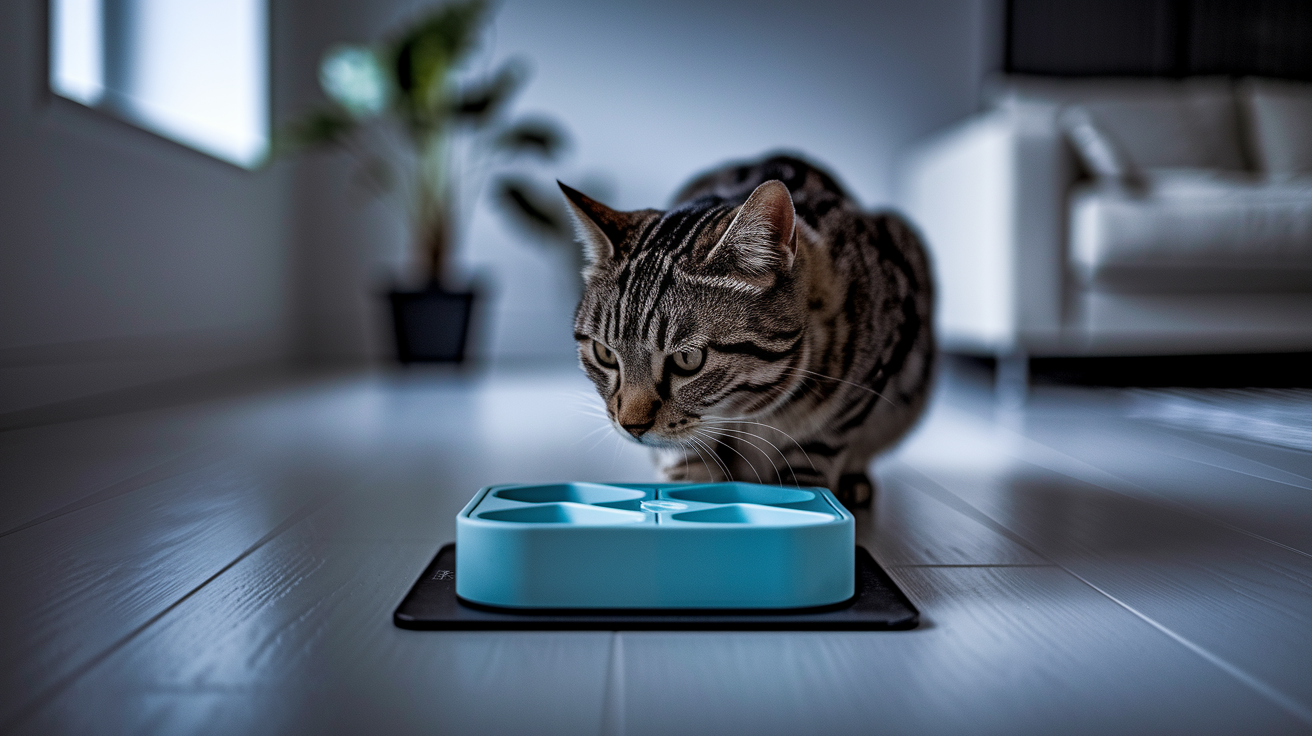
Interactive feeders provide cognitive stimulation that reduces boredom and prevents the behavioral problems that follow. Pets left alone for hours with nothing to do often turn to destructive chewing, excessive barking, or repetitive pacing. A puzzle feeder or snuffle mat can occupy a dog or cat for 10–60 minutes per session, channeling mental energy into problem solving instead of frustration. This is especially valuable for high-energy breeds, working dogs, or indoor cats that lack regular hunting opportunities.
Mental engagement through feeding taps into natural instincts. Dogs evolved to scavenge and forage, while cats are wired to hunt multiple small prey throughout the day. Interactive feeders let pets express these behaviors in a controlled, safe environment. Over time, you’ll notice calmer post-meal behavior, reduced anxiety during alone time, and less fixation on doors, windows, or other triggers. Increasing puzzle difficulty every one to two weeks maintains novelty and prevents pets from losing interest.
The cognitive benefits extend to senior pets as well. Older dogs and cats can experience cognitive decline, leading to confusion, disrupted sleep, and increased anxiety. Regular mental challenges through interactive feeding help keep their minds active and engaged, potentially slowing the progression of age-related changes. Even a simple slow-feed bowl offers more mental stimulation than a traditional dish, making it a low-effort addition to senior pet routines.
Reducing Anxiety and Destructive Behaviors
Interactive feeders redirect anxious or bored pets away from problem behaviors by giving them a productive task. When a dog spends 20 minutes working through a puzzle feeder, that’s 20 minutes not spent chewing furniture, barking at passersby, or pacing near the door. The focus required to extract food creates a calming, meditative effect similar to the satisfaction pets get from chewing or licking. Lick mats are particularly effective during stressful events like thunderstorms, grooming sessions, or nail trims, offering a distraction that soothes without adding calories.
Typical behavior improvements you might notice within 3–14 days:
- Reduced excessive barking or whining when left alone
- Less destructive chewing on furniture, shoes, or household items
- Calmer demeanor after meals, less begging or counter surfing
- Decreased pacing, circling, or repetitive door watching
- Improved focus and willingness to settle in one spot post-feeding
Weight Management and Calorie Control Using Interactive Feeders

Interactive feeders support weight management by making portion control easier and extending the satisfaction of each meal. When pets eat slowly and work for their food, they feel fuller on the same number of calories. This reduces begging between meals and helps you stick to measured portions without constant pressure from a hungry pet. Many vets recommend spreading daily calories across two to six smaller feedings using puzzles or automatic feeders, which keeps metabolism steady and prevents the energy crashes that follow large single meals.
Typical weight loss plans under veterinary supervision involve reducing daily calorie intake by 10–20% and increasing physical activity. Interactive feeders fit naturally into this. A treat-dispensing ball encourages movement while delivering kibble, combining exercise with feeding. Puzzle feeders slow consumption, giving the brain time to register fullness before the portion is gone. Automatic feeders can dispense 10–100+ gram portions on programmable schedules, ensuring consistent meal timing even when you have variable work hours.
Accurate measurement is critical for weight control, and interactive feeders make it easier to portion exactly what your pet should eat each day. Instead of free-feeding from a large bowl, you fill the puzzle or dispenser with a pre-measured amount based on your pet’s weight, age, and activity level. This removes guesswork and prevents accidental overfeeding. Paired with regular weigh-ins, this supports gradual, sustainable weight loss or maintenance.
| Feeding Method | Portion Control | Eating Duration | Weight Management Support |
|---|---|---|---|
| Traditional bowl | Owner estimates or free-feeds | 1–2 minutes | Low, easy to overfeed or gulp |
| Slow-feed bowl | Measured portions, no overfilling | 5–10 minutes | Moderate, slows intake, reduces gulping |
| Puzzle feeder | Pre-portioned, hidden in compartments | 10–30 minutes | High, extends satisfaction, reduces begging |
| Automatic feeder | Programmable portions, timed release | Scheduled intervals | High, consistent timing, prevents free-feeding |
Work with your vet to calculate your pet’s daily calorie needs and adjust portions as weight changes. Interactive feeders are tools, not magic solutions, and they work best when paired with a complete plan that includes regular exercise, consistent meal timing, and periodic weight checks.
Choosing the Right Interactive Feeder for Your Pet
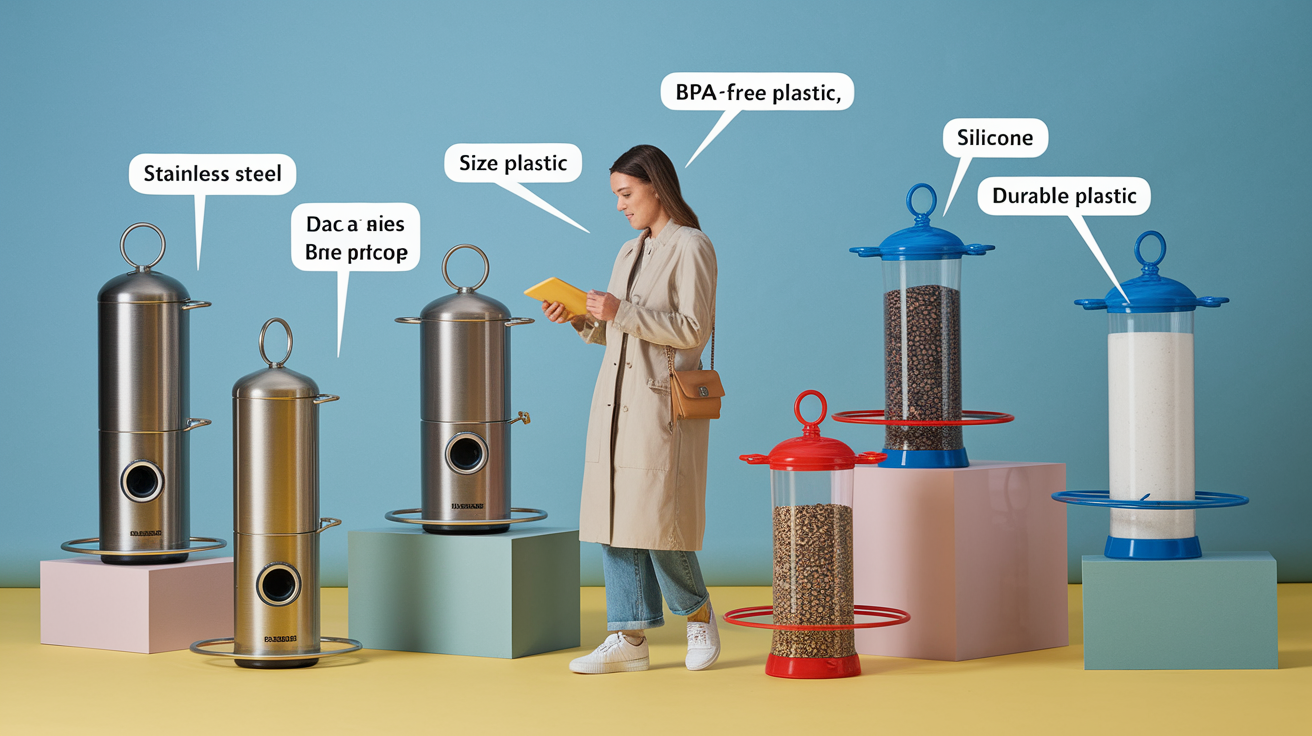
Selecting the right interactive feeder depends on your pet’s size, eating style, and skill level. A small dog or cat needs a feeder with compartments they can reach without frustration, while a large, strong chewer requires durable materials that won’t crack or splinter. Start by observing how your pet eats now. If they gulp food in under a minute, a slow-feed bowl or simple puzzle is a good first step. If they’re already curious and enjoy exploring, a more advanced puzzle feeder will keep them engaged longer.
Material choice affects safety, lifespan, and ease of cleaning. Dishwasher safe options save time and ensure thorough sanitation, which matters when food residue can harbor bacteria. BPA-free plastic is lightweight and affordable, but heavy chewers may damage it within months. Food-grade silicone is flexible, durable, and gentle on teeth, making it ideal for lick mats and softer puzzle pieces. Stainless steel is the most durable and hygienic option, especially for slow-feed bowls, but it’s heavier and more expensive. Replace any feeder showing cracks, sharp edges, or missing pieces to prevent choking or ingestion hazards.
Key selection factors checklist:
- Appropriate size for your pet’s daily portion (1/2 cup to 2+ cups depending on pet size)
- Adjustable difficulty levels to grow with your pet’s skill
- Non-toxic, dishwasher safe materials (BPA-free plastic, silicone, stainless steel)
- Anti-slip base or grip pads to prevent sliding during use
- Chew-resistant construction if your pet is a strong chewer
- Clear cleaning instructions and no hard-to-reach crevices that trap food
Material and Durability Considerations
Lifespan varies widely by material and how your pet interacts with the feeder. Stainless steel slow-feed bowls can last five or more years with minimal wear, while soft rubber treat-dispensing toys may need replacement every 3–12 months if your dog is an aggressive chewer. Silicone lick mats hold up well to daily use and dishwasher cycles, often lasting one to three years before showing significant wear. BPA-free plastic puzzles fall somewhere in the middle, typically lasting six months to two years depending on chewing habits and sun exposure, which can make plastic brittle over time. Inspect feeders regularly for cracks, loose parts, or sharp edges, and replace them promptly to keep your pet safe.
Introducing Interactive Feeders: Transition and Training Tips
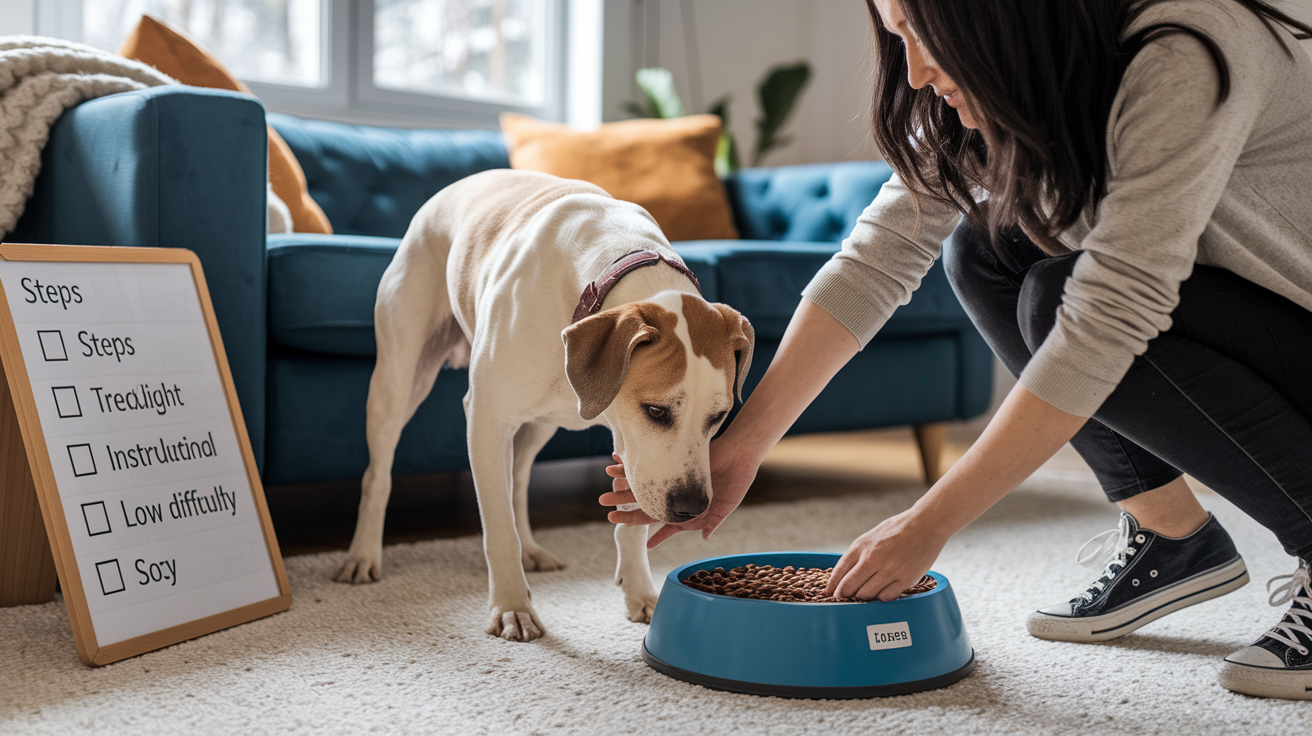
Most pets adapt to interactive feeders within 3–10 days, but a gradual introduction reduces frustration and builds confidence. Start by placing a small portion of kibble in the feeder while keeping part of the meal in their regular bowl. Let your pet explore the new device without pressure, rewarding curiosity with praise or a treat. Once they understand that food comes from the puzzle or slow-feed bowl, gradually shift more of the meal into the interactive feeder until it becomes the primary feeding method.
Begin with the easiest difficulty setting or the simplest feeder type. If you’re using a puzzle feeder with adjustable compartments, leave some slots open so your pet experiences quick success. For treat-dispensing balls, choose a larger opening size initially so kibble falls out with minimal effort. Monitor how long it takes your pet to finish the meal. If they seem stressed, back up a step and make the task easier. Eating should feel rewarding, not like an impossible challenge.
Watch stool consistency and eating duration during the first week. A sudden switch to slower eating can sometimes cause temporary digestive changes as the stomach adjusts to smaller, more frequent intake. If your pet shows signs of frustration, like pawing aggressively, whining, or walking away from the feeder, simplify the task or hand-feed a few pieces to demonstrate how the device works. Patience during this phase sets the foundation for long-term success.
Five steps to introduce a new interactive feeder:
- Fill the feeder with a small portion (1/4 of the meal) and place it next to the regular bowl.
- Let your pet investigate and eat from both the feeder and the bowl without interference.
- Gradually increase the feeder portion while decreasing the bowl portion over 3–5 days.
- Once your pet is comfortable, increase difficulty by closing compartments or reducing treat-dispenser openings.
- Monitor eating time and adjust difficulty every few days to maintain engagement without frustration.
For hesitant or anxious pets, use the feeder as part of positive reinforcement training. Place high-value treats in the puzzle, let them succeed quickly, then offer praise and affection. Pair feeder time with calm, happy moments so your pet associates the device with rewards rather than stress. Over time, this builds confidence and turns mealtime into an activity they look forward to.
Safety Considerations and Veterinary Insights on Interactive Feeder Benefits

Vets and behaviorists regularly recommend slow feeders and puzzle devices for pets that gulp meals, show signs of boredom, or struggle with weight control. The rationale is straightforward: slowing intake reduces choking and regurgitation, while mental engagement decreases anxiety-driven behaviors. Many vet clinics now stock or recommend specific feeder brands as part of routine wellness discussions, especially for fast eaters, overweight pets, and high-energy dogs that benefit from cognitive challenges.
But interactive feeders aren’t suitable for every pet or situation. Dogs and cats with severe dental disease, missing teeth, or painful gums may struggle to manipulate puzzle pieces or navigate maze bowls. Pets with dysphagia (swallowing difficulty) or a history of frequent vomiting should be evaluated by a vet before switching to a new feeding method. Deep-chested breeds at risk for gastric dilatation-volvulus (GDV) benefit from slower eating, but you should also avoid vigorous exercise immediately before or after meals and consult your vet about breed-specific feeding protocols.
Multi-pet households require extra supervision during interactive feeding. Resource guarding can escalate when one pet perceives another as a threat to their puzzle or slow-feed bowl. Feed pets in separate rooms or use multiple devices to ensure each animal has access to their full portion without competition. Automatic feeders with portion control can help by delivering meals on individual schedules, reducing tension around feeding time.
When Interactive Feeders Are Not Recommended
Interactive feeders should be avoided or modified for pets with certain medical or behavioral conditions. Animals with acute gastrointestinal issues, uncontrolled vomiting, or severe dental pain need veterinary treatment first, not a new feeding device. Pets with severe food guarding or aggression toward people during meals require behavior modification with a certified trainer before introducing puzzles that could increase stress. Very young puppies and kittens may lack the coordination or understanding to use complex feeders, so start with simple slow-feed bowls and progress as they mature.
Five common mistakes to avoid:
- Choosing a feeder that’s too difficult for the pet’s current skill level, leading to frustration and meal refusal
- Skipping the gradual transition and switching cold to a complex puzzle, which can stress anxious pets
- Failing to clean the feeder regularly, allowing bacteria and mold to build up in crevices
- Using interactive feeders with food-aggressive pets in shared spaces without supervision
- Ignoring signs of wear like cracks or loose parts, which create choking or ingestion hazards
Interactive Feeders vs Traditional Bowls: A Practical Comparison
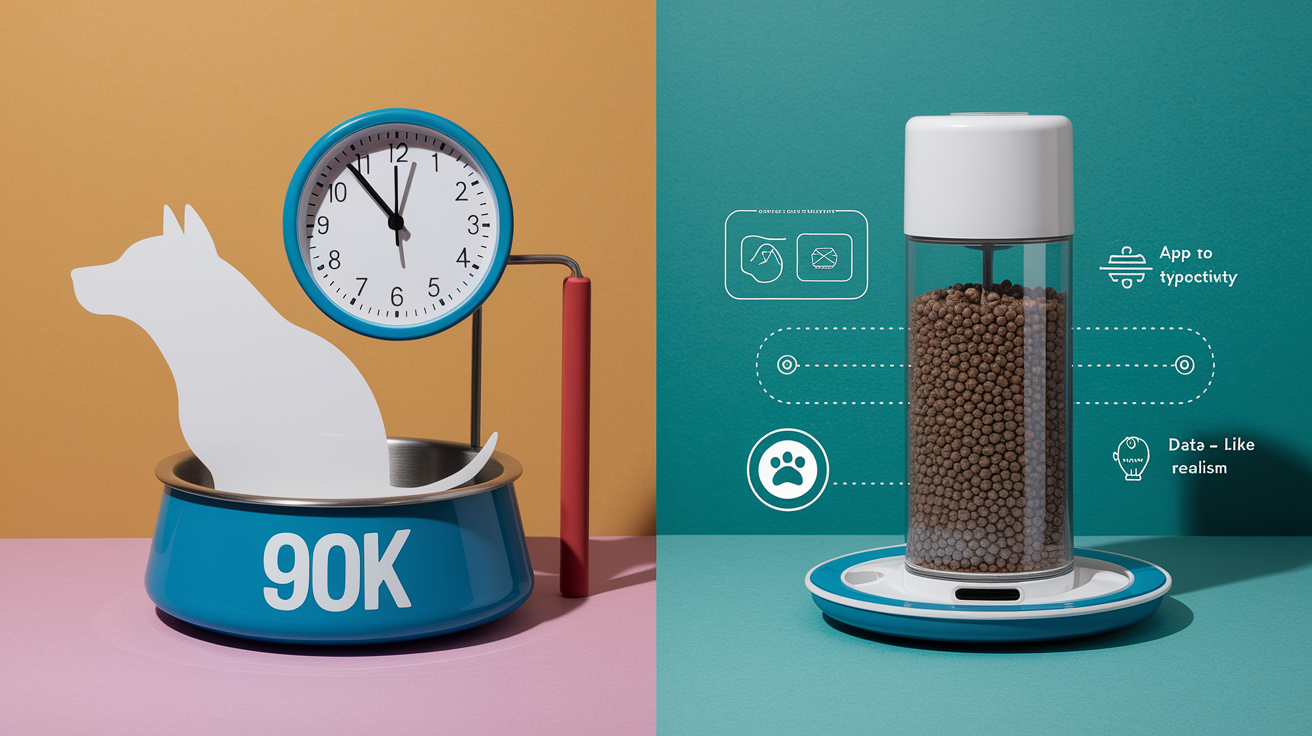
Traditional bowls offer convenience and speed but deliver almost no mental or behavioral enrichment. A dog or cat can empty a standard dish in one to two minutes, gulping food with minimal chewing and zero problem solving. This works for some pets, especially those with medical conditions requiring easy access to food, but it misses opportunities to slow rapid eaters, reduce boredom, and support weight control. For most healthy pets, the trade-off between a few extra minutes of prep time and measurable behavior and health improvements favors interactive feeders.
Interactive feeders extend mealtime, encourage movement, and provide cognitive stimulation that traditional bowls can’t match. A slow-feed bowl turns a 90-second meal into a five to ten minute session with no additional effort beyond choosing the right design. Puzzle feeders and treat-dispensing toys require slightly more setup, filling compartments or adjusting difficulty, but the payoff includes reduced destructive behaviors, calmer post-meal energy, and better portion control. Smart feeders add scheduling and tracking features, making it easier to maintain consistent meal timing and monitor intake over days or weeks.
| Type | Typical Cost | Benefits | Best For |
|---|---|---|---|
| Traditional bowl | $5–$20 | Quick feeding, easy cleaning, no learning curve | Pets with dental issues, senior pets with mobility limits, or medical conditions requiring easy food access |
| Slow-feed bowl | $10–$30 | Slows gulping 3–10x, reduces regurgitation, minimal setup | Fast eaters, pets prone to choking, dogs at GDV risk |
| Puzzle feeder | $15–$60 | Mental challenge, 10–30 min engagement, adjustable difficulty | Bored pets, high-energy dogs, indoor cats needing enrichment |
| Automatic/smart feeder | $50–$250 | Programmable portions, consistent timing, app tracking, portion control | Weight management, multi-pet homes, owners with variable schedules |
Cost-effectiveness depends on your goals and your pet’s needs. A $10 slow-feed bowl can solve rapid eating and reduce vet visits for regurgitation or choking, paying for itself quickly. A $60 puzzle feeder offers years of mental enrichment and behavioral benefits, especially for anxious or destructive pets. High-end automatic feeders make sense for households managing multiple pets, strict weight-loss plans, or unpredictable work schedules where consistent meal timing matters. Start with a simple, affordable option and upgrade based on what works for your pet and routine.
Final Words
In the action, interactive feeders turn rushed bowl time into a slower, more engaging routine that supports digestion, mental stimulation, and better portion control.
This post covered feeder types, digestion and behavior gains, weight-management uses, buying tips, safe transition steps, and when to check with your vet.
Try one slowly—start easy, watch stool and eating time, and adjust size or difficulty. You’ll likely see interactive feeder benefits in daily meals and enjoy calmer, more curious pets.
FAQ
Q: What is the 7 7 7 rule for dogs?
A: The 7 7 7 rule for dogs is a simple training guideline some trainers use to break learning into short, repeated steps—like seven-minute or seven-repetition sessions repeated across days to build skills without overwhelm.
Q: What are the benefits of using feeders?
A: The benefits of using feeders are slower eating, mental stimulation, reduced gulping or choking risk, support for portion control and weight management, and fewer boredom-driven behaviors like chewing or barking.
Q: How long does 1 hour feel to a dog?
A: One hour can feel much longer or shorter to a dog depending on activity and routine; dogs sense time by cues like feeding schedules, smells, light, and your presence rather than by a clock.
Q: What are the 4 types of feeders?
A: The four types of feeders are slow-feed bowls, puzzle feeders, treat-dispensing toys, and snuffle mats/lick mats, each designed to slow eating or boost foraging and mental enrichment in different ways.