

What if sniffing was the best training you could give your dog?
Not an overstatement.
Nose work taps your dog’s natural hunting nose.
It builds focus, calms anxiety, and boosts confidence fast.
You can do it indoors with simple, low-cost gear.
It tires them out more than a long walk.
This post shows quick starts, easy equipment, and short practice sessions you can use today to make your dog more confident and curious.
Perfect for puppies, seniors, anxious dogs, and high-energy breeds.
Core Overview of Canine Scent Work and Its Primary Benefits
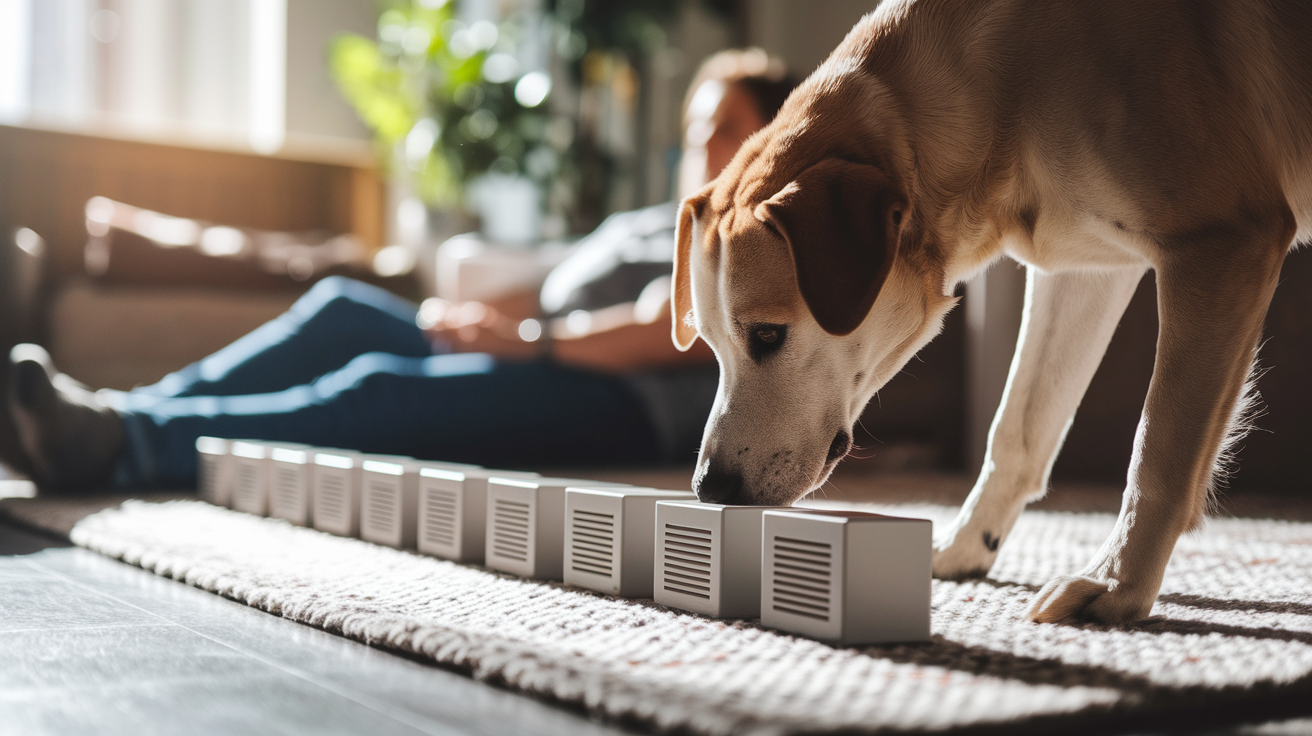
Nose work is a recreational scent game that taps into your dog’s natural hunting instincts. It’s not professional detection training. It’s enrichment that you can set up indoors, doesn’t need much space, and mentally exhausts your dog faster than a long walk. Your dog uses their nose to find hidden rewards or specific scents, and the search itself becomes the game. The activity builds confidence, sharpens focus, and gives your dog a way to sniff that doesn’t involve the trash can or whatever died under the deck.
This works for nearly every dog. Puppies, seniors, anxious dogs, reactive dogs, high-energy herders, lazy hounds, dogs recovering from surgery. Fearful dogs gain independence because they’re working alone without you hovering. Reactive dogs stay engaged because the game redirects all that intensity toward problem solving instead of losing it over the neighbor’s cat. Dogs with mobility limits can search from a short distance or even while sitting. The mental effort often tires a dog faster than physical exercise, which is perfect when weather, health, or your schedule limits outdoor time.
Beginner sessions run short. Most dogs hunt 3 to 4 times during a one-hour class, with each search lasting up to 5 minutes. At home, you might run 3 or 4 searches and call it done. The goal is keeping your dog eager and successful, not frustrated. Short, high-value repetition builds the scent-to-reward connection without burning out their enthusiasm.
Getting Started: Foundational Nose Work Training for Beginners

First step is figuring out what your dog loves. A specific treat, a toy, or both. Motivation matters more than anything else. If your dog loses their mind over freeze-dried liver, use that. If a squeaky ball makes them forget their own name, hide the ball. Food tends to be easier for beginners because it’s fast to deliver and doesn’t need retrieval or tug breaks, but both work. Save the high-value motivator just for nose work so it stays special.
Work in a secure, enclosed area so you can practice off-leash without worrying about your dog wandering off or getting distracted. If you’re training solo, restrain or back-tie your dog so they can’t follow you during setup. Grab 5 or 6 cheap cardboard boxes. Shoe boxes, shipping boxes, storage containers. Pretend to hide the reward in the same box each round, but move that loaded box to a different spot in the array every time. This shell-game approach keeps your dog from memorizing a visual pattern and forces them to actually use their nose.
Mix up the boxes while your dog is restrained so they can’t watch the hide go down. Don’t point, don’t stare at the loaded box, don’t guide your dog toward it. If your dog seems reluctant to search, casually stroll past the other boxes or pretend to inspect an empty one. Your nonchalance often encourages them to explore. The second your dog shows any interest in the loaded box (a sniff, a pause, a head tilt) run to the box and reward right there. Deliver the food or play with the toy directly at the box, not after your dog walks away. Keep obedience commands to a minimum. The goal is building desire to search, not practicing a sit-stay.
Step-by-step first training sequence:
- Restrain or back-tie your dog in a secure area where they can see you but can’t follow during box setup.
- Place 5 to 6 boxes in a loose arrangement and hide the reward in one box, keeping it the same box each session but moving its location within the group.
- Mix the boxes visually by shuffling their positions while your dog waits so they can’t rely on watching the hide.
- Release your dog and let them search independently without pointing, guiding, or giving commands.
- The instant your dog shows interest in the loaded box, run to the box and reward immediately at the source with high-value food or enthusiastic toy play.
- Keep each search short (under 5 minutes) and limit sessions to 3 or 4 searches to maintain excitement.
If your dog rushes past all the boxes or seems overwhelmed, reduce the number to 3 and make the hide more obvious. If your dog is overly excited and knocking boxes everywhere, that’s normal at first. Let them settle into the rhythm before adding complexity. Early success matters more than perfect manners.
Essential Equipment for Nose Work Practices at Home
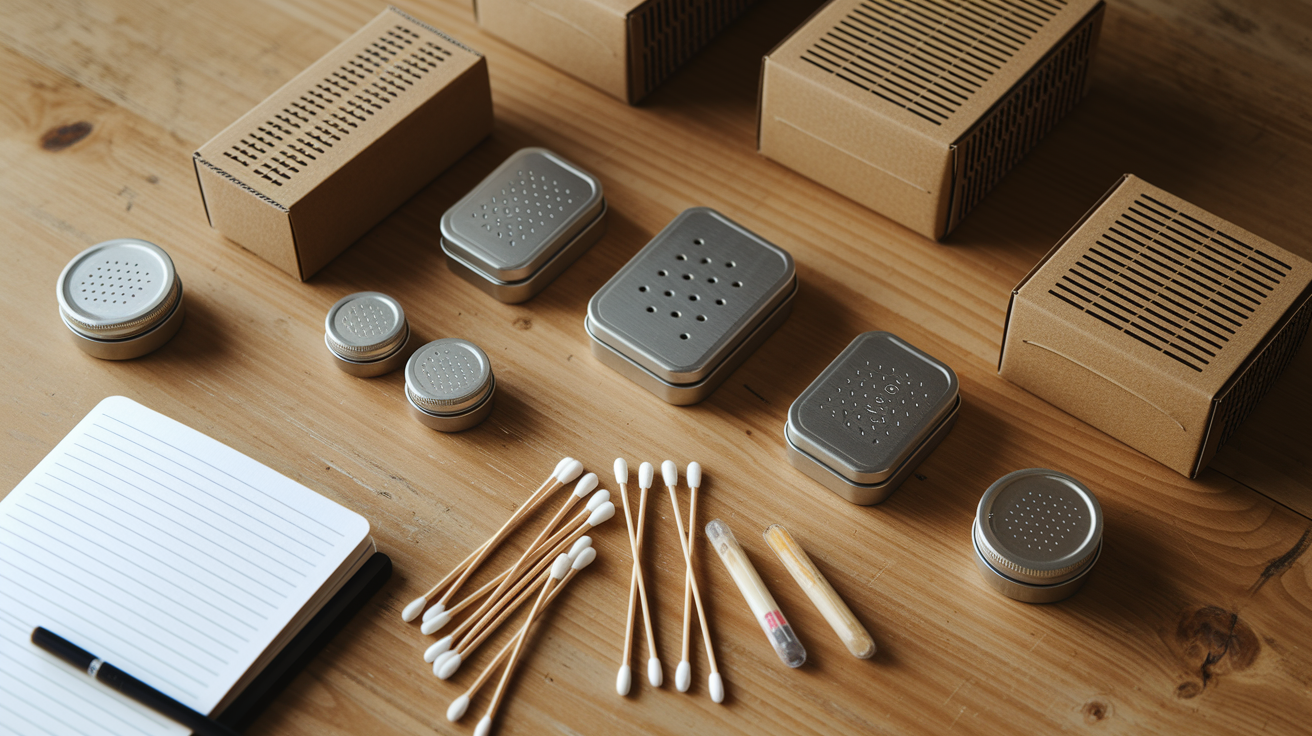
You don’t need expensive gear to start. Cardboard boxes are the foundation. Use shipping boxes, shoe boxes, even cereal boxes. The key is ventilation: containers should let scent escape while keeping the reward or odor source contained. Flower pots, Tupperware with small holes punched in the lids, plastic storage bins all work. If you buy matching boxes, mark the loaded one with a subtle dot or symbol so you can identify it quickly during setup without your dog watching.
When you’re ready to introduce formal scents instead of food or toys, you’ll want ventilated metal tins designed for nose work and a scent kit. The AKC Scent Work Kit includes birch, anise, clove, and cypress essential oils. The Hide & Scent kit is more play-focused and beginner-friendly. Nose work tins come in 10, 12, or 18-pack sets and feature small ventilation holes that release scent without letting your dog access the oil directly. The Nosey Nose Nosework Games Kit offers another structured starter option. Store scent materials in airtight containers when not in use to preserve potency and avoid accidentally contaminating your training space.
Essential items beginners should own:
- 5 to 6 cardboard boxes or other ventilated containers in varied sizes for hide rotation and visual variety
- Metal nose work tins with ventilation holes to hold scent sources safely and allow odor dispersal
- Beginner scent kit with birch, anise, and clove essential oils plus cotton swabs or scent absorption pads
- High-value treats reserved just for nose work, like hot dogs, freeze-dried liver, or soft training treats
- Airtight storage containers to keep scent materials fresh and prevent cross-contamination between sessions
Introducing Birch, Anise, and Clove in Recreational Scent Training
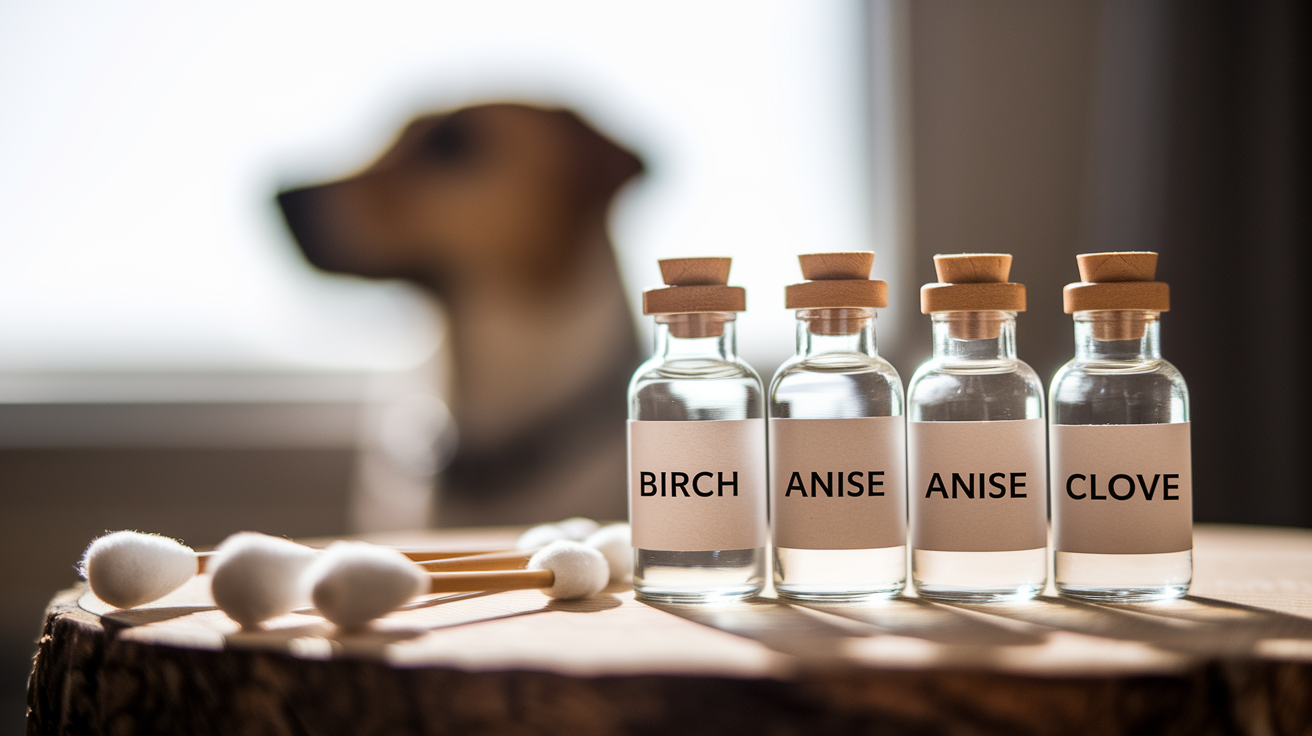
The three most widely used nose work scents are birch, anise, and clove. The National Association of Canine Scent Work uses only these three in competition. The American Kennel Club adds cypress as a fourth option. Birch is almost always taught first because it’s the entry-level odor in most competitive frameworks and has a clean, distinct scent profile that dogs pick up easily. You’ll introduce one scent at a time, pairing it heavily with rewards until your dog associates the odor itself with good things, independent of food or toy presence.
Safe odor handling is critical. Never let your dog touch concentrated essential oils. Place one drop of oil onto a cotton swab, then tuck the swab inside a ventilated tin or small breathable pouch. The tin allows scent to escape while keeping the oil contained. Dogs with asthma, respiratory sensitivities, or certain health conditions may react to strong scents. If your dog has any breathing issues, check with your vet before using essential oils. Always work in well-ventilated spaces and store oils in dark, airtight bottles away from heat and light.
Scent longevity depends on airflow, container type, and environmental conditions. A single drop on a cotton swab can remain detectable to your dog for days or even weeks if stored properly. Replace scent sources when you notice your dog taking longer to find hides or showing less excitement at the source. Prevent contamination by keeping scent tins separate from food rewards, washing your hands between handling oils and touching your dog, and cleaning search areas between sessions if you’ve been working with treats.
Indoor and Container Search Techniques for Home Practice

Container searches form the foundation of competitive nose work and the easiest starting point at home. Set up 4 to 6 identical or similar boxes in a row, cluster, or loose grid on the floor. Hide the scent tin or treat in one box and leave the others empty. Release your dog and let them work the line without guidance. The first few sessions, keep all boxes scented or baited so your dog learns that investigating boxes always pays off. Gradually start leaving one box empty, then two, then more, until only one or two boxes in the array hold a hide.
As your dog gains confidence, increase difficulty by changing hide placement. Tuck boxes behind furniture legs, under chairs, on low shelves, or inside open cabinets. Add vertical challenges by placing a scented tin on a bookshelf at nose height or inside a cardboard box elevated on a stool. Expand your search area from one small section of a room to multiple rooms, hallways, or spaces with competing household odors like laundry or cooking smells. Reduce the number of hides over time. A single hide in a larger area builds focus and independence.
| Training Focus | Purpose |
|---|---|
| Box rotation and shuffling between rounds | Prevents visual memorization and forces reliance on scent detection instead of location memory |
| Gradual reduction of scented boxes | Builds discrimination skills and teaches the dog to keep searching until they find the target odor |
| Elevation and furniture integration | Introduces vertical scent work and mimics real-world search environments with varied hide heights |
| Expanding search area size | Develops stamina, independence, and confidence in larger or unfamiliar spaces without handler assistance |
Always reward at the source. Run to your dog when they indicate interest and deliver the treat or toy right at the box. If your dog walks away from the hide before you reward, gently guide them back to the box and reward there. This builds a strong association between the scent location and the payoff, which becomes critical as hides get harder and your dog needs to commit to a specific spot instead of wandering the room.
Outdoor Searches: Surfaces, Weather, and Practical Field Tips

Scent behaves differently outdoors. Airflow, temperature, humidity, and surface type all affect how odor disperses and where it pools. On a hot day, scent rises and spreads quickly. On a cold, damp morning, it hugs the ground and lingers in pockets. Grass, gravel, concrete, mulch, and dirt each hold and release scent differently. Your dog may find hides faster on some surfaces and struggle on others, not because they’re confused, but because the scent is moving in ways they’re still learning to read.
Start outdoor training in a controlled space like your backyard or a quiet corner of a park. Use familiar containers (the same boxes or tins your dog knows from indoor work) and place hides in predictable spots at first, like under a patio chair, next to a fence post, or inside a flower pot. Avoid windy days or areas with heavy competing odors (trash cans, grills, animal scent) until your dog has solid odor recognition. Gradually increase difficulty by hiding in tall grass, behind bushes, on low tree branches, or along walking paths where environmental distractions are present.
Watch your dog’s body language closely outdoors. They may zigzag more as they track scent carried by the breeze, or they may slow down and lift their head to catch scent drifting above ground level. Let them problem-solve. If they seem stuck, don’t point or lead them. Wait, stay quiet, and give them time to work it out. Outdoor searches teach your dog to trust their nose even when scent doesn’t behave the way it does inside your living room.
Reward Strategies and Reinforcement Timing During Search Training

The timing and location of your reward determines how quickly your dog learns to commit to a source. Reward must happen at the hide, not three steps away or after your dog walks back to you. If you wait too long or call your dog away from the box before rewarding, they’ll start to think the game is about finding scent and then checking in with you, rather than staying with the source. Run to your dog the second they show interest. Deliver the treat or toy directly at the box. This immediacy builds clarity and confidence.
High-value rewards work best. Turkey hot dogs, boiled chicken, freeze-dried liver, stinky cheese, or your dog’s all-time favorite toy. The reward should be special enough that your dog will push through distractions, fatigue, or frustration to earn it. Some dogs work better for food because it’s fast and doesn’t require a play break. Others need the movement and interaction of a toy reward to stay motivated. You can mix both, but stay consistent within each session so your dog knows what to expect when they find the hide.
Six reward-timing guidelines:
- Choose a reward your dog values above their everyday kibble or toys and reserve it just for scent work sessions
- Keep treat size small (pea-sized or smaller) so your dog can eat quickly and get back to searching without a long chewing break
- Deliver the reward within 1 to 2 seconds of your dog indicating interest in the hide to create a clear scent-equals-reward association
- Always reward at the physical location of the hide, not after your dog walks away or returns to your side
- Shape your dog’s natural alert behavior (some dogs paw, some sit, some freeze and stare) by rewarding the behavior they offer consistently
- Reduce dependency on luring or guiding by letting your dog lead the search and only rewarding independent finds
Some handlers teach a formal alert (a sit, a paw touch, or a bark) at the source. Others rely on their dog’s natural alert behavior and learn to read subtle changes in posture, breathing, or focus. Both approaches work. Early on, focus on building enthusiasm and clear source commitment before worrying about formal alerts.
Progression: Proofing, Distractions, and Advanced Nose Work Challenges

Proofing means teaching your dog that the scent game works the same way no matter where you are or what’s happening around them. A dog who can find birch in your living room might struggle in a friend’s garage, a pet store, or a windy park. Proofing builds generalization. Your dog learns that the rules don’t change even when the environment does. Practice in as many locations as you can: different rooms, other people’s houses, outdoor patios, empty parking lots, quiet trails, big-box hardware stores that allow dogs.
Distractions test your dog’s focus and commitment. Competing odors (cooking smells, other dogs, food left on surfaces) teach your dog to discriminate between target scent and background noise. Airflow from fans, open windows, or HVAC vents moves scent in unpredictable ways and challenges your dog to track drifting odor back to the source. People walking past, doors opening, or other dogs waiting nearby add environmental pressure. Introduce distractions gradually, one variable at a time, so your dog doesn’t get overwhelmed or shut down.
Contamination is one of the easiest ways to accidentally confuse your dog. If you handle treats and then touch scent tins, your dog may alert on food residue instead of the target odor. If you use the same boxes for food hides and scent hides without cleaning them, lingering food smell can create false alerts. Keep your scent training equipment separate from treat containers. Wash your hands between handling food and odor sources. Rotate boxes regularly and clean them if they start to smell like anything other than cardboard.
Five-step progression plan:
- Start in a single room with 4 to 6 boxes and one hide, rewarding every find to build confidence and scent association.
- Reduce the number of scented boxes to one or two while increasing the total number of empty boxes to build discrimination skills.
- Add elevation by placing hides on chairs, shelves, or inside furniture at varying heights to introduce vertical searching.
- Expand to multiple rooms or outdoor areas with low distraction, maintaining clear hides and consistent reward delivery.
- Introduce environmental variables like airflow, competing odors, and new locations to proof the behavior and build real-world reliability.
Body Language, Alert Behavior, and Handler Skill Development
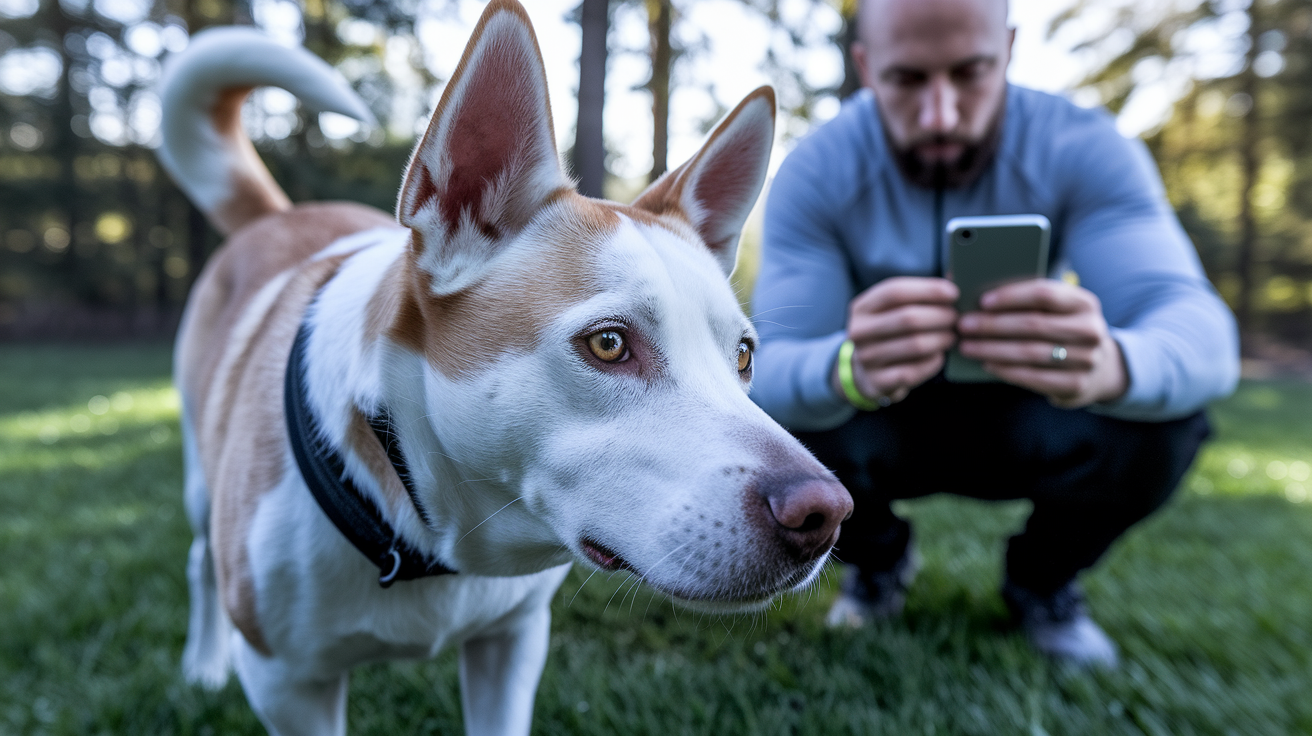
Your dog’s body language tells you when they’re working scent and when they’re just wandering. Look for changes in pace. Most dogs slow down or stop moving when they catch odor. Watch their head position. Lifting the nose to catch airflow or dropping it low to follow ground scent both signal active tracking. Breathing often shifts to short, rapid sniffs when your dog zeros in on a source. Tail position, ear angle, and muscle tension all shift subtly as your dog moves from searching to sourcing.
Frustration signals are just as important to recognize. A dog who keeps returning to you, sits and stares, paces without purpose, or starts sniffing everything except the search area is telling you the task is too hard or the motivation isn’t strong enough. Reset the session by making the hide easier, increasing reward value, or taking a break. Pushing through frustration teaches your dog that scent work is stressful instead of fun, which kills long-term motivation and confidence.
Video recording is one of the best tools for improving your handling skills. Set up your phone on a shelf or tripod and record your dog’s search from start to finish. Watch for the moment your dog’s behavior changes. That’s often earlier than you think. Notice if you’re leaning toward the hide, staring at it, or unconsciously guiding your dog with your body position. Handlers make mistakes, and video catches them. The goal is learning to read your dog’s signals in real time and trust their nose more than your own assumptions about where the hide is.
Games and Enrichment Activities That Build Scenting Skills
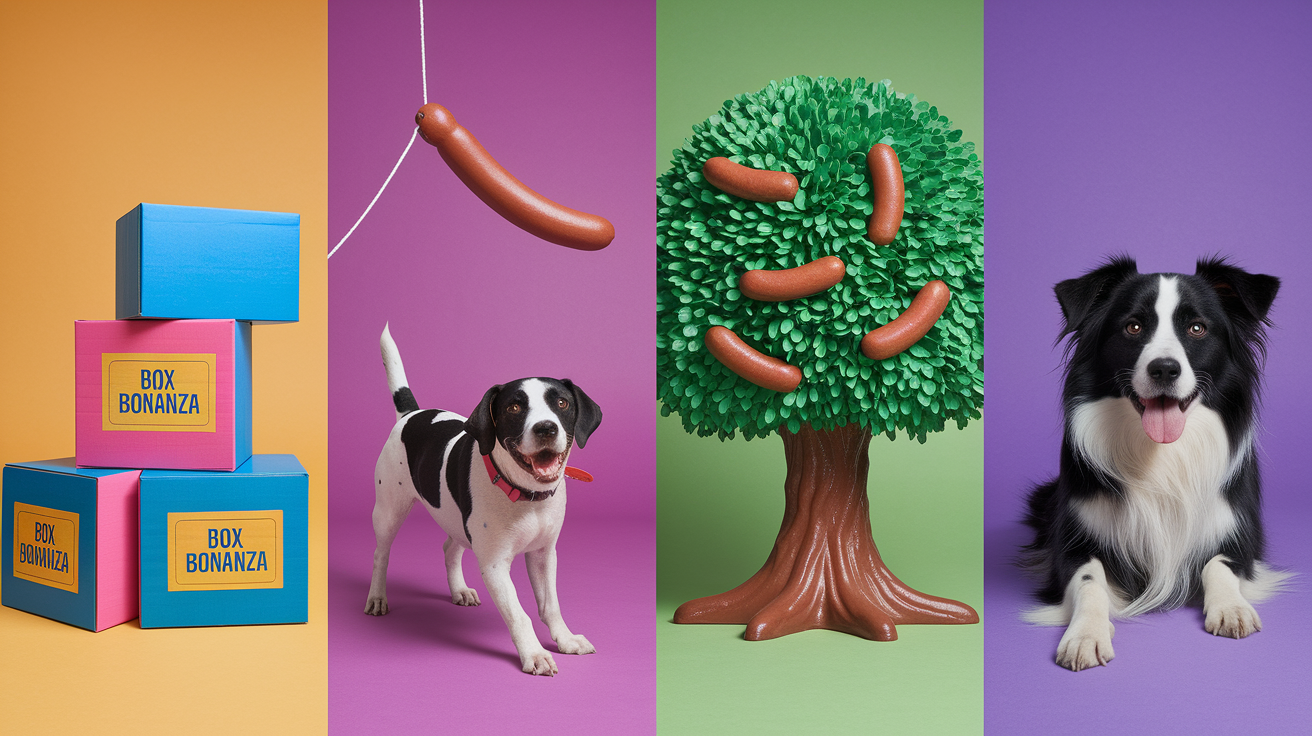
Games make scent training feel less like work and more like play, which keeps motivation high and reduces pressure on both you and your dog. These activities reinforce the same skills formal training builds (odor recognition, independent searching, and source commitment) but in a looser, more relaxed format. You can run these games on days when you don’t feel like setting up a full training session or when you just want to give your dog a quick mental workout before dinner.
Always supervise scent games, especially outdoors or with food rewards. Dogs can choke on string, eat non-food items, or get tangled in setups left unattended. Keep sessions short and end on success. If your dog seems stuck or frustrated, make the game easier or switch to a different activity.
Step-by-step breakdown of featured nose work games
Box Bonanza uses 4 to 6 boxes with scent tins or treats hidden in one or two of them. Shuffle the boxes between rounds and gradually leave more boxes empty to build discrimination. This game works indoors or outdoors and scales easily as your dog improves.
Hot Dog on a String teaches basic tracking. Tie a turkey hot dog or similar high-scent treat to a long, sturdy string. Drag the hot dog along the ground to create a scent trail, then leave it at the end of the path in an accessible spot. Let your dog follow the scent trail to the reward. Start with short, straight trails and progress to longer, curving paths.
Sausage Tree hides bite-sized treats across low tree branches, bushes, or outdoor structures. Use dog-safe sausages, hot dog pieces, or freeze-dried meat. Let your dog search the area and find treats by scent. Supervise closely to prevent jumping, climbing, or eating non-food items.
Simple Treat or Toy Search involves hiding high-value rewards in easy-to-reach spots around a room or yard while your dog waits. Release them to search and find the rewards independently. Start with visible hides and progress to hidden placements under blankets, behind furniture, or inside containers.
Formal Scent Work Sport Options and Competitive Frameworks
If you want to take nose work beyond home practice, two primary organizations offer structured competition: the American Kennel Club and the National Association of Canine Scent Work. Both use similar principles (dogs search designated areas to locate target odors and handlers call alerts when their dog indicates a find) but the rules, odors, and competitive structure differ.
AKC scent work includes four elements: Containers, Interiors, Exteriors, and Buried hides. The odor set includes birch, anise, clove, and cypress. Difficulty levels progress from Novice through Advanced, Excellent, and Master, with each level adding complexity like multiple hides, larger search areas, or tighter time limits. AKC trials are widely available and often run alongside other dog sports events, making them accessible for competitors who already participate in obedience, rally, or agility.
NACSW uses three odors (birch, anise, and clove) and includes vehicle searches in addition to containers, interiors, and exteriors. NACSW emphasizes handler independence and dog-driven searching. The Odor Recognition Test is the entry requirement: your dog must locate the target odor hidden among approximately 20 containers within a three-minute time limit, and you must call the alert correctly. NW1 is the entry-level competition, starting with birch as the taught odor. NACSW also offers an elite division for advanced competitors. Training timelines vary, but many handlers spend 4 to 5 weeks on food-based foundation work before introducing formal odors, then several more months building odor recognition and search skills before entering their first ORT or trial.
| Organization | Search Elements | Odors Used | Entry-Level Test | Progression |
|---|---|---|---|---|
| AKC | Containers, Interiors, Exteriors, Buried | Birch, anise, clove, cypress | Novice level trials | Novice, Advanced, Excellent, Master |
| NACSW | Containers, Interiors, Exteriors, Vehicles | Birch, anise, clove | Odor Recognition Test (ORT) | NW1, NW2, NW3, Elite |
| Typical Timeline | 4–5 weeks food foundation | Birch introduced first | ~20 containers, 3-minute limit | Several months before first trial |
| Handler Focus | Reading dog signals, calling alerts | Odor discrimination training | Correct alert call required to pass | Increasing search difficulty and area size |
| Key Difference | AKC includes buried hides | NACSW uses three odors only | NACSW requires ORT before trials | NACSW emphasizes dog independence |
Preparation for competition involves practicing all elements, building reliable alerts, learning to read your dog under pressure, and running mock trials with an instructor or training group. Many handlers use a specific harness or collar to signal “work time” to their dog, which helps the dog switch into search mode at trial sites. Bring high-value rewards, expect nerves, and focus on supporting your dog’s confidence rather than worrying about placements or qualifying scores in your first few trials.
Professional Training Options, Online Courses, and Finding Local Clubs
Finding a qualified instructor makes a significant difference in how quickly you and your dog progress. Look for a Certified Nose Work Instructor through NACSW or instructors who actively compete and host nose work events. Interview potential trainers and ask about their experience, training locations, and class structure. Good instructors rotate search environments (indoor spaces, outdoor areas, and sometimes big-box retail stores) and offer mock trials or ORT run-throughs to prepare students for competition.
Structured classes help you avoid handler errors that are hard to self-correct. An instructor can spot when you’re unconsciously guiding your dog, rewarding too late, or missing subtle alert signals. Group classes also give your dog experience searching in the presence of other dogs and people, which builds confidence and focus. For reactive dogs, nose work classes often keep dogs in vehicles until their turn to search, which keeps everyone under threshold and calm.
If local classes aren’t available or your schedule doesn’t allow in-person training, several reputable online programs offer video-based instruction and handler feedback.
Three recommended training resource categories:
- Certified in-person instructors through NACSW or AKC who teach locally and offer group or private lessons with varied search environments
- Online courses from established providers like Fenzi Dog Sports Academy, United Canine Sports, and Scent Work University with video submissions and instructor feedback
- Local nose work clubs and practice groups that host informal training sessions, mock trials, and social meetups for skill-building and community support
Safety, Scent Storage, and Managing Multi-Dog Sessions
Essential oils are concentrated and potentially harmful if ingested or applied directly to skin. Never let your dog lick, chew, or touch scent tins or swabs. Always use ventilated containers to hold scent sources and keep oils stored in dark, airtight bottles in a cool location away from children and pets. If you spill oil on your hands, wash thoroughly before touching your dog. Dogs with respiratory sensitivities, asthma, or certain medical conditions may react to strong scents. Consult your veterinarian before introducing essential oils if your dog has any breathing issues.
Cross-contamination happens easily. If you use the same boxes for food hides and scent hides without cleaning them, your dog may alert on lingering food odor instead of the target scent. Keep scent tins in a dedicated storage container separate from treats. Wash your hands between handling food and touching scent materials. Clean search areas between sessions if you’ve been using treats to prevent old food smells from confusing your dog during odor training.
Training multiple dogs in the same household requires some planning. Dogs waiting their turn should be out of sight and sound of the search area to prevent distraction and competition. If one dog is more advanced, run separate sessions with different difficulty levels rather than trying to accommodate both skill levels in the same setup. Rotate who searches first to prevent the same dog from always getting the “fresh” hides. Store each dog’s training equipment separately if they have different reward preferences or scent exposure levels.
Measuring Progress and Keeping Long-Term Training Records
Tracking your dog’s progress helps you see patterns, identify sticking points, and celebrate small wins that are easy to miss in day-to-day training. Video recordings are the most useful tool. They let you watch your dog’s search behavior, review your own handling, and spot the exact moment your dog’s body language shifts from searching to sourcing. Over time, you’ll notice your dog moving faster, showing more confidence in new environments, or committing to hides with less hesitation.
Common early milestones include consistent interest in searching, shorter time to find hides, and willingness to work independently without checking in with you. As your dog advances, look for reliable alerts, ability to discriminate target odor from distractors, and successful searches in challenging environments like windy outdoor areas or spaces with competing smells. Keep notes on what worked, what didn’t, and any changes in motivation or behavior. Simple logs (date, location, hide difficulty, reward type, and observations) give you a reference when progress stalls or you need to troubleshoot a problem.
| Milestone | Example Indicator |
|---|---|
| Consistent search engagement | Dog actively investigates containers or areas without handler prompting or guidance |
| Faster find times | Dog locates hides in under 2 minutes in familiar environments with moderate difficulty |
| Independent sourcing | Dog commits to a hide location without returning to handler or requiring encouragement |
| Environmental confidence | Dog searches successfully in new locations or with distractions without shutting down or losing focus |
Final Words
You’ve got the basics to start short, fun searches at home. We covered what nose work is, beginner steps, simple gear, and safe odor handling.
Then we walked through indoor and outdoor techniques, reward timing, progression, games, sport options, and how to find pro help while keeping sessions safe.
Use the checklists, start small, record sessions, and build slowly. This kind of nose work for dogs fits anxious, senior, and busy pets and can boost confidence and focus. Start one 5-minute search today. It’s fun for both of you and gets better with practice.
FAQ
Q: Is nosework good for dogs?
A: Nosework is very good for dogs because it taps natural scenting instincts, gives mental stimulation and confidence, and suits anxious, senior, reactive, or mobility-limited dogs with short, enjoyable searches.
Q: Can dogs hear you?
A: Dogs can hear you; their hearing is more sensitive and reaches higher pitches than humans, so they pick up voice tone, cadence, and body language—use clear, consistent cues for best results.
Q: What is 10 minutes of sniffing for dogs equivalent to?
A: Ten minutes of sniffing for dogs is equivalent to focused mental exercise that often tires them similarly to twenty to thirty minutes of regular activity, making it a powerful, low-impact enrichment.
Q: How do you say “I love you” in dog speak?
A: Saying “I love you” in dog speak means using a soft, steady voice, relaxed body language, gentle petting, play or treats, and consistent care—matching their signals and keeping interactions calm and positive.