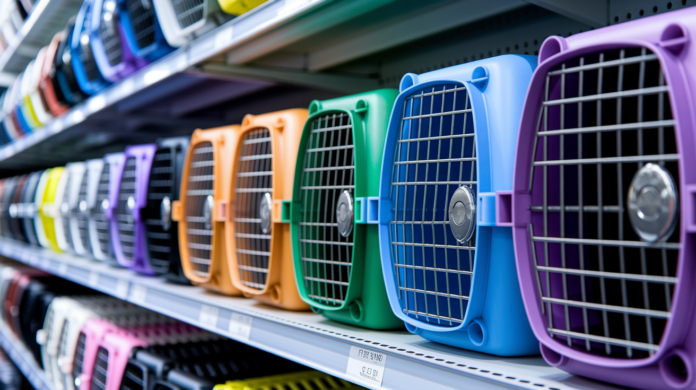

Which carrier material actually keeps your pet safe, calm, and easy to carry: hard plastic, soft fabric, or metal wire?
It matters more than you think, because material changes cleaning, ventilation, durability, weight, and whether a carrier fits under an airplane seat.
In this quick comparison we break down hard plastic, fabric or nylon, metal wire, and hybrids.
You’ll get clear trade-offs and simple tips for pets who hide, panic, overheat, or travel often, so you can choose the right carrier for your pet and your routine.
Core Comparison of Pet Carrier Materials for Fast Decision-Making

Choosing the right carrier material matters more than most pet owners expect. It determines how often you clean, how secure your pet stays during a stressful trip, and whether your carrier fits under an airline seat or needs to be checked.
The four main materials you’ll see are hard plastic, soft fabric or nylon, metal wire, and hybrid designs that combine elements. Each one solves specific problems and creates new ones.
| Material | Durability | Ventilation | Cleaning Ease |
|---|---|---|---|
| Plastic (Hard) | High impact resistance, resists tipping and claw damage | Ventilation holes or grates, less airflow than mesh | Wipe clean with cloth, quick spot cleaning |
| Fabric/Nylon (Soft) | Vulnerable to teeth and claws, lower impact protection | Mesh panels provide excellent breathability | Often machine washable, but odors penetrate and linger |
| Metal/Wire | Strong frame, resists bending, may rust without coating | Maximum airflow and full visibility | Wipe grates, disassemble for corners, rust prevention needed |
| Hybrid | Depends on dominant material, typically moderate | Varies, often combines mesh and rigid panels | Mixed, fabric parts need washing, rigid parts wipe clean |
Hard plastic works best for escape artists, anxious pets, and messy cats who need a sturdy, wipe-clean space. Soft fabric suits calm pets, frequent flyers, and anyone with tight storage. Wire carriers fit pets who overheat easily or need constant visibility, though they offer less privacy. Hybrids try to balance everything but often end up heavier than soft carriers and less protective than hard ones.
Durability and Structural Strength Across Carrier Materials

Hard plastic carriers hold up to real-world abuse. Tipping, bumps, and pets who scratch at the walls for twenty minutes straight. The rigid shell resists impact from falling luggage or a sudden car stop. Plastic doesn’t tear when claws dig in, and it won’t crack unless you drop it from a significant height or leave it in freezing temps and then slam it.
Soft fabric carriers fail where hard ones succeed. Teeth and claws can puncture nylon or mesh within a few trips if your pet panics or gets bored. The weakest points? Zipper tracks, seams where fabric panels meet, and mesh windows under tension. A determined cat can force a zipper open or chew through mesh faster than you’d think.
Metal wire carriers provide a stable frame that doesn’t bend unless seriously crushed, but the wire itself can fatigue at weld points over time. Hybrids depend entirely on which material handles stress, the soft shell or the rigid frame inside. Often the soft exterior wears out while the internal structure stays intact.
Common durability risks include zipper stress failure when pets press against the door or fabric bunches during closing. Buckle and latch strain from repeated clipping and unclipping, especially on plastic clasps. Frame bending in wire carriers loaded beyond weight rating or stacked under heavy objects. Impact cracking in low-quality hard plastic, particularly at corners and door hinge points. Chew-induced weak spots in soft mesh panels, creating escape routes or sharp edges.
Weight and Portability Differences in Common Carrier Materials
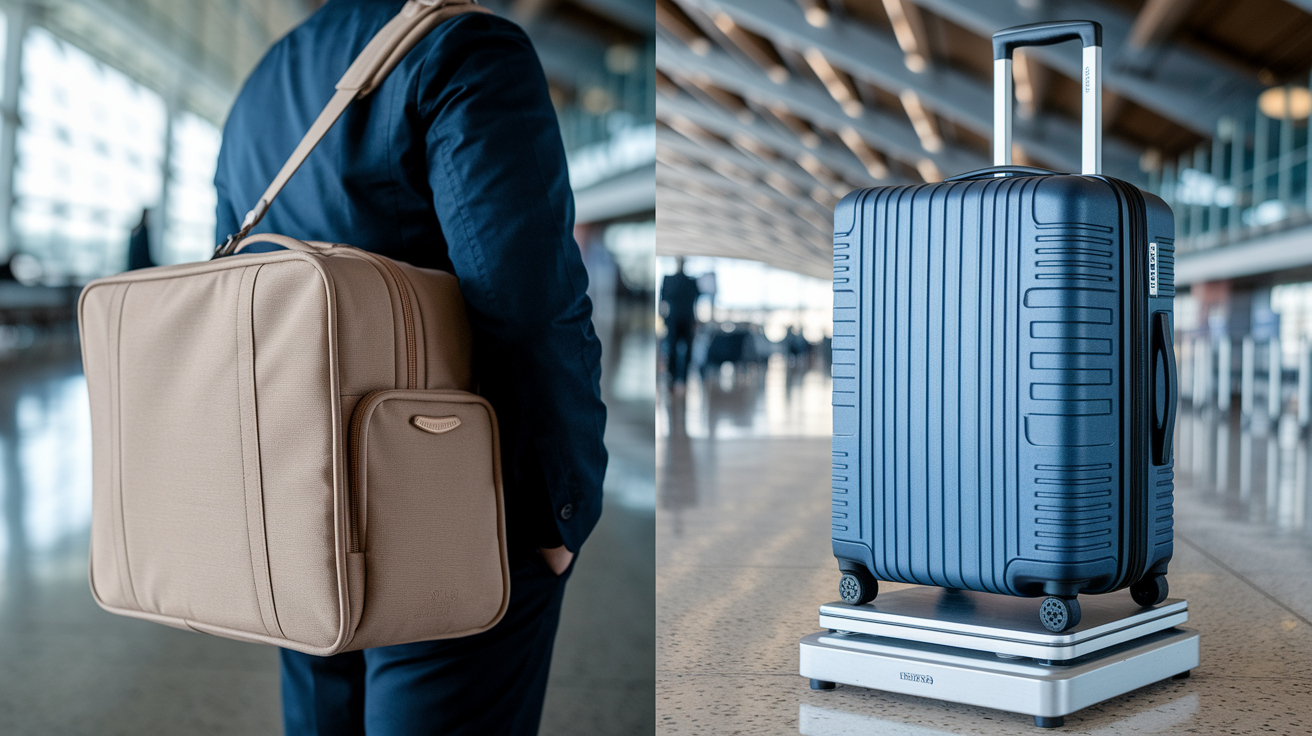
Soft fabric carriers weigh less because fabric and mesh are lighter than molded plastic or metal. That difference shows up when you’re walking through an airport terminal for fifteen minutes or carrying your pet up three flights of stairs. A lightweight carrier with padded shoulder straps reduces arm fatigue and makes one-handed door opening possible.
Hard plastic carriers feel bulky and awkward to hold for long stretches. They don’t conform to your body, and the fixed shape means they bump into doorways, car seats, and other travelers. Most don’t include shoulder straps, so you carry the weight in one hand by a top handle. Storage at home is also harder since they don’t fold or collapse. You need dedicated closet or garage space that stays clear year-round.
Collapsible soft carriers fold flat or compress into a fraction of their open size. When you’re not using them, they slide under a bed, into a suitcase, or onto a shelf. That flexibility matters in small apartments or for people who only travel a few times a year.
Think about airport navigation with rolling luggage, strollers, and crowds where a lightweight, flexible carrier is easier to maneuver. Apartment storage in tight closets or under furniture where collapsible designs save space. Seniors or users with limited strength who benefit from lighter loads and ergonomic straps. Multi-pet households where storing multiple bulky carriers isn’t practical.
Ventilation and Comfort Features of Different Carrier Materials

Soft carriers with mesh panels move air better than hard plastic with small vent holes. Mesh allows cross-ventilation and keeps your pet cooler in warm weather or crowded spaces. You can see your pet through the mesh, and they can see out, which helps some anxious animals stay calmer.
Hard plastic relies on ventilation holes drilled into the sides and door. Airflow is limited compared to open mesh, and on hot days, heat can build up inside, especially if the carrier sits in direct sun or a warm car. Adding a small fan or placing the carrier in shade helps, but the design doesn’t naturally dissipate heat as fast as mesh does.
Wire carriers maximize airflow from every direction, but that creates its own problem. In winter or air-conditioned spaces, your pet can get cold. Drafts move through wire easily, and there’s no insulation unless you drape a blanket over part of the carrier. The open design also means no privacy, which stresses some pets who prefer a den-like enclosure.
Padding changes comfort significantly. Soft carriers often include removable, washable pads that cushion the floor and sides. Hard plastic carriers come bare, so you need to add bedding, a folded towel, or a mat. Without padding, plastic feels cold and hard, especially during a long wait at the vet or a multi-hour car ride. Metal wire floors can hurt paw pads unless covered with a soft layer.
Cleaning and Maintenance Needs by Carrier Material
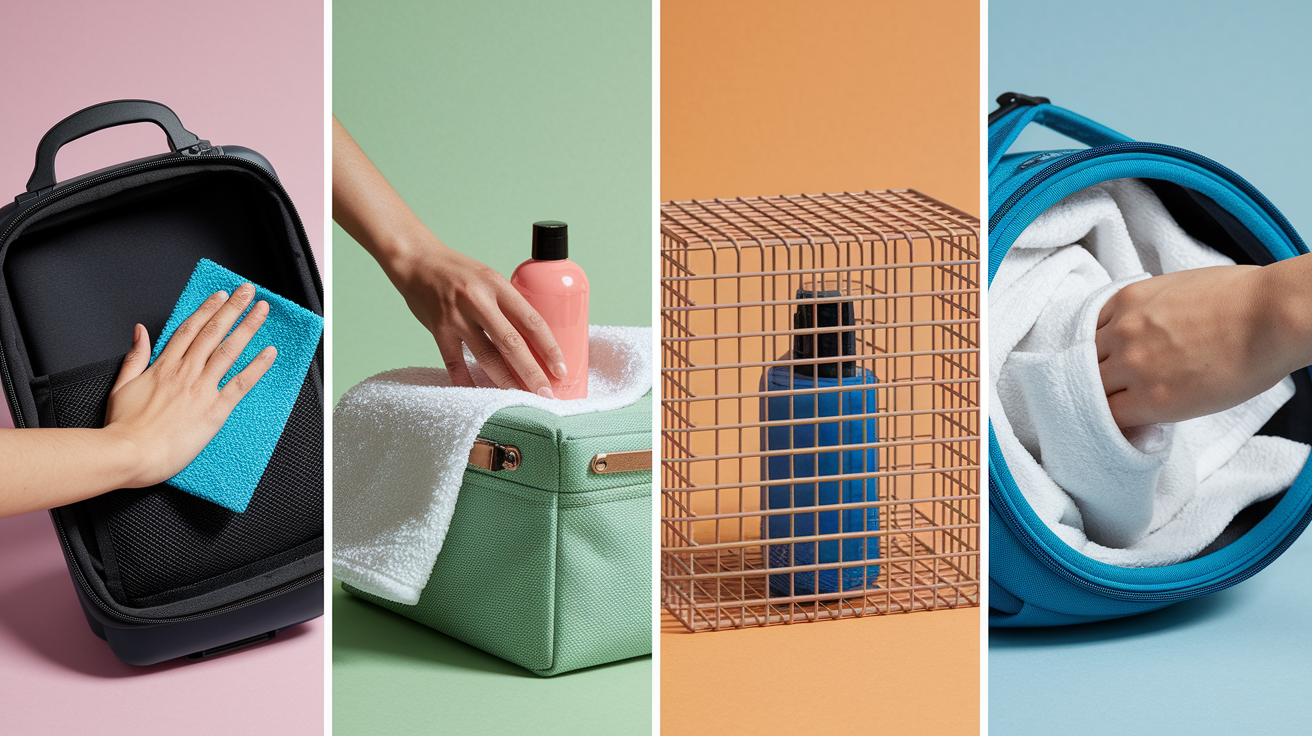
Hard plastic carriers clean fast. After an accident, you pull out any bedding, wipe the interior with a damp cloth and pet-safe cleaner, rinse if needed, and let it air dry. The smooth surface doesn’t hold onto smells the way fabric does. If urine or vomit gets into cracks around the door or ventilation slots, a quick scrub with a brush clears it.
Soft fabric absorbs liquid and odor. If your pet has an accident, the fabric soaks it up, and even after machine washing, a faint smell can linger. You’ll want to treat stains right away with an enzyme cleaner before tossing the carrier in the washer. Some soft carriers can’t go in the machine at all and need hand washing or spot cleaning, which takes longer and doesn’t always remove odors completely.
Over time, repeated washing wears down fabric, fades colors, and weakens seams. Hard plastic doesn’t degrade from cleaning, though very harsh chemicals can dull or crack cheap plastic. Wire carriers wipe clean like plastic, but moisture left on metal can cause rust, especially at joints and welds. Dry thoroughly after every wash to prevent corrosion.
Four maintenance tips to extend freshness. Deep-clean every few months even if no accidents occur, to remove built-up oils, dander, and odor. Check disinfectant compatibility since some cleaners damage fabric coatings or plastic finishes. Use baking soda or enzymatic sprays for odor neutralizing rather than masking scents with fragrances. Prevent moisture damage by drying all parts completely, including hidden seams and mesh folds.
Safety and Airline Compliance Variation Among Carrier Materials
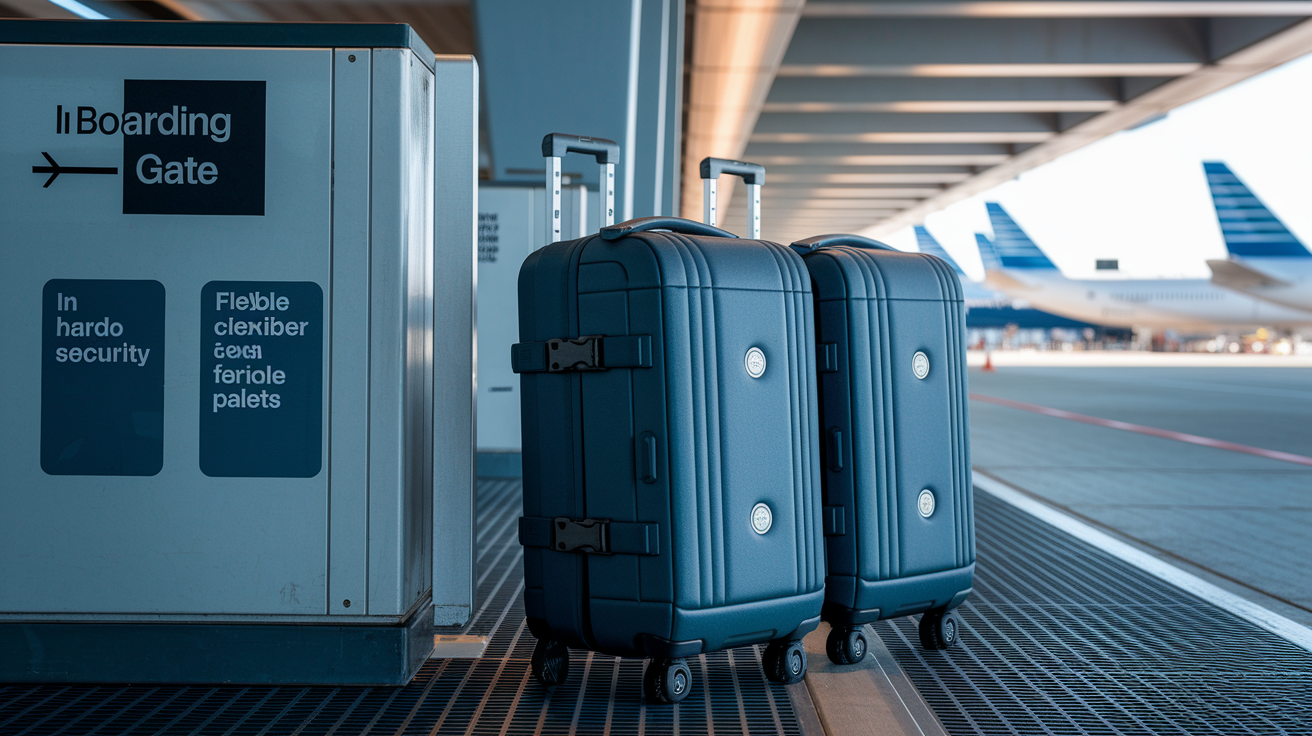
Hard carriers use metal or heavy-duty plastic latches and doors that lock securely. A panicked or determined pet can’t push the door open from inside, and the rigid walls resist being forced outward. That containment matters if your pet is an escape artist or gets aggressive when stressed.
Soft carriers close with zippers, velcro, or snap buckles. Zippers can be manipulated by clever paws or teeth, and fabric can tear if your pet panics. The flexible walls give a little under pressure, which feels less secure but also cushions minor bumps. For calm pets, soft closures work fine. For anxious or strong pets, the risk of escape is higher.
Airline rules vary by carrier material and size. Most airlines approve soft-sided carriers for in-cabin travel as long as they fit under the seat in front of you. Those dimensions are strict, usually around 18 inches long, 11 inches wide, and 11 inches tall, but you need to confirm with your specific airline before booking. Hard plastic carriers are bulkier and often don’t fit under seats, so they’re usually required for checked baggage or cargo hold transport. Some airlines won’t allow hard carriers in the cabin at all.
If you’re flying, double-check airline websites for approved materials, dimensions, and door requirements. Some airlines require specific ventilation hole sizes or certain latch types. Choosing the wrong material can mean your pet can’t board or has to travel in cargo instead of with you.
Pet temperament plays into safety too. Anxious pets often feel safer in a hard, enclosed space that blocks outside sights and sounds. Soft carriers with mesh panels expose them to more stimulation, which can increase stress. Calm pets usually tolerate either type, but aggressive or escape-prone animals need the stronger containment of hard plastic or reinforced hybrid designs.
Suitability by Pet Size, Temperament, and Travel Style

Not every material fits every pet or trip. Matching carrier type to your pet’s behavior and your travel plans reduces stress and safety risks.
Best Materials for Different Pet Personalities
Calm, well-behaved pets who tolerate confinement and rarely have accidents do fine in soft carriers. The lighter weight and better ventilation make trips more comfortable, and the easier storage is convenient if you only travel occasionally.
Anxious pets benefit from the enclosed, den-like feel of hard plastic carriers. The solid walls block visual triggers and create a quieter, darker space that can reduce panic. Adding familiar bedding or a worn t-shirt with your scent helps even more.
Destructive pets or those who chew, scratch, or dig when stressed need hard plastic or reinforced wire. Soft fabric won’t hold up, and a torn carrier mid-trip creates a dangerous escape situation. Hard materials resist damage and keep your pet contained even during a meltdown.
Escape-prone pets, cats who can open zippers or dogs who push on doors, need the secure latches and rigid structure of hard carriers. Soft zippers and flexible walls won’t stop a determined escape artist.
Best Materials for Different Travel Scenarios
Short car trips to the vet or groomer work with either material. Soft carriers are easier to carry inside, but hard carriers protect better if you need to set the carrier down on a busy sidewalk or waiting room floor.
Air travel in the cabin almost always requires a soft-sided, airline-approved carrier. The flexibility lets you compress it slightly to fit under the seat, and the lighter weight makes airport navigation easier. Hard carriers are too rigid and bulky for cabin use in most cases.
Checked baggage or cargo hold transport needs hard plastic carriers built to airline cargo standards. They protect against rough handling, stacking, and shifting during flight. Soft carriers don’t provide enough impact protection in the hold.
Long road trips benefit from hard carriers if your pet tends to have accidents or gets carsick. The easy wipe-clean interior makes quick roadside cleanups possible. Soft carriers trap odors and need a full wash, which isn’t practical mid-trip.
Quick fit-by-size guidance. Small pets (under 10 lbs): Soft carriers work well for portability and comfort, hard carriers if the pet is anxious or messy. Medium pets (10–20 lbs): Either material depending on temperament, soft for air travel, hard for car trips and escape risks. Large pets (over 20 lbs): Hard carriers or heavy-duty wire for structural support and containment, soft carriers often can’t handle the weight or size safely.
Cost, Longevity, and Value Differences Across Materials

Hard plastic carriers cost less upfront in many cases and last longer because they resist wear and damage. A well-made plastic carrier can serve your pet for years, even with regular use. The rigid structure doesn’t degrade from cleaning, and unless you crack it in an accident, it stays functional.
Soft carriers wear faster. Fabric frays, zippers break, seams split, and mesh tears, especially with active or anxious pets. You may replace a soft carrier every few years if it sees heavy use. That said, budget soft carriers are inexpensive enough that replacement isn’t a huge cost, and higher-end soft carriers with reinforced seams and heavy-duty zippers last longer.
| Material | Typical Lifespan | Value Notes |
|---|---|---|
| Plastic (Hard) | 5–10+ years with normal use | Low maintenance, resists damage, good long-term value |
| Fabric/Nylon (Soft) | 2–5 years depending on use and pet behavior | May need replacement sooner, budget options available |
| Wire/Metal | 7–12+ years if rust prevented | Durable frame, needs rust care, moderate upfront cost |
| Hybrid | 3–6 years, depends on weakest component | Fabric parts wear first, rigid frame lasts longer |
Environmental considerations matter to some buyers. Recycled plastic carriers and fabric carriers made from recycled materials exist but aren’t yet common. Most hard plastic carriers end up in landfills when they finally break, though some recycling programs accept them. Fabric carriers can sometimes be repurposed or donated if still functional, but heavily soiled or torn carriers usually get thrown out.
Practical Buying Checklist for Comparing Carrier Materials

Before you buy, walk through these steps to match the carrier to your actual needs instead of guessing or buying what looks nice.
Match material to your pet’s temperament. Calm pets can use soft carriers. Anxious, destructive, or escape-prone pets need hard plastic or reinforced designs.
Check size and interior dimensions. Measure your pet’s length from nose to base of tail, and height from floor to top of head when sitting. Add a few inches for comfort. Compare that to the carrier’s interior space, not just the outside measurements.
Evaluate ventilation needs. If you live in a warm climate or travel in summer, prioritize mesh panels or extra ventilation holes. In cold climates, solid walls with fewer vents prevent drafts.
Consider your cleaning preference. If quick wipe-downs matter more than washability, choose hard plastic or wire. If you prefer machine-washable options, choose soft carriers with removable, washable liners.
Verify safety features. Check latch security, door strength, and whether the carrier has an interior leash clip to prevent escapes during loading and unloading.
Confirm airline rules if flying. Look up your airline’s in-cabin pet carrier requirements, including material type, maximum dimensions, and door design. Don’t assume, airlines change rules regularly.
Assess portability needs. If you’ll carry the carrier long distances, prioritize lighter materials and padded shoulder straps. If it mostly stays in the car, weight matters less.
Evaluate storage space at home. Measure where you’ll store the carrier when not in use. Collapsible soft carriers fit tighter spaces. Hard carriers need dedicated room that stays clear year-round.
Final Words
In the action, we ran a side-by-side look at plastic, fabric/nylon, metal/wire and hybrids to help you pick fast. Hard plastic is sturdy and easy to clean. Soft-sided is light, breathable and airline friendly. Wire gives the best airflow and visibility.
Pick by pet and trip. Hard for chewers and messy rides, soft for calm flyers, wire for ventilated vet stays. Use the practical checklist before you buy.
This quick pet carrier materials comparison should leave you ready to choose the fit that keeps your pet safe and comfy.
FAQ
Q: Which carrier material is best for frequent air travel and portability?
A: The best carrier material for frequent air travel and portability is soft-sided fabric/nylon, because it’s lightweight, collapsible, typically fits under seats, and often meets in-cabin airline rules.
Q: Which carrier material is easiest to clean and control odors?
A: The easiest carrier material to clean and control odors is hard plastic; it wipes down, resists stains, dries fast, and holds up to repeated scrubs, so messy pets stay manageable on trips.
Q: Which carrier material is most durable and chew-proof?
A: The most durable, chew-resistant carriers use metal wire or reinforced hard plastic with steel frames and reinforced corners; they resist impact, tipping, and teeth better than soft fabric options.
Q: Which carrier material offers the best ventilation and comfort?
A: The best carrier material for ventilation and comfort is metal/wire for airflow and visibility, while soft-sided carriers add breathable mesh panels and padding for longer trips and calmer pets.
Q: Are hard plastic carriers safer for car travel and messy pets?
A: Hard plastic carriers are safer for car travel and messy pets because they’re sturdy, resist tipping, and clean easily; add seat-belt straps and bedding for comfort and stability.
Q: How do I match carrier material to my pet’s temperament and size?
A: Match carrier material to temperament and size by choosing hard or wire for anxious, destructive, or escape-prone pets, and soft-sided for calm, small pets who need comfort and airline approval.
Q: Which carrier material offers the best long-term value and lifespan?
A: The best long-term value is typically hard plastic or wire carriers; they last longer, resist wear, and cost less per year than fabric, which may need replacement sooner due to odors or tears.
Q: What maintenance steps keep each carrier material fresh and safe?
A: Maintenance steps to keep carriers fresh and safe include wiping hard plastic after use, machine-washing fabric inserts, drying everything completely, treating metal to prevent rust, and rotating deep-clean cycles monthly.
Q: What should I check for airline approval and escape prevention?
A: For airline approval and escape prevention, check carrier dimensions for under-seat fit, sturdy zippers or metal doors, secure latches, ventilation, and airline-specific rules before you travel.
Q: How do weight and portability affect daily use and storage?
A: Weight and portability affect daily use by changing how far you’ll carry a carrier; choose soft, collapsible options for frequent lifts and small storage, and sturdy hard models for short trips.