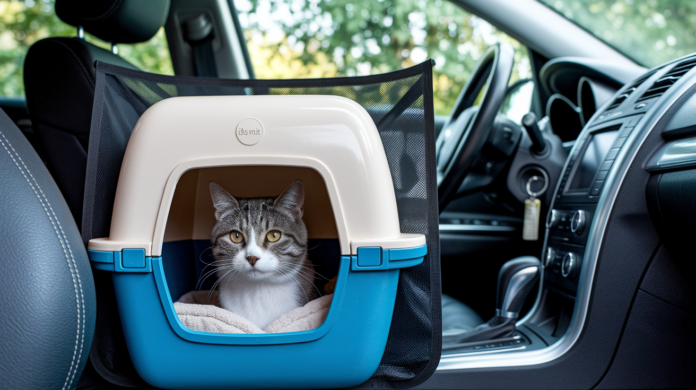

What if you never had to pull over for a cat potty break again?
A carrier with a built-in litter box makes that possible by giving your cat a private spot inside the same crate, cutting roadside stops and car messes.
It keeps you both calmer on long drives and during layovers.
In this post we’ll pick the best models and show the key features that really matter, like odor control, sturdy zippers, and good airflow, plus setup tips so travel stays stress-free.
Best Cat Carriers With Built-In Litter Boxes (Top Picks)
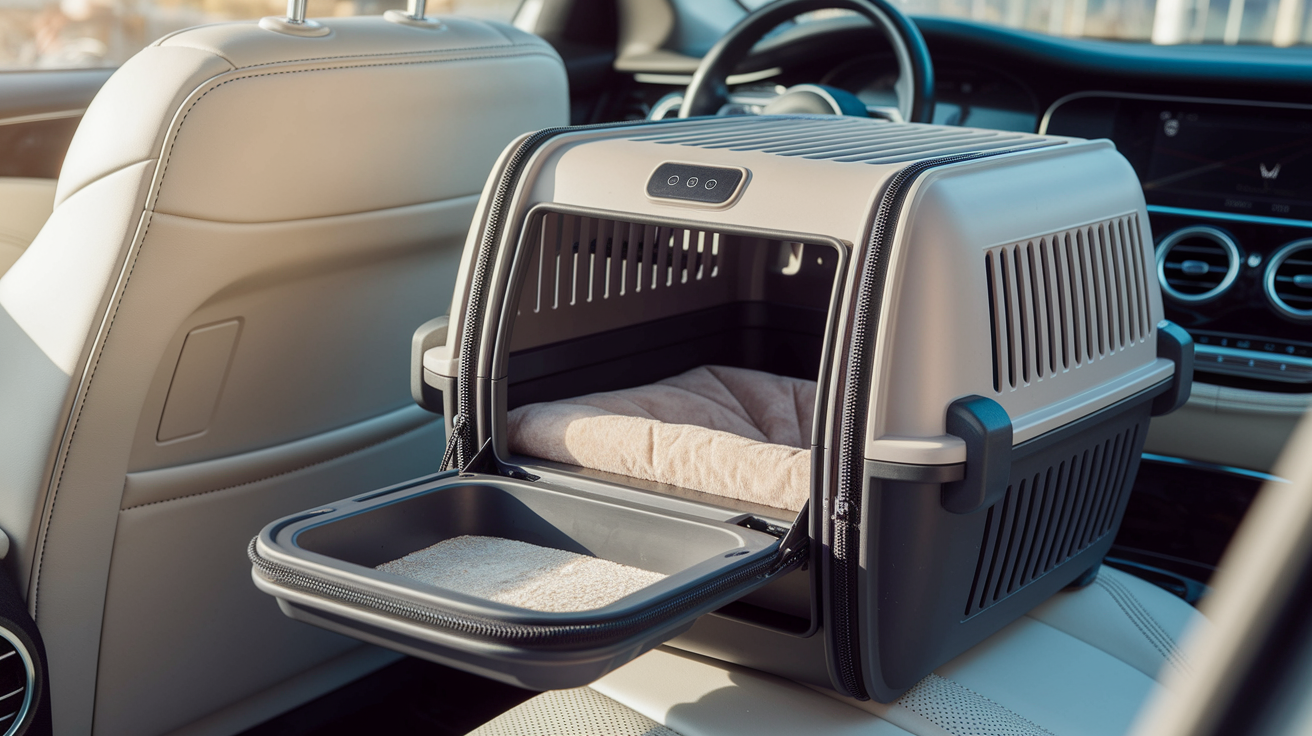
A carrier with an attached litter box is basically a travel crate that gives your cat bathroom access without you having to stop every hour. Traditional carriers make you pull over constantly or deal with accidents. This setup fixes that. You get a designated spot for your cat to go inside the same unit, which means fewer rest stops, less stress for everyone, and your car seats stay clean.
The best models tackle three things: smell, durability, and airflow. You want carbon filters or charcoal pads that actually trap odor, solid zippers that won’t jam when you’re trying to clean mid-trip, and at least three big mesh panels so your cat doesn’t overheat. A lot of the top-rated ones have removable litter trays that slide out so you can scoop without opening the main door and bothering your cat.
Here’s what pet parents actually use:
- Two-compartment hard-shell carrier – Separate sleeping spot and sealed litter box with a divider you can take out. Fits cats up to 20 lb. Easy to hose down.
- Soft-sided expandable carrier with zip-away litter pocket – Light enough for flights. Expands when you stop. Collapses to fit under airline seats.
- Backpack-style carrier with built-in bottom tray – Hands-free option. 6-inch-deep litter spot. Works best for shorter road trips and vet runs.
- Large rolling carrier with pull-out litter drawer – Wheels make airports easier. Holds up to 8 cups of litter. Built for cats up to 25 lb.
- Hybrid crate with detachable litter module – Litter box snaps on or off depending on the trip. Hard plastic bottom resists smell. Popular for multi-day drives.
Key Features to Compare Before Buying
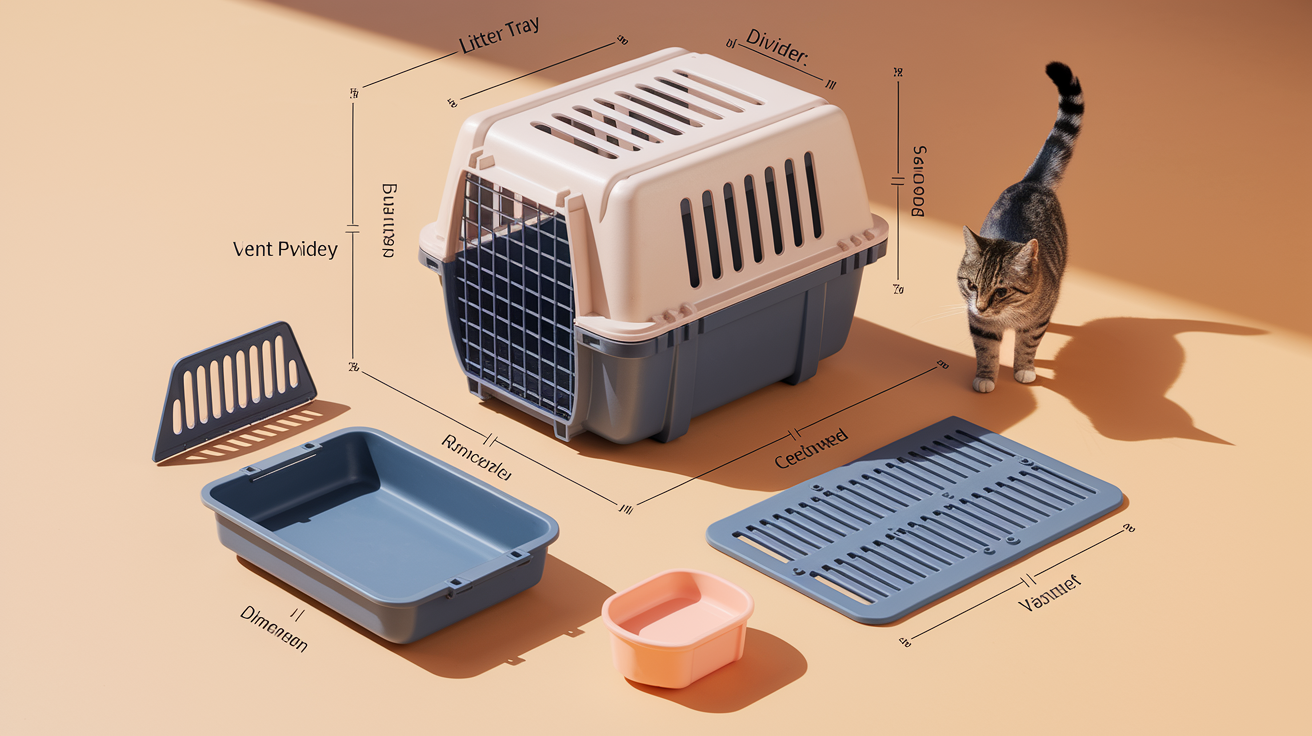
Size determines if your cat can actually stand, turn, and use the litter area without feeling cramped. Measure from nose to tail base, then add about 2 to 4 inches to get your minimum carrier length. The litter compartment itself should be at least 12 x 10 inches of floor space. Anything smaller and most adult cats won’t use it reliably.
Litter box design matters just as much. Removable trays with raised edges (at least 2 inches) keep things contained and make scooping easier. Some have a slide-out drawer so you can clean without opening the main door, which helps if your cat gets anxious. Sealed seams or snap-on lids stop litter dust from drifting into the sleeping area. Non-porous plastic or stainless steel surfaces don’t absorb odor the way fabric does.
Comfort and ventilation keep your cat calm. Look for mesh or vent openings on at least three sides, ideally covering 16 percent or more of the side surface. That benchmark comes from IATA guidance for in-cabin pet transport. Good airflow prevents overheating and reduces stuffiness that can make cats pant or drool. Soft bedding or a padded mat in the main compartment gives your cat somewhere cozy to rest between bathroom breaks.
Materials affect safety and how long the carrier lasts. Hard-shell carriers made from impact-resistant plastic survive rough handling and you can hose them down. Soft-sided models built with 600-denier or heavier polyester hold up to claws and repeated washing. Check that zippers are heavy-duty and seams are double-stitched. Reinforced corners and metal D-rings for securing the carrier in your car add crash protection, especially on long drives.
Pros and Cons of Carriers With Built-In Litter Boxes
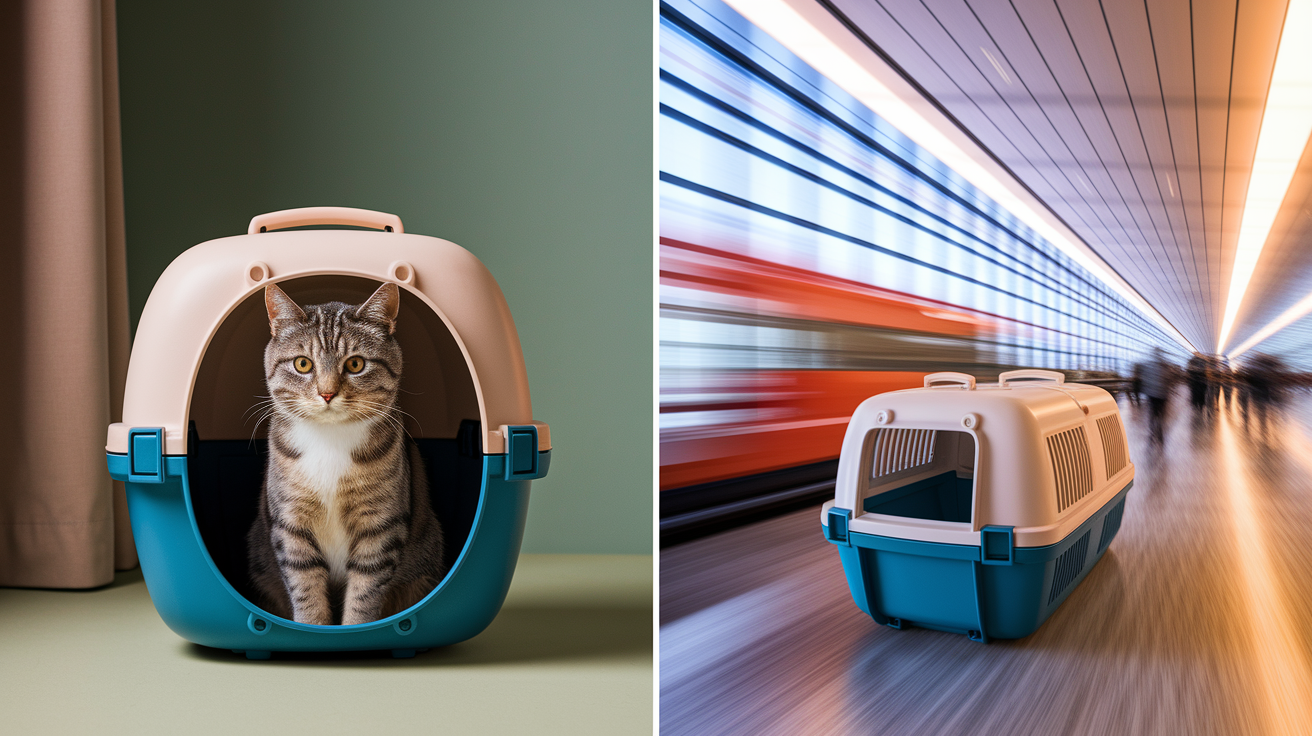
The biggest upside is accident prevention. Your cat can go on their own schedule without you hunting for a safe rest stop or worrying about urine soaking through blankets. Because the litter box is familiar, a lot of cats settle faster than they would in a bare carrier. That means quieter trips, less yowling, and a calmer pet when you arrive.
Drawbacks come down to weight, bulk, and price. Adding a litter compartment increases the footprint and weight by about 2 to 7 lb, which can push you over airline carry-on limits or make long terminal walks tiring. Most integrated models run $50 to $150, compared to $30 to $80 for a basic crate. Cleaning takes more effort too. You’ll need to scoop and sanitize the litter tray after each trip and check seals for leaks, steps you can skip with a standard carrier.
- Pro: Stops messy accidents in the car or during long layovers.
- Pro: Familiar litter box cuts stress and keeps elimination behavior normal.
- Pro: Fewer roadside stops save time on trips over 6 hours.
- Con: Heavier and bulkier than standard carriers. Harder to carry through crowds.
- Con: Higher upfront cost, often $20 to $100 more than a comparable carrier without litter access.
- Con: Needs regular cleaning and odor control to stay sanitary and airline-friendly.
Side-by-Side Comparison of Popular Models

You’ll see a bunch of designs that balance portability, litter capacity, and durability. The table below compares four popular options across the features that matter for long trips.
| Model | Dimensions (L × W × H) | Weight | Litter Box Type | Price Range |
|---|---|---|---|---|
| Two-Compartment Hard-Shell | 60 × 38 × 35 cm (24 × 15 × 14 in) | 3.6 kg (8 lb) | Removable sealed tray, 8-cup capacity | $80–$120 |
| Soft-Sided Expandable Zip-Away | 46 × 28 × 28 cm (18 × 11 × 11 in) | 1.8 kg (4 lb) | Fold-out pocket, 3-cup capacity | $60–$90 |
| Backpack with Bottom Tray | 40 × 30 × 43 cm (16 × 12 × 17 in) | 2.3 kg (5 lb) | Built-in shallow tray, 4-cup capacity | $70–$110 |
| Large Rolling Carrier with Drawer | 55 × 35 × 50 cm (22 × 14 × 20 in) | 5.4 kg (12 lb) | Slide-out drawer, 10-cup capacity | $130–$180 |
Pricing Guide and What to Expect at Each Price Tier

Budget carriers, $30 to $60, usually have a basic tray with minimal odor control. You’ll get simple hard plastic or lightweight fabric with a shallow litter pan but no carbon filters, premium vents, or crash-tested build. These work fine for short trips (under 4 hours) or occasional vet visits. Expect to use extra pee pads and odor spray.
Mid-tier models, $60 to $150, add convenience and durability for longer journeys. Look for removable litter trays with raised edges, machine-washable bedding, water-resistant liners, and at least four mesh vent panels. Many include snap-in odor filters and reinforced zippers. This range covers most soft expandable carriers and sturdy two-compartment hard-shell designs for 8 to 12-hour car trips or domestic flights.
Premium carriers, $150 to $300-plus, deliver advanced safety and build quality. Expect crash-tested frames, built-in car latch systems, stainless steel or antimicrobial litter surfaces, and multiple carry modes (backpack, shoulder, rolling). Some high-end models include laptop sleeves, collapsible wings to fit variable airline under-seat dimensions, and two-year warranties. Worth the investment if you travel frequently or need maximum durability and peace of mind.
- $30–$60: Basic tray, limited odor control, best for short trips.
- $60–$150: Removable trays, washable linings, good ventilation, suitable for most long road and air travel.
- $150–$300+: Crash-tested, premium materials, advanced features, ideal for frequent travelers.
How to Set Up and Use a Carrier With a Built-In Litter Box
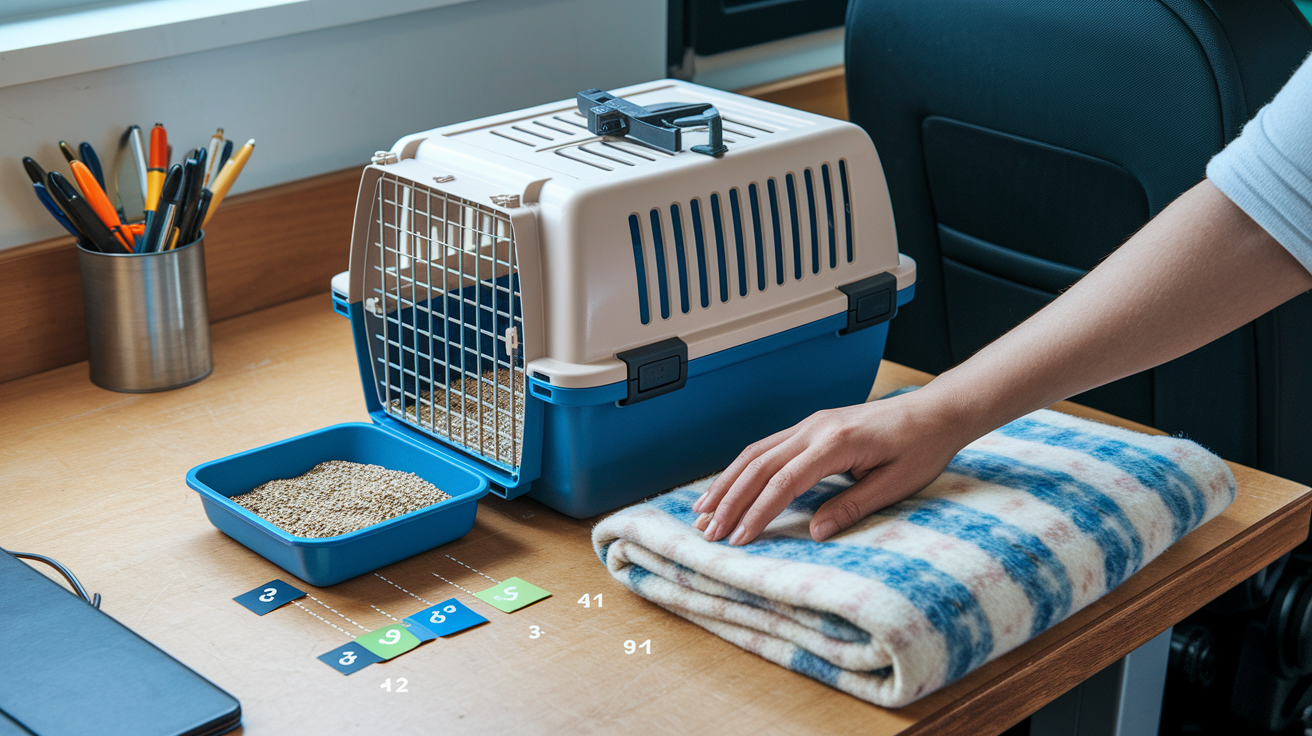
Setting up your carrier correctly the first time prevents leaks, escapes, and litter scatter. Follow these steps for a safe and stress-free trip.
-
Assemble the frame and secure all fasteners. If your carrier has removable rods, snap-in bases, or adjustable dividers, install them per the manual (usually 5 to 15 minutes). Check that screws, buckles, and zipper locks are tight and mesh panels sit properly in their frames.
-
Insert the litter tray or drawer. Slide the removable tray into its spot, making sure it sits flush with no gaps that could let litter spill into the sleeping area. If your model has a divider or sliding door between compartments, position it so your cat can access the litter box but the two areas stay separated.
-
Add 1 to 2 inches of clumping litter. Enough for your cat to dig and cover waste without overloading the tray. Use a low-dust, lightweight formula to minimize mess and make scooping easier mid-trip.
-
Line the sleeping area with a non-slip mat and absorbent pad. Place a washable pee pad or fleece liner on the carrier floor, then add a familiar blanket or small toy. The pad catches accidents or litter tracked from the bathroom compartment. The familiar scent helps your cat settle.
-
Secure the carrier in your vehicle. Loop the shoulder strap around a headrest or use a seat-belt clip to anchor the carrier on the back seat or floor behind the front seats. A stable position reduces motion stress and keeps the litter tray from tipping during turns or sudden stops.
-
Introduce your cat gradually before the trip. Let your cat explore the carrier at home for 5 to 20 minutes daily over several days. Reward calm behavior with treats and use a pheromone spray to reduce anxiety. Cats that practice using the litter compartment in a low-stress setting adapt faster on travel day.
Airline Travel Rules for Carriers With Litter Compartments
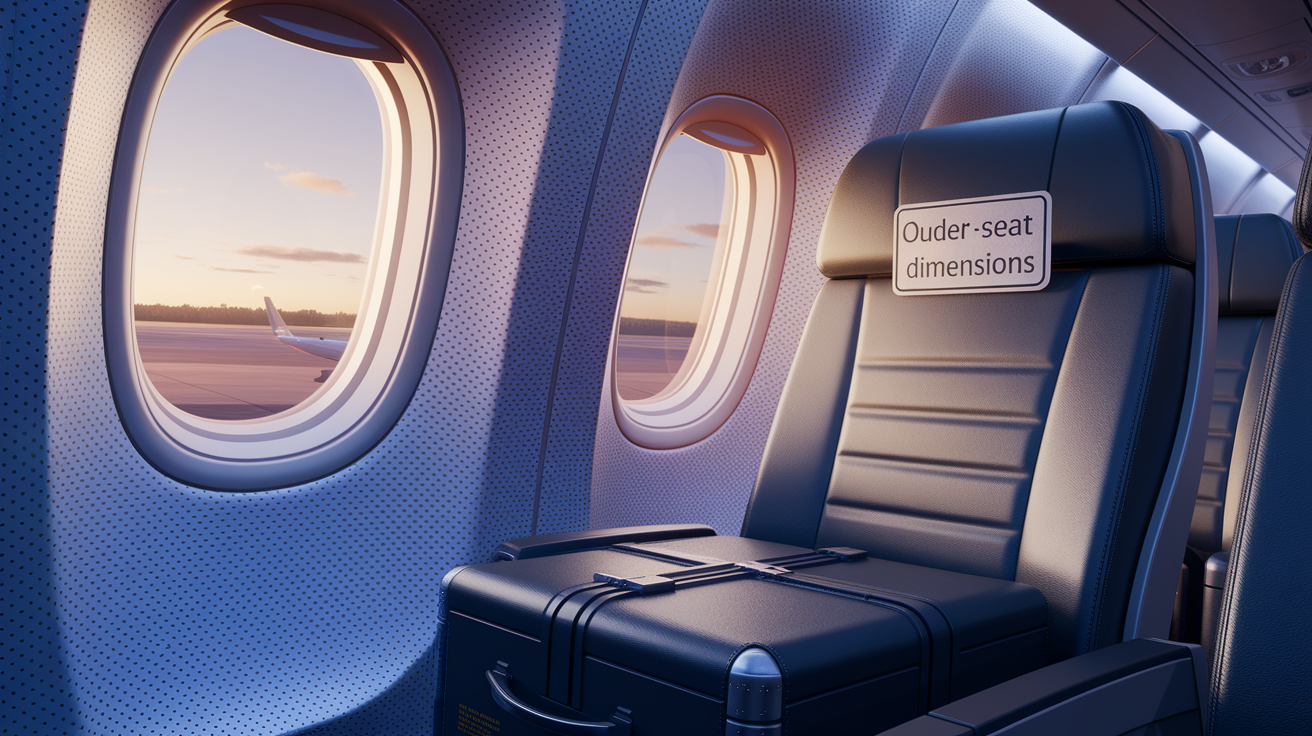
Most airlines allow soft-sided pet carriers that fit under the seat in front of you, with maximum dimensions commonly around 18 × 11 × 9 inches, though some carriers permit up to 19 × 12.5 × 11 inches. Integrated litter compartments are generally acceptable as long as the carrier stays within these limits when fully closed. Carriers with fold-out or expandable litter pockets must stay collapsed during taxi, takeoff, and landing. You can only expand them once you’re at cruising altitude or during layovers in the terminal.
Weight restrictions apply to the combined total of your pet, the carrier, and any contents including litter. Many airlines cap in-cabin pets at 20 lb combined weight for economy class. Because litter adds 1 to 4 lb depending on tray size and fill level, choose a lightweight carrier (under 4 lb empty) and use just enough litter to cover the tray bottom. Hard-sided carriers with built-in litter compartments rarely fit under seats and usually require cargo hold travel, which follows separate crate dimension and ventilation rules set by IATA and individual carriers.
Always confirm your specific airline’s pet policy before booking. Call the airline directly or check their official pet travel page for current size limits, weight caps, breed restrictions, and health certificate requirements. Some carriers require advance pet reservations and charge per-segment fees ($100 to $200 each way is common). If your integrated litter carrier has flexible or bendable edges, mention that when you call. It can help squeeze into tight under-seat spaces and improve your approval odds.
Cleaning and Maintenance Guide
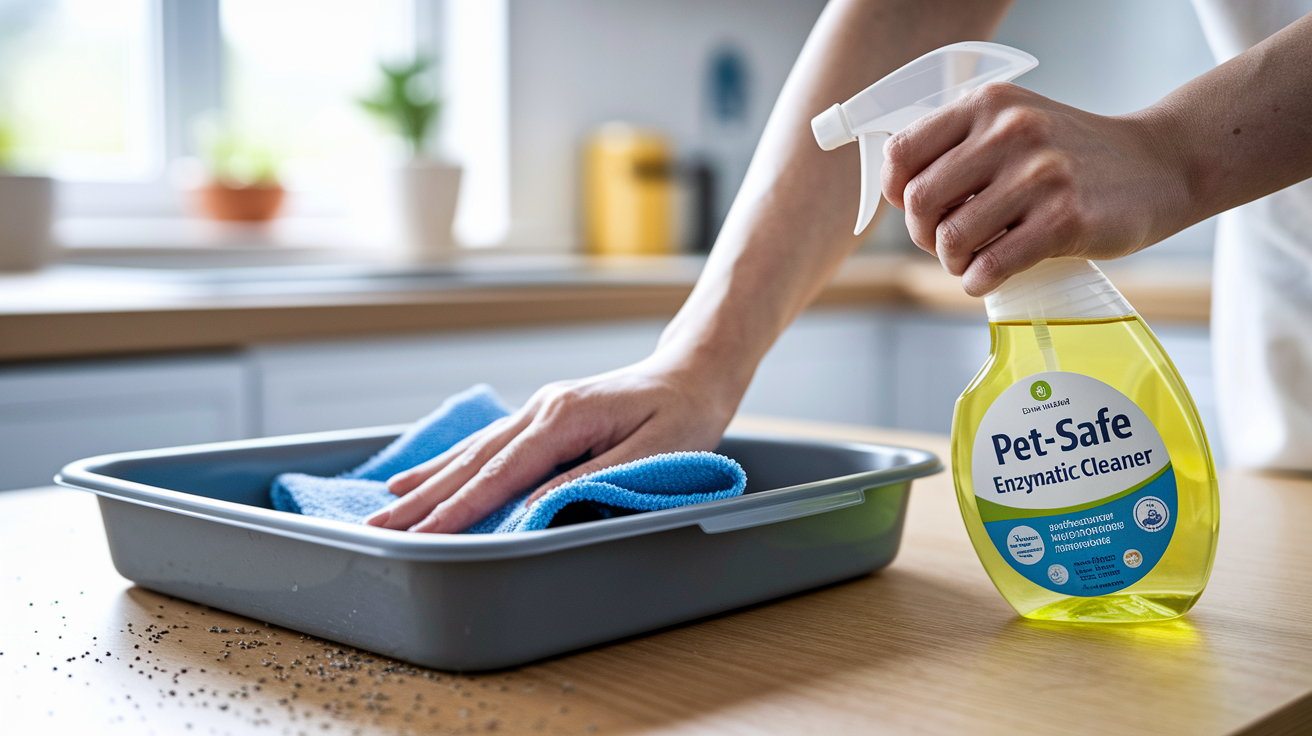
Keeping your carrier clean controls odor, prevents bacteria, and protects your cat’s respiratory health. After each trip, remove the litter tray and toss all used litter in a sealed bag. Scoop any solid waste right away and wipe the tray with a damp cloth to prevent residue from hardening.
For deep cleaning, wash the litter tray with warm water and a few drops of mild dish soap or a pet-safe enzymatic cleaner. Don’t use bleach or ammonia, which can irritate your cat’s nose and lungs and may leave toxic residues. Scrub the tray with a soft brush, rinse thoroughly, and air-dry for 30 to 120 minutes before refilling with fresh litter. If your carrier includes machine-washable bedding, remove all rigid inserts (rods, plastic bases, foam cores) and wash on gentle, cold water, then air-dry to prevent shrinkage or warping.
- Empty and scoop the litter tray immediately after each trip to stop odors from setting in.
- Wipe down all interior surfaces with a pet-safe disinfectant or a 1:1 vinegar-water solution every few uses.
- Wash removable bedding and pads in the machine on gentle. Air-dry to preserve waterproof linings.
- Inspect zippers, latches, and seams for wear or damage. Replace worn components before they fail during travel.
- Store the carrier in a dry, well-ventilated space to prevent mold, mildew, and lingering smells between trips.
Travel Suitability: Car, Plane, Train, and Long-Distance Trips

Car travel offers the most flexibility for integrated litter-box carriers because you control timing, temperature, and space. Larger two-compartment or rolling models fit easily on back seats or cargo areas, and you can stop every 4 to 6 hours to let your cat stretch, eat, and drink. Secure the carrier with a seat belt or latch system to prevent sliding during sudden braking. On trips longer than 8 hours, plan to scoop the litter tray at rest stops and swap out soiled pee pads to keep the sleeping area fresh.
Plane travel limits you to compact, collapsible carriers that fit airline under-seat dimensions, typically 18 × 11 × 9 inches or smaller. Soft-sided models with zip-away litter pockets work best. You keep the pocket closed during flight and open it only in the terminal during long layovers. Combined pet-plus-carrier weight often can’t exceed 20 lb, so pack light litter (1 to 2 cups) and remove any non-essential accessories. Expect extra scrutiny at security. TSA may ask you to remove your cat from the carrier for separate screening.
Train travel, especially on Amtrak or European rail services, generally allows larger pet carriers than airlines and sometimes permits carriers in designated pet-friendly cars with more floor space. Check the rail operator’s size and weight rules before you book. Many trains allow carriers up to about 22 × 16 × 14 inches, which accommodates mid-size integrated models. Trains also make frequent stops, giving you chances to refresh litter and offer water without the time pressure of a highway rest stop.
Long-distance trips, anything over 12 hours, demand extra prep and maintenance. Choose a carrier with a litter tray that holds at least 6 to 8 cups of litter so you don’t run out. Pack backup supplies including a small scoop, waste bags, extra pee pads, water, and a portable food dish. Plan your route around pet-friendly rest stops or overnight spots where you can fully clean the carrier, replace bedding, and give your cat time outside the crate. Cats traveling for 24 hours or more should have at least one 2 to 4-hour break in a safe, enclosed space to move, groom, and decompress.
User Experiences and Testimonials (Real-World Insights)

Pet parents who’ve used integrated litter-box carriers on multi-hour trips consistently report fewer accidents and calmer cats. One owner described a 10-hour relocation drive with a two-compartment hard-shell carrier: “My cat used the litter box twice without any fuss, and I didn’t have to pull over in the dark looking for a gas station restroom. The sealed tray kept the smell contained, and cleanup at the hotel took about five minutes.” Convenience is the top reason owners invest in these carriers.
Long airline layovers highlight another success story. A traveler switching planes in a busy hub opened the zip-away litter pocket during a three-hour wait and let her cat eliminate in the carrier rather than risking an escape in an airport pet relief area. She said, “The pocket expanded just enough, and I closed it back up before boarding. No mess on my clothes, no stress trying to harness her in a public bathroom.” Being able to offer a familiar bathroom option in unpredictable environments keeps both pet and owner calmer.
Mixed feedback centers on size and bulk. Several users mentioned that larger rolling carriers feel cumbersome in crowded terminals or narrow airplane aisles. One said, “It’s great in the car, but getting it through the airport was a workout. I’d choose a lighter backpack model next time for flights.” Weight matters, especially when you’re juggling luggage, tickets, and a pet who may be shifting around inside.
- Reduced roadside accidents: Owners report almost zero litter-box mishaps during 6 to 12-hour car trips when cats have continuous access.
- Easier airport layovers: Zip-away pockets let cats eliminate privately without the chaos of public pet relief stations.
- Calmer cats: Familiar litter and enclosed bathroom space lower stress compared to holding elimination for hours.
- Size trade-offs: Larger integrated models offer more litter capacity but can feel heavy and awkward in tight travel situations, prompting some owners to switch to lighter designs for air travel.
Final Words
Picking the right option means focusing on practical things first: size and internal space, odor control and ventilation, litter-tray design, and whether it meets airline rules.
We walked through top picks, a side-by-side comparison, pricing tiers, setup steps, cleaning tips, and travel suitability so you can compare models and tradeoffs quickly.
If you want fewer accidents and calmer trips, choose a pet carrier with litter box attachment that fits your cat, your car or airline needs, and your budget. Test it at home, and enjoy smoother travel.
FAQ
Q: What is a cat carrier with a built-in litter box and why should I use one?
A: A cat carrier with a built-in litter box is a travel crate that includes a small toilet area, helping prevent accidents, cut stress on long trips, and make stops and cleanup easier.
Q: What key features should I compare before buying a carrier with a litter compartment?
A: Key features to compare are internal space, litter compartment design and containment, ventilation, access points (zippers/doors), and materials for durability and easy cleaning.
Q: What are the main pros and cons of carriers with built-in litter boxes?
A: Carriers with built-in boxes reduce accidents, ease long drives, and lower pet stress, but they can be bulkier, heavier, and more expensive than standard carriers.
Q: Are carriers with built-in litter boxes allowed on airplanes?
A: Airline approval varies—many allow compact, non-expanding designs that fit under the seat and meet weight limits; always confirm your airline’s pet policy before booking.
Q: How do I set up and use a carrier with a built-in litter box for travel?
A: To set up, assemble the compartment, add low-dust litter, secure zippers and latches, run short familiarization sessions at home, and check stability before each trip.
Q: How should I clean and maintain a carrier with a built-in litter box?
A: Clean by removing trays, emptying litter daily on trips, washing liners, disinfecting surfaces regularly, and letting everything dry fully; use mild odor neutralizers when needed.
Q: How do I choose the right size and litter capacity for my cat?
A: Pick a carrier that lets your cat turn and lie down comfortably; choose a shallow but spill-proof litter compartment that contains waste without crowding the pet or adding extra weight.
Q: Are carriers with built-in litter boxes suitable for cars, trains, planes, and long-distance travel?
A: Built-in litter carriers work well in cars and trains where space allows; for planes choose compact, under-seat models; for long trips pick stable, spill-proof designs and prep your cat first.
Q: What price ranges should I expect and what features vary by tier?
A: Budget models cover basics with limited odor control; mid-tier adds removable trays and better ventilation; premium carriers offer reinforced frames, advanced airflow, and stronger odor management.
Q: What are some top-rated carrier styles or models to consider?
A: Top-rated options include hard-shell carriers with sealed litter trays, soft-sided under-seat models with zip-away pockets, removable-tray designs, reinforced-frame crates, and odor-control ventilation models.
Q: What safety signs or red flags should I watch for when using these carriers?
A: Watch for blocked vents, heavy panting, repeated vomiting, inability to urinate, leakage from the compartment, or a cat that won’t enter; stop travel and contact your vet for severe signs.