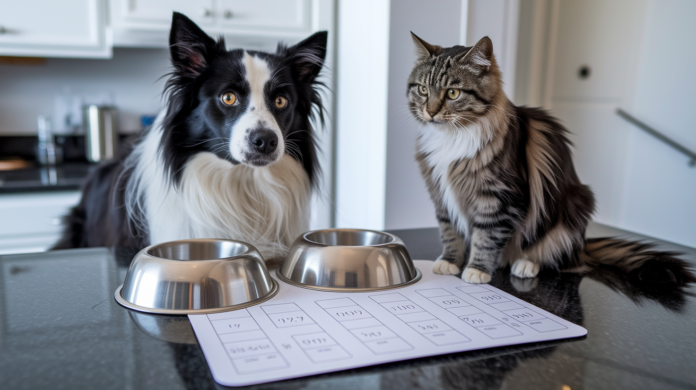

Think leaving kibble out all day is harmless?
It often leads to weight gain and hides appetite changes that would tell you something is off.
A simple pet feeding schedule fixes that, steadies digestion, makes portion control easy, and helps you spot health or behavior shifts fast.
This guide lays out clear, life-stage plans for puppies, adult dogs, seniors, and cats, plus practical tips on how much to feed, when to remove the bowl, and how treats fit into the daily total.
Follow these steps and you’ll have a reliable routine your pet can count on and fewer surprises at the vet.
Core Principles of a Pet Feeding Schedule
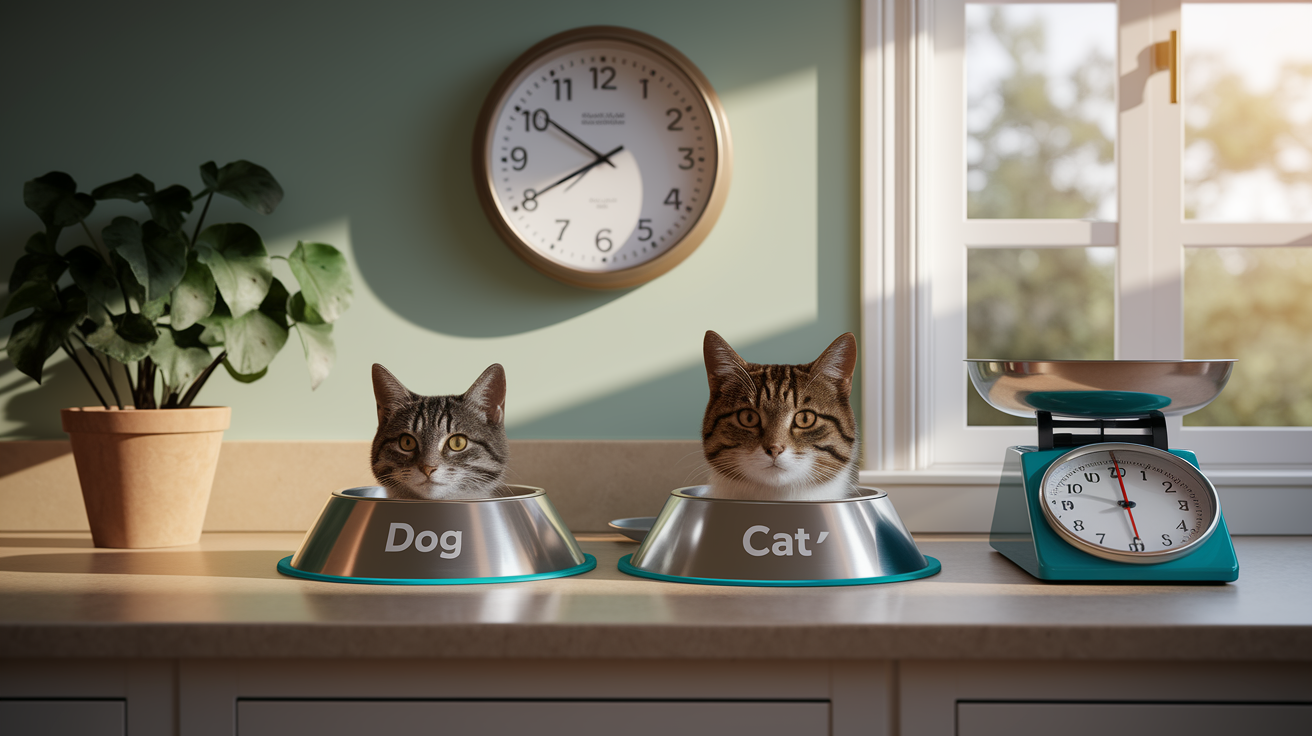
A feeding schedule is just a routine for when, where, and how much food your pet gets each day. It keeps digestion running smoothly, makes portion control way easier, and cuts down on mealtime stress. Instead of guessing or leaving food out constantly, you stick to fixed meal times and pick up the bowl after a quick eating window.
Most adult dogs do great on two meals a day, about 8 to 12 hours apart. Think 7:00 AM and 7:00 PM. Puppies under five or six months need to eat more often, usually three to four small meals, because they’re growing fast and their digestive systems are still figuring things out. Cats generally handle two to three meals per day just fine. Once you set the bowl down, give your pet around 15 to 20 minutes to eat, then take it away even if there’s food left. This window stops all day grazing, helps you catch appetite changes quickly, and builds structure.
Portion size matters just as much as timing. Start with the feeding guidelines on your pet’s food bag, then tweak based on weight, body shape, and how active they are. Treats and extras need to fit inside that daily calorie budget. Keep treats under 10 percent of total calories. If you’re handing out training rewards or tossing a dental chew, trim the next meal by roughly 5 percent to balance things out.
Five core principles every feeding schedule should follow:
- Feed at the same times daily to keep digestion predictable and set clear expectations.
- Measure portions with a kitchen scale or measuring cup instead of eyeballing it.
- Remove the bowl after 15 to 20 minutes to prevent overeating and constant nibbling.
- Count treats, toppers, and chews as part of the daily calorie total.
- Adjust meal size when weight, age, or activity level changes.
Feeding Schedules by Pet Type and Life Stage
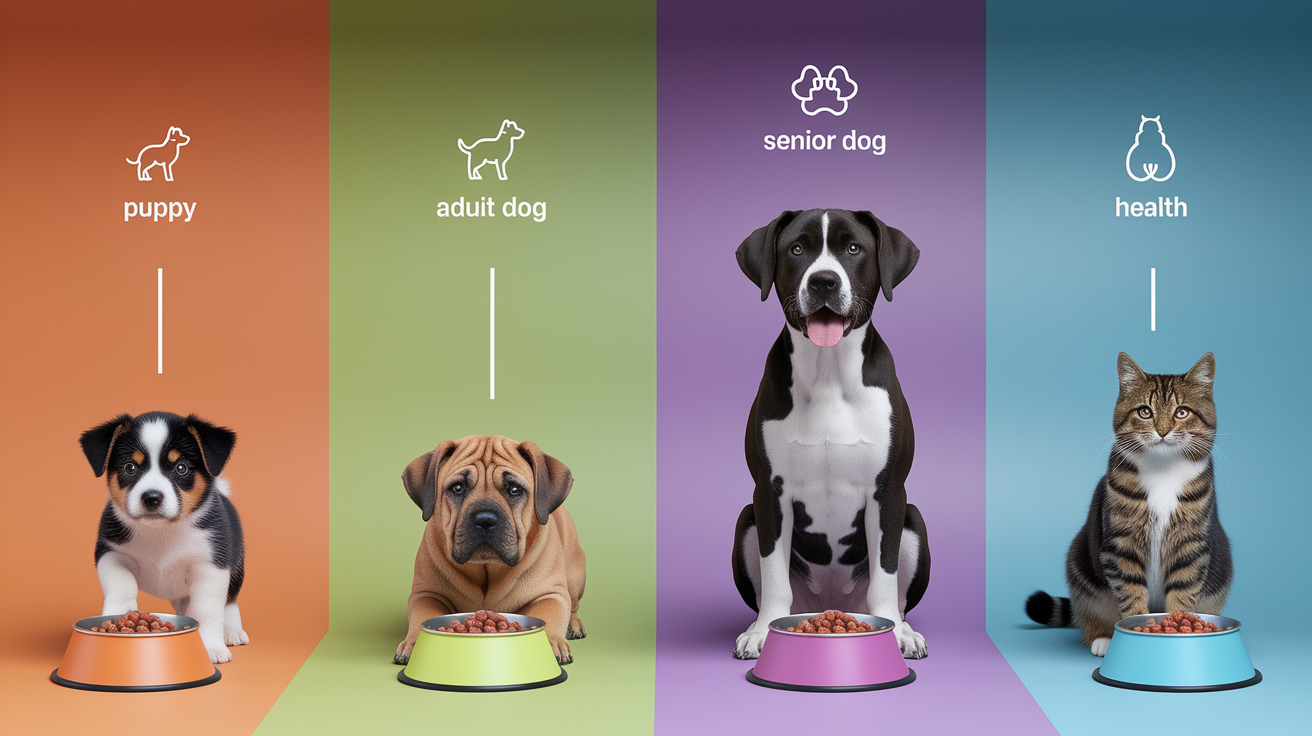
Puppies younger than six months grow incredibly fast and need more frequent meals to keep up with that growth and avoid blood sugar drops. Plan on feeding puppies three to four times a day, splitting their total daily portion into smaller servings. Stick with a puppy formula that lists meat as the first ingredient, and use the brand’s portion chart as your starting point. Around six months, most puppies can switch to two meals a day.
Adult dogs, roughly six months to seven years old, usually do best with two meals per day. One in the morning, one in the evening. This rhythm supports steady energy and makes it easier to spot appetite changes or digestive issues. Portion sizes shift by breed and size. Small dogs like Chihuahuas might eat half a cup to one cup total per day, medium dogs like Beagles around one and a half to two cups, and large breeds like Golden Retrievers two and a half to four cups. Working dogs or super active pets may need an extra midday meal or slightly bigger portions.
Senior dogs, seven years and older, often do better with smaller, more frequent meals. Their metabolism slows and their stomachs get more sensitive. Two to four small meals per day can keep energy steady without overloading digestion. Switch to a senior formula that’s lower in calories but packed with fiber, omega-3s, and joint support nutrients like glucosamine. Keep a close eye on your senior’s weight and talk to your vet if special dietary needs come up.
Adult cats typically thrive on two to three meals a day at consistent times. Cats are natural hunters with small stomachs, so splitting food into multiple servings mimics their instinctive eating pattern and keeps them from overeating. Fresh water should always be available, especially if you’re feeding dry kibble.
| Life Stage | Recommended Meals/Day |
|---|---|
| Puppies (8 weeks to 6 months) | 3 to 4 meals |
| Adult Dogs (6 months to 7 years) | 2 meals (sometimes 3 if very active) |
| Senior Dogs (7+ years) | 2 to 4 smaller meals |
| Adult Cats | 2 to 3 meals |
Portion Control and Calorie Planning for Pets
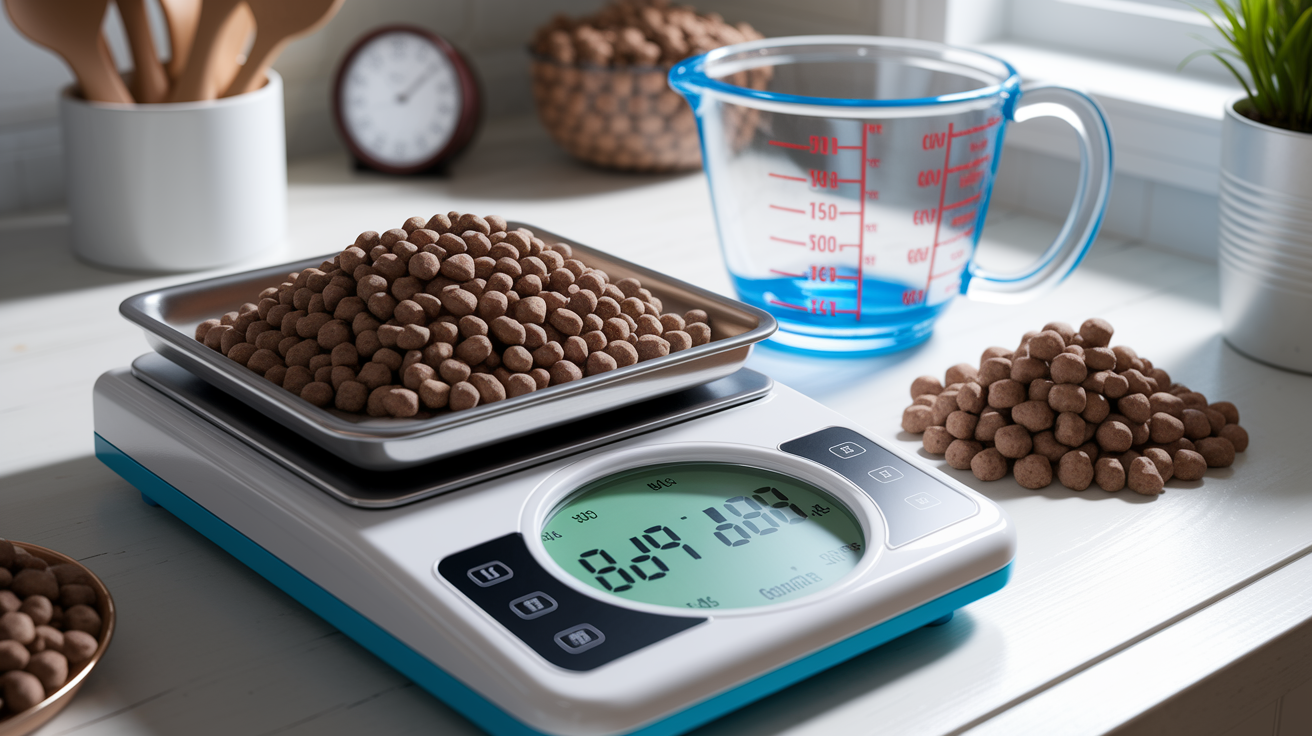
Start with the feeding chart on your pet food bag. These guidelines are based on weight ranges and give you a solid baseline for the daily amount. Use a kitchen scale or a standard measuring cup. Guessing usually leads to overfeeding. Weigh your pet once a week, ideally on the same scale at the same time of day, and track the number. If your pet’s gaining weight, cut portions by about 10 percent. If your pet’s losing weight or you can see ribs too easily, bump portions up slightly and check again in a week.
Treats, training rewards, table scraps, and any extras all add calories. Keep treats and snacks under 10 percent of your pet’s total daily intake. If you give a handful of training treats or a long lasting chew, reduce the next meal by roughly 5 percent to keep total calories balanced. Choose nutrient dense treats with real meat and minimal fillers. Skip anything high in sugar, salt, or artificial ingredients.
Four steps to calculate and adjust portions accurately:
- Read the feeding guide on your pet food package and note the recommended daily amount for your pet’s current weight.
- Divide that total by the number of meals your pet eats per day. Two meals for most adults, three to four for puppies.
- Weigh or measure each meal precisely, using the same cup or scale every time.
- Subtract treat calories from the daily total. If you give 50 calories in treats, reduce food portions by about 50 calories. Check the treat package for calorie info.
Practical Daily Routine Tips for a Stable Feeding Schedule
Pick two fixed times that work with your household schedule and stick to them every day. Most pet owners choose morning and evening slots about 8 to 12 hours apart, like 7:00 AM and 7:00 PM. Consistency helps your pet’s body anticipate meals, keeps digestion regular, and makes it easier to notice when appetite drops or behavior shifts.
Feed in the same spot every time. Pick a quiet corner away from your dining table and food prep areas. Feeding near human meal zones encourages begging, increases the chance your pet will snag unsafe human foods like onions or chocolate, and disrupts your household routines. Once you set the bowl down, set a timer for 15 to 20 minutes, then remove it whether or not your pet finished. This teaches your pet to eat when food’s available and prevents all day grazing.
Don’t feed right before exercise or the second you walk through the door after being out. Feeding before vigorous activity can cause stomach upset, bloating, or abdominal discomfort. Feeding the moment you arrive home can create anxious food associations and make your pet more restless when you leave. Instead, wait at least 30 minutes after you return before putting down the bowl.
Six daily tips to keep your feeding schedule smooth:
- Set alarms on your phone for meal times until the routine becomes automatic.
- Keep a dedicated measuring cup or scoop with the food bag so you never guess.
- Remove the bowl after 15 to 20 minutes, even if food remains, to prevent grazing.
- Feed in one consistent, quiet location away from your dining table.
- Avoid feeding right before or immediately after exercise to prevent digestive upset.
- Watch post meal behavior. Lethargy, pacing, or skipped meals can signal a problem worth checking with your vet.
Feeding Methods: Scheduled Meals, Free Feeding, and Slow Feeding Tools
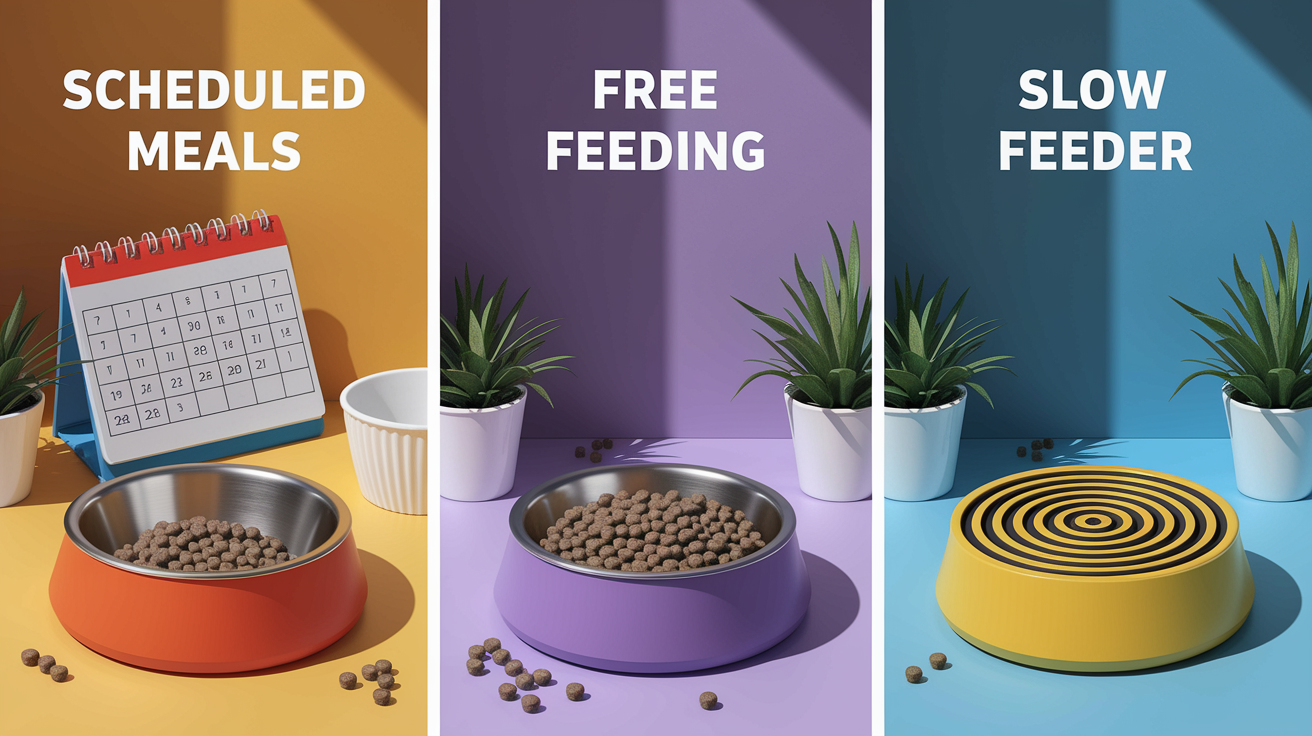
Scheduled feeding means you put down measured portions at set times and remove the bowl after a short window. This method gives you the most control over calories, makes it easy to notice appetite changes, and prevents obesity. Most vets recommend scheduled feeding for dogs and cats because it builds routine, supports digestion, and reduces the risk of overeating.
Free feeding, leaving food out all day for pets to nibble whenever they want, often leads to weight gain and makes portion tracking nearly impossible. Some cats and very small breed dogs are natural grazers and may do okay with measured all day access, but even then it’s safer to divide the daily amount into three or four small scheduled meals. If your pet’s a slow eater or picks at food, split portions into four tiny meals throughout the day instead of leaving a full bowl out.
Slow feeders, puzzle bowls, and interactive feeding toys help pets who gulp food too quickly. Eating fast can cause choking, vomiting, and bloating. A slow feeder dish with ridges or mazes forces your pet to work around obstacles, stretching a five minute meal into 15 or 20 minutes. Automatic feeders with programmable timers can help maintain consistent meal times if your work schedule is unpredictable.
| Method | Best For | Key Benefit |
|---|---|---|
| Scheduled Meals | Most dogs and cats | Easy portion control and appetite monitoring |
| Free Feeding (measured) | Some cats and tiny breed grazers | Flexibility for natural nibblers, but higher risk of overeating |
| Slow Feeders / Puzzle Bowls | Fast eaters and gulpers | Prevents choking and improves digestion |
Adjusting a Pet Feeding Schedule for Health, Behavior, and Special Situations
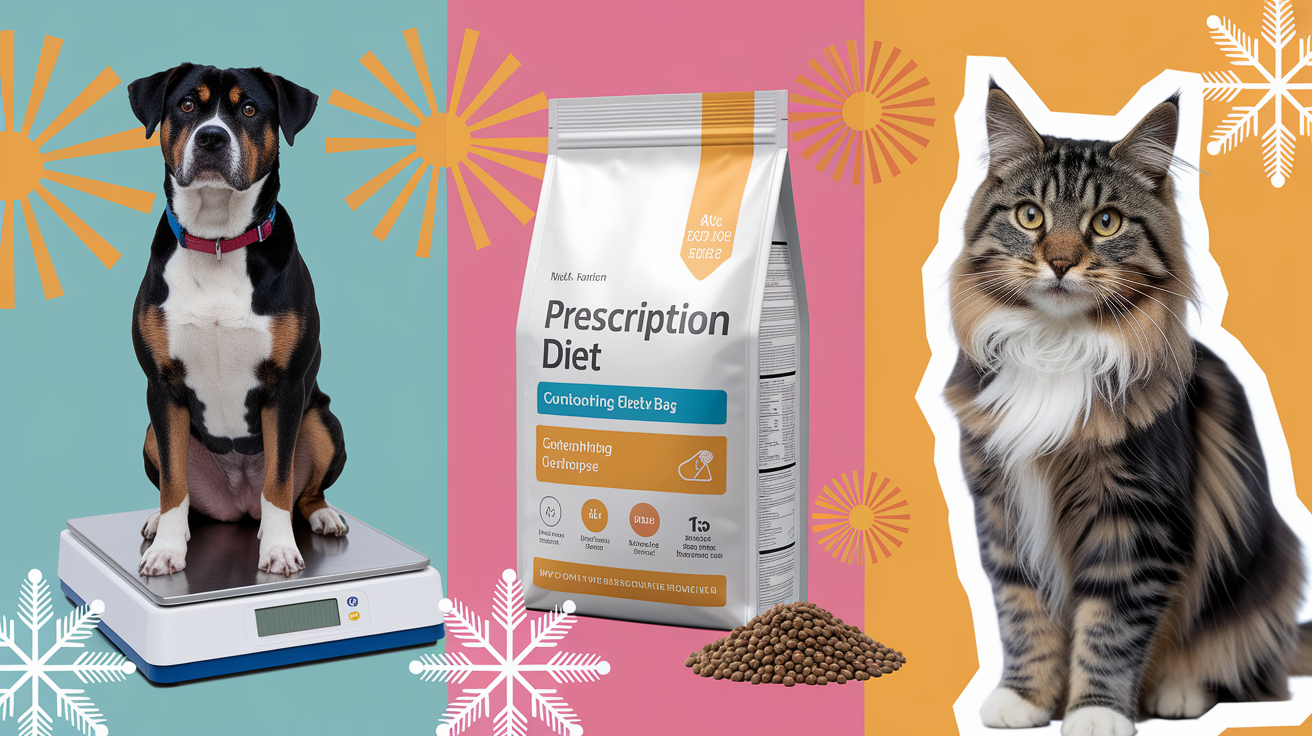
Medical conditions often require strict feeding routines. Dogs with diabetes need meals timed with insulin injections, usually two meals spaced 12 hours apart. Pets with gastrointestinal issues, pancreatitis, or food sensitivities may need smaller, more frequent meals and prescription diets your vet recommends. If your pet takes medication that must be given with food, plan meal times around those doses and keep the schedule consistent every day.
Activity level changes mean calorie adjustments. A dog who starts agility training or goes on long hikes will burn more energy and may need 10 to 20 percent more food. A cat who becomes less active in winter or an older dog recovering from surgery needs fewer calories. Watch body condition and weight weekly, then adjust portions up or down as needed. Don’t wait until your pet is visibly overweight or underweight to make changes.
Pregnancy, lactation, and growth spurts require temporary schedule shifts. Pregnant and nursing pets need calorie dense, nutrient rich food and may eat two to three times their normal amount, split into smaller, more frequent meals. Puppies and kittens going through rapid growth phases may need an extra midday meal for a few months. Once the special situation ends, transition back to the standard adult schedule gradually.
Seasonal and environmental factors matter too. Pets who spend more time outdoors in cold weather burn extra calories staying warm and may need slightly larger portions. Hot summer months can reduce appetite, so some pets eat less but still need full hydration. Always keep fresh water available. If appetite drops for more than a day or two, check with your vet. Avoid feeding table scraps or human foods like chocolate, grapes, garlic, and onions. These can cause organ damage, intestinal blockages, or poisoning.
How to Transition a Pet to a New Feeding Schedule or Diet
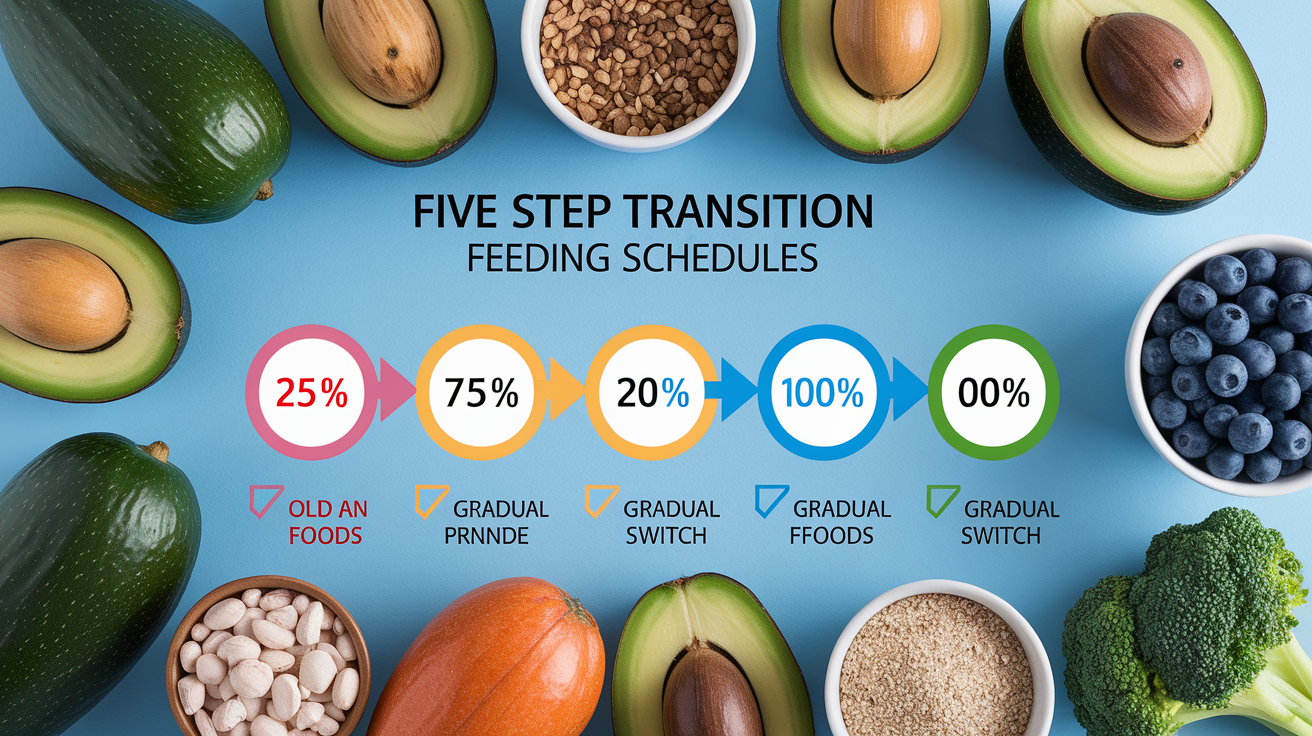
Changing your pet’s feeding routine or switching foods should happen slowly to avoid digestive upset. Sudden changes can cause vomiting, diarrhea, or food refusal. Plan for a transition period of at least five to seven days, sometimes longer for sensitive pets or big diet shifts.
Start by keeping meal times consistent even as you adjust food type or schedule. If you’re switching from three meals to two, begin by slightly reducing the midday portion while increasing morning and evening servings over several days. If you’re introducing a new food, mix a small amount of the new formula with the current food on day one. About 25 percent new, 75 percent old. Every two days, increase the new food ratio until you’re feeding 100 percent of the new formula by day seven.
Five step plan for smooth transitions:
- Keep feeding times and location exactly the same throughout the transition period.
- Mix the new food with the old food gradually, starting at a 25/75 ratio and increasing the new portion every two days.
- Monitor your pet’s appetite, energy, and stool quality daily. Loose stools or decreased appetite means you’re moving too fast.
- Continue removing the bowl after 15 to 20 minutes to maintain structure and prevent picky eating.
- Track your pet’s weight and body condition weekly. Adjust portions if you see unexpected weight gain or loss during the transition.
Printable Pet Feeding Charts and Templates
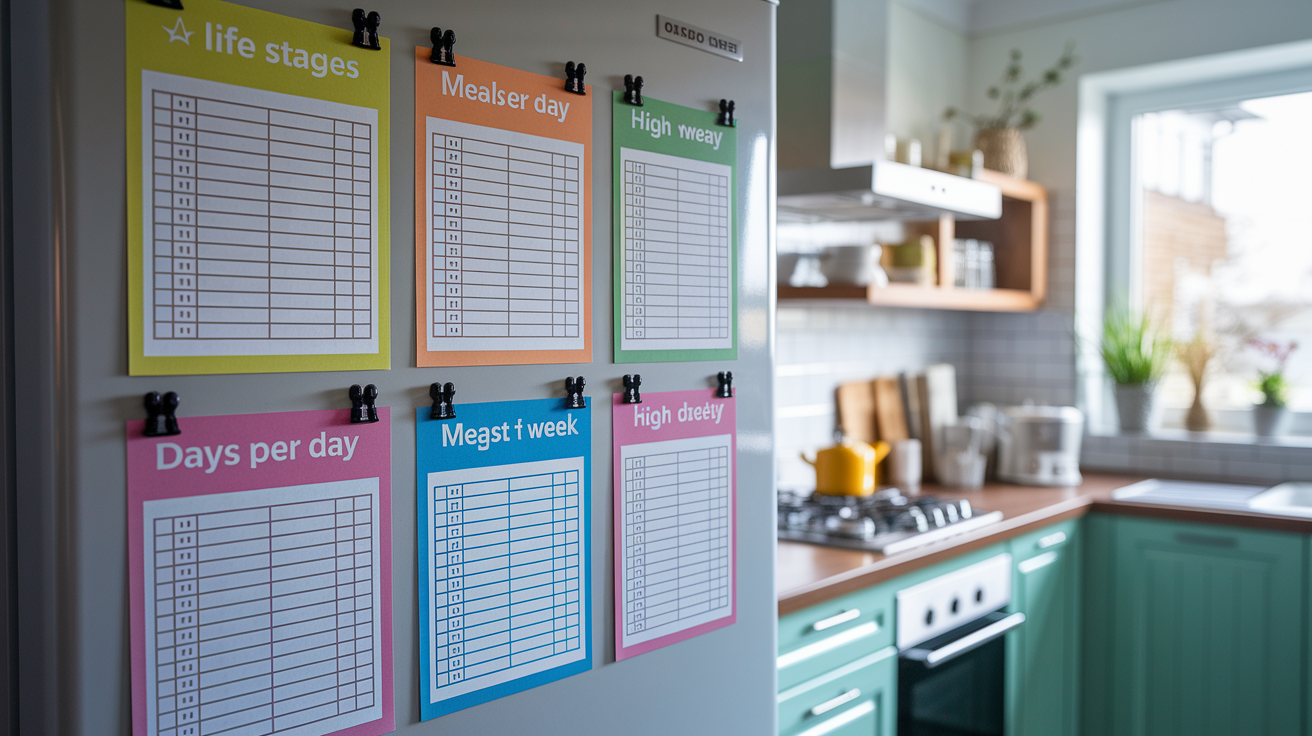
A visual feeding chart helps you stay consistent, especially when multiple people in your household feed the pet. Print a simple schedule and stick it on the fridge or inside a cabinet door. Write down meal times, portion sizes, and any special instructions like medication timing or treat limits. Check off each meal as you complete it so everyone knows whether the pet’s been fed.
Templates work best when tailored to your pet’s life stage. Adult dogs and cats do well with a two slot chart listing morning and evening times, like 7:00 AM and 7:00 PM, with space to note portion amounts. Puppies need three or four time slots to cover their more frequent meals. Grazers or pets on medical feeding schedules may benefit from a four slot template that divides the daily food into smaller servings spread throughout the day.
| Template Type | Best For | Meals/Day |
|---|---|---|
| 2-Slot Chart | Adult dogs and cats | 2 meals (morning and evening) |
| 3–4 Slot Chart | Puppies under 6 months | 3 to 4 meals |
| 4-Slot Grazer Chart | Slow eaters, grazers, or medical diet pets | 4 small meals throughout the day |
Common Pet Feeding Mistakes and How to Avoid Them
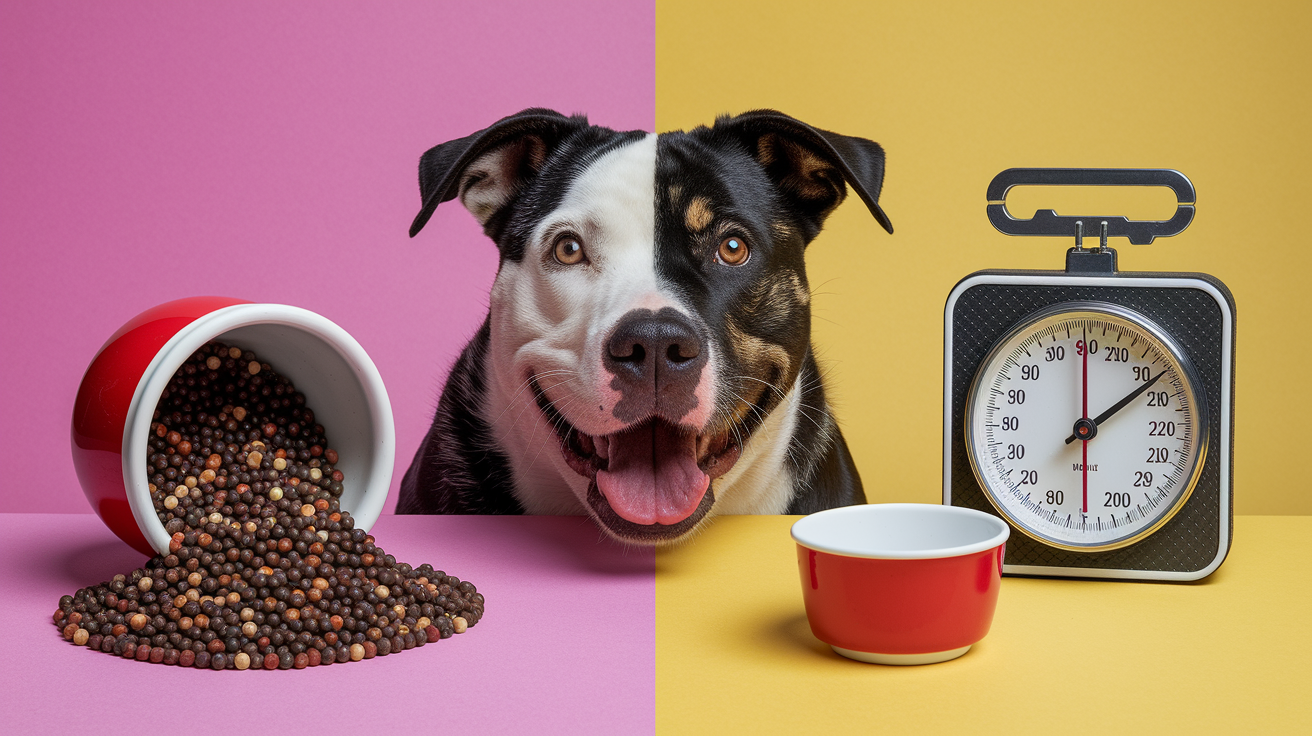
Overfeeding is the most common mistake and the easiest to fix. It usually happens when you free feed, give too many treats, or guess portion sizes instead of measuring. Even a few extra kibbles per meal add up over weeks and lead to weight gain. Weigh your pet regularly and adjust portions when you see the number climbing. If your pet begs, resist the urge to add more food. Begging is often habit, not hunger.
Feeding table scraps disrupts calorie balance and exposes your pet to unsafe ingredients. Many human foods are high in fat, salt, and sugar. Some, like chocolate, grapes, onions, and garlic, are toxic. Feeding from your plate also teaches begging behavior and makes it harder to maintain a consistent schedule. Stick to pet formulated foods and treats, and keep human meals separate.
Ignoring weight changes and special dietary needs causes long term health problems. If your pet’s ribs become hard to feel or you notice a thickening waistline, reduce portions by 10 percent and add a few extra minutes of activity each day. If ribs are easily visible or your pet seems lethargic, increase portions slightly and check with your vet. Senior pets, puppies, and pets with medical conditions need age or condition specific diets. Generic adult food won’t meet their needs.
Six feeding mistakes to watch out for:
- Free feeding or leaving food out all day, which makes portion control impossible and often leads to obesity.
- Giving table scraps or human foods that can be high in fat, salt, or toxic ingredients.
- Skipping regular weigh ins, so you miss gradual weight gain or loss until it becomes a bigger problem.
- Treating your pet immediately when they beg, which reinforces the behavior instead of teaching them to wait calmly.
- Forgetting to count treat calories as part of the daily total. Treats should stay under 10 percent.
- Using the same food and portions for every life stage instead of adjusting for age, activity, and health changes.
Final Words
Stick to simple, regular meal times and measured portions. That steady rhythm helps digestion, keeps weight steady, and cuts mealtime stress.
Use age-based meal counts, keep treats to 10% or less, remove bowls after 15-20 minutes, and transition foods slowly. Check weight weekly and tweak portions. Call your vet if you see sudden appetite loss, repeated vomiting, blood, or big weight change.
This pet feeding schedule guide gives a quick, doable plan. Small, consistent steps add up. You’re on the right track.
FAQ
Q: What is the 80 10 10 rule for dog food? What is the 90/10 rule dog? What is the 25 rule for pet food?
A: The 80/10/10, 90/10 and 25 rules are shorthand diet or treat guides: 80/10/10 is often 80% muscle, 10% organ, 10% bone; 90/10 is a leaner meat-to-bone mix; the “25” rule varies—ask your vet.
Q: What is a good feeding schedule for a dog?
A: A good feeding schedule for a dog is age-based: puppies 3–4 meals/day, adult dogs usually 2 meals/day, seniors 2 smaller meals; space feedings 8–12 hours and remove bowls after 15–20 minutes.