

Can a dog be healthy without meat?
Many dog owners wonder if plant-based food can really ease digestion and cut down on allergy flare-ups.
Here’s the quick version: when a plant-based diet is properly formulated and complete for your dog’s life stage, it often gives firmer stools, less gut upset, and fewer skin and ear reactions tied to animal proteins.
This post walks through the science, the nutrients you must watch, and a safe step-by-step way to switch.
Assessing the Healthfulness of Plant‑Based Diets for Dogs

Dogs can thrive on plant‑based diets if they’re properly formulated. And yes, “properly formulated” is doing a lot of work in that sentence.
Dogs aren’t strict carnivores. They’re facultative carnivores with omnivorous leanings, which means their digestive systems adapted over thousands of years to pull nutrients from both animal and plant sources. A well‑designed plant‑based food that hits established nutritional benchmarks can support normal health, steady energy, and a long life.
The science backs this up. A 2022 survey tracked 2,536 dogs eating plant‑based diets for at least a year. Health disorder prevalence sat at 36%, compared to 49% in dogs eating conventional meat diets. In 2024, researchers followed 15 dogs on a commercial plant‑based diet for a full year. Every clinical marker stayed normal: bloodwork, urinalysis, hematology, the whole panel. A separate 2023 trial with 61 dogs found no real difference in macronutrient digestibility between plant‑based and meat‑based formulas over three months.
But four nutrients need your attention:
Taurine and L‑carnitine keep the heart functioning and metabolism humming.
Vitamin B12 doesn’t exist in plant ingredients. It has to be added.
Essential amino acids like methionine and lysine must come from complementary protein sources.
Omega‑3 fatty acids (EPA and DHA) usually come from algae in vegan formulas.
Long‑term health depends on choosing diets that meet AAFCO or FEDIAF nutrient profiles, carry a “complete and balanced” label for your dog’s life stage, and include fortified vitamins, minerals, and amino acids. When those boxes are checked, dogs maintain stable weight, normal labs, healthy coats, and consistent energy.
Core Canine Nutritional Requirements
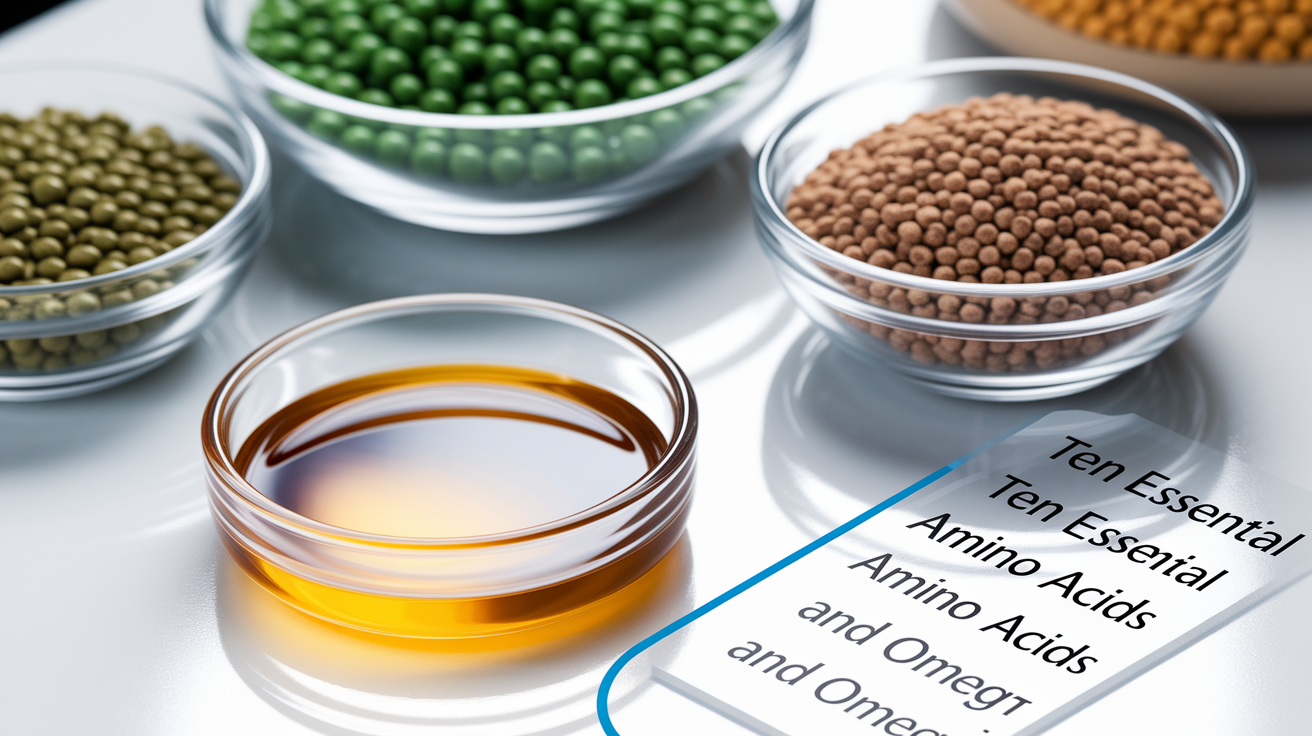
Dogs need ten essential amino acids they can’t make themselves: arginine, histidine, isoleucine, leucine, lysine, methionine, phenylalanine, threonine, tryptophan, and valine. They also need omega‑3 and omega‑6 fatty acids for skin and coat health, plus a full lineup of vitamins and minerals that keep metabolism, bones, immunity, and organs running. Plant‑based diets can deliver all of it when ingredients are chosen carefully and combined with precision.
Protein digestibility studies from 2023 show that most essential amino acids in properly formulated plant‑based diets have digestibility above 80%. Blending complementary proteins works: legumes bring lysine but run low on methionine, while grains or seeds fill that gap. Fortification with synthetic or algae‑derived nutrients covers what single plant ingredients can’t.
| Nutrient | Role | Plant‑Based Sources |
|---|---|---|
| Essential amino acids | Muscle, enzyme, and immune function | Peas, lentils, chickpeas, quinoa, soy, potato protein |
| Omega‑3 (EPA/DHA) | Anti‑inflammatory, cognitive and heart health | Algae oil (direct EPA/DHA), flaxseed (ALA, requires conversion) |
| Vitamin B12 | Nerve function, red blood cell production | Synthetic fortification (no natural plant source) |
| Calcium and phosphorus | Bone and teeth structure, metabolic balance | Fortified plant milks, added minerals, calcium carbonate |
| Iron and zinc | Oxygen transport, immune and skin health | Lentils, chickpeas, fortified grains, chelated mineral supplements |
Scientific Research on Plant‑Based Dog Diets

Research from 2018 to 2024 provides real numbers showing that nutritionally complete plant‑based diets support canine health. The 2024 University of Winchester study found a decrease in seven common illness indicators in dogs fed vegan diets compared to non‑vegan dogs. That same research referenced at least ten earlier studies showing positive outcomes for vegetarian and vegan dogs, including better coat quality, firmer stools, and easier weight management.
A 2023 protein digestibility trial found that plant‑based diets meeting recognized nutrient profiles supplied crude protein and essential amino acids in amounts above established recommendations. In a 2022 controlled feeding study, dogs on plant‑based diets had significantly lower blood triglycerides and cholesterol compared to those eating chicken or meat‑based diets. All health markers stayed within normal clinical ranges. Dogs in a 12‑month trial kept stable body weights, and those who started overweight trended toward healthier body condition.
A 2019 mineral digestibility study showed that apparent phosphorus digestibility was higher in some plant‑based formulas, and overall mineral digestibility matched or beat conventional diets. Across all these studies, no significant adverse effects showed up when diets were formulated to be complete and compliant with AAFCO or equivalent standards. The research makes one thing clear: formulation quality determines health outcomes, not whether the food contains animal ingredients.
Documented Benefits of Plant‑Based Dog Food

Dogs on well‑formulated plant‑based diets can experience multiple health advantages. Many tie back to higher fiber content, lower saturated fat, and the phytonutrient profile that comes with plant ingredients. Large surveys and controlled trials show reduced incidence of certain health disorders, improved digestion, and better metabolic markers. These benefits show up strongest when the diet is nutritionally complete and fed consistently.
Plant‑based diets supply antioxidants, polyphenols, carotenoids, and prebiotics that are either missing or scarce in meat‑based foods. Fiber from sweet potatoes, oats, and legumes slows digestion, stabilizes blood glucose, and promotes satiety, which helps with weight control. Removing common animal allergens like beef, chicken, dairy, and lamb often reduces skin irritation, ear infections, and gastrointestinal upset in sensitive dogs.
Key benefits documented in research and product reports:
Reduced food allergies by eliminating common animal proteins and swapping in novel plant proteins (peas, lentils, quinoa).
Improved gastrointestinal health through higher fiber, prebiotics, and easier‑to‑digest carbohydrates. This leads to firmer stools and less bloating.
Healthier weight maintenance thanks to lower caloric density, slower digestion, and increased satiety.
Lower cardiovascular risk factors such as triglycerides and cholesterol, backed by data from controlled feeding trials.
Reduced environmental impact, with lifecycle assessments showing 37–50% lower greenhouse gas emissions and dramatically reduced water and land use per 1,000 kcal.
Potential Risks and Considerations
Risks show up when plant‑based dog diets are incomplete, poorly balanced, or formulated without veterinary or nutritional expertise. Homemade plant‑based diets often fail to meet AAFCO nutrient profiles because they lack critical fortifications: vitamin B12, taurine, L‑carnitine, bioavailable calcium, and direct sources of EPA and DHA. Deficiencies in these nutrients can cause serious problems. Dilated cardiomyopathy from taurine deficiency. Anemia from B12 deficiency. Poor bone development from calcium/phosphorus imbalance. Impaired immune function from low zinc or selenium.
Some plant proteins run low on specific amino acids. Legumes like lentils and peas don’t bring much methionine. Grains like rice are lower in lysine. Without complementary protein blending or amino acid supplementation, dogs might not get a complete essential amino acid profile. Vulnerable life stages require extra caution: growing puppies, pregnant or nursing females, and dogs with metabolic diseases or malabsorption conditions. These dogs should only eat plant‑based diets under veterinary supervision, with periodic lab monitoring that includes blood chemistry and taurine status checks.
Veterinary Perspectives and Professional Guidelines

Many veterinarians accept plant‑based diets for dogs when the formula is nutritionally complete, commercially produced, and meets AAFCO or FEDIAF standards. These professionals stress that the key factor isn’t whether the diet contains animal products. It’s whether the diet supplies all required nutrients in bioavailable forms. A major veterinary body has stated that plant‑based diets can be healthy for pet dogs, but urges caution and individual monitoring to ensure long‑term safety.
Other veterinarians express concern about homemade plant‑based diets, which often lack the precision and fortification of commercial formulas. They recommend baseline veterinary exams, including bloodwork and body condition scoring, before any dietary transition. Follow‑up clinical reassessment and repeat lab work should happen after about three months. Professional guidelines stress that plant‑based diets should be vet‑approved or developed in collaboration with board‑certified veterinary nutritionists, especially for puppies, seniors, and dogs with special medical needs.
How to Transition Dogs to a Plant‑Based Diet

A gradual transition over 7 to 10 days reduces the risk of digestive upset and gives your dog’s gut microbiome time to adapt to new ingredients. Abrupt dietary changes can trigger vomiting, diarrhea, or refusal to eat. A stepwise approach is always safer.
Days 1–2: Mix 25% of the new plant‑based food with 75% of your dog’s current food.
Days 3–4: Increase to a 50/50 mix.
Days 5–6: Shift to 75% new plant‑based food and 25% old food.
Day 7 onward: Feed 100% of the new plant‑based diet if your dog is tolerating the transition well.
Monitor stool quality daily. Look for firmness, normal color, and no signs of diarrhea or constipation.
Watch energy, appetite, and behavior. Any sudden changes in activity level, reluctance to eat, or signs of discomfort should prompt you to slow the transition or consult your vet.
Extend the timeline if needed. If your dog shows digestive upset or refuses the new food, return to the previous ratio for a few more days before progressing.
Noteworthy Commercial Plant‑Based Dog Food Options
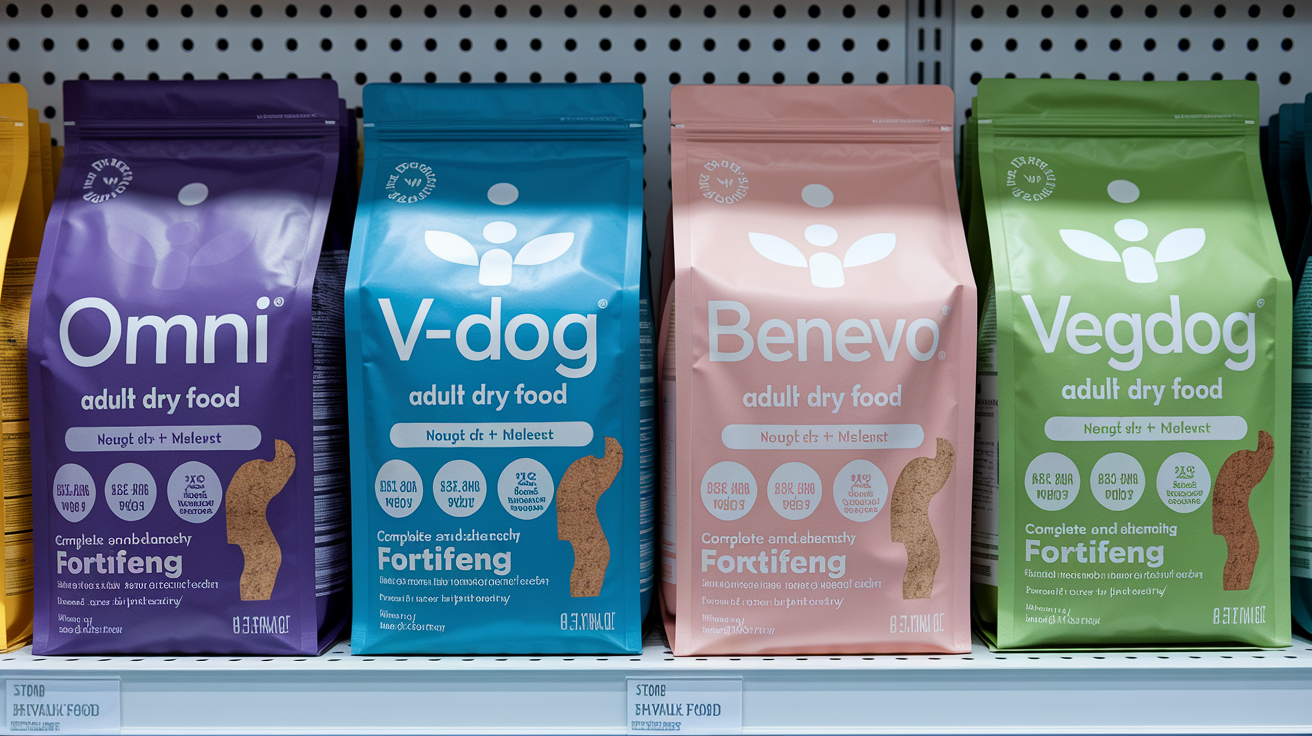
Several brands offer AAFCO‑compliant, nutritionally complete plant‑based dog foods formulated with veterinary input. These products include fortified vitamins, minerals, and amino acids. They’re designed to meet the needs of adult dogs in maintenance, and some offer formulas for puppies or all life stages.
| Brand/Product | Key Features | Price Range (Approximate) |
|---|---|---|
| Omni Adult Dry Food | 30% protein, 9% fat; hypoallergenic; vet‑designed; free from chicken, beef, dairy | Mid‑range |
| V‑dog Traditional Flake | 100% vegan maintenance formula; fortified with taurine, L‑carnitine, vitamins and minerals | Mid‑range |
| Benevo Adult Original | 27% plant‑derived protein; nutritionally complete; on market since 2005; made in UK | Budget to mid‑range |
| Vegdog Green Crunch (dry) and Adult Wet Food | Developed with veterinarians; includes lentils, peas, sweet potato, algae for omega‑3 | Mid to premium |
Frequently Asked Questions About Plant‑Based Dog Diets

Can dogs get enough protein on a plant‑based diet?
Yes, when the diet includes complementary plant proteins like peas, lentils, quinoa, and soy, and meets AAFCO crude protein minimums. Studies show protein digestibility above 80% in properly formulated plant‑based dog foods.
Are plant‑based diets safe for puppies?
They can be, but only if the formula is labeled “complete and balanced” for growth and reproduction, and feeding is supervised by a veterinarian. Puppies have higher nutrient demands. Deficiencies can cause serious developmental problems.
Will my dog have digestive problems during the switch?
Some dogs experience temporary changes in stool or mild gas during the first 7–10 days. A gradual transition and monitoring stool quality usually prevent serious digestive upset.
Do plant‑based diets help with food allergies?
Many dogs with food allergies to beef, chicken, dairy, or lamb improve on plant‑based diets because common animal allergens are eliminated. Avoid formulas with corn, wheat, soy, or rice if your dog is sensitive to those plant ingredients.
How long does it take to see health benefits?
Improvements in coat shine, stool consistency, and energy often show up within 2–4 weeks. Reductions in allergy symptoms, weight stabilization, and improved bloodwork markers typically become evident after 3 months of consistent feeding.
Final Words
Yes, dogs can do well on a plant-based diet when it’s complete and balanced, meeting essential amino acids, vitamins, and fatty acids.
We covered core nutrient needs, research from 2018–2023 that shows neutral or improved outcomes, documented benefits like better digestion and lower allergy risk, and practical transition and product guidance.
If you try this, pick AAFCO-compliant formulas, watch stool, weight, and energy, and check with your vet.
Plant based dog food benefits can be real when planned right. It’s a hopeful, practical option.
FAQ
Q: Are dogs healthier on a plant-based diet, and do vets recommend plant-based dog food?
A: Dogs can be healthy on a plant-based diet, and many vets support it when the food is complete and balanced (meets nutrient standards), supplemented as needed, and monitored with regular checkups.
Q: What is the best dog food for pancreatitis?
A: The best dog food for pancreatitis is a low-fat, highly digestible veterinary therapeutic diet that reduces pancreatic workload; follow your vet’s prescription and recheck bloodwork and symptoms regularly.
Q: What is the best dog food for congestive heart failure?
A: The best dog food for congestive heart failure is a vet-prescribed, low-sodium diet with controlled calories, balanced nutrients, and sometimes added taurine or omega-3s; tailor it to your dog’s condition and meds.