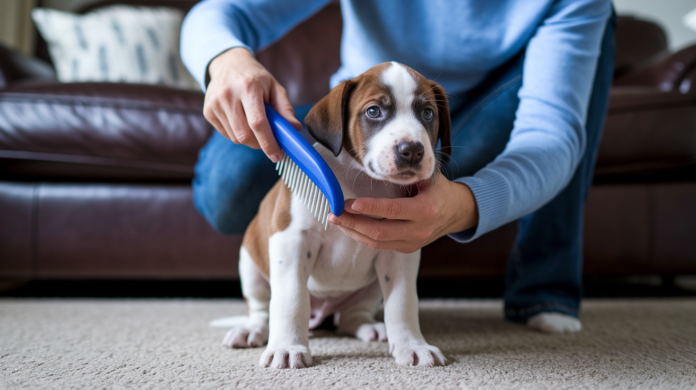

Think grooming your puppy is just about looks? Think again.
Starting the right way now prevents painful mats, itchy skin, and grooming fights later, and it helps your pup stay calm during vet visits.
This guide gives clear, easy-first steps: how to introduce brushes and baths safely, when to use puppy shampoo, quick daily skin checks, and short handling drills that build confidence.
Follow these basics in the first few months and grooming will feel like a normal part of your routine, not a struggle.
Foundations for Puppy Coat Care (Core Basics New Owners Must Know)
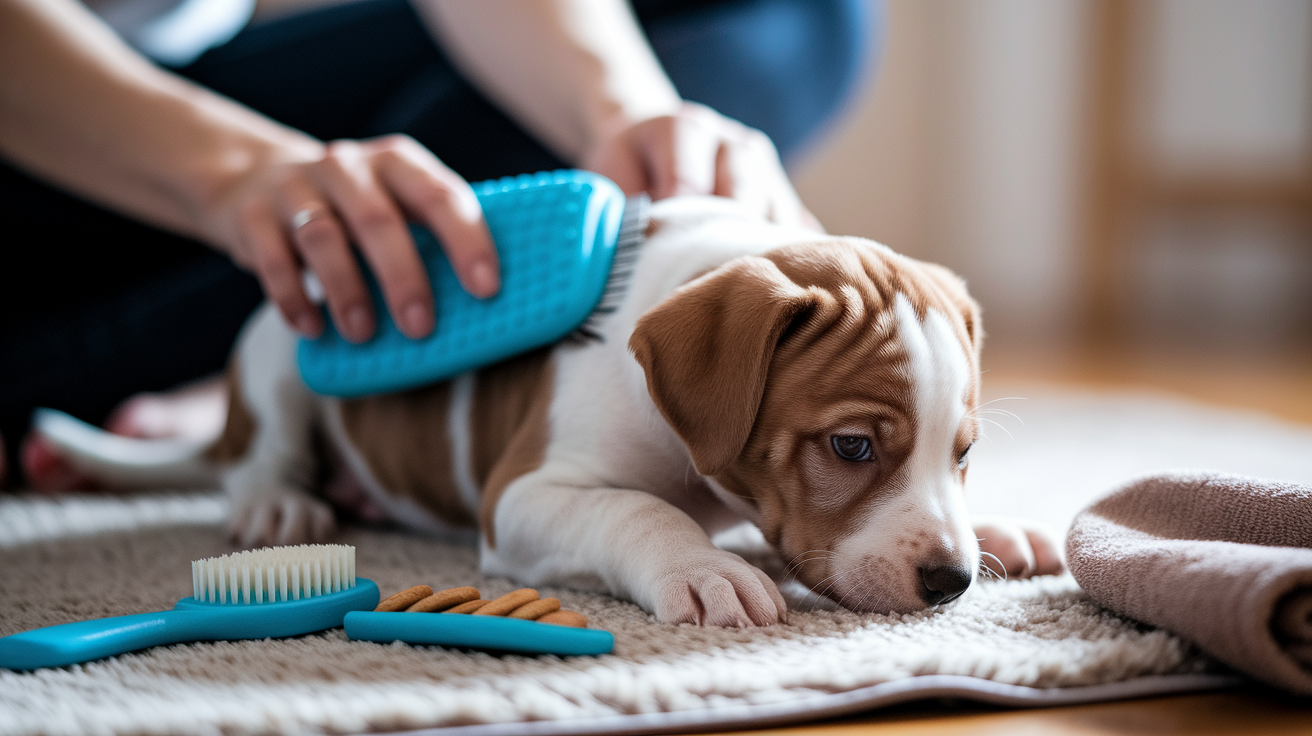
Start brushing your puppy gently every few days, give that first bath after vaccinations around 12 weeks, and let your puppy sniff the tools before you use them. Check the skin daily for bumps, dry patches, or anything red.
Building a grooming routine early teaches puppies that brushing and handling are just part of life. Regular brushing spreads the natural oils that make the coat shiny. It stops mats before they form. Daily skin checks during play let you catch fleas, ticks, or hot spots before they turn into bigger problems. Puppies who learn that grooming means treats and calm praise grow into adults who don’t panic during nail trims or vet visits.
Puppy skin is thinner and way more sensitive than adult skin. Use dog shampoo only. Human shampoo strips protective oils and can cause dryness or irritation. Keep brushing sessions short. If you hit a tangle, work it out slowly with your fingers instead of yanking the brush through. Watch for pulling away, whining, or nipping at the brush.
The goal in the first few months? Confidence, not perfection. Practice touching paws, lifting ears, and handling the tail for a few seconds each day. Pair every touch with a small treat. These little moments teach your puppy that grooming is safe and predictable.
Basic puppy coat care tasks to start immediately:
- Brush the coat gently 2 to 3 times per week using the right tool for the coat type.
- Check skin daily for bumps, scabs, fleas, or dry patches during petting or play.
- Touch paws, ears, and tail regularly to build tolerance for future grooming.
- Let the puppy sniff and lick grooming tools before you use them.
Grooming Tools for Puppy Coat Care Success
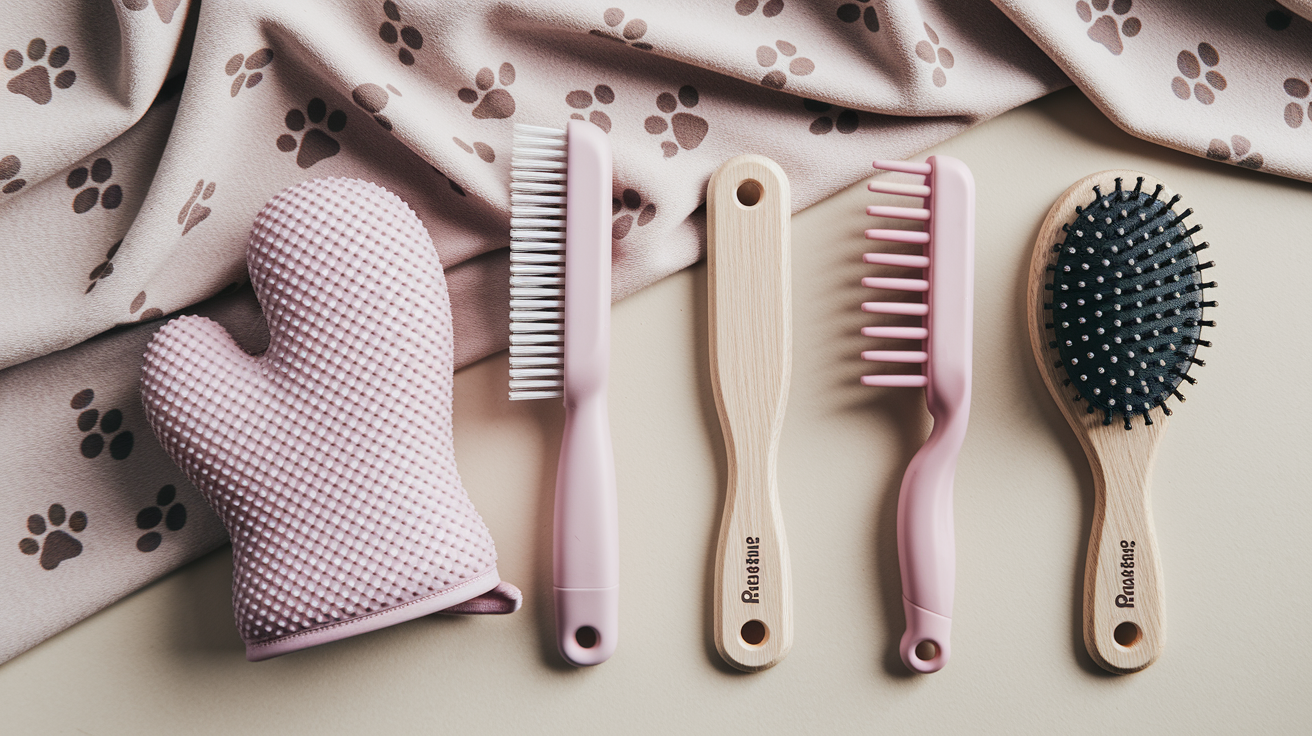
The right grooming tool prevents discomfort and makes brushing faster. A rubber grooming mitt works well for smooth, short coats like Beagles or Boxers. Slicker brushes with fine, bent wire bristles help detangle curly or wavy coats and reach the dense undercoat of double-coated puppies like Golden Retrievers. Pin brushes with rounded tips glide through longer fur without scratching sensitive skin. An undercoat rake pulls out loose undercoat during shedding season without damaging the topcoat.
Introduce each tool slowly. Let your puppy sniff it, then brush one small area like the back for a few seconds. Offer a treat right away. Repeat daily, adding a few more strokes each time. Most puppies accept brushing within a week or two if you pair it with something good. Don’t force the brush or hold the puppy down. Both create fear that can stick around into adulthood.
| Tool | Best For | Puppy Benefit |
|---|---|---|
| Rubber grooming mitt | Short, smooth coats (Beagle, Boxer, Dachshund) | Gentle massaging action removes loose hair and distributes oils without scratching skin |
| Slicker brush | Curly, wavy, or double coats (Poodle, Doodles, Huskies) | Fine bristles detangle mats and reach undercoat safely; builds tolerance for longer grooming sessions |
| Undercoat rake | Heavy-shedding double coats (Golden Retriever, German Shepherd) | Removes loose undercoat during seasonal sheds without damaging topcoat or pulling skin |
Brushing Techniques by Puppy Coat Type

Brush in the direction the fur grows, using short, gentle strokes. Start at the head and work toward the tail. If you feel resistance, stop and check for a tangle. Work knots out with your fingers or a comb before continuing. Puppies wiggle and squirm, so keep early sessions under five minutes and reward frequently.
Short/Smooth Coats
Use a rubber grooming mitt or soft-bristle brush once or twice a week. Smooth coats like those on French Bulldogs and Boxers shed year-round but don’t mat. Brush in small circles to loosen dead hair, then wipe the coat with a damp cloth to pick up loose fur. These sessions take only a few minutes and help puppies get used to being handled. Bathing every four to six weeks keeps the coat clean and shiny without drying out the skin.
Double Coats
Double-coated puppies like Huskies and Golden Retrievers have a soft undercoat beneath a coarser topcoat. Use a slicker brush for the topcoat and an undercoat rake for the fluffy layer underneath. Brush two to three times per week normally, then increase to daily brushing during spring and fall when the undercoat sheds heavily. Work in small sections, brushing the topcoat first, then gently raking the undercoat. Never shave a double coat. It disrupts the natural insulation and can cause permanent damage that leaves the fur patchy or discolored.
Curly/Wavy Coats
Curly and wavy coats like those on Poodles, Doodles, and Bichons tangle and mat quickly. Brush daily with a slicker brush or pin brush to prevent knots. Pay extra attention to the armpits, behind the ears, and around the tail. These spots mat first because of friction and moisture. If you find a small mat, hold the fur close to the skin to avoid pulling, then gently work the mat apart with your fingers or a comb. Larger mats may need careful trimming by a professional. Daily brushing takes five to ten minutes but saves hours of painful mat removal later.
Bathing Basics for Puppies (Safe Shampoo & Techniques)
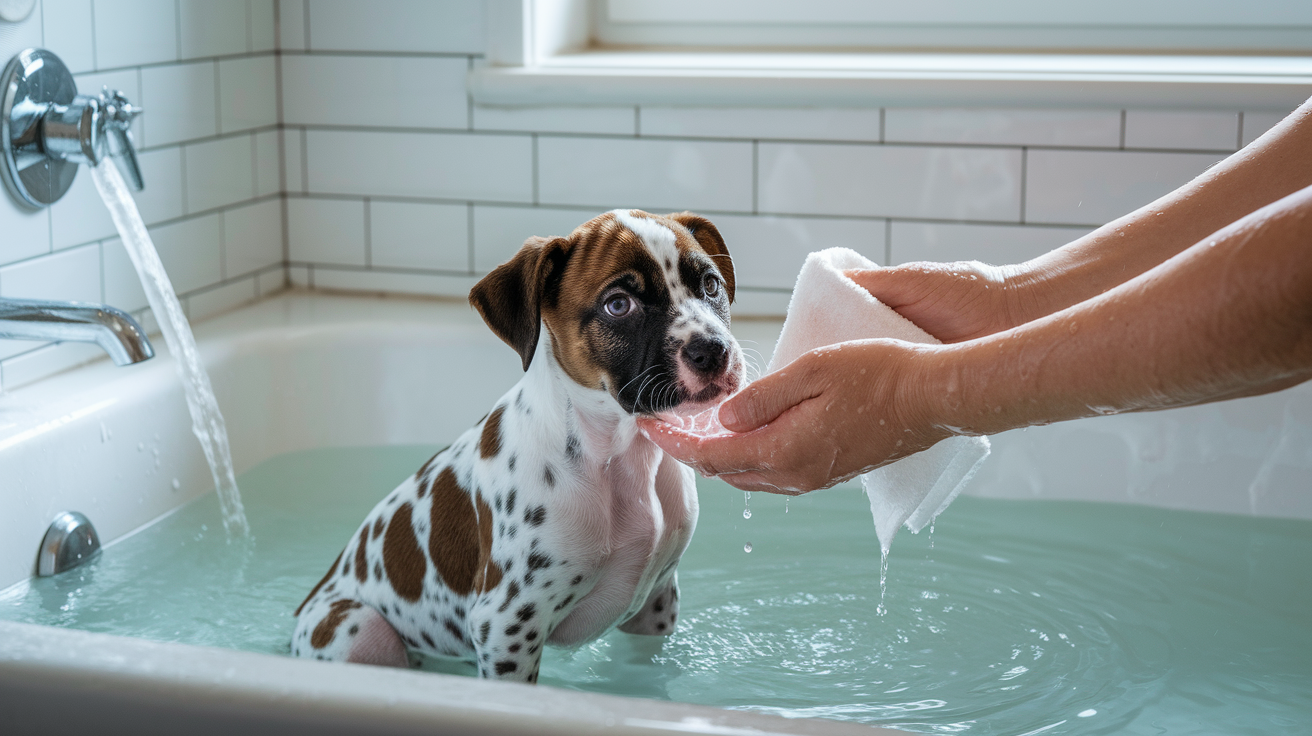
Bathe your puppy every four to six weeks for short coats, or every six to eight weeks for double coats, unless they roll in something smelly or get visibly dirty. Use only dog shampoo. Human shampoo has the wrong pH and can strip natural oils, leaving the skin dry, flaky, or irritated. Puppy-safe shampoos are gentler and often fragrance-free to avoid skin reactions.
Fill the tub or sink with two to three inches of lukewarm water. Test the temperature on the inside of your wrist. It should feel warm but not hot. Wet the puppy’s body first, avoiding the face and ears. Apply a small amount of shampoo and massage it into the coat from the neck down to the tail and legs. Work the lather gently into the fur without scrubbing hard. Rinse thoroughly until the water runs clear. Leftover shampoo can cause itching or dryness. For the face, use a damp washcloth to wipe around the eyes, muzzle, and ears without getting water inside the ear canals.
After rinsing, gently squeeze excess water from the coat with your hands. Wrap the puppy in a towel and pat dry. Avoid vigorous rubbing that can tangle longer fur. If your puppy tolerates it, a low-heat blow dryer set to cool or warm can speed drying, but many puppies find the noise scary at first. Let them sniff the dryer while it’s off, then turn it on at a distance and gradually move closer over several baths. Always keep the dryer moving to avoid hot spots on the skin.
Step-by-step puppy bathing:
- Brush the coat before the bath to remove loose fur and tangles.
- Fill the tub with 2 to 3 inches of lukewarm water and wet the body, avoiding the face.
- Apply a small amount of dog shampoo and massage gently from neck to tail.
- Rinse thoroughly until water runs clear, no suds left.
- Wipe the face with a damp washcloth, avoiding eyes and inside the ears.
- Towel dry by patting, then air dry or use a low-heat dryer if the puppy is comfortable.
Long-Term Puppy Coat Maintenance & Coat Development Stages

Puppy coats change as dogs mature. Most puppies are born with soft, fluffy fur that starts transitioning to adult coat texture between four and eight months of age. Timing varies by breed. Double-coated breeds like German Shepherds and Huskies shed their puppy fluff in patches, sometimes leaving uneven color or texture until the adult coat fully grows in. Curly-coated breeds like Poodles develop tighter curls and denser texture as they mature. Short-coated breeds usually see less dramatic change but may develop coarser guard hairs.
Once the adult coat comes in, grooming needs shift. Double coats require more frequent brushing during spring and fall shedding seasons, sometimes daily to manage the volume of loose undercoat. Curly coats need consistent daily detangling and professional trims every four to six weeks to prevent matting and overgrowth. Short coats remain low effort but benefit from weekly brushing to distribute oils and control year-round shedding. Bathing intervals also stabilize. Most adult dogs do well with baths every four to eight weeks depending on coat type and lifestyle.
Seasonal coat changes continue throughout a dog’s life. Many double-coated breeds “blow” their undercoat twice a year, shedding heavily for two to four weeks. During these periods, increase brushing frequency and consider a de-shedding tool or undercoat rake to speed the process and reduce loose fur around the house. Curly and wire coats grow continuously and don’t shed much, but they need regular trimming to prevent overgrowth that can trap dirt, moisture, and debris close to the skin.
Key coat-change milestones in puppyhood:
- Birth to 4 months: soft puppy fluff with minimal shedding.
- 4 to 8 months: gradual transition to adult coat texture; shedding may increase.
- 8 to 12 months: adult coat mostly established; seasonal shedding patterns begin.
- Breed-specific timing: some large breeds continue coat development until 18 months.
- First seasonal shed: usually occurs in spring or fall after the first year, marking the start of lifelong shedding cycles.
For more detail on how different coat types develop and what to expect as your puppy matures, see Understanding Puppy Coat Types.
Shedding Management and Seasonal Puppy Coat Care

Shedding is normal, but the amount and timing vary by coat type. Smooth-coated puppies like Beagles and Boxers shed lightly year-round. A quick brush once or twice a week with a rubber mitt captures most loose hair before it lands on furniture. Double-coated breeds shed moderately most of the year, then heavily during spring and fall coat changes. During these seasonal sheds, brush daily with a slicker brush and undercoat rake to pull out the loose undercoat. Curly and wire coats shed very little because the loose hair stays trapped in the coat, but that makes daily brushing essential to prevent mats.
Regular brushing is the best shedding control. It removes dead hair before it falls out and spreads natural oils that keep the remaining coat healthier and less prone to breakage. Bathing before a heavy shed can help loosen the undercoat, especially if you use a de-shedding shampoo and follow with thorough brushing while the coat is still slightly damp. Don’t over-bathe. It can dry out the skin and lead to more shedding and flaking.
Seasonal coat considerations for puppies:
- Increase brushing frequency during spring and fall shedding cycles for double coats.
- Use an undercoat rake or de-shedding tool during heavy sheds to speed hair removal safely.
- Bathe before peak shedding begins to loosen dead undercoat and make brushing more effective.
Protecting Puppy Skin and Coat Health

Healthy skin grows a healthy coat. Dry, irritated, or inflamed skin often shows up as dull fur, flaky patches, excessive scratching, or hot spots. Red, moist sores that develop when a puppy licks or chews one area repeatedly. These problems can stem from poor diet, environmental allergies, parasites like fleas, or harsh grooming products.
Watch for early warning signs during daily skin checks. Dryness appears as white flakes in the coat or rough, scaly patches on the belly or ears. Hot spots look red and wet, often with missing fur around the edges. Allergic reactions can cause widespread itching, redness, hives, or a rash on the belly, paws, or face. If you see any of these, check for fleas first. They’re a common trigger. If no fleas are visible and the irritation doesn’t improve within a few days, schedule a vet visit.
Simple steps help prevent many problems. Use only dog-safe shampoos and avoid bathing more often than recommended for your puppy’s coat type. Consider adding omega fatty acids to the diet through food or supplements. They support skin elasticity and reduce dryness. Some owners use a tiny amount of coconut oil or olive oil massaged into dry patches, but check with your vet first to make sure it’s safe for your puppy’s age and breed.
Signs to watch for during skin checks:
- Dull, brittle, or thinning coat that lacks shine.
- White flakes or dry, scaly patches on the skin.
- Red, inflamed areas or hot spots with missing fur.
- Excessive scratching, licking, or chewing at paws, belly, or ears.
- Small bumps, scabs, or crusty spots that appear suddenly.
Nutrition for a Healthy Puppy Coat
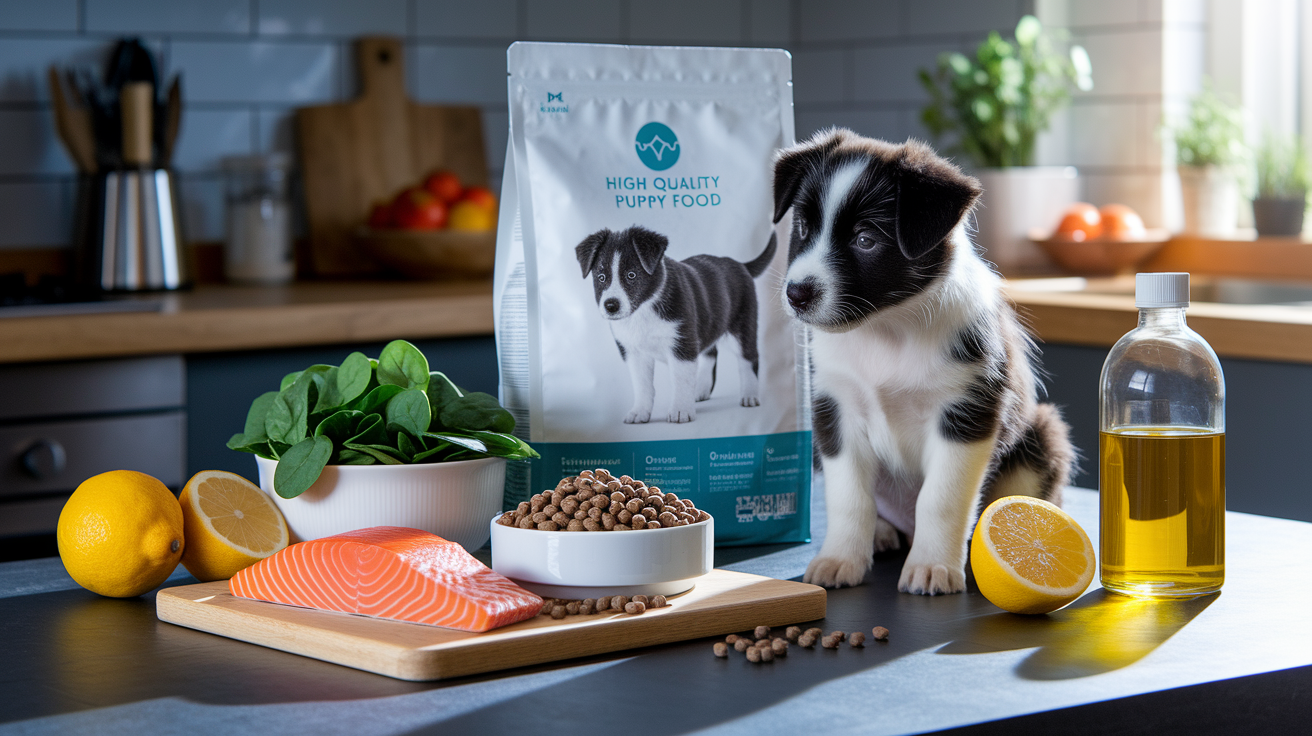
What a puppy eats shows up in the coat. High-quality puppy food with balanced protein, healthy fats, and essential vitamins supports strong, shiny fur from the inside. Omega-3 and omega-6 fatty acids improve skin elasticity, reduce excessive shedding, and add natural luster. Vitamins E and A protect skin cells from damage, while zinc and biotin help fur grow thick and resilient.
If your puppy’s coat looks dull, dry, or patchy despite regular grooming, talk to your vet about the current food. Some puppies do better on formulas designed for skin and coat health, which contain higher levels of omega fatty acids and fewer common allergens. Switching food should happen gradually over seven to ten days to avoid digestive upset. Your vet may also recommend a fish oil supplement or a multivitamin if the food alone isn’t providing enough support.
| Nutrient | Benefit | Common Sources |
|---|---|---|
| Omega-3 and Omega-6 fatty acids | Improve skin elasticity, reduce shedding, add coat shine | Fish oil, salmon, flaxseed meal, quality puppy foods |
| Vitamin E | Protects skin cells from damage and supports healing | Sunflower seeds, spinach, fortified puppy foods |
| Zinc and Biotin | Strengthen fur growth and reduce brittleness | Meat, eggs, whole grains, skin and coat supplements |
Grooming Routines and Training for Puppies
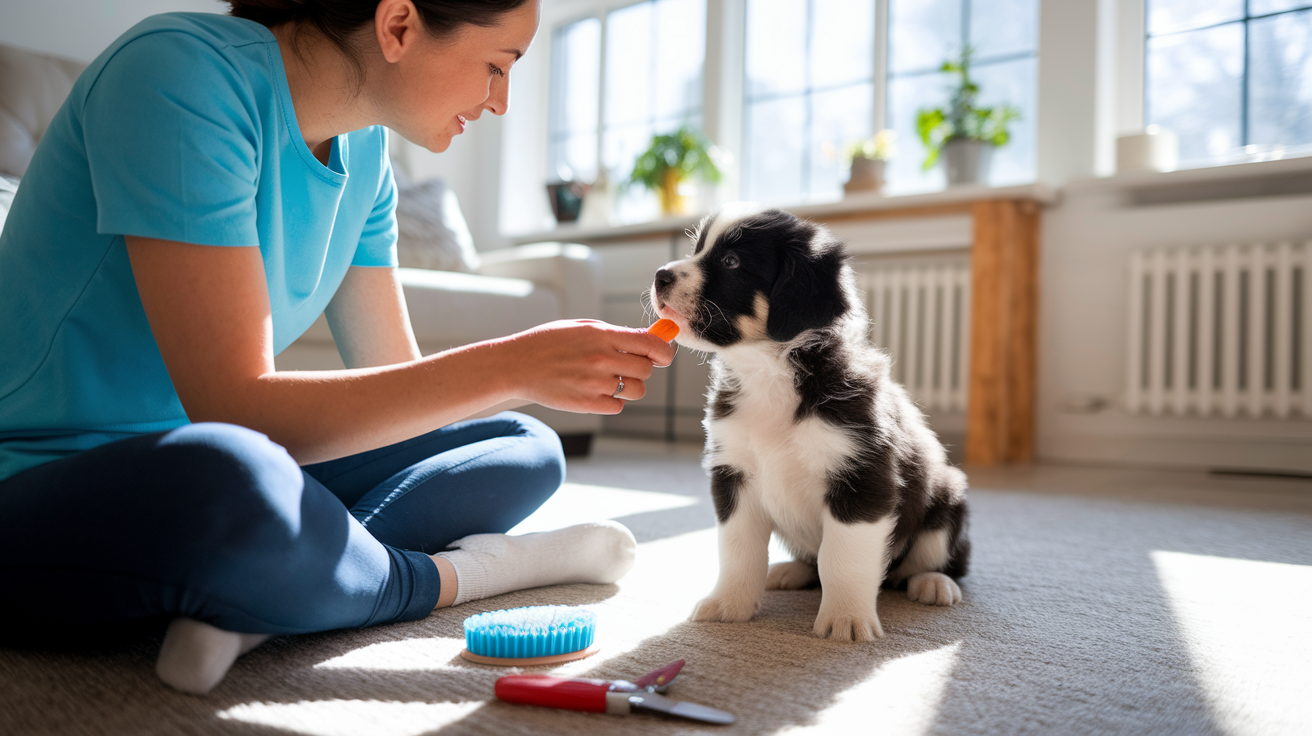
Start grooming the day your puppy comes home. Short, positive sessions build confidence and teach your puppy that brushes, nail clippers, and baths are normal, not scary. Keep each session under five minutes at first. Brush a few strokes, touch the paws, lift an ear, then stop and reward with a treat or play. Repeat multiple times per day if possible. The more often your puppy experiences gentle handling paired with good things, the faster grooming becomes routine.
Introduce tools gradually. Let your puppy sniff the brush or nail clippers before using them. Brush one small section, then reward. The next day, brush two sections. If your puppy pulls away or seems nervous, slow down and go back to just touching the tool to the fur without brushing. Forcing the process creates fear that can last years. Patience now saves stress later.
If grooming causes real anxiety, trembling, growling, or trying to bite, consider a calming chew designed for dogs about thirty minutes before the session. These chews often contain ingredients like chamomile or L-theanine that take the edge off without sedating the puppy. They’re not a substitute for gradual training, but they can help during the learning phase. Some owners also find that grooming right after a walk or play session works better because the puppy is tired and calmer.
Professional grooming appointments offer socialization and expert handling, but timing matters. Wait until your puppy is up to date on vaccinations, usually around twelve to fourteen weeks, before visiting a groomer. Many groomers recommend short visits every two to three weeks for young puppies, even if a full groom isn’t needed, to build positive associations during the critical socialization window that closes around four months of age.
Daily Micro-Training for Grooming
Touch your puppy’s paws every day. Hold each paw gently for a few seconds, press lightly on the pads, then release and reward. This prepares puppies for nail trims. Do the same with ears. Lift the flap, look inside, maybe rub the edge gently, then treat. Run your hand along the tail, lift it slightly, set it down, reward. These tiny exercises take less than a minute total but teach your puppy that being handled is safe and often leads to something good.
Weekly Grooming Routine for Puppies
Once a week, set aside ten to fifteen minutes for a more thorough check. Brush the entire coat, even if it’s short and doesn’t tangle, to distribute oils and remove loose fur. Look at the nails. They should not touch the ground when the puppy stands. Check inside the ears for redness, odor, or dark waxy buildup. Wipe around the eyes if there’s crust or tear staining. Lift the tail and check the sanitary area for stuck fur or signs of irritation. This weekly routine catches small problems early and keeps your puppy comfortable between baths.
Nail, Ear, and Eye Care Within Puppy Coat Care
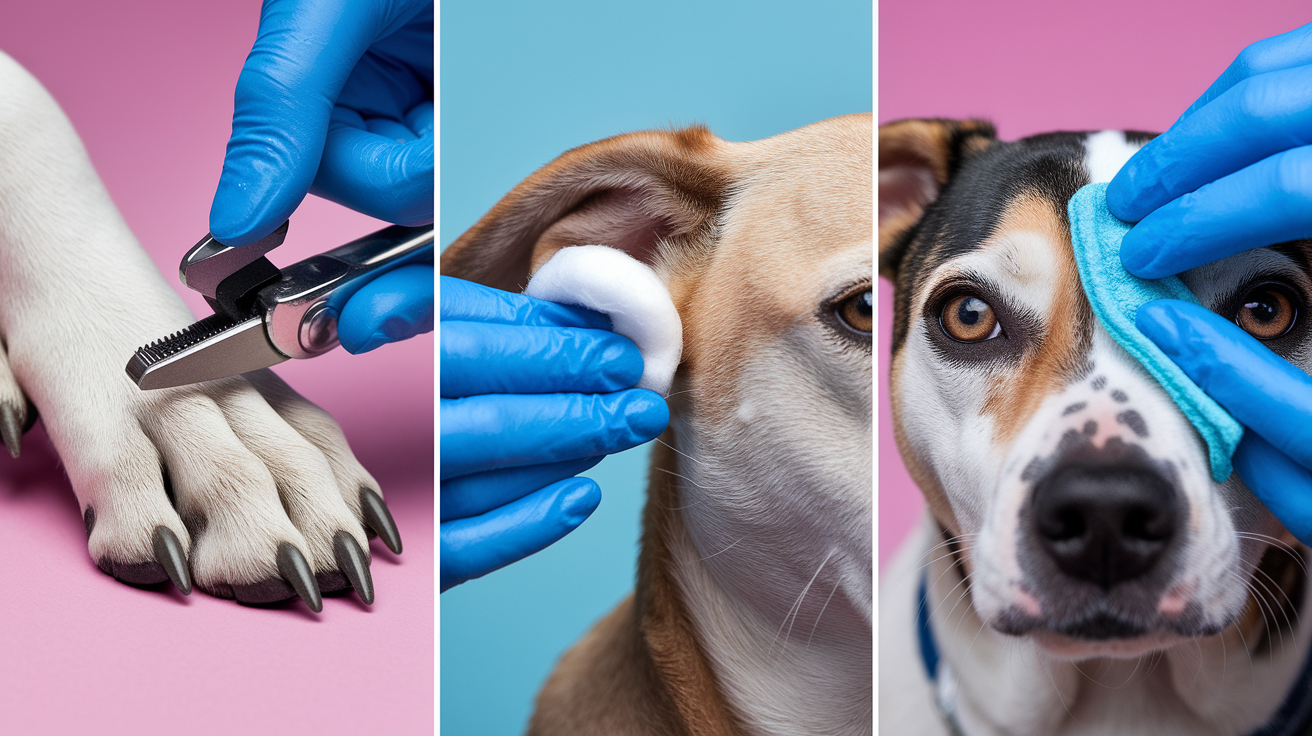
Nail trims, ear cleaning, and eye care support coat and skin health by reducing irritation and infection risk. Long nails change how a puppy walks, putting pressure on joints and paw pads that can lead to sore spots or cracked skin. Dirty ears create a warm, moist environment where bacteria and yeast thrive, leading to infections that cause head shaking, scratching, and hair loss around the ears. Overgrown fur around the eyes can poke the eyeball or trap moisture that stains the coat.
Trim nails every two to three weeks, or whenever you hear clicking on hard floors. Use a nail clipper designed for dogs or a grinder tool that files the nail down gradually. Don’t cut into the quick, the pink part inside the nail that contains blood vessels and nerves. If your puppy has clear nails, you can see the quick. On dark nails, trim small amounts at a time and stop when you see a small dark circle in the center of the cut surface. That’s close to the quick. If you accidentally cut too short and the nail bleeds, apply styptic powder or cornstarch and apply gentle pressure for a minute or two.
For ears, use a vet-approved ear cleaner and a cotton ball. Squeeze a small amount of cleaner into the ear canal, massage the base of the ear gently to distribute it, then let your puppy shake their head. Wipe out the loosened debris with a cotton ball. Never insert cotton swabs into the ear canal. Floppy-eared breeds like Cocker Spaniels and Basset Hounds need more frequent cleaning because air doesn’t circulate well inside the ear. Eye care usually means wiping gently around the eyes with a damp cloth to remove crust or discharge. If your puppy has long fur near the eyes, ask a professional groomer to trim it carefully. Trimming near the eyes with scissors at home is risky.
Basic safety rules for nail, ear, and eye care:
- Trim nails in small increments to avoid cutting the quick; if unsure, stop early and try again in a few days.
- Never insert cotton swabs or any object into the ear canal; wipe only the outer ear and visible parts of the ear flap.
- Use only vet-approved ear cleaners, not water, alcohol, or hydrogen peroxide.
- If eyes are red, swollen, or producing thick discharge, skip home cleaning and see a vet.
- Leave trimming around the eyes to a professional groomer unless you have training and steady hands.
When to Seek Professional Puppy Grooming
Some grooming tasks are safer and faster when handled by a professional. Curly and long-coated puppies like Poodles, Doodles, and Maltese benefit from professional trims every four to six weeks to prevent mats and keep the coat manageable. Wire-coated breeds like Schnauzers and some Terriers need hand-stripping or clipping to maintain coat texture and prevent overgrowth that can trap dirt and moisture against the skin. Even short-coated puppies can benefit from an occasional professional bath and nail trim, especially if they’re nervous or wiggly at home.
Schedule the first professional grooming appointment around twelve to fourteen weeks of age, after your puppy has received their initial vaccinations including rabies, DHPP, and kennel cough. Most groomers require proof of vaccination to protect all the dogs in the salon. A full-service grooming appointment typically takes three to four hours and includes a bath, brushing, nail trim, ear cleaning, and a haircut if needed. Costs usually range from forty to seventy-five dollars depending on your location, the salon, and your puppy’s size and coat type. Breed-specific cuts or extra services like teeth brushing cost more.
When choosing a groomer, read online reviews and ask other puppy owners for recommendations. Visit the facility before booking to check that workstations are clean, dogs are handled calmly, and holding areas are secure and comfortable. Ask if the groomer is familiar with your puppy’s breed and coat type. Explain anything that makes your puppy nervous, like loud noises or having their paws touched, and ask the groomer to take it slow. After each appointment, ask for feedback on how your puppy behaved and what you can practice at home to make future visits easier.
Red flags that require veterinary evaluation:
- Persistent scratching, licking, or biting at skin that doesn’t improve with regular grooming and flea prevention.
- Hot spots, open sores, or areas of missing fur that appear suddenly or grow larger.
- Ear odor, thick discharge, head shaking, or tilting that suggests an infection rather than normal earwax buildup.
Final Words
in the action, start by brushing regularly, time the first bath gently, introduce grooming tools slowly, and check the skin daily for bumps, fleas, or dry patches.
We covered why coat care matters, which tools suit each coat type, safe bathing steps, nutrition tips, and short training routines to keep grooming calm and simple. Also remember basic nail, ear, and eye checks.
Use these puppy coat care basics to build short, regular habits, start small and be gentle. Your pup will thank you with a healthier, shinier coat.
FAQ
Q: What is the 3-3-3 rule for puppies?
A: The 3-3-3 rule for puppies describes common adjustment stages: 3 days to settle into a new home, 3 weeks to learn basic routines, and about 3 months to show lasting behavior changes.
Q: What is the 7 7 7 rule for puppies?
A: The 7 7 7 rule for puppies is an informal exposure guideline some trainers use — for example, introduce 7 new people, places, or experiences over 7 weeks with short, positive sessions to build confidence.
Q: What is the 10 10 10 rule for puppies?
A: The 10 10 10 rule for puppies is a flexible pacing idea trainers mention — such as 10-second starts, 10-minute training blocks, or 10 gradual exposures — to keep sessions short, positive, and consistent.
Q: At what age do puppies lose their puppy coat?
A: Puppies typically start losing their puppy coat around 4–6 months, with many finishing the transition by 8–12 months; timing varies by breed, size, and individual development.