

Think adopting a pet will be mostly cuddles and cute photos?
Think again.
Your first week will likely flip your daily rhythm, with earlier mornings, new feeding times, and surprise night interruptions.
Dogs often add outdoor potty breaks and multiple walks.
Cats change litter, play, and nap schedules, so your calendar gets partitioned in ways you didn’t expect.
This post shows the real life shifts to expect, step-by-step checklists for week one, and simple fixes to keep your day running while your pet settles.
Read on to learn what’s normal, what to do now, and when to call the vet.
Key Daily Routine Changes to Expect in the First Week After Adoption

The first seven days flip your daily rhythm completely. You’re suddenly carving out new blocks for feeding, potty or litter trips, quick play sessions, and that first vet visit, which you’ll want to book within three to seven days of bringing your pet home. Mornings start earlier with potty breaks or litter checks. Evenings now end with a final outdoor trip or play session before bed. Everything tightens up on the clock, and you’ll feel it hardest those first mornings when the alarm goes off thirty minutes earlier than usual.
Dogs and cats reshape your day in different ways. Dogs need structured outdoor time, usually two to four short walks or potty trips spread across morning, midday, and evening. That’s anywhere from thirty to over ninety minutes total depending on age and breed. Cats stay indoors but need consistent litter access, two to three play sessions of five to fifteen minutes each, and feeding on a regular morning and evening schedule. Both require you to be present and consistent, which means less flexibility to sleep in, skip lunch breaks, or stay out late without planning ahead.
Sleep disruptions are common in the first one to four weeks. Expect whining, accidents, or a restless pet adjusting to new sounds and spaces. You might also see unexpected behaviors like hiding, loss of appetite, or sudden bursts of energy as your pet decompresses from shelter life. It’s all temporary. But the early days feel harder than you thought they would.
First week checklist at a glance:
- Establishing basic morning and evening care blocks
- Consistent but simple walk or play periods
- Temporary nighttime interruptions
- Early potty or litter routine awareness
- Short quiet time periods for settling in
- Daily behavior check ins
Feeding Routine Adjustments When Bringing a New Pet Home

Feeding schedules change immediately. Puppies and kittens need three to four meals a day during their early months, which means you’re measuring, portioning, and serving food mid morning, midday, late afternoon, and evening. Adult dogs typically eat once or twice a day. Adult cats do well on one to two meals or measured free feeding depending on their weight and activity. You’ll spend a few minutes prepping bowls, checking portions, and cleaning up after each meal. Those minutes add up fast when you’re also managing work calls and household tasks.
Portions matter more than you think. A small to medium adult dog usually needs one to three cups of dry food per day, depending on the brand’s caloric density and the dog’s energy level. Adult cats often eat around a quarter to half a cup of dry food daily or a measured portion of wet food per the label. Overfeeding during the adjustment phase is common because you’re still learning your pet’s appetite and body condition. Weigh or measure every serving and reassess weekly.
If you’re switching foods, expect that process to take one to two weeks to avoid stomach upset. Here’s how to do it safely:
- Mix new food with old in small increments. Start with about 25 percent new food on day one or two.
- Gradually increase new food ratio every two to three days, moving to 50 percent, then 75 percent, then 100 percent new food.
- Observe stool quality daily. Firm, formed stools mean the transition is going well.
- Adjust if GI upset appears. Slow the transition or hold the current ratio for an extra day or two, and consult your vet if diarrhea or vomiting continues.
- Complete transition by day seven to fourteen, aiming for full new food meals by the end of week two if everything stays stable.
Automatic feeders help when your mornings are chaotic or you work long hours. They keep meal timing consistent even when you can’t be home, which reduces begging and helps your pet settle into predictable routines faster.
Sleep and Rest Pattern Shifts After Pet Adoption

Your nights won’t feel normal for a while. Most newly adopted pets disrupt sleep for one to four weeks as they adjust to a new environment, new sounds, and separation from their previous home or shelter routine. You’ll hear whining from the crate, pacing in the hallway, or scratching at the bedroom door. Cats might sprint across the bed at 2 a.m. or knock objects off counters while exploring. It’s exhausting. You’ll feel it at work the next day.
Full sleep pattern alignment usually takes two to twelve weeks. Your pet is learning when the household goes to bed, when it’s safe to relax, and where they’re supposed to sleep. Crates or dedicated quiet spaces help because they give your pet a predictable den to settle into each night. Keep the space calm, use a consistent bedtime routine, and resist the urge to respond to every noise. If your pet panics in the crate or shows severe distress, talk to your vet about whether the setup needs adjustment or if anxiety is a bigger issue.
Daytime naps also change. Pets sleep a lot during decompression, sometimes sixteen hours a day or more. Don’t worry if your new dog or cat spends most of the first week sleeping. It’s a normal stress response. As they relax, you’ll see more awake time and curiosity. Those early quiet hours are a sign they’re processing the change, not a red flag.
Exercise and Enrichment Routine Changes for Newly Adopted Pets
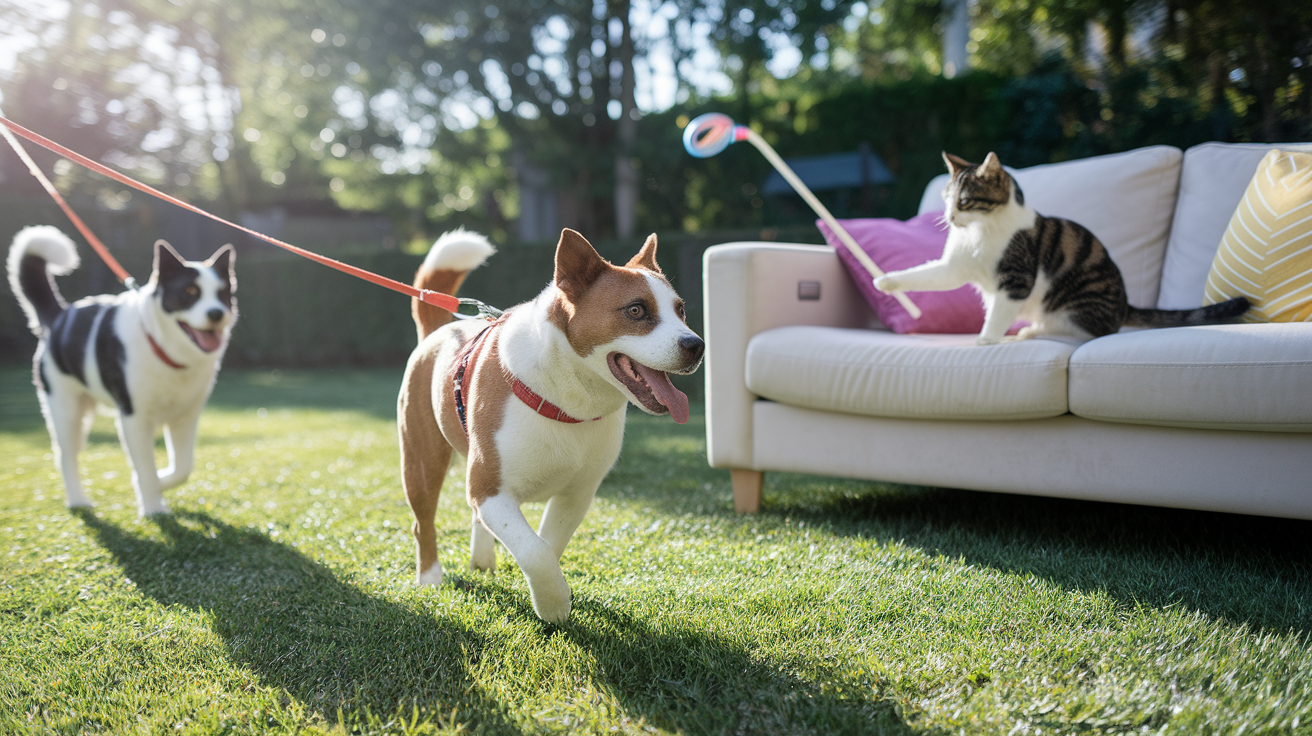
Exercise demands start the day you bring your pet home. Dogs need two to four walks or outdoor sessions daily, with total active time ranging from thirty minutes for smaller or older dogs to two hours or more for young, high energy breeds. That means blocking out ten to twenty minutes in the morning before work, another session at lunch or mid afternoon if you’re home, and a longer evening walk before dinner. If you skip a walk, you’ll see it in your dog’s behavior. Pacing, chewing, or restlessness indoors.
Cats don’t need walks, but they do need structured play. Plan two to three sessions daily, each lasting five to fifteen minutes, using wand toys, lasers, or small throwable items. Fifteen to forty five minutes of total interactive play per day keeps most cats mentally and physically healthy. Without it, they get bored. And boredom leads to scratching furniture, knocking things over, or waking you up at night for attention.
Enrichment helps fill the gaps when you can’t actively engage your pet. Mental stimulation tires them out as much as physical exercise and reduces anxiety during the two to twelve week adjustment window.
Enrichment ideas to rotate into your routine:
- Puzzle feeders that make your pet work for meals
- Short training sessions, five to ten minutes, teaching basic commands
- Toy rotation so the same items don’t get boring
- Interactive play with you, not just solo toys
- Sniff walks where your dog explores smells at their own pace
- Indoor obstacle setups using couch cushions or boxes
- Calm time chewing items like bully sticks or frozen Kongs
Potty, Litter, and Hygiene Routines After Bringing a Pet Home
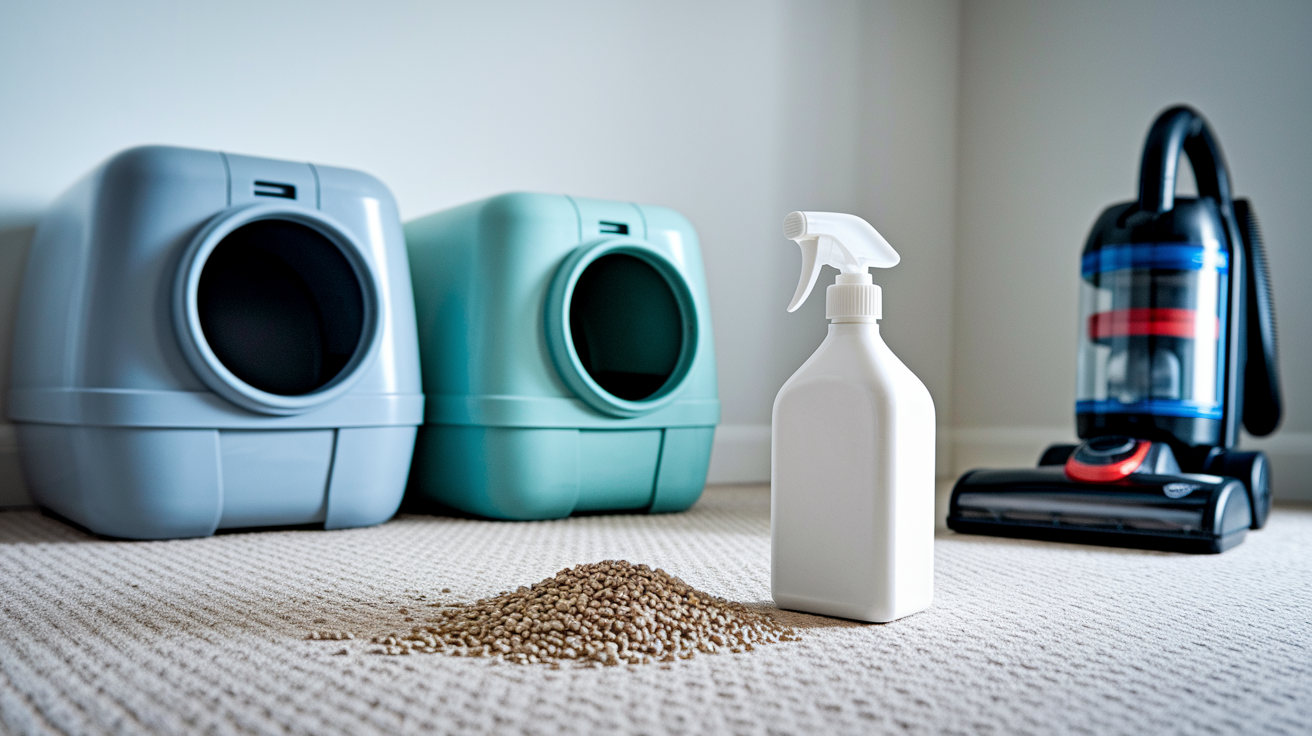
Potty training means frequent outdoor trips and close supervision. Expect to take a new dog out every two to three hours during the first week, including right after meals, after naps, and first thing in the morning. Use a consistent verbal cue like “go potty” every time, and reward immediately after your dog eliminates outside. Accidents will happen. Interrupt calmly, take your dog outside, and clean the spot thoroughly with an enzyme cleaner to remove odor. Don’t punish accidents. It makes training harder and slower.
Cats need daily litter box maintenance and weekly deep cleaning. Scoop waste at least once a day to keep odor down and your cat willing to use the box. Dump all litter, scrub the box with mild soap, rinse, and refill weekly. If you skip this, many cats will start eliminating outside the box. That’s much harder to fix than it is to prevent. Place the box in a quiet, low traffic area and keep one box per cat, plus one extra if you have multiple cats.
Vacuuming becomes part of your routine within days. Pet hair, tracked litter, and outdoor dirt mean you’ll vacuum two to three times a week, more during shedding seasons or if you have a heavy shedding breed. Wipe paws after muddy or wet walks to keep floors cleaner and reduce the grime your pet tracks through the house.
| Task | Frequency |
|---|---|
| Scoop litter box | Daily |
| Full litter change and wash | Weekly |
| Vacuum floors | 2 to 3 times per week |
| Wipe paws after walks | As needed, daily in wet or muddy weather |
Workday and Time Management Adjustments After Pet Adoption
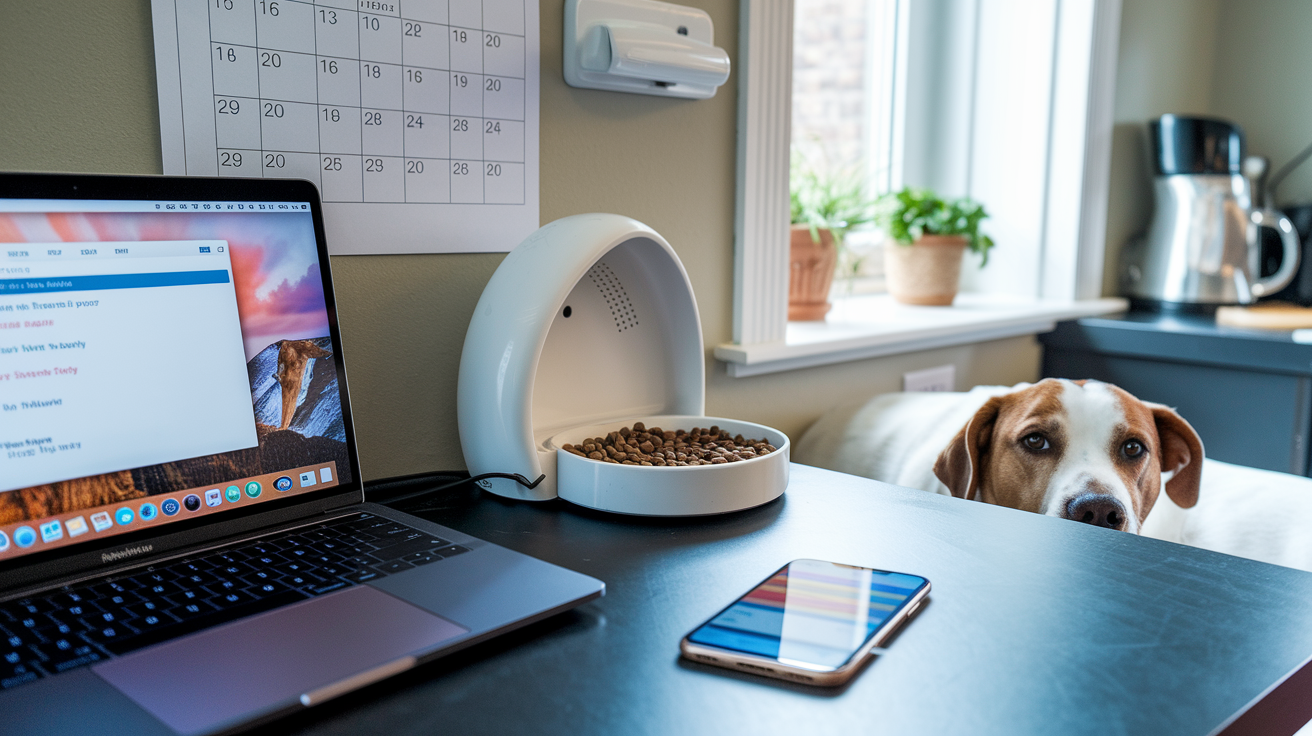
Work schedules collide with pet needs fast. Most dogs can’t go eight hours without a potty break, especially during the first few weeks. If you work full days away from home, plan a midday trip home, hire a dog walker, or arrange doggy daycare. Professional walkers typically charge fifteen to thirty dollars per thirty minute visit, and rates vary by location and whether you need daily or occasional service. Daycare runs about twenty to fifty dollars per day, which adds up if you need it multiple times a week.
Supervision requirements are highest in the first month. You can’t leave a new pet alone for long stretches without risking accidents, destructive chewing, or escape attempts. Crates help manage alone time safely for one to four hours at a time, but you’ll need to build up crate tolerance gradually. Start with short intervals while you’re home, then extend duration as your pet learns the crate is a safe, boring place to rest. If your schedule doesn’t allow frequent check ins, consider a pet sitter who can visit once or twice a day for fifteen to thirty minutes to let your dog out or refresh your cat’s water and litter.
Time management tools keep you on track when everything feels chaotic. Automatic feeders maintain consistent meal times even when you’re running late. Written schedules posted on the fridge or synced in a shared family calendar make sure everyone knows who’s handling morning walks, evening play, and weekend vet trips. Set phone reminders for medication, grooming appointments, and weekly litter changes. Reassess your plan every two weeks during the first two months and adjust what isn’t working.
Tools and strategies to stay organized:
- Automatic feeders for consistent meal timing
- Shared digital calendars for family task assignments
- Phone alarms for walk times and medication doses
- Daily checklists taped near the door or pet station
- Budget tracker for vet visits, supplies, and walker fees
- Weekly planning sessions to review what’s working and what’s not
Home and Cleaning Routine Adjustments After Adoption
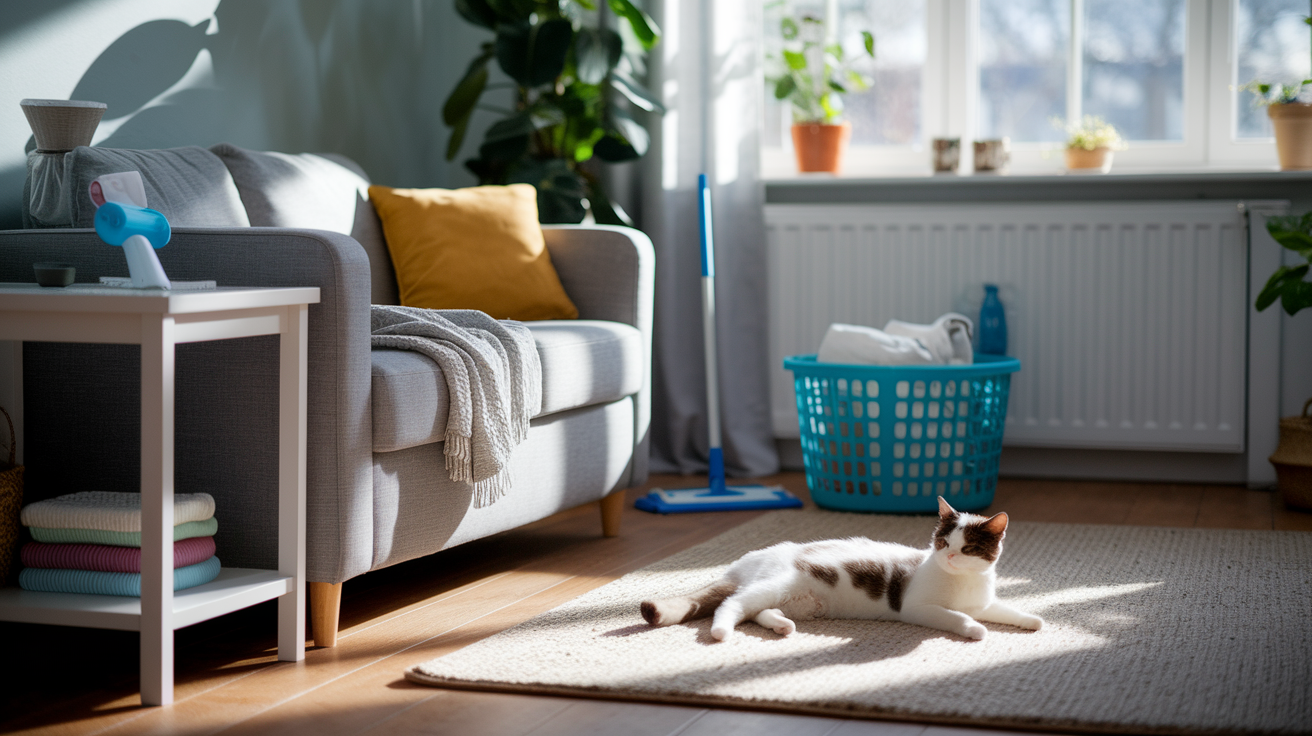
Your home gets messier faster than you expect. Vacuuming two to three times a week becomes standard. During heavy shedding cycles in spring and fall, daily passes might be necessary to stay ahead of the fur. Pet hair clings to furniture, carpets, and clothing, so keep a lint roller near the door and wash throw blankets weekly. If you have hardwood or tile, a damp mop picks up tracked litter and dirt better than a dry sweep.
Laundry increases, too. Bedding, blankets, and any fabric your pet sleeps on will need regular washing, especially if your dog comes in wet or muddy from walks or your cat has an accident outside the litter box. Enzyme cleaners are essential for removing urine and feces odors from floors, rugs, and upholstery. Spot clean accidents immediately to prevent staining and lingering smells that encourage repeat accidents in the same spot. If your pet has medical issues like diarrhea or skin sores, expect to wash bedding and towels multiple times a week until the issue resolves.
Seasonal risks add cleaning tasks. Spring brings higher parasite activity, so wipe paws and check for ticks after outdoor time. Store household chemicals, pest baits, and toxic plants out of reach year round, with extra attention in March during Pet Poison Prevention Awareness Month. Odor control matters more than you think. Scoop litter daily, take trash out frequently, and crack windows or run an air purifier if smells build up. A clean home isn’t just about appearance. It reduces stress for both you and your pet during the adjustment phase.
Veterinary and Preventative Care Scheduling After Adoption
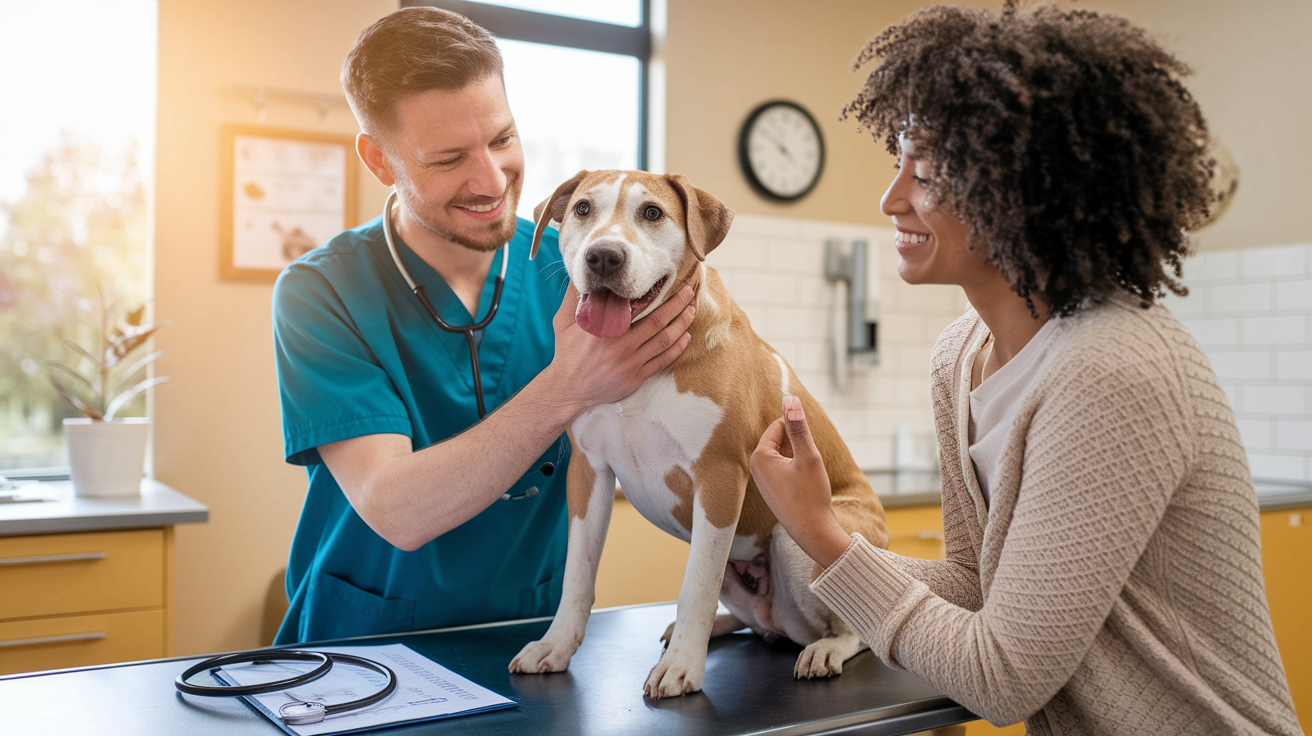
Your first vet visit should happen within three to seven days of adoption. Bring any medical or vaccine records the shelter or rescue provided so your vet can review what’s been done and schedule what’s still needed. That first appointment typically includes a physical exam, discussion of diet and behavior, parasite screening, and a vaccine update if your pet’s records are incomplete. If your pet is a senior or has known health issues, expect baseline lab work to check organ function and catch problems early.
Preventative care becomes part of your calendar going forward. Puppies and kittens need a series of vaccines spaced two to four weeks apart, with boosters at one year and then every one to three years depending on the vaccine and your vet’s recommendations. Adult pets need annual exams, and seniors benefit from twice yearly check ins. Parasite prevention for heartworm, fleas, and ticks is often recommended year round, with increased vigilance in spring when parasite populations peak. Dental health matters, too. Schedule routine dental assessments, and follow your vet’s advice on when professional cleanings are needed, often annually or as indicated by tartar buildup and gum health.
Awareness months can help you remember key care categories. August highlights immunization and preventative lab work. February is National Pet Dental Health Month, a good reminder to check your pet’s teeth and breath. March focuses on poison prevention, prompting a household hazard review. These aren’t just calendar notes. They’re practical prompts to stay current on care that prevents bigger, costlier problems later.
| Care Type | Recommended Timing |
|---|---|
| Initial vet exam | Within 3 to 7 days of adoption |
| Puppy or kitten vaccine series | Every 2 to 4 weeks until complete |
| Adult annual exam | Once per year, twice for seniors |
| Parasite prevention | Year round in most regions, consult vet |
| Dental cleaning | As advised, often annually or per exam findings |
Training, Socialization, and Behavior Routine Adjustments

Training starts the day your pet comes home. Short sessions of five to fifteen minutes, repeated two to three times a day, build focus and reinforce basic commands like sit, stay, and come. Keep sessions positive, using treats or toys as rewards, and stop before your pet loses interest. If your dog or cat won’t respond on the first try, repeat the cue calmly and wait. Frustration slows progress. Consistency matters more than perfection.
Socialization windows are tightest for young animals. Puppies and kittens benefit most from exposure to new people, places, sounds, and experiences during their first eight to sixteen weeks of life. If you adopt an older pet, socialization still matters, but the process is slower and requires more patience. Delay introducing your new pet to visitors, other animals, or busy environments until basic routines feel stable, usually after the first two to four weeks at home. When you do start introductions, go stepwise. Meet new dogs on neutral territory like a sidewalk or park, not in your home where territorial behavior is more likely. Remove toys and food bowls during early encounters to reduce conflict. Stop immediately if you see fear or aggression, and consult a trainer if issues persist.
Behavior improvements take time. Most pets show measurable progress within two to twelve weeks if routines stay consistent. Celebrate small wins. Your dog voluntarily entering the crate, your cat using the litter box reliably, fewer accidents, or a successful calm greeting when you come home. These markers mean your training is working, even if bigger goals like loose leash walking or recall in distractions still need work.
Training structure guidelines to follow:
- Use positive reinforcement only, no yelling, hitting, or intimidation
- Keep sessions short and end on a success
- Train in low distraction environments first, then gradually add challenges
- Repeat commands calmly if your pet doesn’t respond the first time
- Reward immediately after the correct behavior, within one to two seconds
- Consult a certified trainer or positive reinforcement class if you’re stuck
Long Term Routine Stabilization and Adaptation for New Pets

Routines start to feel normal around six to twelve weeks after adoption. Feeding, potty breaks, walks, and play sessions happen on autopilot, and your pet knows what to expect each day. You’ll notice less whining at night, fewer accidents, and more confidence in new situations. Your own stress drops, too, because you’re no longer guessing what your pet needs or scrambling to fix problems. That stabilization doesn’t mean everything is perfect, but it does mean you’ve built a sustainable rhythm that works for both of you.
Full adjustment can take three to twelve months, especially for pets with trauma, medical issues, or significant behavior challenges. Growth and maturity also shift routines. Puppies outgrow frequent feedings and potty trips as they age, and young cats settle from hyperactive play into calmer adult patterns. Senior pets may need schedule changes as mobility or health declines. Reassess your written schedule every two weeks during the first few months, and adjust feeding times, walk lengths, or play intensity as your pet’s needs evolve.
Track progress to stay motivated. Write down milestones like the first week without an accident, the first night your pet slept through without whining, or the first successful vet visit without panic. These markers remind you how far you’ve come when the day to day grind feels repetitive. If something isn’t improving after several weeks of consistent effort, reach out to your vet, a trainer, or an adopter support group for guidance. Help is available, and most challenges are fixable with the right plan and enough patience.
Final Words
Expect your days to be reshuffled from the first hour: new morning and evening care blocks, a recommended vet check in 3–7 days, and some disrupted sleep while everyone settles.
Start simple: set basic walk/play times, watch for potty or litter accidents, and do quick daily behavior check-ins. Use reminders or a short schedule so workdays don’t get away from you.
Those routine changes when adopting a pet are normal and usually ease over weeks. Small, steady habits help your new companion feel safe—and you’ll get there together.
FAQ
Q: What is the 3-3-3 rule for adopted pets?
A: The 3-3-3 rule for adopted pets is an adjustment timeline: first 3 days for settling and limited introductions, 3 weeks to build routine and start basic training, and 3 months for bigger behavior and confidence gains.
Q: What is the 7 7 7 rule for dogs?
A: The 7-7-7 rule for dogs is a milestone guide: first 7 days for quiet settling and small introductions, 7 weeks to establish routines and basic training, and 7 months for long-term socialization and stability.