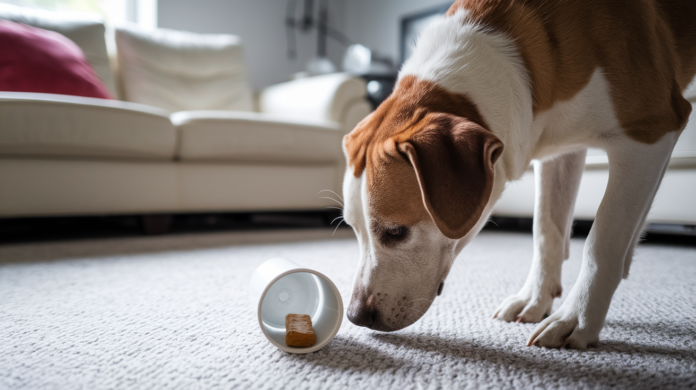

Think playtime has to be outside to wear your dog out?
Actually, simple scent games at home can tire a dog more than a long walk.
They use the nose, give mental work, and fit apartments or rainy days.
You can start with a treat, a towel, and a box.
This post shows easy activities, clear steps, and safety tips so you can set up fun searches in five minutes.
Ready to turn your living room into a sniffing playground?
Simple Indoor Scent Games That Owners Can Start Today
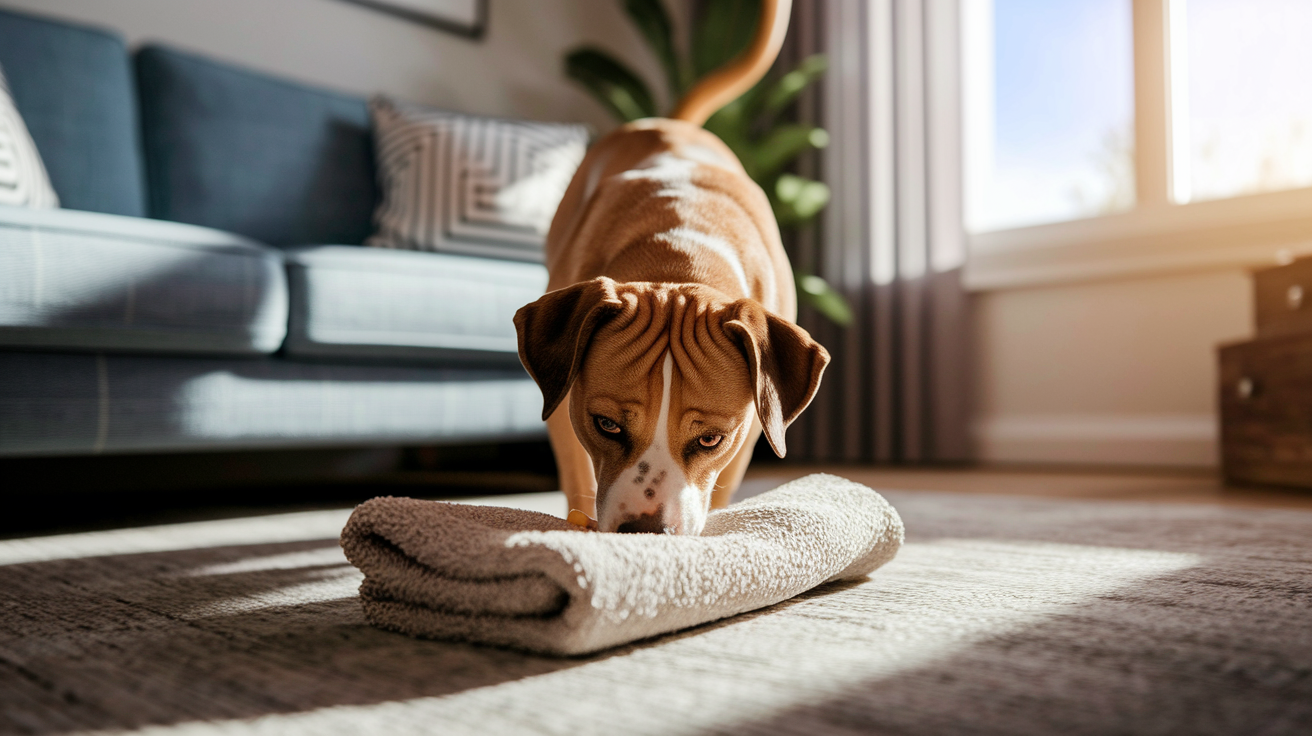
Indoor scent games give dogs mental work without needing a backyard or lots of space. Even a small apartment works. Scent activities tire dogs out mentally, sometimes more than a long walk. You’re using what their noses are built for, and that feels satisfying to them.
You can start right now with a treat and a hiding spot. Simple treat hide and seek means putting your dog in another room, hiding a treat somewhere easy (under a towel, behind a chair leg), and letting them search. Box searches work the same way. Drop a treat in one of several empty boxes and let them sniff it out. Cup games ask your dog to pick the cup with the treat under it. Start with just three cups so they don’t get overwhelmed.
Here are six scent games you can set up in five minutes or less:
- Hide a treat under a towel or blanket and let your dog find it
- Place treats in a few empty boxes and bring your dog in to search
- Put a treat under one cup out of three and let them choose
- Scatter kibble in a clean, dry bathtub for a low furniture search zone
- Drop treats in the folds of a crumpled blanket on the floor
- Use the muffin tin game with tennis balls and a standard muffin pan
Always supervise so your dog doesn’t swallow non-food items or chew up containers you didn’t mean to sacrifice. Keep the search area safe. No sharp edges, no small objects that could be choking hazards, and nothing toxic within sniffing range. If your dog gets frustrated, make it easier or take a break.
Expanded Household Item Scent Setups Beyond Boxes & Cups
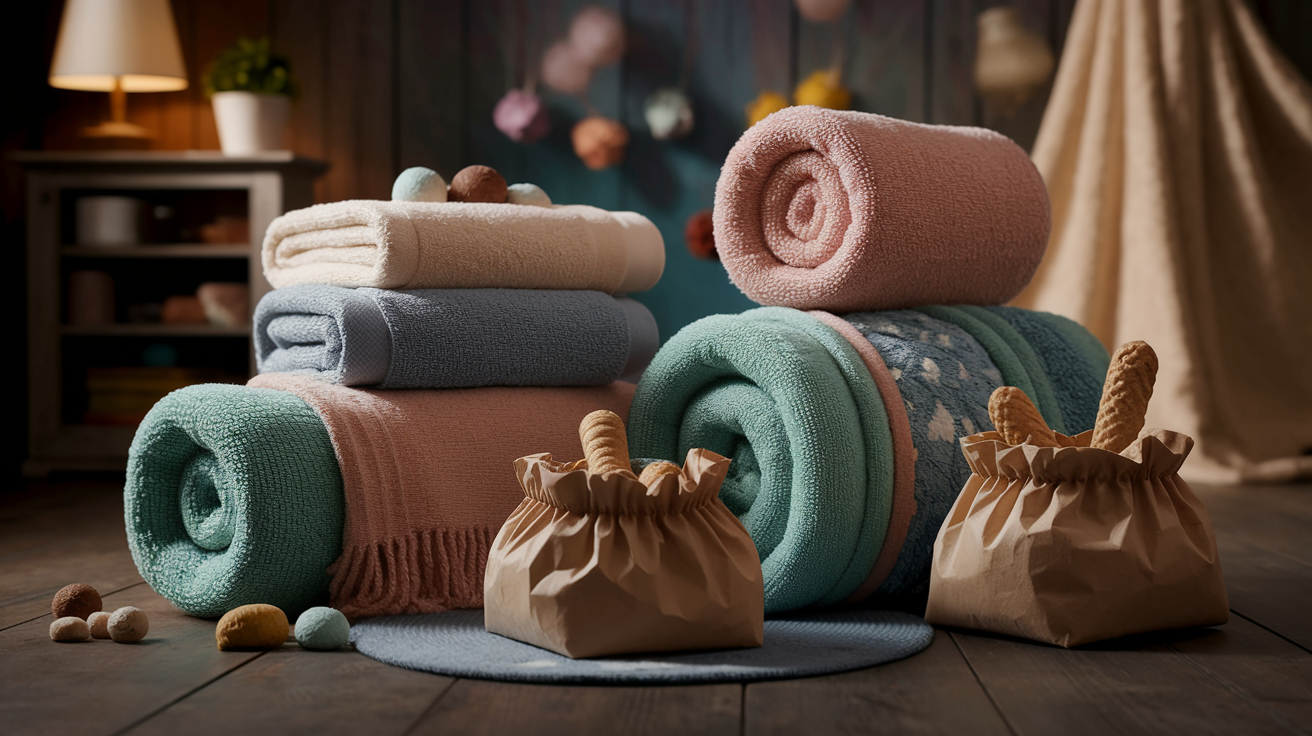
Soft, flexible items give you more scent hiding options and work well in homes where hard containers take up too much space or make too much noise. Towels, blankets, fabric scraps, and paper bags let you fold, roll, twist, and layer hiding spots without spending a dollar. These setups are quieter, gentler on floors, and easier to store after the game ends.
Towel rolls. Roll a treat inside a hand towel or dish towel and let your dog unroll it with their nose and paws.
Blanket burritos. Fold a small blanket or throw in half, drop a treat in the middle, and roll it up loosely so your dog can nose it open.
Rolled fabric twists. Take a long strip of fleece or cotton fabric, place a treat at one end, and twist the fabric into a loose spiral.
Paper bag scent folds. Use a clean paper grocery bag, fold it a few times with a treat tucked inside, and let your dog rip or nose it open.
DIY scent tunnels. Drape a large towel or blanket over two chairs to make a tunnel, then hide treats at one or both ends or along the floor underneath.
Watch dogs who shred fabric. Some will try to eat the towel along with the treat. Check fabrics for loose threads, frayed edges, or anything that could tangle around teeth or get swallowed. Wash reusable items between uses to keep them fresh and appealing. Retire anything that’s getting too torn up.
Step by Step Muffin Tin Scent Puzzle for Mental Stimulation
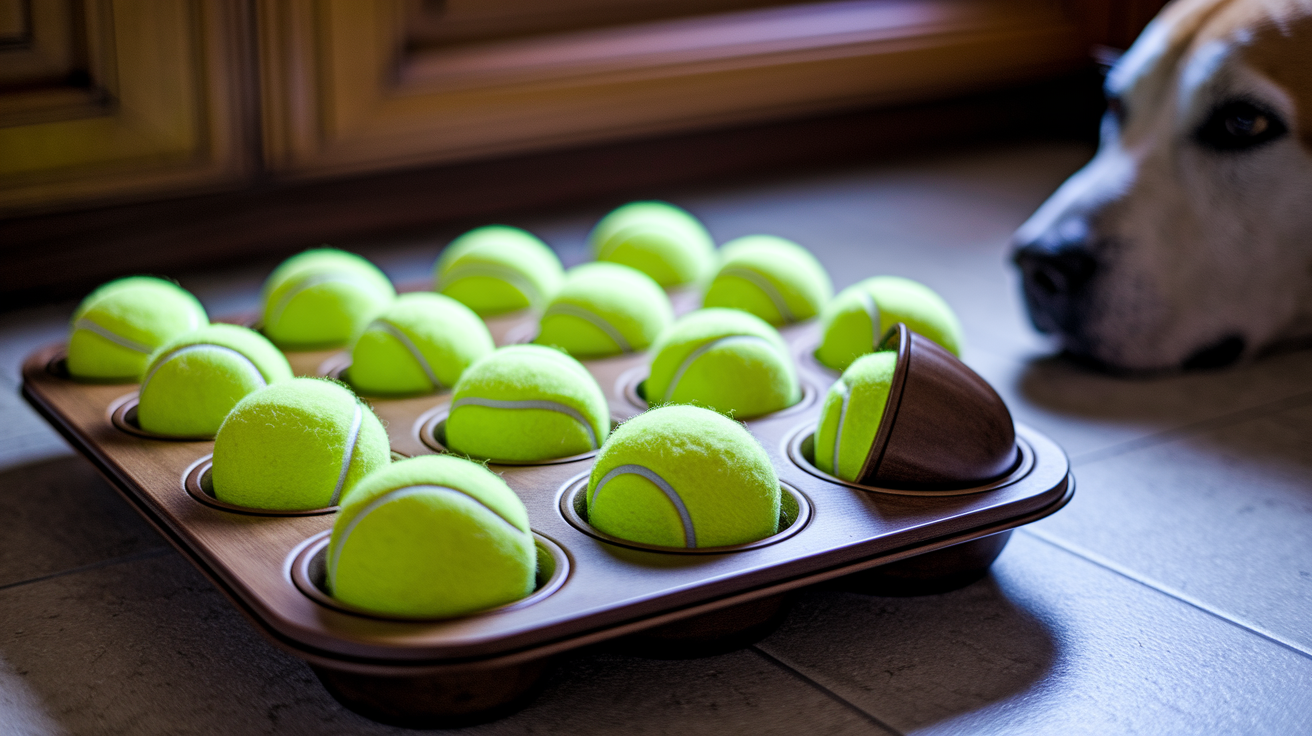
The muffin tin puzzle forces your dog to sniff instead of guess because every hole looks the same and only a few hide treats. It’s one of the easiest DIY scent setups and uses things you probably already own. Dogs have to work through each tennis ball to find the reward, which keeps their nose busy and their brain engaged.
You need one standard 12 cup muffin tin, 12 tennis balls that fit over the cups, and treats smelly enough to motivate your dog through the challenge. Drop a treat into three or four of the muffin cups. Don’t use all of them or the game gets too easy. Cover every cup with a tennis ball, even the empty ones, so your dog can’t cheat by looking. Set the tin on the floor and let your dog start sniffing and nudging balls out of the way. Reward them right at the tin when they find a treat, then reset and change which cups hold the goodies for the next round.
If your dog is ball obsessed and grabs a tennis ball to run off, you may need to explain the game first by letting them watch you place one treat and cover it, then reward immediately when they nose that ball away. Some dogs catch on in one round. Others need a few tries before they stop trying to steal the balls and start using their nose to solve the puzzle.
You can make it harder by removing a few tennis balls so the dog has to check empty holes, or by using less smelly treats so the scent is harder to detect. You can also introduce a target scent by dabbing a cotton swab with essential oil and placing it in a cup instead of food, then rewarding when they sniff that cup. But only after they’ve mastered the food version.
| Item | Purpose |
|---|---|
| 12 cup muffin tin | Holds treats and tennis balls; provides structure |
| 12 tennis balls | Covers all cups so dog must sniff to find treats |
| Smelly treats | Motivates searching and rewards correct choices |
| Optional scent targets (cotton swab + oil) | Introduces target odor training for advanced dogs |
Three Cup & Shell Game Scent Challenges for Skill Progression
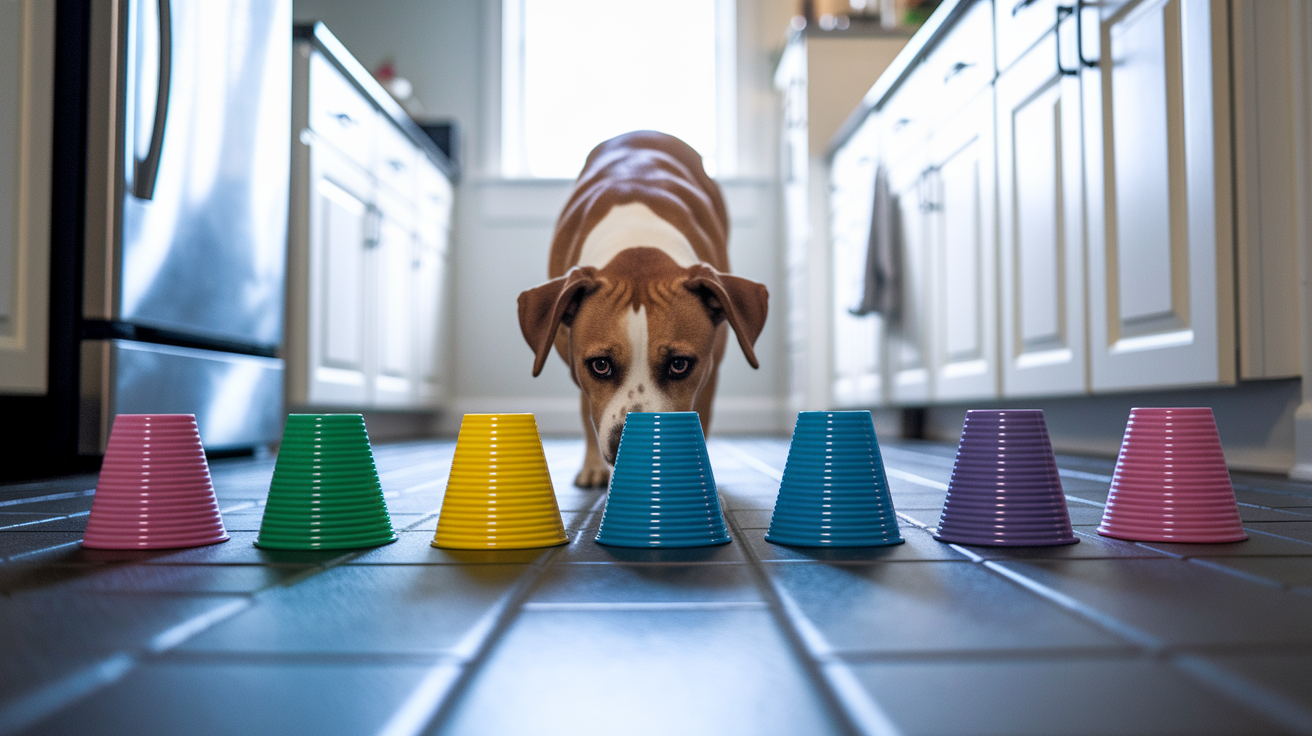
Cup based scent games teach your dog to trust their nose instead of their eyes or memory. The shell game starts simple (one cup hides a treat) and gets harder as you add more cups and start shuffling them around. It’s a clean, controlled way to build scent discrimination without needing a lot of space or cleanup.
Start with three cups and one treat. Use paper cups for small dogs or sturdier plastic cups and small flower pots for larger dogs. Place the treat under one cup and let your dog sniff and paw at the cups until they find it. Reward them right at the correct cup so they connect the scent with the reward. Once they’re getting it right most of the time, add a second empty cup so they have to choose between two. Keep adding cups one at a time and start moving them around between rounds so your dog can’t rely on watching where you put the treat. The goal is for them to sniff each cup and pick the right one, not guess based on memory.
When your dog is confidently working through five or six cups, you can introduce light shuffling. Slide the cups around slowly while your dog watches, then let them search. You can also switch out treat types to make the scent stronger or weaker, or place the treat inside a small container under the cup so the scent is less obvious and your dog has to work a little harder to detect it. Keep sessions short and successful. Stop before frustration builds.
How to Teach Target Odor Scent Games at Home
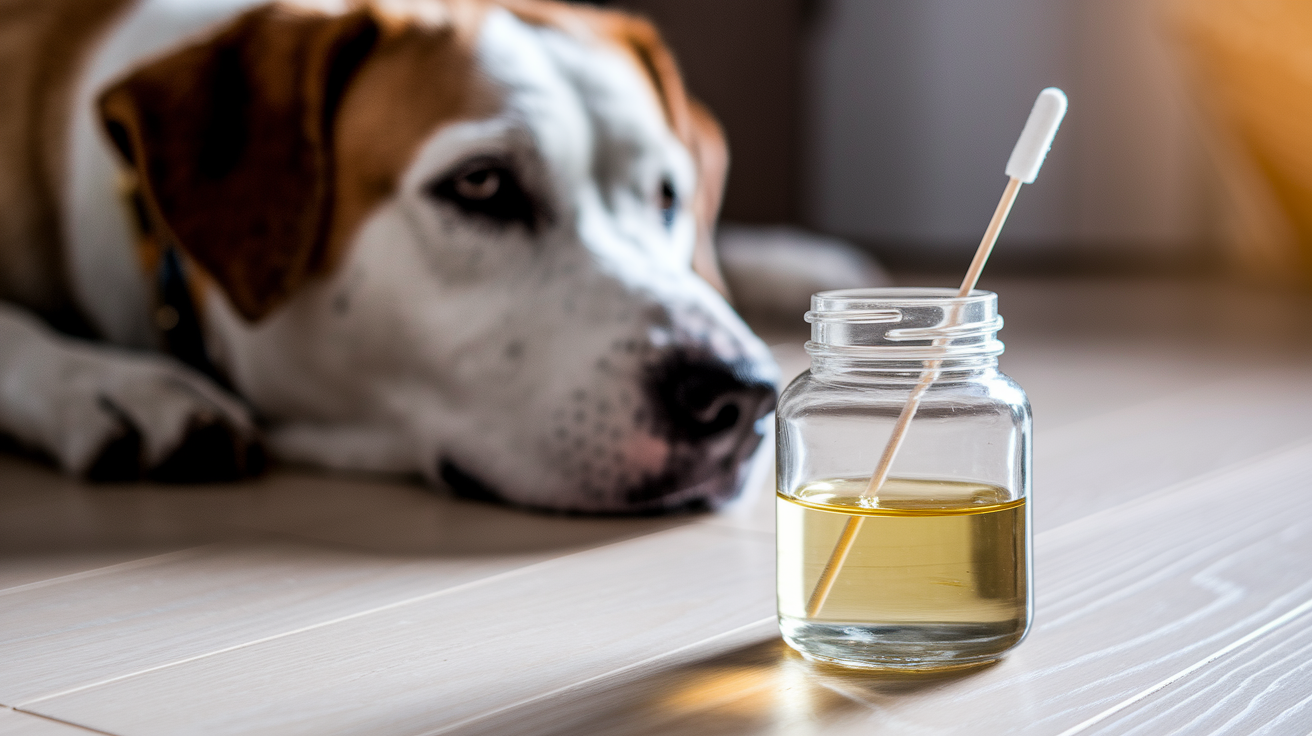
Target odor training shifts the game from finding food to finding a specific scent, then getting rewarded for it. It’s the foundation of organized scent work and a good next step once your dog is confident with treat hides. Instead of searching for the treat itself, your dog learns to search for a scent that predicts a treat. This builds focus and handler trust.
Here’s how to introduce a target scent safely and clearly.
Choose an essential oil. Birch is the standard beginner scent in most scent work programs. Put a few drops of birch oil on a cotton swab and place the swab inside a small glass jar or canning jar to contain the scent. Hold the jar in one hand and treats in the other. When your dog sniffs or bumps the jar with their nose, immediately reward them with a treat from your other hand. Add a verbal cue like “search” or “find it” right before you present the jar. Once your dog is eagerly bumping the jar, place it on the floor and reward them at the jar so they learn to indicate the scent source, not come back to you for the treat.
Birch is the go to scent for novice level competition and beginner training because it’s distinct and safe. As dogs advance, anise and clove are added, and some competitions include cypress at the highest levels. Start with just birch so you don’t confuse your dog. Don’t move to a second scent until they’re reliably finding birch in simple hides around the house. Always reward at the source of the scent, not away from it, so your dog understands that the scent itself is the target.
Progressive Scent Difficulty Levels for At Home Training
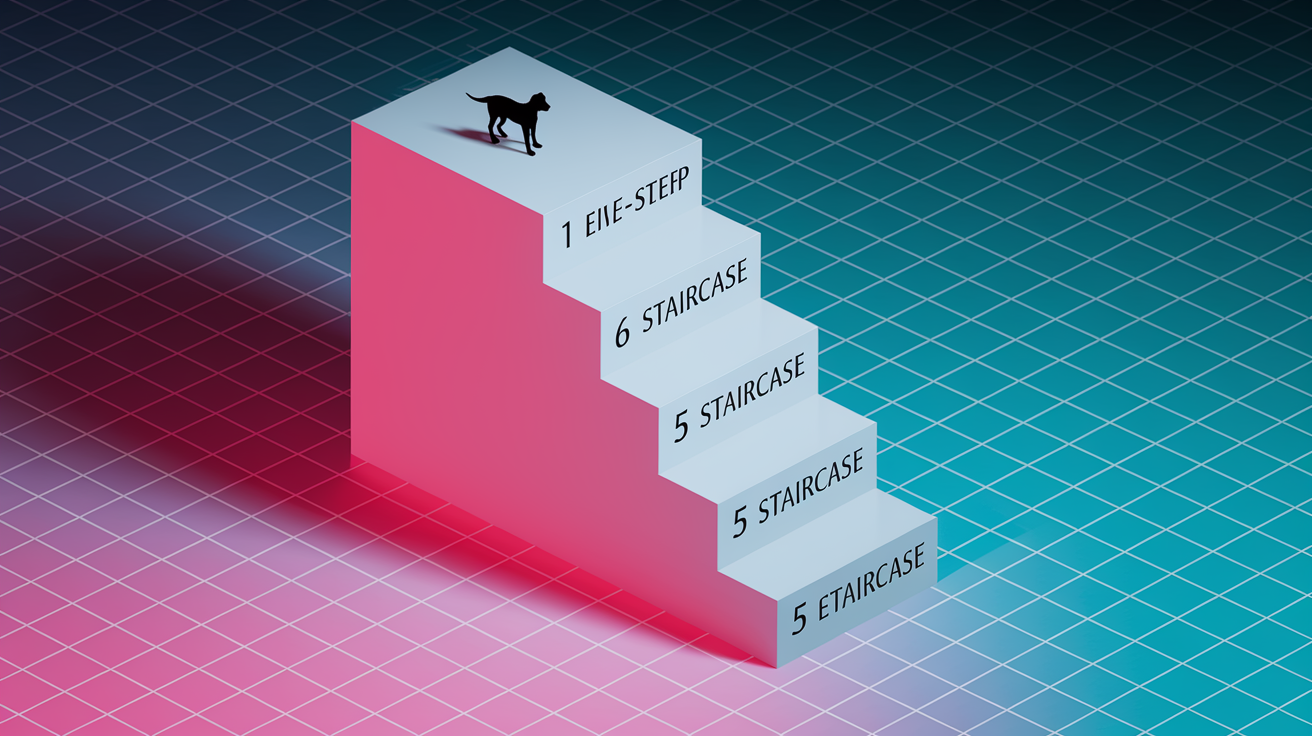
Gradually increasing difficulty keeps your dog motivated and prevents them from getting bored or frustrated. A clear progression plan also helps you know when your dog is ready for the next challenge and when to pause and reinforce what they already know. Structure matters because scent work should feel like success, not guessing.
The five level roadmap for at home scent training looks like this. Level one is food only, single location hides. One treat in one spot, easy to find, just to build confidence and understanding. Level two introduces multiple locations and movement. Several cups or boxes, or shuffling items so your dog can’t rely on memory. Level three brings in a target odor on a jar or swab with rewards at the source, teaching scent indication instead of food finding. Level four adds an unknown hider. Someone else hides the scent while you and your dog wait in another room, so you can’t accidentally cue your dog to the location. Level five spreads the game across multiple rooms like the bedroom, kitchen, living room, or garage to add distractions and competing odors.
Move to the next level when your dog is succeeding about 80 percent of the time at the current level, not when they’re perfect. Puppies and seniors do better with fewer hides and more frequent rewards, so you might stay at levels one and two longer. Excitable dogs benefit from the focus required at levels three and four. Timid dogs build confidence slowly at level one with lots of easy wins and calm praise. If your dog starts guessing, scratching at everything, or losing interest, drop back a level and make it easier again.
Indoor Scent Games for Puppies, Seniors, and Anxious Dogs
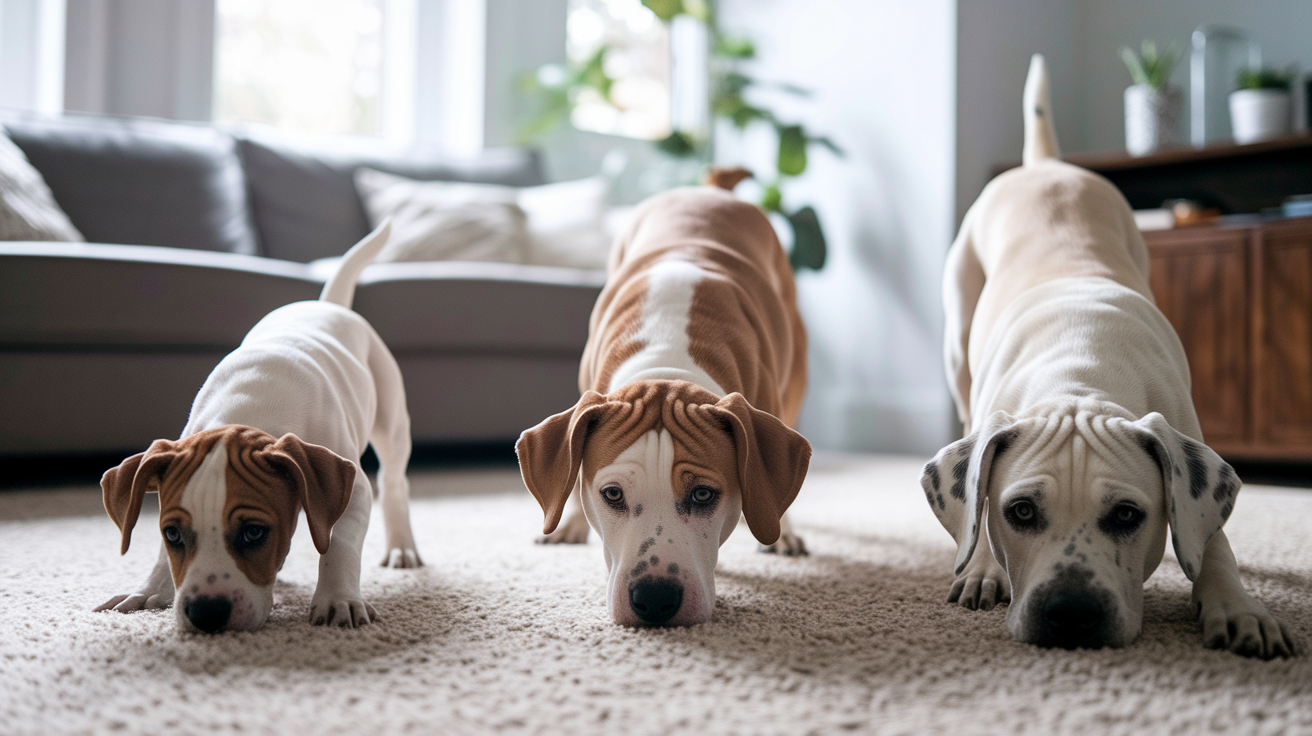
Scent work fits different needs depending on your dog’s age, energy, and emotional state. Puppies get mental stimulation without the joint impact of running or jumping. Seniors stay engaged and confident without physical strain. Anxious or reactive dogs find calm, predictable work that builds trust and gives them control over their success.
Modifications that work across life stages and temperaments:
Reduce the number of hides to one or two so the game doesn’t become overwhelming or frustrating. Reward more often, even for effort, not just perfect finds. Use softer, easier to chew treats for older dogs or puppies still learning bite control. Keep sessions short. Two to five minutes is enough for puppies, anxious dogs, or seniors who tire quickly.
Watch for signs your dog is getting overstimulated or stressed, like panting heavily, pacing without searching, whining, or refusing to engage. If that happens, make the game easier, slow down, or stop and try again later. Scent work should feel like a win, not a test, so adjust difficulty and duration to match what your dog can handle that day.
Snuffle Mats & DIY Sniffing Tools for Indoor Enrichment
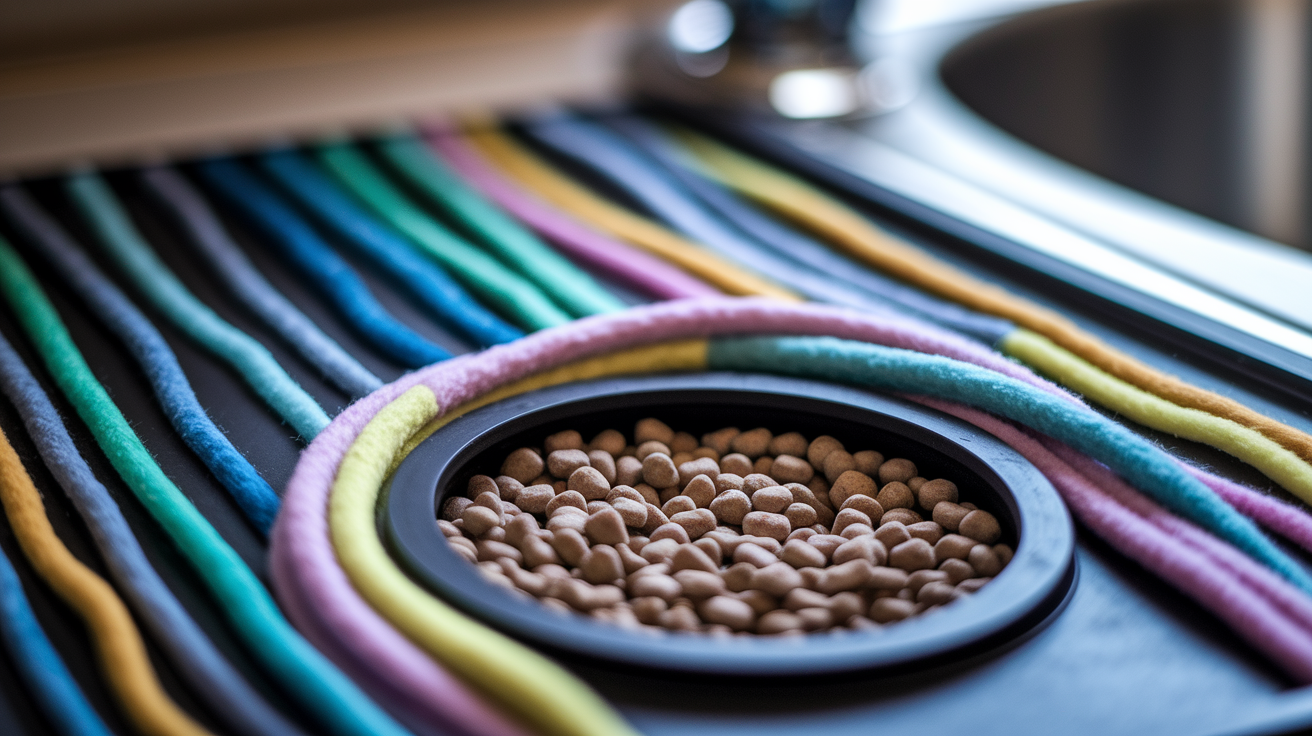
A snuffle mat is a fabric foraging tool that encourages your dog to nose through layers of fleece or fabric strips to find hidden treats. It slows down fast eaters, gives anxious dogs something calm to focus on, and provides indoor enrichment when outdoor time is limited. You can buy one or make your own in about 20 minutes.
To build a DIY snuffle mat, follow these four steps.
Get a rubber sink protector mat with holes and a pile of scrap fleece cut into strips about six inches long and one inch wide. Tie each fleece strip through a hole in the mat using a simple double knot, leaving the ends loose and floppy. Fill the mat with strips until it looks dense and shaggy, with lots of layers for hiding treats. Scatter dry treats or kibble into the layers and let your dog sniff and nose through the fabric to find them.
You can also make simple scent toys from clean cardboard boxes. Cut flaps, fold them into pockets, and tuck treats inside. Paper towel rolls work too. Fold the ends closed with a treat in the middle and let your dog rip or nose it open. Both options are cheap, disposable, and easy to replace when they get shredded.
Supervise dogs who are aggressive chewers or shredders to make sure they’re not swallowing fabric or cardboard. Wash snuffle mats regularly by shaking out crumbs, then tossing them in the washing machine on gentle cycle and air drying. Retire any mat that’s losing strips or has loose threads that could tangle or be swallowed.
Added Challenges & Room Variations for Advanced Indoor Scent Work
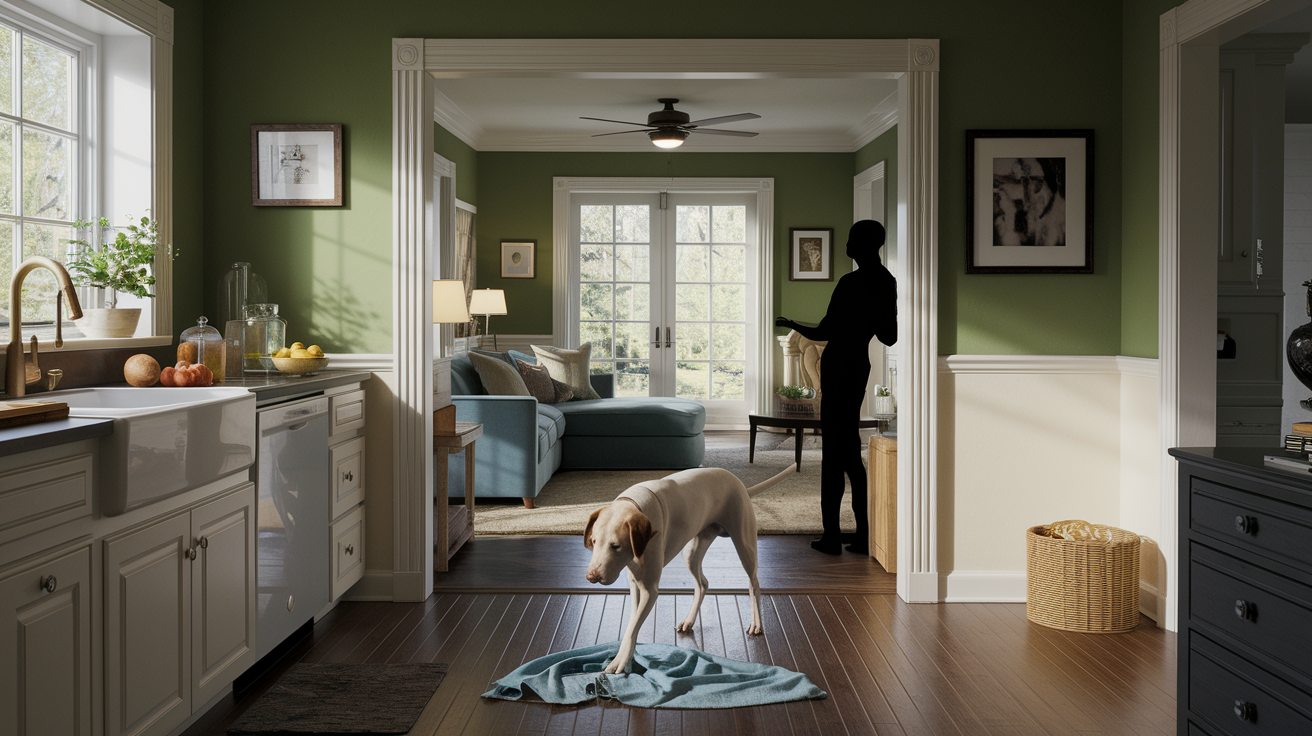
Once your dog is confident with basic hides, added challenges keep the work interesting and build real world scent skills. Changing the environment, introducing new containers, and removing your own knowledge of the hide location all push your dog to rely more on their nose and less on your cues or their memory.
Switching rooms adds competing odors and new distractions. Kitchen smells like food and garbage, bedrooms smell like laundry and personal items, garages bring in oil, dust, and outdoor scents. Each room requires your dog to filter through background odor and focus on the target. Having a family member or friend hide the scent while you and your dog wait outside the room forces you to trust your dog’s nose instead of guiding them with your eyes or body language. Introducing new textures like hiding the scent in a pile of towels, inside a closed drawer with a crack, or behind furniture legs makes your dog slow down and problem solve.
Advanced challenges work best when your dog has already mastered single hide, known location searches and is showing strong motivation and focus. If your dog starts getting frustrated or stops searching, the challenge is too hard. Drop back to easier setups and build up again more slowly.
| Challenge | Tools Needed | Difficulty Boost |
|---|---|---|
| Unknown hider | Family member or friend, target scent or treats | Removes handler cues; forces dog to work independently |
| Multi room search | Access to 2–3 different rooms, hides in each | Adds competing odors and environmental distractions |
| Competing odor environment | Kitchen, garage, laundry room with strong smells | Requires scent discrimination under distraction |
Final Words
Start playing: you’ve seen quick-start games, household-item setups, and a full muffin-tin tutorial to get scent work going in minutes.
We also covered cup challenges, target-odor training, progression levels, and tweaks for puppies, seniors, and anxious dogs, plus DIY snuffle mats and room variations.
Use these ideas to build short daily sessions, scent games for dogs at home are an easy, low-cost way to boost mental health and confidence. Have fun, keep it safe, and progress at your dog’s pace.
FAQ
Q: What scent games can I play with my dog?
A: The scent games you can play with your dog include simple treat hide-and-seek, muffin tin puzzles, three-cup shell games, snuffle mats, towel or paper-bag hides, and quick cup-search rounds for short sessions.
Q: Can dogs hear you?
A: Dogs can hear you; they detect a wider pitch range and often hear quieter sounds than humans. Use calm tones and short cues—they react more to tone, timing, and body language than exact words.
Q: What is 10 minutes of sniffing for dogs equivalent to?
A: Ten minutes of sniffing is often compared to about 30 minutes of regular walking for mental stimulation, because focused scent work gives intense enrichment and helps calm and tire many dogs.
Q: How do I say “I love you” in dog language?
A: Saying “I love you” in dog language looks like gentle petting, soft eye contact, a calm voice, regular play, predictable routines, and rewarding them during scent games to build trust and joy.