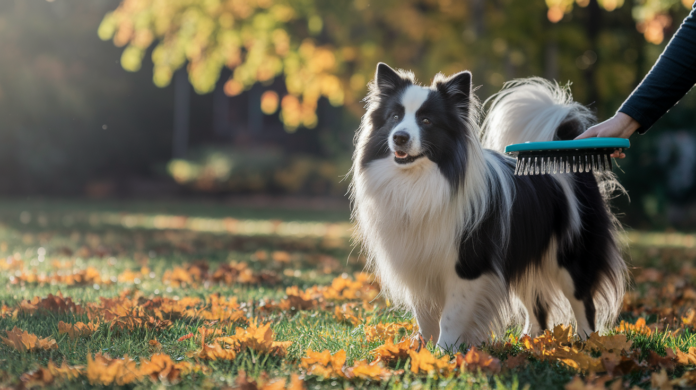

What if your dog’s fur piles aren’t random but predictable twice a year?
Most dogs hit big shedding peaks in spring and fall.
Those windows match changes in daylight, temperature, hormones, and coat type.
Indoor pets can blur that pattern and shed more steadily.
In this post I’ll explain why those peaks happen, how to tell normal seasonal molting from a problem, and simple, realistic steps like brushing, bathing, and timing to cut the mess and keep your dog comfortable.
Understanding Why Dogs Shed More During Certain Seasons
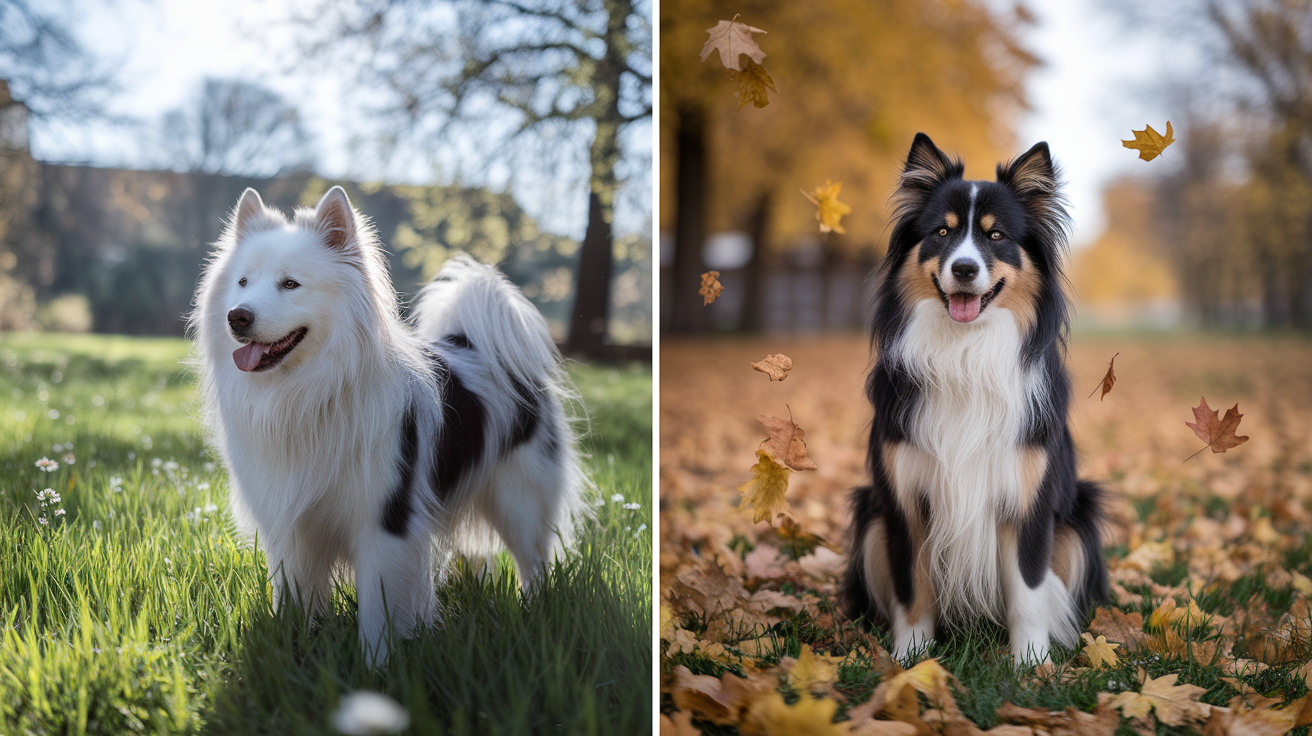
About half of dog owners say their pet sheds moderately to heavily, and nearly 47% deal with shedding all year long. But for plenty of dogs, it’s not constant. There’s a pattern, and it lines up with the seasons.
Most dogs hit two big shedding peaks each year. One in spring, usually March through May. Another in fall, around September to November. These windows match up with changes in temperature and daylight. Your dog’s body is prepping the coat for what’s coming. In spring, they drop that thick winter undercoat to stay cooler. In fall, they shed lighter summer fur to make space for denser insulation.
What drives the timing and intensity? A few things:
Daylight length. Longer or shorter days tell the body to shift coat growth cycles.
Temperature and humidity changes. The body gets ready for weather shifts, and that triggers follicle activity.
Hormonal responses. Melatonin and thyroid hormones adjust based on daylight and kick off coat turnover.
Coat type. Double coated breeds shed way more dramatically than single coated dogs.
Indoor dogs get hit with consistent artificial lighting, so their bodies never receive a clear seasonal signal. They tend to shed more evenly throughout the year. Dogs that spend more time outdoors usually stick to the traditional spring and fall pattern.
Understanding this cycle helps you figure out what’s normal for your dog and when shedding might mean something else is going on.
The Canine Hair Growth Cycle and How It Drives Seasonal Shedding
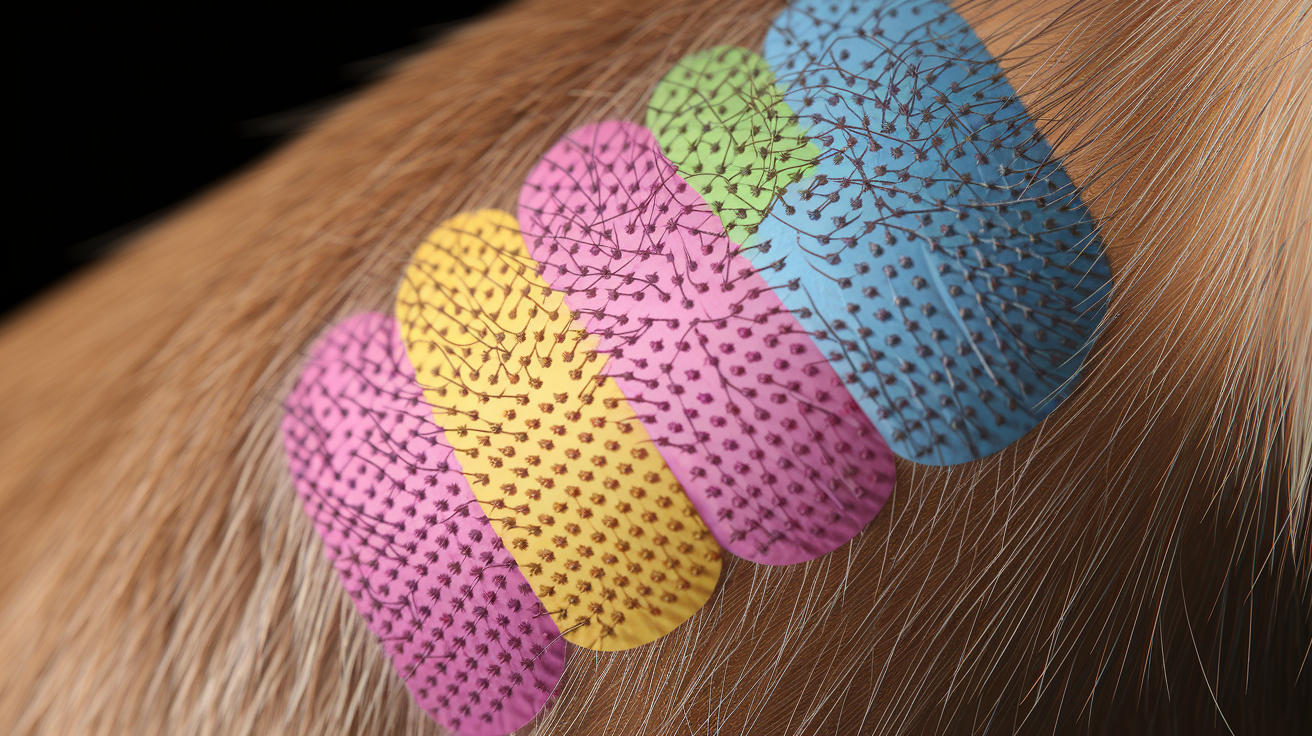
Each hair on your dog grows from a follicle that cycles through two main phases. A growing phase and a resting phase. During the growing phase, the hair gets longer and thicker. Eventually it stops, enters a resting phase (called telogen), and gets pushed out by a new hair starting to grow underneath.
Not every follicle runs on the same schedule. Hair growth in dogs follows what’s called a “mosaic pattern.” Each follicle does its own thing, so some hairs are growing while others are resting or shedding at any given moment. This staggered cycle keeps dogs from going totally bald during a molt. Peak hair growth usually happens in summer, while up to 50% of follicles might shift into the resting phase during winter months.
How Daylight and Hormones Regulate Coat Change
Changes in daylight length affect how much melatonin the body makes. Melatonin levels go up when days are shorter and drop when daylight extends. These shifts help trigger the start or end of a shedding cycle. Thyroid hormones also play a supporting role in keeping hair growth and turnover healthy.
Indoor dogs live under consistent artificial light that mimics long daylight hours all year. Without clear seasonal light signals, their bodies might not trigger the traditional spring and fall sheds. Instead, they shed smaller amounts continuously. That’s why many indoor pets seem to shed “all the time” instead of in heavy bursts twice a year.
Coat Types and How They Influence Seasonal Shedding Differences
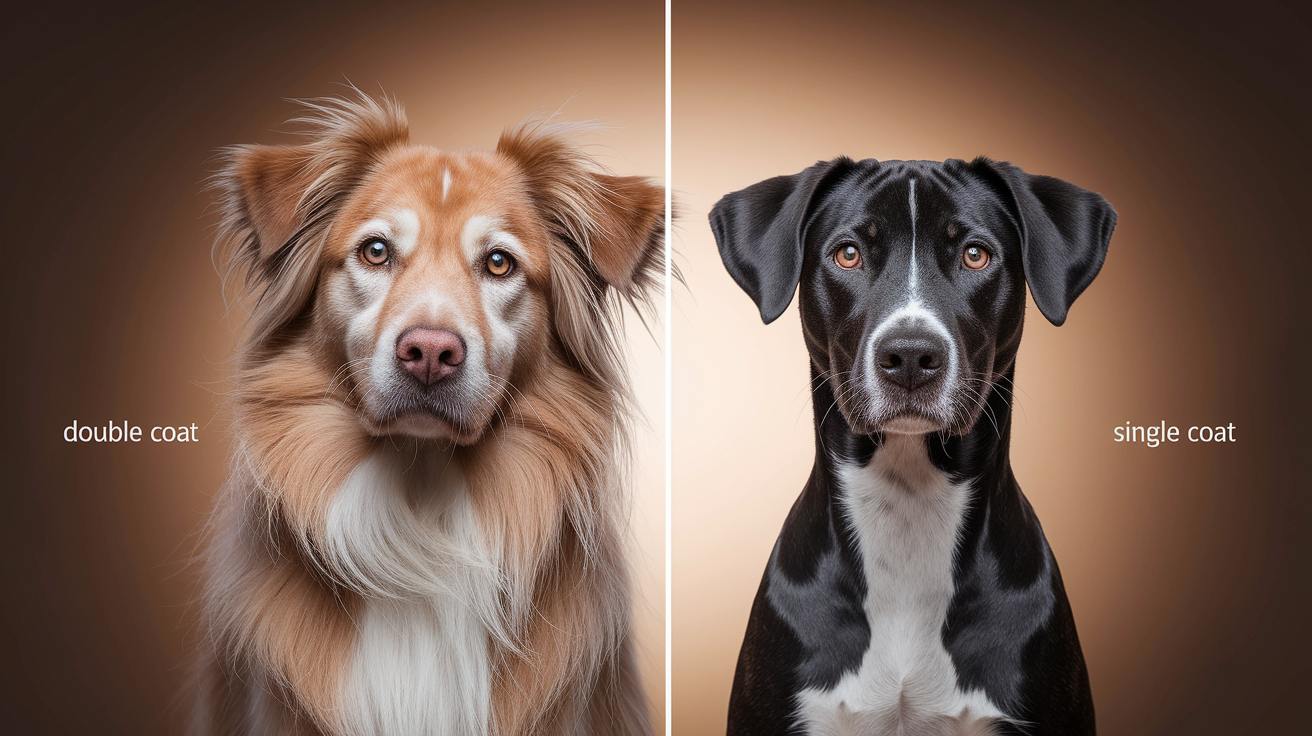
The structure of your dog’s coat has a big impact on how much fur you’ll find around the house during shedding season. Dogs generally fall into two categories. Double coated and single coated.
Double coated breeds have a dense, insulating undercoat beneath a layer of longer guard hairs. The undercoat provides warmth in winter and gets shed heavily in spring to prevent overheating in warmer months. In fall, these dogs grow a fresh undercoat and shed lighter summer fur. Breeds like the Siberian Husky, German Shepherd, Golden Retriever, and Alaskan Malamute are known for pronounced seasonal “blowouts.” Periods when clumps of undercoat come loose in large amounts. Grooming during these windows can feel like a full time job.
Single coated breeds lack that thick undercoat. Their coat tends to shed more lightly and consistently throughout the year rather than in dramatic seasonal waves. Poodles and Bichon type dogs are common examples. While they still shed, the volume is lower and the timing is less tied to the calendar.
| Coat Type | Seasonal Shedding Pattern |
|---|---|
| Double coat (undercoat + guard hairs) | Heavy spring and fall sheds; undercoat “blowouts” twice yearly |
| Single coat (no dense undercoat) | Light, continuous shedding; less pronounced seasonal peaks |
Genetic and Non Photoperiod Environmental Factors Affecting Seasonal Shedding
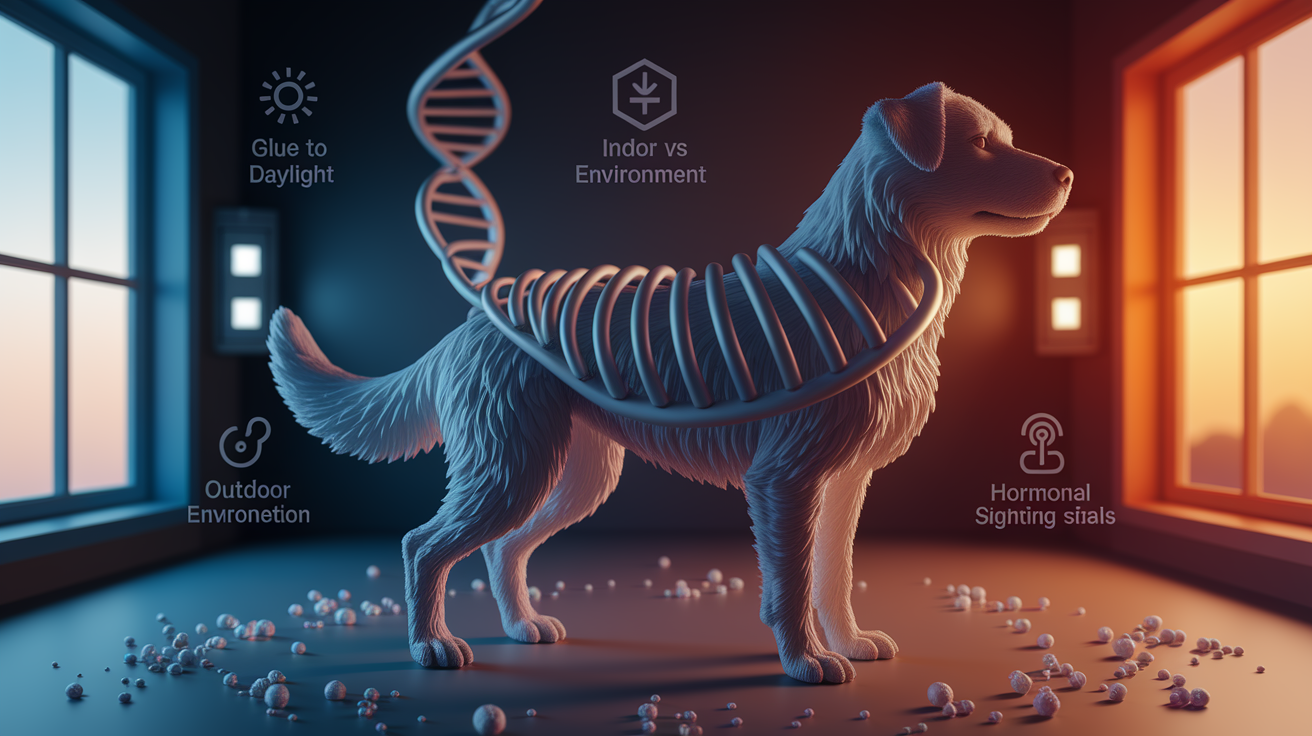
While daylight is a major driver, genetics and other environmental conditions also shape how much and when your dog sheds. Several genes influence coat length, texture, and the intensity of shedding. Understanding these genetic factors can help explain why two dogs living in the same house may shed very differently.
One gene, RSPO2, is tied to wiry coat texture. Dogs with certain variants of this gene tend to have low shedding coats, like many terrier breeds. Another gene, FGF5, determines whether a dog has a short or long coat. Long haired breeds such as Golden Retrievers carry FGF5 variants that allow hair to grow much longer before entering the resting phase. KRT71 affects curl pattern, influencing whether the coat is straight or curly. MC5R plays a role in sebum production in the skin’s oil glands and helps distinguish heavy shedders from moderate ones among non wiry coated breeds. For example, Akitas (heavier shedders) and Boxers (moderate shedders) differ partly because of MC5R variants.
Stress is another trigger that’s not related to light. Severe or prolonged stress can push many hair follicles into the resting phase at the same time, resulting in sudden, heavy shedding a few weeks later. This is sometimes called “stress shedding” and can happen after illness, surgery, a move, or other major disruptions.
Household conditions like indoor heating, air conditioning, and humidity levels also influence coat behavior. Dogs that live in climate controlled homes may not experience the temperature extremes that would normally cue a seasonal coat change. That leads to steadier, less dramatic shedding year round.
Key genetic influences on shedding include:
RSPO2. Linked to wiry coats and reduced shedding.
FGF5. Controls coat length (short vs long hair).
KRT71. Determines curl and wave patterns in the coat.
MC5R. Affects oil production and shedding intensity.
Breed background. Selective breeding has amplified or reduced shedding traits across different breeds.
Normal Seasonal Shedding vs. Excessive or Abnormal Hair Loss
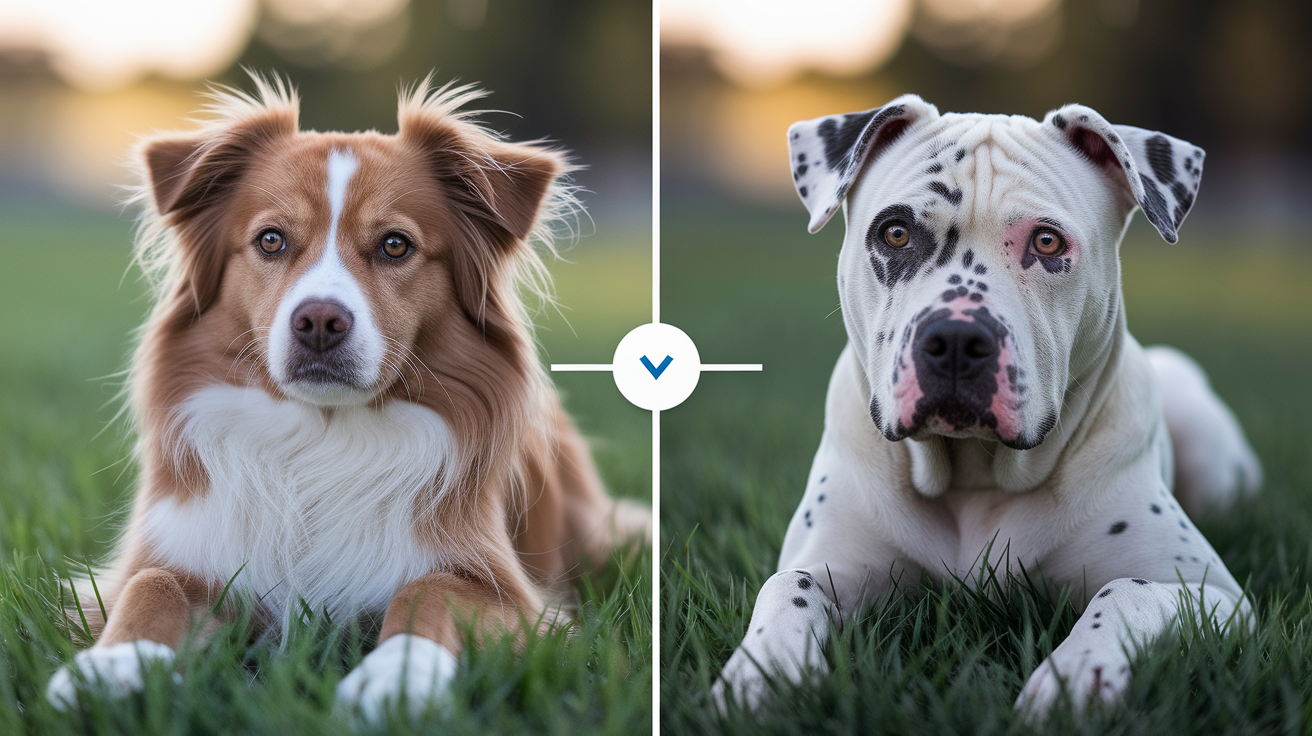
Seasonal shedding is a healthy, expected process. You’ll see more loose fur during spring and fall, and the coat may look a bit thinner for a few weeks. But it should regrow evenly and your dog’s skin should stay smooth, clean, and free of irritation.
Abnormal shedding looks different. It’s often patchy, one sided, or concentrated in specific areas like the face, feet, or along the back. The skin beneath may be red, scaly, thickened, or crusted. You might notice a bad smell, excessive itching, or your dog licking and chewing at the same spot repeatedly. These signs suggest something beyond a normal seasonal molt.
Several medical conditions can cause abnormal hair loss. Mites, especially demodex, produce hair loss focused on the face and feet, along with itchy, inflamed skin that may thicken or develop scabs. Ringworm, a fungal infection, creates circular bald patches with defined edges. Endocrine disorders like Cushing’s disease or hypothyroidism lead to symmetrical hair loss, often on the trunk, and are usually accompanied by other signs like increased drinking, urination, or weight changes. Stress can also trigger sudden, widespread shedding when many follicles enter the resting phase at once, though this typically resolves once the stressor is addressed.
Watch for these patterns that mean you should schedule a vet visit:
Bald patches or circular areas of hair loss.
Red, thickened, crusty, or oozing skin.
Sudden, heavy shedding that’s much more intense than prior seasonal molts.
Persistent scratching, licking, or chewing at the skin.
If shedding feels off or your dog’s coat and skin don’t look healthy, it’s time to schedule an exam.
Practical Home Management for Seasonal Shedding
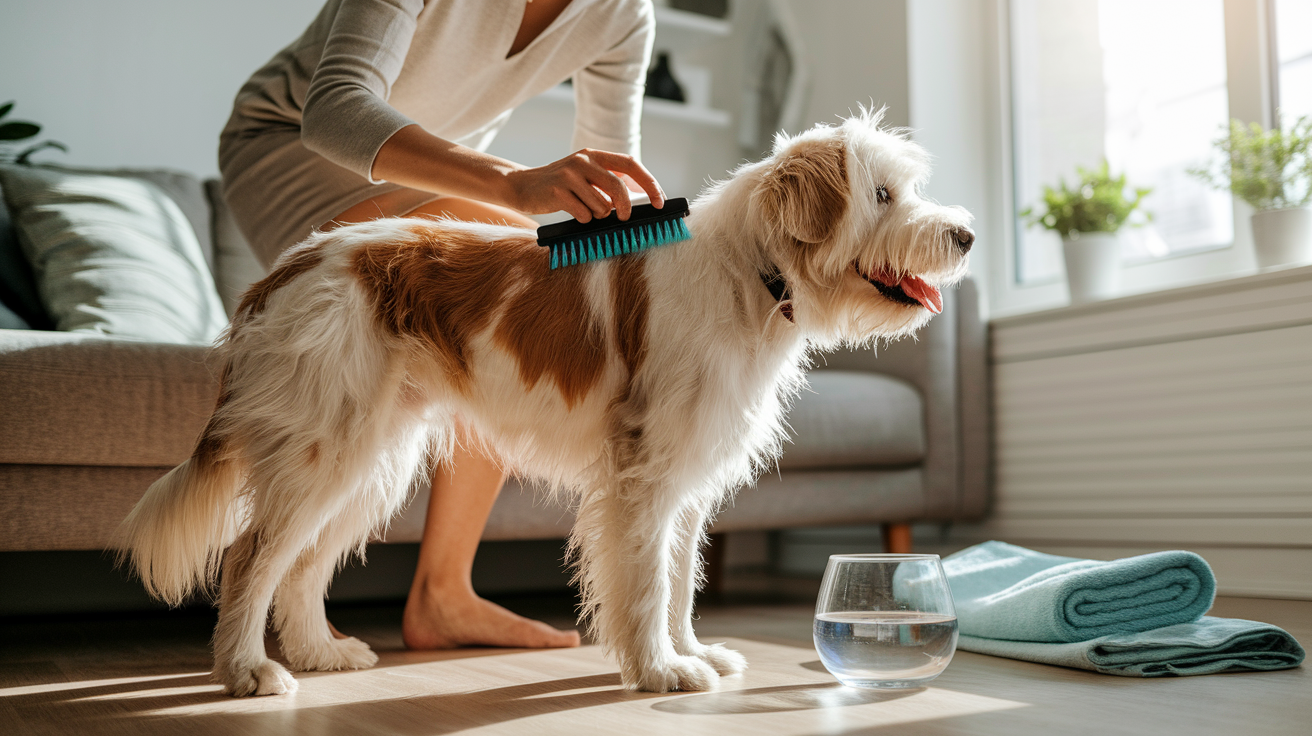
You can’t stop seasonal shedding, but you can manage it so there’s less fur on your floors and furniture and your dog stays more comfortable. The most effective step is regular grooming. Brushing several times a week, or daily during peak shedding windows, removes loose undercoat before it ends up all over your home. For double coated breeds, a slicker brush or undercoat rake works well to pull out dead fur without damaging the topcoat.
Bathing with a gentle, hypoallergenic shampoo on a regular schedule helps loosen and wash away dead hair, dirt, and excess skin oil. A good bath also supports healthy skin, which in turn supports a healthy coat. After the bath, a thorough brushing session while the coat is still damp can pull out even more loose fur. Make sure your dog has access to plenty of fresh water. Hydration improves skin and coat condition from the inside.
Nutrition plays a supporting role. A balanced diet that includes omega 3 and omega 6 fatty acids helps maintain coat shine and skin health. Some owners add supplements like biotin or vitamins A and E with their vet’s guidance, especially if the coat looks dull or dry. These aren’t quick fixes, but over time they can improve the overall look and feel of the coat.
Simple grooming actions to reduce seasonal shedding:
Brush several times weekly (daily during heavy sheds).
Bathe with hypoallergenic shampoo every few weeks.
Use an undercoat rake or de shedding tool for double coats.
Provide clean, fresh water at all times.
Consider omega 3 supplements if your vet recommends them.
When Seasonal Shedding Requires a Veterinary Visit
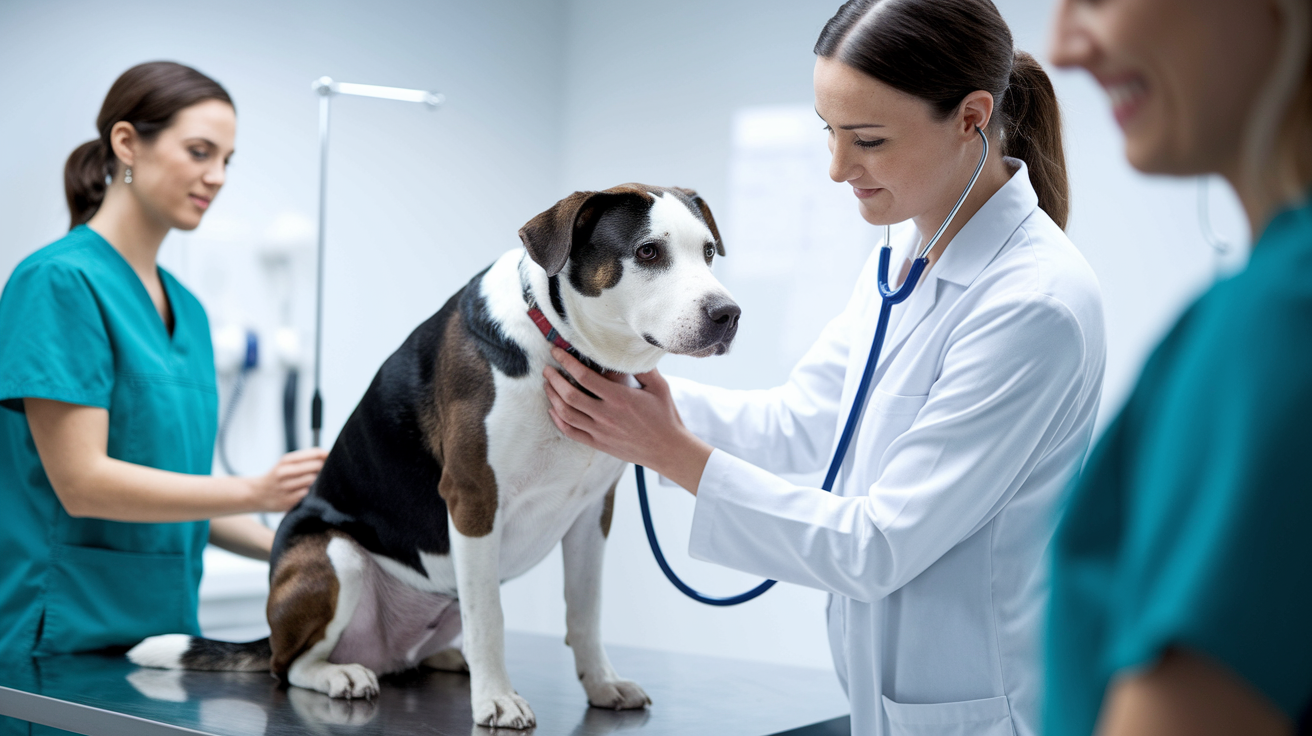
Most seasonal shedding is normal and doesn’t need veterinary attention. But if you notice sudden, severe hair loss, bald spots, sores, persistent dandruff, or a coat that looks dull, brittle, or excessively oily, it’s time to call your vet. Rapid shedding that’s much heavier than previous years or shedding that happens outside the typical spring and fall windows can point to an underlying health issue.
Other warning signs include skin that’s red, thickened, crusty, or has an unusual odor. If your dog is scratching, licking, or biting at their skin constantly, or if you see flaking, scabs, or open wounds, schedule an exam. Any bald patches, especially if they’re symmetrical or show a distinct pattern, should be evaluated. These patterns are often linked to hormonal imbalances, infections, or parasites that won’t resolve on their own.
Common Diagnostic Steps
Your vet will start with a physical exam and a detailed history of your dog’s shedding pattern, diet, environment, and any recent stressors or changes. If needed, they’ll perform diagnostic tests to identify the cause.
Skin scrapings are used to detect mites like demodex. A small sample of skin cells is collected and examined under a microscope. Fungal cultures check for ringworm and other fungal infections, especially when there are circular bald patches. Cytology, a quick in office test, looks for bacteria, yeast, or inflammatory cells on the skin’s surface and helps diagnose infections.
Blood tests evaluate internal health. A thyroid panel checks for hypothyroidism, a common cause of hair loss and dull coat. Adrenal function tests screen for Cushing’s disease, which produces symmetrical hair loss and other systemic signs like increased thirst and urination. General bloodwork can also reveal liver or kidney issues that affect coat quality.
Home Hair Control and Cleaning Strategies During Shedding Season
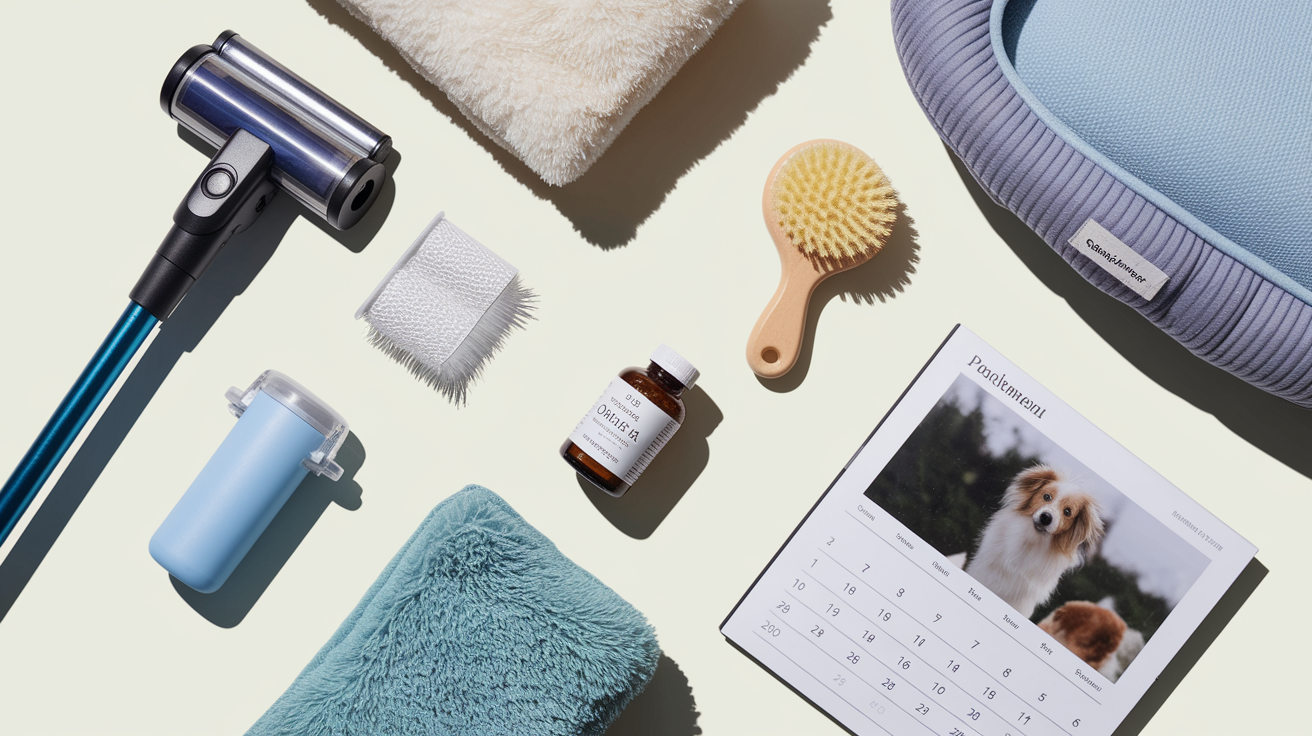
Even with regular grooming, loose fur will still make its way into your home during peak shedding season. A few simple strategies can keep it under control.
Vacuum frequently. Ideally every other day or daily if you have a heavy shedder. Use vacuum attachments designed for pet hair or a vacuum model with strong suction and a motorized brush roll. Focus on areas where your dog spends the most time. Near their bed, favorite furniture spots, and along baseboards. Wash your dog’s bedding, blankets, and any removable furniture covers weekly during heavy shedding periods. Hot water and a pet safe detergent help release trapped fur and reduce buildup.
Quick daily actions that help manage indoor fur:
Run a lint roller over furniture and clothing daily.
Keep a handheld vacuum nearby for fast spot cleanups.
Use washable throws or pet blankets on furniture and wash them weekly.
Wipe down hard floors with a damp mop to catch fine hairs vacuums miss.
Final Words
You learned why many dogs shed most in spring and fall, how daylight shifts, the hair growth (moulting) cycle, and coat type combine to time those peaks, and how genes and home conditions tweak the amount.
We covered how to tell normal seasonal shedding from worrying hair loss, practical grooming steps, and simple cleaning moves to cut the mess.
This seasonal shedding in dogs explained gives clear next steps. Start a short brushing routine, watch for red flags, and enjoy a healthier coat through the seasons.
FAQ
Q: Is seasonal shedding normal for dogs?
A: Seasonal shedding is normal for dogs. It helps replace winter or summer coats and often peaks in spring and fall; watch for skin irritation or sudden bald patches that need a vet check.
Q: What is the 90 10 rule for dogs?
A: The 90 10 rule for dogs means you spend about 90% of effort managing the environment and routines, and 10% on formal training, so good behavior becomes easier to maintain.
Q: How do dogs say “I love you”?
A: Dogs say “I love you” with relaxed body language and habits like soft eye contact, leaning on you, gentle tail wags, bringing toys, following you, and calm, consistent attention.
Q: What is the hardest dog breed to groom?
A: The hardest dog breed to groom is often the Afghan Hound. Breeds with long, silky or corded coats (like Afghan hounds or Komondors) need daily, time-intensive care and pro trimming.