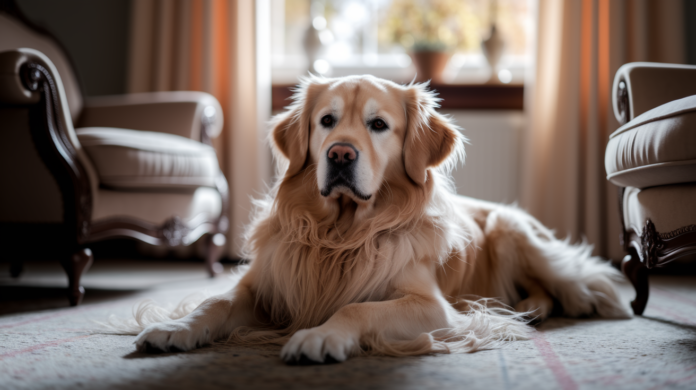

Is your house turning into a fur museum every spring and fall?
Seasonal shedding is your dog’s way of swapping a heavy winter sweater for a lighter summer coat, then getting ready again for cold months.
This post explains how daylight and hormones cue those big sheds, how to tell normal shedding from a health issue, and simple grooming and at-home steps you can use now to cut loose hair, protect your dog’s skin, and save time on clean up.
Understanding Seasonal Coat Changes and Why Dogs Shed Heavily
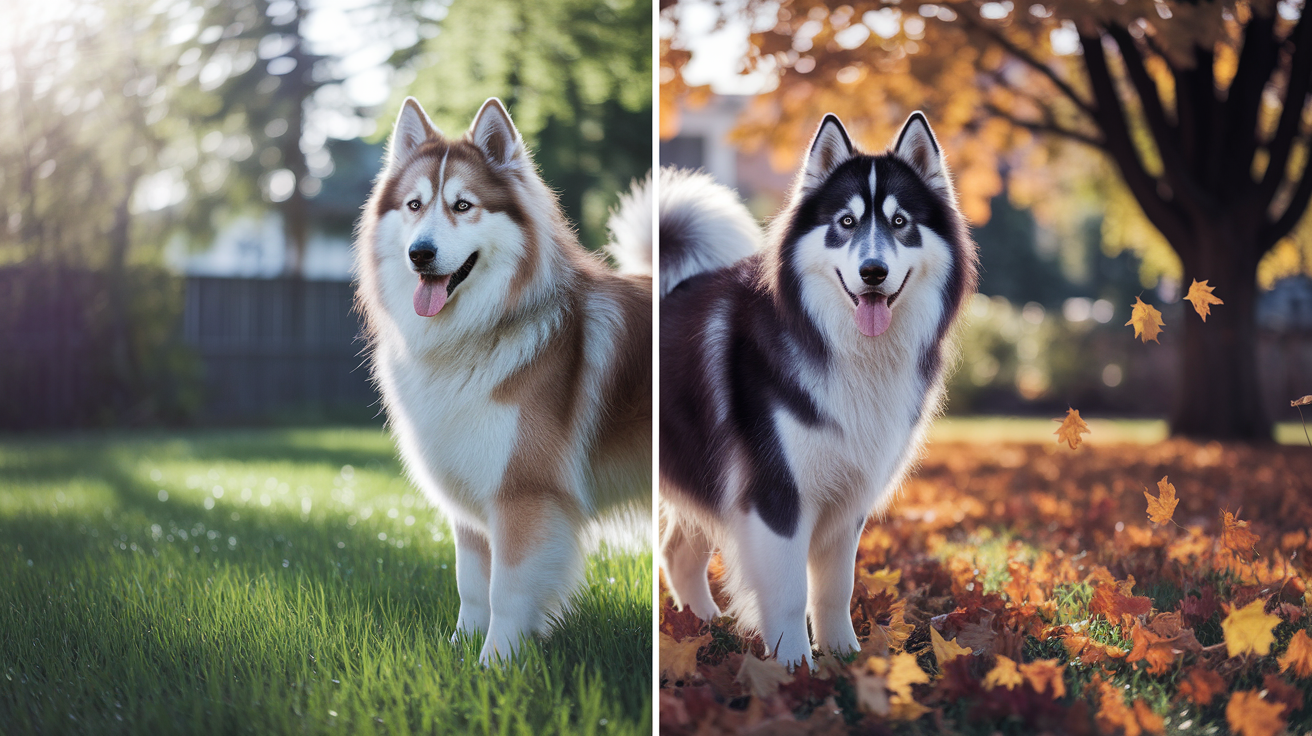
Dogs blow their coats twice a year because their bodies are getting ready for what’s coming next. Spring shedding lightens things up by releasing the thick undercoat that kept them warm all winter. Fall shedding does the opposite, dumping the lighter summer coat so a denser layer can grow in before it gets cold. It’s temperature driven. Your dog’s body just handles it automatically.
Spring and fall shedding feel different when you’re brushing. In spring, you’ll pull out soft, fluffy undercoat in clumps. Sometimes for weeks. Especially if you’ve got a double-coated breed like a German Shepherd or Husky. Fall shedding tends to feel less dramatic, but it’s still noticeable. You’re clearing out the summer coat to make room for thicker insulation. Labradors, Golden Retrievers, and most northern breeds shed heavily during both cycles. Poodles, Bichon Frise, and similar low-shedding breeds don’t follow the same pattern and rarely blow their coats in waves.
Indoor living softens the timing and spread of seasonal shedding. Dogs that spend most of their time inside don’t always experience sharp, defined shedding periods. Consistent artificial lighting and stable temperatures blur the edges. They may shed moderately year round with smaller upticks in spring and fall. The cycle still happens, it just doesn’t hit as hard because their environment isn’t shifting like outdoor conditions do.
Here are five signs that what you’re seeing is normal seasonal shedding:
- You’re pulling loose undercoat in consistent amounts across both sides of the body. Not patchy or one-sided hair loss.
- The timeline matches spring (March to May) or fall (September to November), and it happens around the same weeks every year.
- The skin underneath looks healthy. Pink or light, clean, no redness, bumps, scabs, or flaking.
- There are no bald spots, thinning patches, or areas where the coat looks uneven or broken.
- Your dog acts normal. No scratching, licking, irritation, or changes in energy or appetite.
Biology Behind Dog Seasonal Shedding Cycles
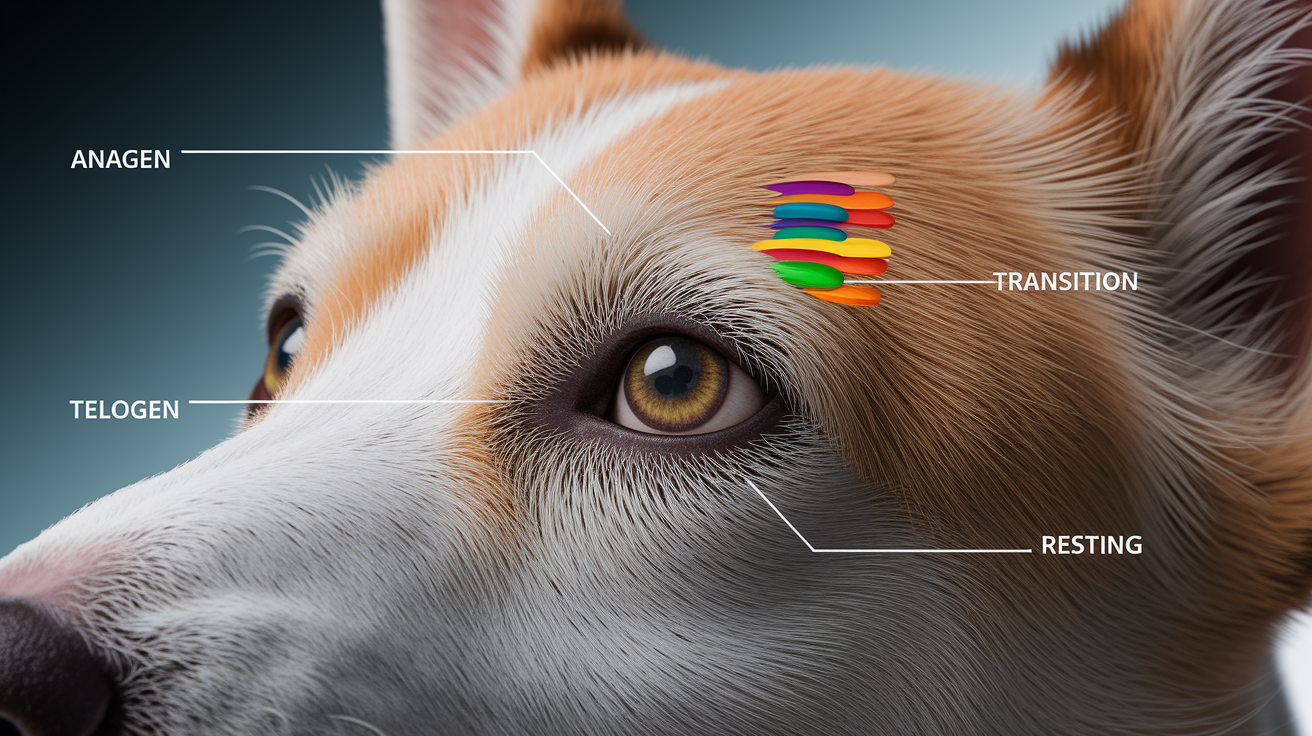
Dog hair grows in a repeating cycle with three distinct phases. During anagen, the follicle actively grows new hair. In catagen, growth stops and the follicle transitions into a resting state. Finally, in telogen, the old hair releases and sheds so a new hair can take its place. Most of the time, different follicles across your dog’s body sit in different phases, so shedding stays low and steady. But when seasonal cues arrive, large groups of follicles shift into telogen at the same time. That’s when you see heavy, synchronized shedding across the entire coat.
Double-coated breeds carry two layers. A soft, dense undercoat for insulation and a longer, coarser outer coat (guard hairs) for protection. The undercoat is what blows out during seasonal shedding. Single-coated dogs, like Poodles or Maltese, grow one type of hair that stays in the anagen phase longer and sheds less overall. Their coat behaves more like human hair. Growing continuously with minimal seasonal variation. That’s why they need regular trims instead of managing heavy shedding cycles.
Here’s how the hair cycle works in numbered steps:
- Anagen (growth phase). The follicle produces new hair that grows longer over weeks to months.
- Catagen (transition phase). Growth stops, the follicle shrinks, and the hair detaches from its blood supply.
- Telogen (resting phase). The old hair sits loosely in the follicle while a new hair begins forming underneath.
- Shedding and renewal. The old hair falls out, and the cycle starts over with a fresh anagen phase.
How Daylight and Hormones Control Coat Changes
Day length is the primary signal that tells your dog’s body when to shed. As daylight hours increase in spring or decrease in fall, the pineal gland in the brain adjusts melatonin production. Melatonin acts like a seasonal clock. Higher levels in winter encourage undercoat growth, and lower levels in summer trigger the release of that dense layer. The shift in melatonin levels activates follicles across the coat to enter telogen together, creating the concentrated shedding period you see twice a year.
Artificial indoor lighting disrupts this natural process because it keeps light exposure relatively constant year round. Dogs that live primarily indoors under steady artificial light produce melatonin on a less predictable schedule, so their coat changes become less synchronized and more spread out. You might still notice increased shedding in spring and fall, but it won’t feel as intense or as tightly timed as it would for a dog that spends more hours outdoors exposed to natural daylight patterns.
Final Words
You now know why dogs shed more in spring and fall: coat renewal for changing temps, with spring losing a thick undercoat and fall building one.
We covered hair-cycle basics, how daylight and melatonin steer those shifts, and how indoor life can change the timing.
If shedding matches the signs we listed—loose undercoat, yearly timing, symmetry, no bald spots—it’s usually normal. Sudden patchy loss, a strong odor, or sore skin should get a vet check. Knowing seasonal shedding in dogs helps you plan brushing and simple care so your pet stays comfy. You’ve got this.
FAQ
Q: Is seasonal shedding normal for dogs?
A: Seasonal shedding is normal for dogs; it’s their coat renewing for warmer or colder weather, usually heaviest in spring and fall. Watch for bald patches, strong odor, or skin sores and call your vet.
Q: Why is my dog shedding so much all of a sudden in winter?
A: Sudden heavy winter or recent shedding can be from indoor heating, changed light, or a normal seasonal molt. It can also signal stress, poor diet, fleas, or skin infection. See your vet if shedding is patchy or itchy.
Q: What to do during dog shedding season?
A: During shedding season, increase brushing to daily for heavy shedders, bathe occasionally with a gentle shampoo, vacuum often, feed balanced food, and trim mats. Contact your vet for unusual hair loss or skin problems.