

Think all shoulder pet carriers for small breeds are the same? Think again.
A good carrier keeps your hands free while protecting tiny joints, letting air flow, reducing shoulder strain, and stopping escapes.
This guide cuts through the hype and shows which features matter and how to measure your dog for the right fit.
You’ll get quick picks for comfort and safety so you can choose the best carrier fast, whether you’re running errands or flying with your pet.
Top Shoulder-Style Pet Carrier Options That Fit Small Breeds

Shoulder pet carriers for small breeds run anywhere from basic $20 slings built for teacup Yorkies up to $120 premium models that handle toy poodles, small cats, and dogs pushing 15 pounds. What you really want is a carrier that keeps your hands free while delivering solid ventilation, padded straps that don’t dig into your shoulder after ten minutes, and removable inserts you can toss in the wash after muddy paws or accidents. Most carriers you’ll test include 2 to 4 mesh panels for airflow, adjustable straps, and interior tethers that clip to a harness so your pet stays put even if a zipper pops open.
The better carriers feature strap widths between 2 and 3 inches. That’s thick enough to stop the digging feeling during a 30 minute walk or subway ride. Removable floor pads usually measure 0.25 to 0.5 inches thick, giving small paws and joints a cushioned surface. Buyers tend to be happiest with carriers rated 4.0 stars or higher that combine breathable mesh with tough 600 denier nylon or canvas exteriors. If you’re planning to carry your pet longer than an hour, crossbody or convertible designs shift weight to both shoulders and make life easier.
Weight limits span 4 to 25 pounds, but most shoulder style carriers work best for pets under 15 pounds. Heavier dogs strain single strap designs and can feel cramped in compact interiors. For quick errands, a simple sling does the job. For all day outings or flights, choose a structured carrier with reinforced sides, a stable base at least 0.25 inches thick, and airline friendly dimensions close to 18×11×11 inches.
Recommended models at a glance:
- SturdiBag Pro 3.0: weight limit 50 lbs (multi size options), machine washable shell, widest ventilation tested
- Petsfit 2 Side Expandable: budget pick, fits pets up to 15 lbs, expandable sides for extra room
- Sleepypod Air: crash tested (CPS 4 star), fits pets up to 18 lbs, compresses to fit under airline seats
- Away Pet Carrier: CPS 5 star crash rating, fits 18 lbs max, stylish duffel design
- Mr. Peanut’s Monterey Convertible Backpack: up to 22 lbs, three carry modes (backpack, hand, shoulder)
- Dagne Dover Kyoto: premium recycled materials, weight limit around 15 lbs, machine washable bedding
Key Features to Consider in a Shoulder Pet Carrier for Small Breeds

Ventilation ranks first. IATA standards require at least 16% mesh coverage across the four sides of a carrier, but good shoulder carriers for small breeds often hit 30 to 60% to keep air moving around your pet’s face and body during warm weather walks or crowded transit. You want carriers with mesh panels on at least two sides. Better yet, wraparound mesh that lets your dog or cat see out while fresh air flows through. A stuffy carrier stresses anxious pets and raises interior temperature fast on sunny days.
Strap design and padding directly affect how long you can comfortably carry your pet. A strap width of 2 to 3 inches spreads pressure across your shoulder, and padding between 0.2 and 0.5 inches thick cushions the load. Thin, narrow straps dig into skin and make a 10 pound dog feel like 20 after just 15 minutes. Adjustable length lets you fine tune fit. Some models include a removable crossbody option that shifts weight to your opposite hip for better balance during longer outings. Limit continuous shoulder carry to 30 to 60 minutes before giving your pet a break on the ground or switching to backpack mode if your carrier converts.
Essential features to check before buying:
- Reinforced bottom: minimum thickness 0.25 inches to prevent sagging and support small joints
- Interior safety tether: typical length 6 to 8 inches, clips to harness to prevent escapes
- Durable exterior material: 600 denier nylon or canvas holds up to claw scratches and daily use
- Removable, washable pad: machine washable inserts simplify cleanup after accidents
- Secure closures: zipper locks or double pulls reduce the risk of your pet nudging the carrier open mid walk
How to Measure Your Dog to Choose the Right Shoulder Carrier Size
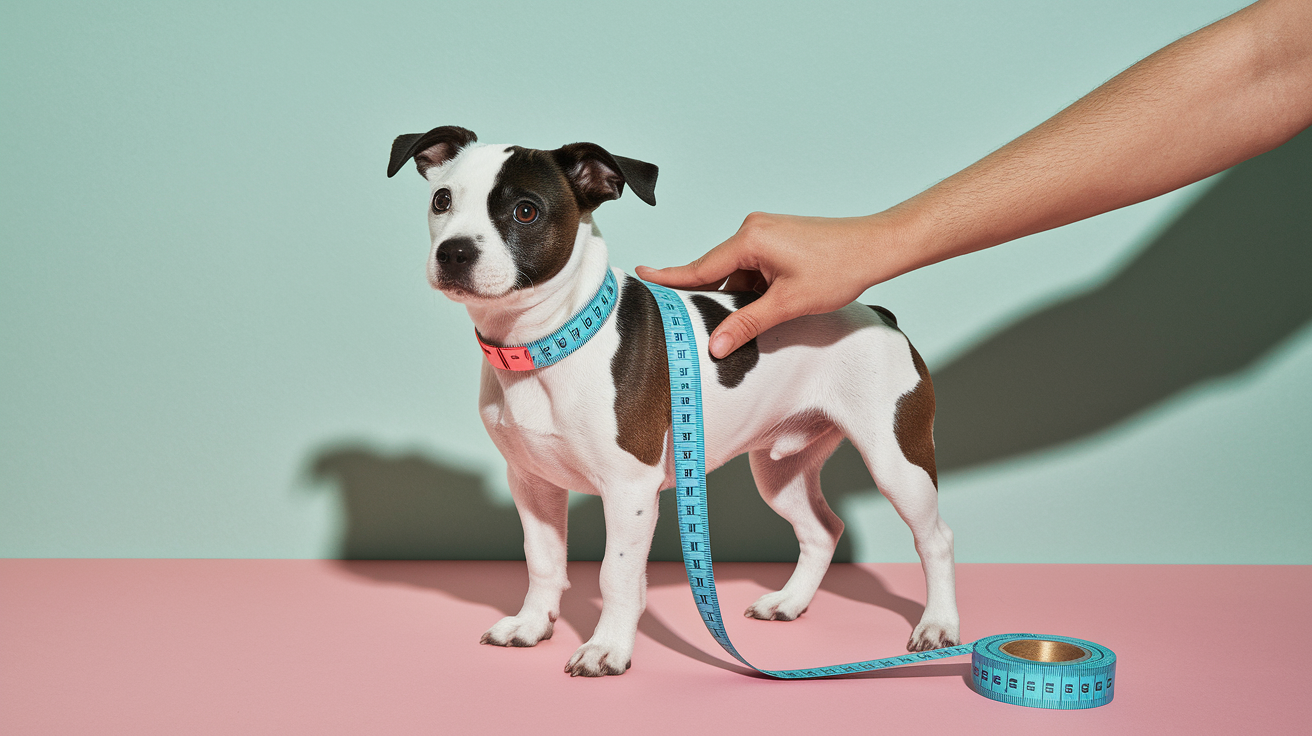
Start with weight. Shoulder carriers label their maximum capacity in pounds, and you should always pick a model rated at least 10 to 20% above your pet’s current weight to leave room for growth or a winter sweater. Weigh your dog on a bathroom scale by stepping on while holding them, then subtract your own weight. Next, measure chest girth by wrapping a soft tape measure around the widest part of the ribcage, just behind the front legs. Add 2 inches to that number so your dog can breathe comfortably and shift position inside the carrier.
Back length runs from the base of the neck (where a collar sits) to the base of the tail. This measurement helps you confirm the interior length of the carrier allows your pet to lie down without curling into a tight ball. Small breeds like Chihuahuas and Yorkies typically need 8 to 12 inches of interior space, while toy poodles and Maltese may need 10 to 14 inches. If your pet falls between two size classes, size up. Especially if they have a fluffy coat or broad chest. A carrier that’s slightly too large beats one that’s cramped.
| Breed | Typical Weight (lbs) | Recommended Carrier Size |
|---|---|---|
| Chihuahua, Teacup Yorkie | 3–7 | XS or S |
| Maltese, Pomeranian | 6–12 | S or M |
| Toy Poodle, Shih Tzu | 9–16 | M |
| Small cat (domestic shorthair) | 8–12 | S or M |
Safety Elements in Small-Breed Shoulder Carriers
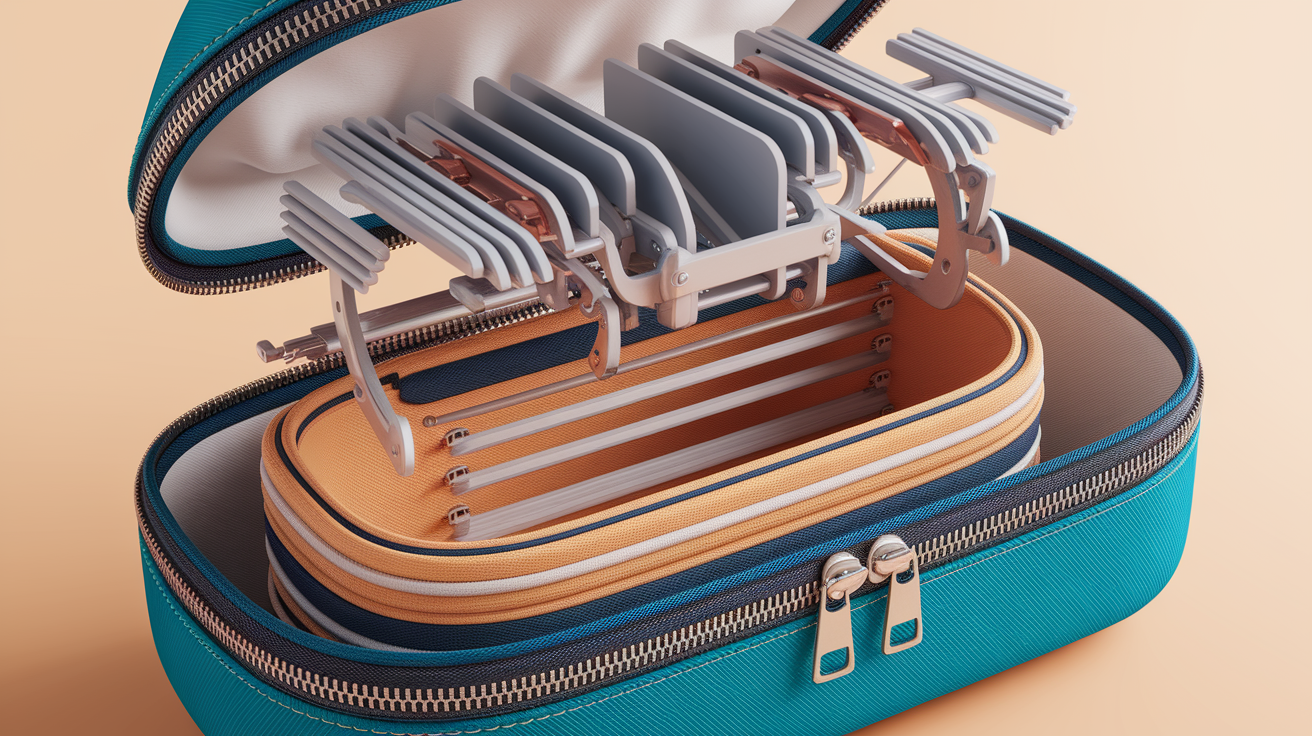
A secure interior tether is the single most important safety feature. This short leash, usually 6 to 8 inches long, clips to your pet’s harness and prevents them from jumping out if a zipper fails or you need to open the carrier partway. Never rely on collar attachments alone. Collars can slip off or choke a panicked pet. The tether should be long enough for your dog or cat to stand and turn around, but not so long they can leap free or get tangled.
Closure systems matter just as much. Double zippers that lock together or include small clips stop curious paws from pushing the carrier open mid trip. Reinforced bottoms, at least 0.25 inches thick, keep the carrier stable when you set it down on pavement or a café floor and protect small joints from hard surfaces. If you plan to use the carrier in a car, look for a seatbelt pass through or attachment loop so you can secure the carrier to a rear seat rather than holding it on your lap, where sudden stops can send it flying.
Critical safety features to verify:
- Zipper locks or double pull closures that resist accidental opening
- Interior harness tether with metal clip, not plastic snap hooks
- Stable, thick base that doesn’t sag when the carrier rests on the ground
- Reflective trim or panels for visibility during evening walks
Comparing Shoulder Carriers, Slings, and Backpacks for Small Breeds
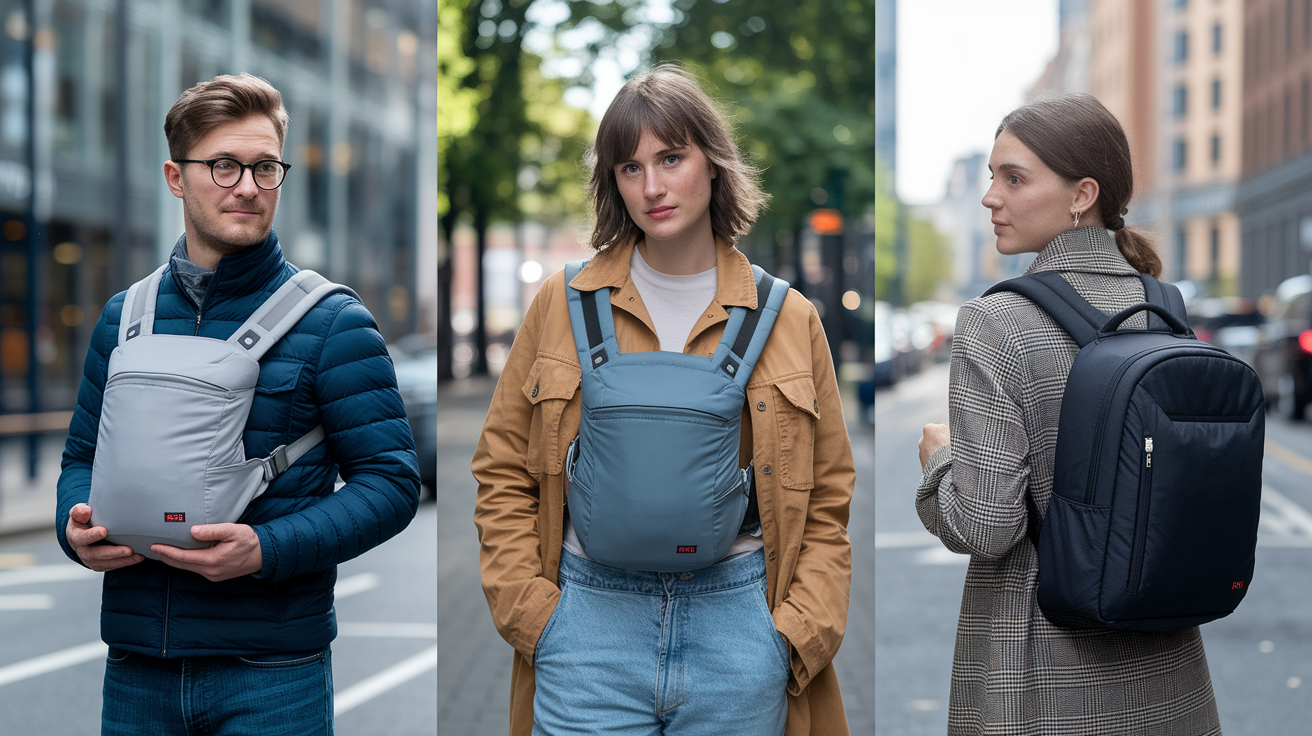
Each format suits different routines and pet temperaments. Shoulder carriers, slings, and backpacks all keep your hands free, but they distribute weight and airflow in different ways.
Shoulder Carriers
Structured shoulder carriers with padded straps and rigid sides work best for quick errands, vet visits, or public transit when you need a carrier that stands upright and protects your pet from bumps. They typically include 2 to 4 mesh ventilation panels and an interior tether. Most models rated for small breeds hold 8 to 15 pounds comfortably, though a few heavy duty options stretch to 25 pounds. The single shoulder design keeps your other arm completely free, but weight sits on one side, so comfort drops after 30 to 45 minutes if you carry a pet over 10 pounds.
Pet Slings
Slings wrap diagonally across your torso like a messenger bag, cradling tiny dogs and cats against your chest or hip. They work great for pets under 10 pounds and anxious animals that calm down when held close. Padding is lighter than structured carriers, and ventilation depends on the fabric. Mesh slings breathe better than cotton or fleece. Slings compress flat for storage and cost less, often $20 to $50, but they lack the rigid structure needed for flights or long walks. Your pet’s weight presses directly against your ribs, which can feel awkward after 20 minutes.
Backpacks
Backpack style carriers shift weight to both shoulders and often include a chest strap for stability, making them the most comfortable choice for hikes or all day outings with pets up to 15 to 20 pounds. Ventilation tends to be excellent, with large mesh windows on the back panel and sides. The tradeoff is bulk. Backpacks take up more space and make it harder to lift your pet in and out quickly. Convertible models like the Mr. Peanut’s Monterey let you switch between backpack, shoulder, and hand carry modes depending on the situation.
| Style | Typical Weight Limit (lbs) | Best For |
|---|---|---|
| Shoulder Carrier | 8–15 | Quick trips, transit, vet visits |
| Sling | 4–10 | Tiny breeds, calming anxious pets, short walks |
| Backpack | 12–22 | Hiking, long outings, heavy pets |
Cleaning, Maintenance, and Washability for Shoulder Pet Carriers

Most shoulder carriers let you machine wash the removable bedding insert but require spot cleaning the outer shell. The SturdiBag Pro 3.0 stands out as one of the few models that lets you machine wash the entire outer shell, though you first have to remove five tension rods, three zipper locks, and the foam core floorboard. That disassembly takes about 10 minutes, but it means you can deep clean the carrier after a muddy park day or an accident. For all other models, plan to hand wash the shell with mild detergent and warm water, scrubbing stains with a soft brush.
Bedding covers should be washed in cold or 30°C water on a gentle cycle, then air dried or tumbled on low heat. High heat can shrink fabrics or damage waterproof linings. Replace pads every 6 to 12 months if they start to smell, lose cushioning, or show permanent stains. Between washes, use pet safe pee pads inside the carrier to catch accidents and protect the shell from leaks. Even carriers marketed as water resistant rarely stop liquid from seeping into seams or soaking the strap.
Step by step carrier care:
- After each trip, shake out loose fur and wipe the interior with a damp cloth.
- Remove and machine wash the bedding cover weekly if your pet uses the carrier daily, monthly if it’s occasional.
- Spot clean the outer shell with warm soapy water and a sponge, focusing on high contact areas like the bottom and strap.
- Air dry the carrier completely before storing it to prevent mildew and odors.
- Inspect zippers, tether clips, and strap stitching every 3 months and replace worn parts promptly.
Travel-Friendly Shoulder Carriers for Flights and Public Transport
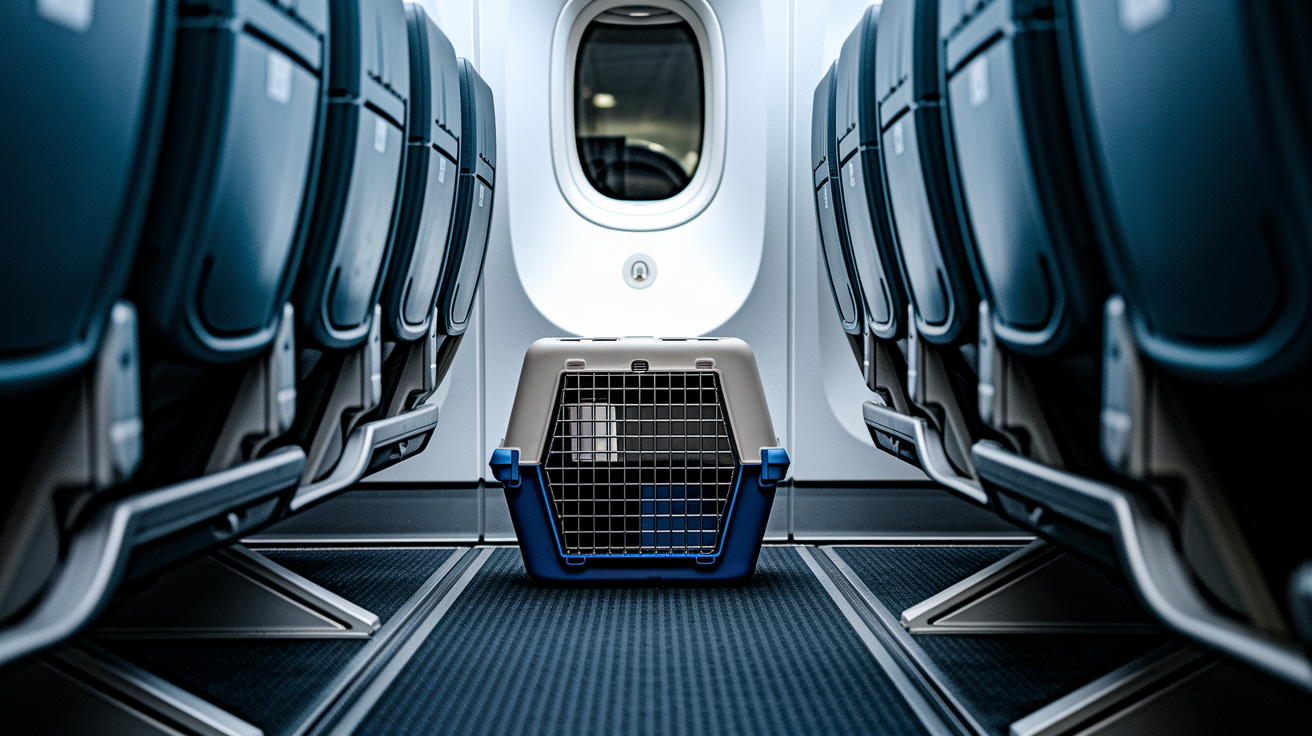
Airlines set strict in cabin carrier limits, and even models marketed as “airline approved” can fail individual carrier rules. Delta, American, and United commonly require carriers no larger than 18×11×11 inches (length × width × height), though actual under seat space varies by aircraft type. The Petsfit 2 Side Expandable, at 18×11×11 inches when compressed, fits that spec exactly. The Sleepypod Air uses bendable bottom “wings” to shrink from 22 inches long down to 16.5 inches and compress from 10.5 inches tall to about 8 inches, letting it squeeze under seats that reject rigid carriers.
Soft sided, collapsible carriers often pass gate checks even if they measure slightly oversized because flight attendants can see the carrier flex and compress. Crash tested models like the Sleepypod Air (CPS 4 star rating) and the Away Pet Carrier (CPS 5 star rating) add a layer of safety if you plan to use the carrier in a car before or after your flight. Both include restraint systems that attach to seatbelts or rear headrests. Your pet must be able to stand, turn around, and lie down comfortably inside the carrier during the flight, so measure your dog or cat in a natural standing position and compare that to interior dimensions, not just the carrier’s exterior footprint.
Must haves for air travel and transit:
- Flexible or compressible sides that fit irregular under seat gaps
- Interior dimensions that let your pet stand and turn without hunching
- Ventilation on at least three sides for airflow in tight spaces
- A leakproof or water resistant base, even though pee pads are still recommended
Carrier Comfort Tips for Small Dogs and Anxious Pets
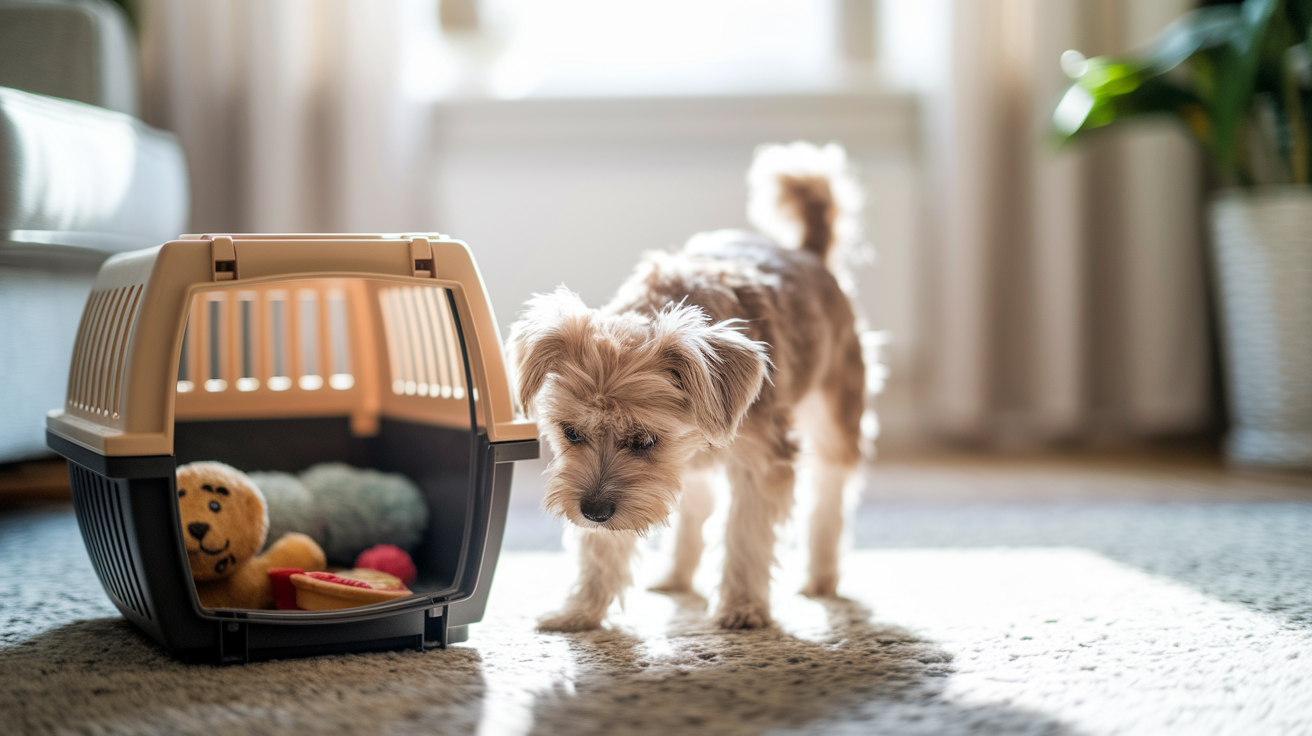
Start getting your pet used to the carrier at home, not on the day of a vet appointment. Place the open carrier on the floor with a favorite blanket or treat inside and let your dog or cat explore it without pressure. Leave it out for a few days so it becomes familiar furniture, not a scary trap. Once your pet steps inside on their own, close the zipper for just 10 to 15 seconds, then open it and offer a treat. Repeat daily, gradually increasing the closed time to one minute, then five, then ten.
Next, practice short carries around the house. Lift the carrier gently, walk to another room, set it down, and let your pet out. This teaches them that the carrier means short trips, not endless confinement. Anxious pets often calm down when they can see out, so choose a carrier with mesh coverage between 30 and 60% of the total surface area. Visibility reduces stress and keeps air moving around their face. Avoid covering the carrier with a blanket unless your pet is extremely noise sensitive. Most small breeds prefer to watch their surroundings.
Five step process to get your pet comfortable:
- Place the carrier open on the floor with a treat inside and let your pet investigate for 2 to 3 days.
- Close the zipper for 10 seconds while your pet is inside, then immediately open and reward with a favorite snack.
- Increase closed time by 30 second intervals over one week until your pet stays calm for 5 minutes.
- Lift the carrier and walk one lap around your home, then set it down and release your pet with praise.
- Take a short car ride or walk outdoors with your pet in the carrier, keeping the first real trip under 15 minutes.
Breed-Specific Recommendations for Shoulder Carriers
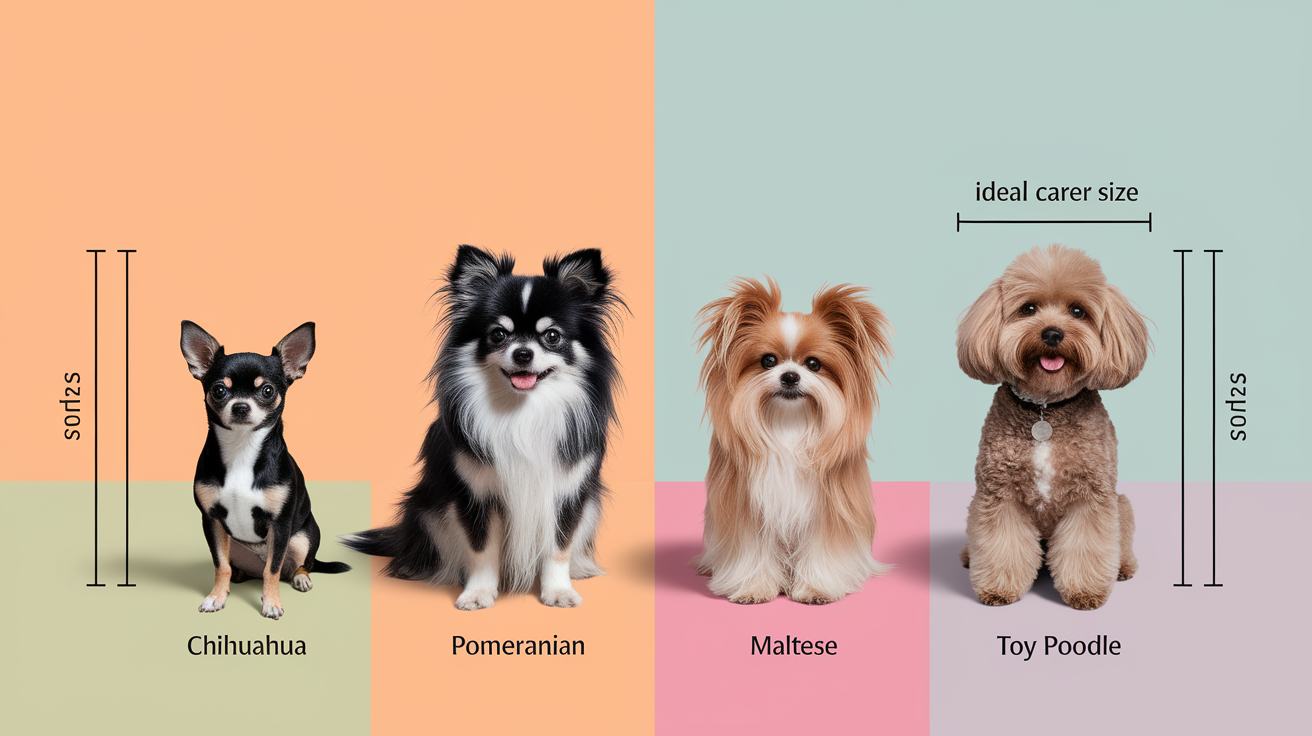
Teacup and toy breeds under 6 pounds, like teacup Yorkies and tiny Chihuahuas, fit comfortably in XS carriers with interior dimensions around 8×6×8 inches and weight limits of 5 to 8 pounds. These carriers often double as slings because the pets are light enough to cradle against your chest without strain. Look for soft sided models with gentle mesh that won’t scratch delicate noses.
Slightly larger toy breeds (Maltese, Pomeranians, and small cats between 6 and 12 pounds) need S or M carriers with interiors closer to 10×8×10 inches. Pomeranians have fluffy coats that take up extra visual space, so interior height and width matter more than length. Small cats appreciate carriers with top entry zippers in addition to front openings, making it easier to lower them in without a struggle.
Toy Poodles, Shih Tzus, and mini Dachshunds between 9 and 16 pounds require M sized carriers with weight limits around 15 to 20 pounds. These dogs have longer backs or taller builds, so confirm the interior length lets them stretch out fully. A 12 inch long interior works for most, but measure your pet lying down to be sure. For cats in this weight range, look for carriers with reinforced sides that resist pushing and scratching. Domestic shorthairs are strong and will test weak seams.
| Breed | Typical Weight (lbs) | Recommended Size | Key Feature |
|---|---|---|---|
| Teacup Yorkie | 3–5 | XS | Soft mesh, sling option |
| Chihuahua | 4–7 | XS or S | Padded interior, visibility |
| Pomeranian | 6–12 | S or M | Extra width for fluffy coat |
| Maltese | 6–9 | S | Top entry option, washable pad |
| Toy Poodle, Shih Tzu | 9–16 | M | Longer interior, reinforced sides |
Buyer’s Comparison Table for Popular Shoulder Carriers
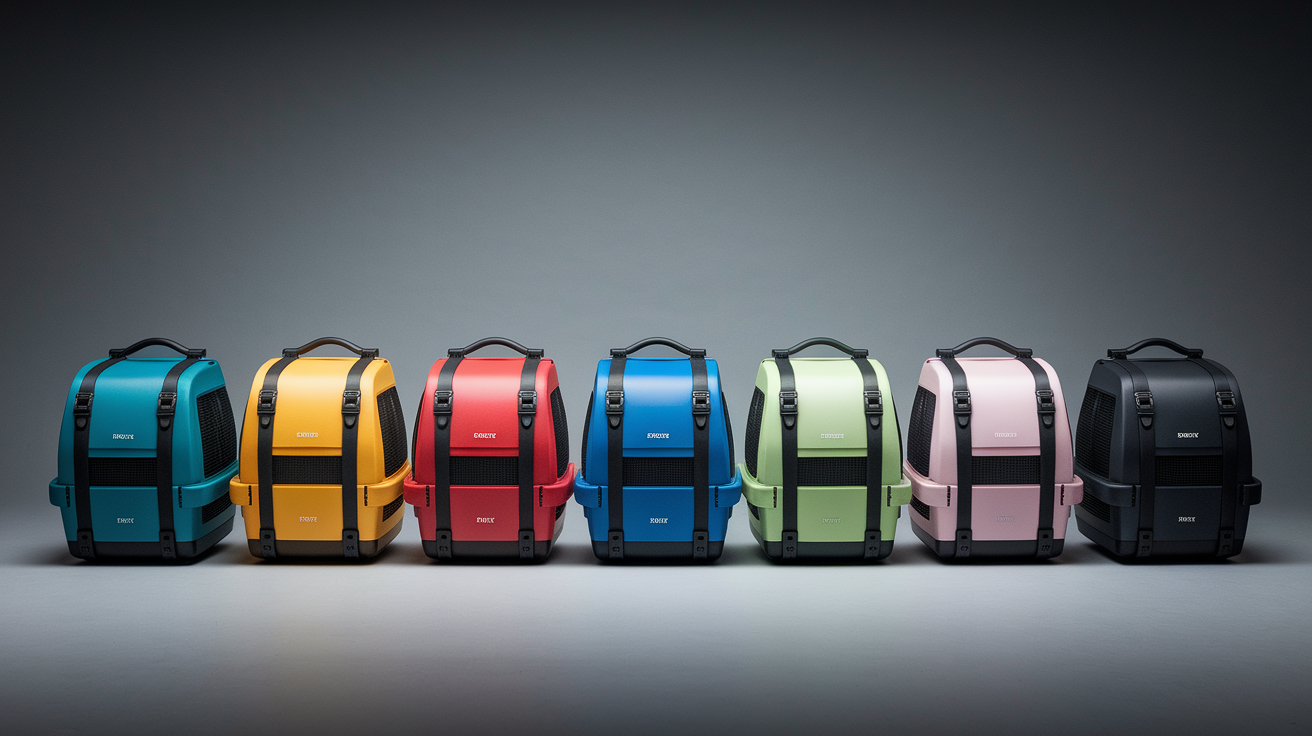
The table below summarizes six widely reviewed shoulder carriers across price tiers, from budget friendly options under $50 to premium models over $100. Weight limits range from 8 to 50 pounds, but most shoppers with small breeds will find the sweet spot between 10 and 18 pounds. Materials rated 600 denier or higher resist daily wear better than lightweight fabrics, and average customer ratings of 4.0 stars or above point to consistent satisfaction with comfort, durability, and ease of cleaning.
| Carrier | Price (USD) | Weight Limit (lbs) | Size L×W×H (in) | Materials | Avg Rating (★/5) |
|---|---|---|---|---|---|
| SturdiBag Pro 3.0 | ~$90–$110 | Up to 50 (varies by size) | Multiple sizes available | Nylon, machine washable shell | 4.5 |
| Petsfit 2 Side Expandable | ~$35–$45 | Up to 15 | 18×11×11 | Polyester, washable insert | 4.2 |
| Sleepypod Air | ~$100–$120 | Up to 18 | 22×10.5×10.5 (compresses) | Water repellent nylon, CPS rated | 4.4 |
| Away Pet Carrier | ~$125 | Up to 18 | 17.75×10×11 | Durable nylon, CPS 5 star | 4.6 |
| Mr. Peanut’s Monterey | ~$60–$80 | Up to 22 | Varies by size | Canvas, convertible straps | 4.3 |
| Dagne Dover Kyoto | ~$300+ | ~15 | 17×9×12 (approx) | Recycled 900D polyester | 4.5 |
Final Words
in the action you saw the best shoulder-style carriers, what features matter, how to measure your dog, key safety checks, and tips for cleaning, travel, and training.
Use the checklist: match carrier size to weight and girth, pick good ventilation and a padded strap, test the tether and base, and start with short acclimation sessions.
If your dog seems stressed or can’t breathe easily, stop and call your vet. With the right shoulder pet carrier for small breeds, outings feel simpler and cozier for both of you.
FAQ
Q: Are dog slings a good idea?
A: Dog slings can be a good idea for short trips with calm, lightweight dogs, offering hands-free closeness, so check the carrier’s weight limit, secure tether, and padding before use.
Q: What can I use instead of a pet carrier?
A: Instead of a pet carrier, you can use a well-fitted car harness, pet stroller, soft sling, foldable crate, or sturdy tote bag, and choose by trip type, dog size, and safety needs.
Q: What is the safest way to travel with a small dog?
A: The safest way to travel with a small dog is to use a crash-tested carrier or properly fitted car harness, secure it to the vehicle, provide ventilation, and limit continuous carry to 30 to 60 minutes.
Q: Is the Little Beast carrier worth it?
A: The Little Beast carrier is worth it if you need a structured, ventilated shoulder carrier with solid support, so consider weight limit, padding, and price compared to similar models before deciding.