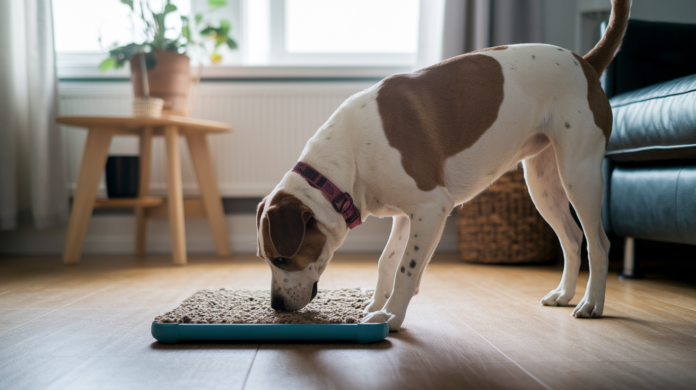

Could a fuzzy mat be the secret to a calmer, healthier dog?
Snuffle mats hide kibble in fleece pockets so dogs use their nose to search, turning mealtime into a slow, satisfying puzzle.
That sniff-and-search work gives real benefits: mental stimulation, slower eating for better digestion, and a way to burn off nervous energy without hard exercise.
This post shows how snuffle mats tap your dog’s natural foraging instincts to lower anxiety, prevent destructive chewing, and make daily life calmer for both of you.
Key Benefits of Snuffle Mats for Dogs Explained
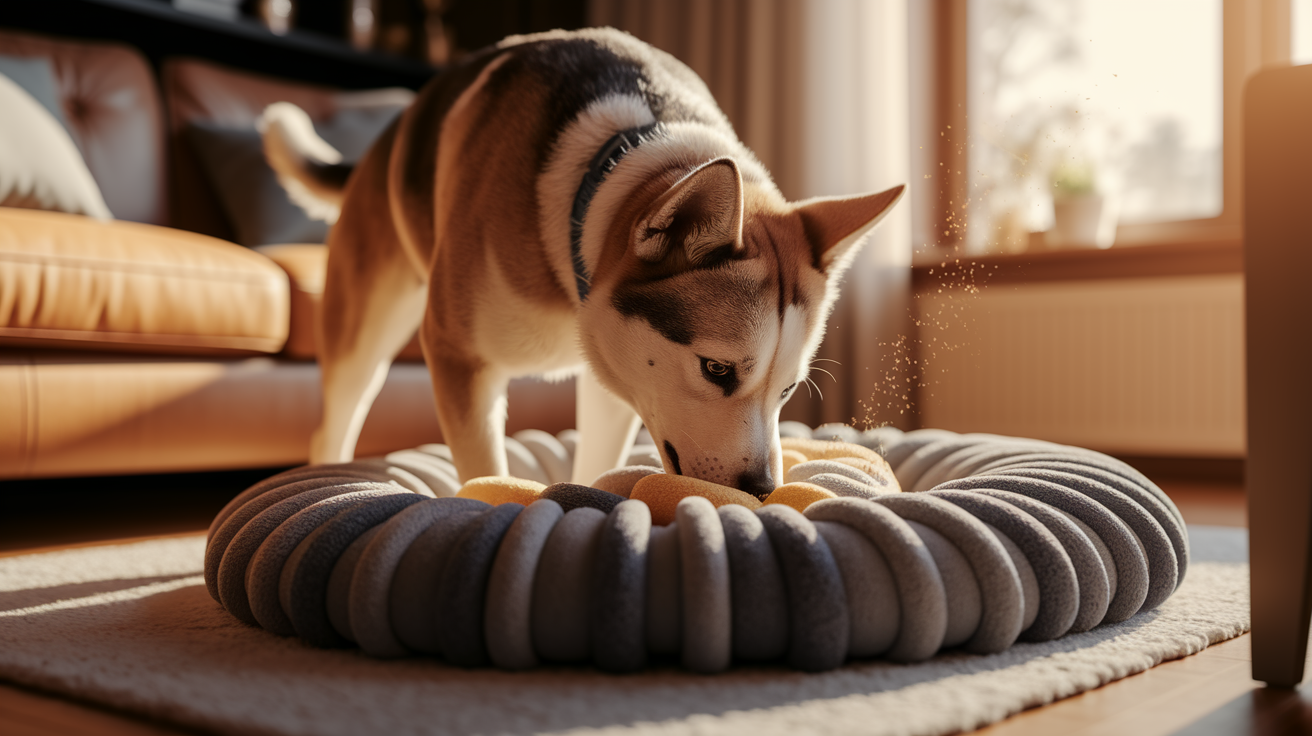
Snuffle mats are fabric pads covered in fleece or felt strips that create pockets, folds and hiding spaces where you tuck kibble or treats. Your dog uses their nose to search through the layers and locate food, turning mealtime into a scent driven puzzle. A 2022 study found that dogs’ visual and olfactory brain regions are connected, which supports why scent based enrichment works so well. When a dog sniffs and searches, the act itself triggers mental engagement and releases dopamine, a feel good chemical that improves mood and reduces anxiety.
Snuffle mats address common problems many pet parents face. Dogs who eat too fast, get bored indoors, or show anxious or destructive behaviors. Because the mat forces a dog to slow down and work for each piece of food, it reduces vomiting, bloating, regurgitation and stomach pain linked to fast eating. The mental effort involved in sniffing and foraging can tire a dog similarly to a walk, making mats a practical indoor enrichment option during bad weather, recovery periods, or for senior dogs with limited mobility. They also help redirect overexcited or “fizzy” dogs toward calmer, nose focused activity.
The most important advantages include mental stimulation through scent work and problem solving, slow feeding that increases eating time and reduces digestive upset, anxiety reduction from dopamine release during sniffing, natural foraging that satisfies instinctive scavenging behaviors in a safe and controlled way, boredom prevention that provides constructive distraction and reduces destructive chewing or scratching, and energy use that burns mental energy without high impact physical exercise.
How Snuffle Mats Support a Dog’s Natural Foraging Behavior
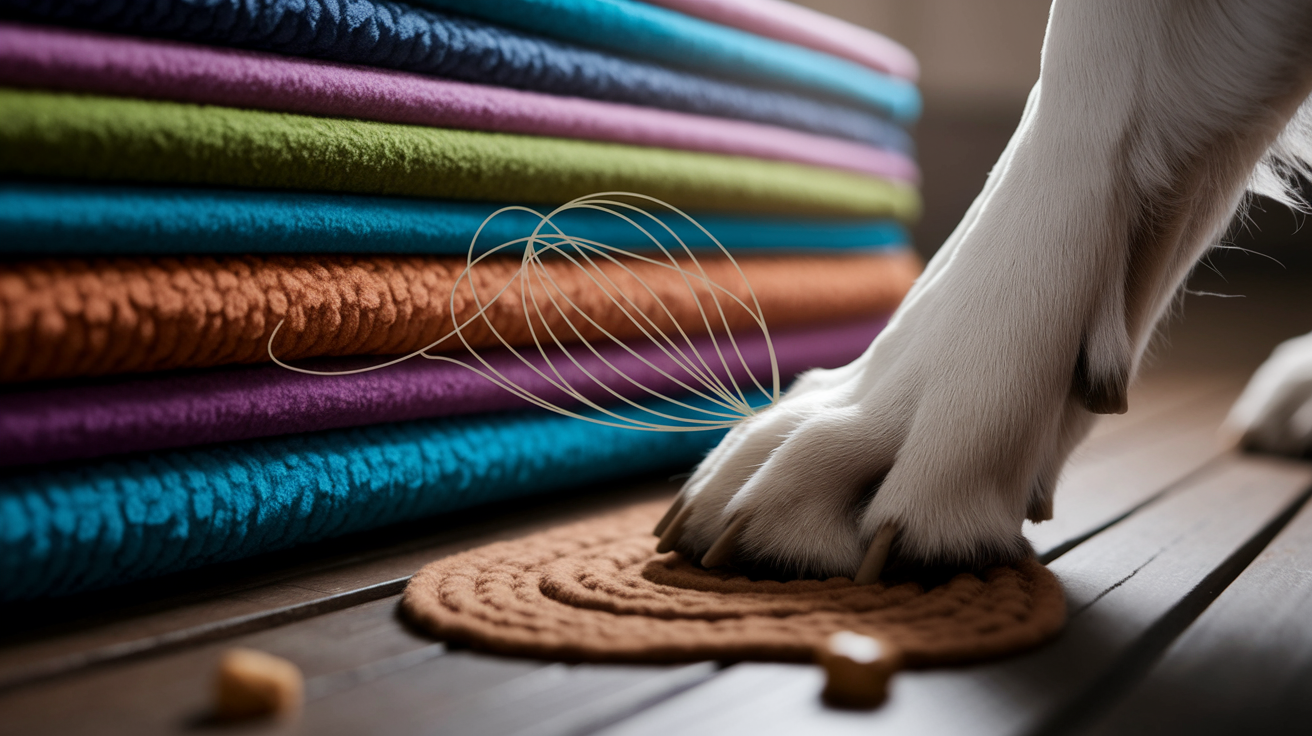
Dogs evolved as scavengers and hunters, relying on their sense of smell to find food, track prey and navigate their environment. A dog’s nose contains up to 300 million olfactory receptors, compared to around 6 million in humans. That makes scent their primary way of understanding the world. Snuffle mats replicate the experience of foraging by hiding food within layers of fleece or felt, requiring dogs to “hunt” through the fabric using only their nose and paws. This taps directly into instinctive behaviors that would occur naturally in the wild, like sniffing through grass, leaves or underbrush to locate scattered food.
Mat designs vary in complexity to match different skill levels and energy types. Simple shag style mats have loose fleece strips that create shallow hiding spots, ideal for beginners or smaller dogs. Multi pocket mats add texture variety and deeper folds, increasing the challenge for more experienced sniffers or high drive breeds. Bowl shaped mats with drawstrings offer a secure, contained feeding zone, while portable or compact versions work well for travel or outdoor use.
Why Scent Based Activities Calm the Nervous System
When a dog sniffs intensely, the act itself activates the parasympathetic nervous system, which is responsible for rest and digest functions. This helps lower heart rate and reduce cortisol, the stress hormone. At the same time, the reward of finding hidden treats triggers dopamine release, a neurochemical linked to pleasure and motivation. That combination of focused sniffing and successful discovery creates a calming feedback loop that can help anxious dogs settle, redirect hyperactive behavior, and provide emotional relief during stressful situations like thunderstorms, fireworks, or separation anxiety.
Slow Feeding and Digestion Benefits Using a Snuffle Mat
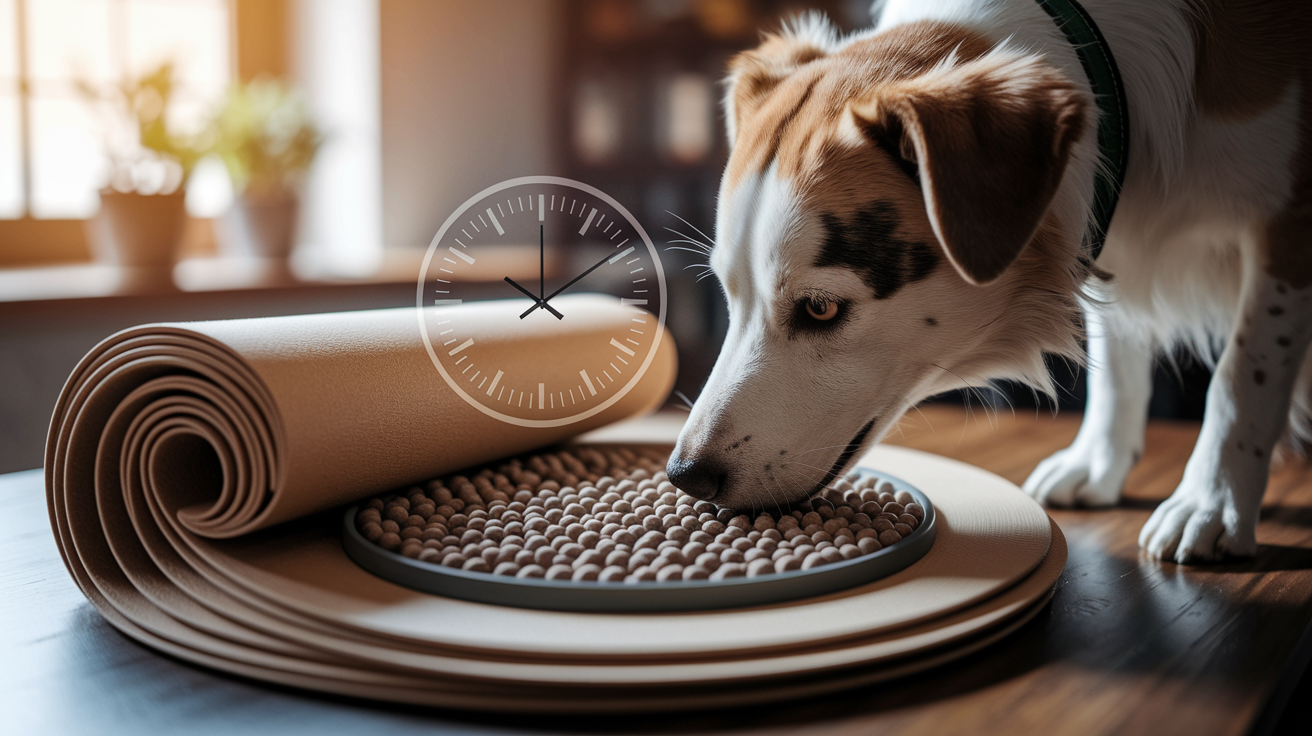
Dogs that gulp down food in seconds face a higher risk of digestive upset, including vomiting, regurgitation, diarrhea, bloating and stomach pain. Fast eating allows air to enter the stomach along with food, which can cause discomfort and, in severe cases, contribute to bloat, a life threatening condition most common in large, deep chested breeds. Snuffle mats slow the feeding process by requiring the dog to search for each piece of kibble or treat, turning a 30 second meal into several minutes of engaged foraging. This mirrors the function of slow feeder bowls but adds the extra benefit of scent work and mental stimulation.
Because the mat forces a dog to pause, sniff and problem solve between bites, the stomach has more time to signal fullness to the brain. This can help prevent overeating and support better portion control, especially in food motivated dogs that eat until the bowl is empty regardless of hunger. Slower eating also improves chewing and saliva production, which aids digestion from the start. However, it’s important to track how much food or treats you hide in the mat so you don’t accidentally exceed your dog’s daily calorie needs.
Veterinarians and trainers commonly recommend slow feeding when a dog consistently vomits after meals, you notice signs of bloating or stomach discomfort, the dog eats an entire meal in under a minute, or you’re managing weight or transitioning to a new diet and need tighter portion control.
Behavioral Improvements from Using Snuffle Mats
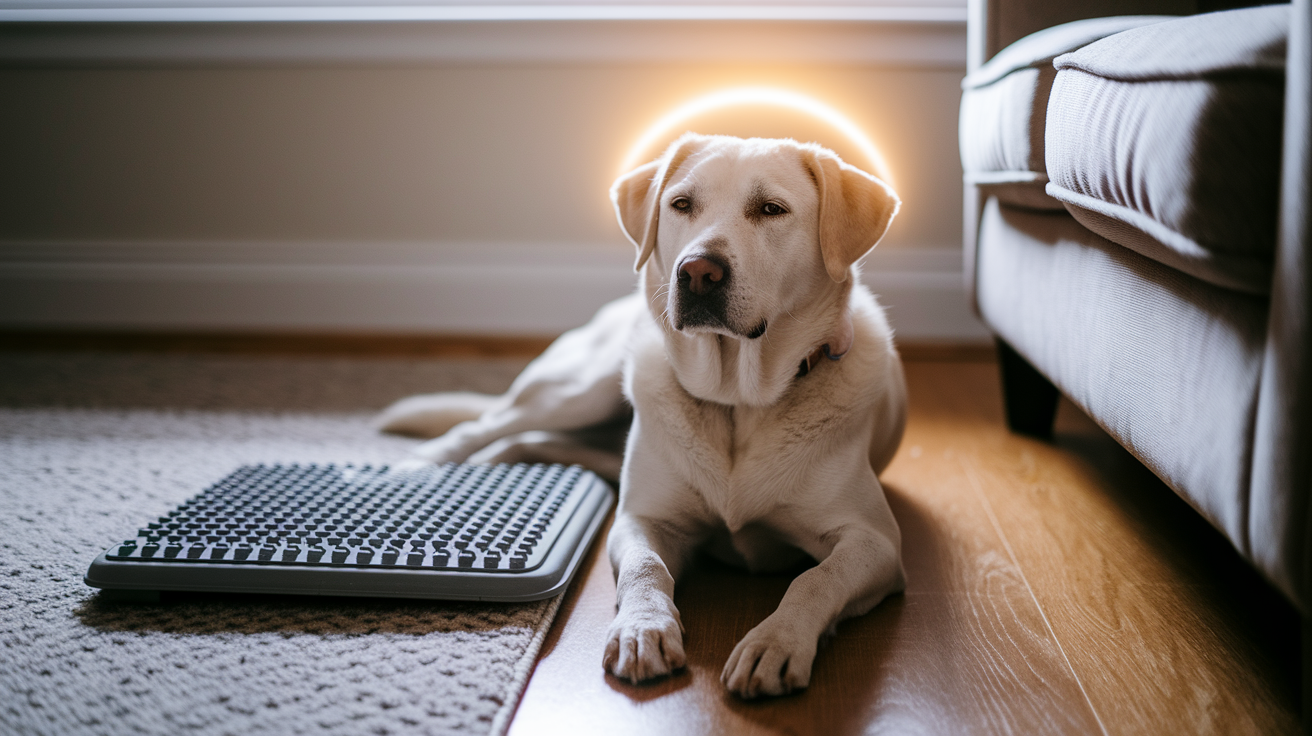
Regular snuffle mat sessions can lead to noticeable changes in a dog’s overall behavior and emotional state. The act of sniffing triggers dopamine release, which not only creates a sense of reward but also helps regulate mood and reduce anxiety. Dogs that are prone to nervous behaviors, like pacing, whining, excessive barking, or destructive chewing, often show improvement after a few weeks of consistent mat use. The mat gives them a constructive outlet for mental energy and redirects their focus away from stress triggers.
Snuffle mats are especially helpful for overexcited or “fizzy” dogs who struggle to settle after walks, play sessions, or when visitors arrive. Instead of jumping, mouthing, or barking, these dogs can be directed to the mat for a calm, nose focused activity that helps them wind down. The shift from high arousal to focused sniffing supports impulse control and patience, which are foundational skills for better household behavior. Some trainers use snuffle mats as part of a structured routine to teach dogs how to transition from excitement to calm without becoming frustrated or reactive.
Snuffle mats can also help reduce separation anxiety by providing a positive distraction when you leave the house. If your dog associates your departure with something rewarding, like a snuffle mat filled with high value treats, the emotional response to being alone may soften over time. For dogs with a history of destructive behavior when left alone, the mat offers a safe, low risk activity that keeps them occupied without access to furniture, shoes, or household items.
Key behavioral improvements include lower overall anxiety and stress levels, reduced destructive chewing, scratching or digging, better impulse control and patience, calmer transitions after high energy activities, and decreased reactivity to environmental triggers like doorbells or passing dogs.
Which Dogs Benefit Most From Snuffle Mats

Snuffle mats are suitable for dogs of all ages and temperaments, but certain groups see especially strong results. Puppies benefit from the mat’s ability to build focus and teach patience in a low pressure way. Because young dogs are still learning how to regulate their energy and attention, the act of foraging for treats helps develop problem solving skills and reinforces calm behavior. Senior dogs, particularly those at risk of cognitive decline, benefit from the mental stimulation and low impact activity that keeps their brain engaged without straining joints or mobility.
High energy or working breeds, like Border Collies, Australian Shepherds, Belgian Malinois, and Jack Russell Terriers, often need more than physical exercise to feel satisfied. These dogs were bred to think, problem solve, and work alongside humans, so scent based enrichment helps meet that need indoors. Nervous, anxious, or newly adopted rescue dogs also respond well to snuffle mats because the activity provides predictable structure, positive reinforcement, and a sense of accomplishment that builds confidence over time.
| Dog Type | Benefit |
|---|---|
| Puppies | Builds focus, patience and early problem solving skills |
| Senior dogs | Supports cognitive function and provides low impact mental exercise |
| High energy or working breeds | Satisfies need for mental engagement and purposeful activity |
Understanding Snuffle Mat Designs and Difficulty Levels
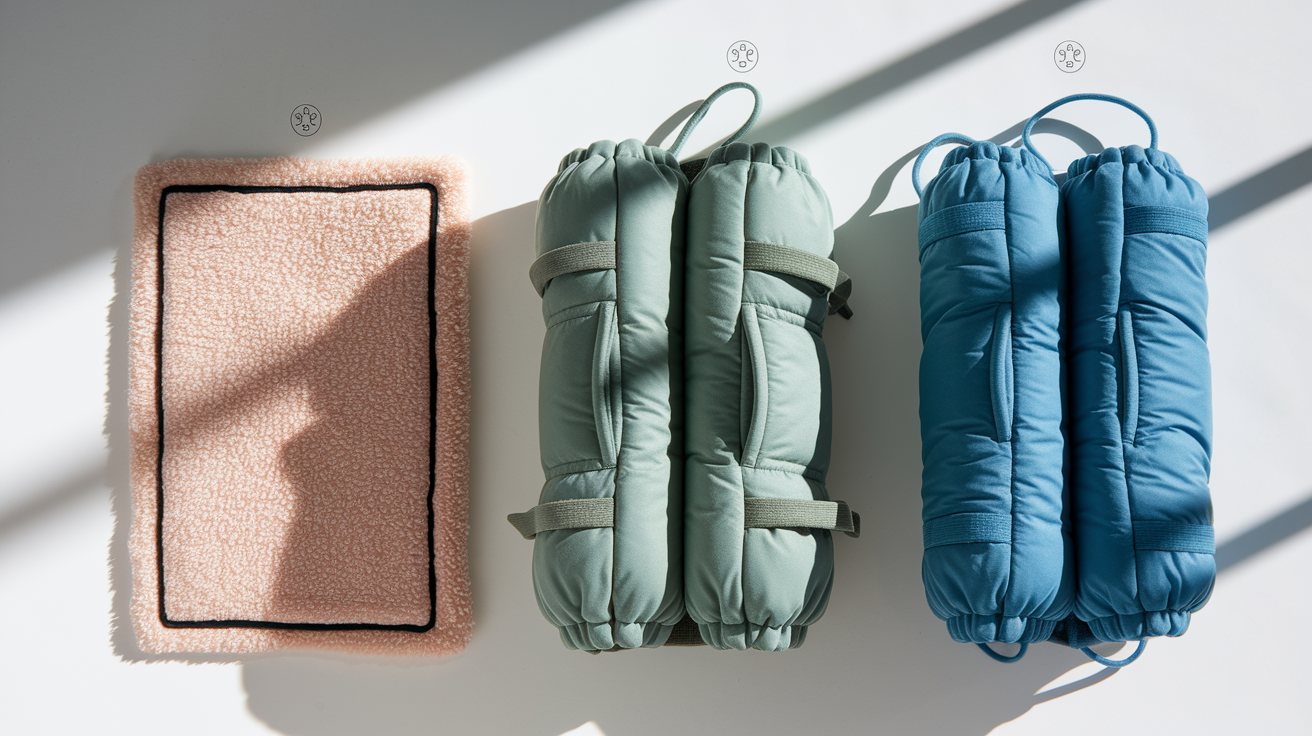
Choosing the right snuffle mat depends on your dog’s size, skill level and temperament. Beginner mats typically feature simple shag style fleece strips attached to a flat base, with shallow hiding spots that make treats easy to find. These work well for small dogs, older dogs with limited mobility, or any dog trying a snuffle mat for the first time. Look for mats with a non slip rubber or silicone backing to prevent sliding during use, especially on tile or hardwood floors.
Intermediate and advanced mats add complexity through multiple textures, deeper pockets, flaps, and built in compartments that require more effort to search. Multi pocket designs challenge dogs to use their nose and paws together, making the activity last longer and increasing mental fatigue. Bowl shaped mats with adjustable drawstrings create a more secure feeding zone and can be tightened to increase difficulty or loosened for easier access. Portable or compact mats are designed for travel, fitting into bags or crates and offering the same enrichment benefits on the go. All mats should be machine washable or easy to spot clean, and made from durable, pet safe materials like fleece or felt.
Beginner Level Mats
Beginner mats use a single layer of loose fleece strips on a flat base. Treats sit near the surface and are visible or lightly covered, so dogs learn the concept of searching without frustration. These mats are best for dogs new to scent work, small breeds, or dogs recovering from surgery who need gentle mental stimulation without physical strain.
Intermediate Multi Pocket Mats
Intermediate designs add pockets, flaps and varying fabric lengths to increase search time and complexity. Dogs must nose through multiple layers and use problem solving to access deeper hiding spots. These mats suit medium to large dogs, dogs with some snuffle mat experience, and households looking to extend mealtime or treat sessions.
Advanced Designs for Working Breeds
Advanced mats feature the most challenging layouts, with deep folds, tight pockets, drawstring closures, and mixed textures that require sustained focus and effort. Some include additional puzzle elements like Velcro flaps or fabric loops. These designs work best for high drive breeds, working dogs, or any dog that quickly masters simpler mats and needs a bigger mental challenge.
Safe and Proper Use of Snuffle Mats
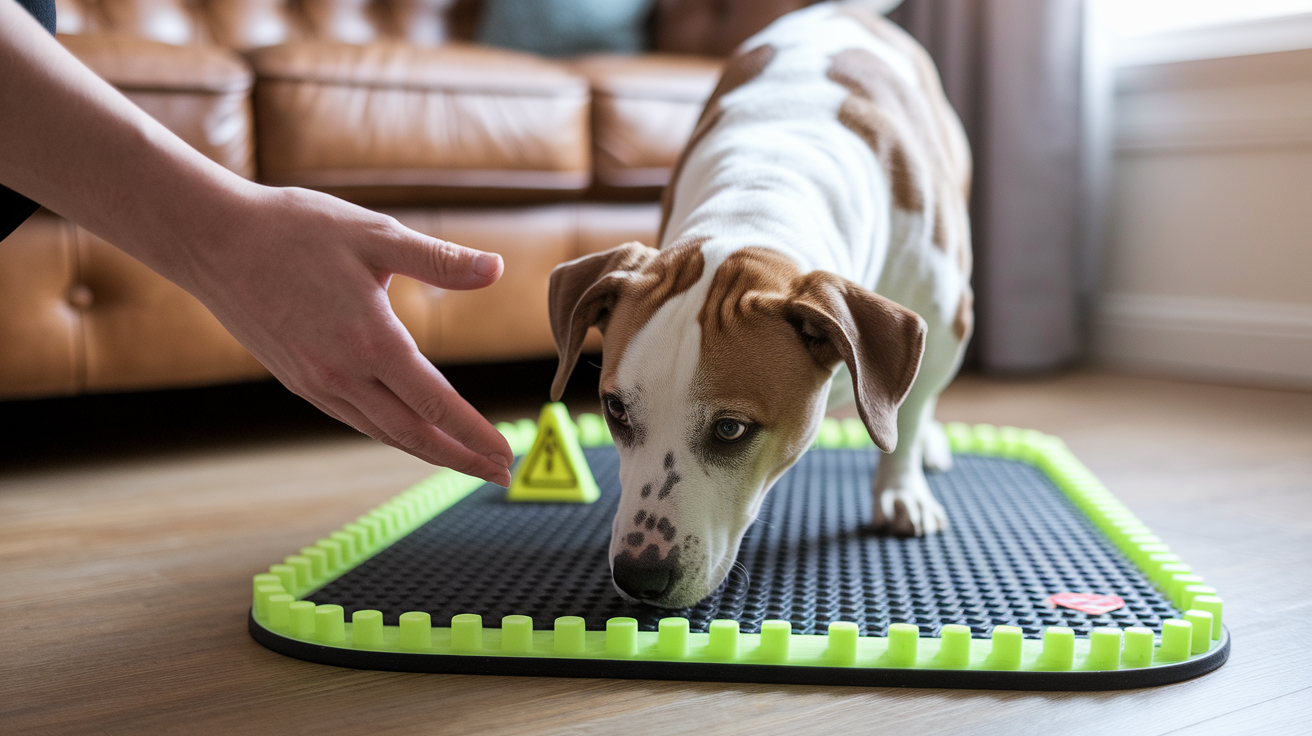
Snuffle mats aren’t indestructible, and they should always be used under supervision. Dogs with a history of chewing, tearing or swallowing non food objects can pull fleece strips off the mat and ingest fabric pieces, which creates a choking or intestinal blockage risk. If your dog treats the mat like a toy instead of a feeding tool, remove it immediately and consider whether a snuffle mat is the right fit. Some dogs need time to learn the purpose of the mat, but aggressive chewing or destructive behavior means the mat isn’t safe for that individual.
After your dog finishes searching and all treats are gone, pick up the mat right away. Leaving it on the floor can lead to frustration as the dog continues to sniff for food that isn’t there, and repeated unsuccessful searches can reduce interest over time. If you have multiple dogs, always separate them during snuffle mat sessions to prevent resource guarding, competition or conflict. Even dogs that normally share food calmly may become possessive over a high value enrichment item, so it’s safer to use individual mats in different rooms or rotate access one dog at a time.
Inspect the mat regularly for loose threads, torn fabric or worn areas that could become hazards. Replace the mat if damage is significant, and always follow washing instructions to maintain durability and hygiene.
Common safety mistakes to avoid include leaving the mat unsupervised with a known chewer, using the mat with multiple dogs in the same space, overloading the mat with too much food and leading to overeating, or forgetting to remove the mat after treats are gone.
Training Tips for Maximizing Snuffle Mat Benefits
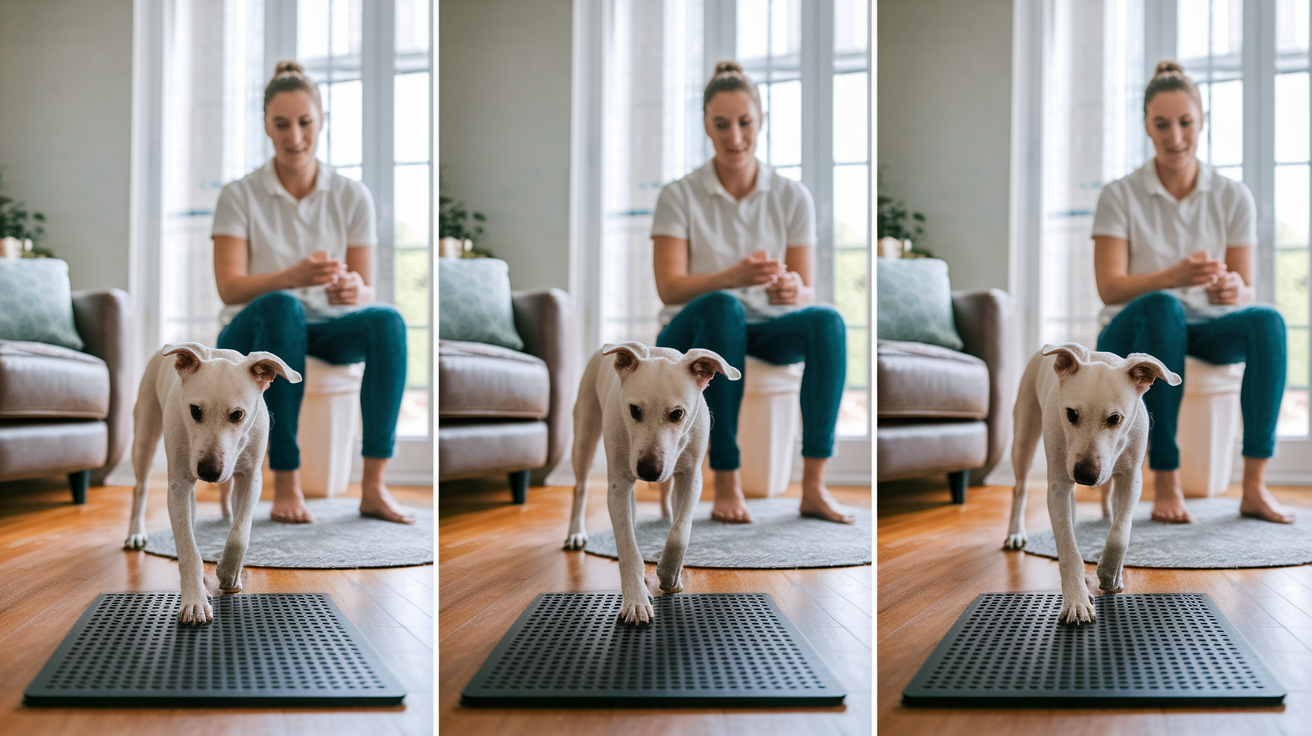
Snuffle mats work best when introduced gradually and paired with basic training cues that reinforce impulse control and structure. Start by letting your dog watch you place a few treats on top of the mat so they understand the game. Use a release cue like “find it” or “search” to signal that it’s okay to start sniffing. If your dog hesitates or seems confused, guide them gently to a visible treat or point to a spot on the mat. Avoid forcing their nose down or creating pressure. Just let curiosity and scent take over.
Once your dog understands the concept, you can add a “wait” or “stay” cue before releasing them to search. Have them sit or stand calmly while you fill the mat, then release them with your chosen cue. This builds patience, reinforces boundaries, and turns mealtime into a mini training session. As your dog gains confidence, increase difficulty by hiding treats deeper in the fleece, using smaller pieces, or mixing kibble with a few high value items to keep motivation high.
Step by Step Difficulty Progression
Place 5 to 10 treats loosely on top of the mat where they’re fully visible. Tuck treats lightly into the fleece so the dog must nudge fabric aside to find them. Hide treats deeper in folds and pockets, requiring more focused sniffing and pawing. Use smaller treat sizes or kibble to increase search time and effort. Introduce a “wait” cue before each session and only release the dog after they hold a calm position for several seconds.
What Foods and Treats Work Best in Snuffle Mats
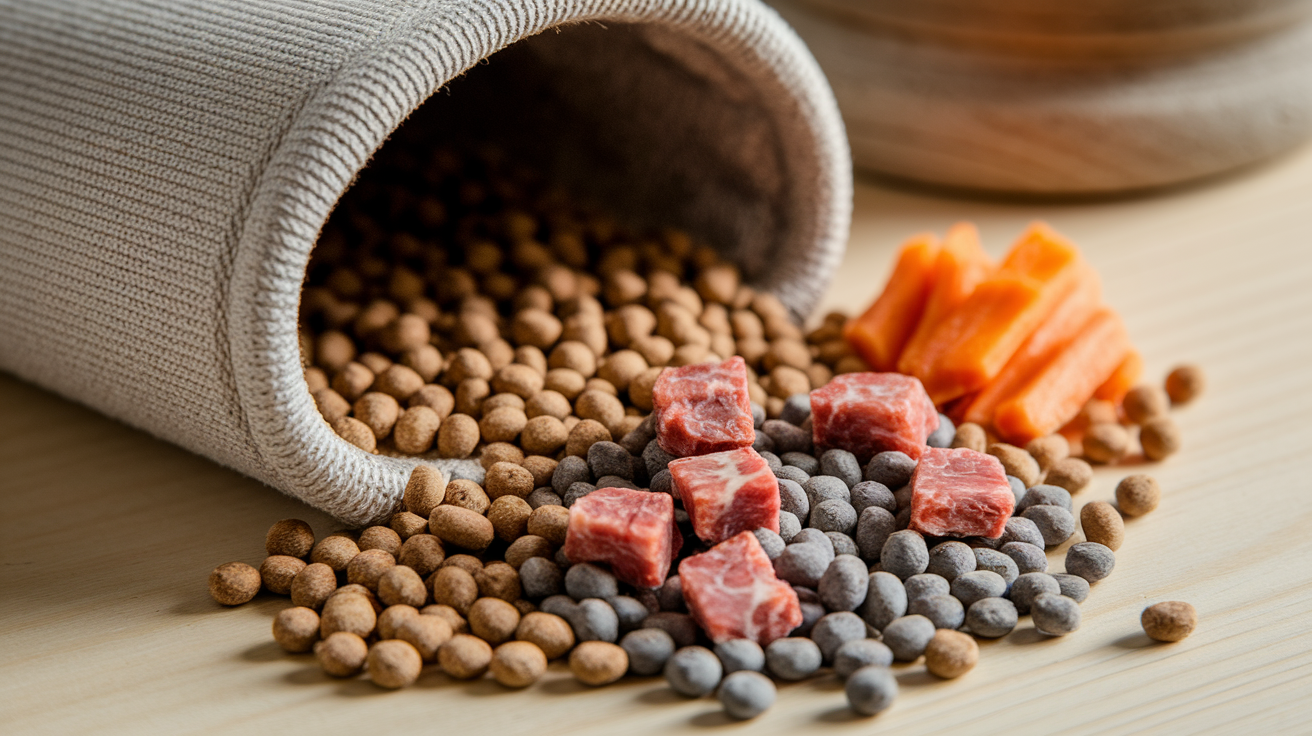
Small, dry treats and regular kibble are the best options for snuffle mats because they don’t create moisture, stickiness or lingering odor that attracts bacteria or requires deep cleaning after every use. High value treats like freeze dried meat, small training biscuits, or dehydrated liver work well for dogs that need extra motivation or are new to the mat. Regular kibble is ideal for daily use, especially if you’re replacing part or all of a meal with mat based feeding to control portions and slow eating speed.
Avoid wet treats, soft cheese, peanut butter, or anything that can smear into the fabric unless you plan to wash the mat immediately after. Lick mats are a better choice for wet or sticky foods. Also avoid treats that are too large or hard, as they can get stuck in pockets, frustrate the dog, or create a choking hazard if swallowed whole. If your dog is food motivated and prone to overeating, measure out treats or kibble before filling the mat and count that amount toward their daily calorie intake to prevent accidental overfeeding.
Ideal treat categories include small dry training treats (pea sized or smaller), regular dry kibble from your dog’s daily portion, freeze dried meat or fish pieces, and low calorie vegetable bits like carrot or green bean if your dog enjoys them.
Cleaning and Maintaining a Snuffle Mat
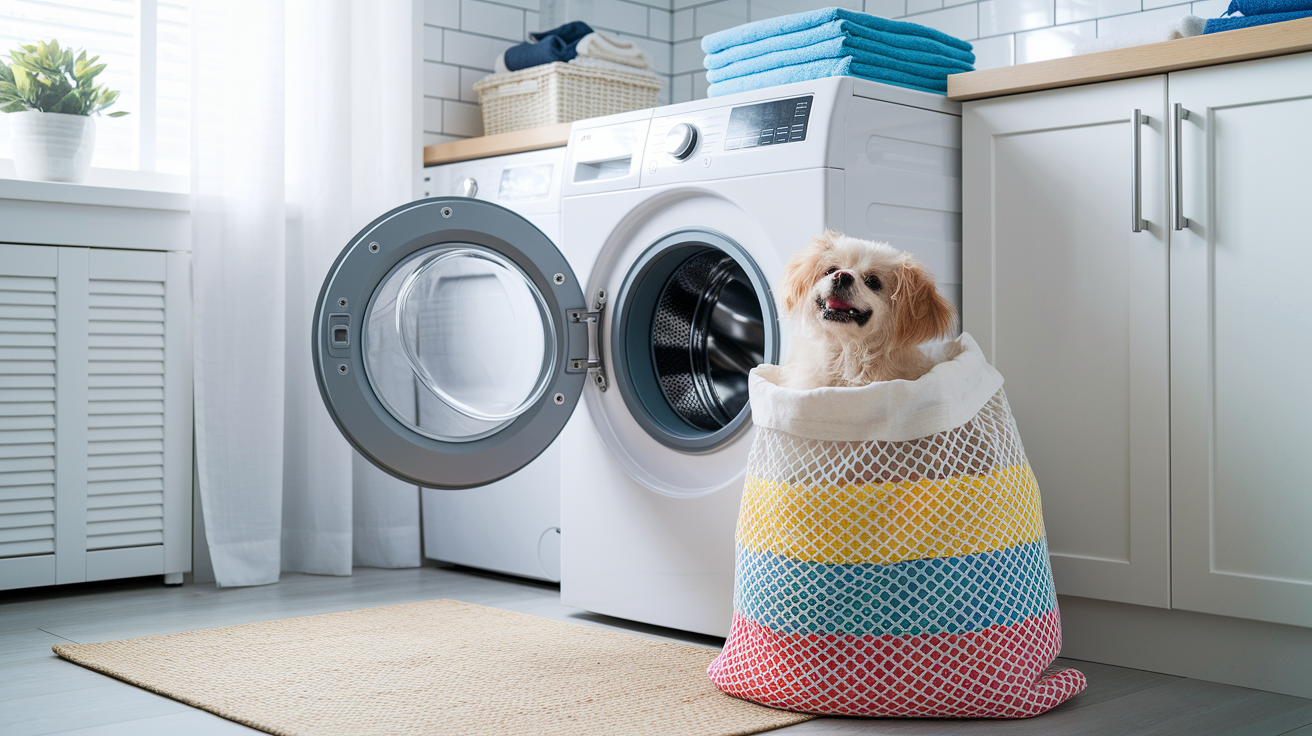
Wash your snuffle mat at least once every two weeks, or more often if it’s used daily or if your dog drools heavily during use. Place the mat inside a mesh laundry bag to protect the fleece during the wash cycle, then run it on a gentle cycle with warm water and a pet safe, unscented detergent. Avoid fabric softener, bleach, or harsh chemicals that can irritate your dog’s nose or skin. After washing, air dry the mat completely before the next use. Tumble drying can damage fleece and cause shrinkage or matting.
Between washes, spot clean any visible dirt, drool or food residue with a damp cloth and mild soap, then let the mat air out. Having a spare mat on hand makes hygiene easier. You can rotate mats so one is always clean and ready while the other is being washed or dried. Check the mat regularly for wear, loose threads, or torn fabric, and replace it if damage becomes a safety concern.
Washing steps include shaking out any loose crumbs or debris over a trash can or outdoors, placing the mat in a mesh laundry bag and washing on gentle cycle with warm water and pet safe detergent, then air drying completely, laying flat or hanging, before storing or reusing.
Final Words
In the action, snuffle mats turn quick meals into calm, nose-driven work by hiding kibble in fleece folds. They slow eating, boost sniffing, and give mental exercise without a long walk.
They also help lower anxiety, cut down on destructive boredom behaviors, and fit puppies, seniors, and busy or high-energy breeds. Use the right design, supervise chewers, and keep portions measured.
These simple enrichment tools show how small changes add up, practical snuffle mat benefits for dogs you can start today.
FAQ
Q: Are snuffle matts good for dogs?
A: Snuffle mats are good for dogs because they turn mealtime into scent-driven foraging, giving mental stimulation, slowing fast eating, easing anxiety, and preventing boredom while tapping natural nose work.
Q: What is 15 minutes of sniffing for dogs?
A: Fifteen minutes of sniffing is a focused foraging session where a dog uses its nose to find food or treats, offering mental exercise that often tires them like a short walk and reduces stress.
Q: What is the 777 rule for dogs?
A: The 777 rule for dogs is not a single, widely recognized guideline; its meaning changes by trainer or community, so ask the person using it and rely on your vet for medical or training advice.
Q: How often should my dog use a snuffle mat?
A: Dogs should use a snuffle mat daily or several times a week; aim for 10–15 minute sessions at meals or as a short enrichment break, and adjust based on your dog’s interest and supervision needs.