
Think homemade dog food is always healthier?
Only about 6 percent of DIY diets meet complete nutrition standards, and that gap can hurt your dog over time.
Most home recipes focus on meat, rice, and veggies but miss micronutrients like calcium, Vitamin D, B vitamins, zinc, selenium, omega-3s, and choline, nutrients pups need for bones, brain, skin, and liver.
This post shows the essential supplements that fix those gaps, how to dose them, and safe choices for different recipes.
Key Supplement Requirements for Homemade Dog Food Balance
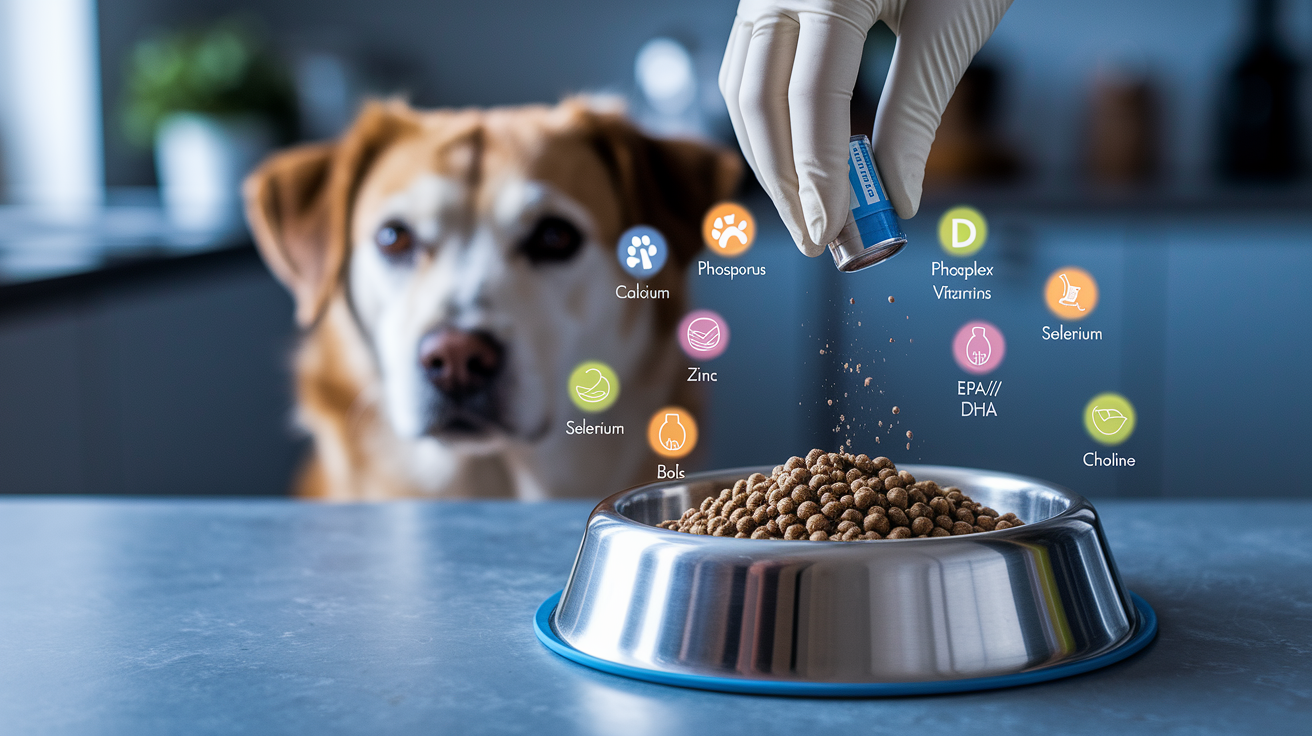
Only 6 percent of homemade dog diets meet AAFCO nutritional completeness standards. That’s not because people don’t care. It’s because most DIY meals built around chicken, rice, and vegetables simply miss the micronutrients that commercial kibble delivers through fortification and premixes.
The gaps usually show up in calcium, Vitamin D, B-complex vitamins, zinc, selenium, omega-3 fatty acids like EPA and DHA, and choline. And these aren’t small details. When calcium’s missing, your dog’s body pulls it straight from their bones. Over months, that weakens the skeleton. Inadequate Vitamin D means calcium and phosphorus can’t absorb properly, which just makes the problem worse. B-vitamin shortfalls reduce energy production and red blood cell formation. Missing omega-3s affect skin, coat, brain development in puppies, and how the body handles inflammation at any age. Choline supports liver function and fat metabolism. Without it, dogs can develop vomiting, elevated cholesterol, and liver dysfunction.
Supplements restore balance by filling the nutritional voids that whole foods alone can’t cover. They’re a safety net, making sure your dog gets what muscle meat, grains, and vegetables leave out.
Most DIY diets benefit from targeted additions:
- Calcium – balances phosphorus from meat, supports bones, teeth, nerve signals, and heart function
- Omega-3 fatty acids (EPA and DHA) – required by AAFCO profiles, critical for brain, eyes, skin, coat, and reducing inflammation
- Multivitamin and mineral blend – covers gaps in Vitamins A, D, E, K, and trace elements
- B-complex vitamins – support metabolism, energy, red blood cells, and nervous system function
- Trace minerals (zinc, selenium, iodine, copper) – regulate immune response, thyroid, antioxidant defense, and enzyme activity
- Choline – essential for liver health, brain signaling, and cholesterol management
Protein Quality and Amino Acid Support in DIY Canine Diets
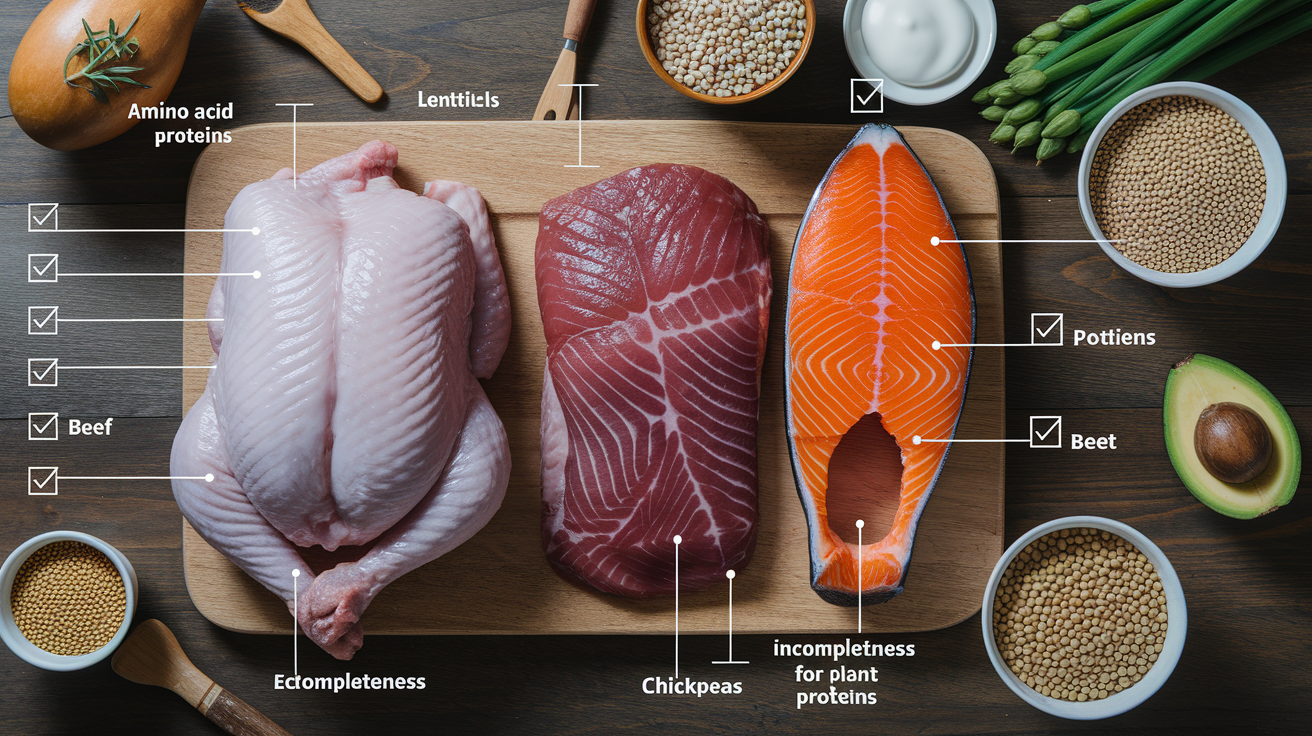
Dogs need complete proteins that supply at least 10 essential amino acids their bodies can’t make on their own. Animal proteins like chicken, turkey, beef, lamb, pork, salmon, herring, and whitefish offer all 10 in the right proportions when you remove bones and cook thoroughly.
Vegetarian protein sources like lentils and chickpeas lack one or more essential amino acids. So if you’re building recipes around plant proteins, you’ll need to combine multiple sources to avoid deficiencies over time.
When you rely on lean muscle meat without organ tissue or connective parts, taurine can become limiting in some dogs. Certain breeds are more prone to dilated cardiomyopathy, and adding heart or a taurine supplement can close that gap. If your recipe skips variety and sticks to a single protein source week after week, complementary amino acid strategies, rotating proteins, or adding a complete amino acid supplement become necessary to maintain long-term health.
| Protein Source | Amino Acid Completeness | Notes |
|---|---|---|
| Chicken, turkey, beef, salmon | Complete (all 10 essential amino acids) | Deboned, cooked; forms backbone of most DIY diets |
| Lentils, chickpeas | Incomplete; low in methionine or lysine | Pair with grains or seeds to balance amino acid profile |
| Organ meats (liver, heart) | Complete; rich in taurine and B vitamins | Include 5 to 10% of total protein; too much liver risks Vitamin A toxicity |
| Eggs | Complete; highly bioavailable | Cooked; can replace or supplement part of meat portion |
Calcium and Mineral Supplementation for Homemade Meals
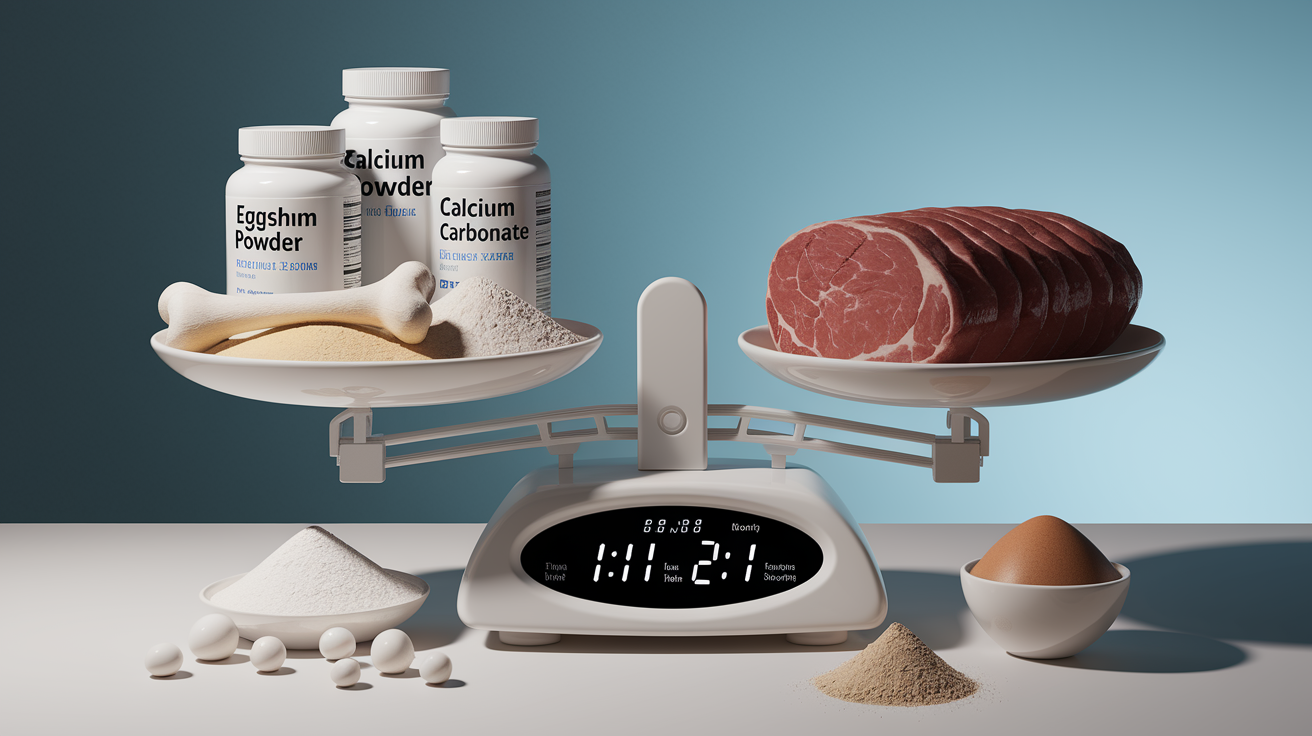
Muscle meat delivers abundant phosphorus but almost no calcium. That creates an inverted ratio that pulls calcium from your dog’s bones to restore blood levels. Over weeks and months, this demineralization leads to fractures, poor dental health, and neurological issues.
Adding a calcium source corrects the imbalance and keeps the calcium to phosphorus ratio between 1:1 and 2:1, which supports skeletal integrity and proper nerve and heart function.
Safe calcium sources include finely ground eggshell powder, calcium carbonate supplements designed for pets, and bone meal when sourced from reputable, tested suppliers that screen for lead and other heavy metals. Tofu, green beans, broccoli, and cauliflower provide small amounts of calcium, but whole foods alone rarely supply enough to balance a meat-heavy diet. Always measure and track calcium additions because too much can interfere with absorption of other minerals.
Trace minerals like selenium, zinc, iodine, and copper play distinct roles. Selenium acts as an antioxidant and supports thyroid metabolism. Zinc regulates immune function, skin repair, and wound healing. Iodine keeps the thyroid gland working normally. Copper helps produce red blood cells and maintain connective tissue. Deficiencies in any of these show up as poor coat quality, lethargy, recurring infections, or metabolic slowdowns that get worse over time.
Calculating calcium and phosphorus in your homemade diet:
- List every ingredient and its weight in grams for one full day of meals.
- Look up calcium and phosphorus content per 100 grams for each ingredient using USDA FoodData Central or a veterinary nutrition database.
- Multiply the nutrient content by the actual weight of each ingredient, then sum the totals.
- Divide total calcium by total phosphorus to confirm the ratio falls between 1:1 and 2:1.
- If calcium’s too low, add measured eggshell powder or calcium carbonate until the ratio balances, then recheck the math.
Essential Vitamin Additions for Homemade Dog Food
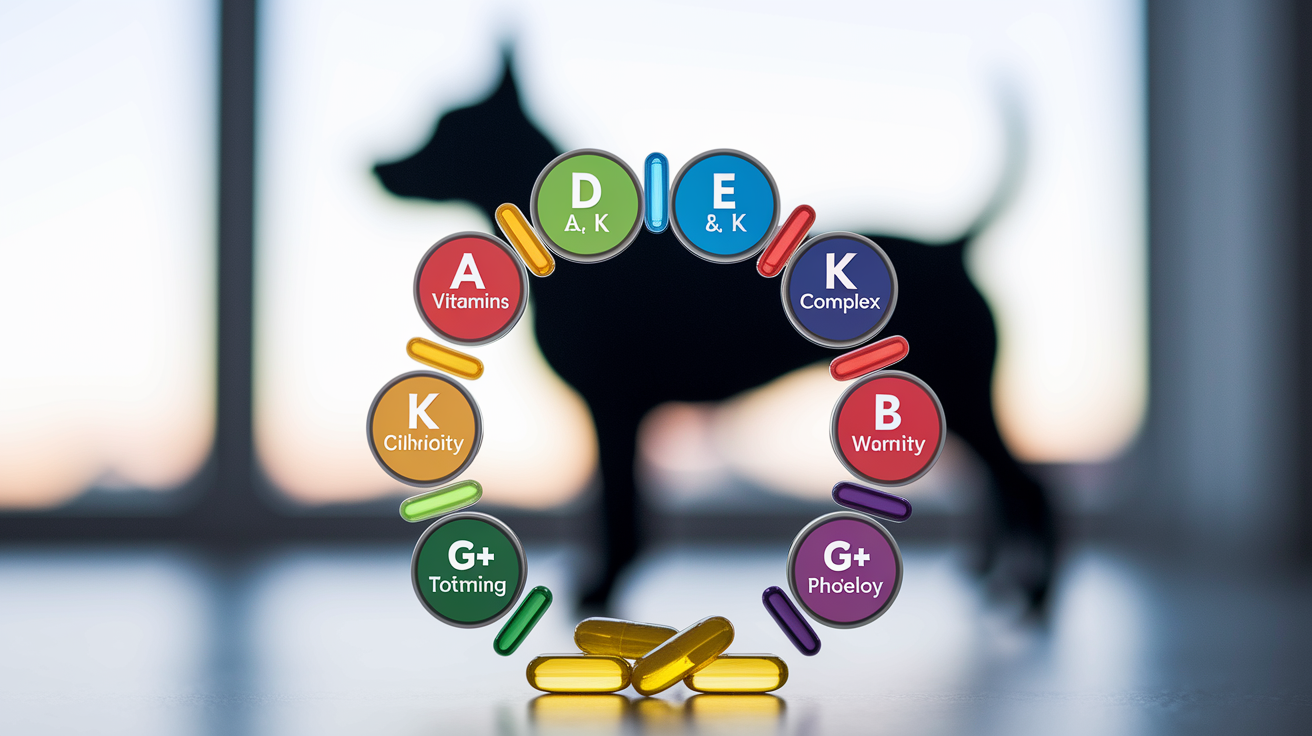
Dogs need Vitamin A for vision, immune defense, and cell growth. B vitamins for energy metabolism and red blood cell production. Vitamin D to regulate calcium and phosphorus absorption. Vitamin E as an antioxidant protecting cells and supporting skin health. Vitamin K for blood clotting. And choline for liver function and brain signaling.
Liver, carrots, and sweet potatoes supply Vitamin A. Fatty fish, egg yolks, and beef liver provide Vitamin D. Meat, eggs, and green vegetables contribute various B vitamins. Plant oils and wheat bran offer Vitamin E. Choline comes primarily from meat and eggs.
Deficiency signs develop slowly and can look like general decline before they become obvious. Fatigue, dull or thinning coat, slow wound healing, digestive upset, and behavioral changes all signal that one or more vitamins may be missing.
Puppies and seniors have higher or more specific needs. Puppies require extra Vitamin D and choline to support rapid growth and brain development. Senior dogs benefit from increased Vitamin E and B-complex support to counter oxidative stress and maintain energy as metabolism slows.
Toxicity is a real risk when dosing is guessed or when human multivitamins are used. Human supplements often contain Vitamin D levels far above what dogs need, and excessive Vitamin D causes calcium to deposit in soft tissues, leading to kidney damage, vomiting, excessive thirst, and even death in severe cases. Always use a veterinary formulated multivitamin with clear dosing instructions matched to your dog’s weight. Never assume that more vitamins equal better health.
Omega-3 and Fatty Acid Supplement Strategy in DIY Diets
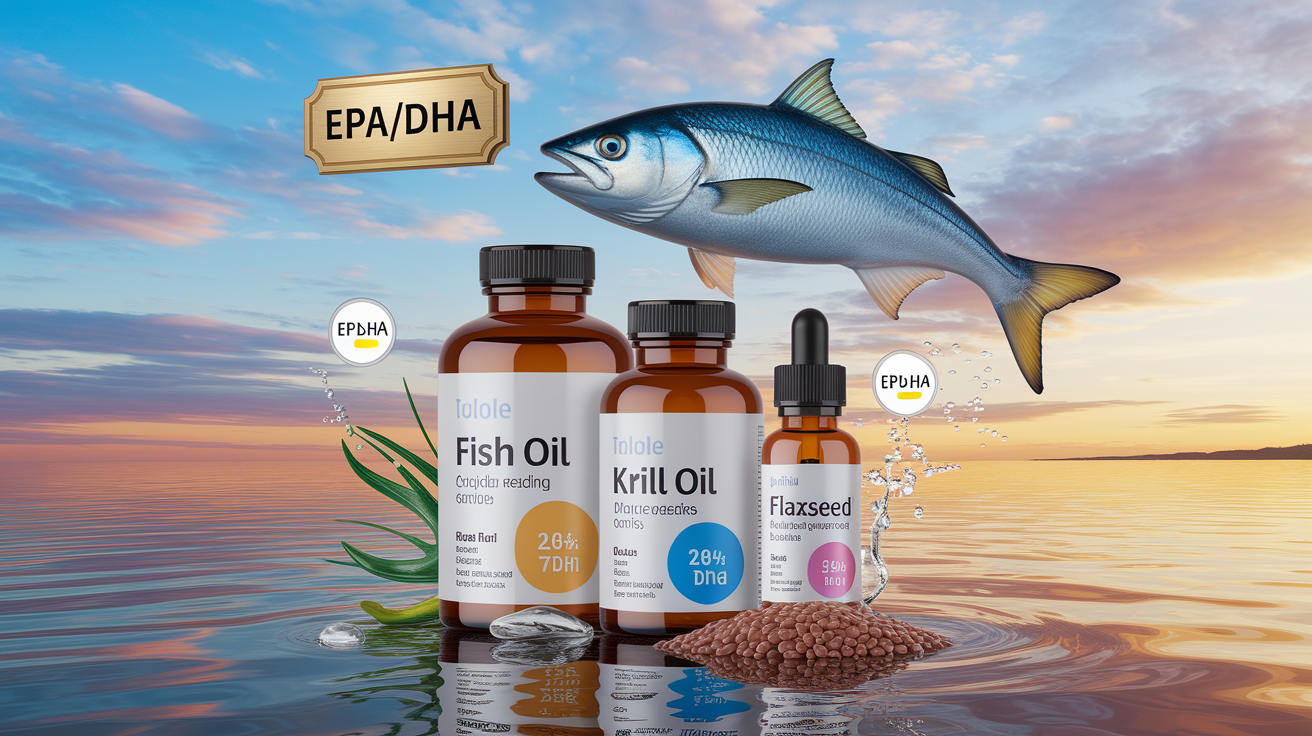
EPA and DHA are long-chain omega-3 fatty acids required by AAFCO nutrient profiles. They’re essential for anti-inflammatory response, skin and coat quality, joint comfort, and cognitive function. Puppies need DHA for normal brain and eye development during the first year. Adult and senior dogs benefit from EPA for managing chronic inflammation tied to allergies, arthritis, and age-related decline.
Because dogs convert plant-based ALA from flaxseed or chia into EPA and DHA inefficiently, direct sources of marine omega-3s work better.
Fish oil remains the most common and cost-effective option, delivering high EPA and DHA per dose. Krill oil offers similar omega-3 content with added astaxanthin, a potent antioxidant, and a phospholipid structure that some research suggests improves absorption. Algae oil provides a vegetarian omega-3 alternative suitable for dogs with fish sensitivities. Flaxseed oil supplies ALA but little direct EPA or DHA, making it a weaker choice unless layered with other sources.
| Omega Source | EPA/DHA Level | Best Use | Notes |
|---|---|---|---|
| Fish oil (salmon, sardine, anchovy) | High | General supplementation for all life stages | Refrigerate after opening; choose molecularly distilled to reduce contaminants |
| Krill oil | Moderate to high | Dogs needing antioxidant support or improved absorption | More expensive; smaller serving size; contains astaxanthin |
| Algae oil | Moderate DHA; lower EPA | Vegetarian diets or fish-sensitive dogs | Sustainable; limited EPA may require pairing with other sources |
| Flaxseed oil | ALA only; minimal EPA/DHA conversion | Supplementary use in multi-source strategies | Does not replace marine omega-3; refrigerate and use quickly |
Probiotics, Prebiotics, and Digestive Enzymes for DIY Meals
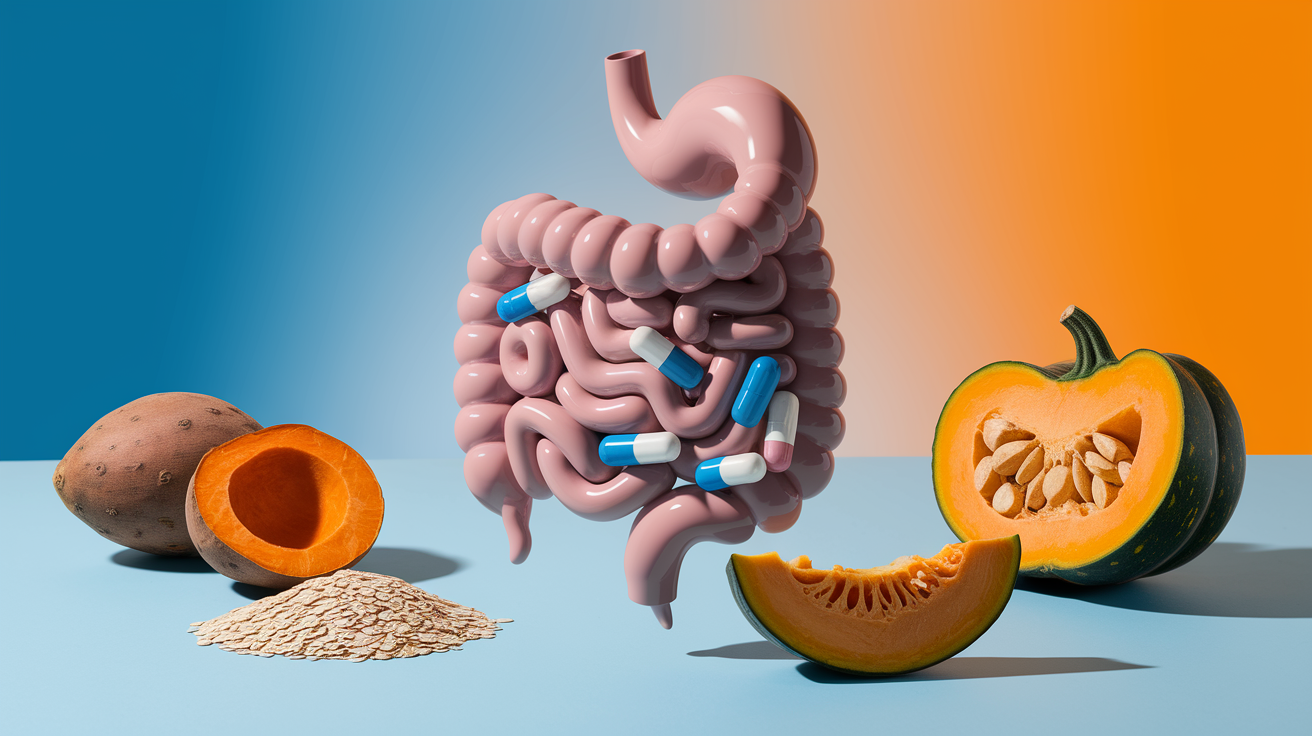
Probiotics introduce beneficial bacteria strains that colonize the gut and support immune function, nutrient absorption, and stool consistency. Dogs recovering from antibiotic treatment, experiencing loose stools, or managing chronic digestive sensitivities often improve when a daily probiotic is added.
Prebiotics are non-digestible fibers that feed and sustain probiotic populations, helping them survive stomach acid and establish in the intestines.
Sweet potatoes, oats, and pumpkin provide natural prebiotic fiber that also adds bulk and moisture to stool. Supplemental prebiotic powders like inulin or fructooligosaccharides can be mixed into meals when recipes lack sufficient fiber. Digestive enzymes, including protease, amylase, and lipase, break down protein, carbohydrates, and fats into absorbable units. They can be especially helpful for dogs with pancreatic insufficiency or older dogs whose enzyme production declines.
Common probiotic and prebiotic examples include:
- Lactobacillus acidophilus supports small intestine health and lactose digestion
- Bifidobacterium animalis colonizes the colon, improves stool firmness, reduces gas
- Enterococcus faecium aids nutrient absorption and immune modulation
- Inulin is prebiotic fiber extracted from chicory root that feeds beneficial bacteria
- Pumpkin puree is a whole food prebiotic source with added vitamins A and C
Targeted Supplements for Joint, Skin, Coat, and Special Conditions
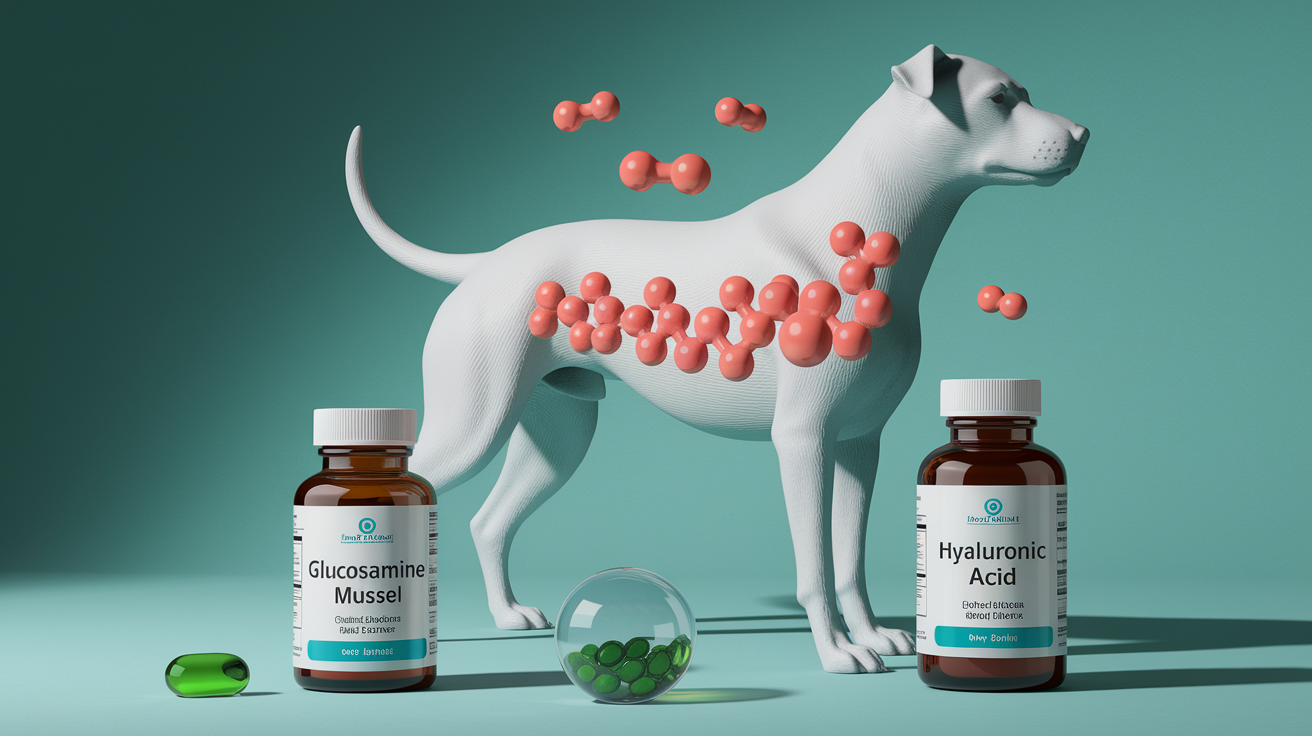
Beyond baseline nutrition, many dogs benefit from condition-specific supplements that address mobility, skin inflammation, coat quality, or urinary health.
Glucosamine and chondroitin are the most widely used joint supplements, providing building blocks for cartilage repair and synovial fluid that cushions joints. Many formulas combine these with omega-3s or MSM to reduce inflammation and improve comfort in senior dogs or active breeds prone to hip dysplasia and arthritis.
Collagen peptides support skin elasticity, joint tissue, and gut lining integrity. Green-lipped mussel, a shellfish from New Zealand, delivers natural omega-3s plus glycosaminoglycans that may enhance joint lubrication. Hyaluronic acid holds moisture in tissues and may improve joint fluid viscosity. For urinary issues like bladder inflammation, crystals, or recurrent infections, cranberry extract and D-mannose offer gentle support by preventing bacterial adhesion to bladder walls.
Joint Support
Glucosamine sulfate or hydrochloride paired with chondroitin sulfate forms the foundation of most canine joint supplements. Dosing depends on body weight, typically 20 mg of glucosamine per pound daily, split across meals. Adding omega-3s at 100 to 300 mg of combined EPA and DHA per 10 pounds of body weight enhances anti-inflammatory effects and may reduce stiffness during cold weather or after intense activity.
Skin & Coat Support
Fish oil is the first-line supplement for dry, itchy, or inflamed skin and dull, brittle coats. EPA modulates inflammatory pathways that drive allergic reactions and hot spots. Vitamin E works alongside omega-3s as an antioxidant, protecting skin cell membranes from oxidative damage. Biotin, a B vitamin, strengthens hair follicles and improves coat texture when deficiencies are present. Consistent supplementation over six to eight weeks usually shows visible improvement in shine, reduced flaking, and fewer scratch episodes.
Consulting Veterinary Nutritionists for Homemade Diet Supplement Plans

A board-certified veterinary nutritionist, credentialed as a Diplomate of the American College of Veterinary Nutrition, specializes in formulating complete and balanced diets for dogs. These professionals use software aligned with AAFCO and National Research Council guidelines to calculate exact nutrient targets for your dog’s age, weight, activity level, and health conditions.
When you work with a nutritionist, you get a recipe built to meet or exceed minimum requirements and a supplement protocol that eliminates guesswork.
Veterinary oversight becomes even more important when your dog has medical issues like kidney disease, diabetes, food allergies, or a history of calcium oxalate stones. Standard supplement advice doesn’t account for restricted phosphorus in renal diets, controlled carbohydrates for diabetic management, or limited oxalate precursors. A nutritionist tailors every ingredient and supplement to fit the therapeutic goal. Routine bloodwork every six months tracks kidney function, liver enzymes, calcium, phosphorus, and red blood cell counts, catching deficiencies or toxicities before clinical signs appear.
Preparing for a veterinary nutrition consultation:
- Gather your current recipe with exact ingredient weights and cooking methods.
- List all supplements, treats, and table scraps your dog receives, including brand names and doses.
- Bring recent bloodwork results, your dog’s current weight, body condition score, and any health diagnoses.
- Write down questions about ingredient substitutions, cost-saving swaps, or specific concerns like picky eating or digestive trouble.
Safe Dosing, Monitoring, and Preventing Over-Supplementation

Supplements must be matched to body weight, life stage, and individual health status because a dose safe for a 70-pound Labrador can cause toxicity in a 10-pound terrier.
Over-supplementation shows up as lethargy, vomiting, diarrhea, excessive thirst, appetite loss, or changes in coat texture and shedding. Calcium overdose can cause constipation and interfere with absorption of zinc, iron, and magnesium. Excessive Vitamin D leads to soft-tissue calcification, kidney damage, and dangerous spikes in blood calcium. Too much omega-3 can thin blood and slow clotting, a concern before surgery or in dogs taking anti-inflammatory medications.
Human supplements pose specific risks because they’re formulated for a 150-pound adult, not a 30-pound dog, and often include ingredients like xylitol, iron, or high-dose Vitamin D that are toxic to canines. Even “natural” human products may contain herbal extracts or essential oils unsafe for dogs. Always choose veterinary formulated supplements with species-appropriate dosing and third-party testing to confirm label accuracy.
Monitoring stool consistency, energy level, skin condition, and coat quality weekly helps you catch problems early. Weight checks every two weeks during diet transitions and monthly afterward flag whether calorie and nutrient intake match your dog’s needs. If you notice any of the following, contact your veterinarian and pause new supplements until cleared.
Overdose warning signs to watch for:
- Vomiting or diarrhea lasting more than 24 hours, especially after starting a new supplement
- Sudden lethargy or weakness, difficulty standing, reluctance to move, or sleeping far more than usual
- Excessive thirst and urination can signal Vitamin D toxicity or kidney stress
- Loss of appetite or refusal to eat may indicate nausea or digestive irritation
- Tremors, muscle twitching, or seizures are neurological signs requiring emergency care
- Abnormal gum color, pale, yellow, or bright red gums suggest blood, liver, or oxygenation issues
How to Mix Supplements Into Homemade Dog Food
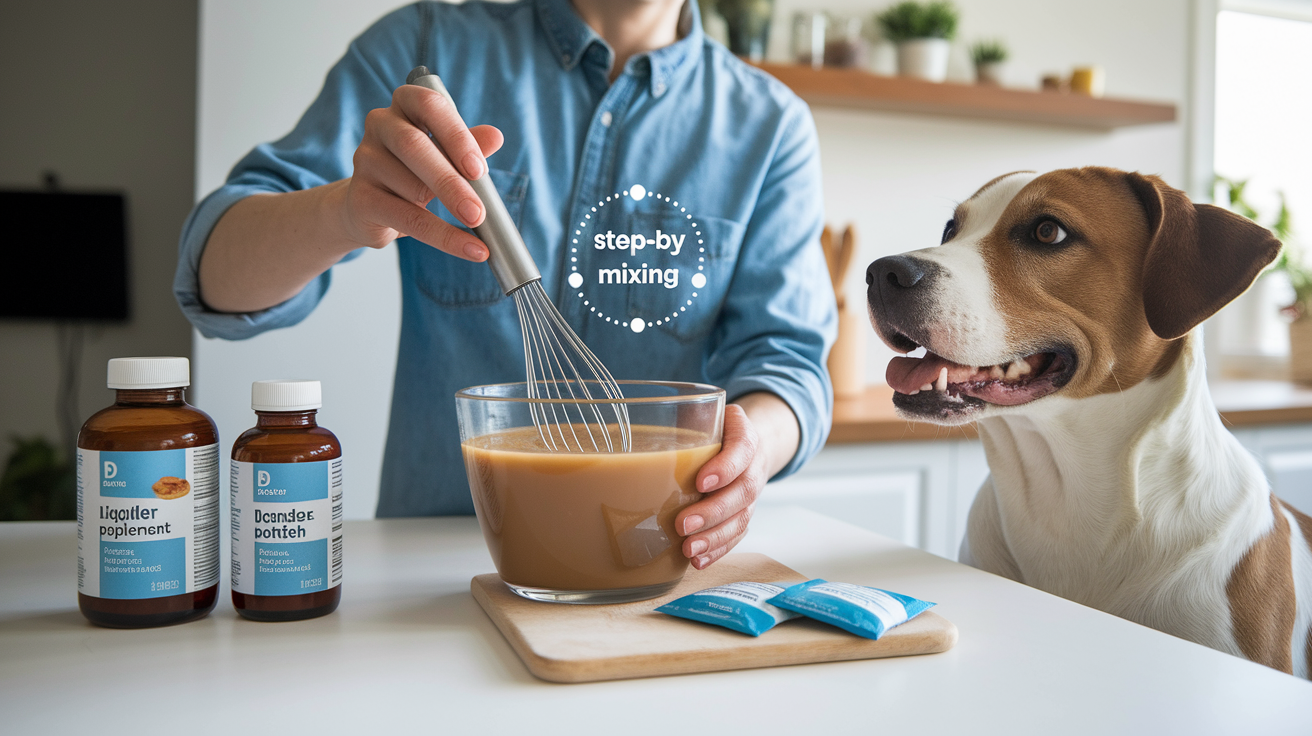
Liquid supplements like fish oil and liquid multivitamins blend easily when drizzled over warm food and stirred through the meal. Warmth improves mixing and releases aroma, making the food more appealing.
Powdered supplements, including calcium carbonate, multivitamin blends, probiotics, and joint formulas, dissolve or suspend best when whisked into a small amount of warm water or low-sodium broth before adding to the meal. This pre-mixing prevents clumping and ensures even distribution across every serving.
Crushing pills works for some supplements, but not all. Enteric-coated tablets and time-release capsules lose their protective coating when crushed, which can reduce effectiveness or cause stomach upset. Check with your veterinarian before crushing any tablet. When pills can’t be crushed, hiding them in a small bite of wet food, cream cheese, or a pill pocket usually works. For picky dogs who detect and spit out supplements, switching to powder or liquid forms removes the struggle.
Practical steps for mixing supplements into meals:
- Measure your dog’s daily supplement doses using the scoop or dropper provided or a kitchen scale for accuracy.
- If using powders, whisk them into two tablespoons of warm water or broth until dissolved or evenly suspended.
- Pour liquid supplements directly over the food and mix thoroughly to coat every ingredient.
- Stir gently but completely so no dry pockets remain. This ensures your dog gets the full dose even if they eat slowly.
- Serve immediately after mixing to preserve supplement potency and prevent separation or settling.
Using Premix Blends Versus Individual Supplement Choices
Premix blends are comprehensive vitamin and mineral formulas created by veterinary nutritionists to fill common gaps in homemade diets when combined with fresh protein, fat, and carbohydrate sources. These products deliver balanced ratios of calcium, phosphorus, trace minerals, vitamins, and sometimes omega-3s in a single scoop, eliminating the need to juggle multiple bottles and calculate individual doses.
Premixes designed for raw or cooked feeding typically specify the amount of meat, fat, and vegetables to pair with each serving, simplifying recipe formulation and reducing the risk of nutrient imbalances.
Individual supplements offer flexibility and precision when your dog has unique needs or sensitivities. If bloodwork shows low zinc but normal levels of other minerals, adding a standalone zinc supplement targets the deficiency without overloading nutrients already in range. Individual products also let you choose higher quality sources, like wild-caught fish oil or organic calcium carbonate, and avoid fillers or allergens present in some premix formulas.
| Approach | Benefits | Drawbacks |
|---|---|---|
| Premix blends | One-step solution; balanced ratios; formulated by experts; reduces user error | Less flexibility for individual deficiencies; may include unnecessary ingredients; can be more expensive per dose |
| Individual supplements | Precise targeting of deficiencies; ingredient control; ability to choose premium sources; adjustable dosing | Requires knowledge and tracking; risk of imbalance if not calculated correctly; managing multiple bottles |
Quality, Labeling, and Certification When Buying Dog Supplements
Pet supplements fall under general animal feed regulations enforced by the FDA and state feed control officials, but they don’t undergo the pre-market approval process required for drugs. This regulatory gap means quality varies widely among brands.
The National Animal Supplement Council’s Quality Seal indicates that a manufacturer has passed an independent third-party audit every two years and submits to random product testing, providing a baseline assurance of good manufacturing practices and label accuracy.
Certificates of analysis list the tested levels of active ingredients, contaminants like heavy metals, and microbial purity. Reputable manufacturers post COAs on their websites or provide them on request. Third-party testing by labs like ConsumerLab or independent university programs adds another verification layer. Look for clear lot numbers on packaging so you can trace any product to its production batch if safety issues arise.
Avoid supplements making cure-all claims, promising rapid disease reversal, or suggesting you can replace veterinary care with a single product. Phrases like “boosts immunity 300 percent” or “eliminates all joint pain in days” are red flags. Read customer reviews across multiple platforms, check the Better Business Bureau and Trustpilot for company ratings, and search for recalls or complaints before purchasing.
Key label features to check before buying:
- NASC Quality Seal signals adherence to industry quality standards and regular audits
- Clear active ingredient list with amounts tells you exactly what and how much you’re giving
- Lot number and expiration date enables traceability and confirms freshness
- Manufacturer contact information and website, reputable companies provide transparent support and testing documentation
Adjusting Supplements for Life Stage, Medical Needs, or Special Diets
Puppies have higher energy and nutrient density requirements than adult dogs, with particular emphasis on calcium, phosphorus, DHA for brain and retinal development, and protein to support rapid growth. Excessive calcium during growth can cause skeletal abnormalities in large-breed puppies, so calcium supplementation must match breed-specific guidelines. Pregnant and lactating dogs need increased calories, calcium, and B vitamins to support fetal development and milk production, with doses adjusted upward during the final trimester and throughout nursing.
Senior dogs benefit from joint-support supplements like glucosamine, chondroitin, and omega-3s, as well as antioxidants such as Vitamin E, Vitamin C, and selenium to combat oxidative stress and support cognitive function. Reduced kidney function in older dogs often requires phosphorus restriction, so multivitamin blends for seniors typically contain lower phosphorus levels. Dogs with diabetes may need magnesium monitoring and adjusted B-vitamin support, while those with kidney disease require carefully controlled phosphorus, sodium, and protein with renal-specific supplements.
Puppy vs Senior Needs
Puppies require higher calcium, around 1 to 1.5 percent of diet dry matter for large breeds, to build bone. But not so much that growth plates close prematurely. DHA at 0.05 to 0.1 percent of diet dry matter supports neural and visual development during the first year. Seniors need less calcium to avoid kidney strain but more antioxidants and joint-support nutrients to maintain mobility and slow cognitive decline. Adjusting supplement type and dose as your dog ages keeps nutrition aligned with changing metabolic demands.
Storage, Freshness, and Safe Handling of Supplements
Fish oil oxidizes quickly once the bottle is opened, losing potency and developing a rancid smell and taste that dogs refuse. Refrigerate fish oil after opening and use within 90 days for maximum freshness. Store powdered supplements in airtight containers away from heat, light, and humidity to prevent clumping and nutrient degradation. Freezing complete homemade meals in portioned containers preserves nutrient content for up to three months and makes meal prep convenient.
Travel-friendly supplement formats like single-dose capsules, powder packets, or pump-bottle liquids simplify dosing on the go and reduce the risk of spills or missed doses. Freeze-dried organ powders, such as liver or kidney, act as nutrient boosters that add vitamins and minerals while doubling as flavor enhancers. They’re useful for finicky eaters or dogs needing extra palatability during illness or recovery.
Best practices for supplement storage and handling:
- Refrigerate all fish oil and omega-3 products immediately after opening and check for off odors before each use
- Seal powder containers tightly after every use and store in a cool, dry cabinet away from the stove and dishwasher steam
- Label containers with the open date to track freshness and discard products past expiration or 90 days post-opening for oils
- Freeze homemade meals in single-serving portions to preserve vitamins and prevent bacterial growth during storage
Tools, Calculators, and Tracking Systems for Balanced DIY Diets
Nutrient calculators like BalanceIT, PetDiets, and university-developed spreadsheets help you compare your recipe against AAFCO or NRC nutrient profiles. These tools require you to input every ingredient by weight and return a breakdown of protein, fat, carbohydrates, vitamins, and minerals, highlighting deficiencies or excesses. Some calculators generate shopping lists and supplement recommendations based on your dog’s age, weight, and activity level, streamlining the formulation process.
Tracking logs for body weight, stool consistency, coat condition, energy level, and supplement doses provide a written record that reveals trends over weeks and months. Weigh your dog every two weeks during the first three months of a homemade diet, then monthly after stabilization. Note any changes in appetite, thirst, scratching, or bathroom habits. Bring this log to every veterinary checkup so your vet can correlate health changes with dietary adjustments.
Steps for tracking nutrient intake and health markers:
- Record your dog’s starting weight, body condition score, and any health concerns or medications.
- Log every meal ingredient, weight in grams, and supplement dose daily for the first month.
- Weigh your dog every two weeks and note any gain, loss, or plateau. Adjust portions if weight drifts from target.
- Track stool quality daily using a simple 1 to 5 scale. 1 is liquid, 3 is formed, 5 is hard. Note color or unusual contents.
- Schedule veterinary checkups every six months with bloodwork to confirm nutrient levels and catch deficiencies or organ stress early.
FAQs and Common Mistakes in Supplementing Homemade Dog Food
Frequently asked questions and top errors in DIY diet supplementation:
Can I use human multivitamins for my dog?
No. Human multivitamins often contain Vitamin D levels that cause toxicity in dogs, plus ingredients like iron or xylitol that are dangerous. Always use veterinary formulated products with species-appropriate dosing.
What are the signs my dog needs more supplements?
Dull, thinning coat, low energy, frequent infections, poor stool consistency, slow wound healing, or behavioral changes can all point to nutrient gaps. Bloodwork and a veterinary nutrition consult confirm deficiencies before you adjust.
How long until I see improvement after adding supplements?
Skin and coat changes usually appear within six to eight weeks. Joint supplements may take four to six weeks. Digestive probiotics often improve stool within days to two weeks. Give each new supplement at least a month before deciding whether it helps.
What should I do if my dog vomits after a new supplement?
Stop the supplement immediately and contact your veterinarian. Vomiting can signal an ingredient sensitivity, overdose, or reaction. Don’t restart without professional guidance, and consider switching to a different brand or form.
Are organic or “natural” supplements always safer?
Not necessarily. Organic certification relates to how ingredients are grown, not whether the product is safe or effective for dogs. Natural supplements can still cause toxicity if dosed incorrectly or if they contain herbs unsafe for canines. Always verify safety and dosing with your vet, regardless of labeling claims.
Final Words
Check what your recipes miss right now: calcium, vitamin D, B vitamins, omega-3s, zinc and selenium, plus complete proteins and a healthy Ca:P balance. Add a premix or targeted supplements, and include probiotics, fish oil, and joint support when needed.
Mix powders into warm meals, add liquids like fish oil, introduce changes slowly, and track weight, stool, coat, and energy. Work with a veterinary nutritionist for tests and safe dosing.
With small, steady steps, supplementing homemade dog food is doable and helps your dog stay well.
FAQ
Q: Is there a supplement to add to homemade dog food?
A: The supplement to add to homemade dog food is a balanced canine multivitamin-mineral premix, plus targeted calcium and omega-3 (EPA/DHA) when meals lack bone, dairy, or fatty fish.
Q: What is the 90/10 rule for dogs?
A: The 90/10 rule for dogs means about 90% of daily calories should come from a balanced, complete diet and about 10% from treats or extras, to avoid nutrient imbalance and weight gain.
Q: What dog food is good for atopic dermatitis?
A: Dog food good for atopic dermatitis is usually a novel-protein or limited-ingredient diet rich in omega-3s, or a vet-prescribed hydrolyzed formula; these reduce inflammation and help identify food triggers.
Q: Do vets recommend homemade dog food?
A: Veterinarians recommend homemade dog food only when recipes are balanced and checked by a veterinary nutritionist; otherwise most vets warn homemade diets often lack essential nutrients and need supplement planning.