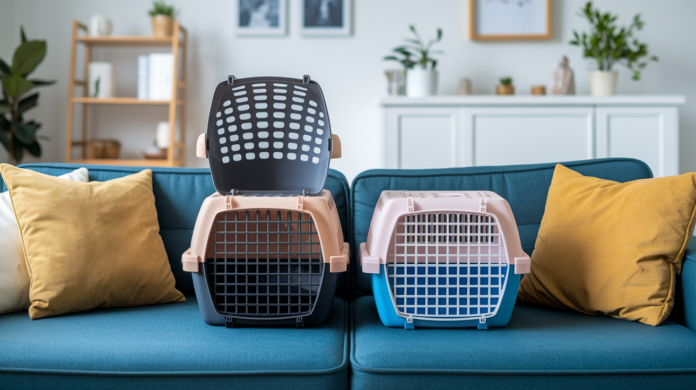

Top-loading or front-loading — which really makes trips less stressful for your cat?
It comes down to one simple trade-off: less handling and faster vet access (top-loading) versus lighter weight, smaller size, and easier storage (front-loading).
Top-loading makes it easier to lower or lift a scared cat and keeps exams calmer; front-loading works fine if your cat walks in and you need something compact.
Bottom line: nervous, vet-frequent cats usually do better in top-loaders; calm cats and tight spaces favor front-loaders.
Key Differences Between Top-Loading and Front-Loading Cat Carriers
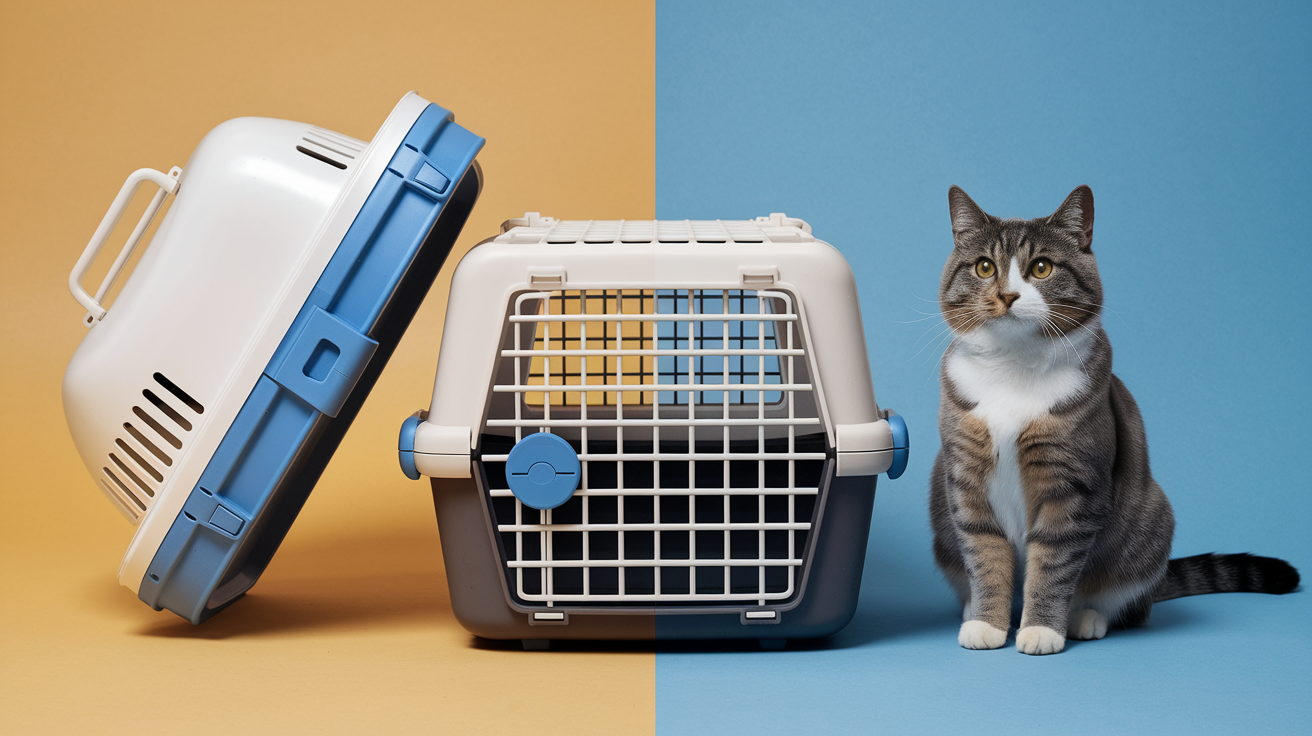
Top-loading carriers work better for anxious cats or ones that freeze up at the vet. You can lower the cat straight down from above instead of wrestling it through a narrow front door. Front-loading carriers? Fine if your cat’s calm and walks in on its own. The real trade-off is stress versus space. Top-loading gives you faster, gentler access and more room inside. Front-loading is usually lighter, more compact, and cheaper.
With a top-loading design, you place the cat into the carrier without forcing it through a tight opening. Lift the cat, lower it gently, or let it step down. Front-loading means you’re coaxing, pushing, or pulling through a smaller door, which can end badly if your cat resists. Bites. Swats. Top-loading also helps at the vet because staff can reach in from above to examine or treat your cat without yanking it out of the carrier.
Front-loading carriers stack easier, fit in tighter spots, and you can carry them short distances without much hassle. They’re smaller. If your cat walks in and out without drama, they work fine. But if your cat backs into a corner or freezes, you’ll be reaching through that front door, tilting the whole thing, or physically dragging the cat out. That’s stressful for both of you and raises injury risk.
Top-loading carriers: easier loading for resistant cats, faster vet access, more space inside, better for anxious pets. Can be bulkier and heavier.
Front-loading carriers: more compact storage, lighter, often cheaper, fine for calm cats. Harder to load reluctant animals, can increase handling risk.
Best for nervous cats: top-loading.
Best for calm cats: either works. Front-loading may be simpler and more affordable.
Best for frequent vet visits: top-loading, because it cuts down extraction stress and speeds things up.
Best for tight storage or small cars: front-loading, smaller footprint.
Handling, Stress Response, and Loading Differences
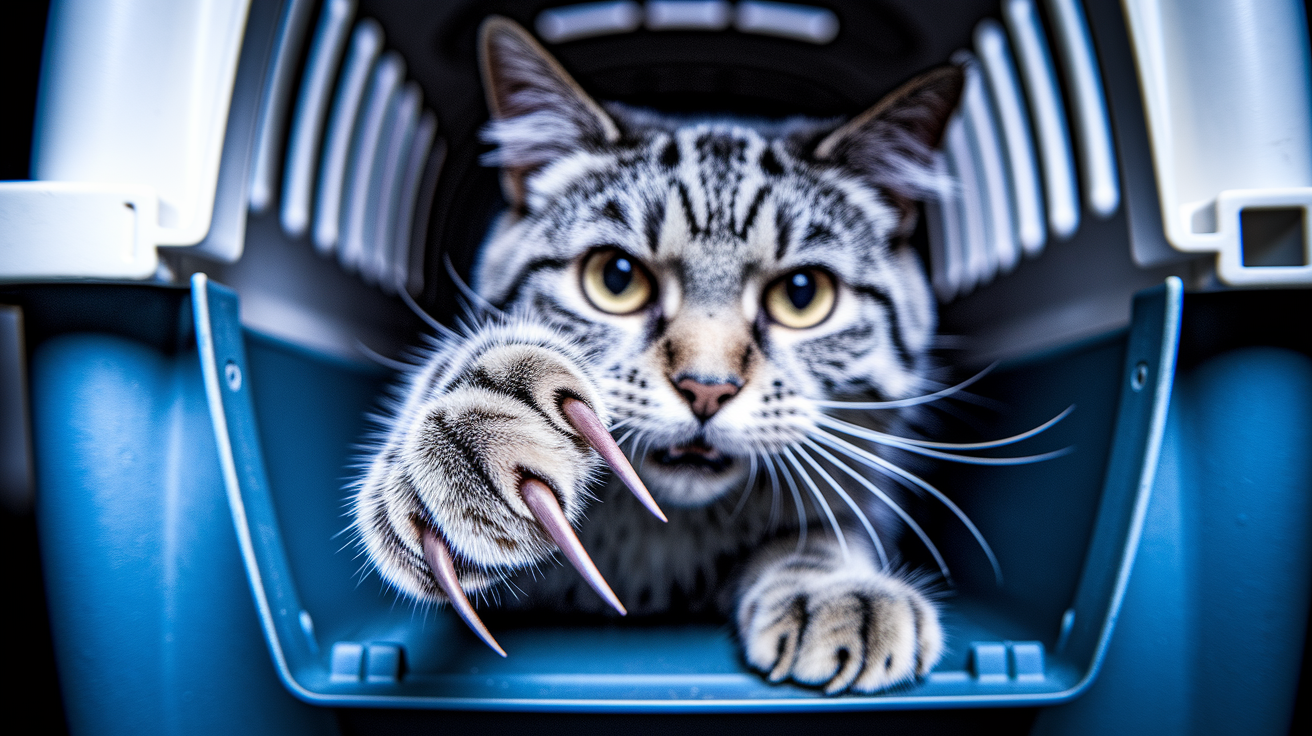
When you reach through a small front door to grab or push a cat, you’re asking for bites, scratches, and panic. Front-loading carriers force you to work within that narrow opening. Anxious cats back into the farthest corner. Extraction becomes difficult and stressful. Top-loading carriers let you approach from above, which feels less threatening and gives you better control without pinning the animal against walls or the door frame.
Cats that already fear the vet often see the carrier as a trap, especially if you’ve had to scruff them or shove them through in the past. Front doors can reinforce that. Top-loading carriers reduce the grab-and-drag motion. You can lower the cat in gently or let it step down, preserving more autonomy and cutting down on defensive swipes.
Anxious or vet-resistant cats often freeze in the back of a front-loading carrier, forcing you to reach in and pull them out.
Top-loading carriers let you lift the cat straight out from above. No scruffing or dragging.
Front-loading carriers can feel more confining because the cat has to turn or be angled to fit through the door.
Calm, well-socialized cats may walk into a front-loading carrier without resistance, making it practical if your cat cooperates.
Top-loading carriers give you faster access during emergencies or stressful moments when every second counts.
Vet Visit Efficiency and Medical Handling Access
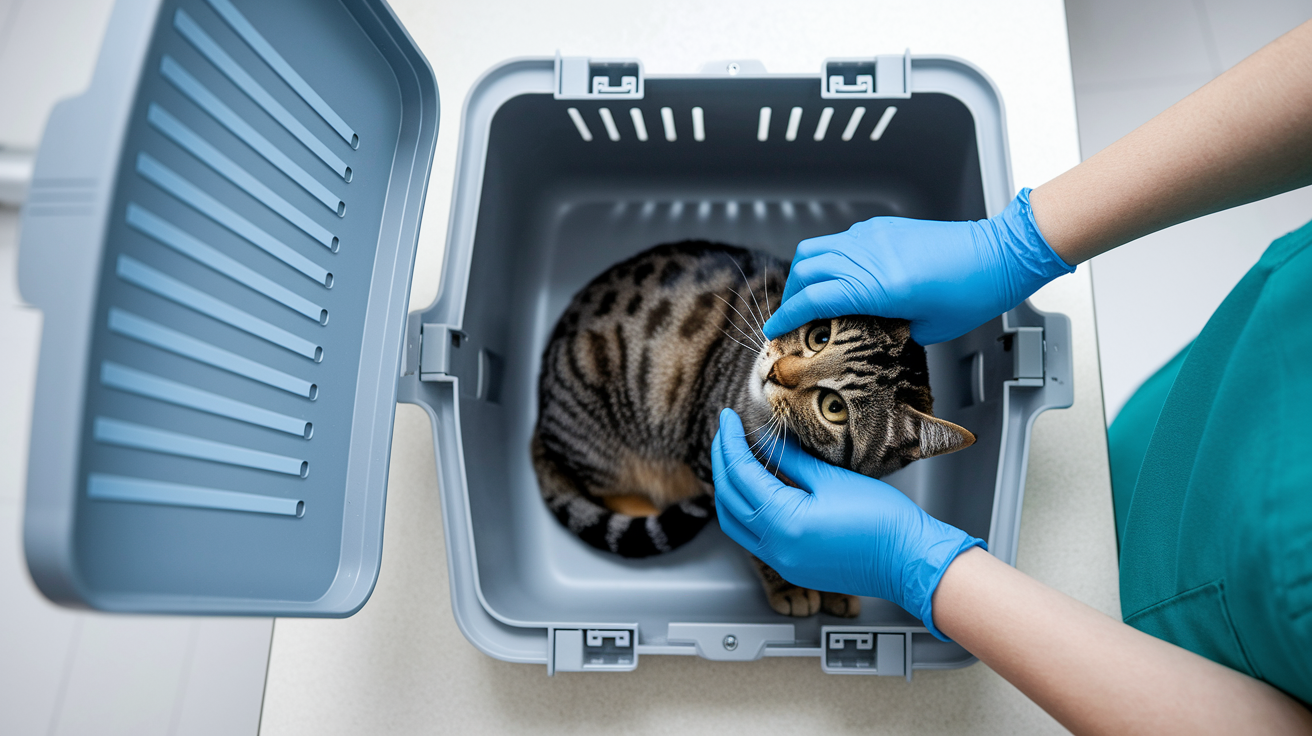
Veterinarians and vet techs prefer top-loading carriers because they can open the top and do routine checks, injections, fluids, or nail trims while the cat stays inside the carrier bottom. That bottom still smells like home, which keeps the cat calmer than being yanked out and placed on a cold exam table. If the cat becomes too stressed, staff can just replace the top and regroup instead of trying to force the animal back through a small front door.
Front-loading carriers often require the vet or tech to reach through the front door, tilt the carrier, or pull the cat out entirely before starting the exam. That extra handling increases stress, extends appointment time, and raises the risk of defensive bites or scratches. For nervous cats, being dragged out through a narrow opening sets a negative tone for the entire visit, making future appointments harder. Top-loading carriers streamline the process. Open the top, examine or treat, close the top, done.
Cleaning and Maintenance Differences Between Carrier Styles
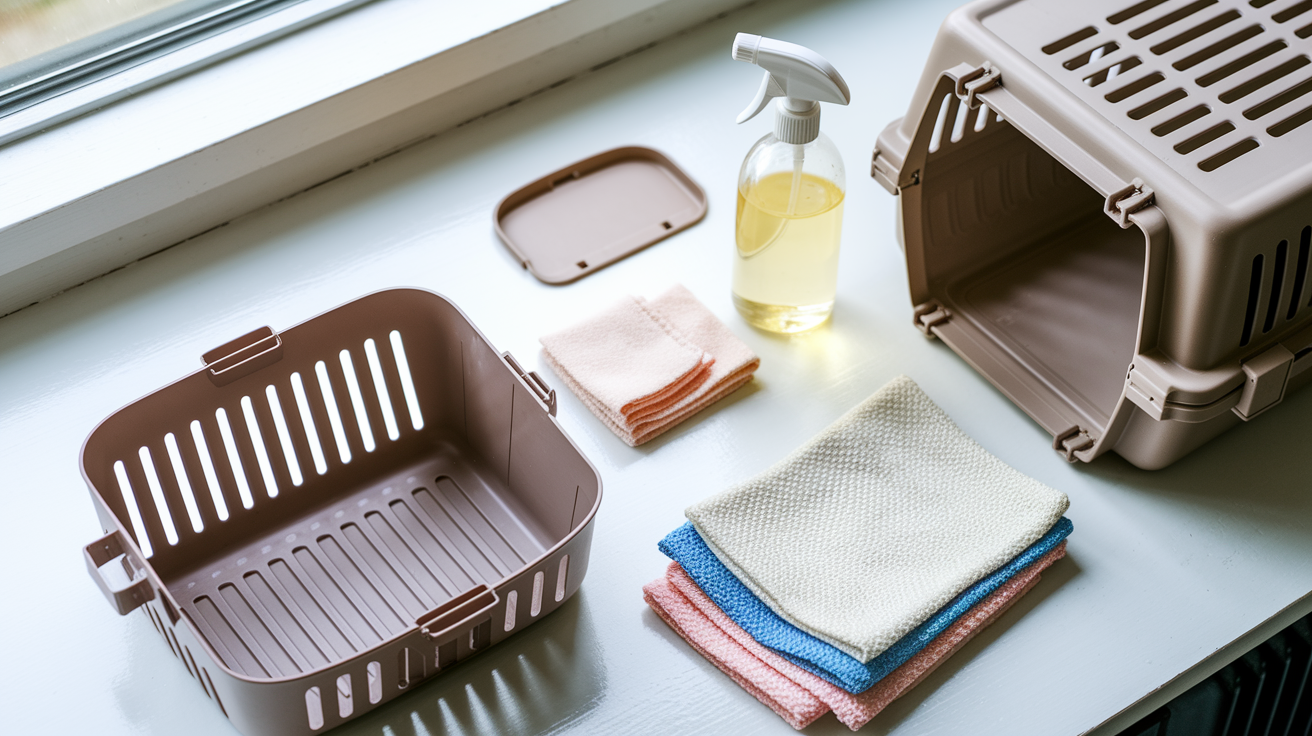
Hard carriers with removable plastic bases are easiest to clean after vomit, urine, or bowel accidents. Lift out the base, rinse it in a tub or utility sink, spray it with pet-safe cleaner, let it dry. Soft carriers may have machine-washable liners, but the outer shell and zippers can trap odors and fluids if not rinsed right away. Front-loading hard carriers sometimes offer wider front door access, making it easier to reach inside and scrub the interior walls, but you’re still working through a smaller opening.
Top-loading carriers require you to remove the top or open a large zippered lid to access the interior fully. That’s not hard, but it means you’ll need to unlatch or unzip the top, pull out soiled bedding, and clean the bottom tray separately. Avoid carriers with pins, screws, or rusted bolts in the sides. Those can take up to 10 minutes to remove and turn a quick cleanup into a frustrating chore. Choose carriers with simple clips, sturdy zippers, or snap-on tops that come off in seconds.
| Carrier Type | Cleaning Access | Tools Needed | Difficulty Level |
|---|---|---|---|
| Top-loading hard carrier | Remove top; lift out plastic base | Sink, pet-safe cleaner, towel | Easy |
| Front-loading hard carrier | Open front door; reach inside | Sink, pet-safe cleaner, small brush | Moderate |
| Soft top-loading carrier | Unzip top; remove washable liner | Washing machine, mild detergent | Moderate |
| Soft front-loading carrier | Open front; hand-wash or machine-wash liner | Washing machine, mild detergent | Moderate to hard |
Portability, Storage, and Home Use Considerations
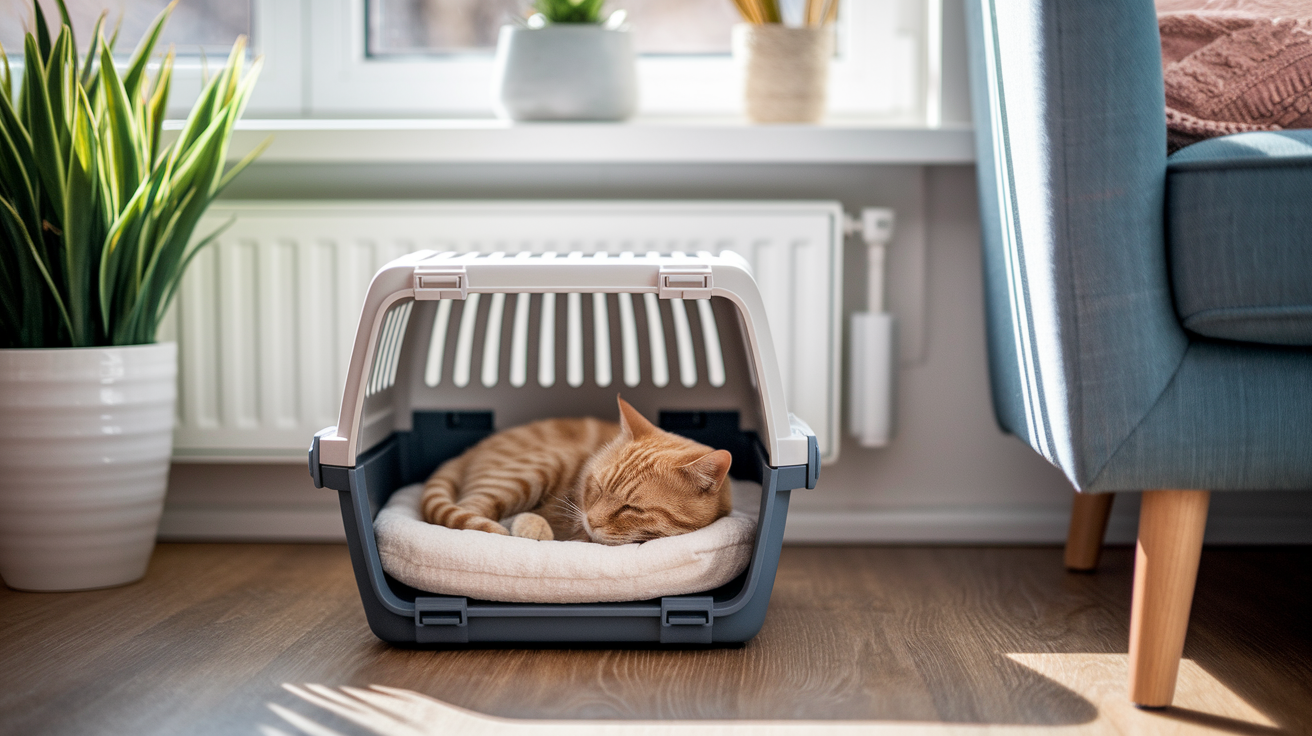
Front-loading hard carriers are typically more compact and easier to stack in a closet, garage, or car trunk. They’ve got a simpler rectangular or domed shape with a single front door, which means fewer moving parts and a smaller storage footprint. Soft front-loading carriers often fold flat or collapse when not in use, saving even more space if you only need the carrier a few times a year.
Top-loading carriers may be bulkier because the reinforced top adds height and the hinge or zipper mechanism can prevent full collapse. Hard top-loading carriers rarely fold at all, so you’ll need dedicated shelf or floor space. But if you use the carrier frequently or want to encourage your cat to see it as a safe space, some top-loading designs can double as a home bed. Remove the top, leave the cushioned bottom in a quiet corner, and your cat may start napping in it daily, reducing stress when it’s time to travel.
If you live in a small apartment or have limited storage, a soft front-loading carrier that collapses or a compact hard front-loader may be the better fit. If you have room to leave a carrier out as part of your home setup, a top-loading bed-style carrier can build positive associations and make loading easier every single time.
Safety, Security, and Injury Prevention in Cat Carriers
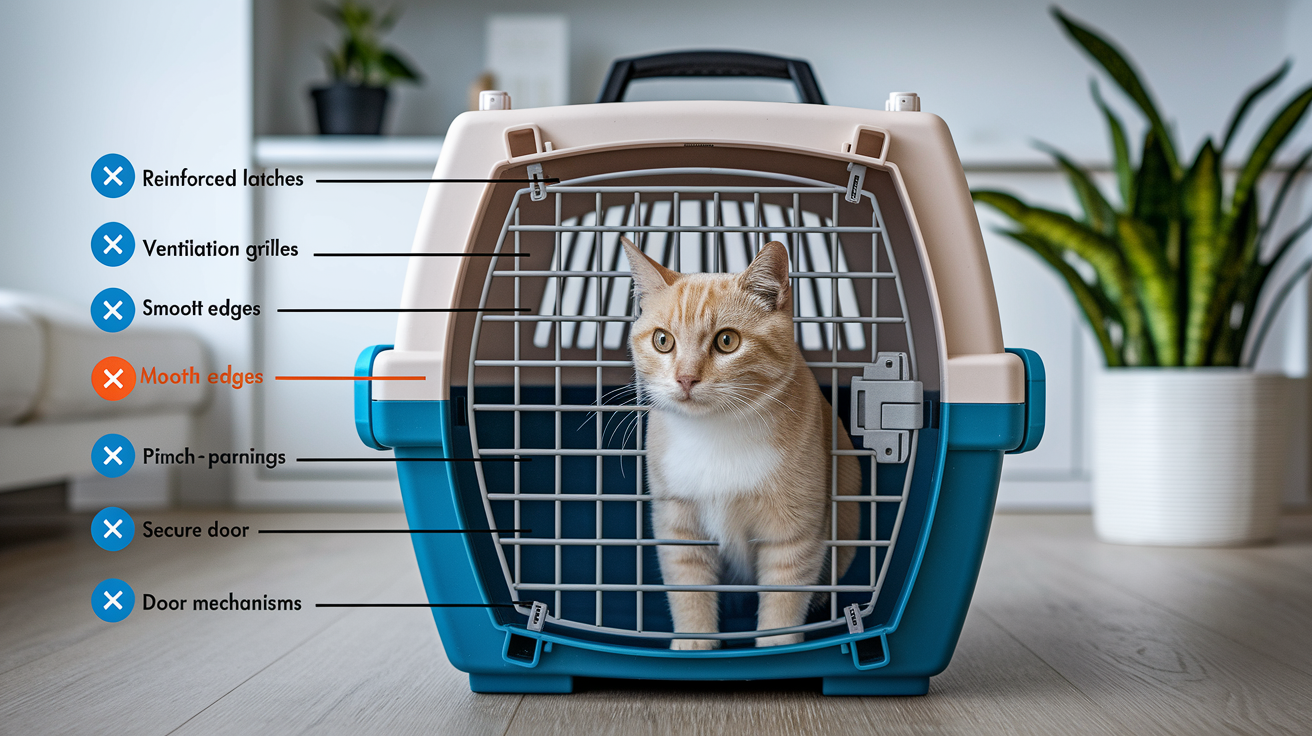
Reaching through a small front door increases the chance of accidentally catching your cat’s legs, toes, or tail in the door frame, hinges, or latch mechanism. Top-loading carriers reduce that risk because you lift the cat from above and lower it straight down, keeping limbs away from pinch points. Secure latches are essential on both designs. Cheap plastic clips can pop open mid-trip, and rusted metal bolts can fail under stress. Look for carriers with double-latch systems, reinforced metal or high-quality plastic hardware, and clear audible clicks when locked.
Adequate ventilation is non-negotiable. Cats can overheat quickly in poorly ventilated carriers, especially during warm weather or long waits in a car. Both top-loading and front-loading carriers should have multiple ventilation grilles or mesh panels on at least three sides. Soft carriers with large mesh windows offer excellent airflow but may be less secure if zippers are flimsy or poorly stitched.
Latch strength: test latches before the first trip. They should lock firmly and resist accidental opening.
Ventilation grilles: check that air can flow freely on at least three sides, even when the carrier’s placed against a car seat or wall.
Material durability: hard plastic or reinforced fabric holds up better than thin, flexible materials that can tear or warp.
Door and top edges: make sure there are no sharp edges, rough seams, or exposed hardware that can scratch or injure your cat during entry or exit.
Weight distribution: carriers with sturdy handles or shoulder straps reduce the chance of dropping the carrier if your cat shifts suddenly inside.
Pros and Cons of Top-Loading Cat Carriers
Top-loading carriers shine when you need fast, low-stress loading and better control during vet visits, but they do come with trade-offs in size and cost.
| Pros | Cons |
|---|---|
| Easier to load resistant or anxious cats | Often bulkier and heavier |
| Lower stress for vet and grooming visits | May cost more than basic front-loading models |
| Faster access for exams and treatments | Less compact for storage in small spaces |
| More interior space and less confined feel | Some tops use pins or screws that slow cleaning |
| Better control during loading and unloading | May not meet all airline under-seat requirements |
Pros and Cons of Front-Loading Cat Carriers
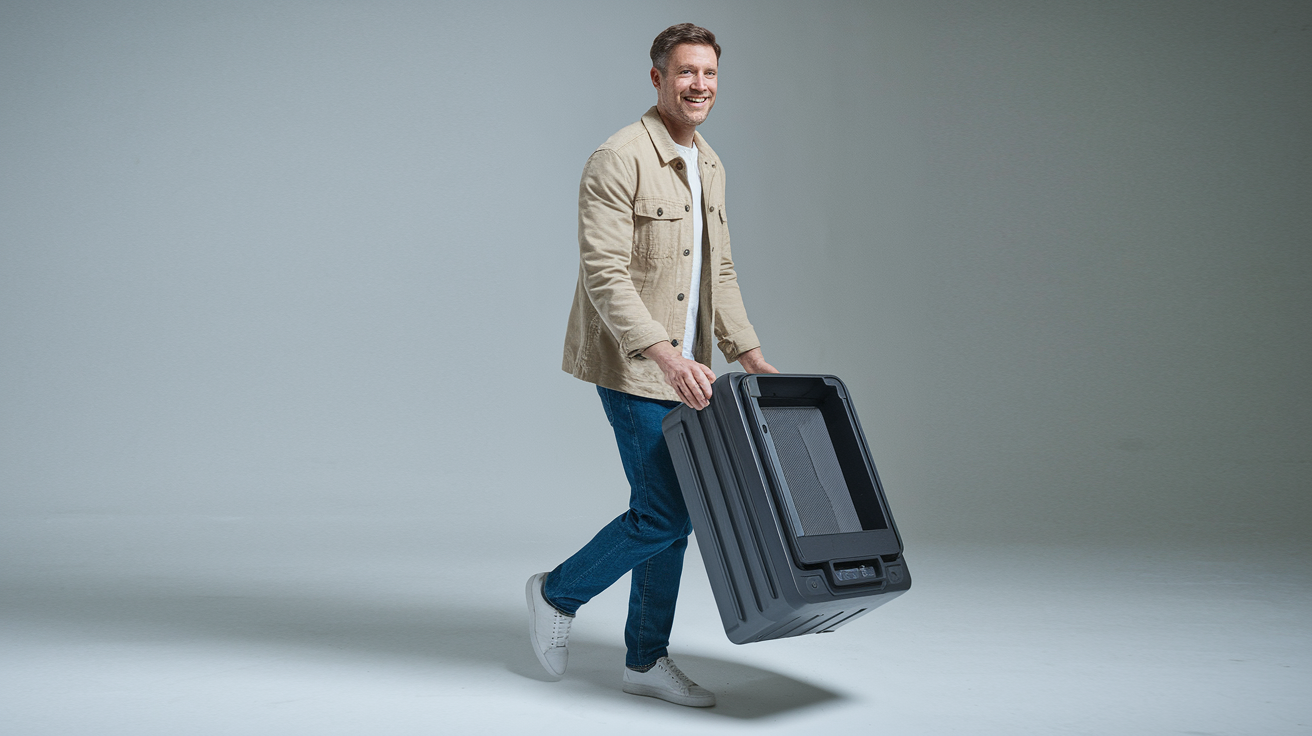
Front-loading carriers offer simplicity and affordability, but they can complicate handling if your cat resists.
| Pros | Cons |
|---|---|
| More compact and easier to store | Harder to load resistant or nervous cats |
| Often lighter and less expensive | Increases stress during vet extraction |
| Works well for calm, cooperative cats | Higher bite and swat risk when reaching through door |
| Simpler design with fewer moving parts | Can feel more confining to anxious cats |
| Many models meet airline cabin requirements | Limited interior access for cleaning and handling |
Choosing the Right Carrier for Your Cat’s Temperament and Travel Needs
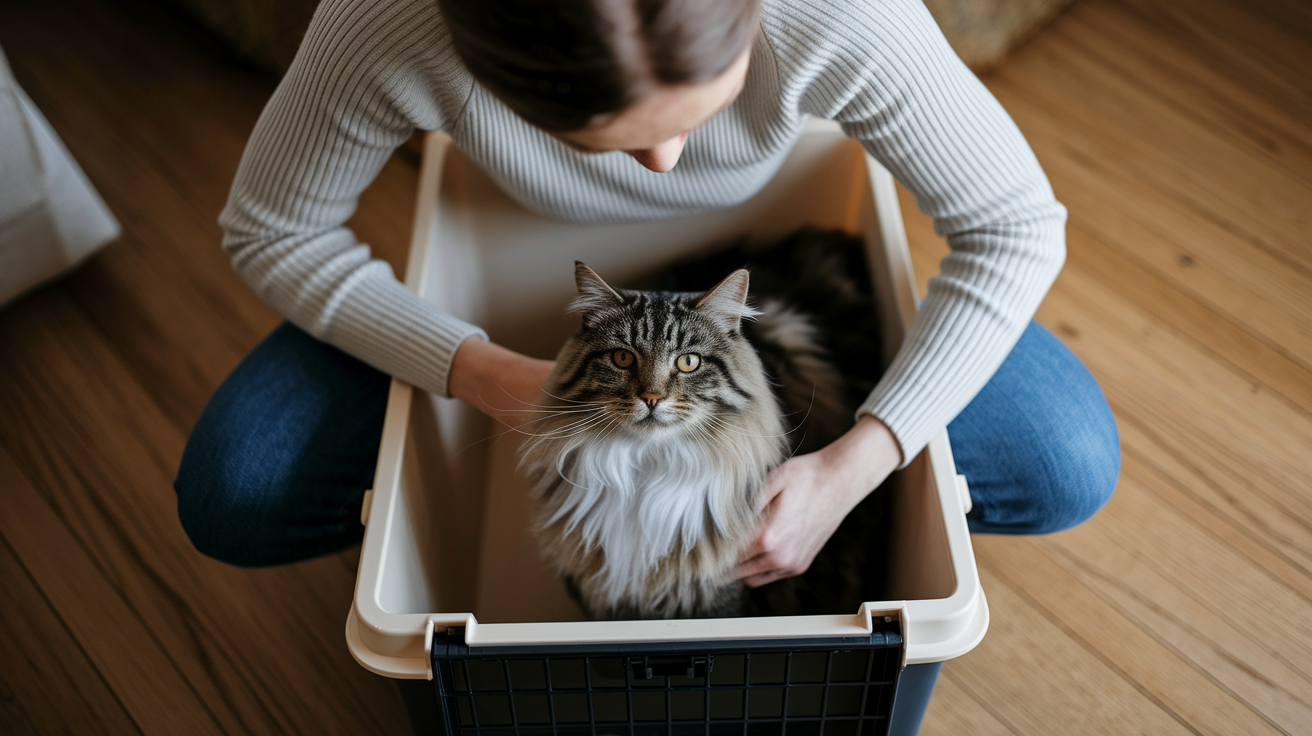
If your cat’s anxious, vet-phobic, or has a history of aggressive behavior when stressed, a top-loading carrier is the clear choice. Being able to lower your cat in from above and lift it out without forcing it through a narrow door reduces handling trauma and makes future trips less frightening. Calm, well-socialized cats that walk into carriers on their own and tolerate being handled by strangers can do fine with either style, and a front-loading carrier may save you money and storage space.
Large cats, cats over 12 to 15 pounds, often need more interior room to turn around and lie down comfortably. Top-loading hard carriers typically offer more vertical and horizontal space than compact front-loading models. If you have a plus-size cat or a long-bodied breed like a Maine Coon, check interior dimensions carefully and consider an upright soft carrier with wheels or a large hard carrier with a removable top.
For multi-cat households, think about how often you’ll need to clean and reuse carriers. If you transport more than one cat to the vet on the same day, top-loading carriers with removable plastic bases speed up cleaning between trips. If your cats are calm and you rarely travel, a couple of budget front-loading carriers may be enough.
Anxious or vet-resistant cats: top-loading carrier with a wide top door or fully removable top.
Calm, cooperative cats: either style works. Front-loading may be simpler and cheaper.
Large or plus-size cats: top-loading hard carrier or upright soft carrier with wheels for added space.
Frequent travelers or multiple vet visits: top-loading carrier with easy-clean plastic base and sturdy latches.
Travel Requirements: Airline, Car, and Multi-Stop Trip Considerations
Many airlines require soft-sided carriers with front or side entry for under-seat placement, and some carriers with large top openings may not fit airline-approved dimensions. Check your airline’s pet policy and IATA guidelines before booking. If you plan to fly, measure the carrier’s collapsed or fully zipped dimensions and confirm that it meets size limits. Some hard-shell top-loading carriers are too tall or rigid for cabin travel and may only be approved for cargo hold transport.
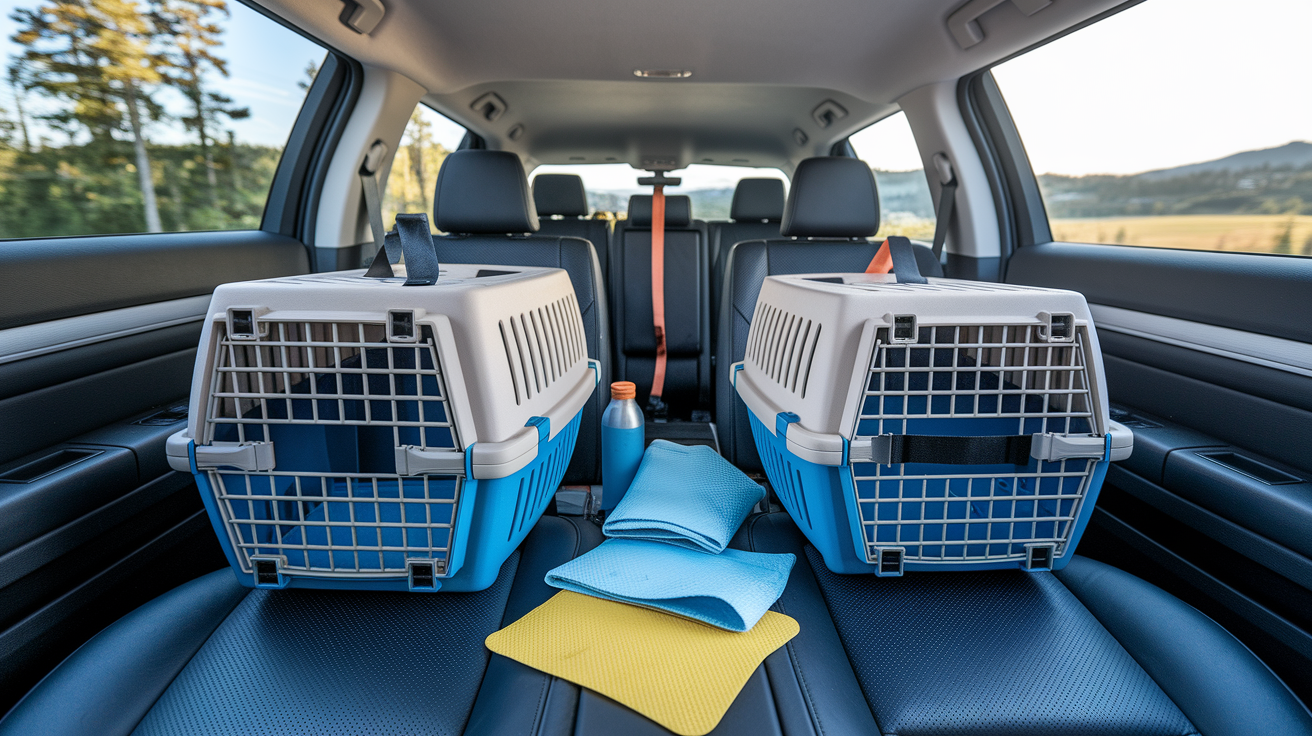
In a car, the safest setup is a carrier that lets your cat touch at least two sides at all times, which reduces sliding and injury risk during sudden stops or turns. That means a snug fit is actually better than a roomy one for short car trips. Secure the carrier with a seatbelt or place it on the floor behind the front seat where it can’t shift. If you’re making a long road trip with rest stops, a top-loading carrier makes it easier to check on your cat, offer water, or clean up accidents without fully removing the animal from the carrier.
Always place one pee pad and one soft towel or blanket inside the carrier before travel.
Secure the carrier with a seatbelt or wedge it firmly between seats to prevent sliding.
For multi-stop trips, choose a carrier with a removable plastic base for quick mid-trip cleanups.
If flying, verify that your carrier’s dimensions meet airline cabin requirements and that all zippers and latches are airline-approved.
Price, Value, and Long-Term Durability
Basic front-loading hard carriers can start around 20 to 30 dollars, while soft front-loading models range from 25 to 50 dollars depending on size and brand. Top-loading hard carriers with sturdy latches, removable plastic bases, and reinforced construction typically cost 40 to 80 dollars or more. Premium models, like Sleepypod-style carriers with crash-tested frames, multi-layer washable interiors, and dual-function bed designs, can run 100 to 200 dollars. That’s a significant upfront cost, but these carriers often last for multiple cats and years of use without needing replacement.
Budget carriers may cut corners on latch strength, ventilation, or material thickness. Thin plastic can crack, cheap zippers can jam or break, and cardboard-based soft carriers can absorb urine and odors after a single accident, forcing you to replace the entire unit. If you transport your cat more than a few times a year, investing in a mid-range or premium carrier with a removable, washable base and solid hardware saves money and frustration over time.
Latch and hardware quality: metal or reinforced plastic latches outlast thin snap clips.
Removable plastic base: costs more upfront but prevents full carrier replacement after accidents.
Washable liners and padding: machine-washable interiors extend carrier lifespan and simplify cleaning.
Crash-tested or safety-certified models: higher cost, but offer real protection in car accidents and peace of mind during travel.
Warranty and return policy: reputable brands often include 30- to 90-day returns or limited lifetime warranties on structural defects.
Final Words
Pick the carrier that fits your cat now: top-loading is usually best for anxious or larger cats, while front-loading can work well for calm cats and saves space. Think about loading style, vet access, cleaning, portability, safety, and price.
This guide covered handling and stress, vet visit efficiency, cleaning and storage, safety features, pros and cons, travel rules, and value so you can decide faster.
When it comes down to comfort and routine, top loading vs front loading cat carrier is about what calms your cat and what fits your life. You’ll find a good match.
FAQ
Q: Are top loading cat carriers better?
A: Top-loading cat carriers are better for anxious or resistant cats because they let you lower the cat in from above, reducing stress and bite risk; front-loading options suit calm cats and pack smaller.
Q: How do cats say goodbye?
A: Cats say goodbye by lingering nearby, rubbing or head-bunting, giving a slow blink, purring, or walking away with a slow tail flick—small, calm gestures that show comfort and social bonding.
Q: What is the 3-3-3 rule for cats?
A: The 3-3-3 rule for cats is a simple adjustment timeline: 3 days of initial stress, 3 weeks to start settling in, and about 3 months for full confidence and routine to develop.
Q: What annoys cats the most?
A: Things that annoy cats the most are sudden loud noises, rough or forced handling, being cornered by people or other pets, a dirty litter box, strong chemical smells, and abrupt routine changes.