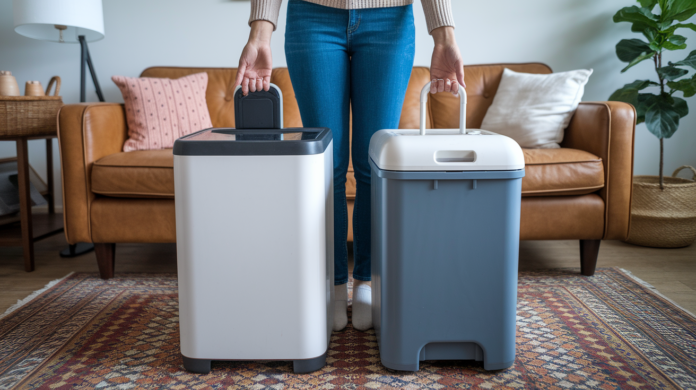

Which wins for your furry friend: a top-loading carrier that lets you lower them in from above, or a front-loading one they walk into like a little den?
It depends on how your pet handles tight spaces and where you’re going.
Top-loading often cuts stress at the vet or when a cat freezes, since you don’t have to push them through a narrow door.
Front-loading usually meets in-cabin airline rules and suits pets trained to step in on cue.
This post breaks down the differences, safety tips, and how to pick the right carrier for your pet.
Key Differences Between Top-Loading and Front-Loading Pet Carriers
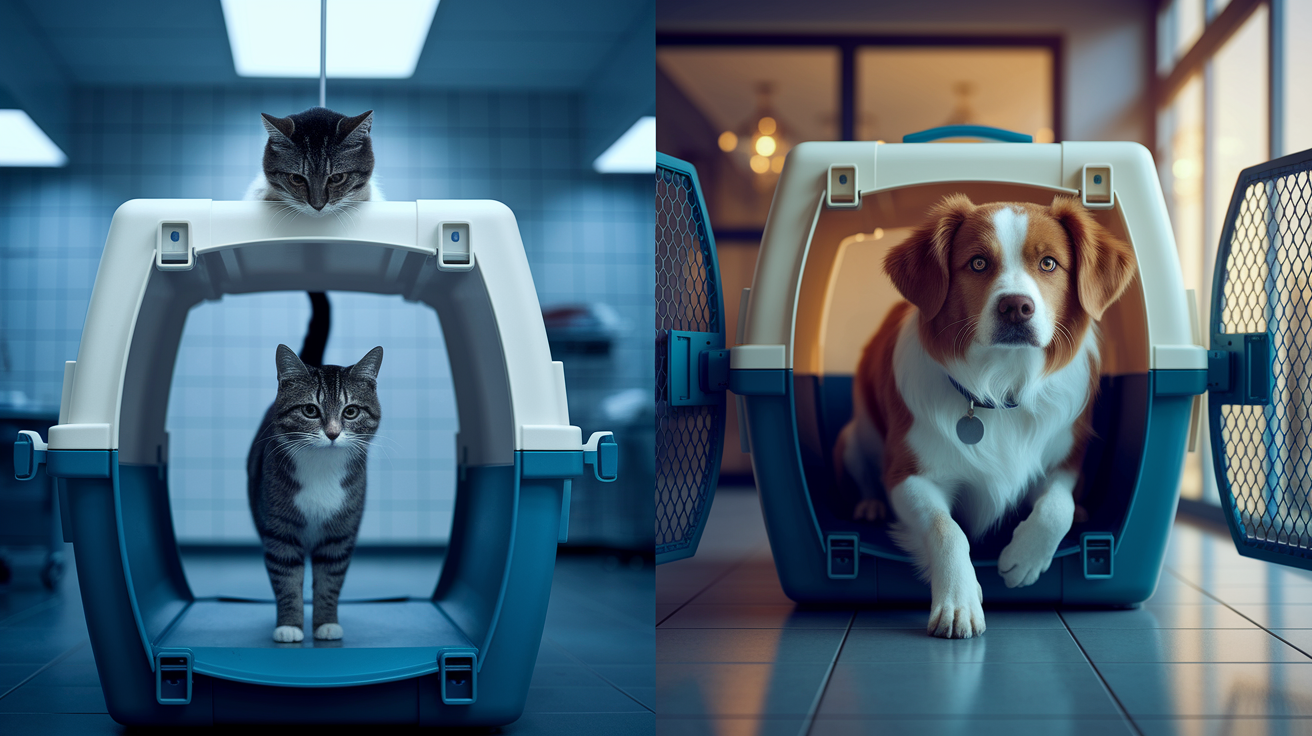
Top-loading carriers work best for vet visits, grooming, and boarding. Front-loading carriers dominate airline in-cabin travel and fit pets trained to walk in on command. The choice comes down to how you need to handle your pet and where you’re going.
Top-loading carriers let you lower your pet in from above, like setting them into a box. Front-loading carriers require coaxing, leading, or pushing your pet forward through a door. That difference changes everything when your cat freezes at the vet or your dog panics in the parking lot. Vertical placement from above feels less threatening to most pets. It skips the small tunnel sensation that can escalate fear.
For anxious or resistant pets, top-loading reduces the chance you’ll need to drag, scruff, or wrestle them through a narrow opening. It also lowers the risk of paws catching on door frames or hinges during removal. Front-loading carriers shine when your pet walks in willingly, when you need a soft-sided model for airline cabin rules, or when you’re short on storage space and need something that stacks neatly.
Core differences at a glance:
| Aspect | Top-Loading | Front-Loading |
|---|---|---|
| Loading orientation | Vertical entry from above | Horizontal entry through front door |
| Ease of access | Simplifies removal of scared or sick pets | Works well for calm, cooperative pets |
| Vet and grooming use | Allows exams with pet in familiar-smelling bottom half | Requires full removal for most procedures |
| Airline compliance | May not qualify for cabin travel | Soft carriers meet most in-cabin requirements |
| Stress profile | Avoids forcing pets into confined space | Can increase resistance if pet refuses to enter |
Practical Advantages of Top-Loading Carriers
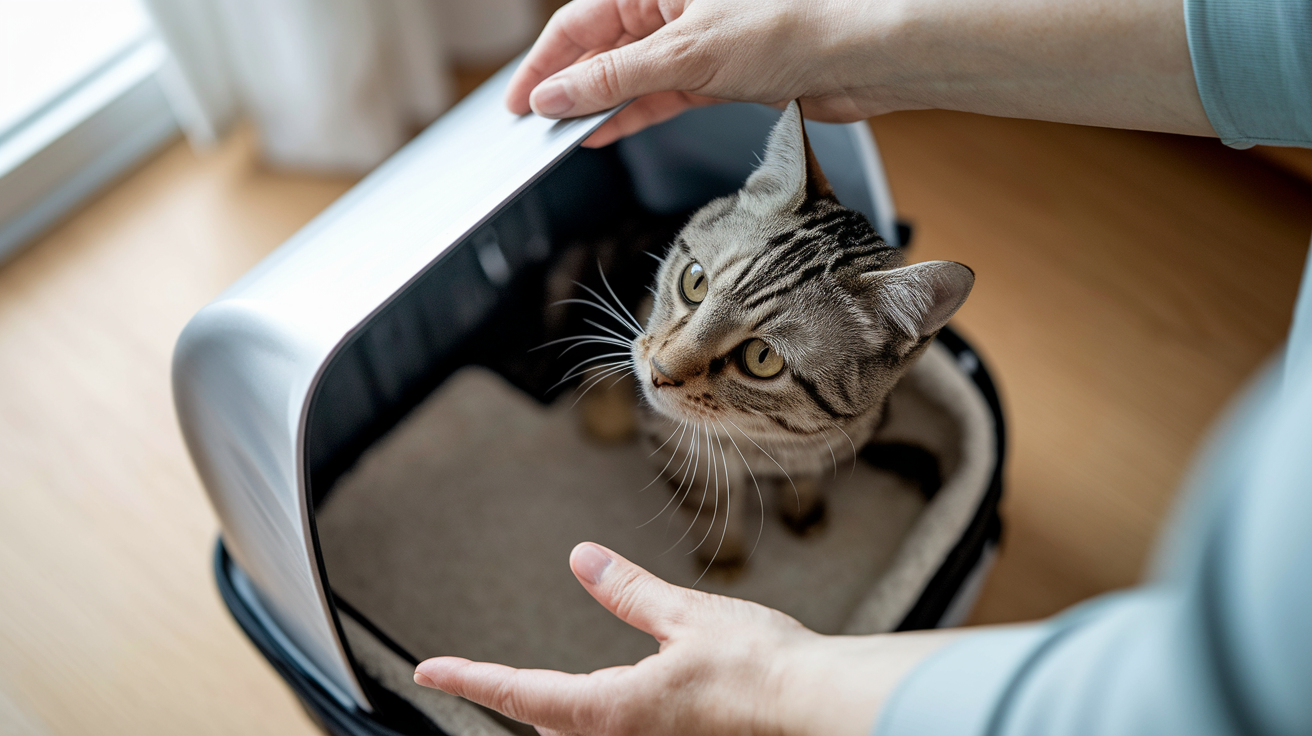
Top-loading carriers cut down on struggle. You place the pet in from above instead of pushing from behind, which feels less like capture and more like gentle settling. That means fewer escape attempts, less scratching at your hands, and a smoother start to stressful trips.
Vertical entry protects paws and legs. When you remove a frightened cat from a front door, their claws and toes can catch on metal frames, hinges, or wire panels. Top-loading eliminates that risk because you lift the pet straight up or let them step out at their own pace.
Vets and groomers appreciate this. They can examine ears, trim nails, or check teeth while the pet stays in the bottom half of an opened carrier, surrounded by their own scent.
Why top-loading often wins for handling:
Faster loading and unloading, especially when the pet is scared or in pain. Easier medication administration or mid-trip comfort checks without full removal. Reduced need to scruff, grab, or pull the pet through a confined opening. Useful for boarding transfers where the top lifts off and the bottom slides into a suite.
Many top-loading designs also offer more internal space because there’s no front door frame eating into the interior. That extra room helps larger cats and small dogs stretch out during longer waits or car rides.
Practical Advantages of Front-Loading Carriers
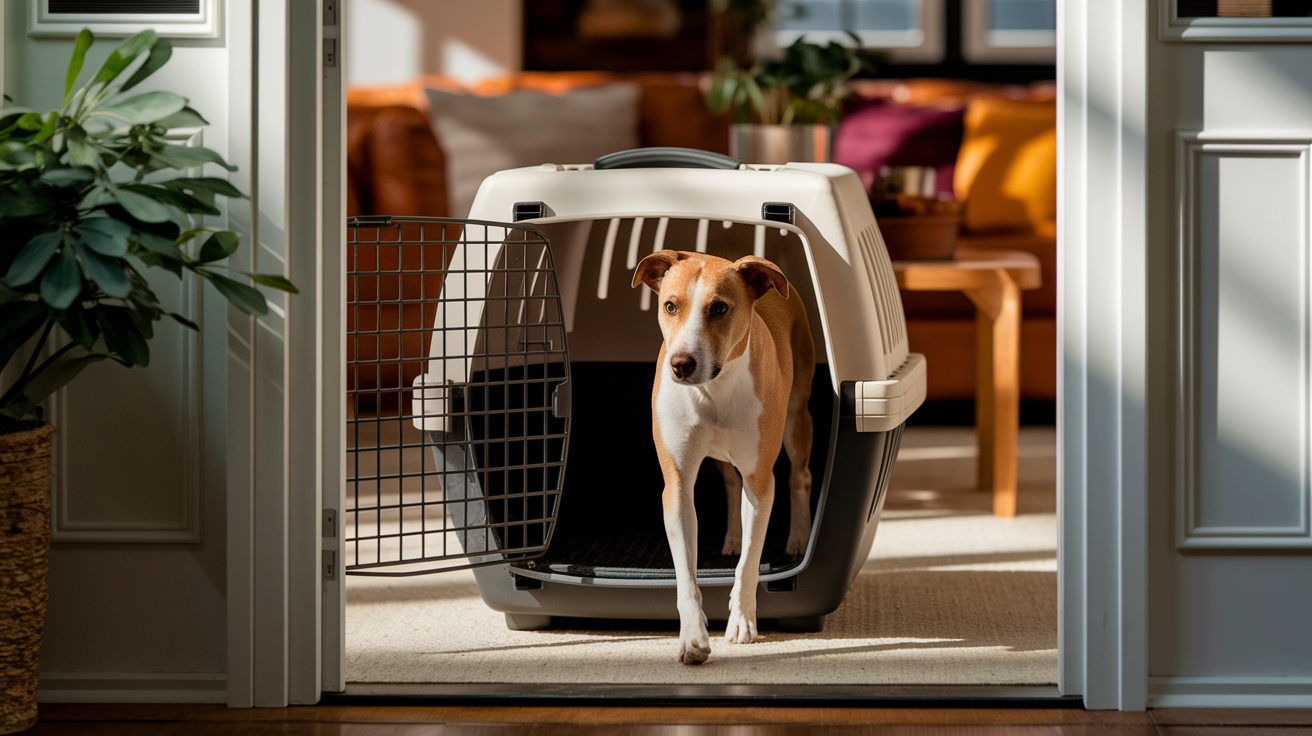
Front-loading carriers suit pets that walk in on their own. If you’ve trained your dog or cat to enter a carrier on cue, a front door feels natural, like stepping into a den. You open it, give the command, and they go in without fuss.
Airline cabin rules overwhelmingly favor front-loading soft carriers. Most airlines specify dimensions and door placement, and the majority of approved models open from the front. If you fly often and need to slide the carrier under the seat in front of you, front-loading is usually your only option. Always verify your airline’s requirements before buying. Rules vary by carrier and aircraft type.
| Type | Benefit |
|---|---|
| Soft front-loading | Lightweight, approved for most in-cabin airline travel |
| Hard front-loading | Stacks and stores easily in closets or car trunks |
| Walk-in training compatible | Pets enter voluntarily with a cue, reducing stress over time |
| Compact design | Fits tight spaces, easier to carry short distances |
Front-loading models are often lighter and easier to carry through airport terminals or crowded waiting rooms. They pack flat or nest together for storage, a helpful feature if you own multiple pets or need to tuck the carrier away between uses.
Advanced Behavioral Conditioning and Safety Engineering Factors
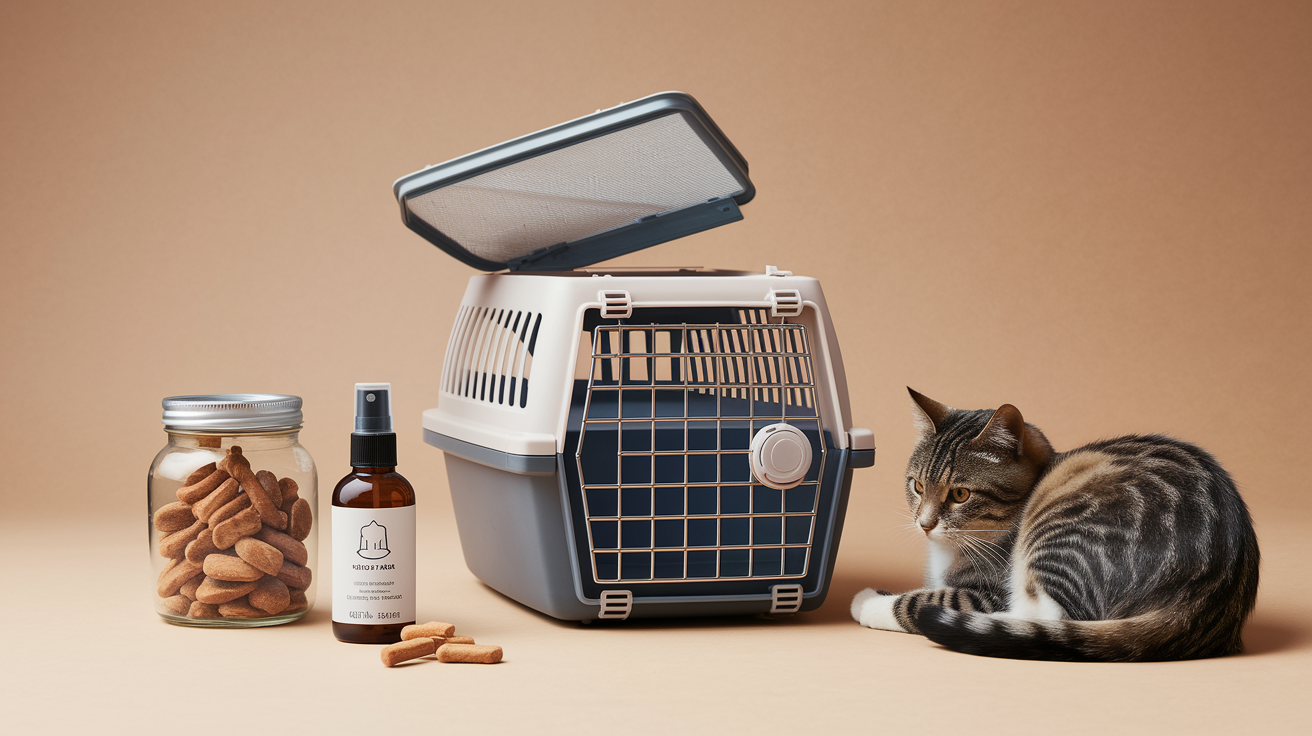
Long-term carrier acceptance depends on more than door style. Where you keep the carrier, how often your pet sees it, and what smells linger inside all shape their willingness to enter next time.
Leave the carrier out in a quiet corner with a soft blanket inside. Let your pet explore it on their terms. No forcing, no surprise trips. Spray a light mist of synthetic pheromone on the bedding if your cat is especially nervous. Feed treats or meals near the carrier, then inside it, so the space becomes linked to good things instead of vet visits.
Safety engineering matters beyond loading orientation. Look for reinforced hinges that won’t bend if your pet thrashes. Check that latches lock securely and can’t pop open mid-trip. Some older models use flimsy plastic clips that fail under pressure.
Anti-escape features include double-locking mechanisms, mesh panels sewn into zipper seams to prevent clawing through, and solid bases that don’t flex when the pet pushes. If your pet has a history of breaking out, prioritize hard-shell construction and metal fasteners over lightweight soft sides.
Visibility and airflow influence comfort more than you’d expect. Pets that can see out often settle faster because they can monitor their surroundings. Full mesh panels provide maximum ventilation but may overwhelm anxious pets with too much visual stimulation. Partial visibility, like small side windows plus solid walls, offers a balance.
Den-like sizing also calms most cats and small dogs. They prefer snug spaces where they can brace themselves during movement. Oversized carriers feel unstable and increase stress.
Features that reduce long-term anxiety and escape behavior:
Familiar scent cues work wonders. Leave worn clothing or bedding inside between trips. Low-light environment during acclimation helps too, dim rooms or a towel draped over the carrier. Consistent positive associations matter: treats, play, or feeding near and inside the carrier. Proper ventilation placement to avoid dead air pockets while maintaining a cozy feel. Secure construction that doesn’t rattle, creak, or flex, which can startle nervous pets.
Materials, Construction, and Feature Differences Between Top and Front-Load Carriers
Hard-shell carriers provide stability and protect pets during jostling or minor impacts. Plastic or molded resin won’t collapse if something heavy lands on top in a car trunk. Soft carriers weigh less and compress for storage, but they offer minimal crash protection and can tear if a pet panics. Many airlines require soft carriers for in-cabin travel because they fit under seats, but always check the rules.
Ventilation placement shifts with door orientation. Front-loading carriers often have vents on the sides and back, keeping airflow steady while the door stays shut. Top-loading models add vents around the top panel or cut larger holes in the sides because the top itself opens for access.
Removable tops on some top-loading carriers make deep cleaning simple. You pull off the lid, hose down the bottom, and reassemble. Avoid carriers held together with pins or screws. Older models can take up to 10 minutes to disassemble, and the hardware rusts shut over time.
Construction details that matter:
Removable, washable liners catch accidents and control odor without replacing the whole carrier. Reinforced metal hinges and latches outlast plastic clips, especially on carriers used frequently. Quick-release clips instead of screws speed up vet visits and cleaning routines. Padded shoulder straps or handles reduce hand strain during longer carries, though shoulder straps can cause tilting with some models.
Choose rust-resistant fasteners and stain-resistant interiors if you plan to use the carrier for years. Carriers with easily replaceable parts, like snap-in liners or modular door panels, save money long-term compared to models you’ll need to throw out after a single chewed zipper or cracked latch.
Choosing the Right Carrier Size and Fit for Your Pet
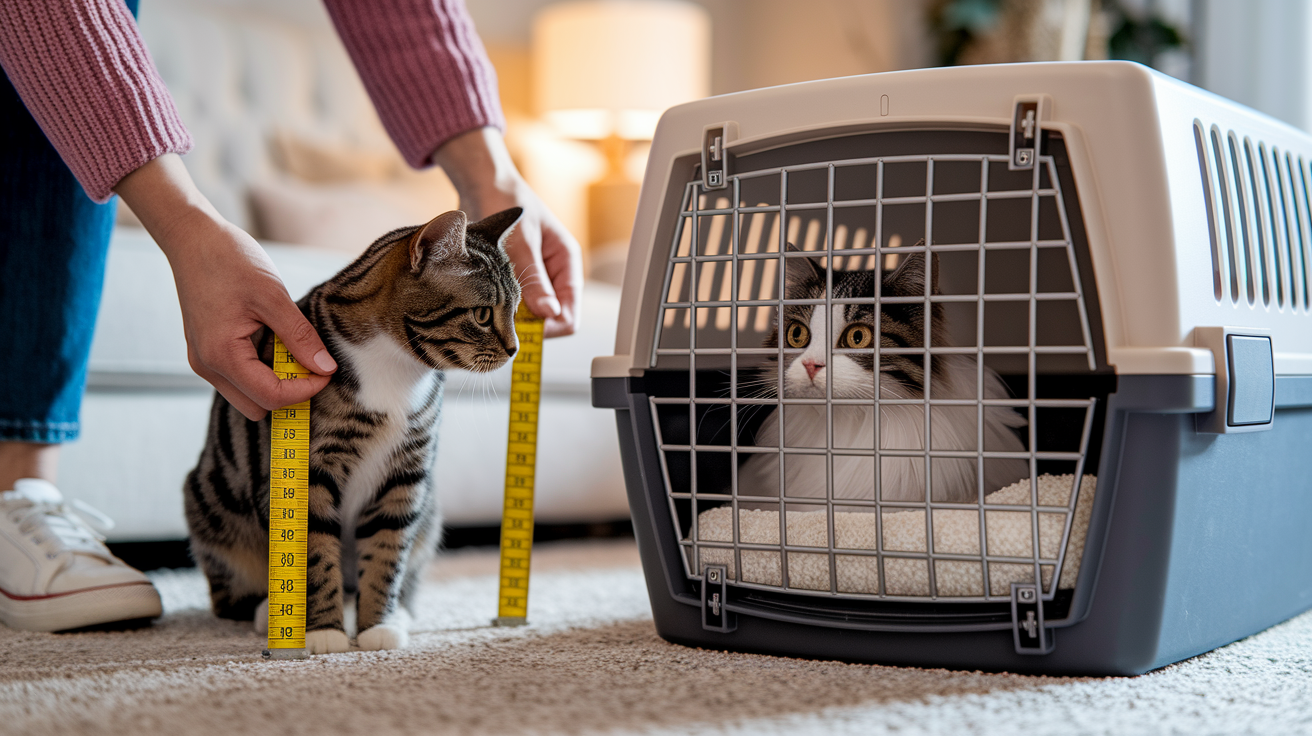
Measure your pet from nose to base of tail, then add two inches. Measure height from floor to the top of their head when sitting, then add two inches. Those numbers give you minimum interior dimensions.
Don’t oversize. Cats especially prefer snug spaces that feel secure, like a den. Many owners buy carriers that are too large, thinking more room equals more comfort. It doesn’t. Extra space makes pets slide around during movement, which increases stress.
For car travel, your pet should touch at least two sides of the carrier when they sit or lie down. That contact keeps them stable during turns and stops, reducing injury risk in a crash. Larger breeds like Maine Coons can fit comfortably in carriers around 24 inches long by 14 inches wide, but always verify the interior dimensions match your measurements. Exterior size can be misleading.
Steps to size correctly:
Measure your pet’s length (nose to base of tail) and height (floor to top of head when sitting), then add two inches to each. Compare those numbers to the carrier’s interior dimensions, not the exterior packaging size. Check that your pet can stand fully, turn around, and lie flat without their head or tail touching the walls. For anxious pets, lean toward the smaller end of the acceptable range to create a den-like feel, but never so tight they can’t shift positions.
Padding and head clearance also matter. A carrier with a low ceiling forces your pet to crouch, which gets uncomfortable on longer trips. Look for models with at least one inch of clearance above your pet’s head when they sit. Washable fleece or foam liners add comfort without taking up much space, and they cushion joints during stops and turns.
Cleaning, Maintenance, and Longevity Considerations

Top-loading carriers with removable tops let you pull the lid off and hose down the base in seconds. Front-loading models often require you to reach inside through the door with a sponge or disassemble the frame entirely, which takes longer and leaves corners you can’t reach. Washable liners and removable bottom trays make odor control manageable. Pull them out after every trip, toss them in the wash, and snap them back in.
Avoid carriers with metal pins or screws holding the top and bottom together. Those fasteners corrode and seize, especially if the carrier gets wet or sits in a humid garage. Rust-stained plastic is hard to clean and looks shabby fast. Modern carriers use snap-on clips or heavy-duty zippers that last years without jamming or breaking.
Maintenance tips for long carrier life:
Wipe down hard surfaces with pet-safe disinfectant after vet visits to remove clinic smells and bacteria. Air-dry carriers completely before storing to prevent mold in seams and corners. Replace liners and bedding every six months or sooner if they hold odors despite washing.
Choose odor-resistant materials like treated nylon or antimicrobial plastics if your pet tends to have accidents. Some soft carriers include removable, machine-washable covers that zip over the frame, offering an easier refresh than scrubbing every panel by hand.
Travel Use Cases: Vet Visits, Car Trips, and Airline Compliance
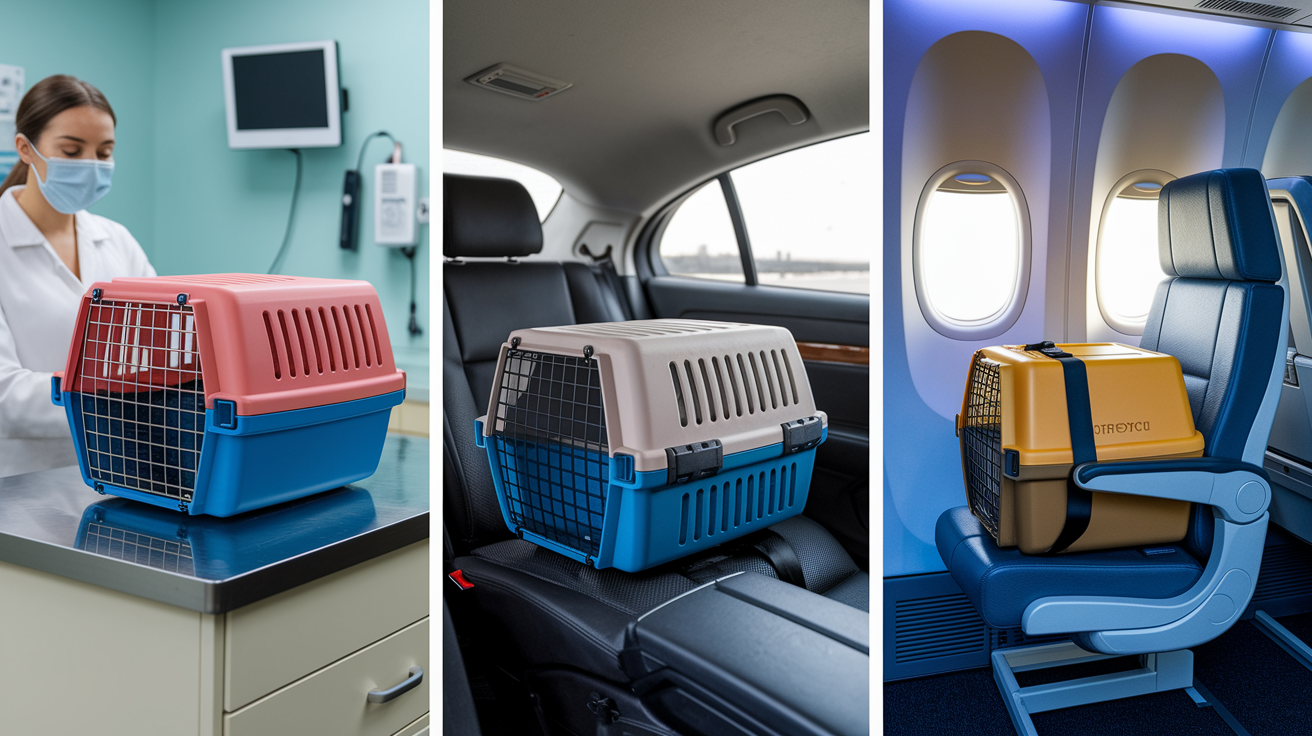
Top-loading carriers simplify vet visits because the doctor can lift the lid and examine your pet without forcing them out. Cats especially benefit. They stay in the bottom half, surrounded by their own scent, which keeps them calmer during ear checks, nail trims, and temperature readings. Grooming appointments work the same way. Less handling stress means less resistance.
Car travel demands stability. Secure the carrier with a seatbelt threaded through built-in loops or straps. The carrier should sit flat on the seat, not tilt or slide. Your pet touching at least two sides of the interior keeps them steady during turns and sudden stops, reducing the chance of being thrown against the walls. Hard-shell carriers handle crashes better than soft ones. They won’t collapse if luggage shifts or another object hits them.
Airline cabin rules usually require soft-sided carriers with front openings that fit under the seat in front of you. Dimensions vary by airline and aircraft model, but most specify maximum length around 18 inches, width around 11 inches, and height around 11 inches. Top-loading models rarely meet these standards because the opening mechanism adds height or the structure doesn’t compress. Always verify your airline’s rules before buying. Some carriers ban certain materials or latch types.
Best carrier by trip type:
| Trip Type | Recommended Carrier |
|---|---|
| Vet visits and grooming | Top-loading hard or soft carrier for easy access and reduced handling stress |
| Short car trips | Any carrier with secure latching and seatbelt routing, prioritize stability over door style |
| Long car trips | Hard-shell carrier with good ventilation and room to turn around, plus a stable base |
| Airline in-cabin travel | Soft front-loading carrier that meets your airline’s published size limits and material requirements |
For boarding, top-loading carriers with removable tops make transfers smoother. Staff can slide the bottom half into a suite without pulling a frightened pet through a door, lowering the chance of scratches, bites, or escape attempts.
Budget, Value, and What Features Are Worth Paying For
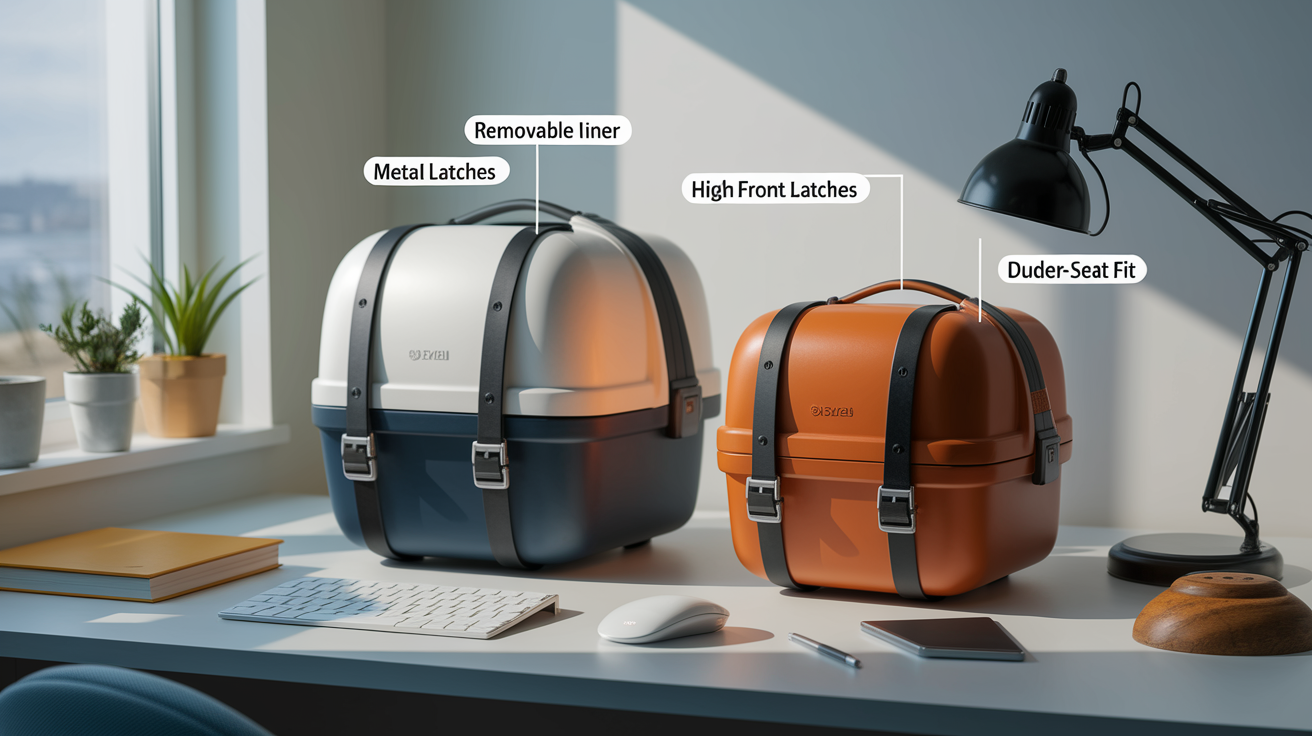
Modern carriers range from around $30 for basic two-door hard models to over $150 for premium soft carriers with reinforced frames and extra pockets. Price alone doesn’t guarantee quality. Look for specific features that match your needs. Paying extra for a top-opening mechanism makes sense if you visit the vet often, but it’s wasted money if your pet travels by plane and only front-loading models qualify.
Dual-entry carriers, those with both top and front doors, add versatility. You pay slightly more, usually $10 to $20 above single-entry models, but you gain flexibility for different situations. If your budget allows, that added cost is often worth it.
Durable materials justify higher prices when you plan to use the carrier for years. Reinforced stitching, rust-resistant hardware, and thick plastic shells outlast cheaper versions that crack, tear, or corrode within months.
| Feature | Why It Matters |
|---|---|
| Top or dual-entry access | Reduces stress during loading, worth the extra cost if you handle your pet often or visit the vet regularly |
| Removable, washable liner | Saves money long-term by avoiding full carrier replacement after accidents or odor buildup |
| Metal latches and hinges | Lasts years longer than plastic clips, prevents escape and reduces risk of sudden failure mid-trip |
Skip unnecessary extras like built-in food bowls, decorative trim, or excessive pockets unless you genuinely need them. Those features drive up cost without adding real value for most pet owners. Focus your budget on access type, material durability, and ease of cleaning.
Training Pets to Use Top and Front-Entry Carriers
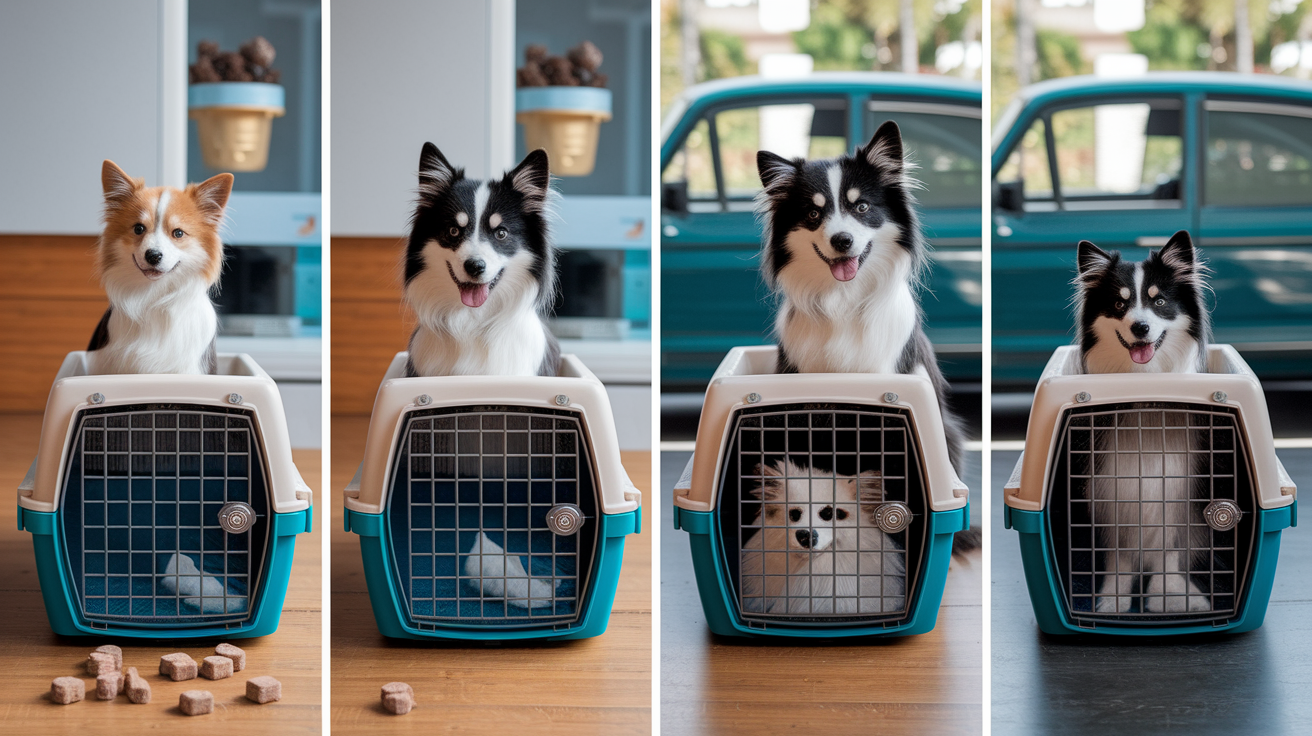
Start training weeks before you need the carrier. Leave it open in a room your pet uses daily, door removed or propped wide. Toss treats inside. Let curiosity do the work. Most pets will investigate on their own if they don’t associate the carrier with bad memories yet.
Once your pet enters willingly, feed a meal inside. Close the door for a few seconds, then open it and let them out. Repeat daily, gradually increasing the time the door stays shut. Praise calmly. No excited voices that might amp up anxiety.
For top-loading carriers, practice lowering your pet in gently from above while giving treats, so they learn that motion predicts good things instead of a vet trip.
Slow introduction works for both door styles, but top-loading carriers reduce resistance during early training because you’re not pushing the pet forward. Front-loading carriers require more patience if your pet refuses to walk in. You’ll need to pair the entry motion with high-value rewards until it becomes routine.
Four steps to build carrier confidence:
Place the carrier in a familiar room with the door open or removed. Add a soft blanket and a few treats inside. Let your pet explore without pressure. Feed meals or offer favorite treats inside the carrier. Gradually move the food deeper into the interior over several days. Close the door briefly while your pet eats, then open it immediately. Repeat daily, extending the closed time by a few seconds each session. Pick up the carrier and walk a few steps while your pet is inside and calm. Reward with treats. Build up to short car rides around the block before attempting a full trip.
If your pet panics, back up a step. Forcing progress too fast can undo weeks of work and create new negative associations. Patience and repetition build long-term acceptance better than any shortcut.
Final Words
If you need a carrier for vet trips or handling, a top-loading model usually wins; for airline cabin travel and easy packing, front-loading is often better. Both types have places they shine.
Top-loading tends to lower handling stress and avoids dragging or paw-catching. Front-loading works well when your pet will walk in and meets many airline rules. Fit, material, and training still matter.
Try short, positive practice sessions before travel. And call your vet if your pet’s showing severe stress, trouble breathing, or sudden collapse. Choose the top loading vs front loading pet carrier that keeps your pet calm and safe.
FAQ
Q: Can a cat stay in a crate all night?
A: A cat can stay in a crate all night if the crate is roomy, has bedding, water, and litter access, and the cat is calm. Call your vet if the cat shows distress, repeated crying, or can’t move.
Q: What is the least stressful way to transport a cat?
A: The least stressful way to transport a cat is to use a secure, familiar-smelling carrier (top-loading helps), cover it with a towel, drive calmly, offer treats, and take short breaks for water and reassurance.
Q: What kind of dog carrier is best?
A: The best kind of dog carrier is the one that fits your dog’s size and travel needs: hard-shell for car stability, soft front-entry for airline cabin rules, and top-entry for anxious dogs needing gentle handling.
Q: Do cats prefer small or large carriers?
A: Cats often prefer smaller, den-like carriers that feel safe, but the carrier should still let them stand, turn, and lie down comfortably. For car trips, avoid oversized crates that let them slide around.