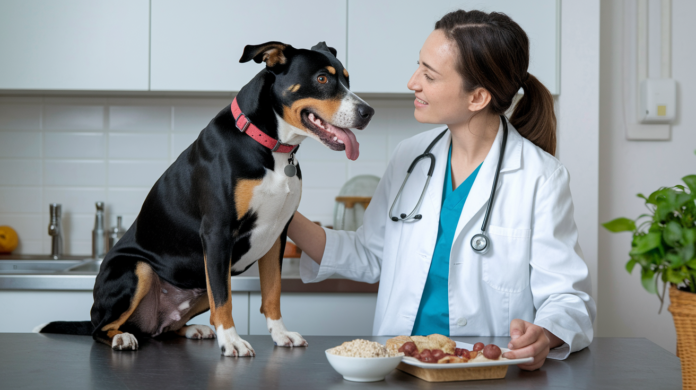

Can dogs really be healthy on a vegan diet, or is that just a risky fad?
Veterinarians answer: yes, it can be safe, but only when the food is nutritionally complete, properly supplemented, and monitored.
Research and clinical trials show dogs can do well on well-formulated plant-based diets, yet poorly made homemade plans have caused real harm like heart and nutrient problems.
This post explains what vets actually say, which nutrients you must watch, and how to switch safely with vet support.
Veterinary Consensus on the Safety of Vegan Diets for Dogs

Dogs are omnivores. Unlike cats, who need meat to survive, dogs evolved with the genetic tools to digest both plants and animals. A 2013 genomic study found that domestic dogs carry between 4 and 30 copies of the AMY2B gene, the one responsible for breaking down starch. Wolves only have about 2 copies. That shift happened somewhere between 5,000 and 7,000 years ago, and it means dogs can, in theory, get what they need from plants.
But theory and your dog’s dinner bowl are two different things.
Here’s where vets actually stand: a vegan diet can be safe for dogs, but only if it’s properly balanced and nutritionally complete. There’s no blanket endorsement because the research we have is still limited. When things go wrong, it’s almost always because something’s missing. Taurine. Vitamin B12. Amino acids like cysteine. Bioavailable minerals. Vitamin D. A 2016 review comparing vegetarian and meat-based diets said dogs can thrive on plants, but the diet has to meet canine nutrient profiles. Not “might need to.” Has to.
Scientific studies show mixed results. Dogs on properly formulated commercial vegan diets often maintain normal blood values, healthy coats, stable energy. A 2023 one-year trial reported positive clinical and nutritional outcomes. A 16-week study that included 10 weeks of competitive racing found that dogs on meat-free diets kept their red blood cell counts and hemoglobin in normal ranges. Vets rated them in excellent physical condition.
On the flip side, dogs fed poorly formulated homemade vegan diets have developed heart issues, amino acid deficiencies, poor coats, weight loss, lethargy.
So the safety of a vegan diet for your dog doesn’t depend on whether plants are okay for dogs in general. It depends on whether the specific food you’re using is complete, balanced, and monitored by a vet.
Essential Nutrients Dogs Need and How Vegan Diets Supply Them
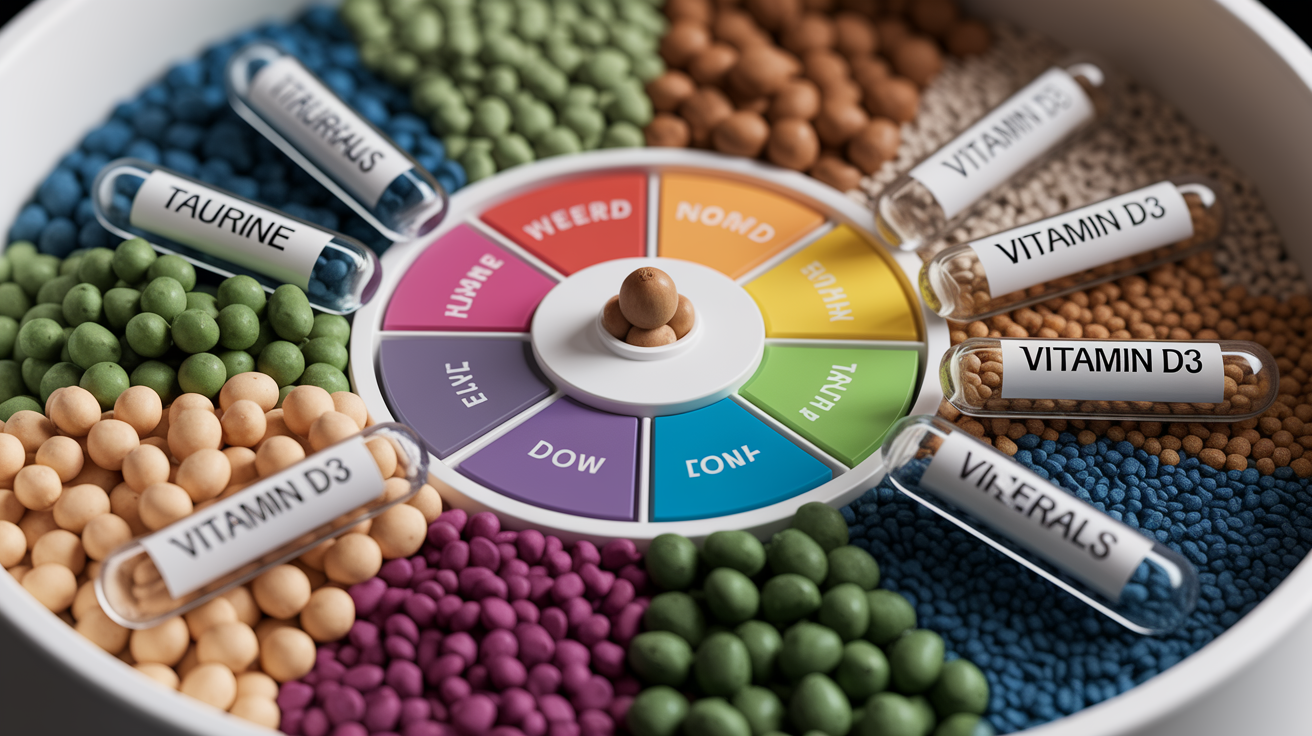
Dogs need a full spectrum of nutrients that traditionally come from animal sources. Complete protein with all essential amino acids, including taurine, L-carnitine, and cysteine. Vitamin B12. Preformed vitamin D3. Bioavailable minerals like calcium, phosphorus, iron. Omega-3 fatty acids. Many of these are minimal or absent in plants, or they show up in forms dogs can’t absorb well. For example, dogs can use vitamin D2 from plants, but animal-based vitamin D3 is more bioavailable. Taurine is mostly found in muscle meat, organs, seafood. Some dogs can synthesize enough taurine from other amino acids. Many can’t, especially on diets low in the building blocks taurine is made from.
Commercial vegan dog foods that meet AAFCO nutrient profiles for adult maintenance are formulated to address these gaps through careful ingredient combinations and synthetic supplementation. A 2017 comparison of animal-based versus vegetable-based diets concluded that endogenous mineral digestibility is similar or greater in largely plant-based formulas, provided the formula is properly designed. Plant proteins from beans, corn, soy, whole grains, peas, and lentils can deliver complete amino acid profiles when combined thoughtfully. That’s called protein complementation.
Homemade vegan diets are far trickier and carry high risk of deficiency without expert guidance. The nutrients most likely to fall short:
Taurine – mostly absent from plant foods and critical for heart and eye health
Vitamin B12 – only available naturally in animal products, must be supplemented
Bioavailable calcium and phosphorus – proper ratio (roughly 1:1 to 2:1 calcium to phosphorus) is essential to prevent metabolic bone disease
Vitamin D3 – dogs rely on dietary sources, plant vitamin D2 is less effective
Omega-3 fatty acids (EPA and DHA) – found in fish, plant sources like flax provide ALA, which dogs convert poorly
Scientific Evidence: Health Outcomes of Dogs on Vegan Diets

Research from 2020 through 2023 suggests that dogs fed properly formulated vegan diets can maintain normal clinical markers. A 2023 one-year feeding trial of a commercial plant-based diet reported positive outcomes across clinical exams, bloodwork, health assessments over 12 months. A 2014 university study expected to find iron and B12 deficiencies in vegan-fed dogs but found no significant deviations compared with meat-fed controls when the diets were nutritionally complete. Starch digestibility studies from 1999 and 2008 measured apparent digestibility above 98% for corn, rice, barley, potato, wheat, sorghum, peas, and lentils. Dogs digest plant carbohydrates efficiently.
Positive outcomes reported in controlled trials include stable red blood cell counts, hemoglobin levels within normal ranges, healthy body condition scores, excellent physical assessments by veterinarians even during periods of high activity. A 16-week trial that included competitive racing found no decline in performance or health markers. A 2016 analysis of 297 dogs with adverse food reactions identified beef (34%), dairy (17%), chicken (15%), and wheat (13%) as the most common allergens. That suggests plant-based diets may reduce exposure to the animal proteins most frequently linked to food sensitivities in dogs.
But concerns and limitations remain significant. Long-term population-level data is still limited compared with decades of traditional meat-based feeding. Poorly formulated vegan diets, whether homemade or commercial products that don’t meet AAFCO standards, have been linked to taurine-related dilated cardiomyopathy (an enlarged, weakly contracting heart), amino acid deficiencies, poor coat quality, weight loss. The difference between success and failure often comes down to whether the diet includes appropriate supplementation and whether it was designed by someone who understands canine nutrient requirements.
Ongoing veterinary monitoring isn’t optional. Even with a high-quality commercial diet, periodic bloodwork and physical exams help catch early signs of deficiency before they become serious.
Risks and Warning Signs of Poorly Formulated Vegan Diets
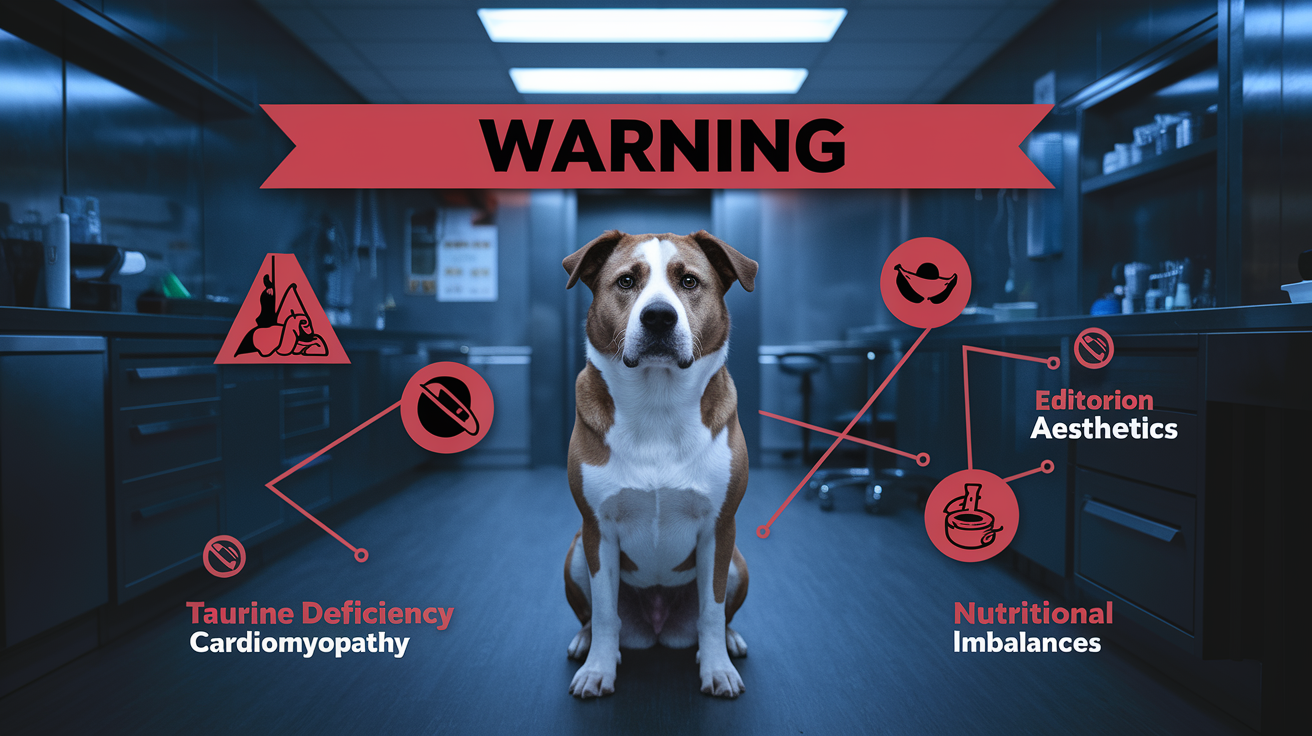
The risks of feeding a poorly formulated vegan diet are real and can appear quickly. Muscle-meat-only diets (whether plant or animal) cause calcium and phosphorus imbalances that lead to metabolic bone disease. Diets lacking taurine can trigger dilated cardiomyopathy, a condition that can be irreversible if not caught early. Protein deficiency results in muscle wasting, low energy, a dull, thinning coat. Vitamin B12 deficiency leads to anemia and neurological problems. Without adequate omega-3 fatty acids, dogs may develop skin inflammation and poor wound healing. In many cases, deficiency signs show up within weeks if the diet is seriously incomplete.
Behavioral risks also matter. Some dogs simply refuse to eat meat-free food, and prolonged refusal or selective eating can lead to malnutrition even if the food itself is balanced. Gastrointestinal upset, loose stools, vomiting, excessive gas during or after a diet change can signal intolerance or incomplete digestion. If your dog stops eating, loses weight rapidly, or seems lethargic and uninterested in normal activities, that’s a red flag.
Watch for these early warning signs:
Unexplained weight loss or failure to maintain body condition
Dull, dry, or thinning coat and increased shedding
Low energy, lethargy, or reluctance to play or exercise
Loose stools, vomiting, or persistent digestive upset
Pale gums or signs of anemia (weakness, rapid breathing)
Refusal to eat or selective eating that leaves nutrients behind
Potential Benefits of a Well-Designed Vegan Dog Diet
When formulated properly, vegan diets have shown benefits for some dogs. Owners and veterinarians report improvements in food allergies, chronic digestive issues, weight management. Because the most common canine food allergens are beef, dairy, chicken, and lamb, removing animal proteins can reduce exposure to those triggers. A 2016 review noted potential health benefits in dogs on plant-based diets, including reduced inflammation and better stool quality, though reviewers emphasized that formulation quality was the deciding factor.
Some dogs with liver disease, frequent bladder stones, or specific metabolic conditions benefit from carefully managed protein sources and lower levels of certain amino acids. Scenarios in which veterinary-supervised meat-free diets are sometimes recommended. Plant-based diets also eliminate exposure to low-quality meat byproducts, antibiotics, hormones that may be present in some commercial meat-based pet foods. In the UK, animal products used in pet food must be fit for human consumption, but quality still varies. Some owners prefer the transparency and ingredient control that come with well-formulated vegan products.
Not every dog will see benefits, and individual response varies. What works for one dog may not work for another, even within the same household or breed.
How to Transition a Dog to a Vegan Diet Safely

Any diet change should happen gradually to reduce digestive upset and give your dog’s gut bacteria time to adjust. Abrupt switches often cause vomiting, diarrhea, refusal to eat.
Follow these steps for a safe transition:
Consult your veterinarian first. Get baseline bloodwork and a physical exam, and discuss whether a vegan diet is appropriate for your dog’s age, health, weight, lifestyle.
Choose a commercial vegan dog food that meets AAFCO nutrient profiles for your dog’s life stage (adult maintenance, puppy, senior). Avoid homemade diets unless you’re working directly with a veterinary nutritionist.
Start with a 7 to 14-day transition period. Mix the new vegan food with your dog’s current food, gradually increasing the proportion of new food each day. A common schedule: 25% new food for days 1–3, 50% for days 4–6, 75% for days 7–9, and 100% by day 10.
Monitor stool quality daily. Firm, well-formed stools are normal. Loose, watery, or frequent stools mean you’re moving too fast.
Watch energy levels, appetite, coat condition. Any decline, refusal to eat, or signs of lethargy should prompt a pause or slower transition.
Schedule a follow-up vet visit and bloodwork 4 to 6 weeks after the full transition to confirm your dog is maintaining healthy nutrient levels.
Some dogs require slower transitions, especially if they have sensitive stomachs, a history of food allergies, or conditions like pancreatitis or inflammatory bowel disease. If your dog vomits repeatedly, refuses to eat for more than 24 hours, or develops diarrhea that lasts more than two days, stop the transition and call your vet. A diet change should never cause prolonged distress, and pushing through warning signs can lead to dehydration, nutrient depletion, worsening health.
When Vegan Diets Should Not Be Used for Dogs
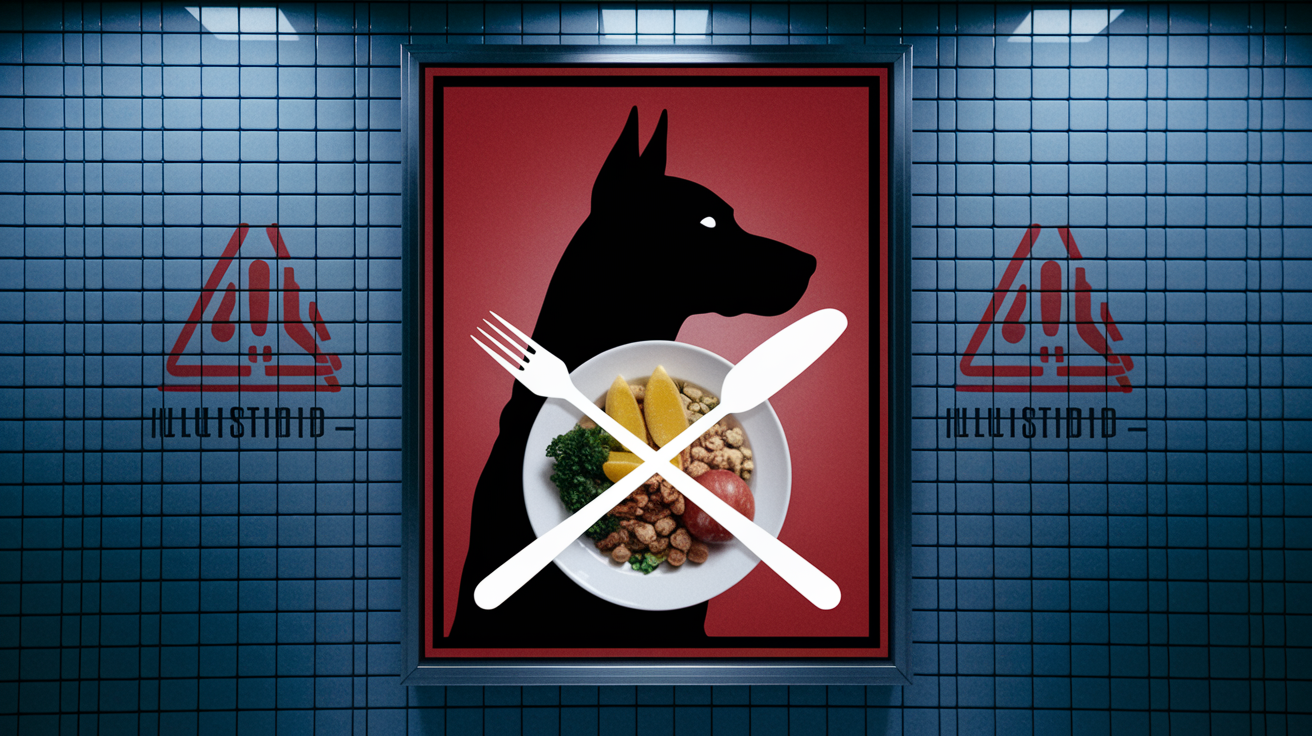
Vegan diets aren’t appropriate for all dogs. Puppies, pregnant dogs, lactating dogs have significantly higher protein, calcium, and calorie needs to support growth, fetal development, milk production. Even commercially formulated vegan diets labeled for “all life stages” may not provide adequate nutrition during these high-demand periods without close veterinary oversight and additional supplementation.
Dogs with certain health conditions shouldn’t be fed vegan diets without explicit veterinary guidance. Pancreatitis often requires low-fat diets, and many plant-based foods are high in fiber and fat from nuts, seeds, oils. Kidney disease requires carefully controlled protein and phosphorus intake, parameters that are difficult to manage without professional formulation. Dogs with a history of dilated cardiomyopathy, especially breeds predisposed to the condition (Dobermans, Great Danes, Boxers, Cocker Spaniels), may be at higher risk on diets low in taurine or L-carnitine.
Specific metabolic disorders, liver disease, dogs recovering from surgery or serious illness may also need nutrient profiles that are easier to achieve with animal-based ingredients. If your dog is underweight, has a poor appetite, or has been diagnosed with anemia or other nutrient deficiencies, a vegan diet isn’t the time to experiment. Always tailor the diet to the individual dog. When in doubt, consult a veterinary nutritionist who can craft an appropriate meal plan and supplementation strategy.
Final Words
A properly made vegan dog diet can work, but only with complete nutrition, vet oversight, and careful transitions. We covered the veterinary view, the nutrients dogs need, what studies show, early warning signs to watch, possible benefits, and step-by-step switching advice.
If you try this, pick a vet-approved or commercial formula that meets nutrient profiles, watch coat, weight, energy, and bloodwork, and pause if problems appear.
With the right plan and checks, vegan diet for dogs safe is possible and often hopeful.
FAQ
Q: Can dogs live healthy on a vegan diet and what do vets say about vegan diets for dogs?
A: Dogs can live healthy on a vegan diet when it’s complete, balanced, and vet-approved. Vets often say caution is needed, especially for puppies, pregnant, or ill dogs; ensure supplements and regular blood checks.
Q: What do vegans feed their pet dogs?
A: Vegans feed their pet dogs commercial plant-based foods or carefully supplemented homemade recipes designed to meet AAFCO nutrient profiles, with added taurine, B12, omega-3s, and routine veterinary monitoring.