

Is your pet carrier really safe, or just convenient?
A ventilated pet carrier helps your animal by keeping air moving, stabilizing temperature, and letting CO2 leave so breathing’s easier.
Poor airflow can trap heat fast, a parked car can climb about 20 degrees F in 10 minutes, so mesh panels and cross-ventilation cut heat, humidity, and stress.
This article shows the main ventilated pet carrier benefits that protect your animal’s health, which vent designs work best, and what to check before every trip.
Key Advantages of a Well‑Ventilated Pet Carrier

A well‑ventilated pet carrier protects your animal’s health by keeping the inside temperature stable and making sure they can breathe normally while you’re on the road. Ventilation lets air move in and out continuously, so the temperature inside stays close to what’s around you (ideally 68 to 75°F for most pets). Without that steady airflow, the space heats up fast. A parked car can gain about 20°F in just 10 minutes, and a carrier with poor ventilation traps that warm, damp air right around your pet. Good airflow stops that buildup and helps them cool down naturally through panting.
It also keeps things safer for their lungs by reducing carbon dioxide and letting fresh oxygen circulate. When a pet breathes in a tight space with limited airflow, CO₂ can stack up, which makes breathing harder and stresses them out. Mesh panels across three sides create cross‑ventilation that keeps air moving and pushes out stale, humid air. This steady exchange lowers the chance of respiratory strain and keeps your pet comfortable on trips that last anywhere from 30 minutes to several hours.
From a vet’s point of view, bad ventilation is one of the top reasons pets end up with heat stress or heatstroke during transport. Warning signs include heavy panting, drooling, gums that look pale or bright red, lethargy, and in serious cases, collapse. These symptoms can show up quickly, especially in warm weather or when a carrier sits in direct sunlight. A carrier with multiple mesh openings and breathable materials cuts those risks by letting heat escape and supporting your pet’s natural cooling system.
Beyond temperature and breathing, ventilation improves how your pet feels mentally. Carriers with mesh or open‑front panels let pets see you and what’s going on around them, which reduces that trapped feeling and lowers anxiety during car rides, public transit trips, and flights. Visual contact and airflow work together to create a calmer travel experience, cutting down on pacing, noise, and escape attempts.
The top measurable benefits of strong carrier ventilation include:
- Temperature stays steady, preventing rapid internal heat buildup
- Breathing stays easier through continuous oxygen and CO₂ exchange
- Lower stress and anxiety from being able to see and get fresh air
- Faster moisture evaporation that supports cooling through panting
- Better odor and humidity control that improves hygiene and comfort
These advantages apply to all travel situations, from short errands in the car to longer plane trips. They become critical when you’re moving pets in warm weather, high humidity, or tight spaces like airplane cabins.
Airflow Design Features That Improve Carrier Ventilation

How well a carrier ventilates depends on where the openings are, how big they are, and how many there are. Cross‑ventilation happens when air can come in through one side and leave through another, creating a steady flow that stops pockets of stale, warm air from forming. Carriers with mesh panels on at least two opposite sides, plus a top vent or opening, get this cross‑flow going and can bring the internal temperature into balance 20 to 40 percent faster than carriers with a single small vent or no mesh at all. The shape of the vents matters too. Large, open mesh panels allow more air movement than small holes, and panels positioned near your pet’s head and chest make breathing more comfortable.
Materials and how things are built also affect airflow. Soft‑sided carriers usually use breathable fabrics like polyester mesh or nylon with woven ventilation zones, while hard‑shell carriers depend on perforated plastic or metal grates. Mesh density affects both airflow and how strong the structure is. Fine mesh blocks bugs and debris but can slightly restrict airflow, while coarser mesh lets more air through but may need reinforcement around edges to keep it from tearing. Some higher‑end designs combine rigid frames with flexible mesh inserts, balancing durability and breathability.
| Vent Type | Primary Benefit | Typical Use |
|---|---|---|
| Multi‑side mesh panels | Cross‑ventilation and visibility | Soft carriers, in‑cabin travel |
| Perforated hard‑shell vents | Durability and weather resistance | Car crates, cargo travel |
| Top‑access mesh openings | Monitoring and upward airflow | Backpacks, 2‑in‑1 carriers |
| Front open‑panel designs | Visual contact and direct air entry | Short trips, public transit |
Where the vents are placed is just as important as how big they are. A carrier with all vents bunched up on one end will trap air at the other end, while evenly spaced openings make sure air reaches your pet’s entire body. Reinforced vent edges and sealed seams around mesh panels stop fabric from blocking airflow when the carrier gets squished by luggage or seat pressure.
Health Protection Benefits of Strong Carrier Ventilation

Pets regulate body temperature mainly through panting, which needs access to fresh, moving air. When ventilation is cut off, the warm, moist air your pet breathes out stays trapped inside the carrier, making each breath less effective at cooling and forcing them to work harder to stay comfortable. Over time, this trapped air raises humidity inside the carrier, which messes with evaporative cooling and can push your pet’s core temperature toward dangerous levels. Heatstroke risk jumps sharply when core body temperature gets close to or goes over about 106°F, a level that can be reached quickly in a poorly ventilated space on a warm day.
High humidity and stagnant air also strain the respiratory system beyond just temperature effects. Elevated moisture makes breathing feel heavier, and odor buildup from urine, saliva, or nervous drool can irritate nasal passages and lungs. For pets with respiratory conditions, heart issues, or shortened airways, these factors pile up fast and can trigger distress even on short trips. Strong ventilation spreads moisture around, lowers odor concentration, and keeps oxygen‑rich air moving, all of which reduce the workload on your pet’s lungs and cardiovascular system.
Specific vet‑recognized risks tied to bad airflow include:
- Hyperthermia and heatstroke from trapped warm air and impaired cooling
- Increased respiratory rate and open‑mouth breathing due to rising CO₂ levels
- Higher anxiety and stress hormones triggered by poor air quality and confinement
- Greater chance of respiratory infections when humidity and bacterial load stay high
These medical risks aren’t theoretical. They show up as real symptoms like drooling, disorientation, vomiting, weakness, and in severe cases, collapse or seizures. Ventilation directly reduces the chance and severity of these outcomes by keeping air quality good and supporting your pet’s natural temperature control.
Comparing Ventilated vs Poorly Ventilated Carriers

A well‑ventilated carrier and a poorly ventilated one can look pretty similar from the outside, but their performance during travel is night and day. Carriers with mesh on multiple sides, top vents, and breathable fabrics adjust to the surrounding temperature faster and keep better air quality throughout a trip. This 20 to 40 percent improvement in temperature response means that when you turn on the car’s air conditioning or move from a warm sidewalk into a cooler train car, the air inside a well‑ventilated carrier adjusts quickly, keeping your pet comfortable. Poorly ventilated carriers lag behind, trapping heat or humidity for long stretches and forcing your pet to deal with conditions that don’t match the environment you’re trying to control.
The difference becomes even clearer on longer trips or in warmer weather. A carrier with limited airflow lets humidity from panting build up, which creates a clammy, stuffy interior that smells stronger and feels more oppressive. Your pet may pant harder, pace more, and show signs of agitation like whining or scratching at the walls. A carrier with strong cross‑ventilation keeps the air moving, odors spread out, and your pet visibly calmer. Being able to see out matters too. Mesh panels let your pet see you and their surroundings, which reduces that isolated feeling and often cuts down on stress‑related behaviors.
| Feature | Well‑Ventilated Carrier | Poorly Ventilated Carrier |
|---|---|---|
| Internal temperature response | Adjusts quickly to ambient conditions | Traps heat, slow to cool down |
| Humidity and odor | Low buildup, fresh‑smelling interior | High humidity, strong odors |
| Pet respiratory effort | Normal breathing, calm panting | Increased panting, open‑mouth breathing |
| Visibility and stress | Pet can see owner, less agitation | Limited view, higher anxiety |
| Safety on long trips | Suitable for 1+ hour journeys | Risk increases after 30 minutes |
For a 20‑minute car ride to the vet on a mild day, the differences might be subtle. But for a two‑hour drive, a flight, or travel during summer heat, the gap in comfort and safety is real. Poorly ventilated carriers should be avoided for any trip longer than 15 to 20 minutes without active, safe airflow support. They’re especially risky for brachycephalic breeds, elderly pets, or animals with medical vulnerabilities.
Practical Travel Scenarios Where Ventilation Matters
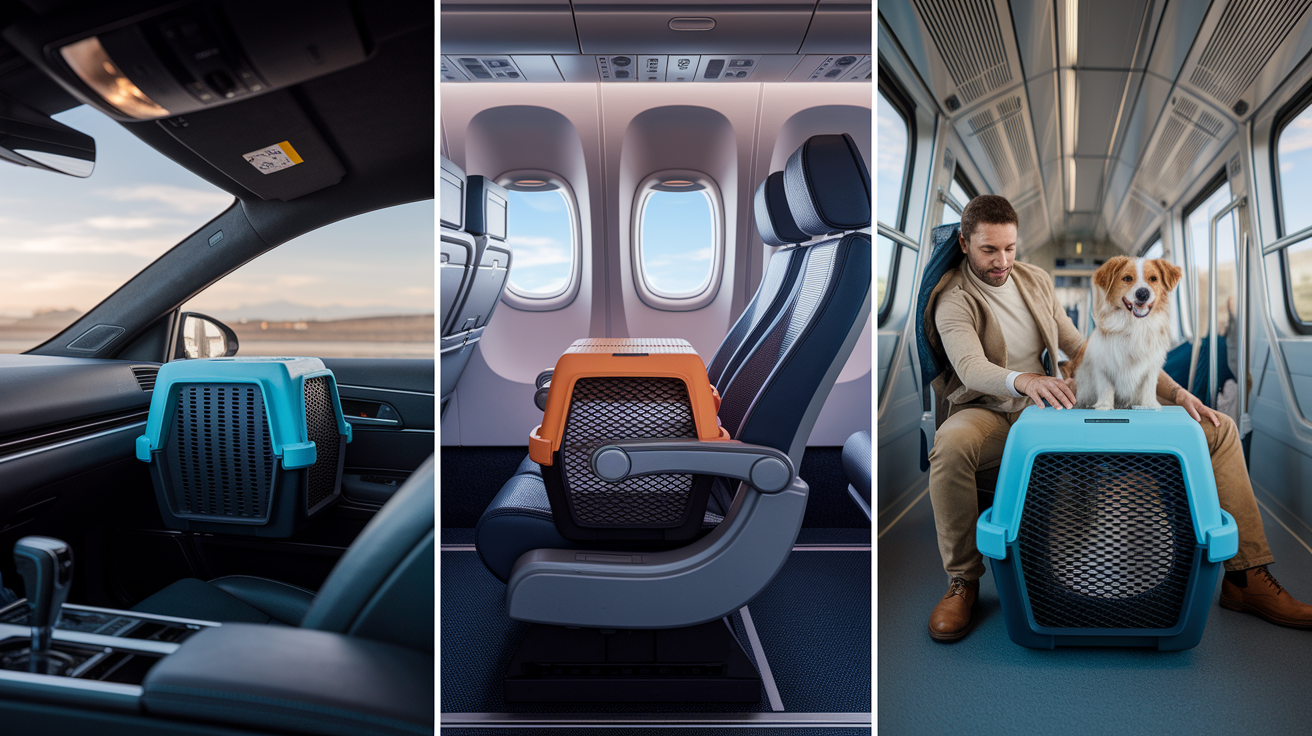
Car travel is the most common situation where carrier ventilation directly affects your pet’s comfort and safety. Keep the cabin air conditioning or heat set to maintain an interior temperature between 68 and 75°F, and put the carrier where airflow from vents or partly open windows can reach it, like on the back seat secured with a seatbelt. On trips longer than an hour, check your pet every 15 to 30 minutes for signs of overheating or distress, like heavy panting, drooling, or restlessness. Offer water every two to three hours. If the weather is warm or your pet shows any discomfort, take breaks to let them out of the carrier in a safe, controlled area. Never leave a pet unattended in a parked vehicle, even with windows cracked. A well‑ventilated carrier helps, but it can’t overcome the rapid temperature rise inside a stationary car exposed to sun.
Airplane travel, especially in‑cabin flights, requires carriers that meet strict size and ventilation standards. Most airlines allow soft‑sided carriers roughly 17 to 19 inches long, 12 to 13 inches wide, and 8 to 10 inches high. They usually require ventilation on at least two sides, often three. These multi‑panel mesh designs make sure airflow happens even when the carrier is tucked under the seat in front of you, where space is tight and air circulation can be limited. Before booking, verify your specific airline’s requirements, because rules vary. Carriers approved for in‑cabin use should have breathable materials, secure zippers, and enough interior room for your pet to stand, turn around, and lie down comfortably. For cargo or checked travel, hard‑sided carriers with perforated vents and airline‑compliant construction are required. Cargo travel isn’t recommended for brachycephalic breeds, very young, elderly, or medically compromised animals due to temperature and pressure variables.
Public transit trips, like buses, subways, or trains, often involve crowded conditions and variable temperatures. Pick a carrier with top‑access mesh and side panels so you can keep an eye on your pet easily and provide reassurance through visual contact. Carriers with open‑front designs work well for short trips and let you check breathing and comfort without fully opening the carrier. In cooler weather or air‑conditioned transit, a carrier with partial mesh and fleece‑lined walls can balance warmth and airflow, but always make sure vents stay unblocked by your lap, bags, or other passengers’ belongings.
Things to think about for specific situations:
- Car trips: secure the carrier with a seatbelt, direct air vents toward it, and check in every 15 to 30 minutes on longer drives
- In‑cabin flights: use an airline‑approved carrier with mesh on three sides and confirm it fits your airline’s under‑seat dimensions
- Public transit: go for carriers with top and side mesh for quick visual checks and calming contact
- Warm‑weather travel: focus on maximum ventilation, avoid midday heat, and bring a portable thermometer and cooling supplies
These steps turn ventilation from a passive feature into an active part of your travel safety plan.
Choosing a Carrier With the Right Ventilation Features

Start by making sure the carrier has mesh panels or vent openings on at least two opposite sides, ideally three. This cross‑ventilation setup lets air flow through the carrier rather than just entering and sitting there. Look for large mesh areas instead of small scattered holes. Panels that cover a good portion of the side walls give better airflow and visibility. Check that the mesh is reinforced around the edges with stitching or rigid frames so it won’t collapse inward when pressure is applied from the outside. That can happen when the carrier is placed on a car seat or squeezed under an airplane seat.
Materials matter as much as design. Breathable fabrics like polyester mesh, nylon, or perforated plastics support steady airflow, while heavy canvas or solid fabric walls without vent cutouts trap air and heat. For soft‑sided carriers, make sure the base is padded but not so thick that it blocks airflow from below. Removable, washable liners are a practical bonus because they let you clean without messing with ventilation. For hard‑shell carriers, inspect the vent holes to make sure they’re evenly spread out and large enough to allow meaningful air exchange. Some hard carriers include adjustable vent covers, which can be useful in cold weather but should stay fully open during warm‑weather travel.
Features to check related to ventilation:
- Mesh or vent openings on a minimum of two sides, preferably three, for cross‑flow
- Top‑access panels or zippers that let you check in quickly and support upward airflow
- Breathable, washable fabrics or perforated hard materials that support drying and hygiene
- Reinforced mesh edges and rigid frames that stop vent collapse under pressure
- Interior dimensions that match your pet’s size: small around 16×10×10 inches for pets up to 10 pounds, medium roughly 19×12×12 inches for 10 to 20 pounds, large about 24×16×16 inches for 20‑plus pounds
- Secure, lockable closures that prevent accidental opening while keeping vents unobstructed
Always measure your pet’s shoulder height and body length, then add two to four inches in each dimension to make sure they can stand, turn, and lie down comfortably. A carrier that’s too small restricts movement and can block vents with your pet’s body. One that’s too large reduces the sense of security and can be harder to secure safely in a vehicle.
Pet‑Specific Ventilation Needs Based on Age and Breed

Brachycephalic breeds (bulldogs, pugs, Boston terriers, Persian cats, and similar flat‑faced animals) face way higher respiratory risks during travel. Their shortened airways make breathing harder even under normal conditions, and poor ventilation makes that challenge worse by limiting fresh air and trapping heat. For these breeds, maximum ventilation isn’t optional. Pick carriers with mesh on all available sides, avoid travel when temperatures go above 75 to 80°F, and keep trips as short as possible. Watch breathing closely every 10 to 15 minutes. Have a plan to cool your pet immediately if you notice increased panting, noisy breathing, or any sign of distress. Many airlines restrict or ban brachycephalic breeds in cargo holds due to documented risks. In‑cabin travel with a highly ventilated carrier is the safer option when air travel is necessary.
Puppies, kittens, elderly pets, and animals with medical conditions like heart disease, respiratory illness, or obesity also need better ventilation and closer monitoring. Young animals regulate temperature less efficiently than healthy adults, and their smaller body mass means they heat up and cool down faster. Elderly pets may have reduced lung capacity or slower temperature regulation, making them more vulnerable to temperature swings. Sick or medically fragile animals often can’t compensate for poor air quality or heat as well as healthy pets can. For all these groups, select carriers with superior airflow, check on them more frequently during travel, and talk to your veterinarian before any trip longer than 30 minutes or in challenging conditions.
Special Considerations for Flat‑Faced Pets
Flat‑faced pets have narrowed nostrils, elongated soft palates, and smaller tracheas, which make every breath harder work than it is for pets with standard muzzle lengths. Heat, humidity, and stress all increase their breathing effort. A poorly ventilated carrier can push them into respiratory distress quickly. Always go for carriers with the largest possible mesh areas, avoid covering vents with blankets or privacy covers, and never place the carrier in direct sunlight or near heat sources. If your flat‑faced pet shows any difficulty breathing, stop travel immediately, move to a cooler environment, and contact your veterinarian.
Hygiene, Odor Control, and Maintenance Benefits of Ventilation

Ventilation plays a direct role in keeping a carrier clean and odor‑free by letting moisture from panting, minor accidents, or spilled water evaporate quickly. A carrier that traps humidity becomes a breeding ground for bacteria, mold, and bad smells, especially if it’s stored damp or used repeatedly without thorough drying. Strong airflow cuts that risk by keeping the interior dry between uses and helping any cleaning moisture evaporate after washes. This faster drying time makes it easier to maintain hygiene and reduces the chance of mold growth on fabric or padding.
Odor control improves a lot with better ventilation because airflow spreads out concentrated smells rather than letting them settle into fabric fibers or padding. Carriers with removable, washable liners and breathable bases are easier to keep fresh because you can clean components separately and let them air‑dry completely before putting everything back together. Mesh panels also make it easier to spot soiling or moisture during routine checks, so you can address problems before they get worse.
Cleaning tips:
- Surface wipe the interior and exterior after every trip, especially if your pet panted heavily or the carrier smells
- Deep clean the carrier monthly or immediately after any accident, urine, vomit, or significant soiling
- Use pet‑safe disinfectants, rinse thoroughly, and let all parts air‑dry fully before storing or reusing to prevent mold and mildew
Regular inspections of mesh seams, zipper tracks, and vent openings help you catch wear or damage early, which keeps both ventilation performance and structural safety intact.
Safety Checks and Monitoring for Ventilated Carriers
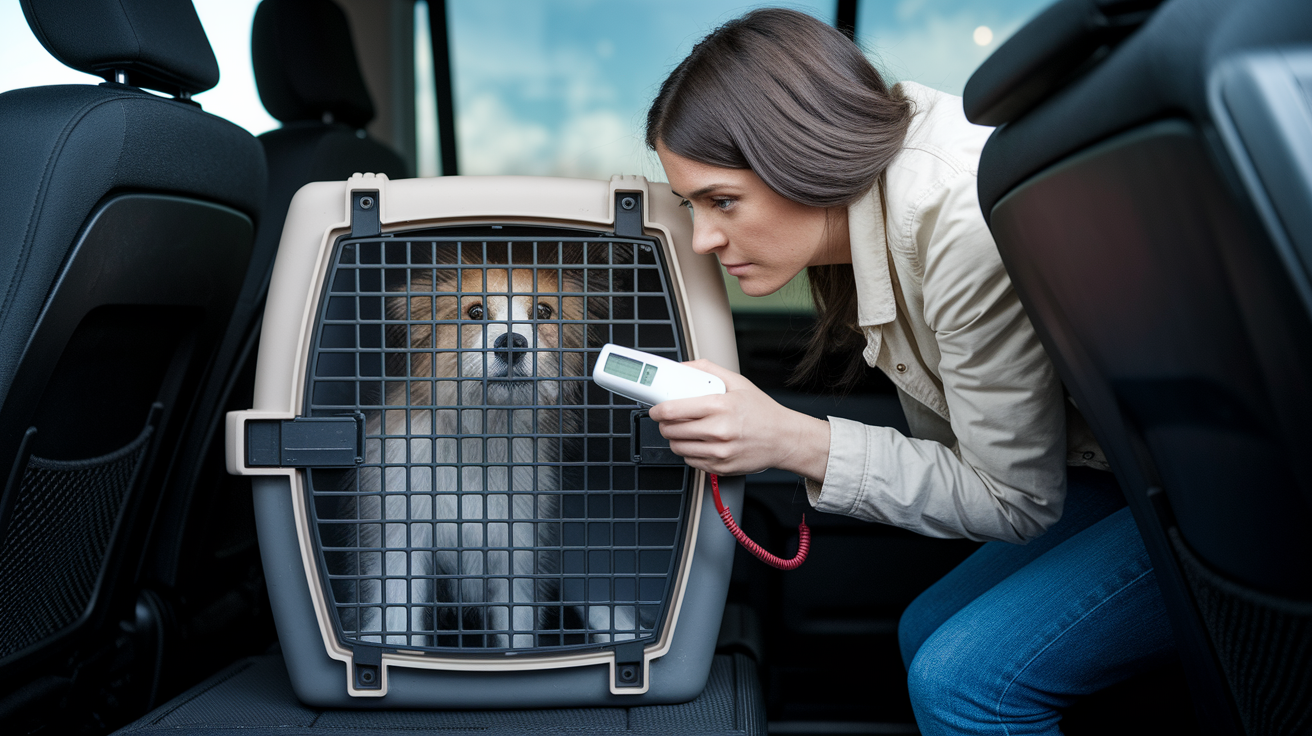
Even with a well‑ventilated carrier, active monitoring is key to catching early signs of distress and responding before a minor issue turns into a medical emergency. On trips longer than 30 minutes, check your pet every 15 to 30 minutes by looking through mesh panels or briefly opening a top vent to watch breathing, behavior, and overall comfort. Normal breathing should be steady and quiet, with occasional calm panting if the environment is warm. Open‑mouth breathing, heavy or noisy panting, drooling, restlessness, whining, or attempts to escape all signal discomfort or distress and need immediate attention.
Carry a portable thermometer if you’re traveling in warm weather or with a high‑risk pet. If the carrier feels warm to the touch or your pet shows any heat‑related symptoms, move to a cooler location, offer water, and let your pet rest outside the carrier in a safe, controlled space. Contact your veterinarian if symptoms stick around or get worse. Keep emergency contact numbers for veterinary clinics along your route saved in your phone. Have a basic pet first‑aid kit that includes a cooling towel, collapsible water bowl, absorbent pads, and any medications your pet takes regularly.
A step‑by‑step safety check routine:
- Before the trip, inspect all mesh panels, zippers, and vent openings to confirm they’re intact and unobstructed
- Every 15 to 30 minutes during travel, watch your pet’s breathing rate, body position, and overall alertness through the mesh
- At each stop or break, open a top vent or door to check for unusual odors, moisture buildup, or temperature changes inside the carrier
- Offer fresh water every 2 to 3 hours on long trips, using a no‑spill bowl or a few ice cubes if your pet prefers
- If you notice any sign of distress (heavy panting, drooling, pale gums, weakness, or disorientation), stop travel immediately, cool your pet gradually, and get veterinary guidance
This routine keeps you connected to your pet’s condition and makes sure ventilation is working as it should throughout the journey.
Quick Buyer’s Guide Based on Ventilation Quality
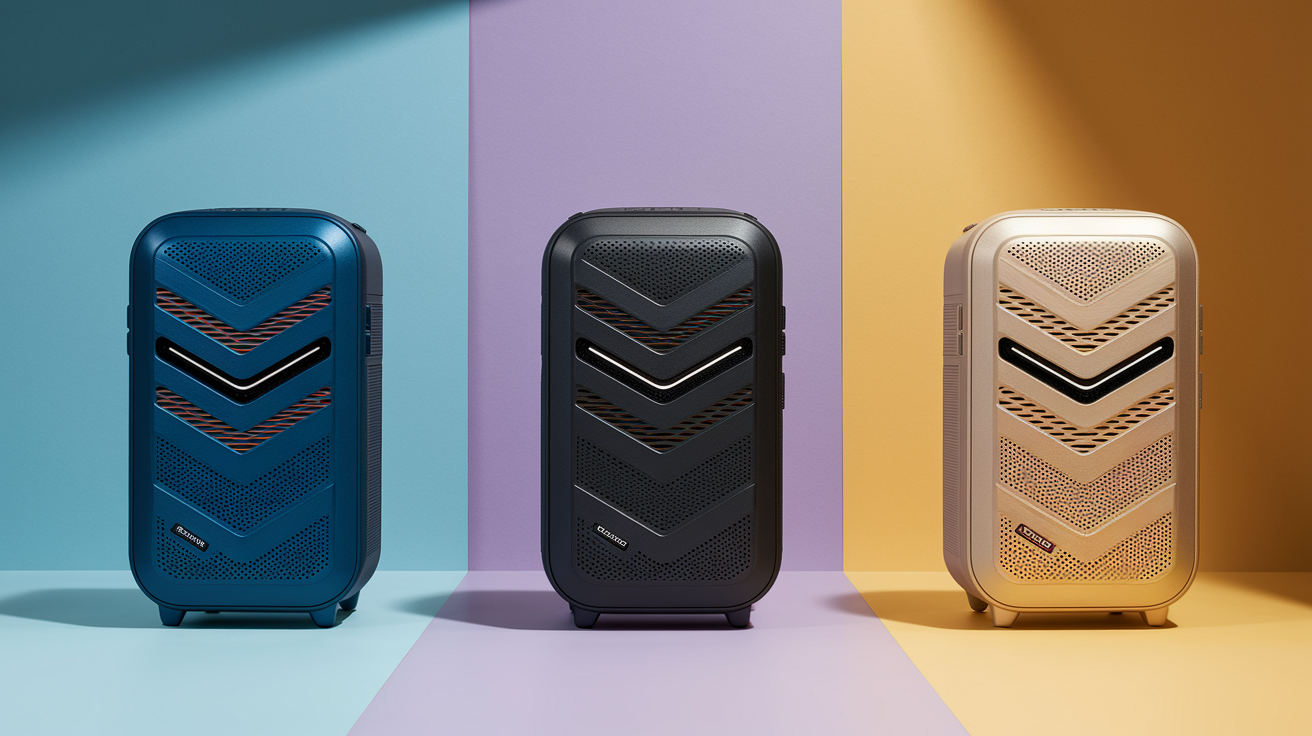
Budget carriers, usually priced between $10 and $40, often have basic mesh panels on one or two sides and simple zipper closures. They work for very short trips and small pets, but ventilation is usually limited, and materials may not hold up to repeated use or washing. If you’re buying in this range, confirm the carrier has at least two mesh sides and check that the fabric feels sturdy enough to keep its shape under light pressure. These carriers are a reasonable choice for occasional vet visits or quick errands when travel time is under 30 minutes and conditions are mild.
Mid‑range carriers, priced roughly $40 to $100, generally offer better ventilation design with mesh on three sides, reinforced stitching, and breathable fabrics that balance airflow and durability. Many include top‑access zippers, removable padded bases, and airline‑compatible dimensions. This price range is the sweet spot for most pet owners who travel regularly by car or occasionally by plane. Look for carriers with clear ventilation panels, easy‑to‑clean materials, and secure closures that won’t pop open under stress.
Premium and airline‑approved models, often $100 and up, give you maximum ventilation through multi‑panel mesh, rigid frames that prevent vent collapse, and materials built for long‑term durability and hygiene. These carriers usually meet strict airline standards, include safety tethers for car seatbelt anchoring, and offer features like lockable zippers, waterproof bases, and compatibility with matching harnesses or accessories. They’re worth the investment if you travel frequently, have a high‑risk breed, or need a carrier that will last through years of regular use.
What to prioritize in each price tier:
- Budget ($10 to $40): at least two mesh sides, basic top access, and a design simple enough to clean and dry quickly
- Mid‑range ($40 to $100): three‑sided ventilation, reinforced mesh, airline‑compatible sizing, and removable washable components
- Premium ($100+): maximum airflow design, rigid support, airline certification, safety tethers, and long‑term material durability
- All tiers: verify the carrier’s interior dimensions match your pet’s size and that ventilation openings can’t be blocked by external pressure or positioning
Focusing on ventilation quality over cosmetic features or brand hype makes sure your investment protects your pet’s health and makes every trip safer and more comfortable.
Final Words
Pick carriers that move air, keep temps steady, and cut down humidity. We covered how ventilation helps temperature control, lowers CO2 and respiratory strain, and eases stress. We also looked at design bits, travel tips, cleaning, and monitoring steps.
Quick plan: pick a carrier with mesh on multiple sides, choose the right size, check your pet every 15-30 minutes on long trips, and watch for heavy panting, drooling, or pale gums. If you see those signs, call your vet.
Those ventilated pet carrier benefits make travel safer and more restful for your pet, and you can start today.
FAQ
Q: Can I take my 30 pound dog on a plane?
A: You can take a 30-pound dog on a plane only if the airline permits it; many cap in-cabin pets at about 15–20 pounds including the carrier, so 30 lb often must travel as cargo—check rules.
Q: Can a dog sleep in a carrier overnight?
A: A dog can sleep in a carrier overnight if properly crate-trained, the carrier is roomy, ventilated, padded, and you offer bathroom breaks; avoid long, continuous confinement and check comfort often.
Q: What are the benefits of using a cat carrier?
A: The benefits of using a cat carrier include safe, secure transport, better ventilation and temperature control, lower travel stress from visibility, protection at the vet, and easier cleaning and odor control.
Q: Do airlines check if a dog can stand in a carrier?
A: Airlines usually check that a dog can stand, turn, and lie down comfortably in its carrier; they may measure or inspect at check-in, so confirm size rules and ventilation requirements beforehand.