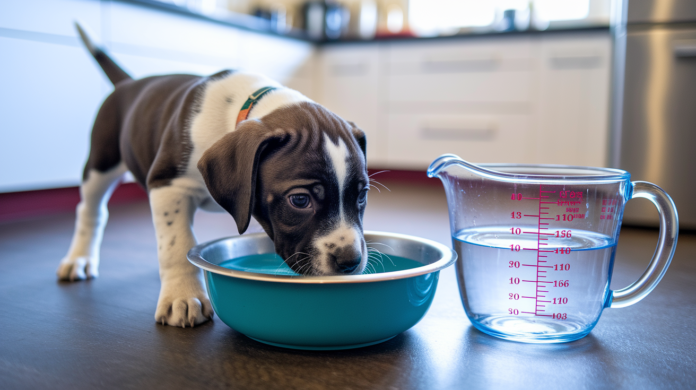

How much water should your puppy drink?
The answer depends on age and weight, and it matters more than you think.
Newborns get most fluids from mom, but once weaning starts they need regular water.
By eight weeks, aim for about half to one ounce per pound each day, more if they’re active or warm.
This post gives clear daily targets by age and weight, simple ways to track intake at home, and easy signs to watch so you know when to call the vet.
Daily Water Needs for Puppies: Clear Age‑ and Weight‑Based Hydration Guidelines
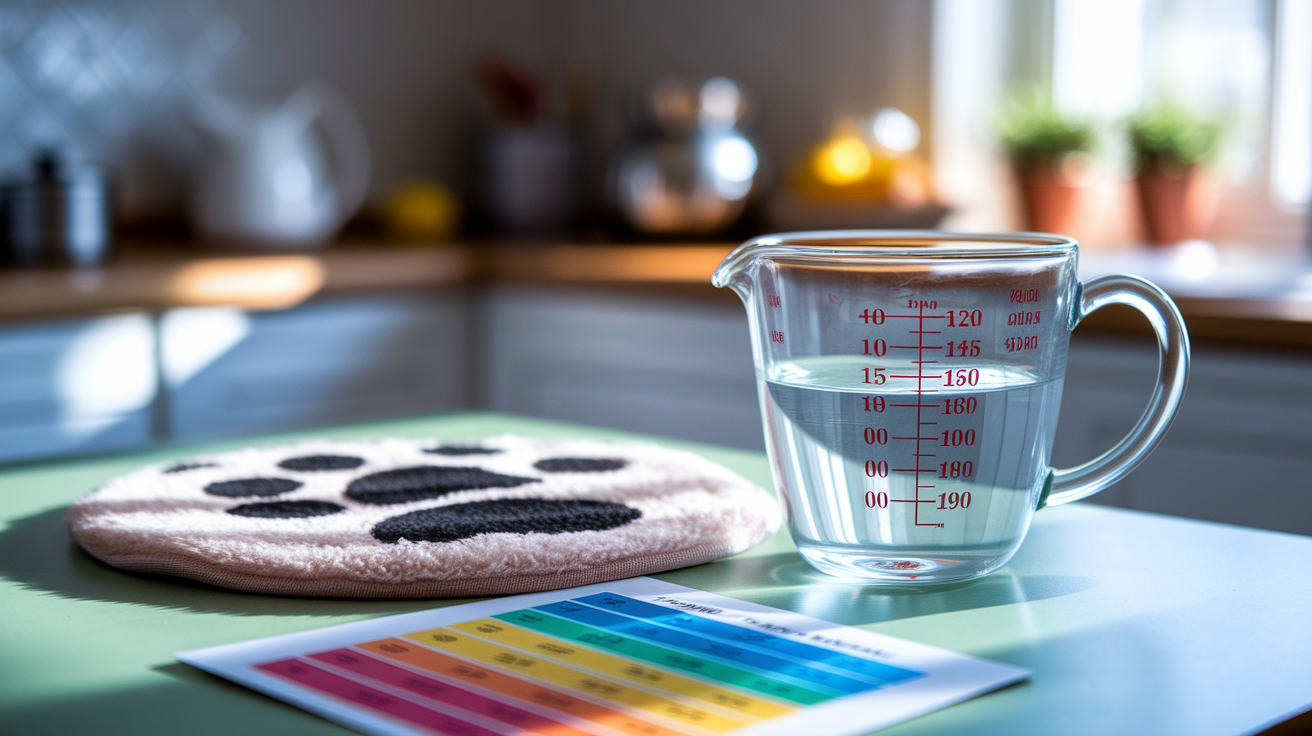
Very young puppies get everything they need from their mother’s milk while nursing. Once weaning starts, usually around 3 to 4 weeks, puppies begin drinking water alongside smaller milk feedings. During this transition, a good rule of thumb is about 1/2 cup of fresh water every 2 hours (roughly 4 ounces) to help your puppy learn to drink on their own while still getting some nutrition from milk or softened food.
By the time weaning wraps up, typically somewhere between 6 and 8 weeks, puppies need roughly 0.5 to 1.0 ounce of water per pound of body weight each day. So a 10 pound puppy will drink about 5 to 10 ounces daily, while a 20 pound puppy should take in 10 to 20 ounces. This range covers normal differences in metabolism, how active your puppy is, and what they’re eating. Active puppies or those spending time outdoors in warm weather usually need the higher end. Calmer indoor puppies might stick closer to the lower number.
Puppies grow fast, so their total daily water needs climb week by week as they get bigger. Recalculate every few weeks or whenever you notice a size jump. Panting, running, and play all increase water loss, so don’t be surprised if intake goes up on particularly active days or when it’s hot out.
- Nursing puppies (birth to around 3 weeks): Hydration comes from mother’s milk only.
- Weaning puppies (roughly 3 to 8 weeks): About 1/2 cup (4 oz) of water every 2 hours during the switch.
- Fully weaned puppies (8+ weeks): 0.5 to 1.0 oz per pound of body weight per day.
- Example calculations: 10 lb = 5 to 10 oz/day; 20 lb = 10 to 20 oz/day; 30 lb = 15 to 30 oz/day.
Why Puppies Have Higher Hydration Demands Than Adult Dogs
Puppies run a faster metabolic engine than adult dogs. Their bodies are building bone, muscle, and organ tissue at high speed, and that work requires constant circulation of nutrients and oxygen through the bloodstream. Water is the transport system. Puppies also have immature temperature regulation, so they pant more often to cool down, especially during play or in warm rooms. Every pant releases moisture that has to be replaced.
Their digestive systems are still developing, and water helps break down food, absorb nutrients, and move waste efficiently. Puppies naturally drink in small, frequent amounts throughout the day because their stomachs are small and their kidneys process fluids quickly. This isn’t a problem. It’s normal. Water supports every major function in a growing body, from keeping joints lubricated to flushing toxins through the kidneys, and a puppy’s rapid growth means those systems are working overtime.
Practical Ways to Measure and Track Your Puppy’s Daily Water Intake
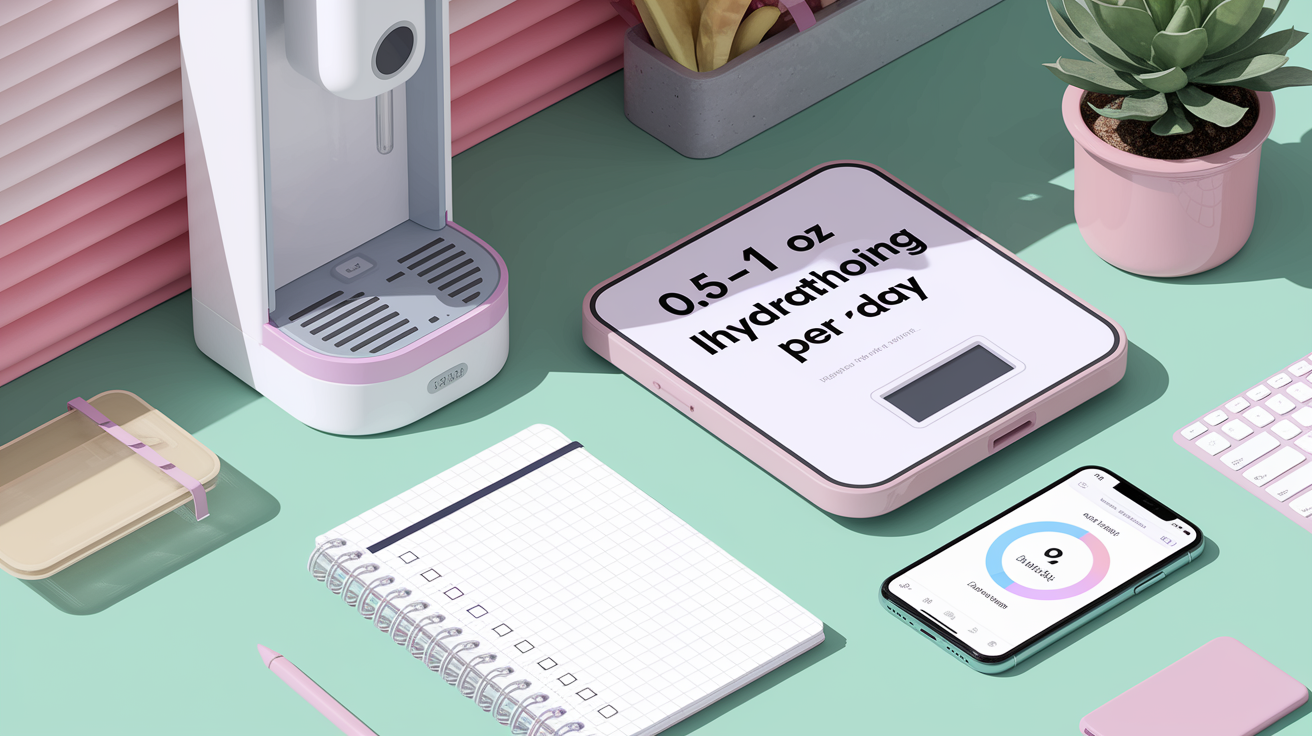
Tracking how much your puppy drinks helps you spot hydration problems early, before they turn into vet visits. It also lets you confirm that your puppy is hitting the 0.5 to 1.0 ounce per pound guideline, especially during growth spurts, hot weather, or changes in diet. If intake suddenly drops or spikes, you’ll notice right away.
- Pre-measure each refill. Fill the water bowl with a measured amount, like 8 ounces, and count how many times you refill it during the day. Multiply refills by the amount to get total daily intake.
- Track fountain levels. If you use a water fountain, mark the starting level in the morning with a piece of tape on the outside, then check the drop by evening. Measure the difference with a cup.
- Use a measuring cup every time. Keep one next to the water station and pour from it each time you add water. Write down the totals on a notepad or phone app.
- Log weight and intake together. Weigh your puppy weekly and note the water intake for that week. Compare the ratio to the 0.5 to 1.0 oz per pound guideline.
- Watch urine output patterns. Puppies should urinate multiple times a day, and the color should be pale yellow. Very dark urine or infrequent urination can signal dehydration, while excessive clear urine may point to overhydration or something medical.
Recognizing Dehydration in Puppies and Early At‑Home Checks
Dehydration happens when a puppy loses more water than it takes in. Puppies can slip into trouble faster than adult dogs because their smaller bodies have less reserve. Common causes include vomiting, diarrhea, fever, excessive urination from illness, and diets made up entirely of dry kibble with no added moisture. Puppies eating only dry food and skipping their water bowl are at higher risk, especially in warm weather or after active play sessions.
Early signs include sunken eyes, dry or sticky gums, reduced interest in food, excessive panting even when cool, and general tiredness or reluctance to move. If your puppy seems off and isn’t drinking normally, check for these symptoms before waiting to see if things improve on their own. Dehydration can escalate quickly in puppies.
At‑Home Hydration Tests
The skin tent test is the simplest check. Gently lift the skin on the back of your puppy’s neck or between the shoulder blades, then let go. In a well hydrated puppy, the skin snaps back into place immediately. If it returns slowly or stays tented for a second or two, that’s a sign of dehydration and you should call your vet.
Next, check the gums by gently lifting the upper lip and feeling the tissue with a clean finger. Gums should feel moist and slippery, not dry, sticky, or tacky. Dry gums are a red flag.
Finally, press your finger firmly against the gum until it turns white, then release. The color should return within about 2 seconds. If it takes longer, 3 seconds or more, circulation is compromised and dehydration is likely. These three tests together give you a quick snapshot of hydration status and help you decide whether to head to the vet or simply encourage more drinking at home.
Understanding Overhydration and Water Intoxication Risks in Puppies
Overhydration is less common than dehydration, but it’s serious when it happens. Water intoxication occurs when a puppy drinks a huge amount of water in a short time, diluting the sodium and other electrolytes in the bloodstream. This can happen during long swimming sessions where the puppy swallows mouthfuls of water repeatedly, or if a puppy drinks obsessively from a hose, sprinkler, or bowl after intense play. Behavioral drinking, where a puppy empties and refills the bowl multiple times in an hour, can also push intake into dangerous territory.
Symptoms include loss of coordination, stumbling or swaying, excessive drooling, pale gums, dilated pupils, and producing large volumes of very clear, almost colorless urine. If you see any of these signs, stop water access immediately and get to an emergency vet. Water intoxication is a medical emergency that requires hospitalization to correct electrolyte imbalances with IV fluids and monitoring.
Excessive thirst that lasts for days, called polydipsia, is different from water intoxication and usually points to an underlying medical condition. Kidney disease, diabetes, Cushing’s disease, and uterine infections like pyometra can all cause a puppy to drink far more than normal and urinate frequently. If your puppy suddenly starts emptying the bowl multiple times a day and you’re refilling it constantly, track the total intake and call your vet. They’ll likely run blood work and urine tests to rule out metabolic or hormonal problems.
Safe Water Access and Hydration Routines for Daily Puppy Care
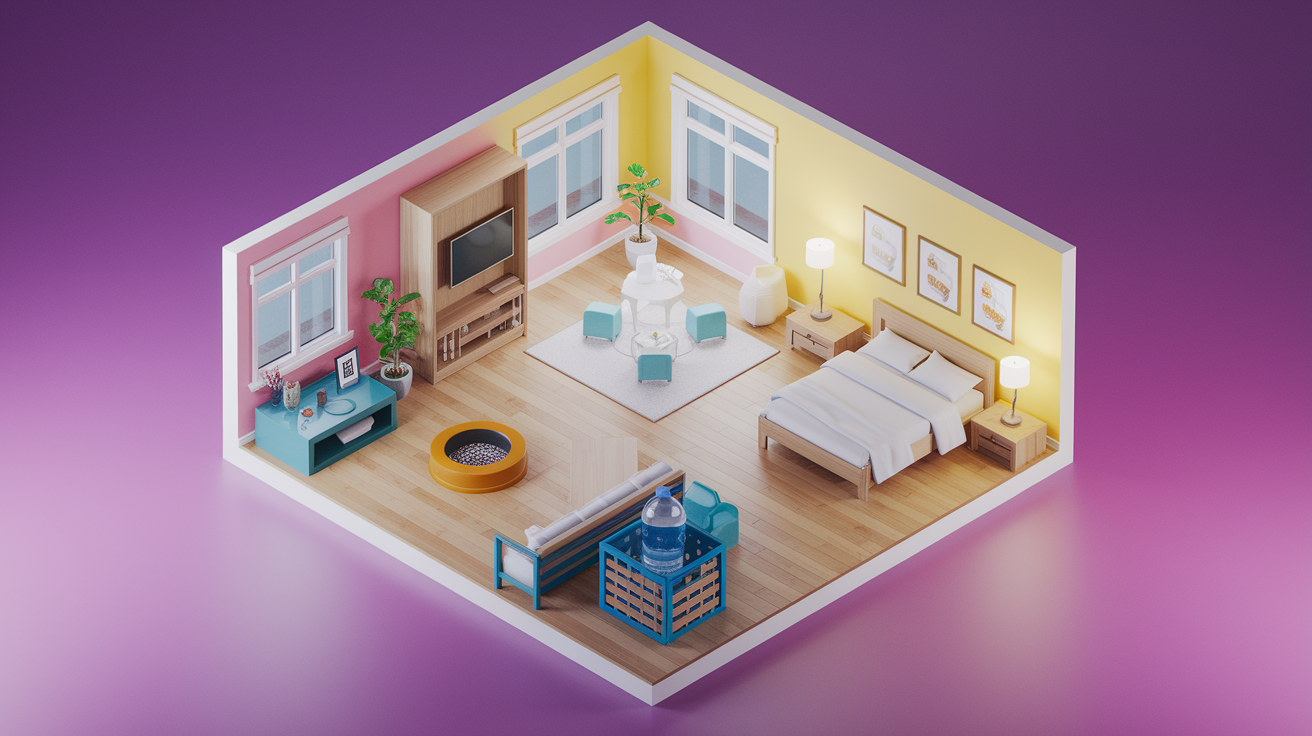
Puppies should have access to clean, fresh water throughout the day without restriction. Free access is the safest approach because puppies naturally regulate their drinking to match their activity, diet, and environment. Restricting water during the day to force faster housetraining is risky and can lead to dehydration, behavioral problems like resource guarding, and confusion about when drinking is allowed.
The one exception is removing water about 2 to 3 hours before bedtime to reduce the chance of overnight accidents. If your puppy’s bedtime is 11:00 p.m., pick up the water bowl around 8:00 p.m. and offer a final bathroom break right before crate time. Always put fresh water back down first thing in the morning and keep it available during all waking hours. If your puppy is crated during the day while you’re at work, a no spill bowl or crate attached water bottle can provide access without soaking the bedding.
| Bowl Placement | Reason | Puppy Benefit |
|---|---|---|
| Near food bowl | Eating triggers thirst | Encourages drinking after meals, supports digestion |
| Near bed or crate | Puppies drink when they wake | Easy access first thing in the morning or after naps |
| Crate attached bottle or no spill bowl | Prevents spills during crate time | Maintains hydration during longer crate sessions without mess |
| Multiple bowls in large homes | Reduces walking distance to water | Puppies drink more often when water is always nearby |
Choosing the Right Water Bowl and Freshness Practices for Puppies
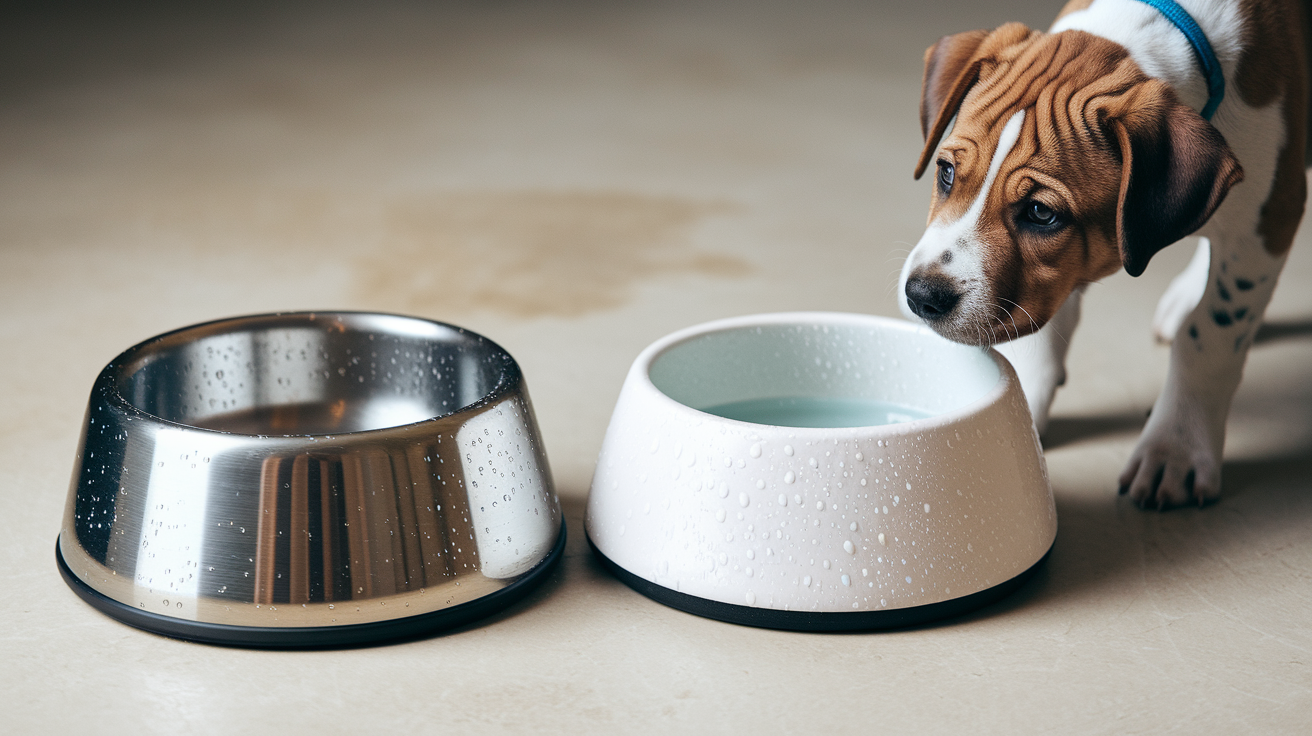
Stainless steel bowls are the top choice for most puppies because they resist bacteria, don’t scratch easily, and can go straight into the dishwasher for daily cleaning. Ceramic bowls work well too. They’re heavy enough to stay put during enthusiastic drinking and they don’t hold odors, but check them regularly for chips or cracks where bacteria can hide. Avoid ceramic bowls with decorative glazes unless you know they’re lead free and food safe.
Plastic bowls are the least ideal option. They scratch over time, and those scratches create tiny grooves where bacteria thrive even after washing. Some puppies also develop contact allergies to certain plastics, which can show up as redness or irritation around the muzzle. If you do use plastic, replace the bowl every few months and clean it daily with hot, soapy water.
Freshness matters as much as bowl type. Refill the water at least once or twice a day, more often in hot weather or if you notice debris, food particles, or slobber floating in the bowl. Clean bowls daily to prevent slimy biofilm buildup, which can make water taste off and discourage drinking.
Hydration Adjustments for Weather, Playtime, Diet, and Special Situations
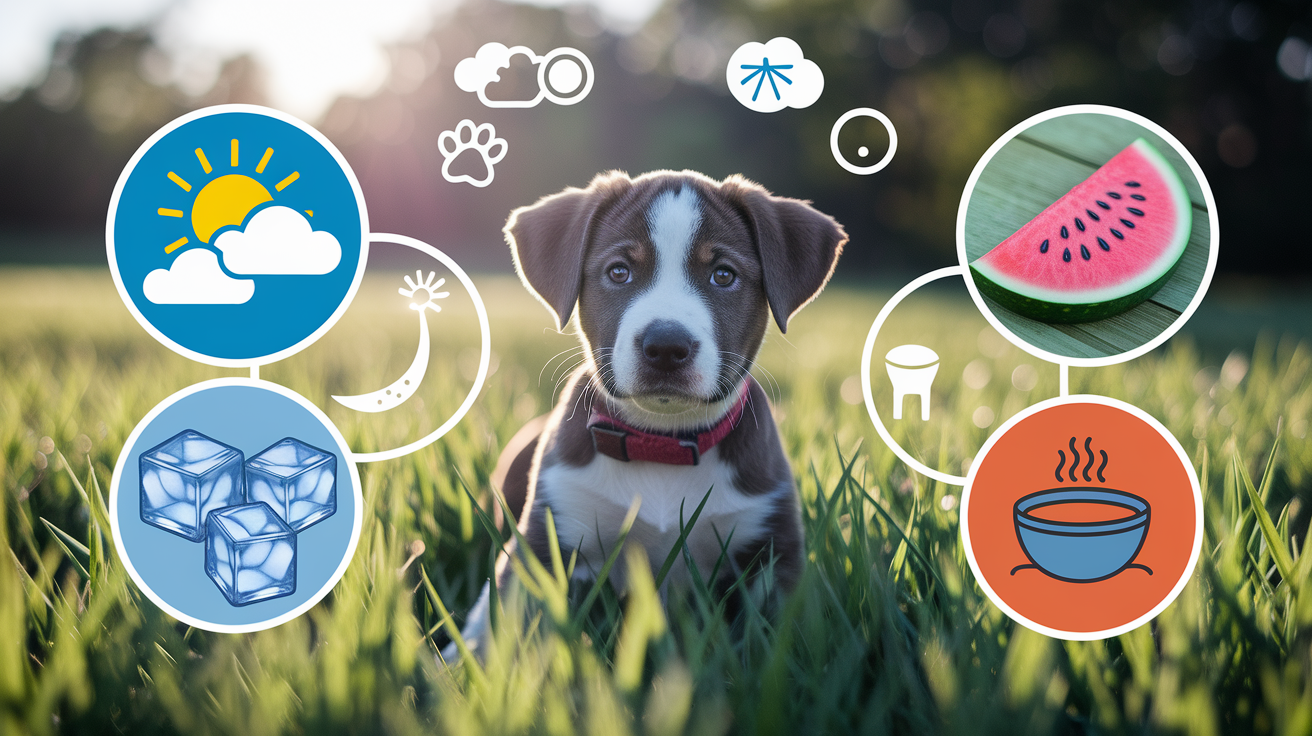
Hot weather, humidity, and outdoor play all increase a puppy’s water needs. Panting is the primary way puppies cool down, and every pant releases moisture that must be replaced. On days when your puppy is running in the yard, playing fetch, or spending time in warm sunlight, expect water intake to climb toward the higher end of the 0.5 to 1.0 ounce per pound range, sometimes even beyond it. Always bring extra water on walks or trips to the park, and offer frequent drink breaks.
Diet makes a big difference too. Puppies eating wet food or raw diets get a lot of moisture from their meals, so they may drink less from the bowl than puppies on dry kibble. If your puppy eats only dry food, consider adding a few tablespoons of water to each meal to boost hydration and make the kibble easier to chew and digest. You can also offer hydrating treats like plain ice cubes, frozen low sodium chicken broth cubes, or small pieces of watermelon (seedless, no rind). Supervise any frozen treats to prevent choking.
Dry indoor air, especially during winter when heaters are running, can increase dehydration risk even if the weather outside is cold. If your home feels dry, your puppy’s hydration needs may be higher than expected. Watch for signs like dry nose, flaky skin, or static in the coat, and consider adding a humidifier to the room where your puppy spends the most time.
- Place extra water bowls near high traffic play areas or in rooms where your puppy naps.
- Refill bowls more frequently during heat waves, after outdoor play, and on particularly active days.
- Add low sodium broth to plain water to entice picky drinkers or puppies recovering from illness.
- Offer ice cubes as a chewable water source, especially for teething puppies who enjoy the cold sensation.
- Track intake closely during diet transitions, illness recovery, or travel, when stress or routine changes can reduce drinking.
When Hydration Problems Require Veterinary Attention
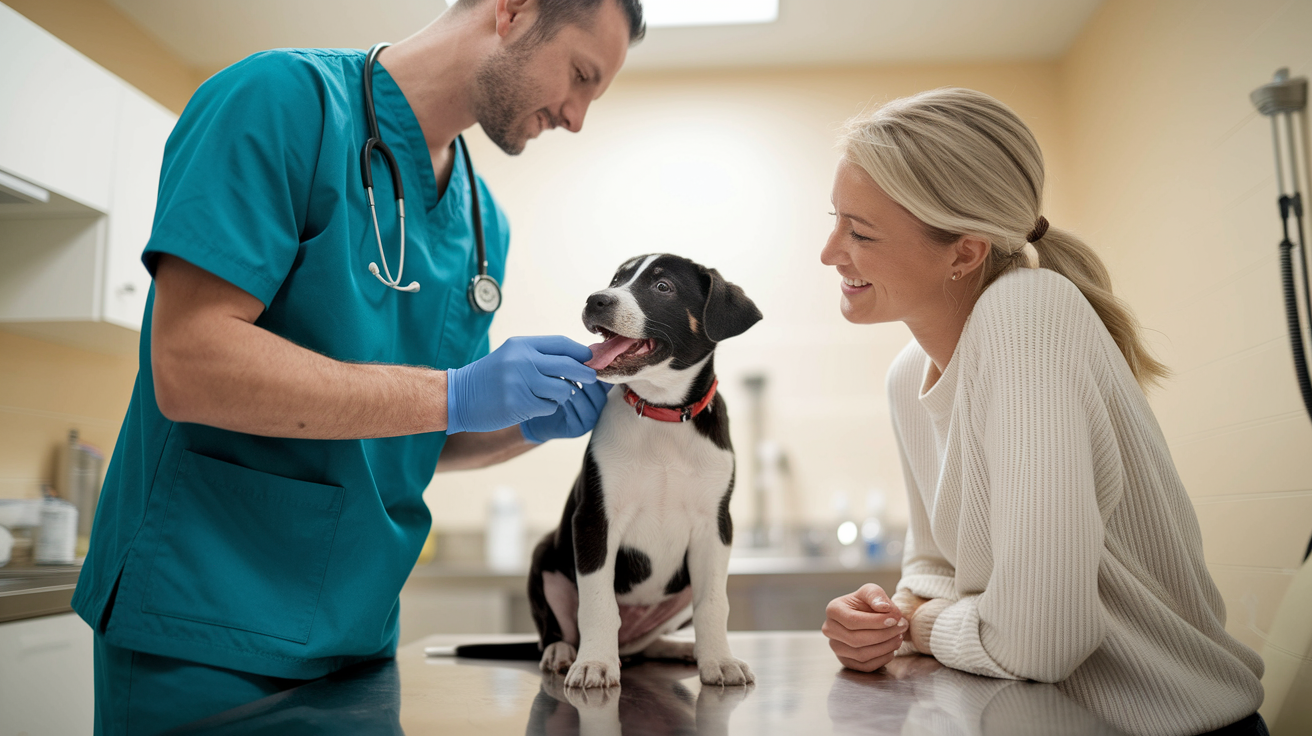
Call your vet if your puppy refuses to drink for more than a few hours, especially if paired with vomiting, diarrhea, or lethargy. Puppies dehydrate fast, and waiting too long can turn a manageable problem into an emergency requiring IV fluids and hospitalization. Sunken eyes, extreme tiredness, and gums that feel dry or sticky are urgent signs that your puppy is already dehydrated and needs care right away.
Excessive drinking that lasts more than a day or two is also a red flag. If your puppy is suddenly emptying the bowl multiple times an hour, drinking far beyond the 1 ounce per pound guideline, and urinating large amounts of very clear urine, underlying medical conditions like kidney disease, diabetes, or Cushing’s disease may be the cause. Your vet will run blood tests and urinalysis to identify the problem and start treatment.
- Persistent vomiting or diarrhea with reduced drinking or refusal to drink.
- Pale gums, loss of coordination, excessive drooling, or dilated pupils (signs of water intoxication or severe illness).
- Skin tent test showing slow snap back, capillary refill time longer than 3 seconds, or gums that feel tacky instead of moist.
- Sudden onset of polydipsia (excessive thirst) paired with frequent urination, especially if your puppy is also losing weight, acting lethargic, or showing changes in appetite.
Final Words
Keep fresh water available and follow the age- and weight-based rules we covered: nursing pups get most fluids from milk, weaning pups take small sips, and fully weaned puppies usually need about 0.5–1.0 oz per pound each day.
Measure with a cup or track refills, watch urine and simple at-home checks, and adjust for play or hot weather. Know the signs of dehydration and overhydration and when to call your vet.
Keep it simple. Clean bowl, quick daily check, and a measuring cup keep water intake for puppies on track and make care less stressful. You’ve got this.
FAQ
Q: How much water should puppies drink each day?
A: The amount of water a puppy should drink each day depends on age and weight; fully weaned puppies generally need about 0.5–1.0 ounce per pound per day, so a 20‑lb puppy needs roughly 10–20 ounces.
Q: What is the 7 7 7 rule for puppies?
A: The 7 7 7 rule for puppies is not a universal veterinary guideline; it’s a loose tip some trainers use. Check your vet for specific timing and hydration advice that fits your puppy’s age and needs.
Q: When to stop giving a puppy water at night?
A: You should stop giving a puppy water at night about 2–3 hours before bedtime to reduce accidents, while remembering very young puppies may still need a small late drink and a nighttime potty break.
Q: What happens if you don’t give your puppy enough water?
A: Not giving your puppy enough water causes dehydration, which can lead to lethargy, dry gums, sunken eyes, reduced appetite, and rapid decline—call your vet if you suspect dehydration.