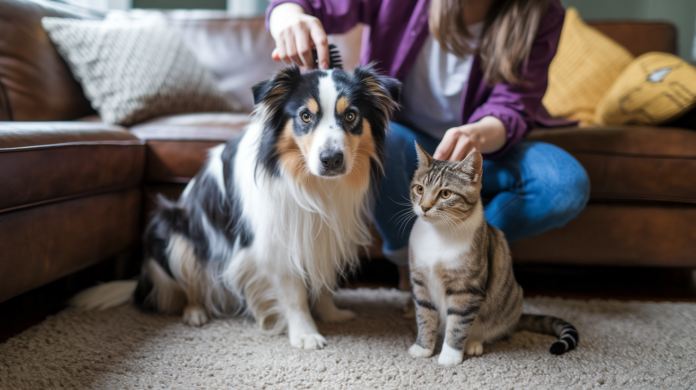

Could 30 minutes a week cut your pet’s vet visits in half?
A few quick checks and simple chores stop small issues from turning into big, costly problems.
Think of weekly care as a safety net, a short routine that helps you spot hot spots, odd lumps, extra drinking, or behavior shifts before they get serious.
This post gives a clear, realistic checklist of weekly tasks: brushing, nail and ear checks, bowl and bedding cleaning, tooth care, and a head-to-tail health scan, with timing and signs that mean call the vet.
Core Weekly Tasks for a Consistent Pet Care Routine
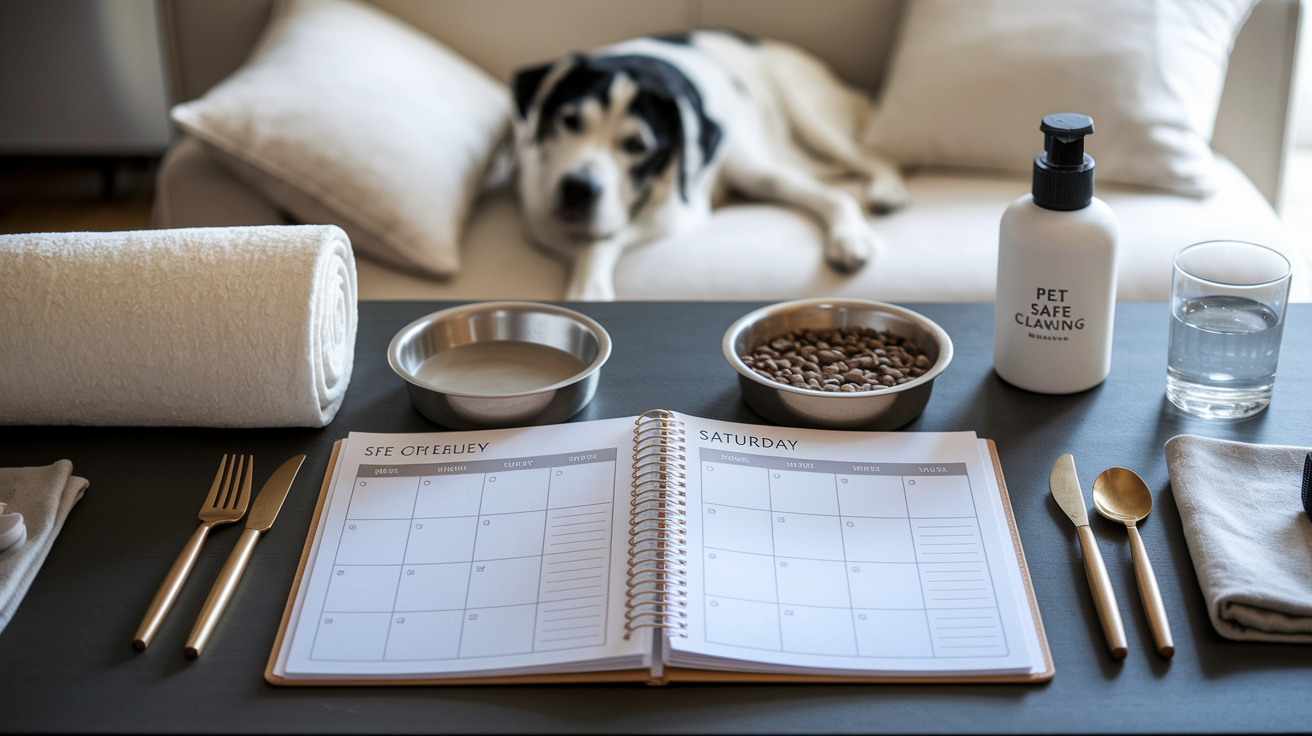
A solid weekly routine keeps small issues from turning into big problems. When you check your pet’s coat on Tuesday and catch the start of a hot spot, clean their bedding on schedule so fleas don’t get comfortable, or notice they’re drinking more water than usual, you’re working prevention instead of scrambling through an emergency weekend vet visit. Weekly tasks don’t take long. 10 to 30 minutes for most pets. But they build the kind of rhythm where you know what normal looks like and spot the off moments fast.
Weekly pet care covers the basics that keep animals clean, comfortable, and healthy between bigger monthly or biannual appointments. This routine is the backbone of responsible ownership, whether you’re managing one dog, three cats, a rabbit, or a mixed household. The checklist stays mostly the same across species, with adjustments for litter boxes, cages, coats, and play styles.
Think of weekly care as a rolling check in. You’re not diagnosing anything or doing deep medical work. You’re looking, touching, cleaning, and logging so you can catch early signs, maintain hygiene, and give your pet the kind of steady attention that prevents anxiety and builds trust. Here’s what belongs on every weekly list:
- Wash all food and water bowls to remove biofilm and bacteria buildup
- Launder or replace pet bedding to reduce allergens, odors, and parasites
- Deep clean litter boxes (for cats) by emptying, scrubbing, and replacing litter
- Sanitize frequently mouthed toys and rotate out worn or damaged items
- Brush your pet’s coat 2 to 4 times during the week, depending on fur type
- Check nails for overgrowth or cracks and schedule trimming if needed
- Inspect ears for redness, odor, or excess wax and clean with approved solution
- Perform a quick head to tail health check: eyes, nose, mouth, skin, belly, paws
- Confirm monthly preventives (heartworm, flea, tick) are up to date and given on schedule
- Log any behavior or health changes (appetite shifts, new lumps, limping, bathroom habit changes)
Weekly Grooming Tasks: Brushing, Nail Checks, and Ear Care
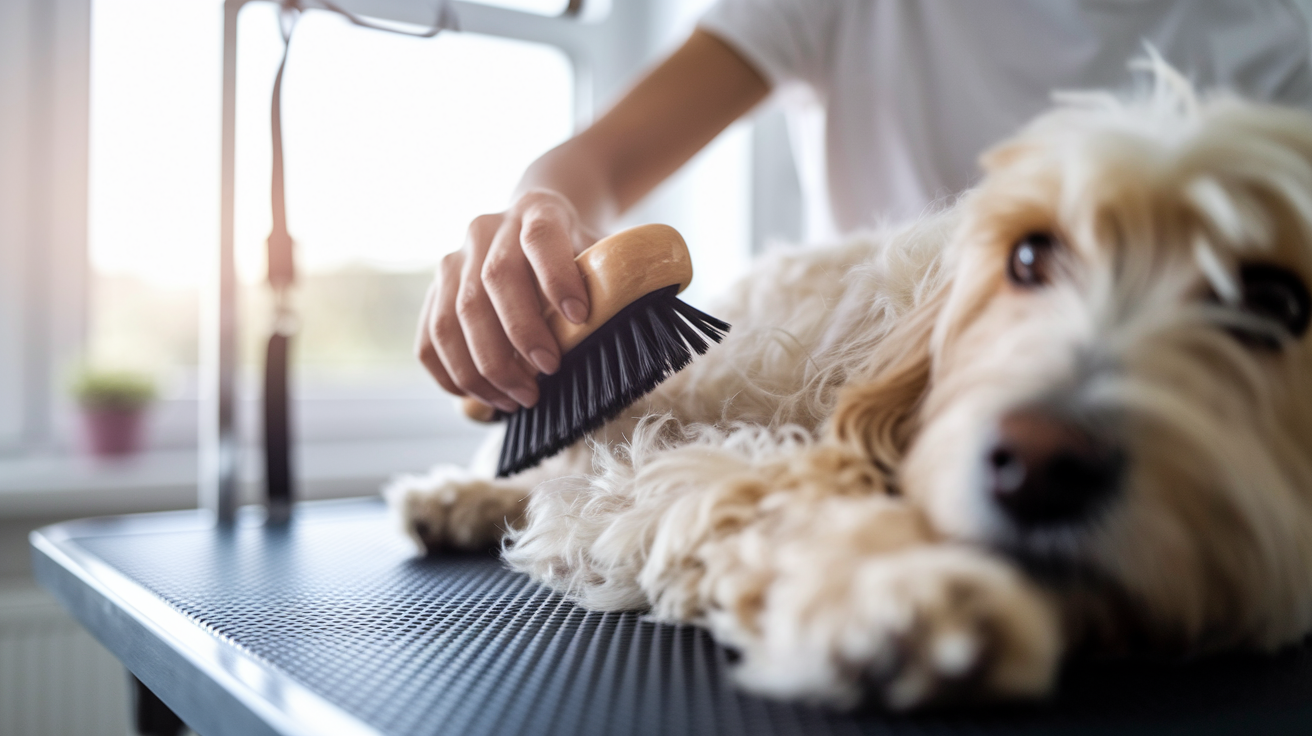
Grooming keeps more than appearance in check. Regular brushing distributes skin oils, reduces shedding and matting, and gives you a chance to feel for lumps, ticks, hot spots, or skin changes you’d miss otherwise. Nail checks prevent painful overgrowth that changes how your pet walks. Ear inspections catch infections early, when they’re easier and cheaper to treat. These tasks don’t all happen in one sitting. Spread them across the week, two or three quick sessions, and your pet will tolerate them better than one long grooming marathon.
Most pets need their coat brushed 2 to 4 times per week. Short haired dogs and cats can get by with once or twice. Long haired breeds, double coats, and cats prone to hairballs need brushing closer to daily during shedding season. Use a brush or comb that matches the coat. Slicker brushes for tangles, bristle brushes for smooth coats, undercoat rakes for heavy shedders. Bathing isn’t a weekly task for most pets. Dogs usually need a bath every 4 to 8 weeks, more often if they swim, roll in mud, or have skin issues. Cats rarely need baths unless prescribed by a vet.
Weekly Brushing and Coat Management
Start brushing in a calm spot where your pet feels safe. Work in the direction the fur grows, not against it. For dogs, brush the back, sides, chest, legs, and tail. For cats, go gently on the belly and hindquarters if they’re sensitive there. If you hit a mat, hold the skin below it so you’re not pulling, then work the tangle out with your fingers or a dematting tool. Stop if your pet gets stressed. You can finish the next day.
Check the skin while you brush. Look for flakes, redness, bald patches, scabs, or tiny black specks that could be flea dirt. Run your hands over the body to feel for lumps, bumps, or sore spots. If your pet flinches or pulls away from a certain area, note it and watch to see if it happens again next session.
Safe Nail and Ear Checks
Check nails once a week by pressing the paw gently and looking at each nail from the side. If the nail curves down past the paw pad or clicks loudly on the floor, it’s time to trim. For dogs and cats with light colored nails, you can see the pink quick inside. Trim just below that line. For dark nails, take off tiny slivers at a time and stop before you see a gray or pink dot in the center of the cut surface. If you’re not comfortable trimming at home, schedule a visit with a groomer or vet every 3 to 4 weeks.
Ears should look pink (not red), feel slightly warm, and smell clean or neutral. A sharp, yeasty, or foul odor means it’s time to call the vet. To clean ears weekly, use a pet safe ear cleaner. Never hydrogen peroxide, alcohol, or cotton swabs. Squeeze a small amount of cleaner into the ear canal, massage the base of the ear gently for about 20 seconds, then let your pet shake their head. Wipe out the visible part of the ear with a soft cloth or cotton ball. Don’t push anything down into the canal. If you’ve never cleaned ears before, ask your vet to show you the first time so you know how it should look and feel.
Weekly Dental and Oral Care Tasks
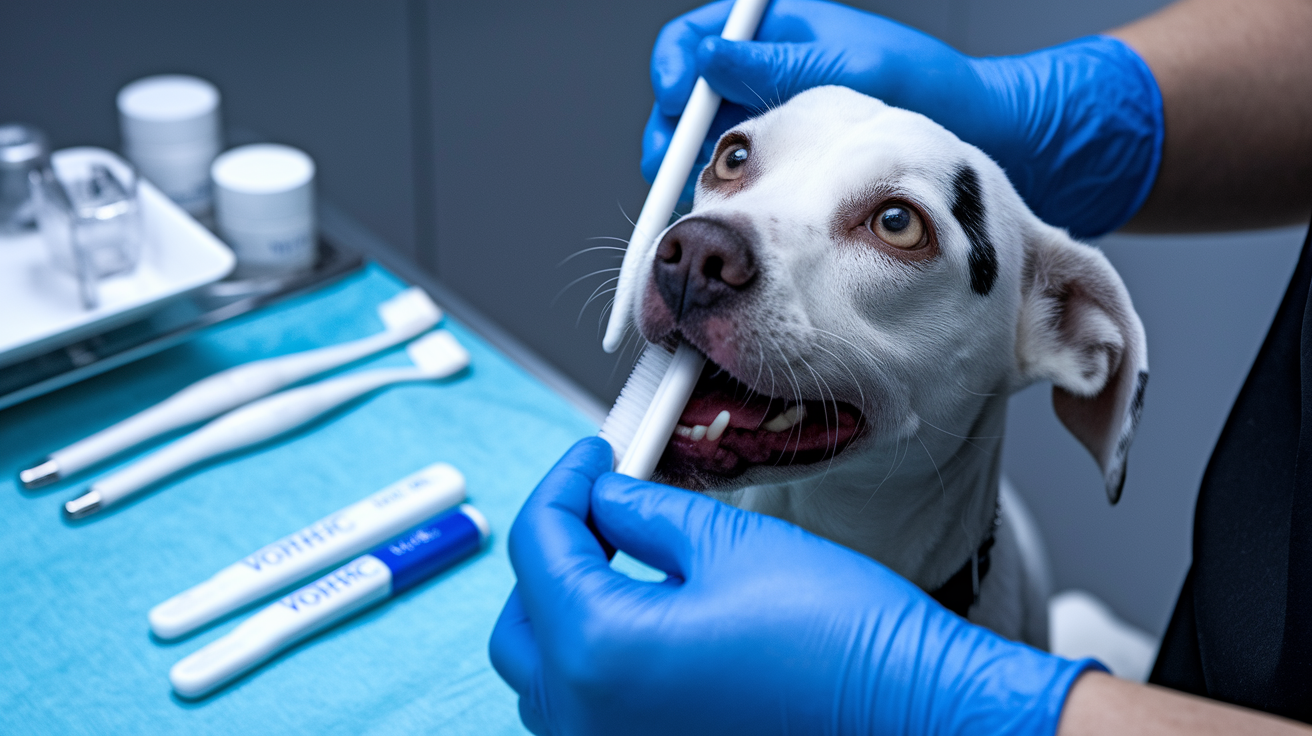
Dental disease starts quietly. By the time you notice bad breath, brown buildup, or a reluctance to chew, the damage is often advanced. Weekly tooth care (brushing your pet’s teeth several times during the week and offering dental chews between sessions) keeps plaque from hardening into tartar and reduces the need for emergency dental cleanings under anesthesia. It’s easier to prevent gum disease than to treat it, and healthier gums mean a lower risk of bacteria spreading to the heart, liver, or kidneys.
Brushing works best when it’s quick, calm, and rewarded. Use a soft pet toothbrush or a finger brush and toothpaste made for animals. Never human toothpaste, which contains ingredients that are unsafe if swallowed. Lift your pet’s lip gently and brush the outer surfaces of the teeth in small circles, focusing on the gum line where plaque builds up. You don’t need to scrub the inside surfaces. The tongue does most of that work. Aim for 2 to 4 brushing sessions per week. Even 30 seconds per session adds up.
Between brushing days, rotate dental chews, treats, or toys designed to scrape plaque as your pet chews. These aren’t a replacement for brushing, but they help. Choose products with the Veterinary Oral Health Council (VOHC) seal when possible, and pick a size that matches your pet’s mouth. Small dogs and cats need smaller chews. Large dogs need something they can’t swallow whole. Keep an eye on your pet while they chew, especially if they’re aggressive chewers or tend to gulp.
- Schedule an annual professional dental cleaning with your vet, even if you brush at home
- Check gums weekly for redness, swelling, or bleeding when you brush
- Watch for signs of mouth pain: drooling, pawing at the face, dropping food, or chewing on one side
- Replace worn toothbrushes every 3 months or sooner if bristles fray
Weekly Sanitation and Home Care Tasks for Cleaner, Safer Living
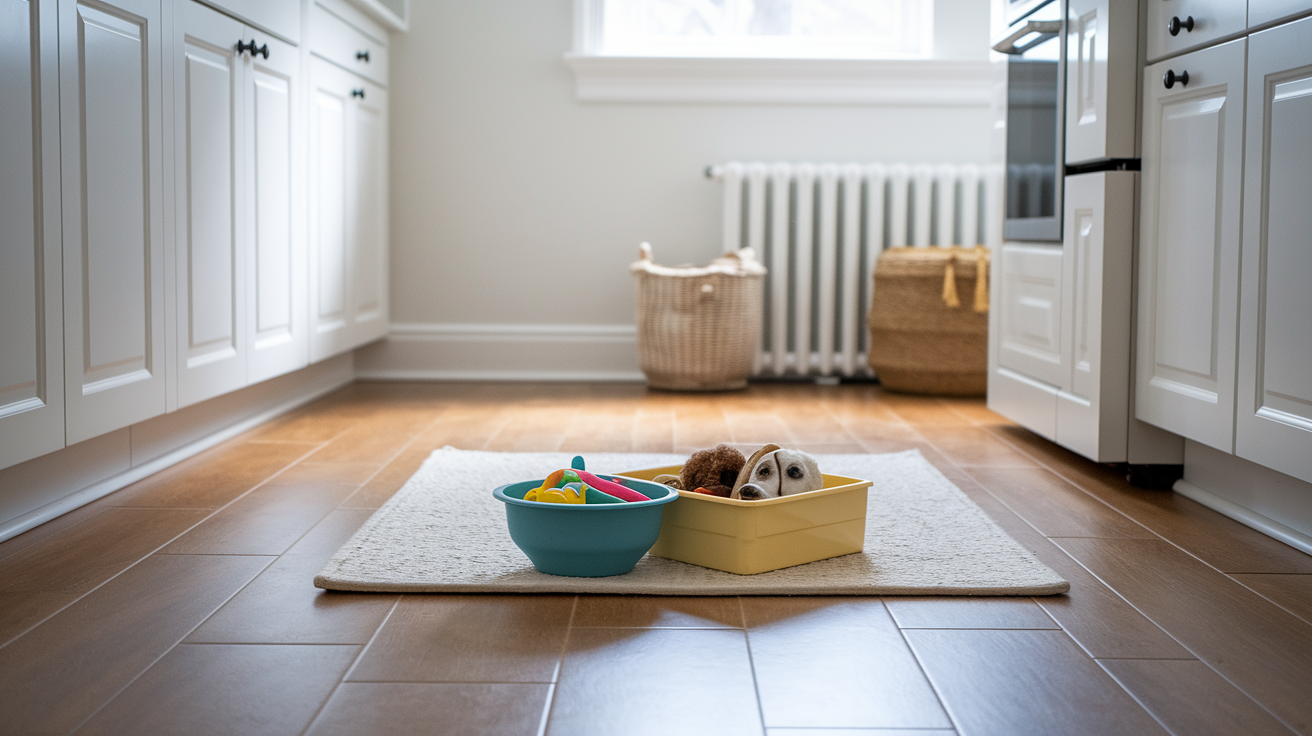
A clean environment reduces illness, odor, pests, and behavioral stress. Washing bowls weekly stops bacterial slime from building up in cracks and seams. Fresh bedding cuts down on fleas, mites, allergens, and skin irritation. Sanitized toys mean fewer germs passed from mouth to paw to carpet, especially in multi pet homes. These tasks don’t need special products or long blocks of time. Most take under 10 minutes and fit easily into your regular household cleaning rhythm.
Food and water bowls should be washed with hot, soapy water at least once a week, more often if you notice film, algae, or stuck on food. Stainless steel and ceramic bowls are easiest to clean and least likely to harbor bacteria. Plastic bowls can develop scratches that trap germs, even after washing. If you use an automatic water fountain, disassemble it weekly, scrub all parts, and replace the filter on the schedule recommended by the manufacturer. Dirty water bowls can cause stomach upset and, in rare cases, more serious infections.
Bedding picks up dirt, dander, drool, and any parasites your pet brings in from outside. Wash all blankets, crate pads, and pet beds weekly in hot water, or more often if your pet has accidents, skin issues, or just came back from a muddy adventure. Dry bedding completely before putting it back. Damp bedding grows mold and smells sour fast. For beds that can’t go in the washing machine, vacuum thoroughly and spot clean with a pet safe cleaner, then rotate to a backup bed while the first one airs out. Toys need weekly attention too. Hard rubber and nylon toys can go in the dishwasher or get scrubbed with dish soap and hot water. Soft toys should be washed in the machine, and any toy that’s ripped, losing stuffing, or developing sharp edges should be thrown out and replaced.
Weekly Health Monitoring and Early Detection Checklist

Weekly health checks don’t require a veterinary degree. You’re looking for changes: anything that’s new, different, more, less, or just feels off. These small shifts (an ear that’s suddenly red, a spot on the belly that wasn’t there last week, a stool that’s softer or harder than usual) are often the first signal that something needs attention. Catching issues early means easier treatment, less pain for your pet, and lower vet bills. Most of this monitoring happens naturally while you’re grooming, playing, or cleaning. Just slow down and pay attention.
Start at the head and work back. Look at your pet’s eyes: clear and bright, or cloudy, red, squinting, or producing discharge? Check the nose for crustiness, color changes, or unusual drainage. Sniff the ears and look inside for redness, swelling, dark wax buildup, or a bad smell. Open the mouth gently and check gums. They should be pink, not pale, bright red, or purple. Look for broken teeth, growths, or objects stuck between teeth. Feel along the neck and under the jaw for lumps or swelling.
Move to the body. Run your hands over the back, ribs, belly, and legs, pressing gently to feel for lumps, heat, swelling, or tender spots. Check the skin and coat for fleas, ticks, scabs, bald patches, redness, or greasiness. Lift the tail and look at the area underneath for redness, swelling, scooting marks, or anything stuck in the fur. Watch how your pet moves when they walk, run, or jump. Are they limping, favoring a leg, hesitant to climb stairs, or stiff when they get up? Log what you see so you can compare week to week and share accurate information with your vet if something comes up.
| Check Item | What to Look For |
|---|---|
| Eyes, nose, mouth | Clear eyes (no redness, cloudiness, or discharge); clean nose; pink gums; no broken teeth or bad breath |
| Ears and skin | Pink ear canals with no odor or excess wax; smooth skin without lumps, scabs, redness, or bald patches |
| Body condition and weight | Ribs easy to feel but not visible; waist visible from above; belly tucked slightly; no sudden weight gain or loss |
| Mobility and behavior | Normal gait with no limping; willingness to jump or climb; consistent appetite; regular bathroom habits; usual energy level |
Weekly Pet Care Tasks for Dogs: Breed Specific and Behavioral Needs
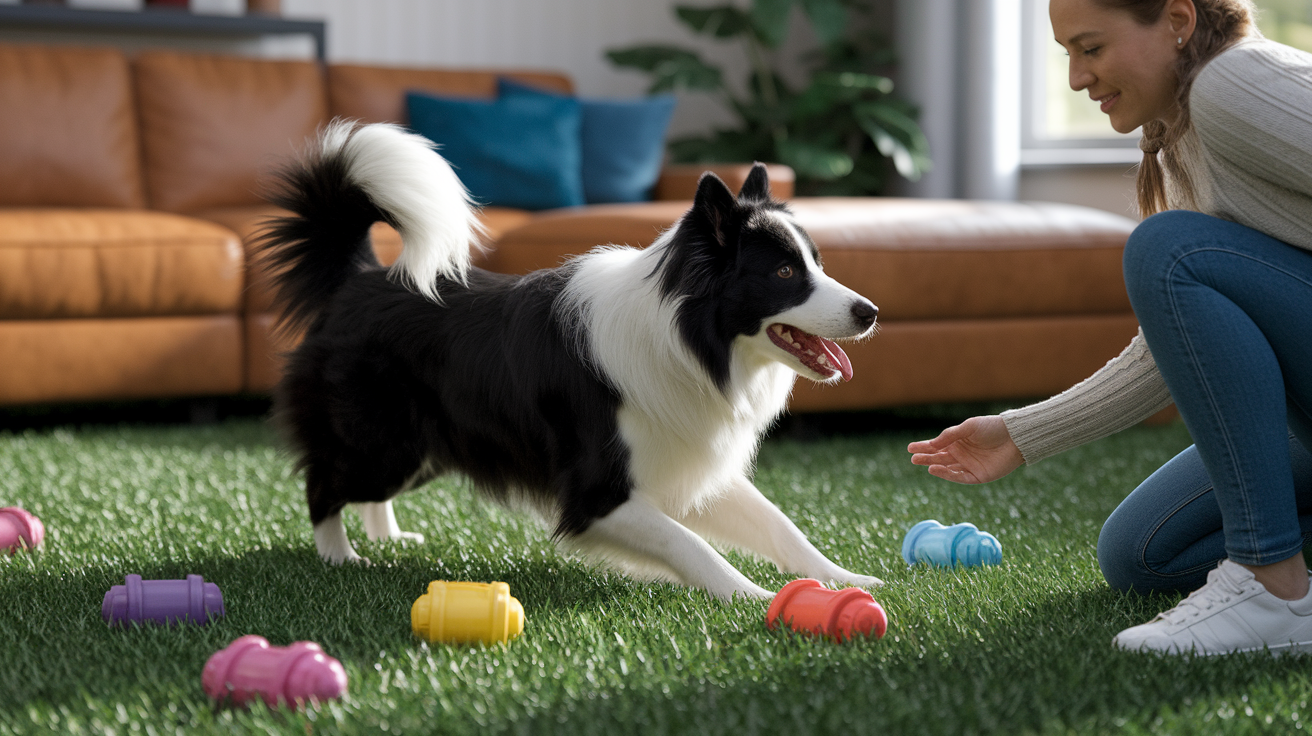
Dogs thrive on predictable routines, and their weekly needs stretch beyond the universal checklist because of exercise demands, coat variety, and their social, training focused nature. A Border Collie needs more mental work than a Bulldog. A Husky sheds year round and needs brushing closer to daily during spring and fall. Small breeds with fast metabolisms may need meals split differently, and dogs with floppy ears or deep skin folds need extra attention in those areas. The core tasks stay the same (grooming, dental, sanitation, and health checks are covered in earlier sections), but how you schedule and adapt them matters.
Dogs generally benefit from 3 to 5 focused play or enrichment sessions per week, each lasting 10 to 20 minutes, in addition to their daily walks. Rotate toys weekly to keep interest high. Training sessions (short positive reinforcement work on commands, tricks, or scent games) should happen 3 to 7 times per week for 5 to 15 minutes each. Even adult dogs need ongoing reinforcement to stay sharp and engaged. For parasite prevention, check your dog visually for ticks after outdoor time, especially in warm months, and confirm their monthly heartworm and flea/tick preventive is given on schedule. If your dog goes to daycare, the dog park, or grooming appointments, inspect them carefully when they come home for any new cuts, ticks, or behavior changes.
- Confirm your dog had at least 7 walks this week (one per day minimum) and adjust length and intensity to breed, age, and health
- Rotate chew toys and puzzle feeders weekly to prevent boredom and destructive chewing
- Practice recall, sit, stay, or other commands during 3 to 5 short training sessions to reinforce good behavior
- Check paw pads after walks for cuts, cracks, stuck debris, or ice melt burns in winter
- Inspect skin folds (if your breed has them) for moisture, redness, or odor, and wipe gently with a damp cloth if needed
- Look inside floppy ears weekly. Breeds like Cocker Spaniels and Basset Hounds are prone to infections
- Weigh your dog weekly if they’re on a weight loss or weight gain plan, or monthly if maintaining
- Schedule professional grooming or nail trims every 3 to 4 weeks if your dog resists at home handling
Weekly Pet Care Tasks for Cats: Litter and Feline Specific Behaviors
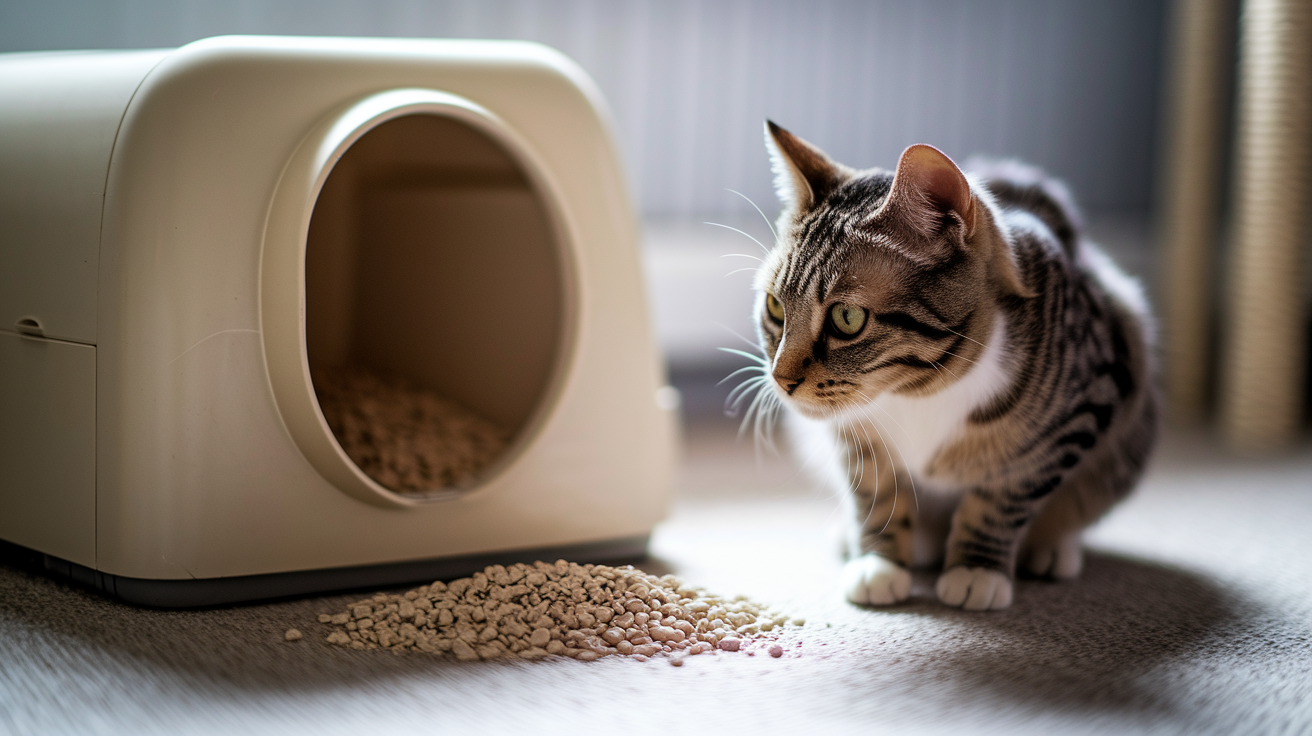
Cats are low maintenance in some ways and high stakes in others. They hide pain and illness better than dogs, so small changes in litter box habits, grooming behavior, or social interaction often signal something wrong before physical symptoms appear. Weekly deep cleaning of the litter box is non negotiable. Cats are fastidious, and a dirty box leads to accidents outside the box, stress, urinary issues, and behavioral problems that are hard to reverse once they start.
Scoop the litter box daily. That’s a given. Once a week, empty the box completely, scrub it with mild soap and hot water (no harsh chemicals or strong fragrances), rinse thoroughly, dry it, and refill with fresh litter. If you have multiple cats, plan one deep clean per box per week. Some cats prefer certain litter textures or depths, so if your cat starts avoiding the box after a cleaning, check whether you changed something. Litter boxes should be placed in quiet, low traffic areas where the cat feels safe. If your cat suddenly stops using the box or starts going just outside it, that’s a red flag. Call your vet.
Cats need 5 to 7 play sessions during the week. Short bursts of 10 to 15 minutes with a feather wand, laser pointer, or motorized toy that mimics prey movement. Play reduces stress, prevents obesity, and keeps indoor cats mentally engaged. Rotate toys weekly and put them away between sessions so they stay interesting. For grooming, short haired cats generally need brushing once or twice a week. Long haired cats need brushing closer to daily to prevent mats, especially around the belly, armpits, and behind the ears. Nail checks and trims follow the same weekly schedule as dogs, every 2 to 3 weeks for trimming. Cats also benefit from scratching posts and pads. Check those weekly and replace worn surfaces so your cat keeps using them instead of your furniture.
Small Pet Weekly Tasks: Habitat Cleaning and Species Specific Checks
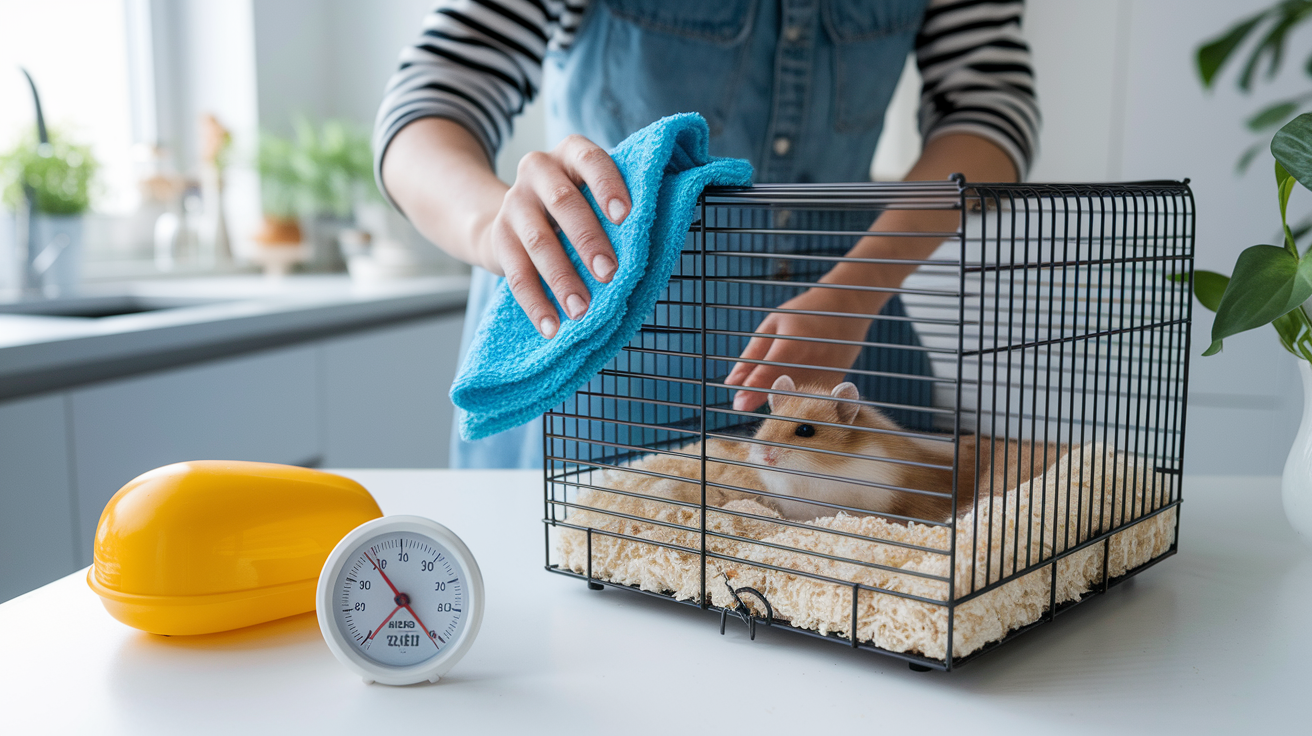
Small mammals, birds, and reptiles depend entirely on you to maintain the temperature, humidity, cleanliness, and safety of their enclosure. Unlike dogs and cats, they can’t signal discomfort by barking at the door or meowing at the food bowl. You have to read their environment and behavior closely. Weekly habitat maintenance is the backbone of small pet care, and skipping it leads to respiratory infections, parasites, skin issues, and stress related illness fast.
Most small pets need a full habitat clean once a week. For rabbits, guinea pigs, hamsters, and other small mammals, that means removing all bedding, wiping down surfaces with a pet safe disinfectant, rinsing and drying everything, and adding fresh bedding or substrate. Spot clean daily by removing soiled bedding and uneaten fresh food. For birds, change cage liner daily, scrub perches and food dishes weekly, and rotate toys to prevent boredom. Reptiles and amphibians need weekly substrate changes (for species that use loose substrate), a full tank or terrarium wipe down, and water dish cleaning. Check temperature and humidity levels with a reliable thermometer and hygrometer at least twice a week, daily for species with narrow tolerance ranges like chameleons or dart frogs.
- Remove and replace bedding, substrate, or cage liner completely once per week
- Scrub food and water dishes with hot, soapy water and rinse thoroughly before refilling
- Check heating elements, UVB bulbs, humidity levels, and temperature gradients twice weekly
- Inspect your pet’s body during weekly handling sessions for lumps, injuries, overgrown nails, or beak issues
- Rotate enrichment items like tunnels, chew blocks, perches, or hides to reduce boredom
- Weigh small mammals and birds weekly if they’re young, recovering from illness, or on a weight management plan
Weekly Scheduling Tips and Time Savers for Busy Pet Owners

The weekly checklist looks long on paper, but most of these tasks take under five minutes each. The secret is batching similar tasks (washing all the bedding and sanitizing toys on the same day) and building habits so the work becomes automatic instead of a decision you have to make every time. Set recurring reminders on your phone or use a simple printed chart on the fridge. Households with multiple pets or kids benefit from assigning tasks by person or day so no one feels overwhelmed and nothing falls through the cracks.
Align your weekly tasks with other routines you already have. Wash pet bedding when you do your own laundry. Clean bowls and litter boxes on trash day so waste goes straight to the curb. Schedule grooming sessions on the same evenings you do training or play. Your pet is already engaged and you’ve already set aside the time. If you’re managing monthly preventives, do a quick weekly check during one of your grooming sessions to confirm the next dose is coming up and you have refills ready. That way you’re not scrambling at the last minute or missing a dose because life got busy.
- Batch cleaning tasks by room or type. Wash all fabric items together, clean all dishes and bowls in one session
- Set weekly repeating reminders on your phone for high priority tasks like litter box deep clean, weight checks, and nail inspections
- Create a printed one page checklist and hang it where you store pet supplies so every household member can see what’s done
- Block 15 to 20 minutes twice a week for combined grooming, dental, and health check sessions instead of spreading tiny tasks across seven days
- Coordinate your weekly routine with biannual vet checkups and monthly preventive schedules by adding those dates to your weekly calendar as anchors
Final Words
In the action, we walked through core weekly tasks, grooming, dental care, sanitation, health checks, and the dog, cat, and small-pet specifics you can follow each week.
Start simple. Pick one day to wash bedding, clean bowls, do a quick head-to-tail check, brush where needed, and rotate toys. Most pets take 10-30 minutes total. Batch tasks and set a reminder so it becomes habit.
Use the weekly pet care tasks checklist as your base, tweak it for your pet, and you’ll notice small wins add up. You’ve got this. Consistent care really helps pets stay happier and healthier.
FAQ
Q: What is the 3-3-3 rule for pets?
A: The 3-3-3 rule for pets describes typical adjustment after adoption: three days of shock, three weeks to settle into routines, and about three months to feel fully relaxed and bonded.
Q: What is the 7 7 7 rule for dogs?
A: The 7 7 7 rule for dogs is an informal socialization tip: introduce puppies to seven people, seven locations, and seven new experiences to build confidence and reduce fear early on.
Q: What is the 10-10-10 rule for dogs?
A: The 10-10-10 rule for dogs is a cautious change guideline: alter diets, routines, or meds in small steps, no more than a 10% change, and watch tolerance for about 10 days before progressing.
Q: What are the 7 basic needs of a dog?
A: The 7 basic needs of a dog are food and water, safe shelter, regular exercise, mental enrichment and social time, routine grooming, preventive health care, and safety and training.