

Is one missed meal really no big deal, or a sign something’s wrong?
If your dog is bright, drinking, and acting normal, a skipped meal often isn’t urgent, but risks rise after 12 to 24 hours or if other symptoms appear.
This quick guide gives you an immediate checklist to try now, simple at-home fixes to tempt their appetite, and clear red flags that mean it’s time to call your vet.
Immediate Actions to Take When Your Dog Stops Eating
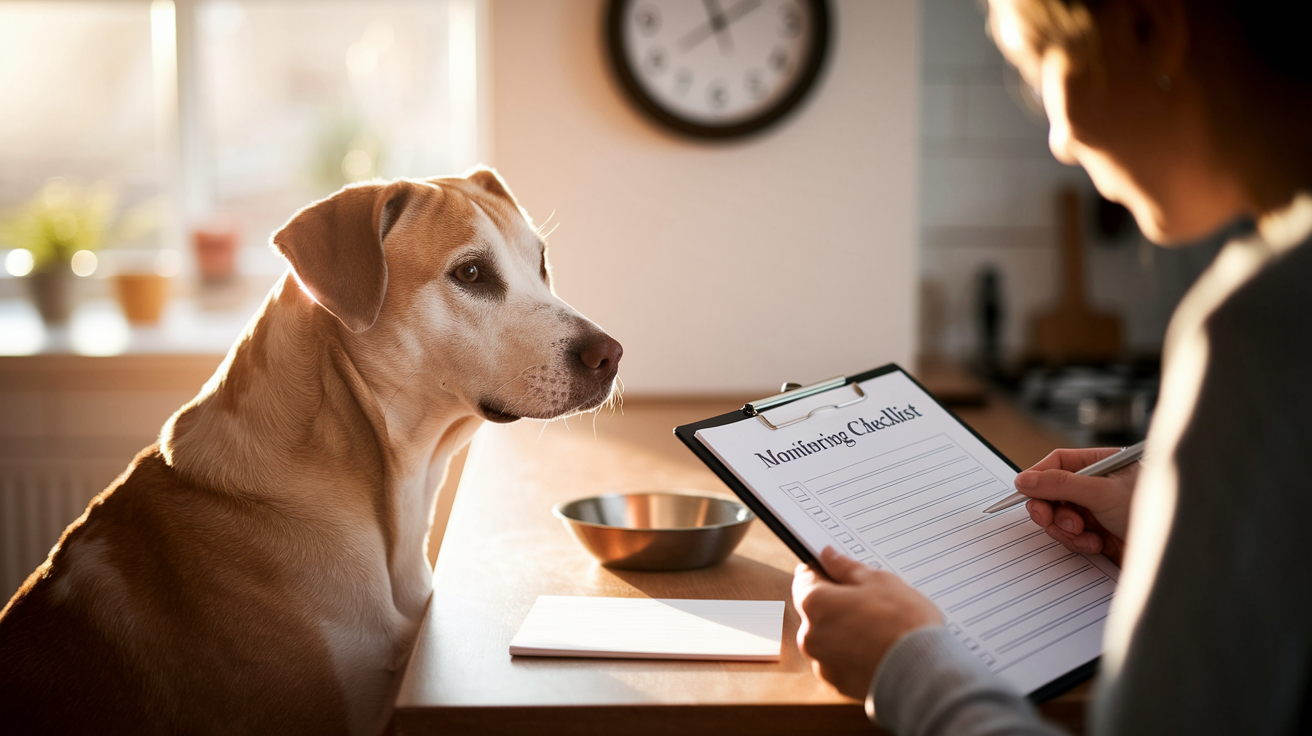
If your dog’s alert, responsive, and acting normal, you don’t need to panic over a skipped meal. Dogs refuse food for minor reasons sometimes. A single missed meal isn’t always urgent. What you do next depends on what else you’re seeing.
The timeline matters more than one refused meal. If your dog’s missed more than two meals straight, or hasn’t eaten for 12 to 24 hours, your safe monitoring window is closing. Once a dog goes longer than that without food, dehydration and electrolyte problems become real risks. Call your vet if your dog refuses food past the 12 to 24 hour mark, especially if other symptoms show up.
While you’re monitoring, use this quick checklist:
- Check your dog’s energy and behavior – Are they still playful, responsive, moving normally? Or are they withdrawn, lethargic, hiding?
- Offer the next scheduled meal and note what happens – Does your dog completely ignore it, sniff and walk away, or show interest but not eat?
- Monitor water intake closely – A dog drinking normally but refusing food can still develop problems. A dog refusing both water and food is more urgent.
- Look for vomiting or diarrhea – Even one episode paired with food refusal can signal a problem that needs veterinary attention.
- Watch for signs of pain or nausea – Panting, drooling, restlessness, a tense belly, or a hunched posture.
- Review recent exposures – Did your dog eat new treats, table scraps, or something weird from the yard? Did they start a new medication or get a vaccine in the last day or two?
Common Medical Reasons for Dogs Stopping Eating
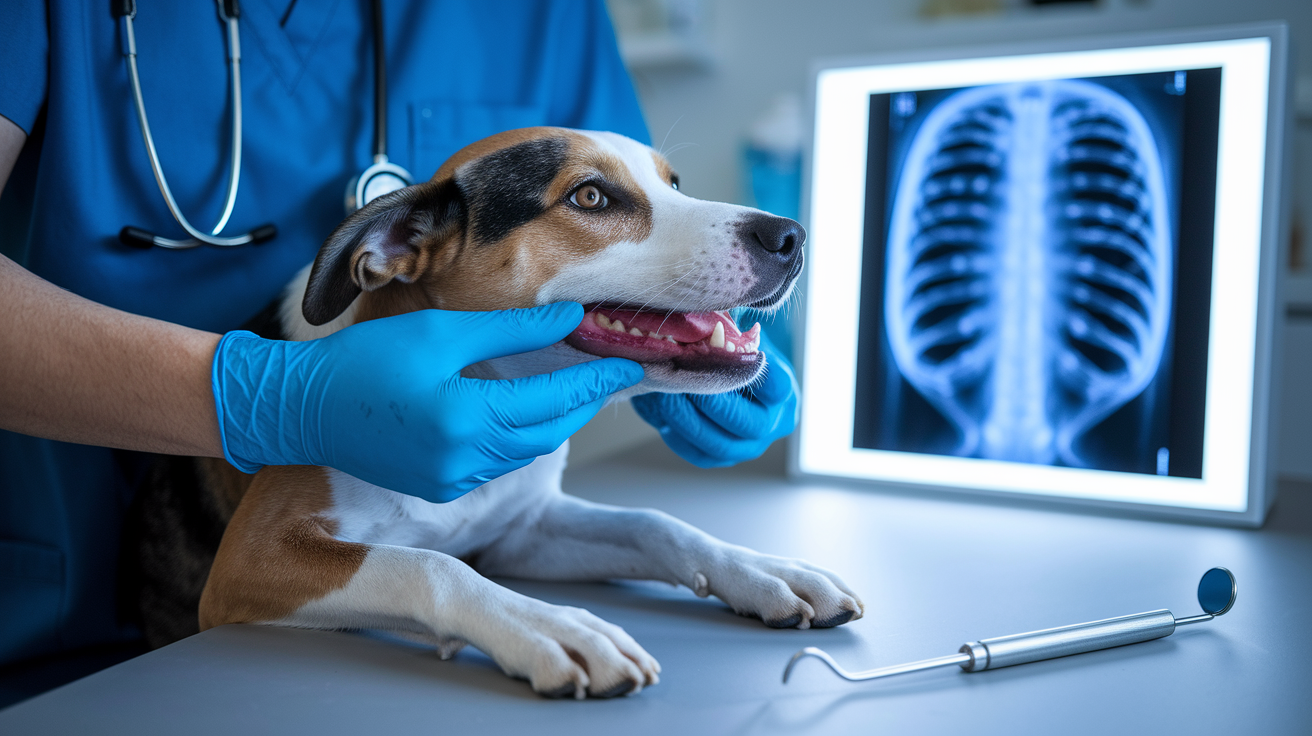
Gastrointestinal upset is one of the most common medical reasons dogs refuse food. This can happen after eating something too rich, high fat treats, greasy human food, or unusual backyard items like mulch, grass clumps, or spoiled compost. Dogs are also skilled at swallowing things they shouldn’t. Socks, toys, sticks, fabric scraps. A foreign object lodged in the stomach or intestines often triggers nausea and food refusal. Most of these cases resolve with supportive care, but some need imaging and intervention.
Nausea can come from pain, and it’s often tied to back or neck issues rather than stomach disease alone. Dogs with spinal discomfort, arthritis flare-ups, or strained muscles may refuse food because moving to the bowl or bending to eat hurts. Dental disease, loose teeth, heavy tartar buildup, or gum infections also make chewing painful. Medications and vaccines can temporarily suppress appetite, usually within a day or so after administration. Some dogs experience side effects longer than others.
Chronic diseases become more common as dogs age, and many show up as gradual or intermittent appetite loss. Food allergies or sensitivities, kidney disease, liver disease, pancreatitis, infections, parasites, and cancer all reduce interest in food. Senior dogs may stop eating as their organ function declines, their metabolism slows, or they develop silent dental pain they’ve learned to tolerate.
Behavioral and Environmental Reasons for Eating Refusal
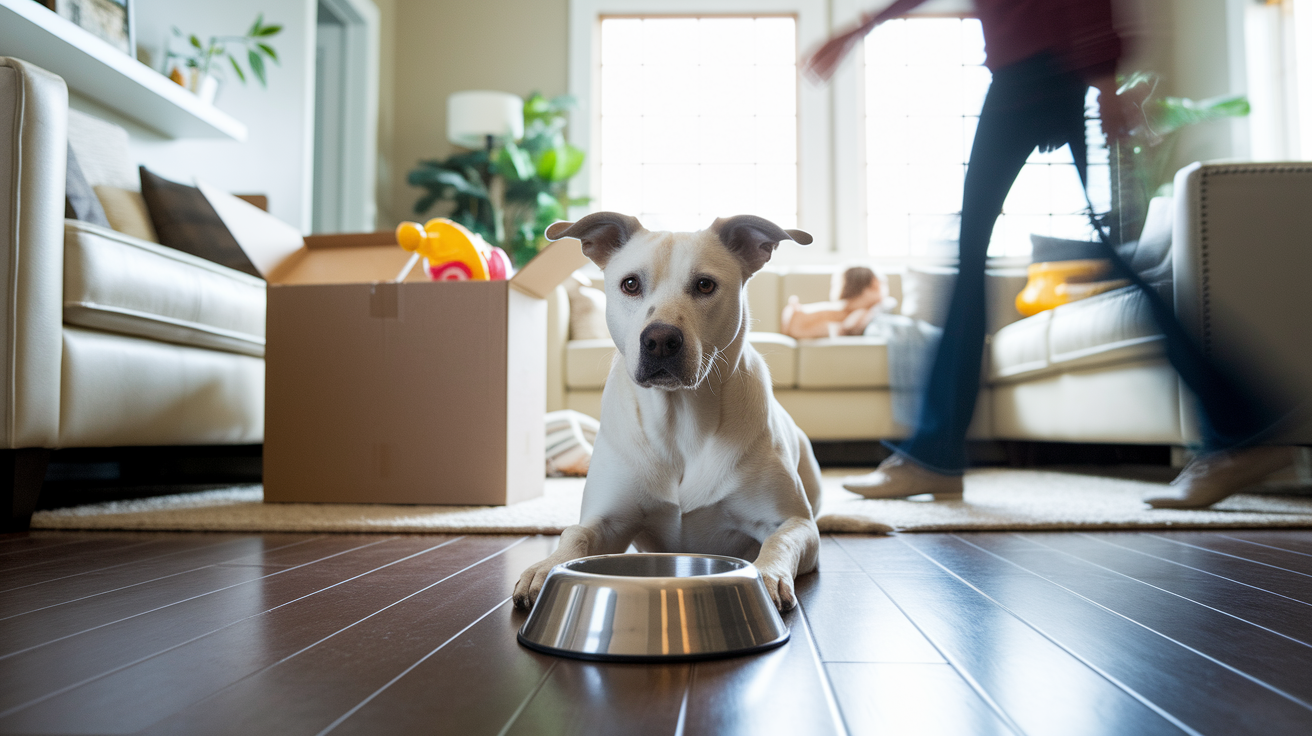
Stress, anxiety, and changes in routine can stop a dog from eating even when nothing’s medically wrong. Moving to a new house, a new pet or baby in the home, a change in feeding location, loud construction noise, fireworks, or an owner being away for long stretches can all disrupt appetite. Some dogs won’t eat when left alone and wait to eat only when their person is home.
Dogs rarely stop eating “for a phase” without an underlying reason. What looks like pickiness is often learned behavior from too many treats, table scraps, or rotating through multiple foods too quickly. If a dog learns that refusing kibble results in something tastier, they’ll hold out. Overfeeding treats and snacks throughout the day can also make dogs genuinely not hungry at mealtimes.
Common behavioral and environmental triggers include:
- Moving house or boarding during owner travel
- New pets, new people, or household schedule disruptions
- Feeding location changes or competition from other pets during meals
- Too many high value treats or table scraps reducing hunger
- Free feeding habits that teach a dog to graze rather than eat at mealtimes
Warning Signs and When Loss of Appetite Becomes Dangerous
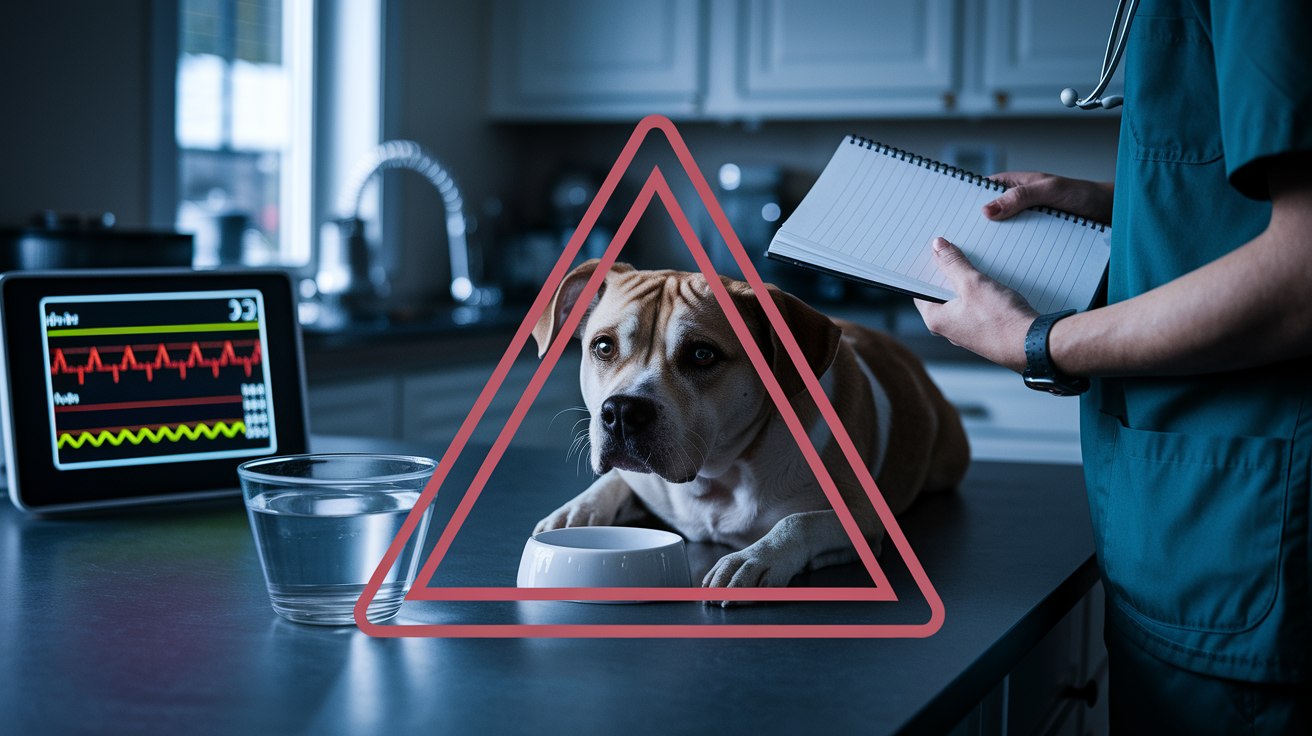
Missing a meal or two isn’t automatically dangerous if your dog’s otherwise acting normal, drinking water, and staying alert. What makes appetite loss urgent is what comes with it. When refusal to eat is paired with other warning signs, the situation shifts from “let’s monitor” to “let’s call the vet.”
If your dog’s missed more than two meals, the risk of complications begins to climb. Dogs can tolerate short fasts, but going beyond 24 hours without food increases the likelihood of dehydration, low blood sugar in smaller or younger dogs, and worsening nausea if an underlying issue is brewing. Dogs refusing both food and water are at higher immediate risk and should be seen quickly.
Watch carefully for any of these red flags that mean it’s time to contact your veterinarian or seek emergency care:
- Repeated vomiting or a single episode paired with lethargy or refusal to drink
- Loose stools, bloody diarrhea, or unusual stool color or consistency
- Lethargy, weakness, or hiding behavior
- Not defecating or straining without producing stool
- Increased thirst without eating, which can signal nausea or metabolic disease
- Sudden weight loss or visible body condition changes
- Unusual posture, panting, drooling, or signs of abdominal pain
The longer a dog refuses food, the harder it becomes for their body to maintain hydration, electrolyte balance, and energy. Even if the cause turns out to be minor, early veterinary evaluation prevents bigger problems and gets treatment started before things spiral.
How to Encourage Your Dog to Eat Again at Home
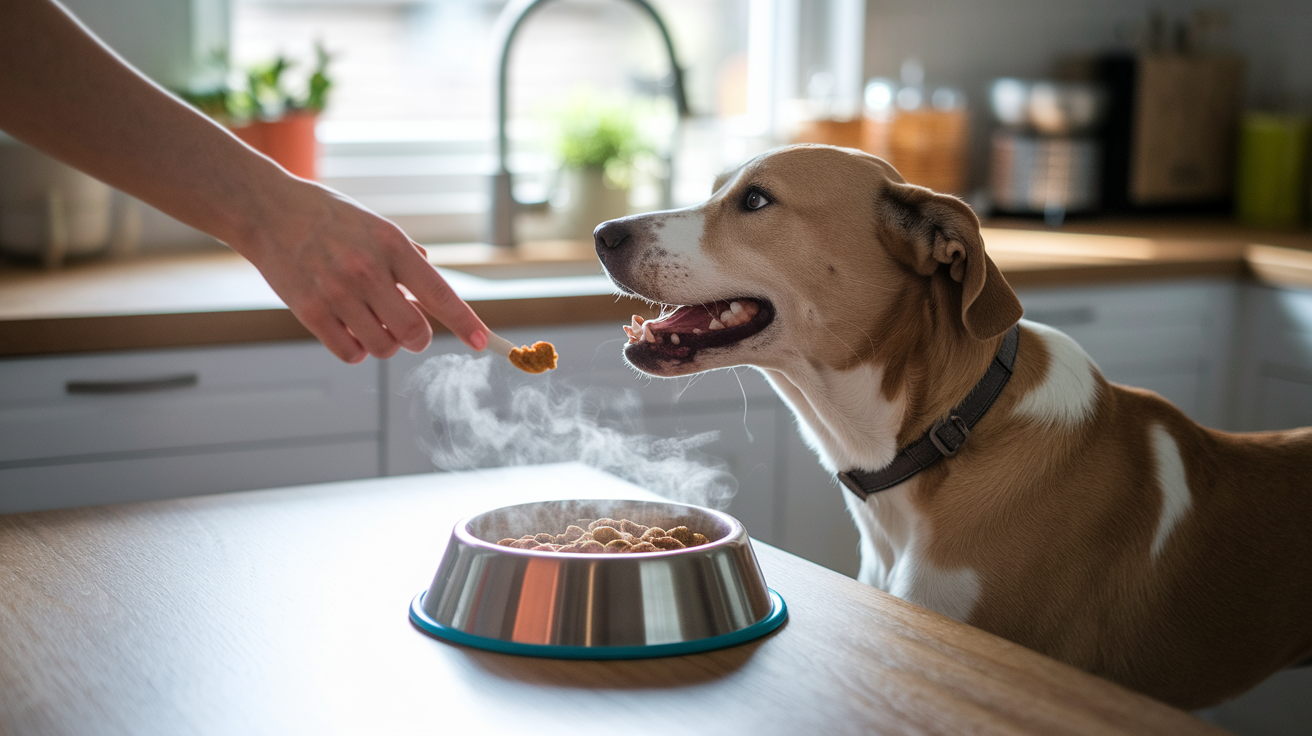
If your dog’s otherwise acting normal and you’re still in the safe monitoring window, there are gentle ways to make food more appealing and help them start eating again. These strategies work best for mild cases, temporary appetite dips, or dogs recovering from a brief illness.
Here are eight appetite boosting techniques you can try at home:
- Warm the food slightly – Add about a tablespoon of warm water to kibble or microwave wet food for 5 to 10 seconds to release more smell. Always check the temperature before serving.
- Mix wet food with dry kibble – Combining textures and increasing moisture can make meals more interesting and easier to eat.
- Add safe, plain toppers – A spoonful of plain cooked chicken, low sodium chicken or beef broth, boiled egg, or a small amount of plain pumpkin or sweet potato can increase interest.
- Hand feed a few bites – Offering food directly from your hand can help a stressed or uncertain dog feel safer and encourage them to start eating.
- Serve smaller, more frequent meals – Instead of two large meals, try three or four smaller portions throughout the day.
- Take your dog for a walk before mealtime – Light exercise can stimulate appetite and help a dog feel more ready to eat.
- Use a consistent feeding schedule – Serve meals at the same time each day and remove uneaten food after 10 to 15 minutes to reinforce mealtimes rather than grazing habits.
- Rotate flavors or protein sources gradually – If your dog’s been on the same food for months, a gradual switch to a different flavor or protein can reignite interest without upsetting the stomach.
These methods are short term tools, not permanent fixes. If your dog continues to refuse food after trying these steps, or if symptoms develop, stop experimenting at home and contact your veterinarian. Long term picky eating or ongoing appetite loss almost always has an underlying cause that needs diagnosis and treatment.
Safe Bland Diet Options for Short Term Use
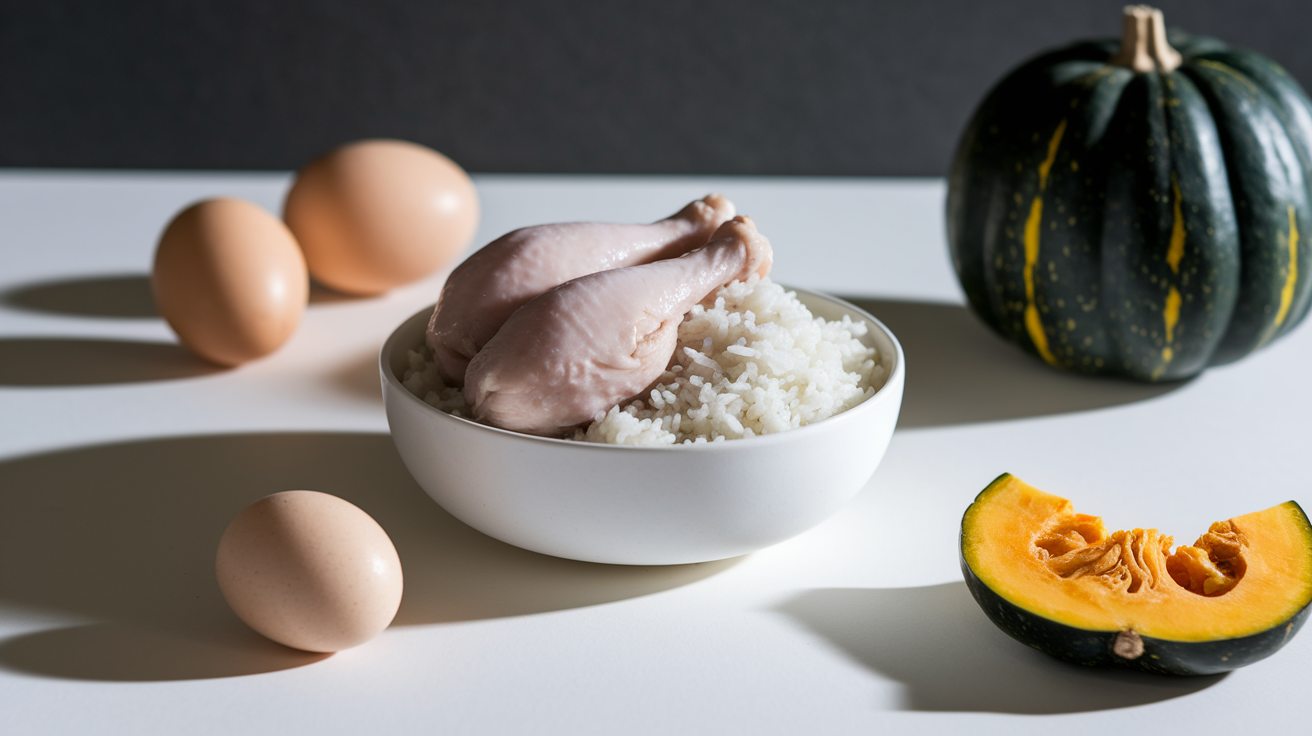
A bland diet can help settle an upset stomach and make eating easier while your dog recovers from mild gastrointestinal distress. The most common version is plain boiled chicken breast (no skin, no seasoning, no bones) combined with plain white rice. Boil the chicken thoroughly, let it cool, shred it into small pieces, and mix it with cooked white rice in roughly equal parts.
If your dog has known food allergies or sensitivities, or if chicken doesn’t seem to help, you can try bland alternatives like boiled eggs, plain cottage cheese, or plain pasta. These options are gentler on the stomach and still provide easy to digest protein and carbohydrates. Always introduce bland foods gradually and watch for any new signs of upset.
| Food Option | When It Helps | Notes |
|---|---|---|
| Boiled chicken + white rice | Mild GI upset, nausea, temporary refusal | Most common bland diet; no seasoning or oils |
| Boiled eggs + white rice | Chicken allergy or sensitivity | Plain scrambled or hard boiled; no butter or salt |
| Cottage cheese + plain pasta | Protein source alternative; easy to digest | Use plain, low sodium cottage cheese |
| Plain pumpkin or sweet potato | Added fiber for loose stools or mild constipation | Small amounts only; not a complete meal |
Bland diets are not nutritionally complete and should only be used for a few days while your dog recovers. If your veterinarian recommends continuing a bland diet longer, ask about a commercially prepared, veterinary approved bland or gastrointestinal formula that meets all nutritional requirements.
Veterinary Diagnosis and Treatment Options When a Dog Stops Eating
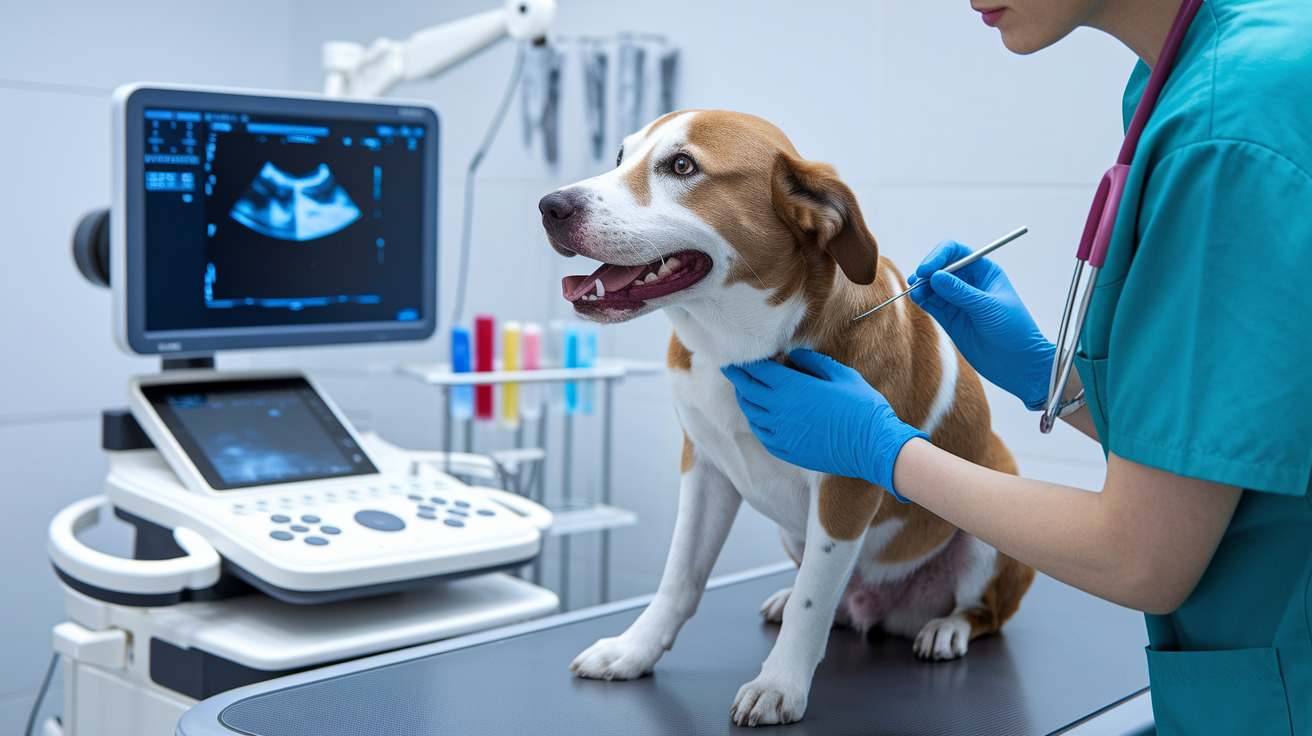
When you bring your dog to the veterinarian for appetite loss, the first step is a thorough physical exam. The vet will check your dog’s temperature, heart rate, hydration status, abdominal tenderness, mouth and teeth, and look for any signs of pain, infection, or abnormal lumps. They’ll also ask detailed questions about recent diet changes, treat intake, behavior changes, medication history, and exactly how long your dog’s refused food.
Depending on what the exam reveals, your veterinarian may recommend diagnostic tests to identify the underlying cause. Bloodwork can detect kidney or liver disease, infections, pancreatitis, anemia, and electrolyte imbalances. X-rays or ultrasound may be used to look for foreign objects, organ enlargement, tumors, or blockages. A dental exam under sedation might be needed if severe tartar, loose teeth, or gum disease is suspected.
Treatment depends on the diagnosis but often includes supportive care to get your dog eating and feeling better while the root cause is addressed. Common veterinary treatments include:
- Anti nausea medications to reduce vomiting and make your dog more comfortable
- Appetite stimulants like Entyce oral solution, a prescription medication that can help restart eating
- Intravenous or subcutaneous fluids to treat dehydration and restore electrolyte balance
- Pain management if arthritis, back pain, or dental disease is contributing to refusal
- Dietary changes to a low fat, easily digestible, or hypoallergenic formula if food intolerance or gastrointestinal disease is suspected
Most dogs recover once the underlying issue is identified and treated. A doodle that stopped eating in May, for example, recovered fully after receiving anti nausea medication, fluids for dehydration, and a switch to a low fat diet. Early intervention prevents complications and speeds recovery.
Special Considerations for Puppies, Seniors, and Dogs with Chronic Conditions
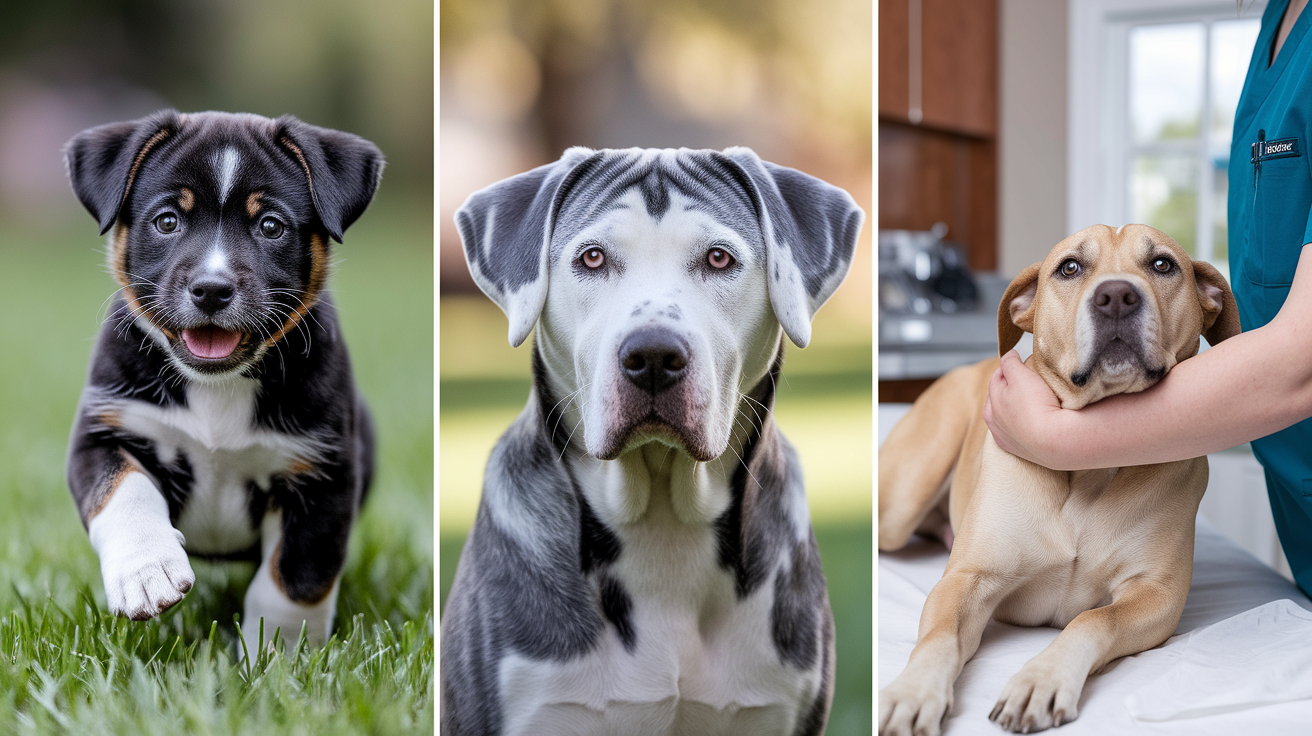
Puppies can’t tolerate appetite loss as long as adult dogs. Their smaller body reserves mean they can develop low blood sugar, dehydration, and dangerous weight loss more quickly, sometimes within 12 hours. If a puppy refuses more than one or two meals, contact your veterinarian promptly. Puppies are also more prone to ingesting foreign objects, intestinal parasites, and infections that require fast treatment.
Senior dogs often hide appetite problems longer because owners may chalk gradual decline up to “just getting older.” But age related diseases like kidney disease, liver disease, arthritis, dental disease, and cancer all reduce appetite, and early diagnosis improves quality of life and treatment success. Older dogs may also have silent dental pain, reduced smell and taste sensitivity, or difficulty bending to reach a food bowl. Chronic conditions like allergies, inflammatory bowel disease, or metabolic disorders can cause intermittent appetite loss that comes and goes, making it harder to pinpoint without veterinary diagnostics.
Preventive Habits That Reduce Future Appetite Problems
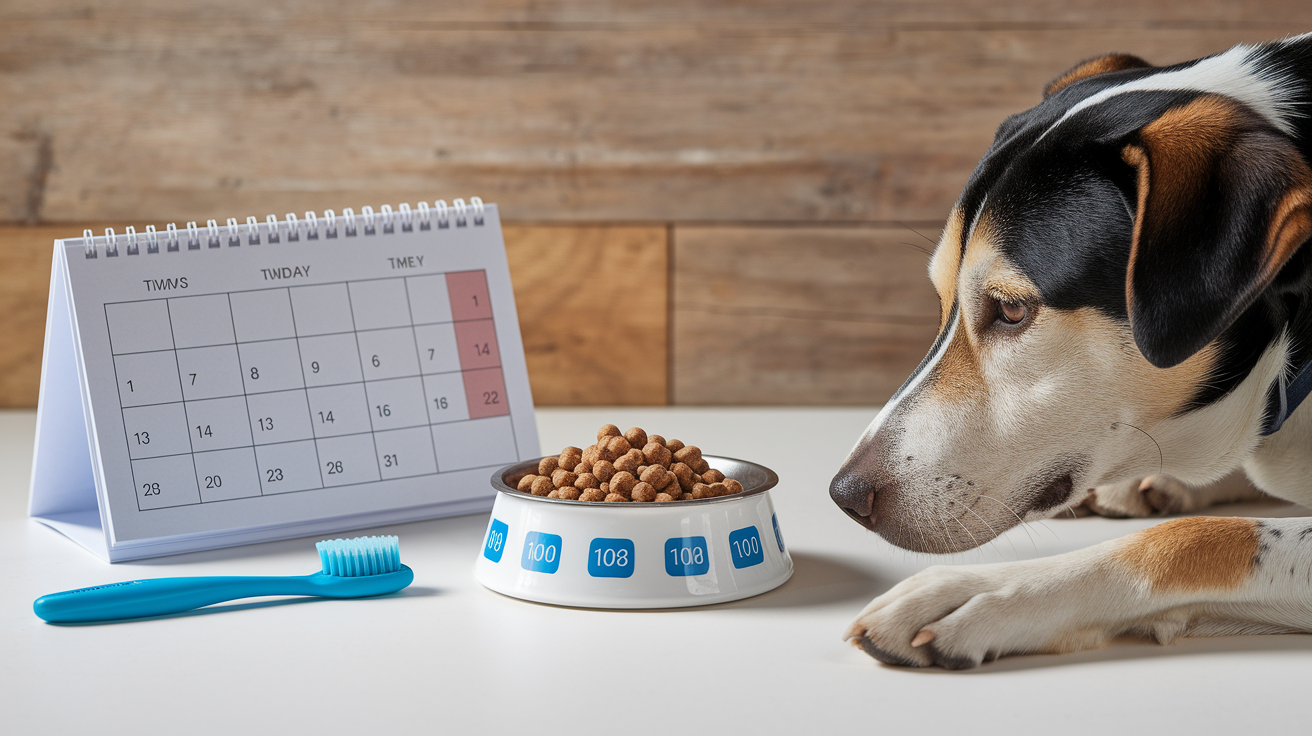
Preventing appetite problems starts with consistent routines and proactive health care. Schedule regular veterinary checkups at least once a year, and for senior dogs, every six months. Include a dental exam in those visits. Dental disease is one of the most common and preventable causes of appetite loss. Brush your dog’s teeth regularly at home if possible, or use dental chews and water additives your veterinarian recommends.
Control treat intake and avoid overfeeding table scraps or high fat human foods. Too many treats throughout the day reduce hunger at mealtimes and teach picky eating habits. Keep meals on a consistent schedule, serve food at the same times each day, and remove uneaten food after 10 to 15 minutes to reinforce structured eating rather than grazing.
Simple prevention steps include:
- Annual or biannual veterinary exams with dental checks
- Daily or weekly tooth brushing and dental care
- Tracking your dog’s normal appetite patterns so you notice changes early
- Limiting treats to no more than 10% of daily calories
- Avoiding sudden diet changes, transition gradually over 5 to 7 days when switching foods
Final Words
Act now. Start with quick triage, check energy and water, offer the next meal and note refusal, look for vomiting, diarrhea, pain, or recent exposures.
Missing one meal is often fine. Missing more than two meals, repeated vomiting, loose stools, or severe lethargy means call your vet.
Try warming food, hand feeding, or a short bland diet while you watch. If you still wonder what to do when your dog stops eating, follow these steps and contact your veterinarian if things do not improve. You’ve got this.
FAQ
Q: What to do if my dog won’t eat?
A: If your dog won’t eat, check their energy and water, offer the next meal and note refusal, inspect for vomiting or diarrhea, check for pain or recent exposures, and call your vet if they miss more than two meals or show worrying signs.
Q: How long can a dog go without eating?
A: A dog can often skip one meal, but going 12 to 24 hours without food raises dehydration and electrolyte risks. Contact your vet after 24 hours or sooner if vomiting, diarrhea, lethargy, or other worrying signs appear.
Q: Why do dogs stop eating suddenly?
A: Dogs stop eating suddenly for medical reasons—GI upset, swallowing a foreign object, dental pain, nausea, infections, medications, or chronic disease—or for behavioral reasons like stress, routine change, overfeeding treats, or picky eating.
Q: When to worry about a dog not eating?
A: You should worry when your dog misses more than two meals, has repeated vomiting or diarrhea, is lethargic, shows dehydration, weight loss, or fever, or can’t eat for about 24 hours. Seek veterinary care promptly.