

Kibble-only diets may be doing more harm than you think.
Whole-food feeding uses real, recognizable ingredients—lean meats, veggies, some fruits, and whole grains.
Those foods often keep nutrients intact, so pets absorb vitamins and healthy fats better and stay more hydrated.
It can mean shinier coats, firmer stools, and more energy within weeks.
In this post we’ll show the clear benefits, safe ingredient picks, portion basics, and a simple step-by-step transition so you can try whole foods without guesswork or risky shortcuts.
Defining a Whole‑Food Diet and What Pets Can Safely Eat
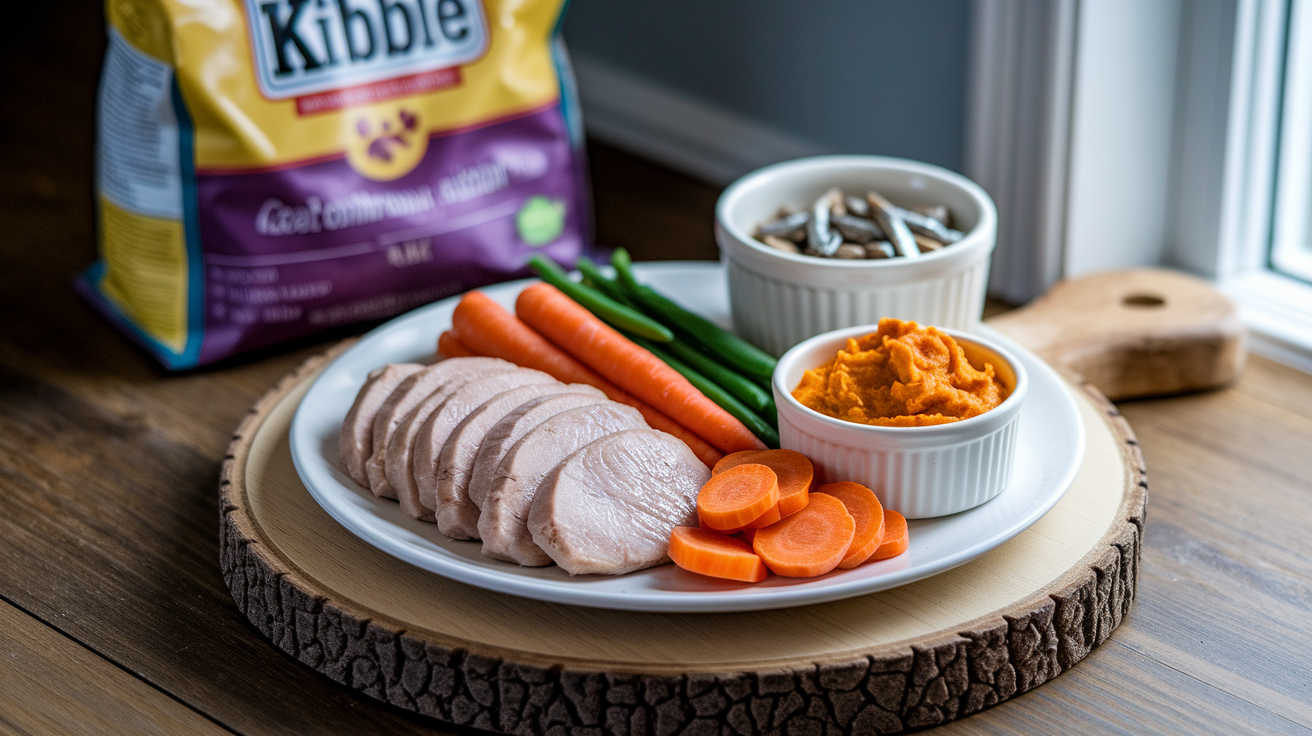
A whole‑food diet for pets means feeding unprocessed, recognizable ingredients. Lean meats, fresh vegetables, certain fruits, whole grains. Foods you could identify by sight and smell. These ingredients haven’t been cooked at extreme temperatures multiple times or ground into unrecognizable meal powders. Whole foods keep their natural nutrient structures intact, which makes vitamins, minerals, and amino acids easier for your dog or cat to absorb and use.
Commercial kibble gets cooked at very high heat several times during manufacturing. That process destroys many naturally occurring nutrients. To meet minimum standards, manufacturers add back synthetic vitamins and minerals after cooking. Whole‑food feeding skips that cycle entirely. You’re delivering nutrients in their original, bioavailable forms. Think beta‑carotene from an actual carrot instead of a lab‑made supplement mixed into grain dust.
Safe whole‑food ingredients include:
Lean meats (chicken breast, turkey, trimmed pork). Cook thoroughly to eliminate bacteria unless you’re following a vetted raw protocol.
Organ meats (chicken liver, heart). Nutrient‑dense but use sparingly. Liver shouldn’t make up more than a small percentage of total diet.
Fish (sardines, anchovies, salmon). Freeze raw fish for two weeks before feeding to reduce parasite risk. Avoid large fish like tuna due to higher toxin accumulation.
Vegetables (carrots, green beans, sweet potatoes, pumpkin). Serve raw, steamed, or boiled without salt. Sweet potatoes should be cooked and mashed for easier digestion.
Safe fruits (apples). Core and remove all seeds, which contain amygdalin that can release cyanide. Slice into bite‑sized pieces.
Cooked starches (plain rice, oats). Easy on the stomach and helpful during digestive upset.
Healthy fats (small amounts of coconut oil). Supports skin, coat, and metabolism.
Bone‑in options (raw chicken necks for dogs only). Never feed cooked bones, which splinter and cause internal injuries.
Nutritional Benefits of a Whole‑Food Diet for Pets

Whole foods pack more usable nutrition into each bite. Because nutrients haven’t been heat‑damaged or chemically altered, your pet’s body can absorb vitamins, amino acids, and essential fatty acids more efficiently. That often means smaller meal volumes to meet daily needs. Better stool quality from natural dietary fiber. Noticeable improvements in energy, coat shine, and overall vitality within a few weeks of switching.
Fiber‑rich vegetables like sweet potatoes and pumpkin support steady digestion. They help firm up loose stools or ease mild constipation. Pumpkin’s soluble fiber is especially gentle. Around one teaspoon for small dogs or one tablespoon for larger breeds mixed into food can settle an upset stomach. Fish such as sardines, anchovies, and salmon deliver omega‑3 fatty acids that support normal inflammatory pathways. Healthier skin, shinier coats, and better joint comfort in active or aging pets.
High‑moisture whole foods also keep pets better hydrated than dry kibble. That matters for kidney health and urinary function, especially in cats. And because you control every ingredient, you skip the preservatives, flavor enhancers, and synthetic additives commonly used to extend shelf life and palatability in processed foods.
Building Balanced Whole‑Food Meals for Dogs and Cats
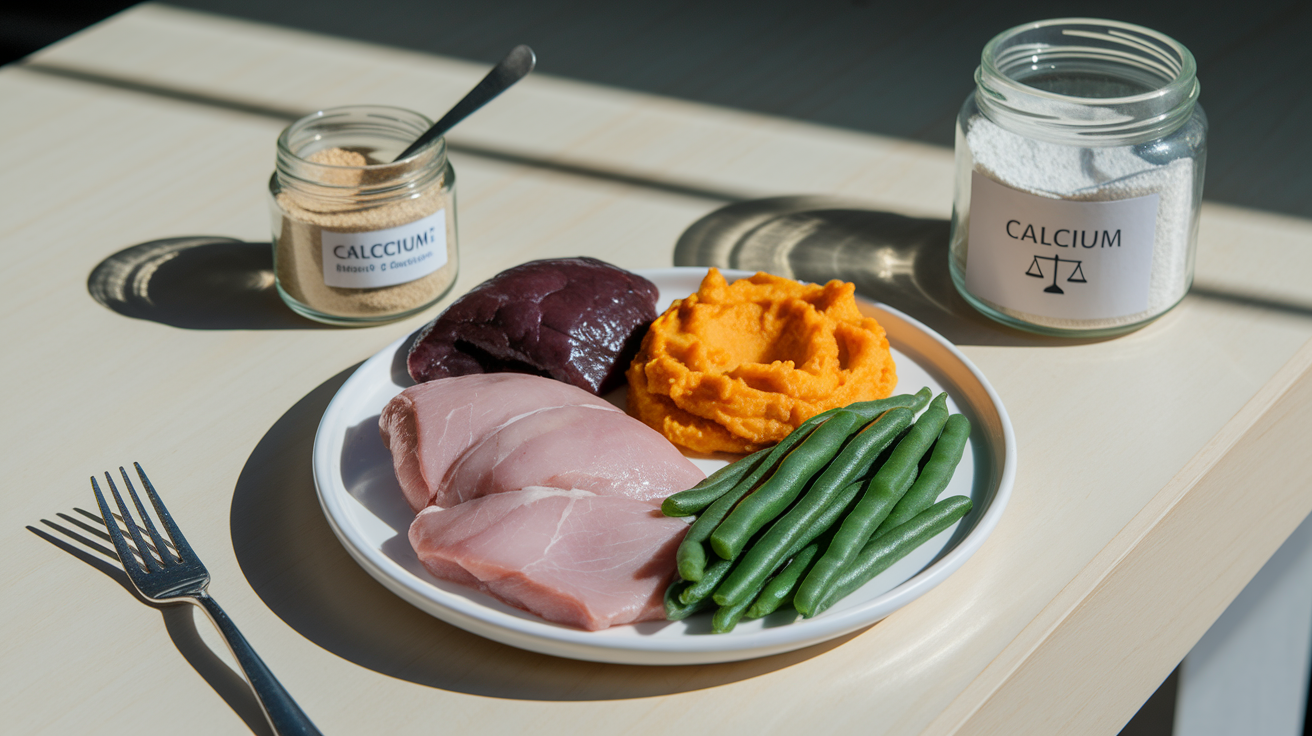
A nutritionally complete whole‑food diet supplies the right mix of protein, fat, carbohydrates, vitamins, minerals, and water. Lean meats and fish provide essential amino acids for muscle maintenance and metabolic function. Organ meats, especially heart and liver, deliver concentrated nutrients. Chicken hearts are a natural source of taurine, which cats need for normal cardiac and eye health. Liver is packed with vitamin A, iron, and B vitamins.
Calcium and phosphorus must stay balanced. Typically close to a 1:1 or 1.2:1 ratio for dogs and slightly tighter for cats. Cooked bones are dangerous because they splinter, but raw meaty bones like chicken necks can supply calcium, glucosamine, and omega‑3s for dogs when fed safely under supervision. If you’re not using raw bone, you’ll need another calcium source. Finely ground eggshell or a veterinary‑approved supplement. Otherwise you risk deficiencies or skeletal issues over time.
Rotating ingredients every few weeks helps avoid nutritional gaps and prevents overexposure to any single food. Feeding the exact same meals for months can lead to imbalances. Too much liver, for instance, causes vitamin A toxicity. Fat‑soluble vitamins like A, D, E, and K accumulate in the body rather than flush out like water‑soluble ones. Variety also reduces the risk of developing food sensitivities.
| Nutrient | Why It Matters | Whole‑Food Sources |
|---|---|---|
| Protein and amino acids | Build and repair muscle, produce enzymes and hormones, support immune function | Chicken, turkey, fish, lean pork, eggs, organ meats |
| Calcium and phosphorus | Bone health, nerve signaling, muscle contraction; must be balanced to prevent skeletal disease | Raw meaty bones (dogs), ground eggshell, certain fish with soft edible bones |
| Taurine | Essential for cats; supports heart muscle and retinal health | Chicken heart, turkey heart, fish, shellfish |
| Essential fatty acids (omega‑3, omega‑6) | Skin and coat health, anti‑inflammatory support, brain and joint function | Sardines, anchovies, salmon, herring; small amounts of certain plant oils for omega‑6 |
Portion Sizes and Daily Feeding Guidance in Whole‑Food Diets

Portion sizes depend on your pet’s weight, age, activity level, and metabolism. A rough starting point is about 2 to 3 percent of body weight per day for adult dogs. Around 3 to 4 percent for growing puppies or highly active dogs. Cats typically eat closer to 2 to 3 percent of their ideal body weight daily, split across two or more meals. Because whole foods are often more nutrient‑dense than kibble, actual meal volume might look smaller than you expect.
Monitor stool quality closely during the first few weeks. Firm, easy‑to‑pick‑up stools that hold their shape signal good digestion and appropriate fiber levels. Loose stool or diarrhea can mean you’re feeding too much fat, introducing new foods too quickly, or that a particular ingredient doesn’t agree with your pet. Persistent hunger or weight loss suggests portions are too small. Steady weight gain with normal activity means you’re overfeeding.
Key portion principles:
Start with a calorie‑based estimate using your pet’s current weight and typical daily energy needs. Adjust based on body condition and stool quality.
Divide daily food into two or more meals to aid digestion and keep blood sugar steady, especially for cats and small dogs.
Weigh portions for the first week or two to avoid guesswork and establish a baseline you can tweak.
Account for treats and toppers by reducing main‑meal volume slightly so total daily calories stay consistent.
Reassess every few weeks as activity, age, and metabolism change. Scale portions up or down to maintain a healthy weight.
Transitioning Pets Safely to a Whole‑Food Diet

Sudden diet changes can trigger vomiting, diarrhea, or refusal to eat. Introduce whole foods gradually over at least one week. This gives your pet’s digestive enzymes and gut bacteria time to adapt to new protein sources, fiber levels, and moisture content without causing stomach upset or stress.
Day 1: Add one tablespoon of the new whole‑food meal to your pet’s current food and mix thoroughly.
Wait 24 hours and watch for signs of vomiting, diarrhea, excessive gas, or loss of appetite.
Days 2–3: If all looks normal, increase the new food to roughly one‑quarter of the total meal. Reduce the old food by the same amount.
Days 4–5: Move to a 50‑50 mix of new and old food. Continue to monitor stool quality and energy.
Days 6–7: Shift to three‑quarters new food and one‑quarter old. Watch closely for any digestive changes.
Day 8 onward: Complete the switch to 100 percent whole‑food meals. But slow down or step back a stage if loose stools or upset stomach appear at any point.
If symptoms worsen or don’t improve after pausing the transition for a day or two, consult your veterinarian before continuing. Some pets have sensitive stomachs or underlying conditions that need a slower introduction or a different protein source altogether.
Rotate whole‑food ingredients every few weeks once your pet is fully transitioned. Feeding chicken and sweet potato for a month, then switching to fish and green beans the next month, helps prevent nutrient imbalances and reduces the chance of developing food sensitivities to any single ingredient.
Safety Concerns, Toxic Foods, and Food‑Handling Guidelines
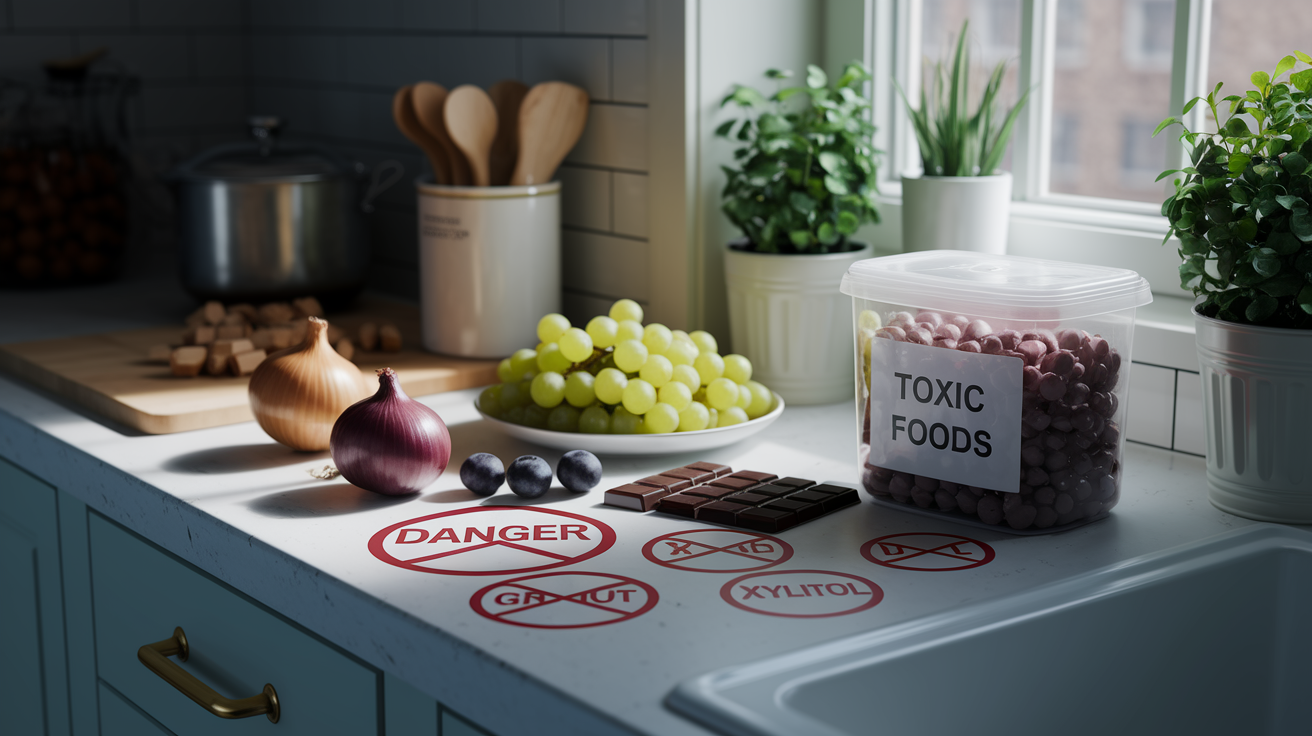
Certain human foods are toxic to dogs and cats and must be completely avoided. Onions, garlic, leeks, and chives. The entire allium family damages red blood cells and can cause life‑threatening anemia. Grapes and raisins trigger acute kidney failure in some dogs, even in small amounts. Chocolate contains theobromine, which pets metabolize poorly. Rapid heart rate, seizures, and death can result. Xylitol, a common sweetener in sugar‑free products, causes severe hypoglycemia and liver failure.
Raw diets carry bacterial risks for both pets and household members. Freeze raw fish for a full two weeks at standard freezer temperatures before serving to kill potential parasites. Thaw frozen proteins in the refrigerator, never on the counter. Wash all prep surfaces, bowls, and utensils with hot soapy water immediately after use. Handle raw meat as carefully as you would for human meals.
Key safety rules:
Remove apple seeds and cores before feeding. Seeds contain amygdalin, which releases cyanide when chewed.
Never feed cooked bones, which splinter into sharp shards that pierce the stomach or intestines.
Avoid large fish like tuna or swordfish due to higher mercury and toxin accumulation. Stick to small, short‑lived species like sardines and anchovies.
Check fish oil and coconut oil for rancidity by smelling before use. Rancid fats lose nutritional value and can cause stomach upset.
Limit liver to no more than 5 percent of total diet to prevent vitamin A toxicity over time.
Keep chocolate, xylitol, grapes, raisins, and alliums completely out of reach. Call your vet or pet poison control immediately if ingestion occurs.
Consult a veterinarian before starting a raw diet, especially if your pet is very young, very old, or immunocompromised.
Sample Whole‑Food Meal Ideas for Everyday Feeding

These meal ideas give you a starting framework, but they’re not complete, balanced recipes on their own. Work with a veterinary nutritionist to ensure your pet’s long‑term diet meets all nutrient requirements. Correct calcium‑phosphorus ratios, taurine levels for cats, and appropriate vitamin and mineral supplementation.
Cooked chicken breast + mashed sweet potato + steamed green beans. Shred the chicken, mash the sweet potato until smooth, and chop green beans into bite‑sized pieces. Mix together and serve at room temperature.
Baked salmon (small portion) + cooked carrots + plain cooked rice. Flake the salmon to remove any small bones, dice the carrots, and stir into cooled rice for a gentle, easy‑to‑digest meal.
Ground turkey (cooked) + pumpkin puree + a drizzle of fish oil. Brown the turkey without added salt or seasoning, let cool, then mix in about one teaspoon of plain canned pumpkin for small dogs or one tablespoon for larger dogs. Add a few drops of fresh fish oil.
Boiled chicken heart (for cats) + steamed broccoli florets + a pinch of ground eggshell. Simmer the hearts until fully cooked, chop into small pieces, steam broccoli lightly. Add just enough ground eggshell to supply calcium without overwhelming the meal.
Lean pork trim (cooked and diced) + grated raw carrot + apple slices (seeds removed). Cook the pork thoroughly, let cool, then toss with grated carrot and seed‑free apple chunks for a crunchy, nutrient‑rich topper.
Sardines (canned in water, drained) + mashed sweet potato + chopped celery. Mash one or two sardines with a fork, mix into cooked sweet potato, and stir in finely chopped celery for added crunch and cooling benefits.
Comparing Whole‑Food Diets With Commercial Pet Food
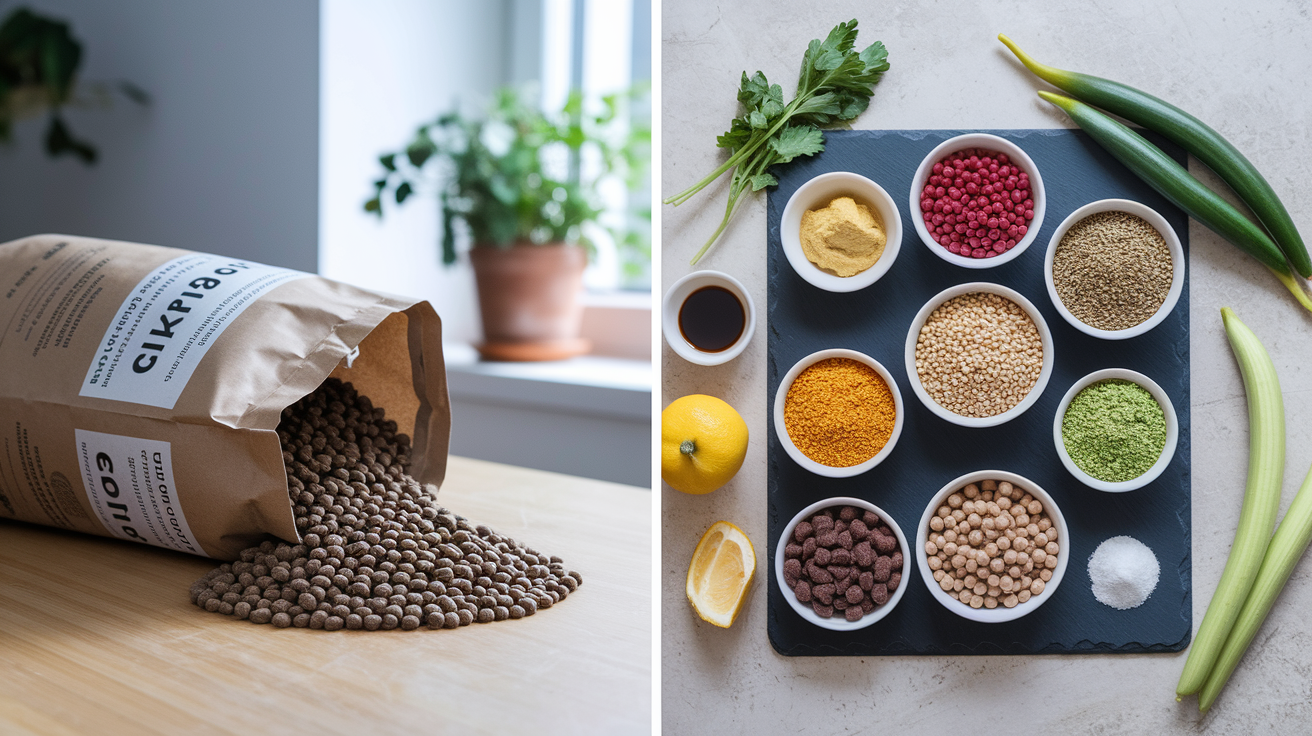
Commercial kibble is cooked at very high temperatures, often multiple times during extrusion and drying. That destroys heat‑sensitive vitamins like B vitamins and vitamin E, denatures some amino acids, and oxidizes fats. To meet minimum nutritional standards, manufacturers add back synthetic vitamins and minerals after processing. Whole‑food diets skip that degradation cycle entirely. You’re delivering nutrients in their natural, bioavailable forms.
Kibble offers convenience, long shelf life, and lower cost per serving. A bag of dry food can sit in your pantry for months without refrigeration. Feeding takes seconds. Scoop, pour, done. Whole‑food meals, whether homemade or purchased fresh, require refrigeration or freezing. They have a shelf life measured in days to weeks once opened and cost more per pound. But many pet parents find the tradeoff worth it for better digestibility, fewer additives, and the ability to control exactly what goes into the bowl.
| Feature | Whole‑Food Diet | Commercial Kibble |
|---|---|---|
| Nutrient Retention | High; vitamins, amino acids, and fats remain in natural forms with minimal heat damage | Lower; high‑heat processing destroys many nutrients, which are replaced with synthetic versions |
| Additives | None or minimal; you control all ingredients and avoid preservatives, artificial colors, and flavor enhancers | Common; preservatives, palatability enhancers, synthetic nutrients, and sometimes fillers or byproducts |
| Shelf Life | Short; fresh meals last days in the fridge, weeks to months frozen, requiring careful storage and meal planning | Long; dry kibble remains shelf‑stable for months or years in sealed packaging without refrigeration |
Human‑grade pet food labels indicate ingredients that meet USDA standards for human consumption, but “human‑grade” alone doesn’t guarantee complete nutrition or appropriate ingredient ratios for pets. Always check for an AAFCO statement confirming the food is formulated to meet nutritional standards for your pet’s life stage. Or work with a veterinary nutritionist to design a balanced homemade plan.
Whole‑Food Diet Adjustments for Life Stages and Health Needs

Puppies and kittens need higher protein, fat, and calcium than adults to support rapid growth and bone development. If you’re feeding a whole‑food diet to a young pet, work closely with a veterinary nutritionist to ensure correct calcium‑phosphorus ratios and adequate calories. Growth‑stage errors can cause permanent skeletal deformities. Senior pets, on the other hand, often benefit from slightly lower calories to prevent weight gain as activity decreases. Plus joint‑supporting ingredients like omega‑3‑rich fish and glucosamine from chicken necks.
Overweight pets often do well on whole‑food diets because high‑moisture, high‑fiber vegetables like green beans and pumpkin add volume and satiety without many calories. You can replace a portion of the daily protein with steamed green beans to help your pet feel full while reducing overall calorie intake. Allergy‑sensitive pets benefit from controlled ingredient lists. Feeding a single novel protein (like duck or venison) and one or two safe carbohydrates (sweet potato, for example) makes it easier to identify and eliminate problem foods during an elimination trial.
Seniors: Lower total calories slightly, increase omega‑3 from sardines or salmon. Consider adding cooked chicken necks (if safe for your dog) or a joint supplement for glucosamine and chondroitin.
Puppies and kittens: Higher protein and fat, precise calcium supplementation, smaller, more frequent meals, and professional formulation to prevent growth disorders.
Overweight pets: Replace part of the daily protein with low‑calorie vegetables like green beans or steamed broccoli. Measure portions carefully, and increase activity gradually.
Allergy or sensitivity management: Use a limited‑ingredient approach with one novel protein and one or two simple carbohydrates. Reintroduce foods one at a time to identify triggers.
Storing, Freezing, and Preparing Whole‑Food Pet Meals
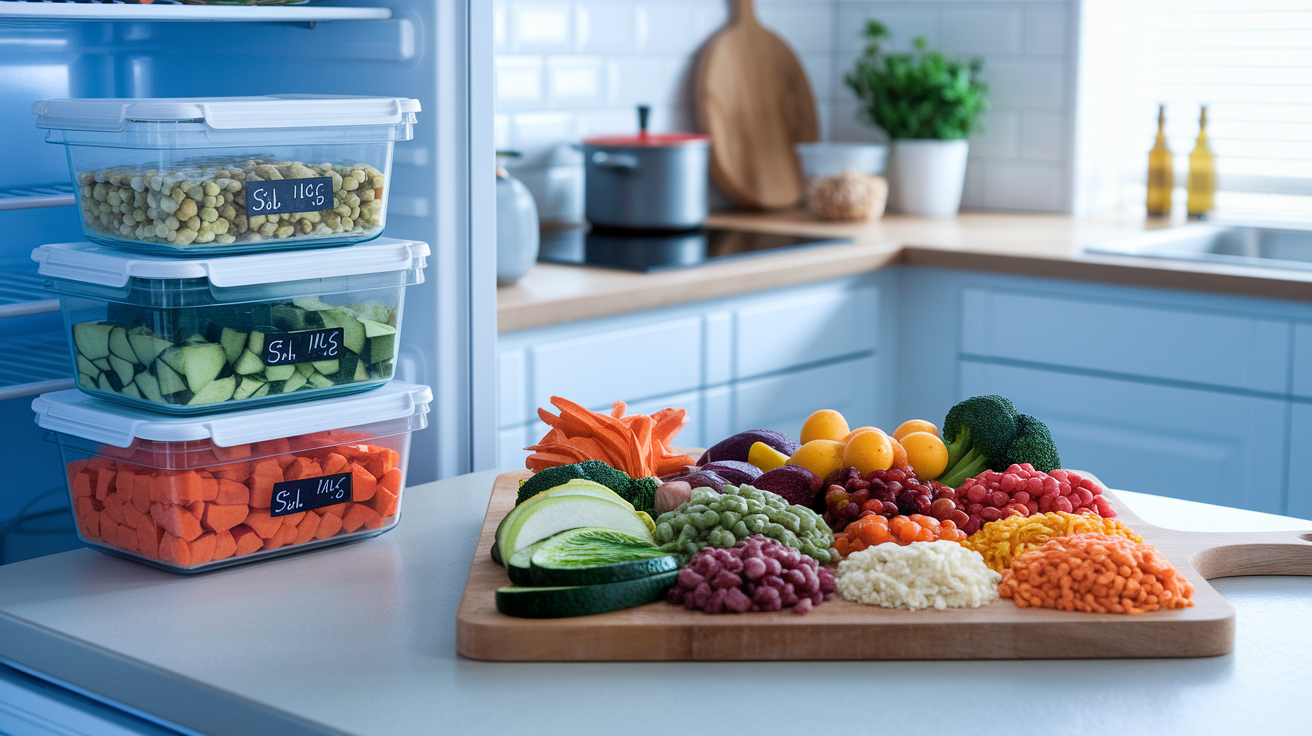
Fresh whole‑food meals have a much shorter shelf life than kibble. Proper storage is critical to prevent spoilage and foodborne illness. Refrigerated meals stay safe for about three to five days in airtight containers. Once opened, use prepared fresh pet food within seven days and keep it tightly covered. Frozen meals can last several months if stored at 0°F or below, but label each container with the date so you use the oldest batches first.
Batch cooking saves time and ensures you always have meals ready. Cook a week’s worth of protein, vegetables, and starches in one session. Portion into individual servings, then refrigerate what you’ll use in the next few days and freeze the rest. Thaw frozen portions in the refrigerator overnight, never on the counter or in warm water. That keeps bacteria from multiplying.
Simple batch‑prep method:
Cook proteins thoroughly (bake, boil, or steam chicken, fish, turkey, or lean pork) without added salt, oil, or seasoning.
Prepare vegetables by steaming or boiling carrots, sweet potatoes, green beans, and broccoli until soft but not mushy. Let cool completely.
Portion into meal‑sized containers based on your pet’s daily needs, mixing protein, vegetables, and any cooked starch in the correct ratios.
Label and date each container, then refrigerate meals for the next three to five days and freeze the rest for later use.
Final Words
Start by checking your pantry for safe ingredients like cooked chicken, pumpkin, sweet potato, green beans, and seed-free apple slices.
This post showed why whole foods can boost digestion, hydration, and skin and coat health, and walked through balancing meals, portion guides, safe transitions, and storage tips.
Try a short 7-day plan, watch stool and appetite, rotate proteins, and stop and call your vet if vomiting, repeated diarrhea, blood, or trouble breathing appear.
Take it one small step at a time. A thoughtful whole food diet for pets can make daily care simpler and healthier.
FAQ
Q: What is a whole food diet for a dog?
A: A whole-food diet for dogs is made of unprocessed meats, fish, vegetables, fruits, whole grains, and limited organ meats. The best plans balance nutrients, include omega-3s, and avoid cooked bones or apple seeds.
Q: Why can’t dogs have cooked carrots?
A: Dogs can have cooked carrots; they’re safe and often easier to chew. Avoid added salt or butter and cut into small, soft pieces to prevent choking, especially for puppies or dogs with dental issues.
Q: What diet is best for dogs with seizures?
A: The best diet for dogs with seizures emphasizes consistent calories, quality proteins, and omega-3 fats. MCT-enriched plans can help some dogs. Always check with your vet before changing diets or adding supplements.