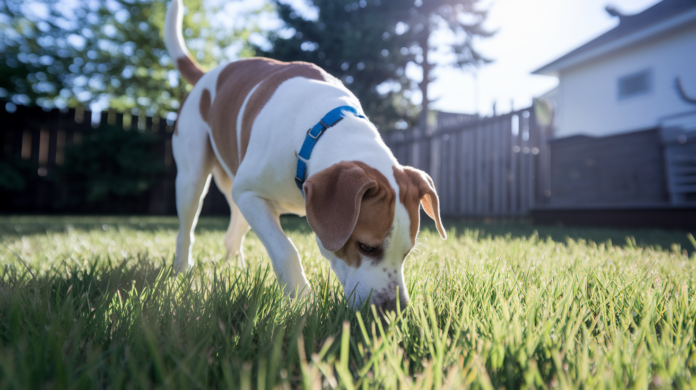

Is your dog eating grass because they’re sick—or just being a dog?
It’s more normal than you think; lots of dogs nibble plants and usually act fine afterward.
Still, grazing can come from simple reasons like boredom or taste, or from gut problems that need care.
In this article I’ll explain the common causes, easy home fixes you can try today, and the clear warning signs that mean a vet visit is a good idea.
Understanding Common Grass-Eating Reasons in Dogs

Most dogs seem perfectly fine before and after eating grass. One survey of 49 dog owners found that 79% of their dogs had eaten plants at least once. Pretty common, right? But here’s the thing: fewer than 10% showed any signs of illness before they started grazing, and fewer than 25% threw up afterward. If your dog nibbles grass now and then but still plays, eats, and poops like normal, you’re probably looking at harmless behavior.
Wild canids like wolves and foxes eat plants too. Studies show that 2 to 10% of what wolves consume is plant matter, which suggests grass-eating might just be instinct. Your dog might eat grass because it’s there, because it tastes okay, or because it feels like a normal thing to do when they’re sniffing around outside.
Non-serious reasons your dog might graze include:
Digestive soothing. Dogs with a mildly upset stomach might chew grass to feel better, though most don’t vomit after.
Boredom. Not enough to do? Eating grass can become a repetitive habit.
Instinctive foraging. Chewing plants satisfies a natural urge, especially in young dogs or certain breeds that love to explore.
Taste and texture. Some dogs just like how it feels or tastes.
Fiber seeking. If their regular food doesn’t have enough bulk, they might look for it elsewhere.
Habit or attention. If eating grass gets a reaction from you, your dog may do it again.
Since most dogs don’t get sick before or after eating grass, vets now see occasional grazing as normal canine behavior. If your dog nibbles once or twice a week and feels fine, there’s usually nothing to worry about.
Medical Conditions Behind Grass-Eating in Dogs
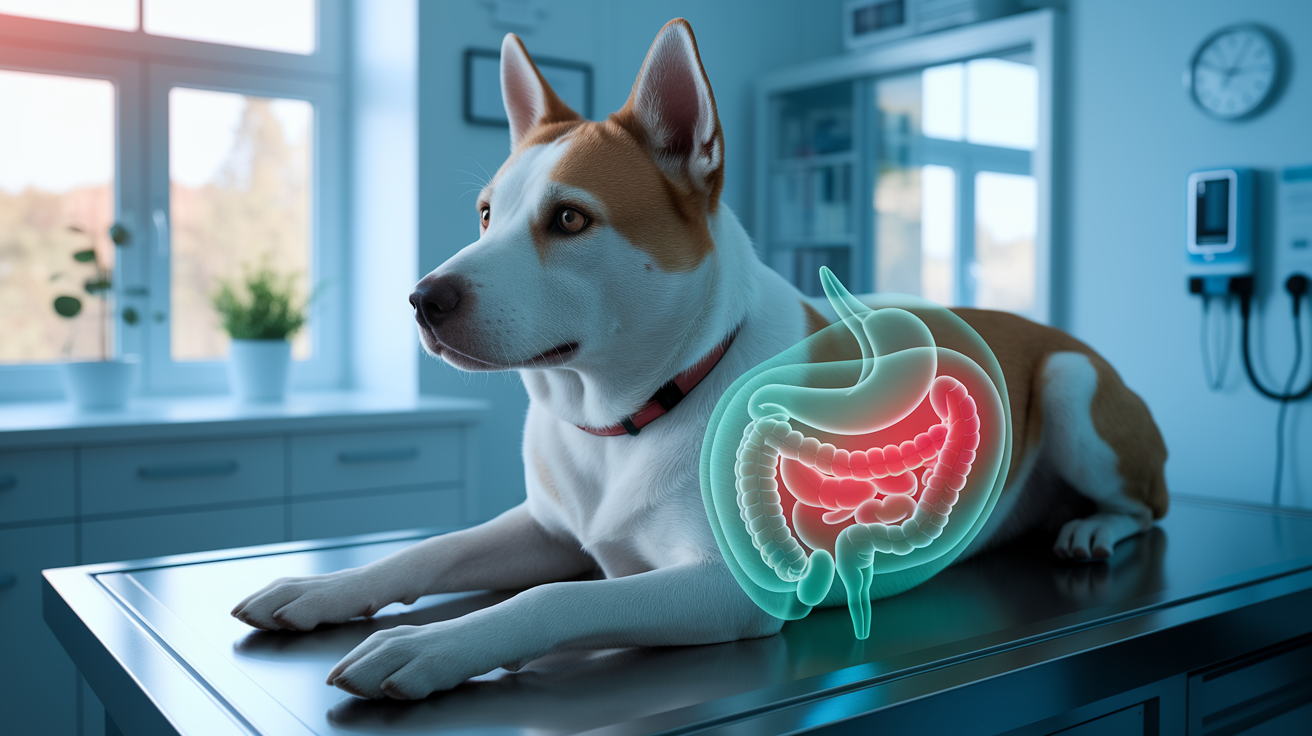
When grass-eating becomes a daily thing or starts happening alongside other symptoms, it can point to something medical. Gastrointestinal problems like gastritis, acid reflux, nausea, pancreatitis, inflammatory bowel disease, or intestinal parasites can all make a dog uncomfortable enough to chew grass for relief. Dogs with chronic stomach irritation or bile reflux might graze hoping it’ll help, though there’s no solid proof it actually does. If your dog eats grass multiple times a day and also vomits, has diarrhea, seems tired, or won’t eat, digestive illness is possible.
Pica (repeatedly eating non-food stuff) can signal nutritional gaps or compulsive behavior. There’s a documented case of an 11-year-old Miniature Poodle who vomited daily and ate plants constantly for seven years. Within three days of switching to a high-fiber diet, the grass-eating stopped and the vomiting disappeared. That simple change fixed the problem. Another study found that dogs on standard diets ate more grass than dogs experiencing diarrhea, which points to a complicated relationship between gut issues and grazing.
Signs that suggest something medical rather than normal behavior:
Vomiting more than twice in 24 hours.
Daily or several-times-daily grass-eating for over 48 hours.
Diarrhea, blood in stool, or black, tarry stools.
Fever above 103.0°F or body temperature outside the normal 100.5 to 102.5°F range.
Weight loss over 10% in a short period or sudden appetite loss.
When Grass-Eating in Dogs Becomes a Concern
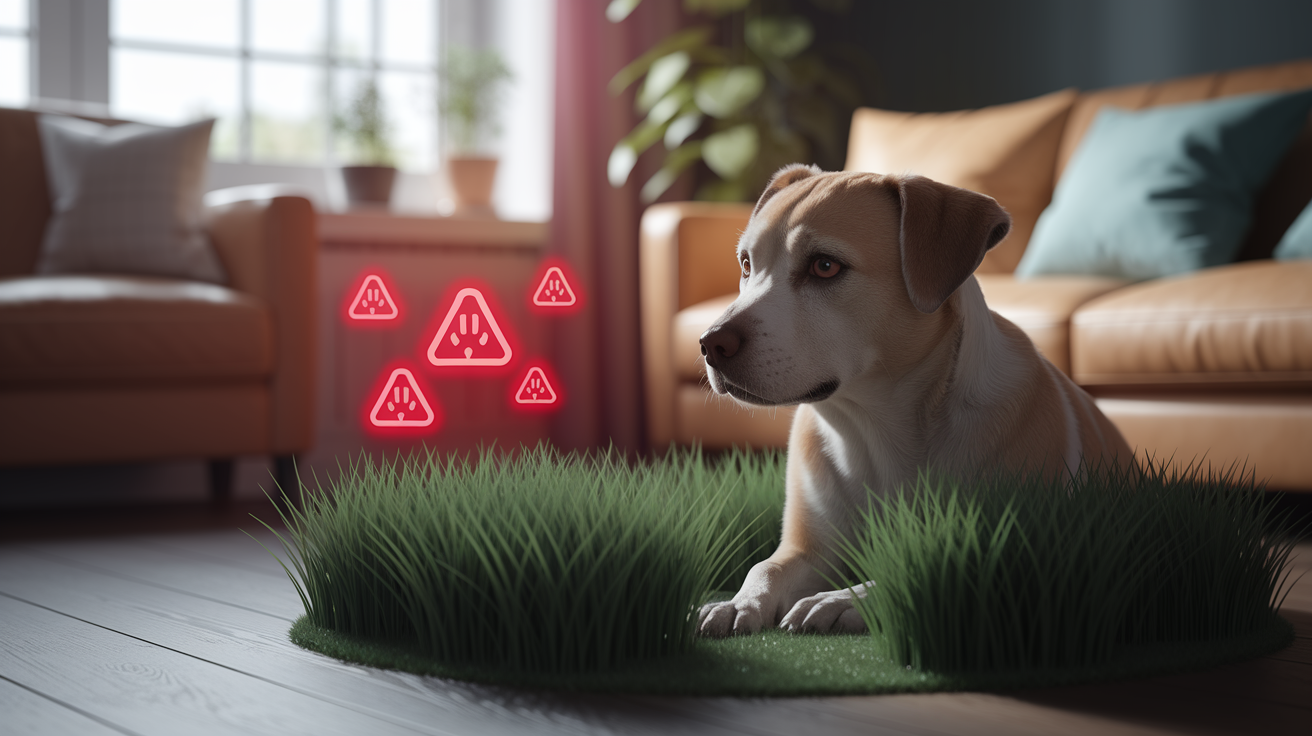
Occasional nibbling is normal. Frequent, persistent, or obsessive grass-eating, especially when it lasts more than 48 hours or happens multiple times each day, signals that something might be off. Dogs that graze constantly, seem fixated on eating grass, or show other changes in behavior or health need closer attention. If your dog’s been eating grass daily for two or more days, start tracking what else is happening. Appetite, energy, stool, vomiting. Then decide if a vet visit makes sense.
Clinical warning signs include vomiting more than twice in 24 hours, repeated diarrhea, blood or mucus in stool, black or tarry stools, lethargy, refusal to eat, or a fever higher than 103.0°F. Weight loss of more than 10% over a short time is another red flag. Puppies under six months and senior dogs face higher risk, so any vomiting, diarrhea, or persistent grass-eating in these age groups should get same-day or next-day veterinary attention. If your dog ate grass from a recently treated lawn, or if you think they ingested a toxic plant, contact your vet right away even if they seem okay.
Dogs that eat grass in contaminated areas face extra risks. Lawns treated with pesticides or herbicides can cause excessive salivation, drooling, and decreased appetite. Grass contaminated with feces from other animals can carry parvovirus (life-threatening in unvaccinated dogs), plus intestinal parasite eggs and larvae. Swallowing large amounts of grass, especially when mixed with sticks, dirt, or other junk, can cause intestinal obstruction. That’s a serious emergency requiring surgery.
Safety Hazards Associated With Grass-Eating
Pesticide and herbicide exposure is one of the biggest risks. Treated lawns often carry chemicals that cause toxic reactions like drooling, vomiting, tremors, and decreased appetite. Supervise your dog in areas where lawn treatments have been applied, and keep them off treated grass for the full recommended period, usually 24 to 72 hours.
Fecal contamination on grass can transmit parvovirus to unvaccinated dogs and spread parasites like roundworms, hookworms, and giardia. Public parks, dog runs, and areas where wildlife defecate are higher-risk zones.
Toxic garden and house plants are another serious concern. Azaleas, lilies, sago palms, tulip bulbs, daffodils, and many common ornamentals are poisonous to dogs. If you’re unsure which plants are safe, consult a trusted toxic plant database before assuming your yard or home is okay.
Seven red-flag symptoms that require immediate veterinary evaluation:
- Vomiting more than twice in 24 hours
- Persistent grass-eating multiple times daily for over 48 hours
- Fever higher than 103.0°F or body temperature below 100.5°F
- Diarrhea with blood, mucus, or black, tarry appearance
- Sudden weight loss over 10% or complete loss of appetite
- Lethargy, weakness, or inability to stand normally
- Known ingestion of pesticide-treated grass or toxic plants
How Veterinarians Diagnose Grass-Eating-Related Issues in Dogs

When you bring your dog in for persistent grass-eating, the vet will start with a physical exam and ask about frequency, duration, diet, recent changes, vomiting, stool consistency, activity level, and whether your dog has access to treated lawns or toxic plants. This conversation helps figure out if the behavior is behavioral, dietary, or medical. The exam includes checking body temperature, listening to the abdomen, palpating for pain or bloating, looking at gum color and hydration, and checking weight and body condition.
If the vet suspects an underlying medical issue, they’ll recommend testing based on symptoms and exam findings. Fecal testing is common and noninvasive, used to check for parasites like roundworms, hookworms, whipworms, and giardia. Bloodwork, including a complete blood count and chemistry panel, evaluates organ function, infection, inflammation, and electrolyte balance. Imaging like X-rays or abdominal ultrasound may be ordered if the vet suspects an intestinal obstruction, foreign body, or organ abnormality.
| Test Type | What It Evaluates | When It’s Recommended |
|---|---|---|
| Fecal parasite exam | Intestinal parasites, eggs, larvae | Routine screening; persistent diarrhea or grass-eating |
| Bloodwork (CBC, chemistry) | Infection, organ function, inflammation, electrolytes | Vomiting, weight loss, lethargy, or abnormal exam findings |
| Abdominal X-ray or ultrasound | Foreign body, obstruction, organ abnormalities | Suspected ingestion of non-food items, abdominal pain, bloating |
| Diet review and trial | Nutritional adequacy, fiber content, ingredient sensitivities | Chronic grass-eating with no other findings; pica behavior |
Dietary Solutions for Dogs That Eat Grass

Fiber matters for digestion, stool consistency, and gut health. Dogs that eat grass frequently might be looking for extra fiber to help move food through the intestinal tract or add bulk to their stool. A study found that hunger and time of day influence grass-eating, with dogs eating less grass after meals and later in the day. Feeding your dog at consistent times and making sure the diet provides enough fiber can reduce the urge to graze. If your dog’s current food is low in fiber or not formulated for their life stage, switching to a high-fiber commercial diet approved by AAFCO (Association of American Feed Control Officials) might help.
Plain canned pumpkin (not pie filling) is a safe and effective way to add fiber at home. Start small and adjust gradually while watching stool consistency. Typical starting guidelines are 1 teaspoon per meal for toy dogs, 1 tablespoon per meal for small dogs, and 2 to 4 tablespoons per meal for medium to large dogs. If stools become too soft, reduce the amount. If your dog refuses pumpkin, try mixing it with a small amount of wet food or low-sodium broth.
Six dietary adjustments that can reduce grass-eating:
Switch to a high-fiber commercial diet formulated for your dog’s life stage and approved by AAFCO.
Add plain canned pumpkin to meals using the dosing guidelines above, adjusting based on stool consistency.
Feed meals at consistent times each day, ideally morning and evening, to reduce hunger-driven grazing.
Offer small, frequent meals instead of one large meal if your dog seems hungry between feedings.
Provide fresh water at all times, especially when increasing fiber, to prevent constipation.
Avoid sudden diet changes. Transition gradually over 5 to 7 days by mixing new food with old in increasing ratios.
Behavioral and Environmental Causes of Grass-Eating in Dogs
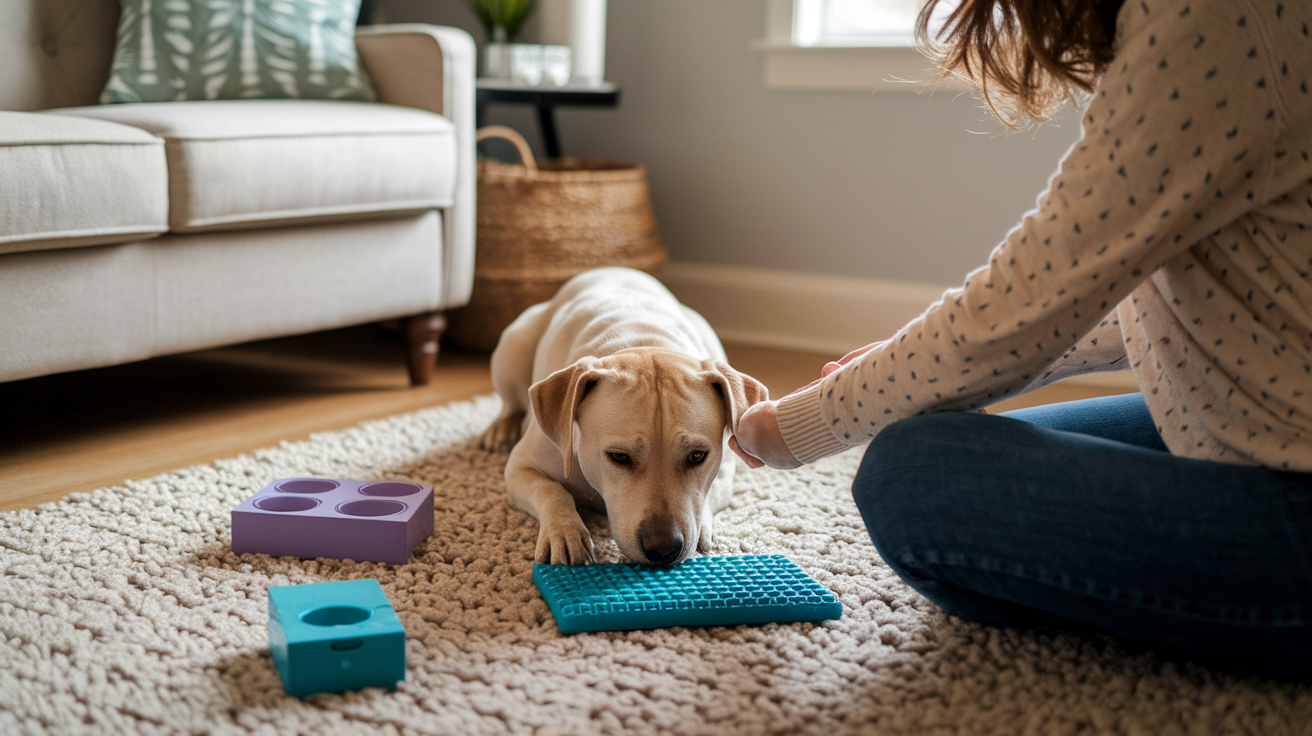
Boredom and lack of exercise are common triggers for repetitive behaviors like grass-eating. Dogs that get less than 30 minutes of active daily exercise are more likely to develop unwanted habits. If your dog spends most of the day alone or inactive, grass-eating might be a way to self-entertain or release pent-up energy. Young dogs, high-energy breeds, and working breeds are especially prone to boredom-driven behaviors when under-stimulated.
Anxiety, stress, and attention-seeking can also drive grass-eating. Dogs that feel anxious during storms, fireworks, or when left alone may chew grass as a coping behavior. Some dogs learn that eating grass gets a reaction from you (whether it’s a verbal correction, being brought inside, or extra attention), and they repeat it to get that response. Puppies explore the world with their mouths, so grass-eating in young dogs is often curiosity rather than a medical or behavioral problem, though it should still be monitored for safety.
Enrichment and mental stimulation help reduce boredom and anxiety-driven behaviors. Aim for 10 to 20 minutes of structured enrichment daily like puzzle feeders, snuffle mats, interactive toys, or short training sessions. Combine this with 30 to 60 minutes of active exercise (brisk walks, fetch, tug, or running) to keep your dog physically tired and mentally satisfied. Rotating toys, teaching new tricks, and providing safe chew items also give your dog appropriate outlets for energy and curiosity.
Stopping or Redirecting Grass-Eating Safely
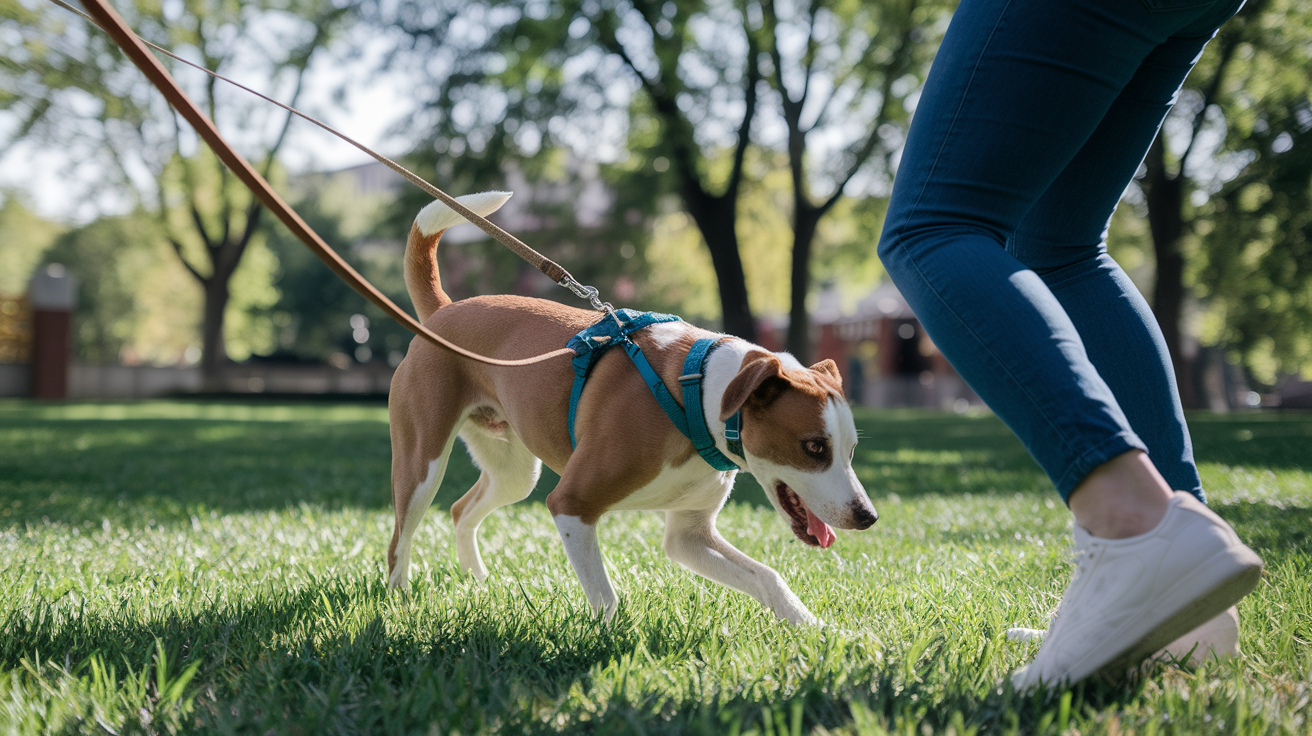
Preventing or redirecting grass-eating starts with managing access and offering better alternatives. Keep your dog on a leash during walks in grassy areas so you can interrupt the behavior before it starts. Use calm, positive redirection. Call your dog’s name, offer a treat or toy, and guide them away from the grass without scolding. Reward your dog immediately when they leave the grass and focus on you. Over time, this builds a new habit.
Timing outdoor access can also help. Walk your dog immediately after meals when they’re less likely to graze, and allow access to grass later in the day when studies show dogs eat less. If your dog eats grass out of habit or boredom, interrupt the behavior calmly and redirect to an alternative activity like a short training session, a game of fetch, or a chew toy. Consistency matters. Redirect every time, and reward good choices.
Managing Outdoor Safety
Supervise your dog closely in unfamiliar yards, parks, or areas where lawn chemicals may have been applied. Avoid areas with visible signs of recent treatment like wet grass, strong chemical smells, or posted warnings. If you treat your own lawn, keep your dog off the grass for the full recommended period (usually 24 to 72 hours), and rinse paws after outdoor time.
Check your yard and walking routes for toxic plants and remove or block access to any that pose a risk. Common dangerous plants include azaleas, lilies, sago palms, tulip bulbs, daffodils, oleander, and yew. If you’re unsure, consult a trusted plant toxicity database or your veterinarian before assuming plants are safe.
Eight ways to redirect grass-eating behavior:
Walk on a leash in grassy areas and interrupt calmly before grazing starts.
Use positive reinforcement (treats, toys, praise) when your dog ignores grass and focuses on you.
Schedule outdoor time immediately after meals when hunger-driven grazing is less likely.
Offer dog-safe greens like small amounts of plain lettuce, spinach, or home-grown wheatgrass as a safe outlet.
Increase daily exercise to 30 to 60 minutes of active play or walking to reduce boredom.
Provide 10 to 20 minutes of daily enrichment with puzzle toys, snuffle mats, or training sessions.
Teach a strong “leave it” or “come” cue to interrupt grazing and redirect attention.
Consult a certified dog trainer or veterinary behaviorist if grass-eating is compulsive or anxiety-driven.
Home Monitoring Plan for Dogs That Eat Grass

If your dog eats grass but seems otherwise healthy, a short home monitoring plan can help you decide whether veterinary care is needed. Track the behavior for 48 to 72 hours and record specific details about frequency, symptoms, and overall health. This log gives your vet useful information if a visit becomes necessary and helps you spot patterns or red flags early.
Six steps for effective home monitoring:
- Record the time and frequency of each grass-eating episode. Note whether it happens before or after meals, during play, or at certain times of day.
- Count and log every vomiting episode. Note the time, appearance, and whether your dog seems uncomfortable before or after.
- Check and describe stool consistency daily. Note color, firmness, presence of blood, mucus, or undigested grass.
- Monitor appetite and eating habits. Record if your dog finishes meals, refuses food, or eats more slowly than usual.
- Watch activity level and energy. Note lethargy, reluctance to play, or changes in normal behavior.
- Escalate to a veterinarian if vomiting occurs more than twice in 24 hours, if grass-eating persists beyond 48 hours, or if any red-flag symptoms listed earlier appear.
When to Seek Professional Help for Grass-Eating Behavior in Dogs

Schedule a veterinary visit if your dog’s grass-eating behavior is new, suddenly increases in frequency, or continues for more than two to three days. If your dog vomits repeatedly, has diarrhea, loses weight, refuses food, or shows signs of pain or lethargy, same-day or next-day veterinary care is recommended. Puppies under six months and senior dogs should be seen sooner, even if symptoms seem mild, because they’re more vulnerable to dehydration, infection, and complications.
If you suspect your dog ate grass treated with pesticides, herbicides, or fertilizers, contact your veterinarian immediately and bring the product label with you to the clinic. The label provides critical information about active ingredients and helps the vet determine treatment. Routine preventive care also plays a role in reducing grass-eating related to parasites. Keep your dog on a monthly dewormer (often included in heartworm preventatives), and schedule regular fecal testing as recommended by your vet.
When to call your veterinarian:
Persistent or worsening symptoms despite home management and monitoring.
Known or suspected ingestion of treated lawn chemicals or toxic plants.
New-onset pica or obsessive eating of non-food items.
Recommendation for diagnostics like bloodwork, fecal tests, or imaging to rule out medical causes.
Final Words
Your dog is chewing grass right now, which is common and often harmless. We covered why dogs graze—instinct, boredom, fiber-seeking, or a mild tummy upset—and when it might point to a medical issue.
Try simple fixes: adjust meal timing, add safe fiber, boost play and enrichment, and log vomiting or stool changes for 48–72 hours.
If you’re still asking why is my dog eating grass, start with monitoring and small diet or activity changes. If warning signs appear, check with your vet. You’re doing the right thing.
FAQ
Q: Should I worry if my dog eats grass?
A: If your dog eats grass, you usually don’t need to worry—it’s common and often normal. Watch for repeated grazing over 48 hours, vomiting more than twice in 24 hours, blood, or lethargy; then call your vet.
Q: Do dogs eat grass when they’re sick?
A: Dogs eat grass when they’re sick sometimes, but most do not—fewer than 10% show illness before grazing and under 25% vomit consistently afterward. If you see other sick signs, contact your vet.
Q: Why is my dog trying to eat grass all of a sudden?
A: Your dog trying to eat grass suddenly can stem from boredom, hunger, instinct, taste or texture, fiber-seeking, or a learned habit; changes in meals or exercise often trigger sudden grazing.
Q: What should I give my dog if it’s eating grass?
A: If your dog is eating grass, give a recent meal and safe fiber like plain canned pumpkin (toy dogs 1 tsp, small 1 tbsp, medium-large 2–4 tbsp), or an enrichment toy; call your vet if it keeps happening.