

Think a quick walk is enough exercise for your pet?
Most dogs need 30 to 45 minutes of activity plus mental work, and cats do best with 20 to 45 minutes in short bursts.
Skip it and you’ll see chewing, barking, scratched furniture, weight gain, and restless pacing at 2 a.m.
This post gives simple, vet-safe routines, indoor and outdoor, that mix cardio, strength, and brain games so your pet gets properly tired.
Start with a vet check, pick two or three activities, set a timer, and try them this week to see what your pet loves.
Why Your Pet Needs a Daily Exercise Plan
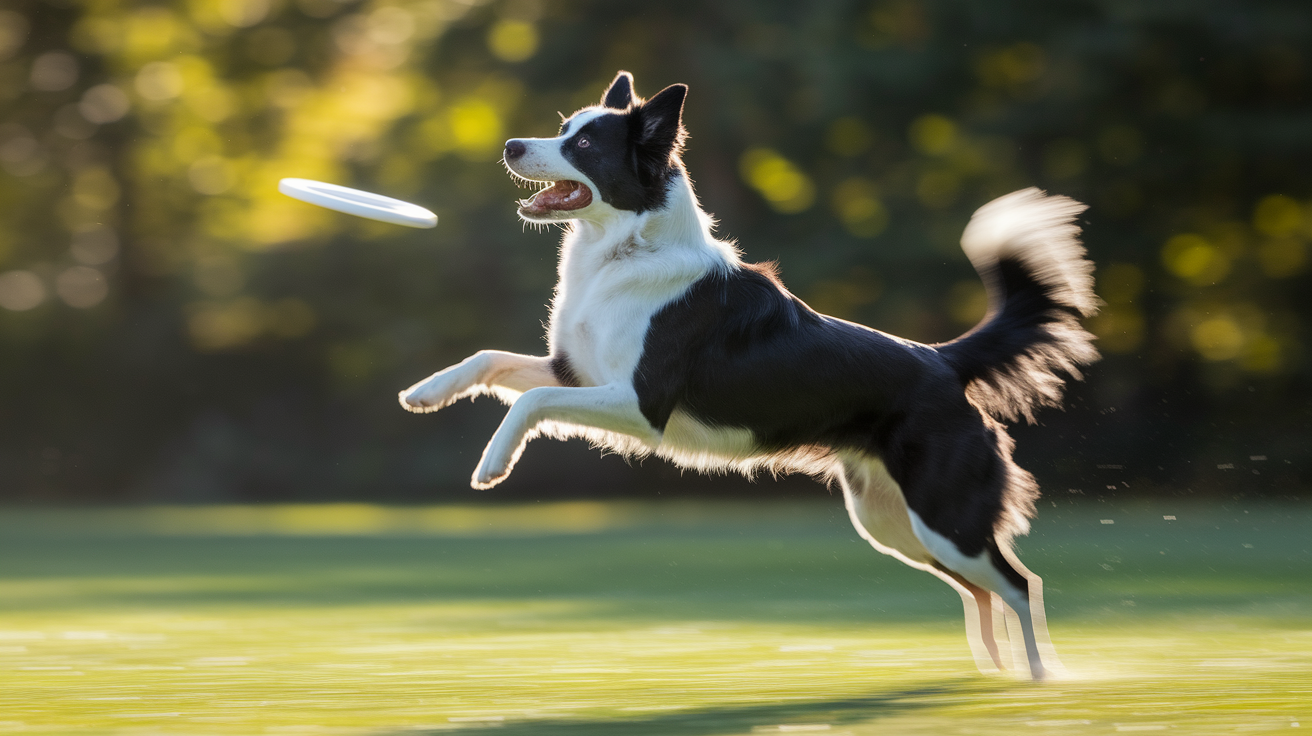
Most dogs need 30 to 45 minutes of serious physical activity every day, plus a similar chunk of mental work. Cats do best with 20 to 45 minutes split into shorter bursts. Skip it and you’ll see the fallout: chewing, barking, scratched furniture, weight gain, restless pacing at 2 a.m.
Exercise does more than tire your pet out. It keeps joints moving, builds muscle that supports aging bodies, calms anxiety, and gives your dog or cat something to do besides stare at the door waiting for you.
Dogs bred for work (border collies, retrievers, shepherds) often need 60 to 120+ minutes daily. Smaller companion breeds usually settle around 30 to 60. Cats, especially indoor cats, need you to make play happen. They won’t self-exercise the way a dog might.
A routine makes training easier too. A tired pet focuses better. When your dog’s burned off steam, sit and recall go smoother. When your cat’s chased a feather wand for ten minutes, she’s less likely to attack your ankles at 3 a.m.
Start with vet clearance. Before you add intensity or duration (especially if your pet is young, senior, overweight, or recovering from something), check with your vet. Large and giant breeds mature slowly. Joints are still developing until around two years old, so high-impact stuff too early can cause long-term damage. Seniors and dogs with prior orthopedic issues may need low-impact plans or a referral to a veterinary physical therapist.
Once you’re cleared, the goal’s simple: build a mix of cardio, strength, and brain work that fits your schedule and your pet’s age, breed, and personality. Keep sessions short and frequent instead of one marathon. Use meals and high-value treats (string cheese, small pieces of meat) or favorite toys as rewards. Make earning those rewards easy at first, then add difficulty as your pet figures it out.
If you’re not sure where to start, pick two or three activities from the lists below. Set a timer. Try them this week. You’ll learn fast what your pet loves, what bores them, and what leaves them happily tired.
Indoor Exercise Ideas You Can Start Today
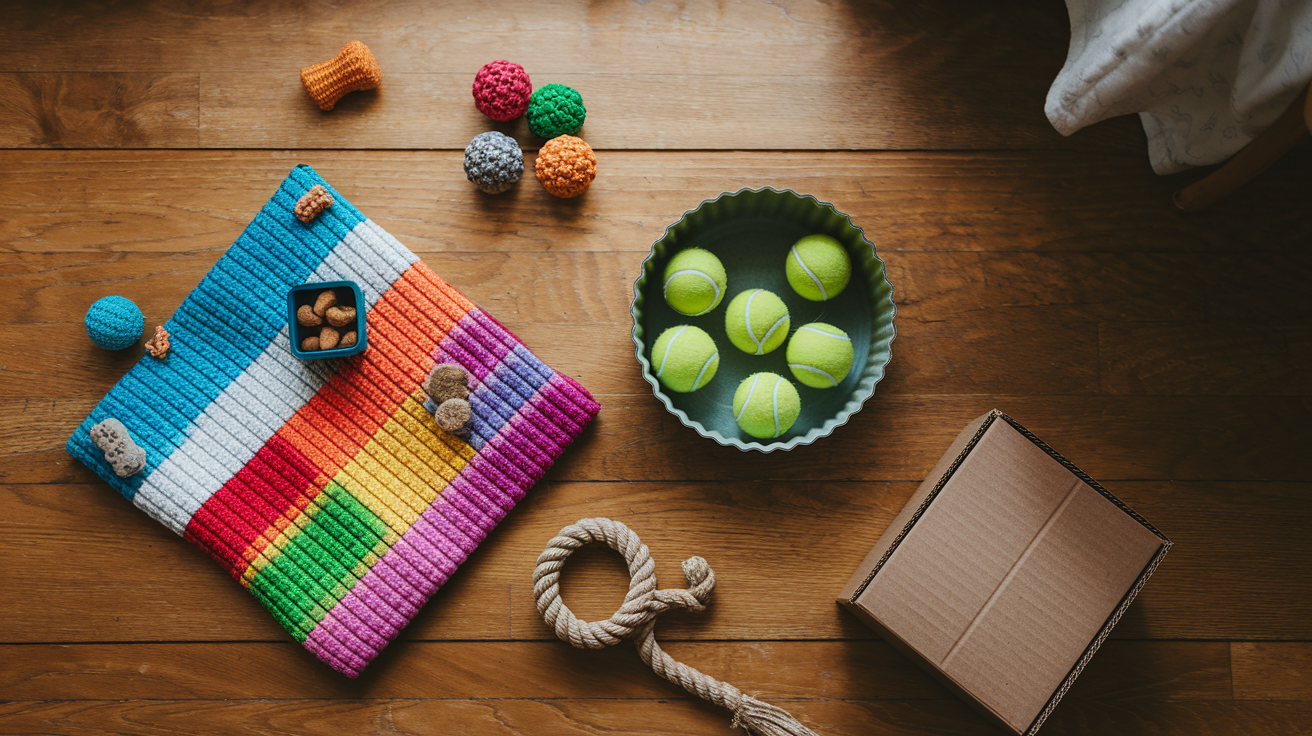
When weather, time, or space keeps you inside, these activities deliver cardio and mental stimulation without a leash or yard.
Stair Recall
Stand at the top of a staircase or one end of a long hallway. Toss a treat to the bottom or far end, then call your dog back up to you. Repeat until your dog’s panting lightly. High-energy breeds can handle 20 to 25 runs. Start with five or six if your dog’s new to stairs.
If recall’s weak, start halfway and increase distance as your dog gains confidence. Skip stairs entirely for puppies under six months, senior dogs with joint pain, or any dog with hip or knee issues.
Floating Dinner Bowl
Hold your dog’s food bowl. Ask for a sit. Slowly lower the bowl toward the floor. If your dog stands or lunges, raise the bowl and reset. When the bowl touches the ground and your dog’s still sitting, release with “Okay!” and let them eat.
Progress will be slow at first. That’s normal. This teaches impulse control, and impulse control is exhausting in the best way.
Sniffer Dog Game
With your dog in a sit-stay, place a treat about six feet ahead on the floor. Release with “Find it!” and let your dog search. Increase distance and complexity: hide treats under a towel, around a corner, inside a cardboard box, or on a low shelf.
As your dog improves, use multiple containers or boxes and only put treats in one or two. You can swap in a favorite toy if your dog isn’t food-motivated. This game taps into natural scent drive and provides serious mental work in a small space.
Snuffle Mat
A snuffle mat’s a shag rug-like square sold in pet stores and online, usually $15 to 30. Scatter kibble into the fabric strips and let your dog forage. It slows down fast eaters, adds scent work to mealtime, and keeps a dog busy for 10 to 20 minutes.
If you don’t want to buy one, hide kibble in a folded towel or a muffin tin covered with tennis balls. Same principle, same mental workout.
Pupcake
Take a metal cake pan. Add one to two inches of water, one tablespoon of meat broth, a handful of kibble or small treats, and a sprinkle of grated cheese on top. Freeze it.
Give the frozen block to your dog on a towel or outside. Licking and chewing through the ice takes time and keeps your dog cool on hot days. Increase the water depth for a longer puzzle.
101 Things to Do with a Box
Set a cardboard box on the floor. Grab a clicker and a handful of treats. Click and treat any interaction: nose touch (easy), one paw in (medium), two front paws in (harder), back feet in (hardest). Let your dog experiment. This shaping game builds confidence and problem solving.
Skip this if your dog eats cardboard. For those pets, use a muffin tin with treats hidden under tennis balls instead.
Hide and Seek
One person holds your dog. Another person hides, starting with an easy spot like behind a door. Release your dog and say “Find!” When your dog locates the hidden person, reward with treats and praise.
As your dog improves, hide in closets, behind furniture, or upstairs. This game combines recall, scent work, and a bit of cardio if your house has multiple levels.
Indoor Agility Course
You don’t need expensive equipment. Balance a broomstick across two soup cans for a low jump. Cut the bottom off a new 55-gallon trash can for a tunnel (or use a child’s play tunnel if your dog’s small). Use couch cushions, dog beds, and chairs as obstacles.
Start with a sit-stay. Lead your dog past the jump, call them over it, send them through the tunnel, and finish with a five-second down-stay on their bed. Adjust height and distance to match your dog’s size and confidence. Run the course two to four times per session, 10 to 30 minutes total.
Tug-of-War
Use a durable rope or rubber tug toy ($10 to 25). Play for 5 to 15 minutes at moderate intensity. Enforce a “drop it” cue at the end of each round so the game stays structured and doesn’t turn into resource guarding.
Tug works shoulder and neck muscles and gives your dog an outlet for natural pulling instincts.
Interactive Fetch in Hallways
A soft ball or small plush toy works best indoors. Toss it down a hallway and encourage your dog to bring it back. Five to twenty minutes of short retrieves adds up to real cardio without leaving the house.
If your dog doesn’t naturally return the toy, practice a two-toy swap: when your dog picks up toy one, show toy two and toss it when they drop the first.
Outdoor Exercise Ideas That Build Strength and Endurance
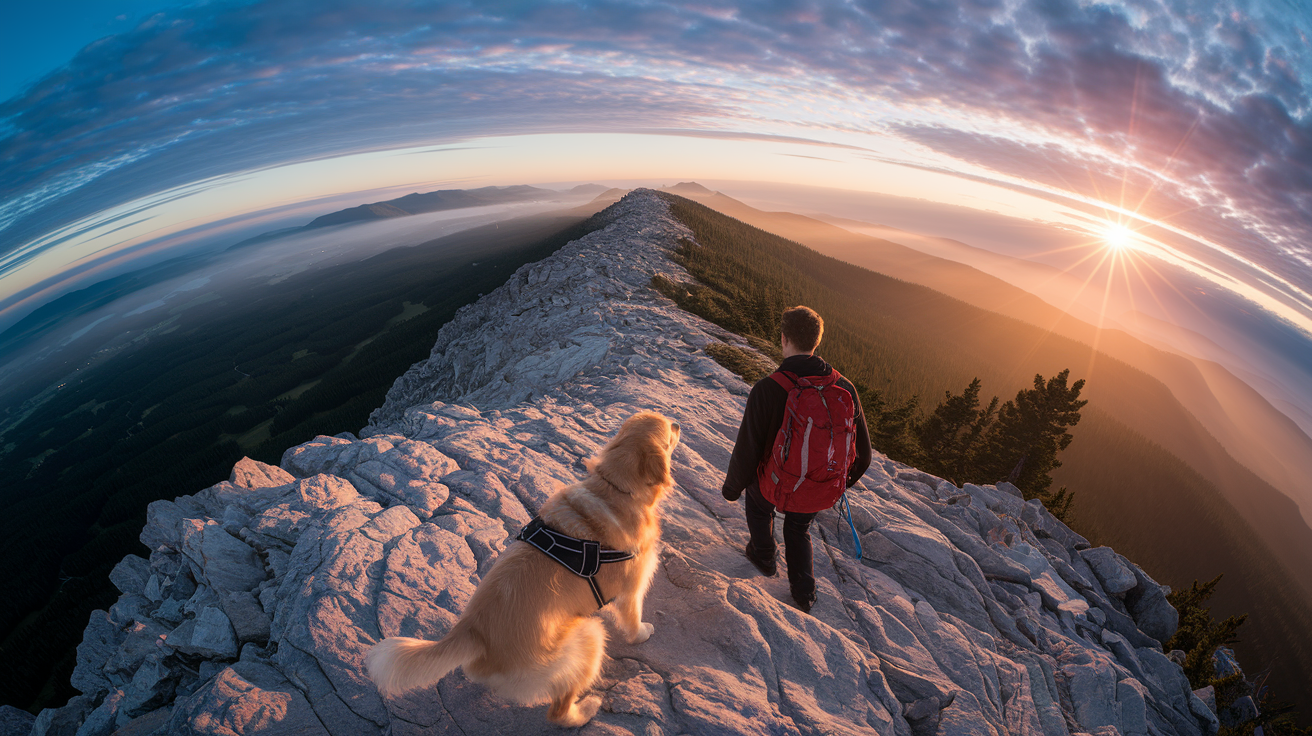
Outdoor activities let your pet move at higher speeds, explore new scents, and use terrain for added challenge.
Daily Walks
Most adult dogs need 20 to 60 minutes of walking twice a day. Working and sporting breeds often need 60 to 120+ minutes total. Small and companion breeds typically do well with 30 to 60 minutes daily.
Use a 4 to 6 foot leash for control in urban areas. In open, safe spaces, a longer training line (15 to 30 feet) lets your dog range while you practice recall.
Walk at a steady pace. Stop to sniff, but keep moving between scent breaks so your dog’s heart rate stays up. Change your route to offer new smells and sights.
Jogging and Running
If your dog’s healthy, fully grown, and cleared by your vet, jogging adds cardiovascular intensity. Start with 15-minute runs and build to 30 to 45+ minutes over two to three weeks.
Don’t run with puppies until growth plates close (large breeds: 12 to 18 months). Check pavement temperature before every run. If you can’t hold your hand on the surface for five to seven seconds, it’s too hot to run.
Bring water and offer it every 10 to 15 minutes during warm weather.
Off-Leash Fetch
A fenced yard, dog park, or enclosed field works best. Throw a ball or frisbee ($5 to 25 each) and let your dog sprint to retrieve it. Fifteen to thirty minutes of high-intensity fetch equals a much longer walk.
Stop before your dog’s panting hard or stumbling. Cool down with five minutes of slow walking.
Swimming
Swimming’s low-impact and excellent for dogs with joint issues, seniors, or dogs recovering from injury. Start with 10-minute sessions in shallow water and increase to 20 to 30 minutes as fitness improves.
Use a canine life jacket ($25 to 75) for open water or nervous swimmers. Rinse your dog after swimming in chlorinated or salt water to prevent skin irritation.
Hiking
A 60 to 180 minute hike combines cardio, varied terrain, and mental enrichment from new scents and sights. Bring at least 4 to 8 ounces of water per ten minutes of activity in warm weather, a basic first-aid kit, and waste bags.
Use a no-pull harness ($20 to 60) for better control on trails. Check paws for cuts and embedded debris after every hike.
Scent Work and Tracking
Hide treats or a favorite toy along a trail or in your yard. Let your dog search for 15 to 45 minutes. This taps into natural hunting and tracking instincts and provides intense mental work with moderate physical effort.
You can also enroll in beginner nose work classes if you want structured training.
Community Runs and Group Activities
Some communities host dog-friendly fun runs, hiking groups, or “yappy hours” at local parks. These events add socialization and variety to your routine. Check local pet stores, shelters, or social media for schedules.
Exercise Routines for Cats
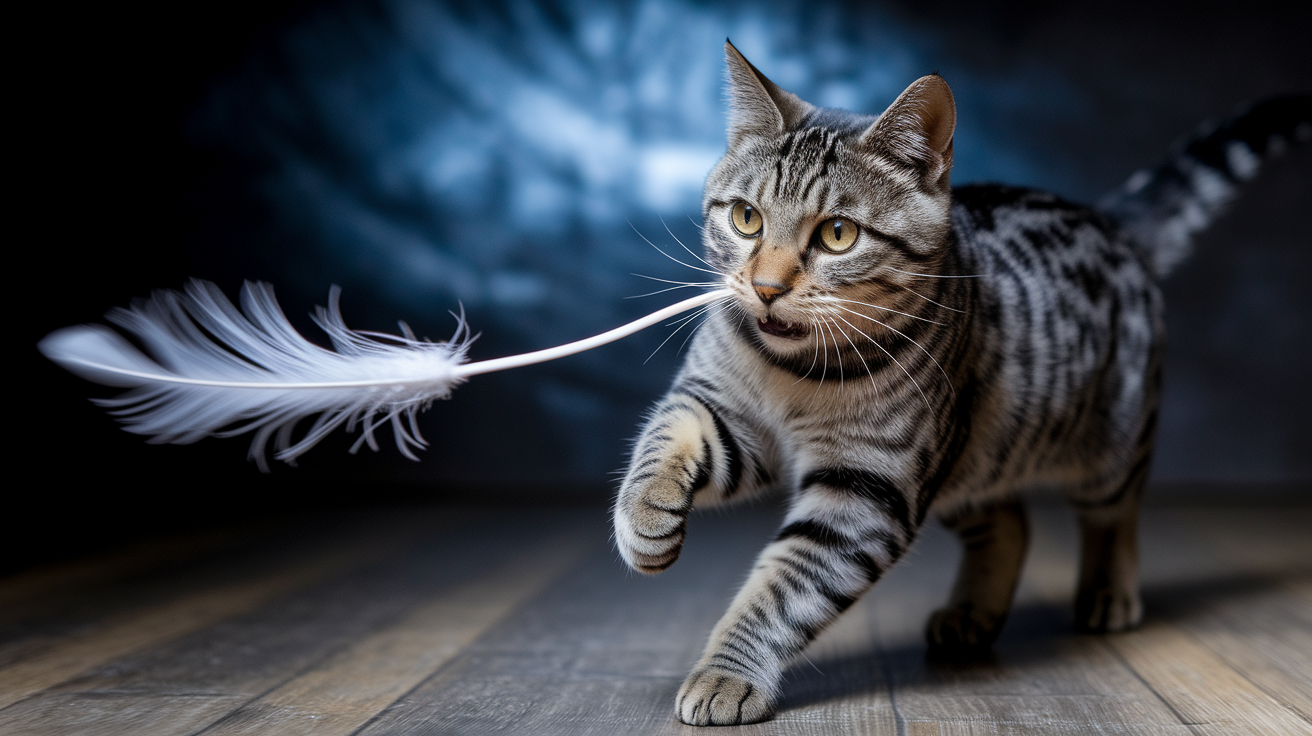
Cats need 20 to 45 minutes of activity daily, split across two to three sessions. Indoor-only cats won’t self-exercise, so you have to start play.
Wand and Feather Toys
Move a wand toy in quick, unpredictable patterns, mimicking prey. Play for 10 to 15 minutes, twice a day. Always end the session by letting your cat “catch” a tangible toy or treat. Laser pointers frustrate cats if they never catch anything.
Vertical Climbing and Jumping
Install a cat tree with three to five levels or wall-mounted shelves. Encourage your cat to climb by placing treats or toys at different heights. Cats naturally want to be up high, and climbing builds muscle and burns energy.
Puzzle Feeders
Scatter kibble in a puzzle feeder or across multiple shallow dishes around the house. Your cat will hunt for each meal, adding 10 to 20 minutes of movement and problem solving per feeding.
Chase and Pounce Games
Toss small, lightweight toys (crinkle balls, soft mice) across the room. Cats love the chase-and-pounce sequence. Rotate toys weekly to keep interest high.
Interactive Play with Household Items
Crumpled paper balls, cardboard boxes, or paper bags (handles removed) offer low-cost enrichment. Cats will bat, chase, and explore. Supervise to prevent ingestion.
Age-Specific Exercise Guidelines
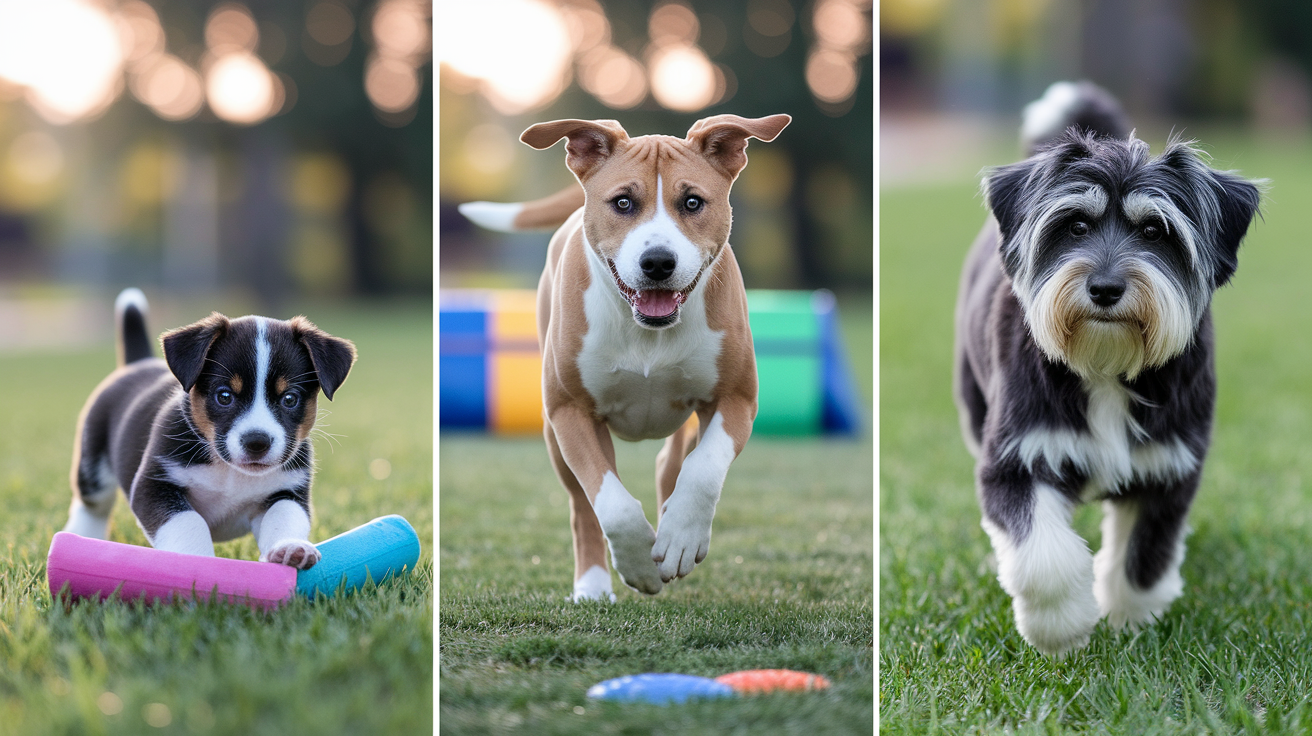
Puppies
Follow the “five minutes per month of age per session” rule. A four-month-old puppy can handle roughly 20-minute sessions. Spread activity across three to six short sessions daily. Skip repetitive high-impact activities like jumping or long runs until growth plates close (large breeds: 12 to 18 months).
Focus on short walks, gentle play, basic training, and socialization.
Adult Dogs
Healthy adults need 30 to 120+ minutes daily depending on breed, size, and energy level. Combine walking, play, training, and at least one high-intensity activity (fetch, running, swimming) several times per week.
Use puzzle feeders and scent games to add mental work without adding physical strain.
Senior Dogs and Cats
Seniors benefit from multiple short, low-impact sessions (10 to 30 minutes each, two to four times daily). Stick to joint-friendly activities like slow walks on soft surfaces, gentle swimming, and simple scent games (hide a piece of kibble each night).
Skip stairs, high jumps, and long hikes. Watch for limping, stiffness, or reluctance to move and talk to your vet if you notice changes.
High-Drive and Working Breeds
Border collies, Australian shepherds, retrievers, and similar breeds often need 60 to 120+ minutes daily of varied activity. Mix cardio (running, fetch), strength (tug, agility), and cognitive work (training, scent games).
Without adequate outlets, these dogs develop behavior problems quickly.
Weekly Routine Templates
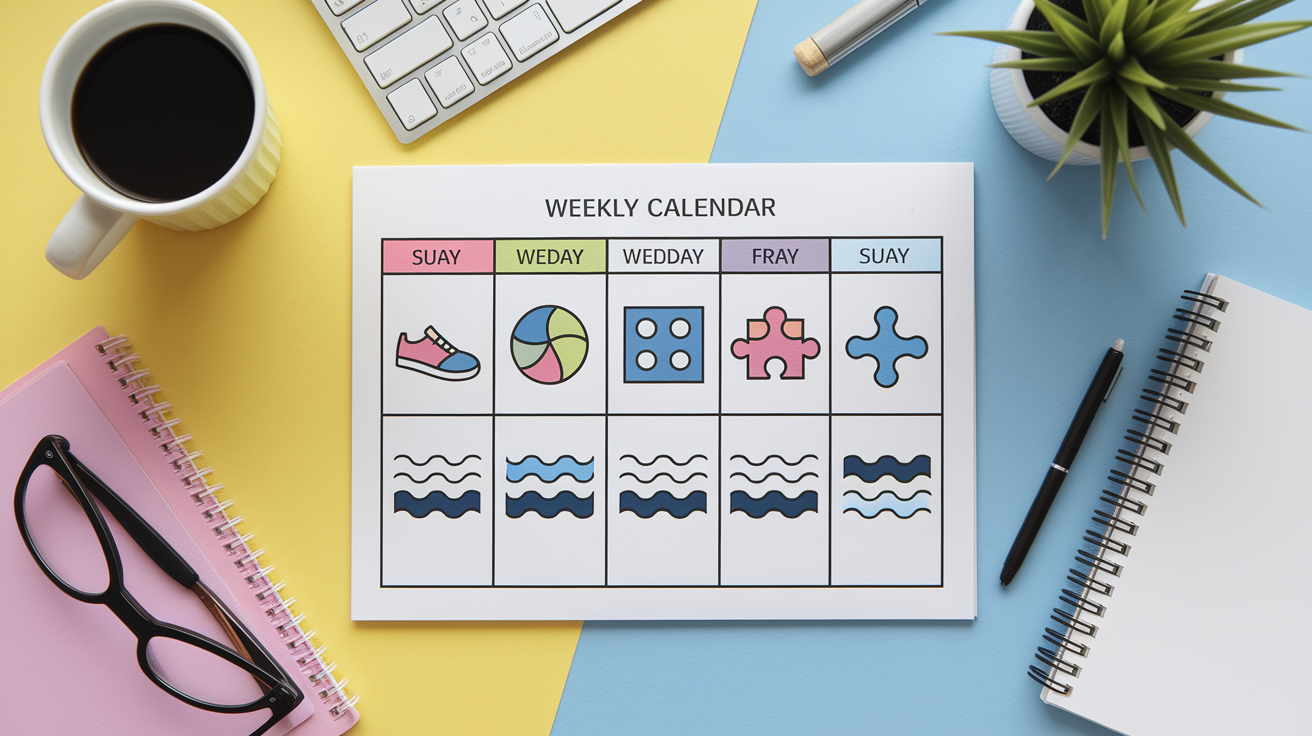
Low-Energy Adult Dog (Apartment)
Monday–Sunday:
Morning: 20-minute walk + 10-minute puzzle feeder
Midday: 10 minutes of training or gentle play
Evening: 20-minute walk
Weekly bonus: One 45 to 60 minute outing (park visit, longer walk, or play date)
Total daily: ~60 minutes
Total weekly: ~7.5 hours
Average Adult Dog
Monday–Friday:
Morning: 30 to 40 minute walk + 10 minutes of training
Afternoon: 15 to 20 minutes of fetch or tug
Evening: 30-minute walk
Saturday–Sunday:
Morning: 45 to 60 minute hike or long walk
Afternoon: 20 minutes of agility or structured play
Evening: 20-minute walk
Total daily: 75 to 120 minutes
Total weekly: ~10 to 12 hours
High-Energy/Working Dog
Monday–Friday:
Morning: 45 to 60 minute run or hike
Midday: 20 minutes of training or scent work
Evening: 30 to 60 minutes of fetch, agility, or advanced training
Saturday–Sunday:
Morning: 60 to 90 minute hike or trail run
Afternoon: 30 minutes of agility or nose work
Evening: 30-minute walk
Total daily: 120 to 180+ minutes
Total weekly: 15 to 20+ hours
Indoor Cat
Daily:
Morning: 10 to 15 minute wand play session
Midday: Puzzle feeder or scattered kibble hunt
Evening: 10 to 15 minute chase-and-pounce session
Weekly:
Rotate toys every 2 to 3 days
Add one new cardboard box or paper bag (handles removed) per week
Total daily: 20 to 45 minutes
Total weekly: ~3 to 5 hours
Warm-Up and Cool-Down Routines
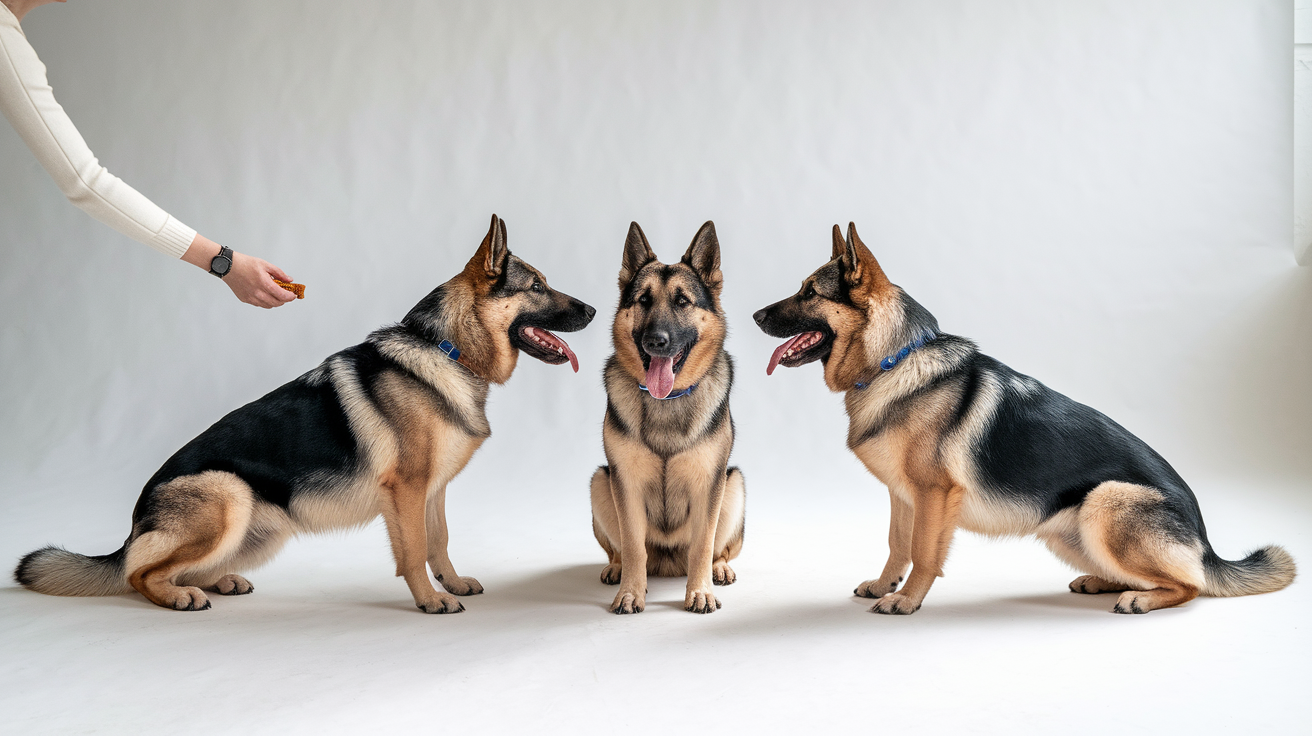
Always warm up for 3 to 5 minutes before intense activity and cool down for 5 to 10 minutes afterward. This reduces injury risk and helps your dog transition smoothly in and out of exercise.
Doggy Push-Ups
Ask your dog to cycle through stand, sit, down, stand. Use small treats to lure each position until the cues are learned. Repeat five to ten cycles. This gentle sequence warms up joints and reinforces obedience.
Figure-Eight Stretch
Hold a small treat in each hand. Lure your dog to weave through and around your legs in a figure-eight pattern. Introduce a verbal cue like “eight” or “weave.” Once your dog understands the movement, fade the lure by withholding treats during the weave and rewarding after completion.
This stretch warms the spine, hips, and shoulders.
Cool-Down Walk
After fetch, running, or agility, walk slowly for five to ten minutes. Let your dog sniff and settle. Offer water.
Safety Tips and Warning Signs
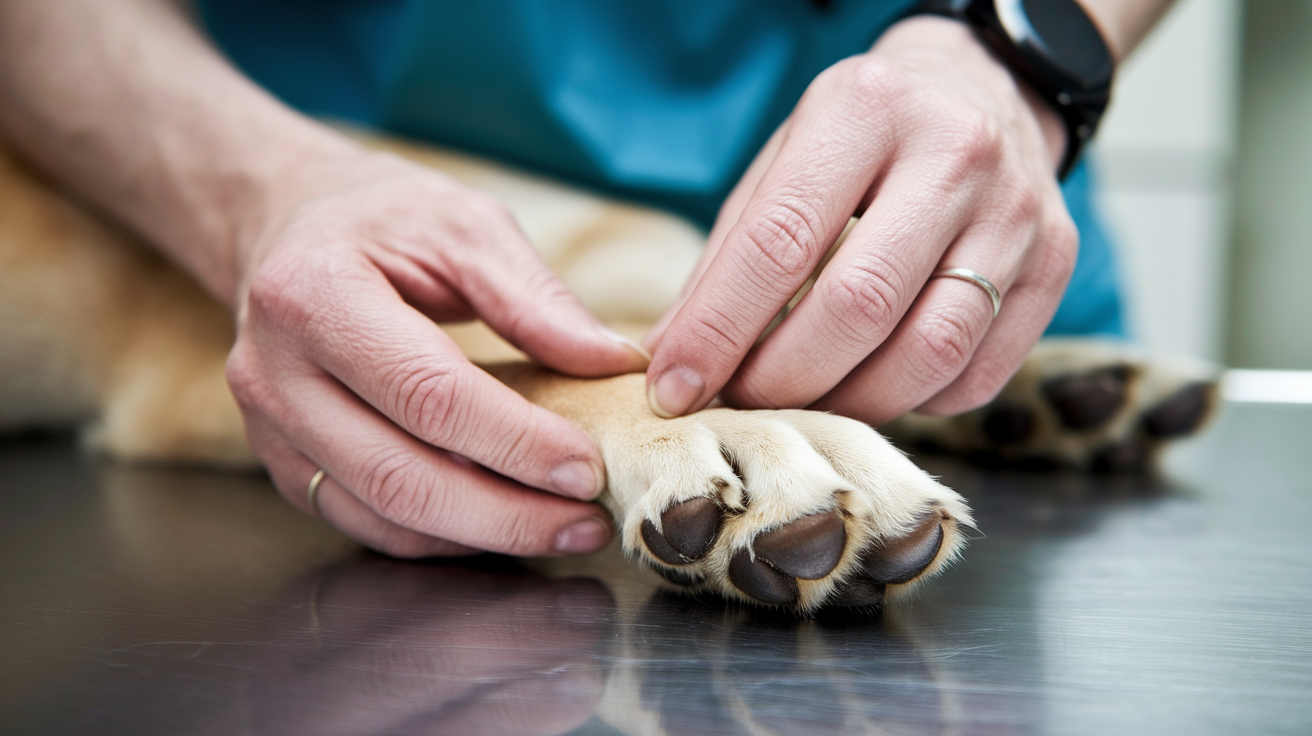
Check paws daily. Look for cuts, hot spots, embedded debris, or cracked pads. Trim nails regularly to prevent snagging and joint strain.
Watch for overexertion. Stop right away if you see excessive panting, stumbling, drooling, pale gums, or collapse. Offer water and rest. Get veterinary care if symptoms don’t clear quickly.
Hydrate frequently. Offer water every 10 to 15 minutes during long or vigorous sessions. Carry at least 4 to 8 ounces for short outings, more for hikes.
Test pavement temperature. If you can’t hold your hand on the surface for five to seven seconds, don’t walk your dog on it.
Use proper gear. A 4 to 6 foot leash for urban control, a no-pull harness for pullers, paw booties for cold or rough terrain ($10 to 35 per pair), and reflective gear or LED collar lights ($10 to 25) for night walks.
Skip high-impact work with puppies. Wait until growth plates close before introducing running, jumping, or agility. Talk to your vet and breeder for breed-specific timelines.
Supervise to prevent ingestion. Remove squeakers from toys, don’t leave dogs alone with cardboard or paper if they eat non-food items, and monitor puzzle feeders.
Warm weather limits. Skip strenuous activity when temperatures exceed 25°C (77°F) for high-intensity work. Schedule walks at dawn or dusk.
Cold weather adjustments. Shorten sessions, use jackets for short-coated dogs, apply paw balm to prevent cracking, and avoid icy surfaces.
Equipment and Budget
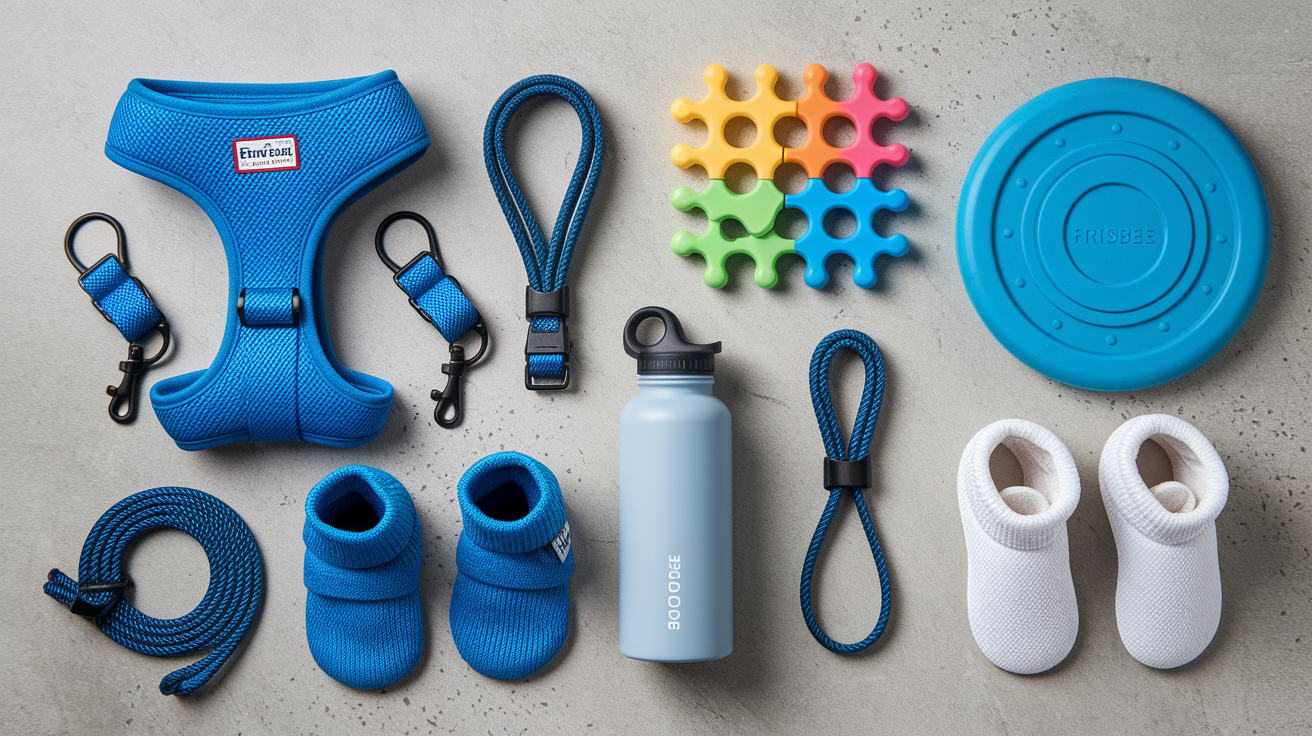
You don’t need a lot of gear to start, but a few basics make routines easier and safer.
| Item | Typical Price Range | Notes |
|---|---|---|
| 4–6 ft leash | $8–25 | Standard for control |
| No-pull harness | $20–60 | Reduces pulling strain |
| Treat-dispensing puzzle | $10–50 | Mental work during meals |
| Fetch balls or frisbees | $5–25 each | Durable, soft options for indoors |
| Snuffle mat | $15–30 | Scent work and slow feeding |
| Agility starter kit | $50–200 | Jumps, tunnel, weave poles |
| Canine life jacket | $25–75 | For swimming safety |
| Paw booties | $10–35 per pair | Cold or rough surfaces |
| Reflective gear/LED lights | $10–25 | Night walk visibility |
| Wand/feather toys (cats) | $5–15 each | Rotate weekly |
Start with a leash, harness, and a few toys. Add puzzles and training tools as your routine develops.
Adapting Exercise for Health Conditions
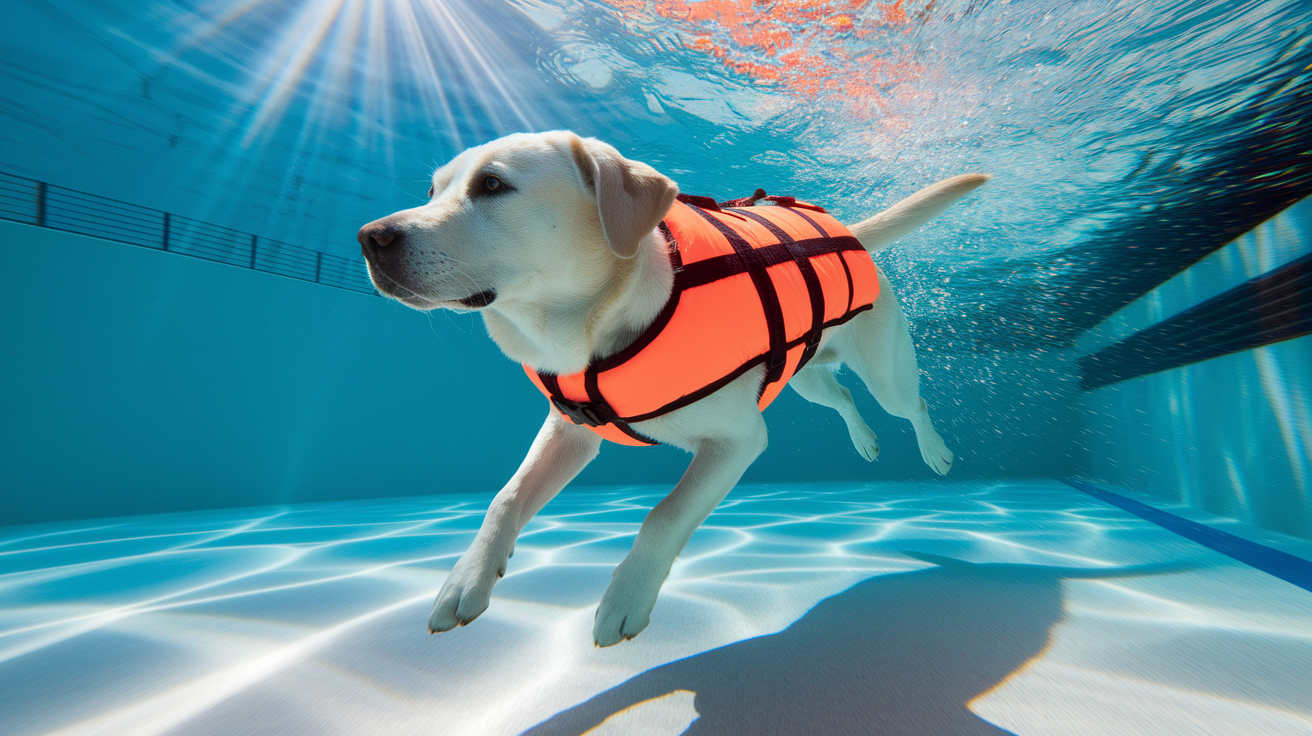
If your pet has arthritis, hip dysplasia, a prior injury, or another chronic condition, talk to your vet before increasing activity. Many pets benefit from referral to a veterinary physical therapist or certified canine rehabilitation professional.
Low-impact options for joint issues:
Swimming (10 to 30 minutes)
Slow, short walks on soft surfaces (grass, dirt trails)
Gentle stretching and range-of-motion work
Puzzle feeders to provide mental work without physical strain
Avoid:
Stairs
Repetitive jumping
Long runs on hard surfaces
High-intensity fetch
Track your pet’s response. If you notice limping, reluctance to move, or increased stiffness, reduce intensity and duration, and check back with your vet.
Tracking Progress and Building Fitness
Keep a simple log: date, activity type, duration, and any notes (energy level, soreness, enthusiasm). You can use a notebook, a spreadsheet, or a fitness app designed for pets.
Progression guidelines:
Increase total active time by roughly 10% per week until you reach your target.
For weight loss, aim for veterinary-guided caloric reduction targeting 1 to 2% body weight loss per week.
Measure fitness gains by tracking number of fetch repetitions, distance walked or run, time swimming, or puzzle completion speed.
Sample 12-week progression for an average adult dog starting from low fitness:
| Week | Daily Activity | Notes |
|---|---|---|
| 1–2 | 20-min walk AM, 15-min walk PM | Establish baseline |
| 3–4 | 25-min walk AM, 20-min walk PM | Add 10% duration |
| 5–6 | 30-min walk AM, 20-min walk PM + 10-min play | Introduce fetch or tug |
| 7–8 | 30-min walk AM, 25-min walk PM + 10-min training | Layer mental work |
| 9–10 | 35-min walk AM, 30-min walk PM + 15-min play | Increase intensity |
| 11–12 | 40-min walk AM, 30-min walk PM + 20-min agility or fetch | Target range reached |
Adjust based on your pet’s response. If your dog’s tired or sore, hold the current level for an extra week before moving forward.
Seasonal and Weather Alternatives
Hot Weather
Shift walks to early morning or late evening. Offer water every 10 to 15 minutes. Use cooling mats, frozen pupcakes, or shallow wading pools. Skip pavement walks if the surface is too hot.
Indoor alternatives: hallway fetch, puzzle feeders, air-conditioned agility drills, or indoor nose work.
Cold Weather
Shorten outdoor sessions. Use jackets for thin-coated dogs and booties for paw protection. Avoid ice hazards.
Indoor alternatives: stair climbs, hide-and-seek, indoor agility, tug-of-war, and training sessions.
Rainy Days
Indoor active play, training drills, puzzle toys, and treadmill sessions (10 to 30+ minutes) keep routines consistent when weather doesn’t cooperate.
FIT DOG Program and Structured Fitness Titles
If you want a formal framework, consider a program like FIT DOG, which offers three title levels: Bronze, Silver, and Gold. Designed for healthy adult dogs, it provides structured, individualized fitness plans.
Walking schedule examples for earning FIT DOG credit (three-month commitment):
Option A: Walk at least 15 minutes per session, 10 times per week (total: 150+ minutes/week)
Option B: Walk 30 minutes, 5 times per week (total: 150+ minutes/week)
Both options deliver the same weekly volume. Pick the structure that fits your schedule.
You can also count instructor-led canine fitness classes (in-person or online) toward titles. Keep walk logs to document progress. Programs like this run seasonally, for example, through June 30, 2026, so check current schedules and registration.
Structured programs add accountability, community, and clear milestones, which help maintain consistency over months.
Troubleshooting Common Challenges
My dog won’t recall reliably
Start halfway down the hallway or stairs. Increase distance only after your dog responds consistently. Use very high-value treats (cheese, chicken) and practice in low-distraction environments first.
My dog isn’t food-motivated
Switch to toy-based rewards. Use a favorite ball, tug toy, or squeaky for reinforcement instead of treats.
My cat ignores toys after two minutes
Rotate toys every two to three days. Store some out of sight so they feel new when reintroduced. Vary play patterns: slow stalking, fast darting, and unpredictable pauses.
My dog eats cardboard and paper
Skip the “stuff in a pail” and box games. Use a muffin tin with treats hidden under tennis balls, or invest in durable rubber puzzle feeders.
My pet is overweight and I’m worried about joint strain
Start with very short, low-impact sessions (10 minutes) and add one to two minutes per week. Stick to swimming, slow walks on soft ground, and puzzle feeders. Work with your vet to adjust calories at the same time.
My dog gets too excited and jumps or nips during play
Use a “settle” or “time-out” cue. Stop play right away when excitement gets too high. Resume only when your dog’s calm. Reward calm behavior with continuation of the game.
Final Words
Start with short walks, quick play sessions, and one indoor game today — that’s the easiest way to put the plan into motion. The post gave simple warm-ups, strength and cardio options, mental games, and tips for busy schedules.
Mix and match activities by age, breed, and energy level. Check for safety, increase time slowly, and keep treats and praise ready.
Use these pet exercise routine ideas as a flexible toolkit. Small, steady steps will make a big difference — and your pet will love the attention.
FAQ
Q: What is the 7 7 7 rule for dogs?
A: The 7 7 7 rule for dogs is a simple pacing guideline some trainers use: 7 minutes warm-up, 7 minutes focused exercise (recall, fetch, jogging), and 7 minutes cool-down to reduce injury and build fitness slowly.
Q: What is the 3-3-3 rule for workout?
A: The 3-3-3 rule for workout is a basic progression idea: three sets of three reps for strength, or three exercises of three minutes each for intervals, used to keep sessions short and focused.
Q: What is the 10-10-10 rule for dogs?
A: The 10-10-10 rule for dogs is a gradual exercise framework some owners use: 10 minutes easy warm-up, 10 minutes higher-intensity play or training, then 10 minutes cool-down to protect joints and stamina.
Q: What’s a good exercise routine for dogs?
A: A good exercise routine for dogs is daily walks (20–40 minutes), short play or training sessions twice daily, and weekly varied activity (hike, swim) adjusted for age, breed, and health.